The living machine

Apart from your fingers, which part of your body also has a unique print?


Published on October 6, 2025
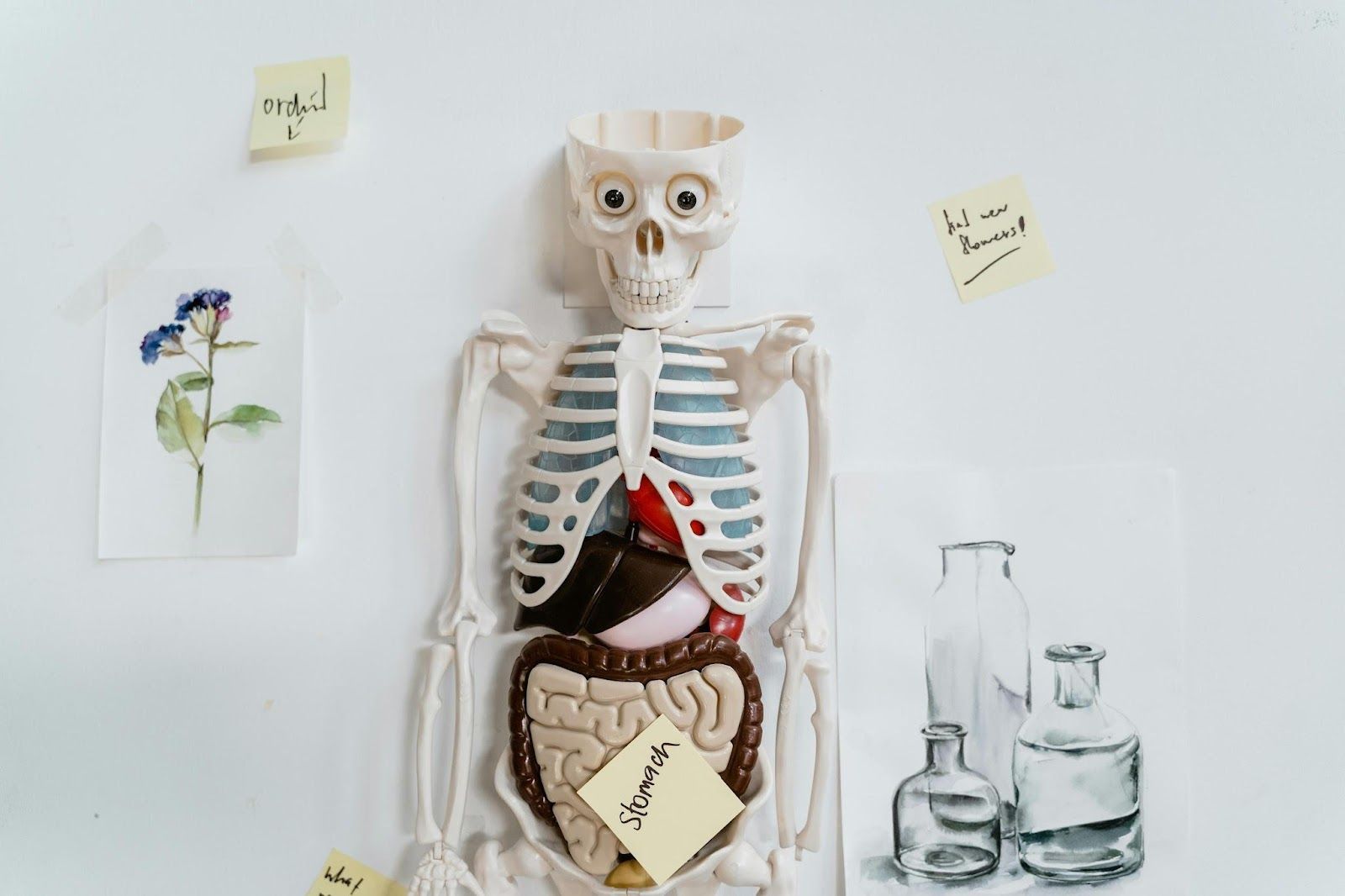

Image: MART PRODUCTION

The human body is an incredibly sophisticated machine, full of mysteries. Throughout history, science has revealed fascinating facts about how it works, yet lesser-known curiosities continue to surprise and challenge our understanding. Are you ready to discover 12 fascinating quirks about your body that will leave you speechless?

1

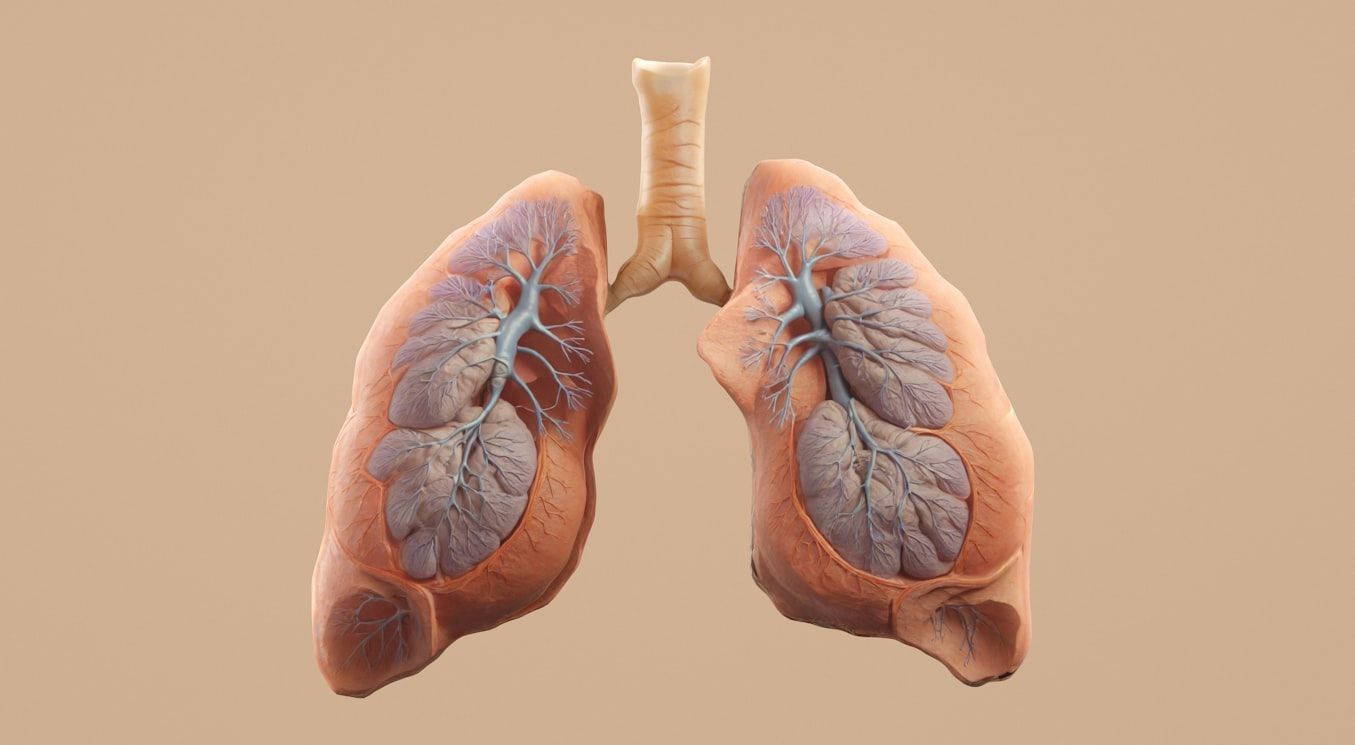
Lungs

Image: Aakash Dhage

A person inhales and exhales over 2,000 gallons of air daily, taking roughly 21,000 breaths a day. We perform this action almost unconsciously, but it is vital to absorb oxygen and expel carbon dioxide.

Now, did you know the right lung is slightly larger than the left lung to make room for the heart? And that the lungs contain over 300 billion tiny blood vessels called capillaries that, if unfolded, would extend to 1,500 miles? Don't worry, you learn something new every day!

2

Nails

Image: xx

The primary function of nails is to protect the fingertips, which contain a high concentration of nerve endings. In fact, this is one of the most sensitive areas of the human body.

Because they are more exposed, fingernails grow at a much faster rate than toenails. Fingernails grow about 1/8 inch per month, while toenails grow about half as much. Nail growth is also determined by factors such as weather, often speeding up during the summer. If you happen to lose a fingernail, it may take up to six months to grow back from base to tip.

3

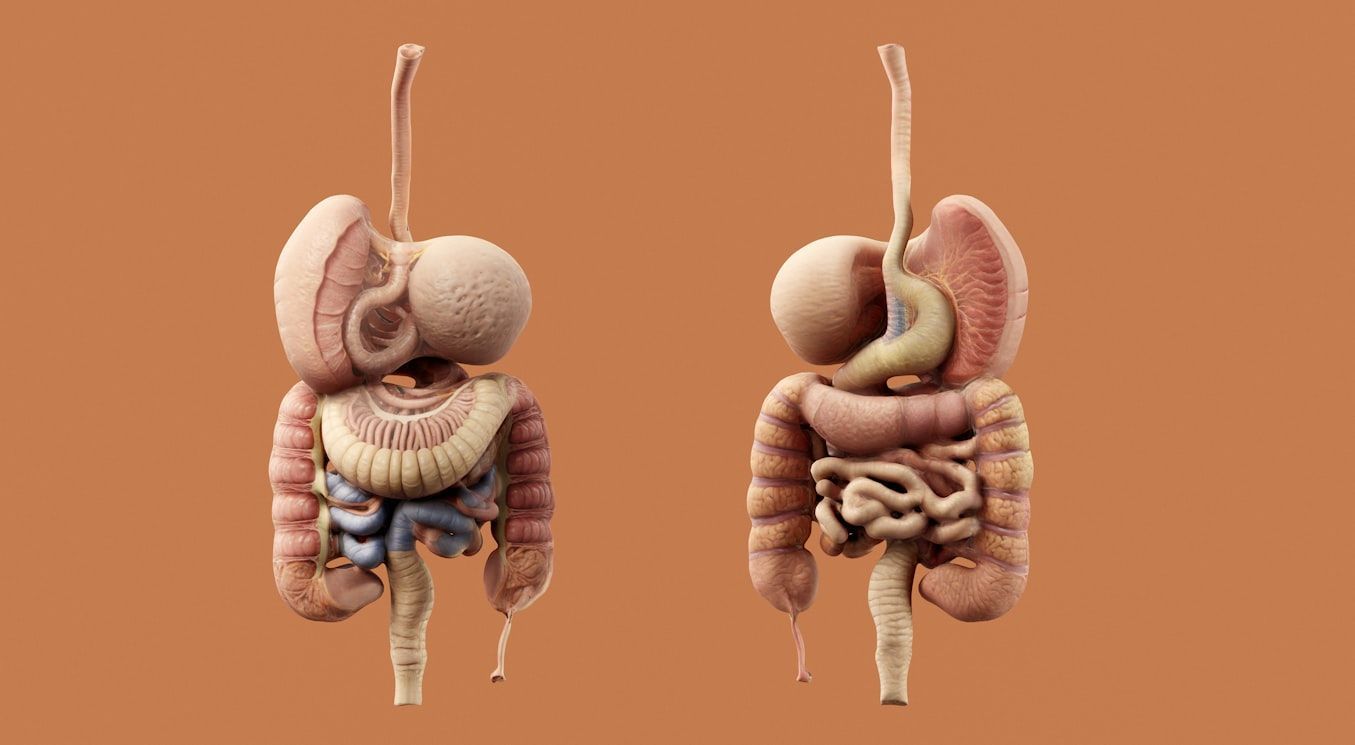
Stomach

Image: Aakash Dhage

The stomach is a fascinating organ with many peculiarities. For example, it produces hormones that influence appetite and sleep, and it can stretch to hold up to 50 ounces of food when we eat.

But perhaps its most incredible feature is its production of hydrochloric acid, which kills bacteria and aids digestion. This acid is so potent that it can even dissolve metals such as zinc. Fortunately for us, the stomach has a protective layer of mucus that is renewed every three to four days. If this lining weren’t continually replaced, it would dissolve. In other words, your stomach would digest itself.

4

Height

Image: Surja Sen Das Raj

Your thigh bone, or femur, is the largest bone in your body, accounting for about a quarter of your total height. But did you know that human height can vary throughout the day and with age?

Every morning when you wake up, you are about 0.5 to 0.75 inches taller than when you go to bed at night. This is because the soft cartilage between your bones gets compressed by the force of gravity when you stand or sit. Starting in your forties or fifties, people gradually lose nearly half an inch of height per decade due to bone density loss, disc compression, and other age-related factors.

5

Skin

Image: Leighann Blackwood

On an average adult, skin covers an area of about 20 square feet and has multiple functions. The outer layer, called the epidermis, consists of dead cells that help regulate temperature and protect the body from dirt and germs. But did you know that your body is constantly losing and replacing these cells?

Every minute, you shed more than 30,000 dead skin cells. In fact, the entire surface of your skin is replaced every month, which, in other words, means that you will lose around 40 pounds of skin and have around 1,000 different skins in your lifetime.

6

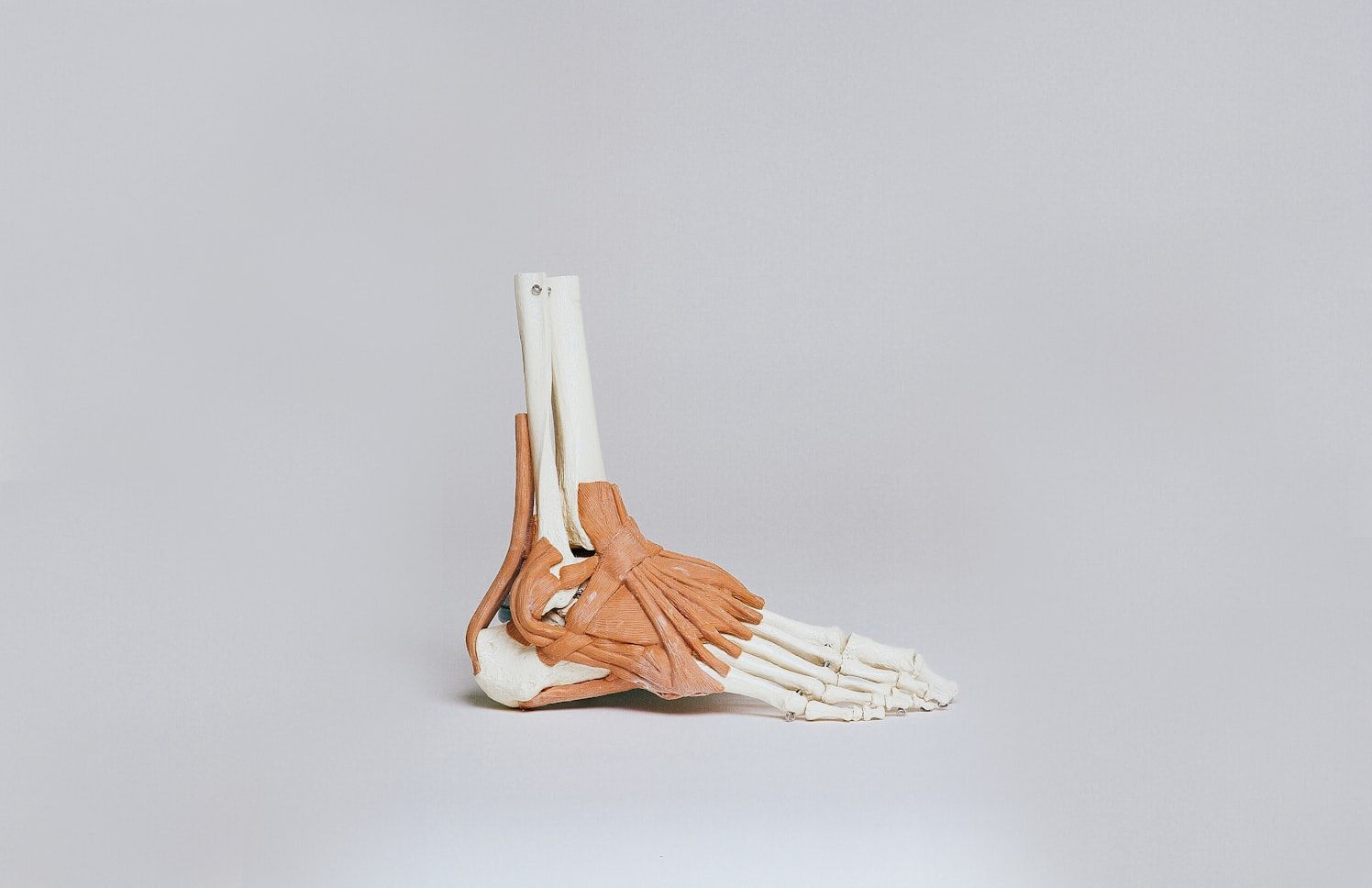
Bones

Image: Nino Liverani

We all remember what we learned in school: the human body has 206 bones. However, at birth, humans have approximately 300 bones, many of which fuse as we grow, resulting in the 206 bones found in adults. More than half of these bones are located in the hands and feet, with 27 bones per hand and 26 per foot.

Another interesting fact about human bones is that they are as strong as granite. A small piece of bone can support up to 9 tons of weight!

7

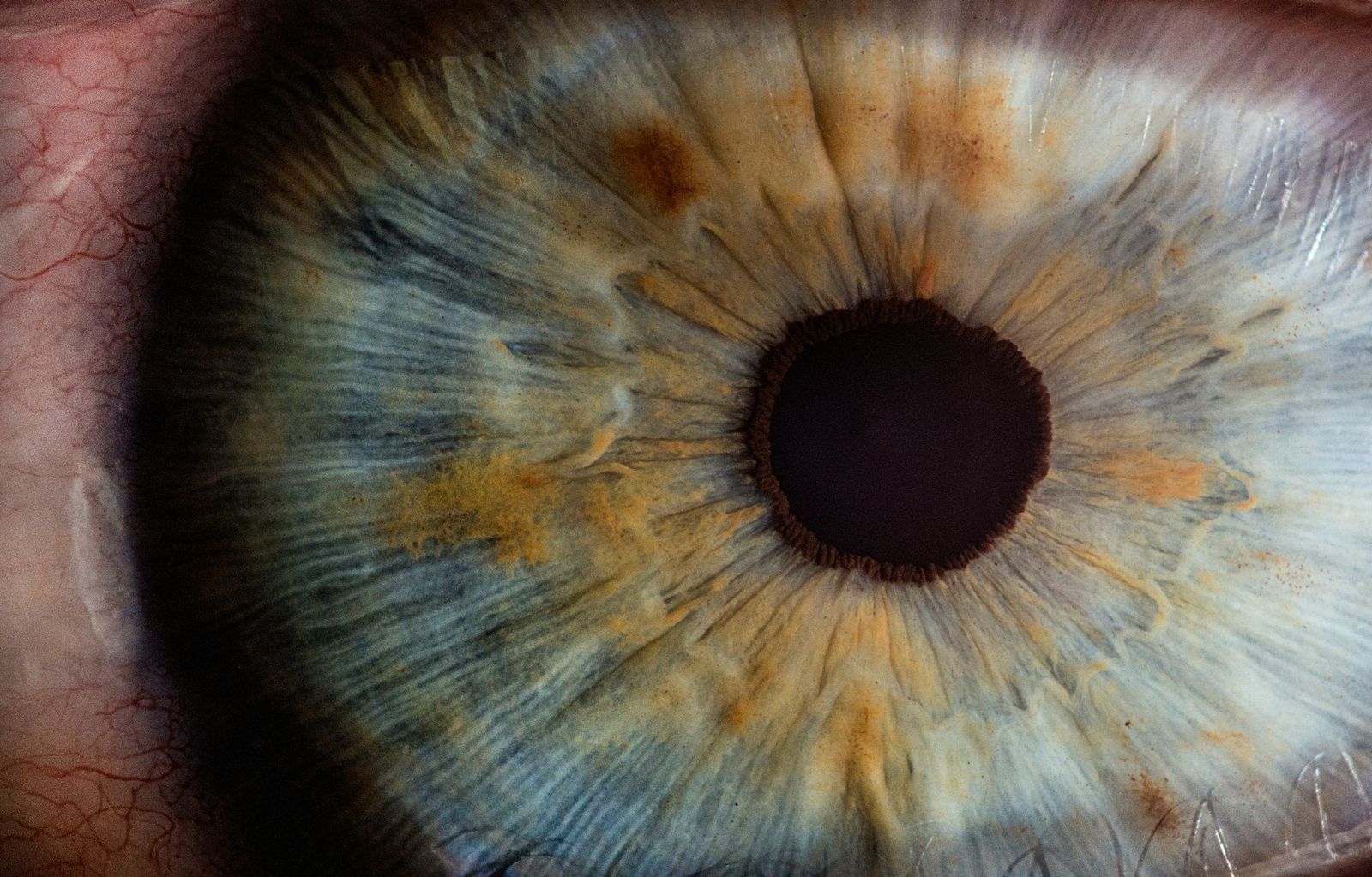
Eyes

Image: Vitalii Khodzinskyi

The eye is one of the most complex and fascinating organs of the human body. It can distinguish up to 10 million colors and adapts so quickly that it can adjust to extreme light conditions within seconds. Plus, your eyelids blink 15 to 20 times per minute, equivalent to roughly 10% of the time you spend awake!

If you have blue eyes, you are among the 8 to 10% of the world's population. Blue eyes result from a mutation that reduces pigment in the iris. Researchers believe this mutation first appeared in a person living in Europe 6,000 to 10,000 years ago, which means that all blue-eyed people living today share a common ancestor.

8

Food and drink

Image: Tony Litvyak

The human body needs food and water to survive. In fact, water makes up approximately 50% to 70% of body weight, depending on age, sex, and body composition. While the body can survive up to seven days without food, it can only last about two days without water.

Have you ever wondered how much food and drink we consume? Here's the answer: The average person eats roughly 55 tons of food and drinks about 11,000 gallons of liquid during a lifetime.

9

Temperature

Image: Liana S

We know that factors such as age, diet, physical activity, illness, and the time of day can influence temperature. In fact, body temperature tends to be lower in the morning and higher in the evening.

But here's the most surprising fact about body temperature: in just 30 minutes, the human body produces enough heat to boil half a gallon of water. Now that’s a figure you probably didn’t expect!

10

Tongue

Image: leyre del rio

For its size and composition, the tongue is the strongest and most flexible muscle in the human body. It is covered with roughly 10,000 taste buds, each containing up to 100 cells that help you detect flavors ranging from sweet to spicy. As you age, some taste buds die and are not replaced, which is why younger people often have a more sensitive sense of taste than older individuals.

But here's a fact that will blow your mind: your tongue print is as unique as your fingerprints. From the impression of a tongue, it is possible to identify a human being with similar accuracy as with fingerprints or the iris of the eyes. Luckily, it’s not a technique commonly used by forensic police!

11

Veins

Image: Elīna Arāja

Did you know that the human body contains about 60,000 miles of blood vessels, enough to circle the Earth two and a half times? Additionally, an average adult has roughly 1.2 to 1.5 gallons of blood circulating through the body. So why do veins look blue?

If you look at your wrists, you can probably see blue veins under your skin. It may sound strange, but the reason for this is to do with the way your skin absorbs light and reflects it back to your eye. So, now you know, nobody has blue blood, not even royalty!

12

Ears

Image: Franco Antonio Giovanella

Your inner ear contains fluid that helps send information about balance and movement to your brain. This fluid is also the reason you sometimes get motion sickness. When you look out of a car window, your eyes signal to your brain that your body is moving, but because you are actually sitting still, your brain becomes confused, which can make you feel queasy.

Earwax is produced by your body to protect your ear canal from dirt, insects, and bacteria. Although we commonly call it "wax," it is actually a substance largely composed of dead skin cells and other secretions. By the time it reaches the outer ear, earwax has been inside your ear for about a month!



The real origins

A house divided against itself: 10 famous phrases with biblical roots


Published on October 6, 2025


Image: Everett Collection

We use a lot of set phrases every day without giving much thought to where they came from. But you might be surprised to learn that many of them, even the ones you’d least expect, have biblical roots. Some have survived for centuries with barely a change, while others have taken on surprising new meanings. How does a saying last that long? From "A house divided against itself cannot stand" to "by the skin of your teeth," here are 10 everyday expressions that came straight from the Bible.

1

"A house divided against itself cannot stand" (Matthew 12:25, Mark 3:25, and Luke 11:17)

Image: Alexander Gardner, Public domain, via Wikimedia Commons

Most people associate "A house divided against itself cannot stand" with Abraham Lincoln, who used it in a famous 1858 speech while accepting the Republican nomination for US Senate. But the phrase is much older, with roots in the Bible.

It appears three times in the New Testament, used by Jesus to make a point during a dispute. According to the narrative, after he healed a man possessed by a demon, some leaders accused him of using Satan’s power. Jesus turned their argument against them: why would Satan fight his own forces? A kingdom or household divided against itself cannot survive. As English Bible translations spread, biblical expressions entered everyday speech. By the 1700s, this phrase was being used to describe feuding families, struggling businesses, and divided political groups, even before Lincoln made it famous in American history.

2

"Good Samaritan" (Luke 10:25–37)

Image: Brett Jordan

When someone stops to help a stranger in trouble, we call them a "Good Samaritan." It’s an everyday expression, but few know it comes from a biblical story.

In the Gospel of Luke, Jesus tells of a Jewish traveler who is robbed and beaten, left barely alive by the roadside. Several people pass him without stopping, but a Samaritan, a member of a community that had a long-standing rivalry with the Jews, stops to help and tends to his wounds. The message is clear: kindness can come from and be given to someone you least expect, even someone your own community regards as an outsider. As the story spread through Christian teaching and English Bible translations, "Good Samaritan" gradually entered everyday language. By the mid 1600s, it was becoming an established expression for anyone who goes out of their way to help someone in need.

3

"An eye for an eye" (Exodus 21:24, Leviticus 24:20, Deuteronomy 19:21, and Matthew 5:38–39)

Image: v2osk

Today, "an eye for an eye" often sounds like a license to get even, but its original purpose was almost the opposite.

The principle appears in several Old Testament passages and in much older legal codes, including the Code of Hammurabi. Known as lex talionis, it established punishment to match the offense, limiting the kind of endless blood feuds in which one injury could trigger another, and another. Rather than permitting people to take revenge, it set a boundary: no more than the offense deserved. In fact, in the New Testament (Matthew 5:38–39), Jesus criticizes the use of this rule as a justification for personal vengeance. William Tyndale used the wording "an eye for an eye" in his 1526 New Testament version, and the King James Bible helped popularize it. As Bible translations spread, the phrase entered everyday English. Over time, the expression moved from the language of law into everyday speech, where it now reflects an all-too-human urge.

4

"The writing is on the wall" (Daniel 5)

Image: Randy Tarampi

When someone says "the writing is on the wall," they’re warning you that trouble is coming and that it looks hard to avoid, but this everyday expression began with a scene straight out of the Bible.

In the Old Testament, King Belshazzar of Babylon throws a lavish feast and drinks from sacred vessels taken from the Jewish temple. Suddenly, a mysterious hand appears and writes four Aramaic words on the palace wall: Mene, Mene, Tekel, Upharsin. The prophet Daniel interprets the message as a warning that the king’s reign is about to end, and that very night, Babylon falls. In the 1500s, early English writers and theologians used the story as a divine warning to corrupt rulers. By 1720, Jonathan Swift, author of Gulliver's Travels (1726), was using "the handwriting on the wall" as a broader warning of trouble, without relying on the original religious meaning. By the 1800s, the expression had become part of everyday English as a way of saying that the signs are there; you just have to be willing to read them.

5

"Wolf in sheep’s clothing" (Matthew 7:15)

Image: photomaster

A "wolf in sheep’s clothing" is someone who seems harmless or trustworthy but is hiding bad intentions. The expression has kept much of its original meaning for centuries, though it began as a warning about a very specific kind of deceivers.

In Matthew 7:15, Jesus warns his followers about false prophets, saying, "They come to you in sheep’s clothing, but inwardly they are ferocious wolves." The image was strong: a dangerous predator disguised as something gentle. The King James Bible, published in 1611, helped spread the phrase throughout the English-speaking world. During the 1700s and 1800s, writers began applying it to dishonest politicians or deceptive lawyers. By the 19th century, the wolf in sheep’s clothing had moved away from its strictly religious meaning and entered everyday speech as a label for anyone whose friendly appearance hides a less nice side.

6

"Blind leading the blind" (Matthew 15:14)

Image: Standret

Ever had a coworker try to teach you a computer program they barely understand themselves? That’s a perfect example of "the blind leading the blind", and this familiar expression has a long history behind it.

It comes from Matthew 15:14, where Jesus warns about religious leaders who actually don’t follow God: "If the blind lead the blind, both will fall into a pit." The image stuck, and in 1500, Dutch scholar Desiderius Erasmus included the saying in Adagia, his widely read collection of proverbs. By the 1700s, as English Bible translations became more widely read, the biblical expression found its way into everyday language. Writers and playwrights began using it to criticize incompetent politicians, bad doctors, or clueless artists. Over time, its meaning broadened into the phrase we know today: people who don’t know what they’re doing trying to lead others who are just as lost.

7

"The love of money is a root of all kinds of evil" (1 Timothy 6:10)

Image: Artem Svystun

"Money is the root of all evil" is a saying many people attribute to the Bible, but the thing is that’s not quite what the Bible says. The original warning is about the love of money, not money itself; a small change that makes a big difference.

In 1 Timothy 6:10, the apostle Paul says, "The love of money is a root of all kinds of evil," to warn a young pastor named Timothy that the pursuit of wealth could lead people away from their faith and bring them trouble. The target was greed, not the contents of your wallet. By the 14th century, the saying had become a familiar warning against avarice in Catholic preaching and also appeared in Geoffrey Chaucer’s famous The Canterbury Tales (1476-1477). Then, the King James Bible (1611) helped cement the wording in English. As biblical language spread into everyday speech, the original warning gradually lost a few words and some of its nuance. Today, "money is the root of all evil" is often used to criticize not just greed, but money itself and even capitalism.

8

"By the skin of your teeth" (Job 19:20)

Image: Ozkan Guner

Ever made it to the airport just as the gate was closing, or escaped a serious mistake at the very last second? You might say you got away "by the skin of your teeth." It’s a strange expression, though, so where did it come from?

The phrase traces back to the biblical Book of Job, where Job describes his terrible suffering and says in the King James Version, "I have escaped by the skin of my teeth" (Job 19:20). Although scholars still debate the use of "teeth" in this translation, Job, worn down by pain and illness, was describing survival at the very edge of endurance, not a last-second getaway. Over time, writers such as John Milton in Paradise Lost (1667), Charles Dickens in David Copperfield (1849-1850), and Victor Hugo in Les Misérables (1862) helped carry the expression into literature and consequently into everyday speech. By the 19th and 20th centuries, its religious context had faded, leaving us with the meaning we know today: escaping danger or succeeding by the narrowest margin.

9

"The last shall be first" (Matthew 19:30; Matthew 20:16)

Image: Aaron Burden

Imagine a struggling football team pulling off a stunning upset against a longtime champion. When the underdogs are on top, the saying "the last shall be first" seems to fit perfectly. But this familiar expression began with a much more complex idea than an unexpected win.

The phrase comes from the Gospel of Matthew, where Jesus declares, "The last shall be first, and the first shall be last." In an ancient world where wealth, power, and high social standing were often viewed as signs of God's favor, he turned that order upside down. In the Kingdom of God, he taught, the humble and overlooked could be honored above the powerful and privileged. By the 17th century, the saying had also become a familiar way to encourage people facing hard times. And in the 19th and 20th centuries, it took on broader social and political meaning, inspiring people fighting for equality and liberation.

10

"Salt of the earth" (Matthew 5:13)

Image: Royce Fonseca

Got neighbors who are always ready to lend a hand and never expect anything in return? You might call them "the salt of the earth". Today, it’s a warm compliment, but its roots go back directly to the Bible.

In Matthew 5:13, Jesus tells his followers, "You are the salt of the earth: but if the salt have lost his savour, wherewith shall it be salted?" In the first century, salt was highly prized, used to preserve food, treat wounds, mark sacred agreements, and in some places, it even served as a form of payment. So the comparison carried a powerful message: just as salt kept food from spoiling, people should help preserve goodness and integrity in the world. The expression later spread into everyday English, appearing in Geoffrey Chaucer’s The Canterbury Tales in the 14th century. Over time, its religious meaning faded, and by the 19th century, the phrase shifted from urging people to live with integrity to describing those who do.

Looking for an extra scoop of literary fun?

Learn more with our Word of the day

paradigm

/ˈpɛrəˌdaɪm/