If it rhymes, it must be true
We made a list of the 10 best replies in the history of Mankind. Agree?
Published on August 29, 2026

History is full of memorable questions, but every so often, someone answers in a way that outlives the question itself. Whether spoken on a mountain, a battlefield, in a prison, or in the halls of government, these replies became famous because they condensed courage, wit, conviction, or wisdom into just a few unforgettable words. Discover 10 real exchanges in which a simple answer became part of history because of the beautiful way in which it was expressed.
"Because it's there." — George Mallory

British mountaineer George Mallory offered this famously concise reply during a 1923 interview before another attempt on Mount Everest, then the only major summit that had never been conquered, to the question "Why do you want to climb Mount Everest?" His three words expressed the human desire to explore simply because something remains unexplored.
Mallory disappeared on Everest with fellow climber Andrew "Sandy" Irvine in June 1924, and historians still debate whether they reached the summit before dying. His answer became one of the defining quotations of exploration and later inspired John F. Kennedy's case for going to the Moon.
"The report of my death was an exaggeration." — Mark Twain

In 1897, newspapers mistakenly reported that Mark Twain had died while he was living in London. When a reporter contacted him to verify the rumor, the celebrated author responded with the dry wit that had made him America's best-known humorist.
Although the exact wording varies slightly among contemporary accounts, the sentence quickly became one of the most quoted lines in English. More than a century later, it remains the perfect comeback whenever rumors spread faster than the truth.
"Not because they are easy, but because they are hard." — John F. Kennedy
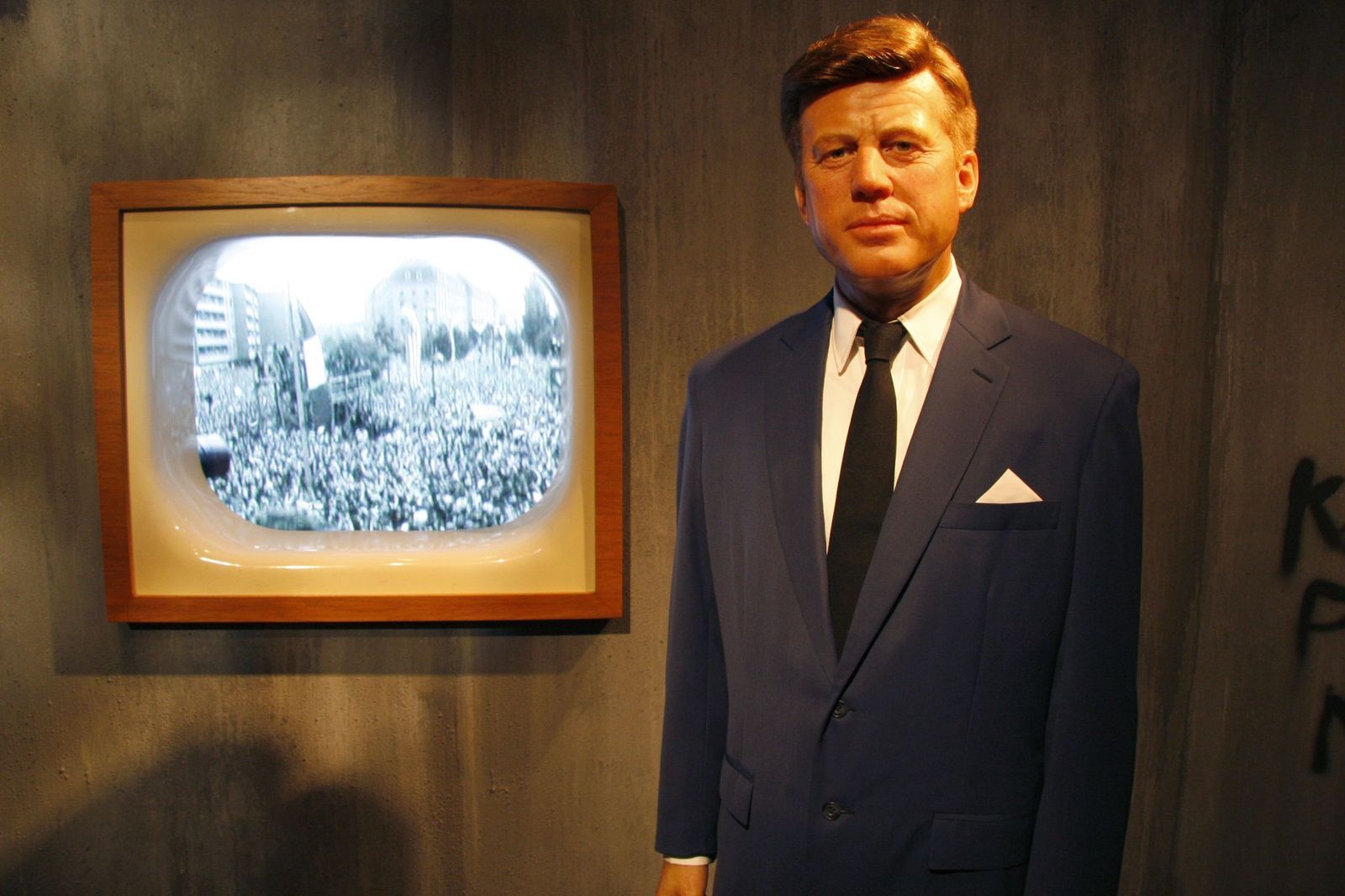
President John F. Kennedy answered the question "Why go to the Moon?" during his celebrated speech at Rice University in Houston on September 12, 1962. Rather than emphasizing technology or national prestige, he argued that difficult goals reveal the best qualities of a nation.
In the same address, Kennedy even referenced George Mallory's explanation for climbing Everest, linking mountaineering with space exploration. Seven years later, Apollo 11 fulfilled the challenge by landing the first humans on the Moon.
"Am I not destroying my enemies when I make friends of them?" — Abraham Lincoln
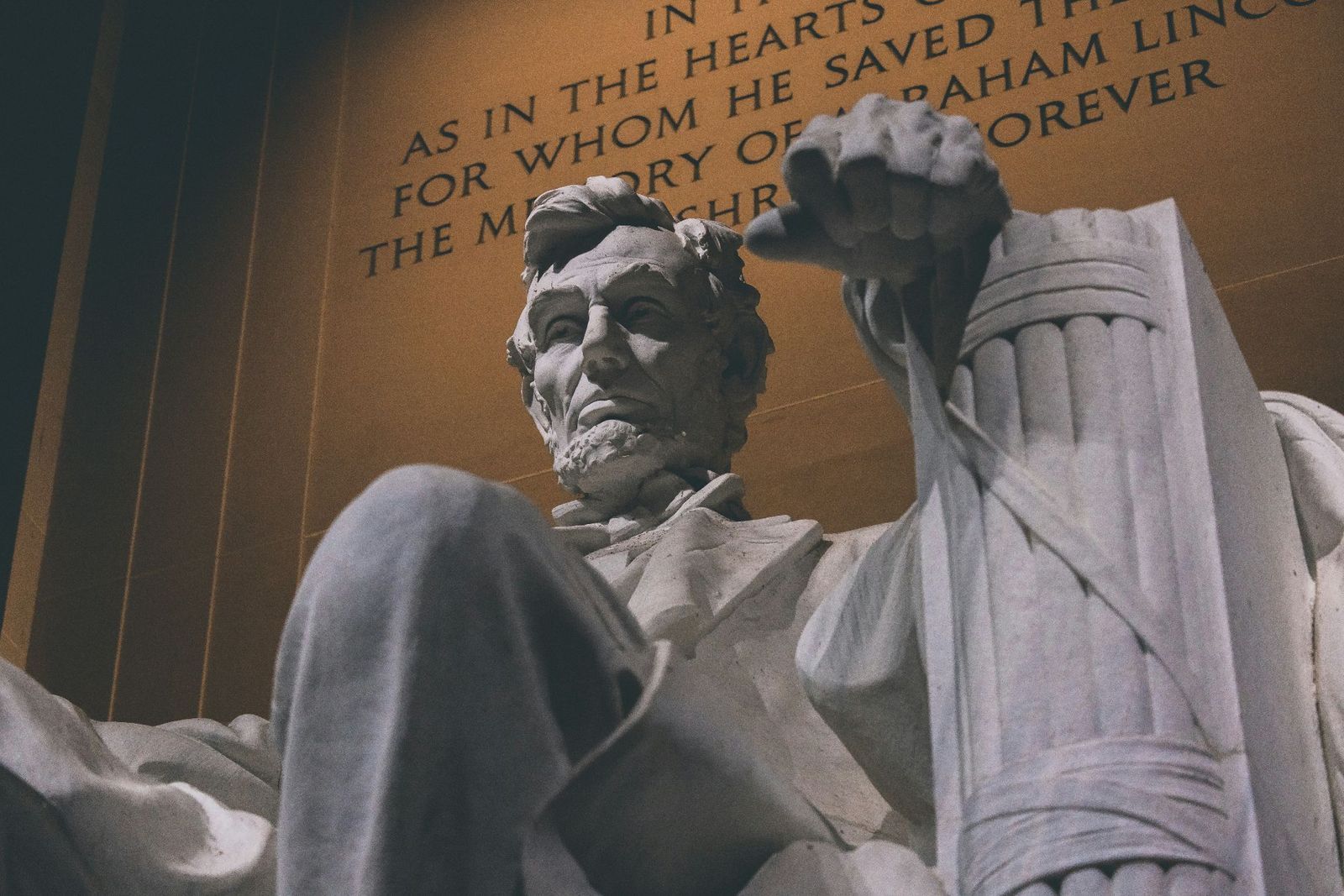
Abraham Lincoln was frequently criticized during the Civil War for showing compassion toward former enemies instead of seeking revenge. Rather than defending himself with a lengthy argument, he replied with a rhetorical question that completely reframed the criticism.
The answer reflected Lincoln's belief that reconciliation could achieve what military victory alone never could. It has endured as one of history's most elegant expressions of forgiveness, leadership, and political wisdom.
"What else should one do?" — Sir Edmund Hillary

After becoming, with Tenzing Norgay, the first confirmed climber to reach the summit of Mount Everest in 1953, Edmund Hillary continued exploring some of the world's most remote places. His curiosity never disappeared simply because one great goal had been achieved.
When asked why he kept climbing, Hillary's understated reply reflected the modest personality that made him admired far beyond mountaineering. Like George Mallory before him, he suggested that true explorers climb because exploration itself is the reward.
"I have not yet begun to fight!" — Captain John Paul Jones
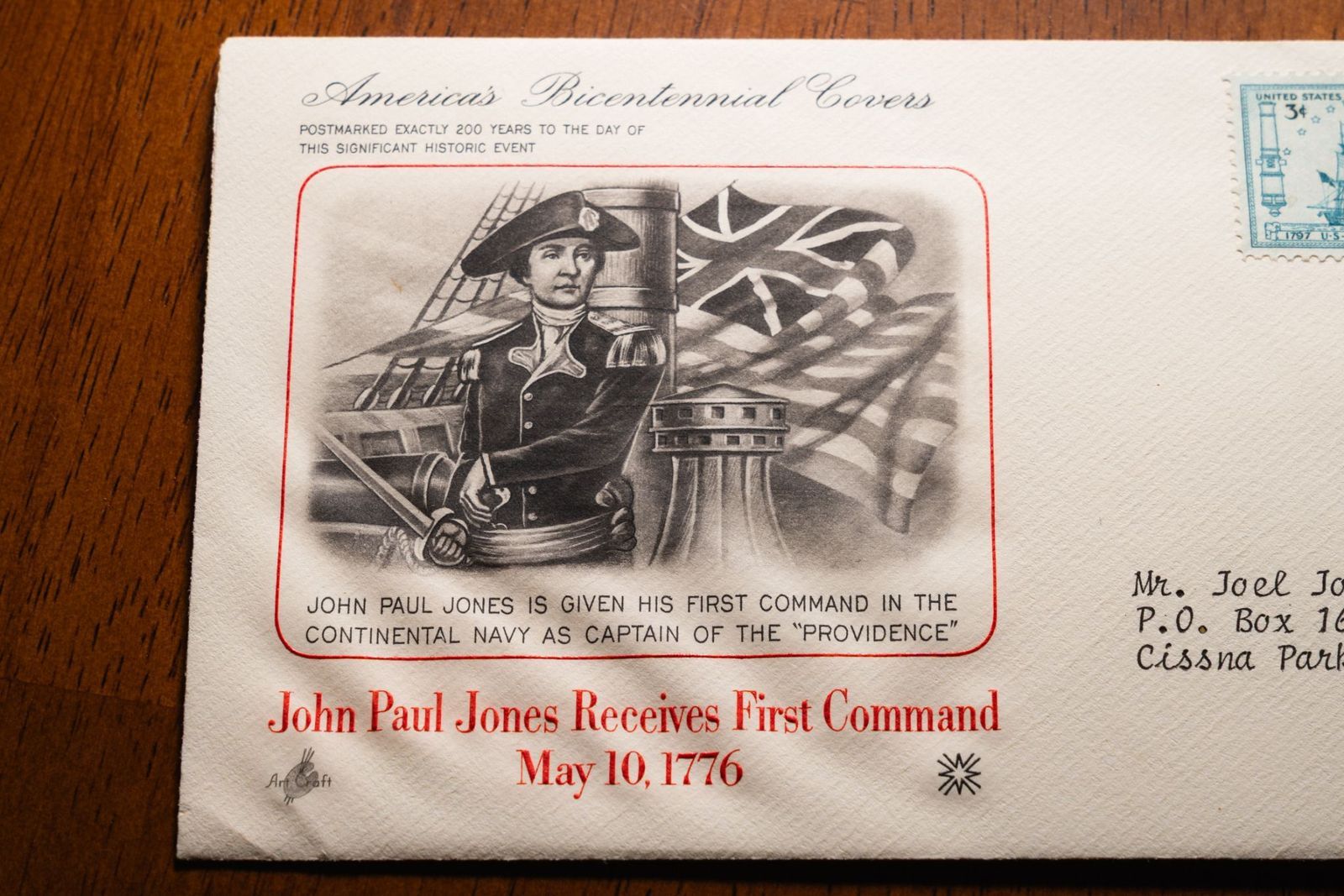
During the Battle of Flamborough Head in 1779, Captain John Paul Jones commanded the badly damaged Bonhomme Richard against the British warship Serapis. With his vessel burning and close to sinking, the British demanded that he surrender.
Jones's refusal instantly rallied his crew, who fought on and eventually captured the enemy ship. Whether recorded word for word or slightly embellished over time, the reply became one of the most celebrated declarations of courage in naval history.
"Yes. Stand out of my sunlight." — Diogenes of Sinope
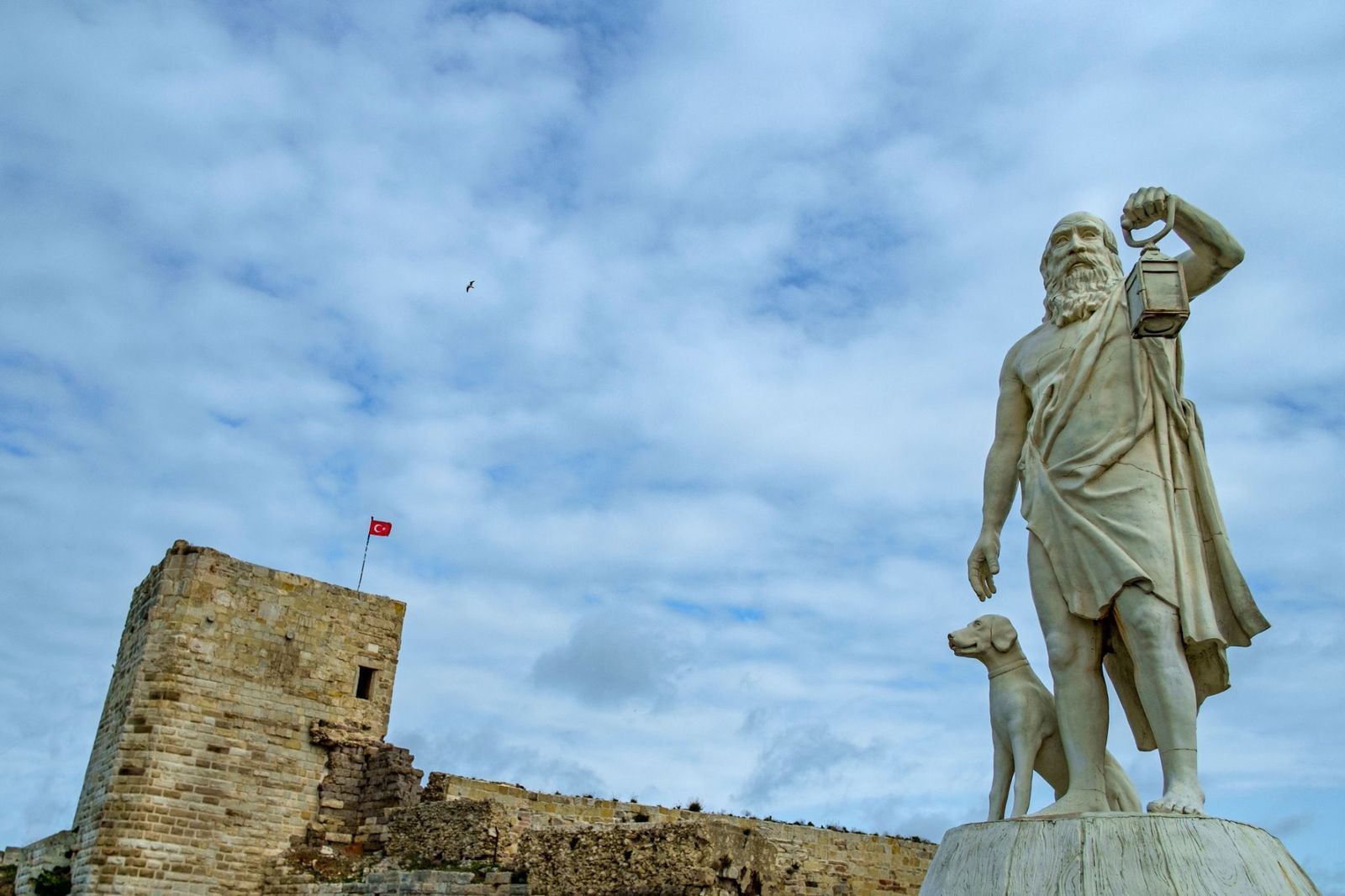
Ancient writers tell that Alexander the Great visited the philosopher Diogenes in Corinth and generously offered to grant him any wish. Instead of requesting wealth, power, or honors, Diogenes simply asked the conqueror to stop blocking the sunshine.
The exchange became one of antiquity's most enduring philosophical anecdotes. In a single sentence, Diogenes demonstrated that a person who desires almost nothing cannot easily be controlled, even by the most powerful ruler on Earth.
"To the strongest." — Alexander the Great
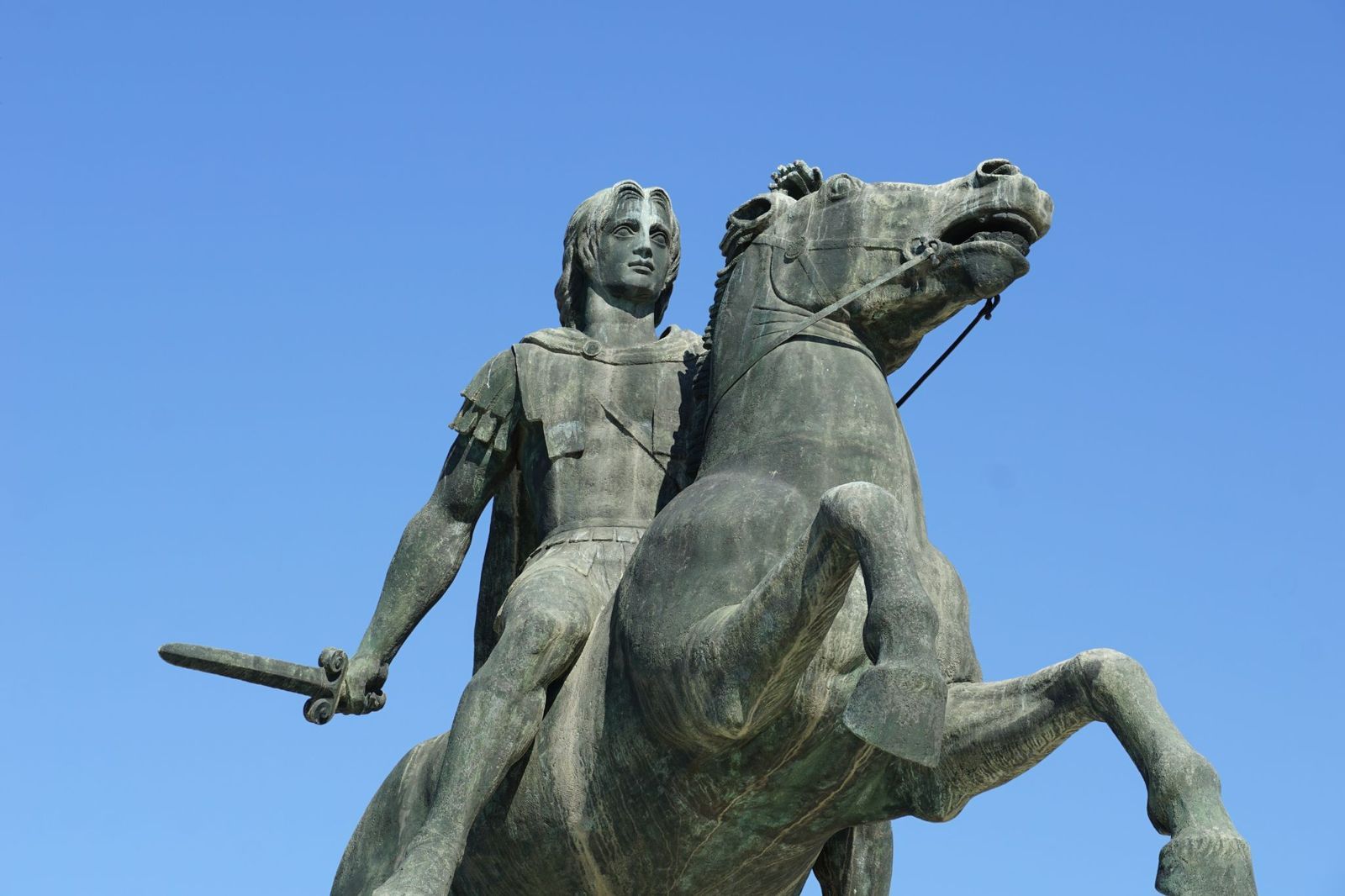
According to one ancient tradition, Alexander the Great was asked the question "To whom do you leave your kingdom?" as he lay dying in Babylon in 323 BC. Rather than naming a specific heir, he reportedly answered with two words that left the future of his empire completely uncertain.
Whether historically exact or not, the reply became inseparable from Alexander's legend. Without an undisputed successor, his generals fought for decades in the Wars of the Diadochi, dividing one of history's greatest empires into rival kingdoms.
"I am the master of my fate, I am the captain of my soul." — Nelson Mandela, quoting Invictus
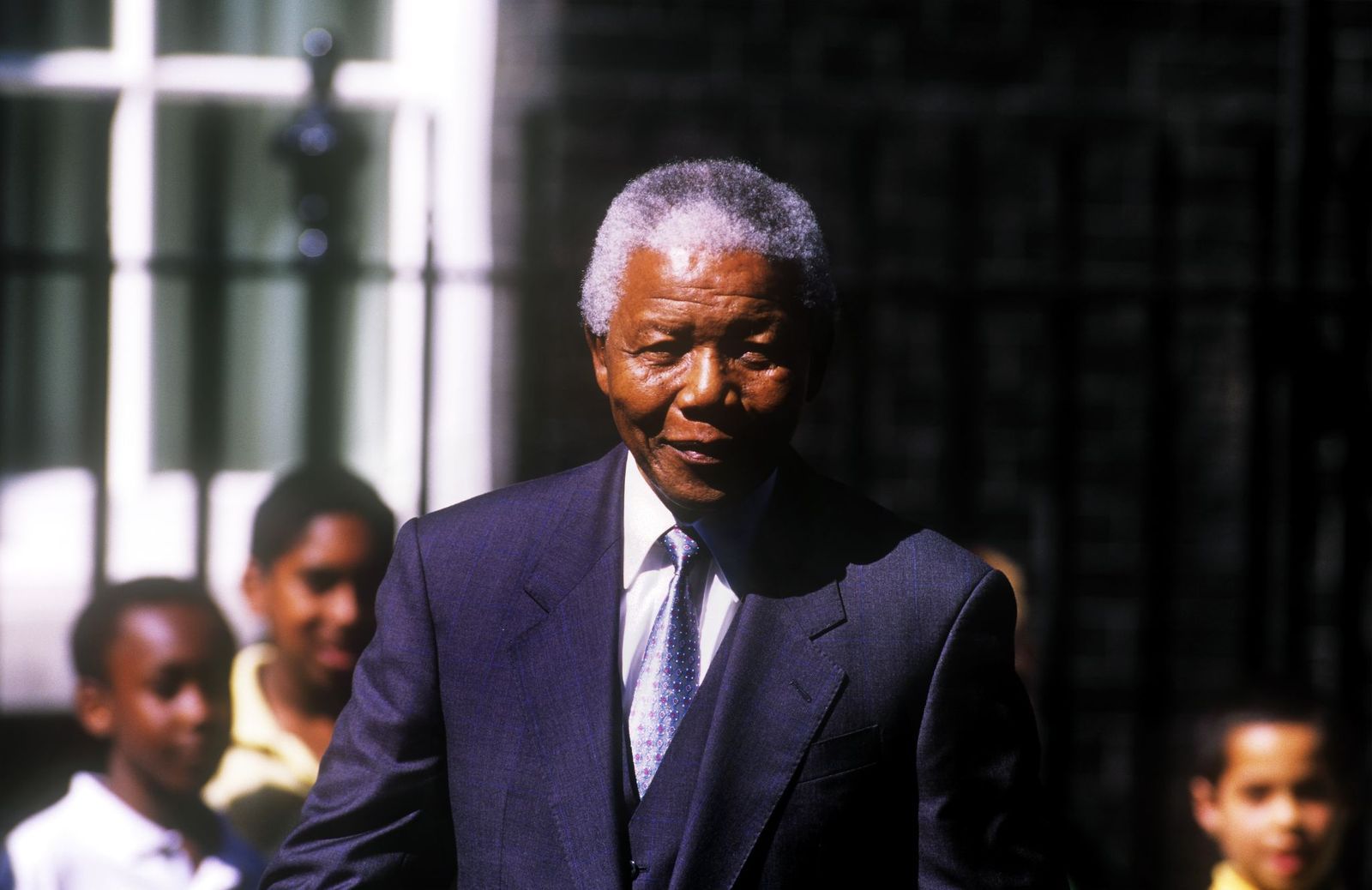
These words close Invictus, the 1875 poem by English writer William Ernest Henley. Nelson Mandela often drew strength from the poem during his imprisonment under South Africa's apartheid regime, where he spent 27 years behind bars, and used it to reply to a reporter who asked: "How do you survive 27 years in prison without losing your dignity?"
By embracing Henley's verse, Mandela transformed it into a universal symbol of resilience and inner freedom. The quotation came to embody his belief that while others may control your circumstances, they cannot govern your spirit.
"If you have to ask, you'll never know." — Louis Armstrong
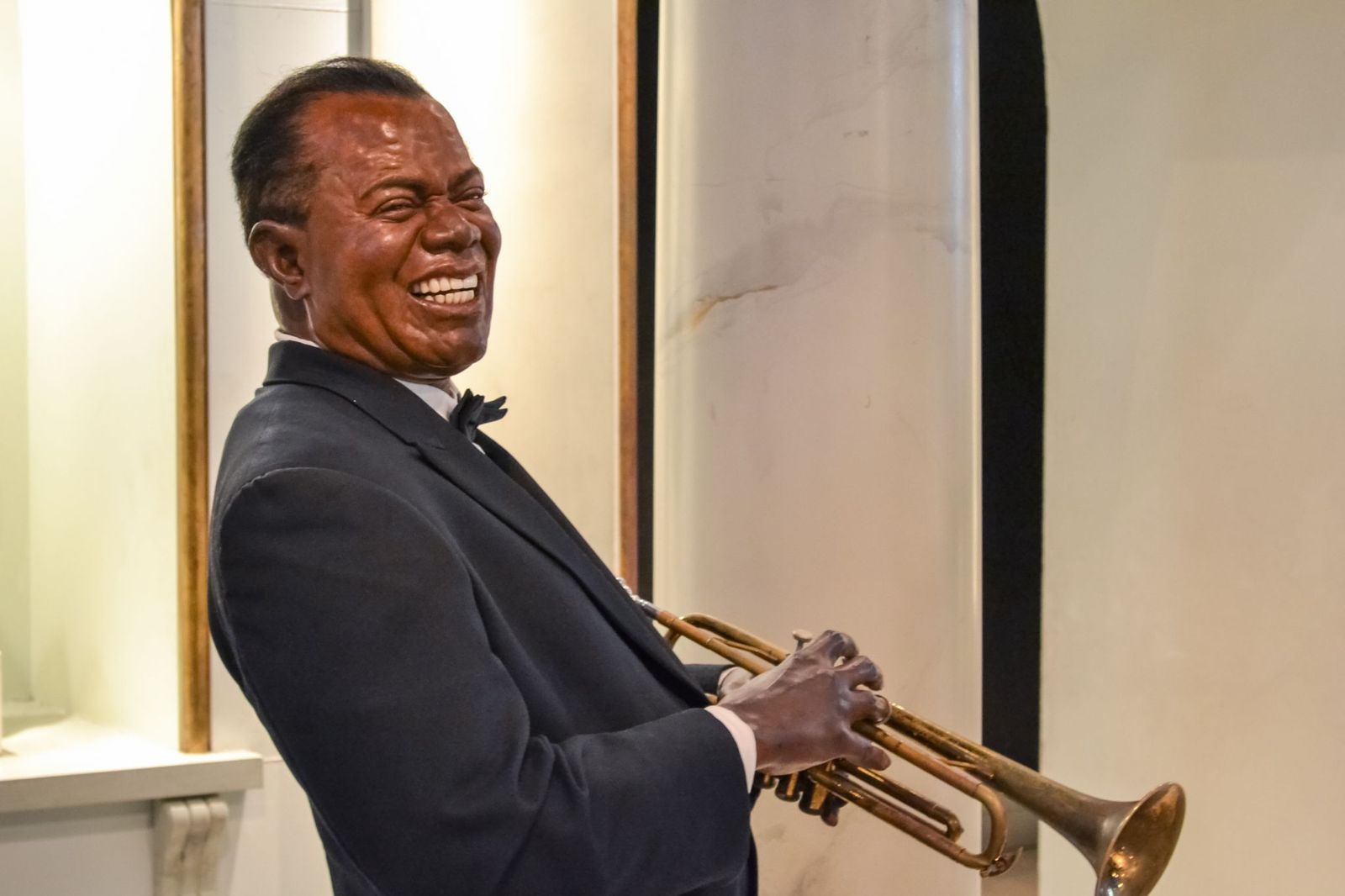
Louis Armstrong was asked countless times by journalists to explain jazz, a genre that transformed American music during the twentieth century. Rather than describing technical aspects or blues traditions, he dismissed the very idea that jazz could be reduced to a definition.
His poetic and somewhat annoyed answer suggests that some experiences can only be understood by living them. More than a clever reply, it became one of the most quoted observations in music history.