Are your words as "vulgar" as you think? 10 shocking etymological origins


Published on May 16, 2026

Image: Melike B

Etymology—the study of word origins—reveals that the terms we use daily often started with meanings that were drastically different, sometimes even comical or celestial. When we look into the lineage of our vocabulary, we find traces of Viking warriors, Greek myths, and even the breaking of river ice. Continue reading to discover 10 words with fascinating origin stories.

1

Galaxy

Image: Guillermo Ferla

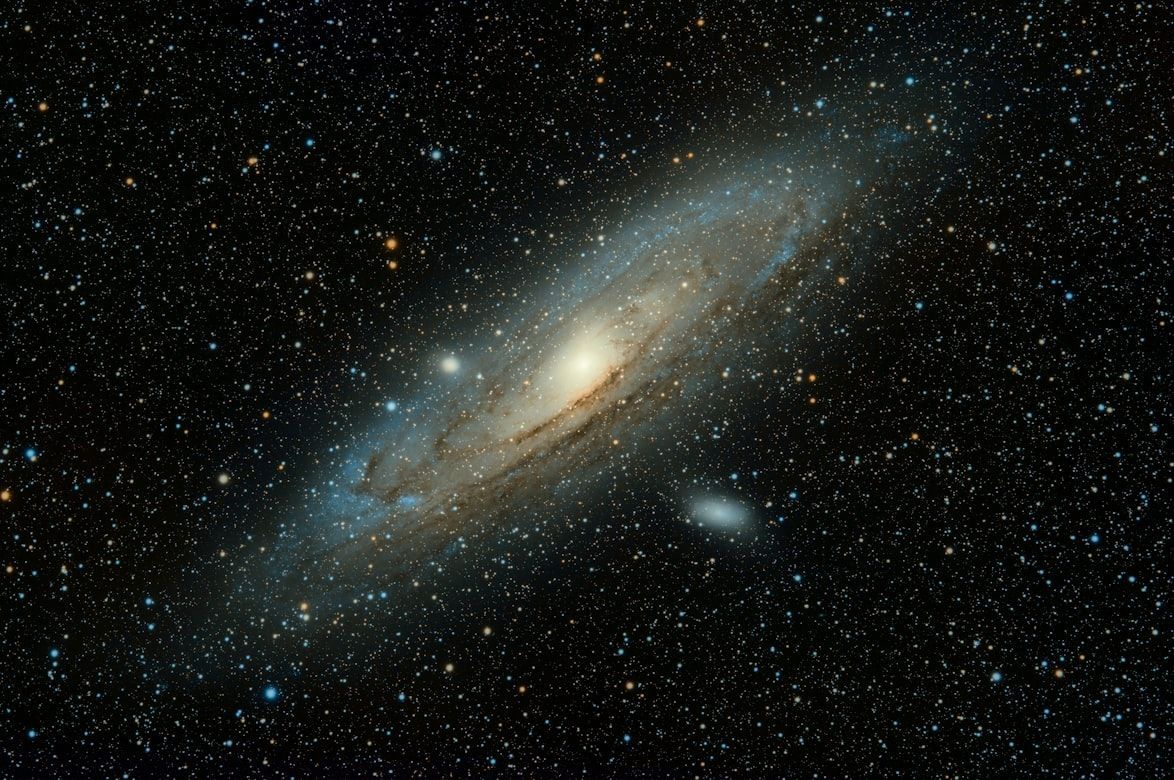
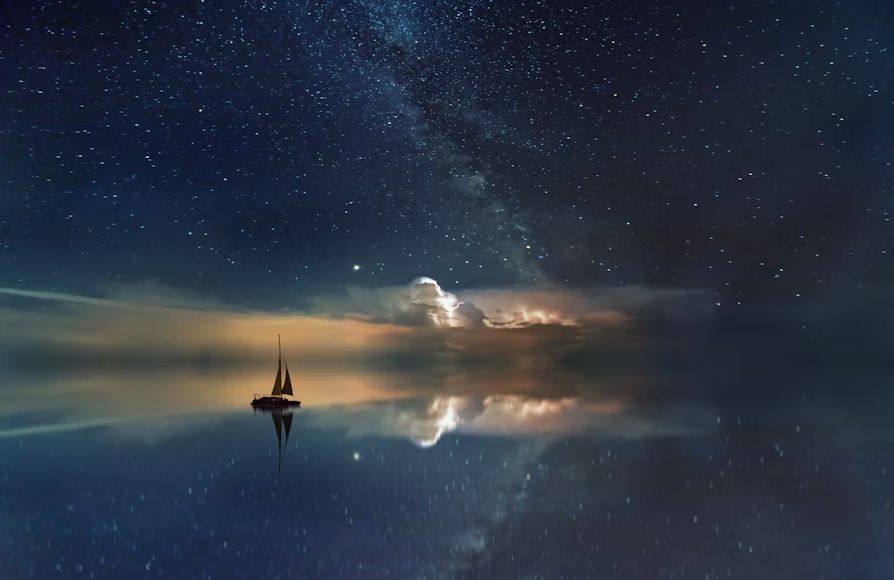
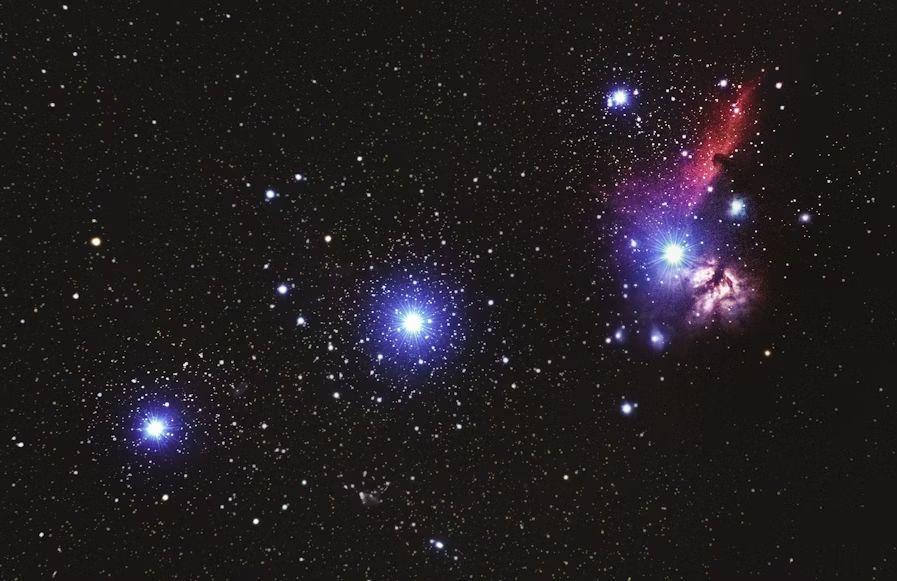
When we think of a galaxy, we imagine vast, swirling clusters of billions of stars across the vacuum of space. However, the origin of the word is much more domestic. The term comes from the Greek galaxias, which is derived from gala, meaning "milk".

This linguistic connection stems from Greek mythology. According to legend, the Milky Way was created when the goddess Hera was nursing the infant Heracles. When she pulled away, a spray of milk streaked across the sky. To the ancient Greeks, the glowing band of light in the night sky was literally the "milky circle". While we now know that galaxies are composed of stars and gas, our scientific terminology remains rooted in an ancient story of a mother and her child.

2

Marmalade

Image: Nadin Trosh

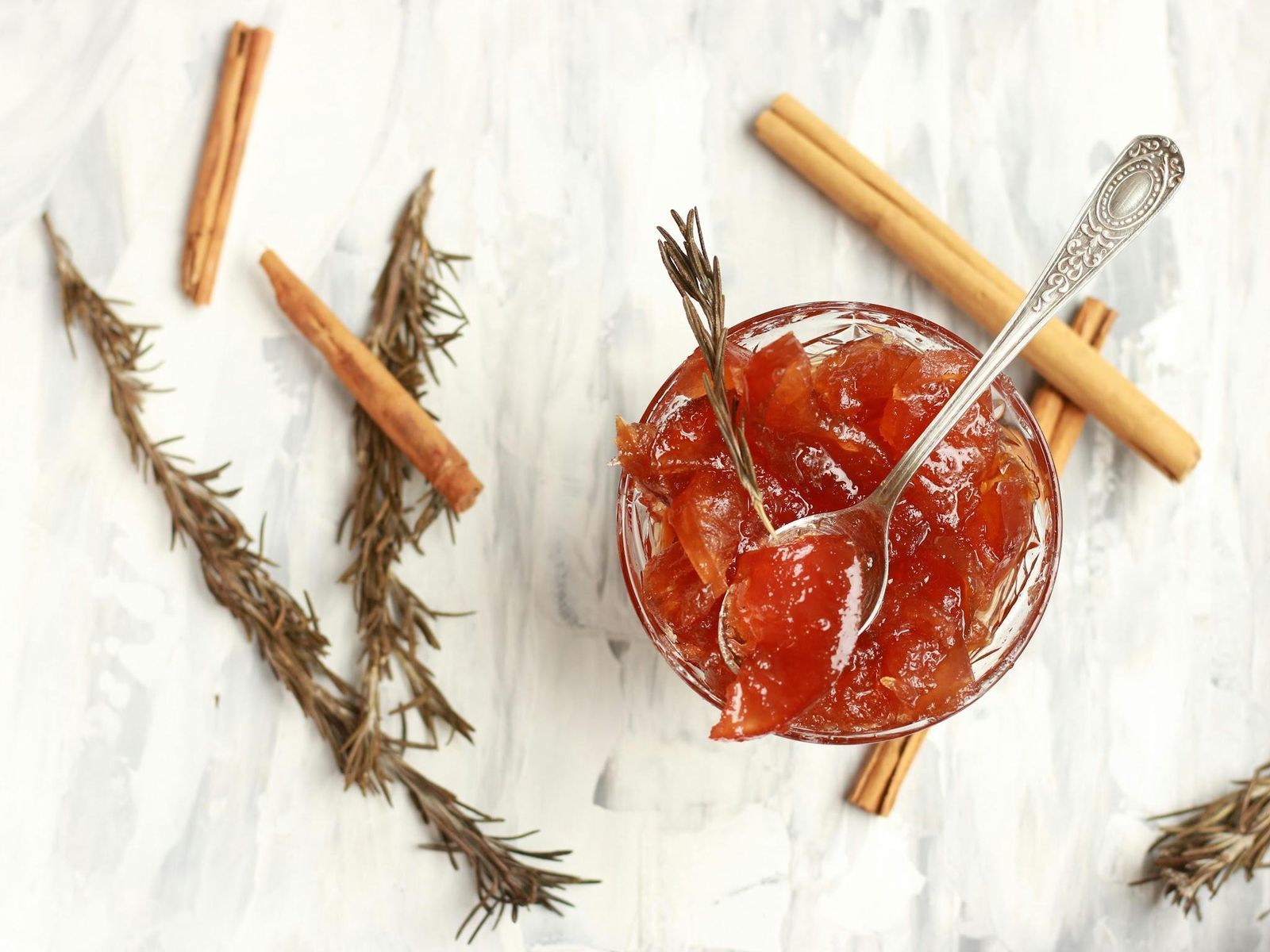
While most of us associate marmalade with a bitter orange preserve enjoyed at breakfast, the word’s history has nothing to do with citrus. It comes from the Portuguese word marmelada, which was a preserve made from marmelo, the word for "quince".

In the 15th and 16th centuries, quince paste was a thick, solid confection often imported into England. As the centuries passed and international trade expanded, bitter Seville oranges replaced quinces as the primary ingredient in these preserves.

3

Berserk

Image: Fernando Cortés

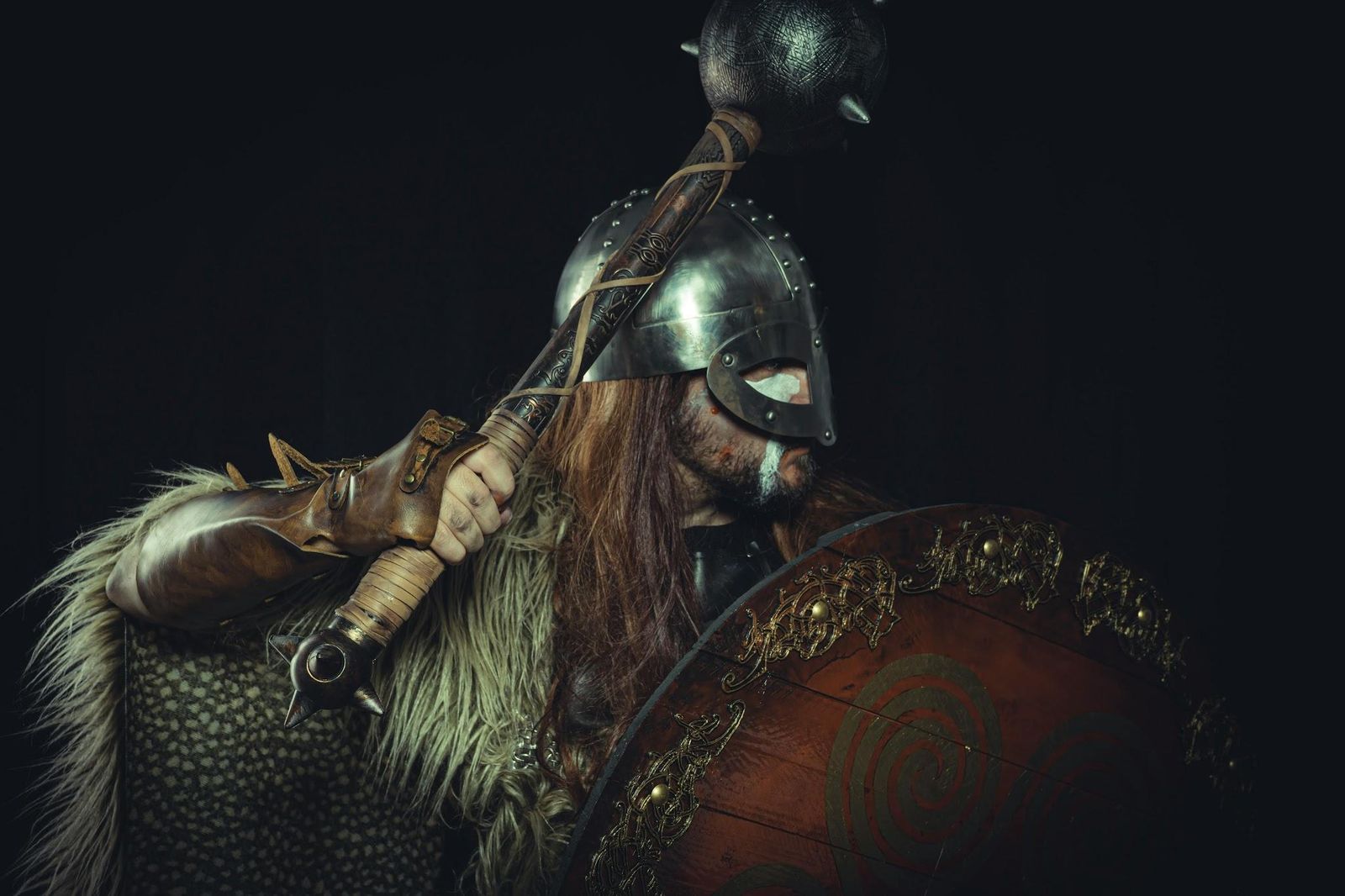
To go "berserk" is to lose all control, acting with a wild, frenzied energy. The origin of this word is found in the terrifying Viking warriors of Old Norse lore. The term berserkr is a compound of ber- (meaning "bear") and serkr (meaning "shirt" or "garment").

These "berserkers" were legendary fighters who entered battle in a state of trance-like fury, wearing bear skins rather than armor. Some historians believe their frenzy was induced by hallucinogenic mushrooms or heavy drinking, but the result was a warrior so fierce they were said to be immune to fire and iron. Today, the word has transitioned from a specific type of Norse soldier to a general description of chaos.

4

Weird

Image: Cecilia Miraldi

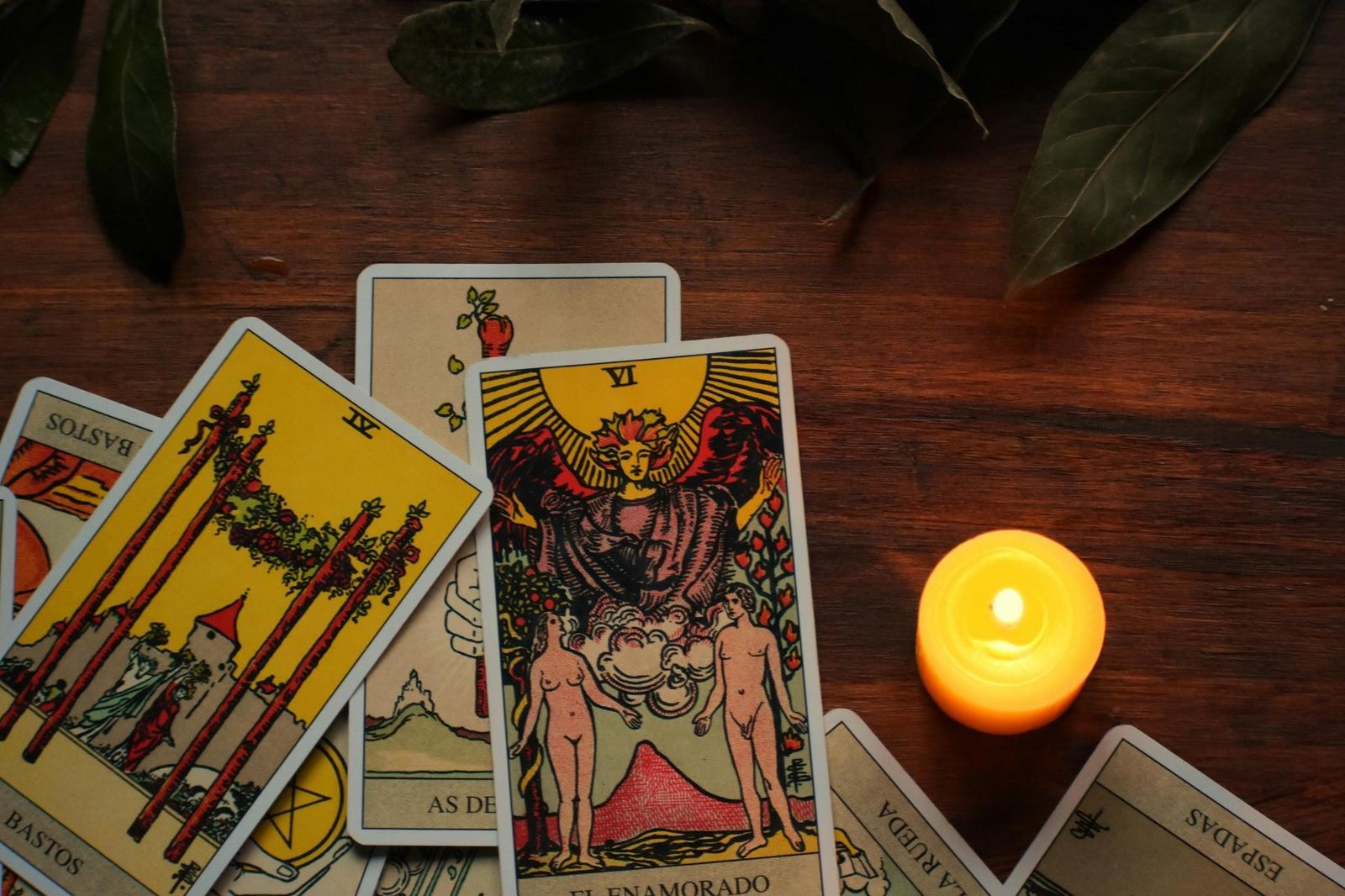
In modern English, weird simply means strange or freaky. But in Old English, the word wyrd meant "fate" or "destiny". That is to say, it was a noun, not an adjective. A person’s wyrd was the unchangeable path laid out for them by the universe.

The shift toward the modern meaning of "strange" was largely influenced by William Shakespeare. In Macbeth, he introduced the "Weird Sisters", three witches who could see and manipulate the threads of fate. Because these characters were supernatural and unsettling, audiences began to associate the word "weird" with the uncanny and the bizarre.

5

Explode

Image: cottonbro studio

If a bomb explodes, it bursts with violent force. However, the word’s Latin ancestor, explodere, had a much more vocal meaning: "to clap out". In the world of ancient Roman theater, explodere meant to drive an actor off the stage by clapping, hissing, or shouting.

For centuries, "explode" referred to the rejection or driving out of an idea or a person through noise. It wasn’t until the 17th and 18th centuries, with the advancement of gunpowder and physics, that the word began to describe a physical, violent burst of pressure.

6

Vulgar

Image: Ryoji Iwata

Today, if someone is described as "vulgar", it usually means they are crude, offensive, or lacking in manners. But originally, the Latin vulgaris, from vulgus, the "common people", simply meant "common" or "ordinary".

For a long time, the "vulgar tongue" was simply the local language as opposed to the prestigious Latin used by the church and scholars. Over time, however, the word took on a snobbish, class-based connotation. The elite began to view anything common as inferior and unrefined, leading to the modern definition where "vulgar" is a synonym for "distasteful".

7

Arctic

Image: Hans-Jurgen Mager

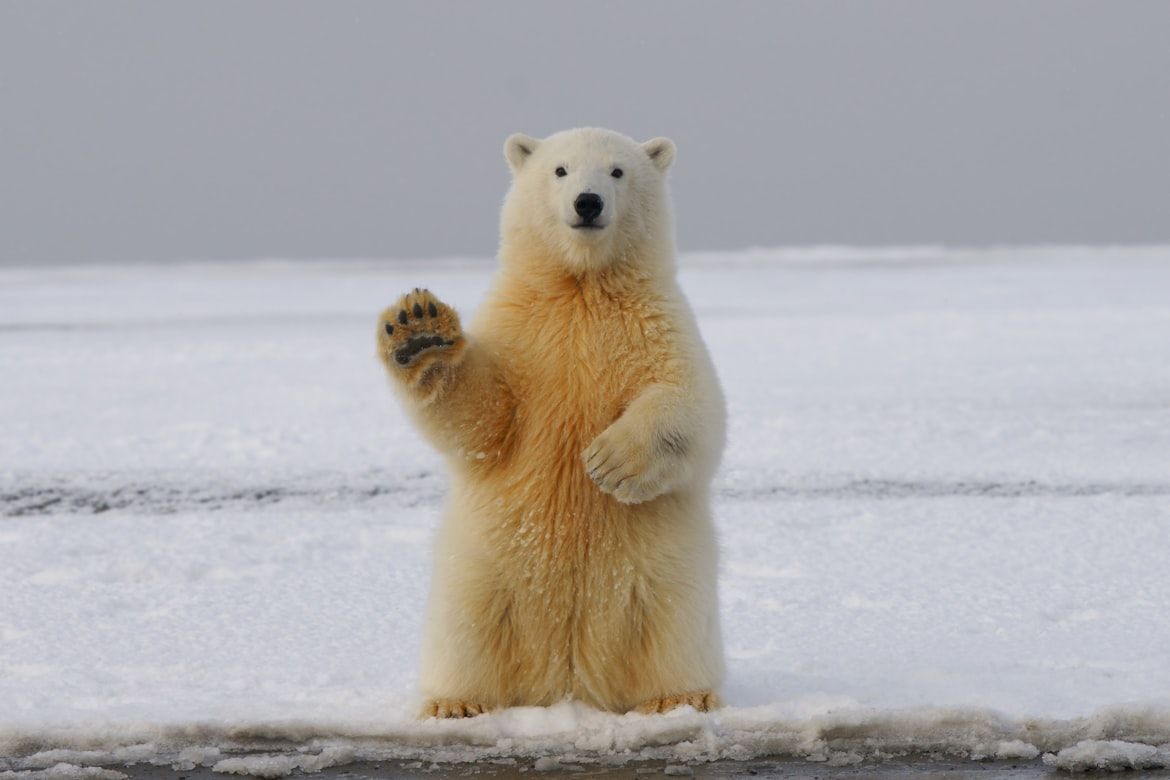
One might assume that "Arctic" is an indigenous word for the frozen north, but actually, it’s Greek in origin. Arktos is the Greek word for "bear". Yet, the region is not named for the polar bears that lived there, but for the constellations that hang above it.

In the northern sky, the constellation Ursa Major, the Great Bear, is an important landmark. To the ancient Greeks, the Arctic was simply the land under the Bear. Interestingly, the name for the southern pole, Antarctica, literally means "opposite the bear".

8

Camouflage

Image: James Wainscoat

"Camouflage" is a relatively young word in the English language, entering common usage during World War I. It comes from the French camoufler, which was slang for "to disguise". In turn, some etymologists link it to camouflet, a term for a puff of smoke blown into someone’s face to distract them.

Before it was a military tactic used to hide tanks and soldiers, camouflage was a term used by thieves and actors to describe the art of changing one’s appearance. The war transformed it into a technical endeavor involving artists and biologists to create patterns that could deceive the enemy’s eye.

9

Flu

Image: Andrea Piacquadio

When we come down with the "flu", we rarely think about astrology. However, the word is a shortened form of influenza, which is Italian for "influence". In medieval times, people believed that outbreaks of disease were caused by the "influence" of the stars and planets.

Later, the term was refined to influenza del freddo, "influence of the cold". Eventually, the English language dropped the astrological baggage and the "cold" reference, leaving us with a punchy, three-letter word for a respiratory virus.

10

Debacle

Image: Arkadiusz Gąsiorowski

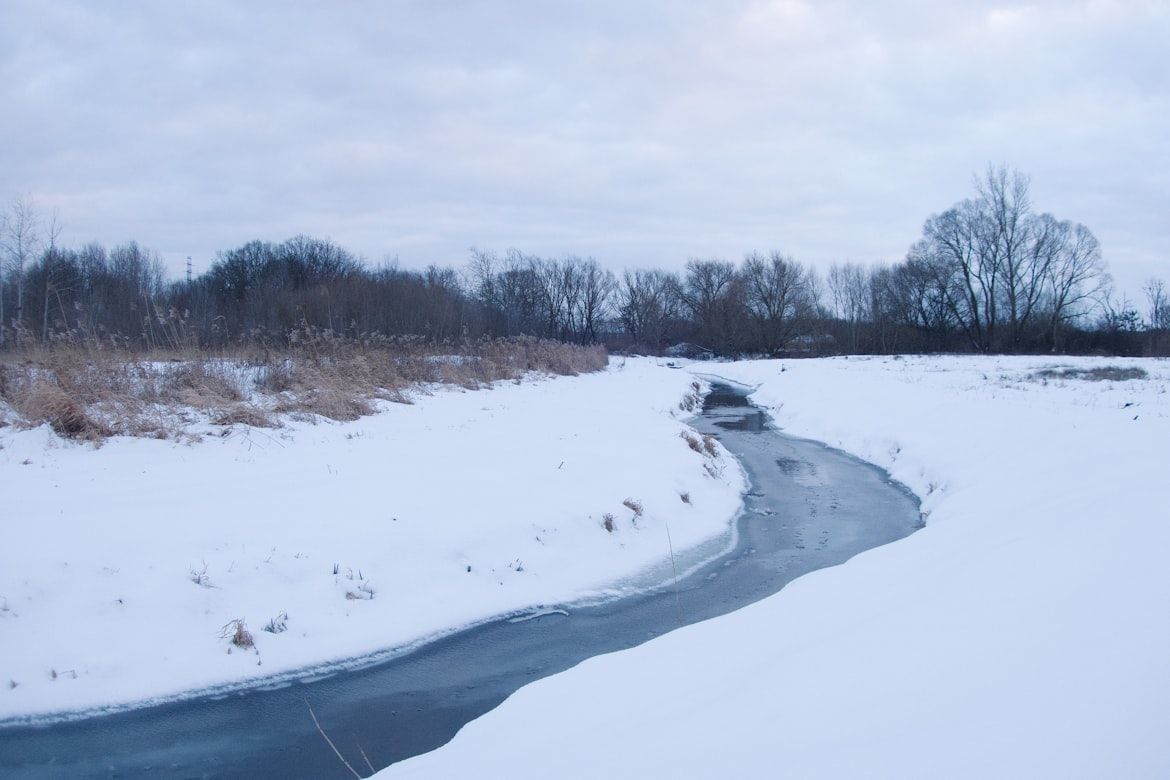
A "debacle" is a sudden, disastrous failure or a total collapse. The word’s history is rooted in the natural world. It comes from the French débâcle, which originally referred to the breaking up of ice in a river.

When a frozen river began to thaw, the ice would crack and rush downstream in a chaotic, unstoppable flood. This literal breaking loose was a violent and messy event. By the 19th century, people began using the term metaphorically to describe any situation where things fall apart quickly and uncontrollably.
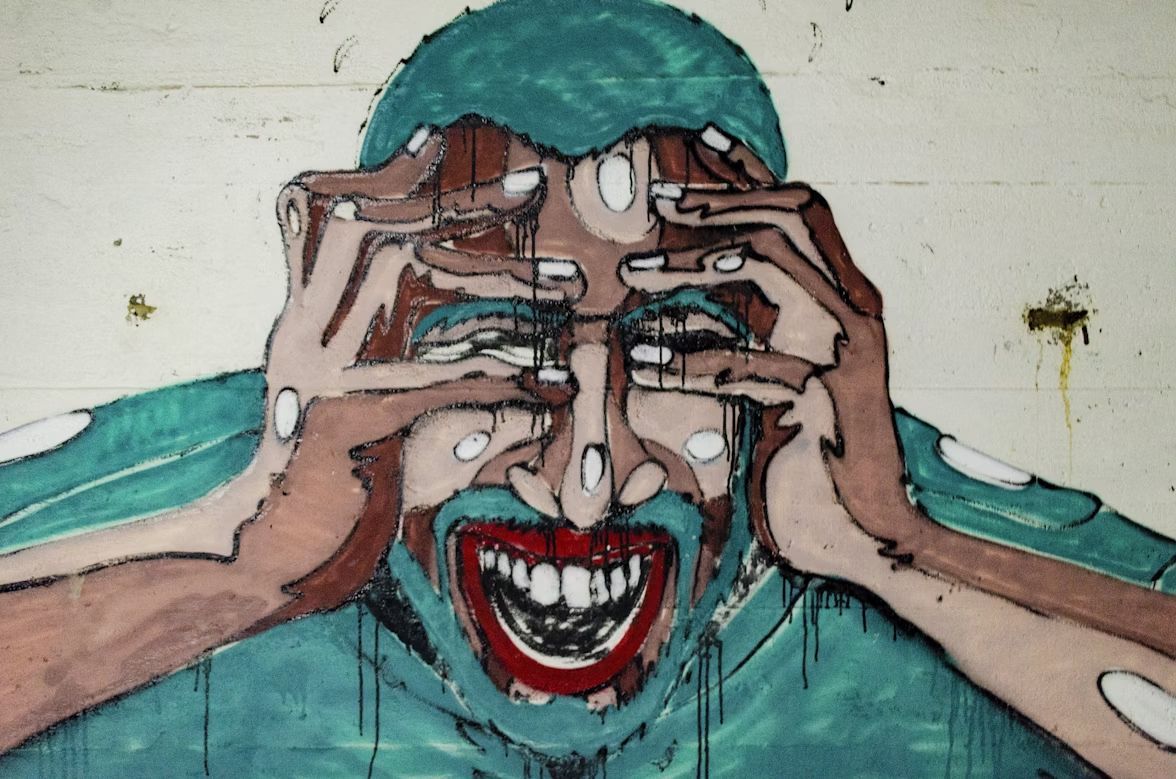
The truth about your brain

You won’t believe what happens in your brain while you sleep


Published on May 16, 2026


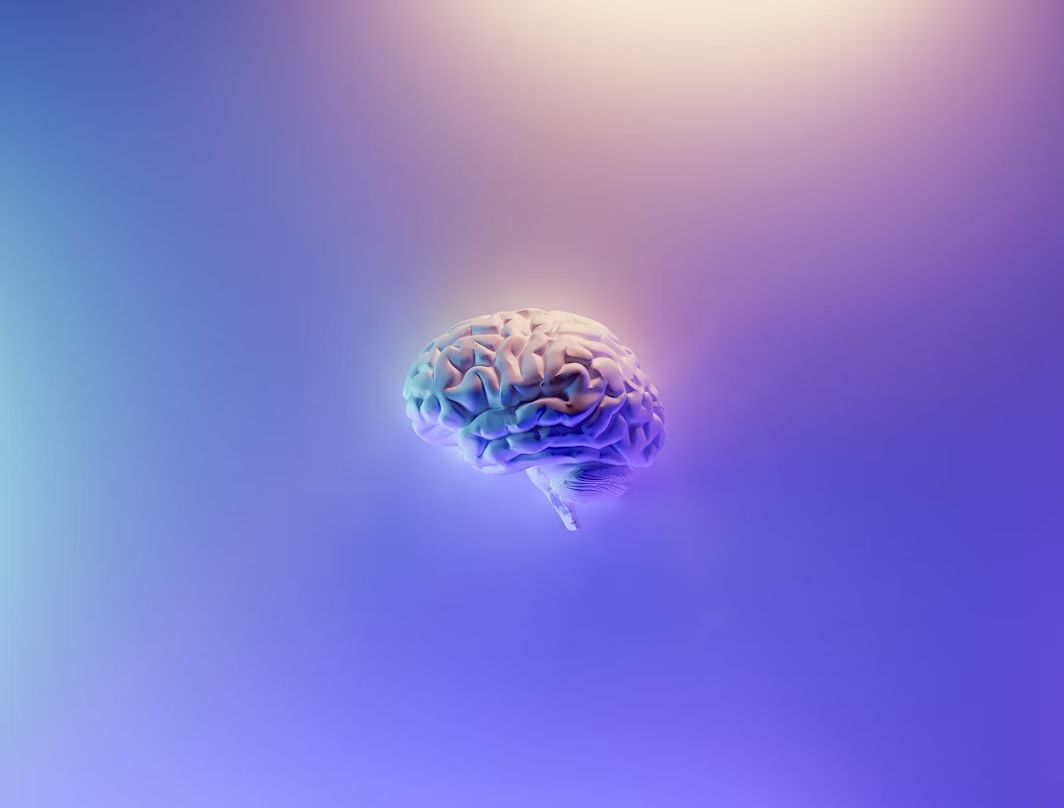
Image: Milad Fakurian

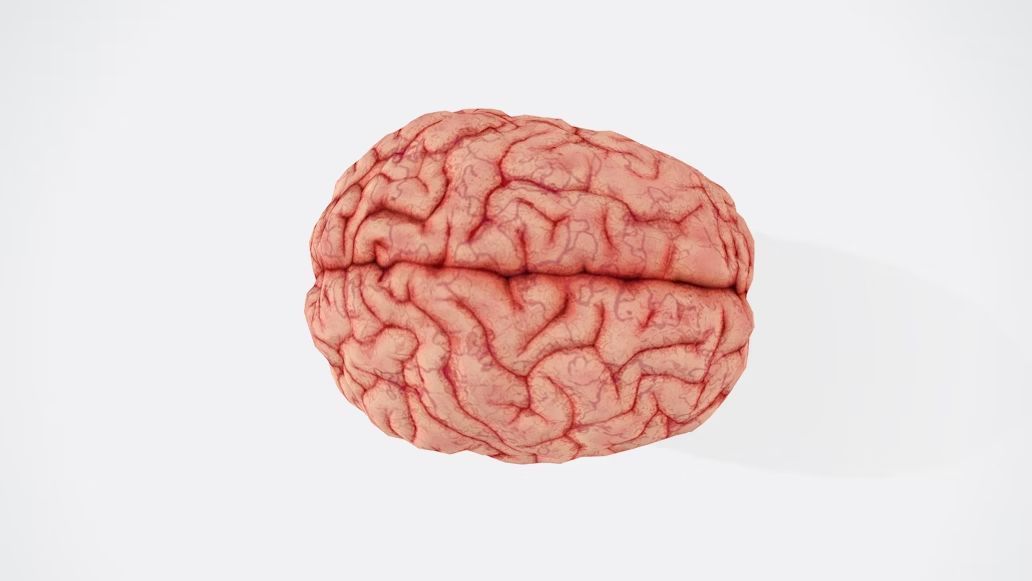
Your brain is one of the most powerful and mysterious organs in your body. It controls everything from your thoughts to your emotions and even processes information at lightning speed. But how much do you really know about it? Some long-believed myths about the brain have been debunked, while other surprising facts reveal just how incredible this organ truly is. Get ready to be amazed by these fascinating brain facts!

1

Myth: We only use 10% of our brain

Image: Natasha Connell

You’ve probably heard this one before, but it’s completely false! While it’s true that not all parts of the brain fire at the same time, imaging studies show that most regions are active throughout the day, even when we sleep.

Your brain is constantly working, controlling bodily functions and emotions, and processing information. So next time someone says you’re only using 10% of your brain, you can confidently tell them that’s just a myth!

2

The brain itself can’t feel pain

Image: Aarón Blanco Tejedor

Here’s a weird fact: While your brain processes pain signals from the rest of your body, it has no pain receptors of its own. This is why surgeons can perform brain surgery on conscious patients without causing them pain.

However, the membranes and tissues surrounding the brain do have pain receptors, which is why headaches and brain injuries can be so excruciating.

3

Headaches are actually chemical reactions

Image: Usman Yousaf

How come we have headaches if the brain has no pain receptors? Well, that’s because headaches are triggered by chemical activity in the brain, changes in nerves and blood vessels, and even fluctuating serotonin levels.

In some cases, hormones like estrogen can also play a role, which explains why migraines are more common in women.

4

Dreams: Your brain’s midnight movie theater

Image: Go to Johannes Plenio's profile Johannes Plenio

Dreams are proof that your brain never rests! (Warning: this fact can make you feel exhausted.) While you sleep, your limbic system, that is, the part of the brain that deals with emotions, becomes especially active, which is why dreams often feel so intense.

On average, humans experience four to seven dreams per night, even if we don’t always remember them. And what about that scary nightmare about falling? Well, you can thank your amygdala, the brain’s fear center, for that one.

5

Your short-term memory lasts less than 30 seconds

Image: Brett Jordan

Have you ever walked into a room and instantly forgotten what you were after? That’s because short-term memory only lasts about 20-30 seconds! That’s not enough!

Your brain holds a limited amount of information in its active state before deciding whether to store it or discard it. Ironically, we can’t really choose what makes the cut, but we do hope these facts stay with you!

6

Brain freeze is your body’s warning signal

Image: BUDDHI Kumar SHRESTHA

That sharp, icy pain when you eat something too cold? It’s your brain’s way of telling you to slow down! Officially called sphenopalatine ganglioneuralgia, a brain freeze happens when cold food or drinks rapidly chill the blood vessels in your throat, causing them to constrict and then rapidly expand. This sends pain signals to your brain, warning you of the sudden temperature shift. It’s annoying, but it’s actually your body trying to protect itself!

7

Your brain thinks a lot!

Image: Josh Riemer

You didn’t need us to tell you, but let’s look at the details: The average person has between 12,000 and 60,000 thoughts per day. What’s even more interesting? 95% of those thoughts are the same ones you had yesterday. Is that not surprising enough? Hear this out: 80% of them tend to be negative. That’s because our brains are wired for survival, constantly analyzing risks and potential dangers.

8

Your brain uses 20% of your body’s oxygen and blood

Image: Terry Vlisidis

Even though it only makes up about 2% of your body weight, your brain employs a major quantity of energy! It consumes 20% of your oxygen and blood supply, making it one of the most demanding organs in your body.

If your brain goes without oxygen for just five minutes, brain cells start dying, leading to irreversible damage. This is why deep breathing and cardiovascular exercise are great for brain health!

9

Seeing stars? That’s your brain processing vision!

Image: Alexander Andrews

Do you know that feeling when you hit the back of your head and see stars? That’s because your occipital lobe, which controls vision, is located at the back of your brain. If you get hit there, your brain momentarily misfires, causing flashes of light.

Interestingly, your brain processes vision on the opposite side; while your right brain controls your left eye, your left brain controls your right eye. It’s one of the many ways the brain operates in a complex way.

10

Your brain can power a light bulb!

Image: Rodion Kutsaiev

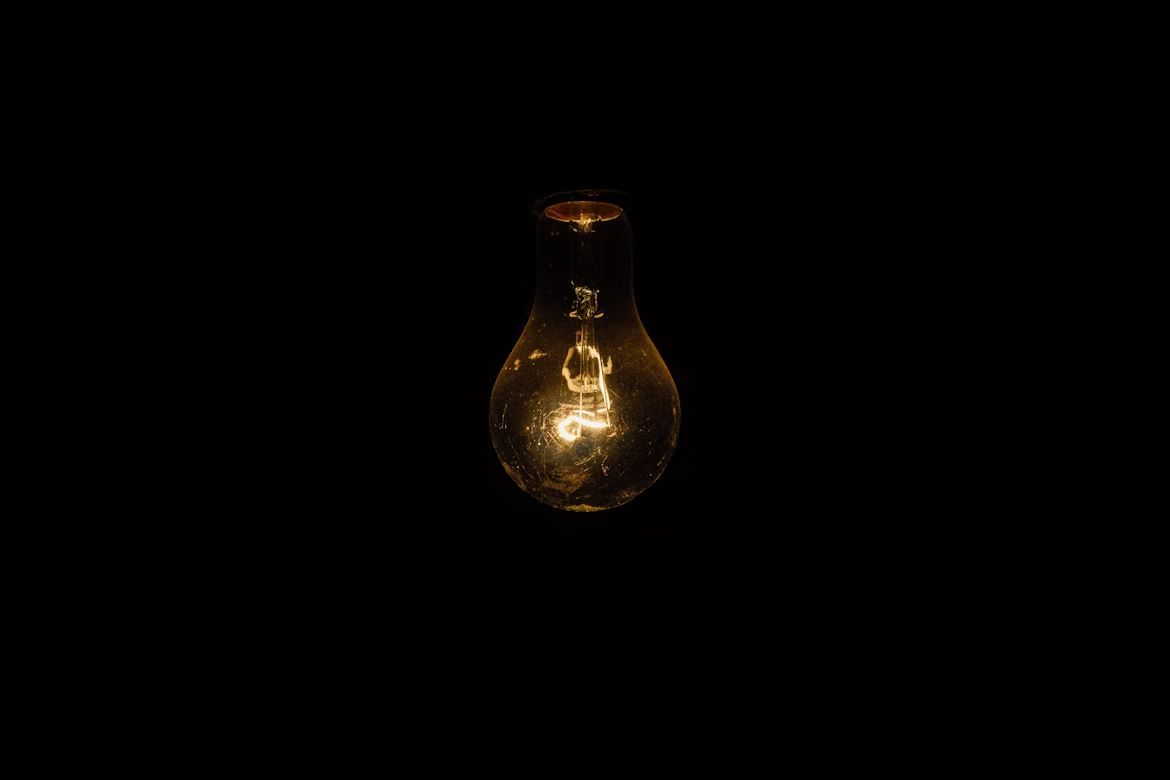
Believe it or not, your brain generates between 12 and 25 watts of electricity when you’re awake. If you can’t really grasp how powerful that is, check this out: It’s enough to power a small light bulb! Your brain’s electrical activity is what allows neurons to send signals at speeds of up to 260 miles per hour.

11

Your brain is mostly fat

Image: Robina Weermeijer

Your brain may be the fattiest organ in your body, consisting of at least 60% fat! This is why consuming healthy fats, like omega-3s and omega-6s present in fish, for example, is essential for brain health.

Healthy fats stabilize brain cell walls, reduce inflammation, and support cognitive function. So go ahead and enjoy that avocado toast, it’s food for your brain!

12

Your brain shrinks as you age

Image: Robina Weermeijer

It’s not just your memory that fades over time; the brain itself physically shrinks as one gets older. It continues developing until your late 40s, but after that, it slowly decreases in size.

Now, size doesn’t equal intelligence, so a smaller brain doesn’t necessarily mean a less capable one. Staying mentally active, exercising, and eating brain-boosting foods can help keep it in top shape!

13

Cholesterol plays a big role in memory

Image: Lisa Yount

We often think of cholesterol as bad, but your brain actually depends on it! In fact, 25% of your body’s cholesterol is stored in your brain, where it helps with learning and memory. However, unlike other organs, the brain can’t absorb cholesterol from the blood, it has to produce its own. So, while too much cholesterol in the body can be harmful, the right amount is vital for brain function. At least you can use that as an excuse to get that burger!

Looking for an extra scoop of literary fun?

Learn more with our Word of the day

cunning

/ˈkənɪŋ/