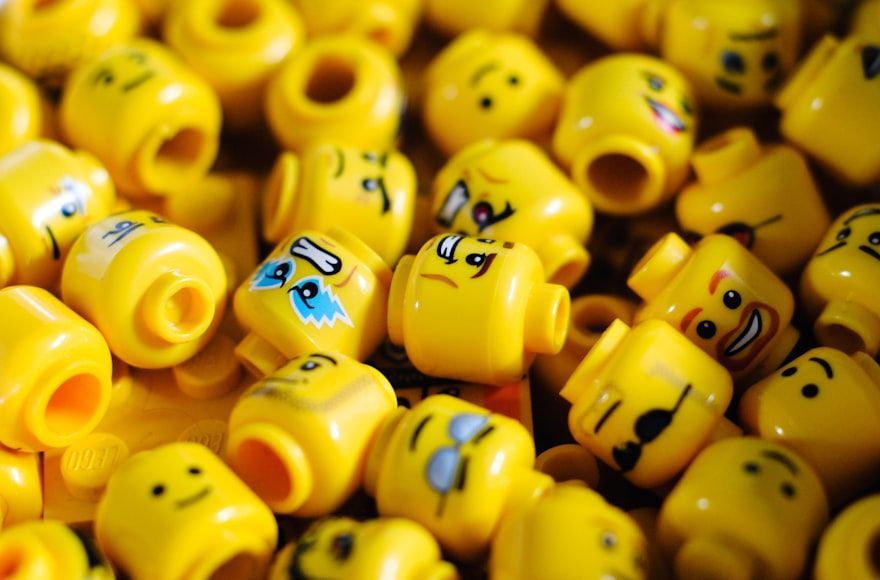
Which one did you use?

Before emojis, these symbols were everywhere. Do you remember them?


Published on November 26, 2025
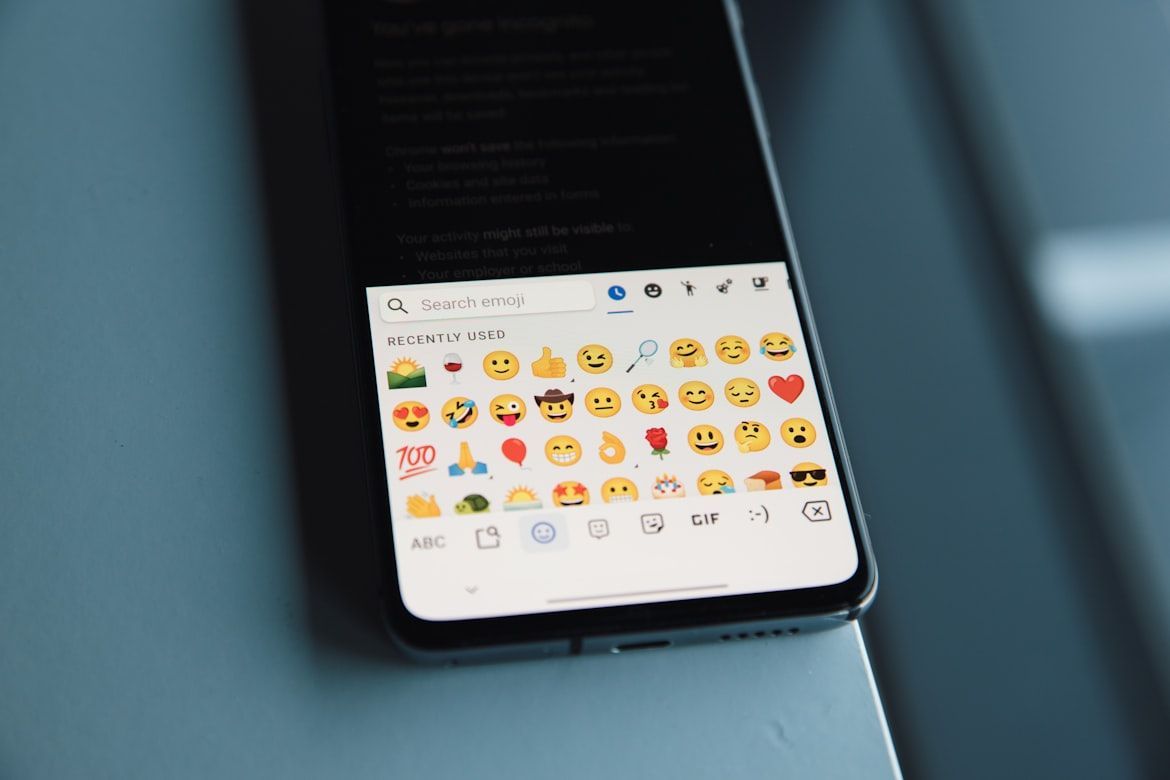

Image: Emojisprout emojisprout.com

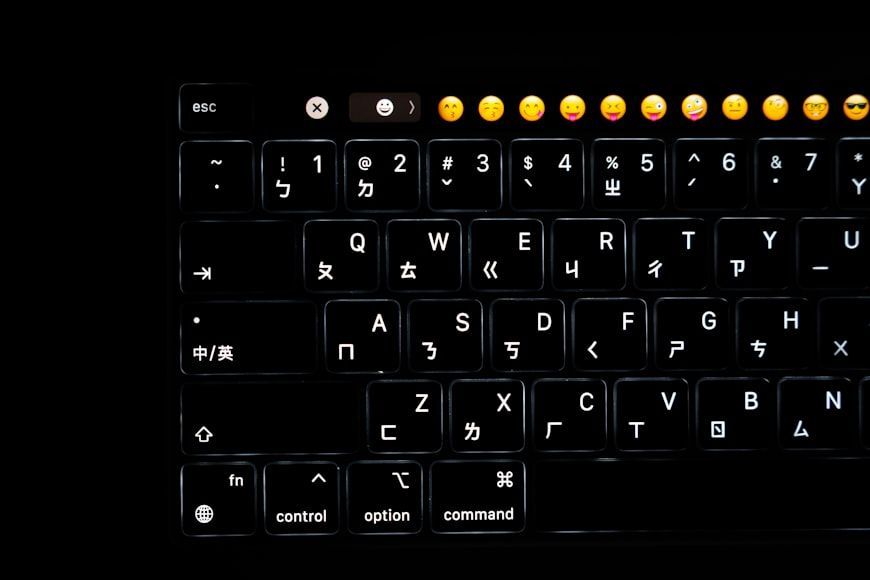
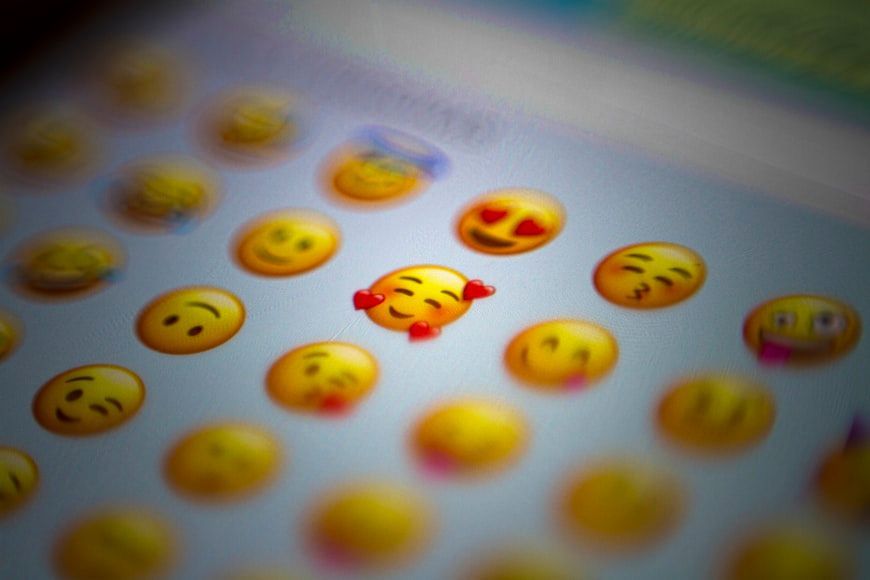
Before emojis became as ubiquitous as they are on our screens, people still found clever ways to express emotions in their texts and emails. Using only punctuation marks, letters, and numbers, they created little faces and symbols to laugh, wink, cry, or even roll their eyes. Let’s take a look back at 12 of the most popular ones that were used before emojis existed.

1

:) Smile

Image: Count Chris

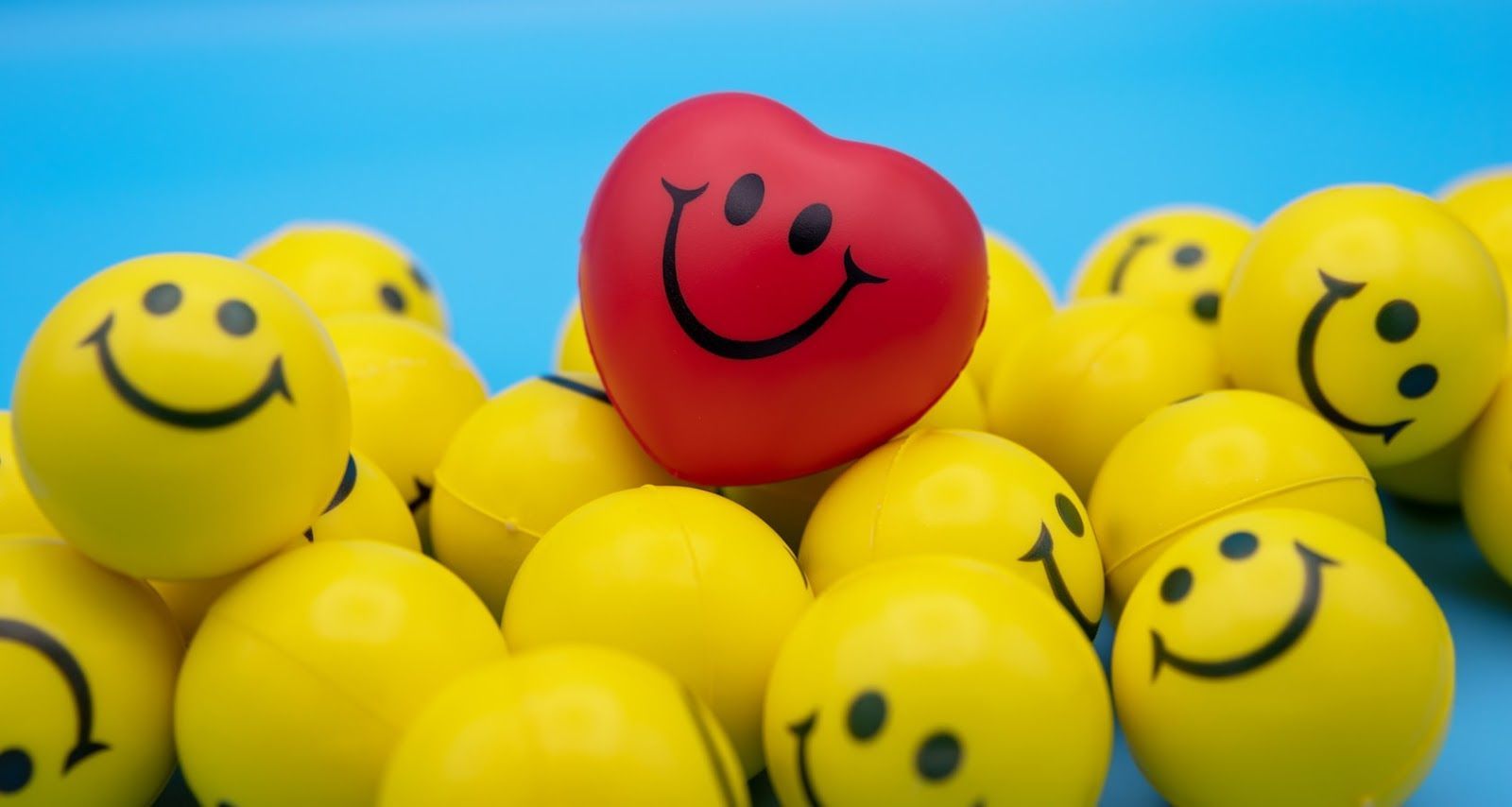
Let’s begin with the most classic one—the smile. This was one of the earliest and most universal ways to express happiness online. Made with just a colon and a parenthesis, it was quick, simple, and instantly recognizable.

Before emojis, typing ":)" was a go-to way to show happiness and friendliness in a message. It worked everywhere: emails, chats, and message boards.

2

:( Frown

Image: Joshua Hoehne

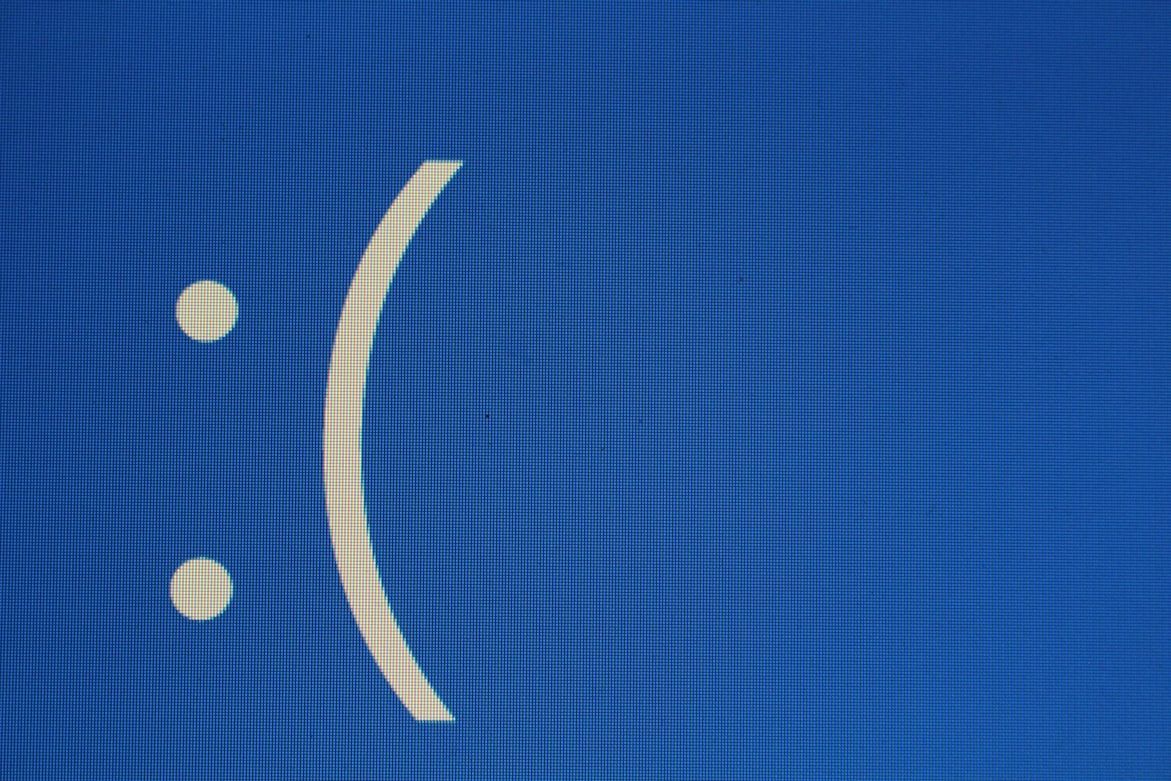
The frown was one of the most common text symbols for showing disappointment or sadness. With only two characters, it simply flipped the cheeriness of the smiley into a downturned mood.

It appeared in countless emails and texts, letting the other person know you weren’t feeling great—or that the news you were sharing wasn’t, either.

3

;-) Playful wink

Image: Dima Yakushin

Adding a semicolon and dash turned a regular smile into a playful wink. It was perfect for signaling humor, teasing, or letting someone know that a message shouldn’t be taken too seriously.

In the days before GIFs, a winky face kept the tone light and helped prevent misunderstandings in written conversations.

4

:-D Big grin

Image: Javier Miranda

A colon, dash, and capital D created a wide grin that expressed big laughter or pure excitement in a way a simple smile couldn’t match.

People used it in friendly chats, jokes, or when reacting to good news—anytime a regular smile just wasn’t enough.

5

:'( Crying

Image: LOGAN WEAVER | @LGNWVR

The crying face combined a frown with an apostrophe for a teardrop, making it perfect for expressing sadness or sympathy.

Whether used to show genuine grief or playful exaggeration, it added an emotional punch to a simple text message or email.

6

:-P Tongue sticking out

Image: Harrison Chang

A colon, dash, and capital P made a face sticking out its tongue. It was cheeky, silly, and perfect for showing that something was meant as a joke.

It often followed playful teasing or sarcastic remarks, making sure the message came across as fun rather than rude.

7

<3 Heart

Image: Count Chris

A less-than sign and the number 3 created a sideways heart, symbolizing love, affection, or appreciation. It became one of the most widely used pre-emoji symbols.

People added it to messages for friends, partners, or any situation where they wanted to express love or affection.

8

OO Shock or surprise

Image: Planet Volumes

This wide-eyed look used capital O’s for eyes and an underscore for the mouth, showing shock, surprise, or disbelief.

It was a favorite in online chats whenever something unexpected or outrageous happened.

9

^^ Happy, blushing face

Image: Domingo Alvarez E

This symbol, which came from Japanese kaomoji culture, showed a cheerful, blushing expression, with carets for smiling eyes and an underscore for the mouth.

It carried a soft, cute tone and often appeared in friendly or supportive conversations.

10

(><) Frustration or pain

Image: Nik

This expression showed frustration, pain, or embarrassment. The greater-than and less-than signs formed squinting eyes, with an underscore for the mouth.

It was a versatile way to convey everything from mild annoyance to mock agony in messages.


What science says

It was false after all: 10 health myths that sound true—but aren't


Published on November 26, 2025


Image: Alicja Gancarz

Health myths are everywhere! These ideas were simply passed down for so long that they became part of what we believed. But now science has stepped in to clear things up. Does cold weather make you sick? Can lemon detox your body? Is reading in low light really harmful? Let's uncover the truth behind 10 common health myths!

1

Cutting your hair makes it grow faster

Image: Element5 Digital

Have you ever been told that cutting your hair will make it grow faster? We're sorry to say that's just a myth. Hair grows from the root, not the ends. So, trimming it won't boost growth, though it does help remove split ends that can make your hair look dry or unhealthy.

2

Cold weather causes colds

Image: Thom Holmes

This is one of the most common health myths. Cold weather often gets blamed, but it's not the temperature that makes you catch a cold. During winter, we tend to stay indoors with others and keep the windows closed, an environment that makes it easier for viruses to spread. That's why colds tend to be more common in winter!

3

Eating before bed makes you gain weight

Image: Michelen Studios

The idea that eating before bed automatically leads to weight gain is a myth. In reality, it has more to do with what you eat and how much, rather than the time of day. Often, when we eat very late at night, we're tired and more likely to reach for quick, high-calorie, heavy foods. This can disrupt sleep and lead to consuming more calories than we burn, both of which may affect weight. If it's close to bedtime, it's better to have something light and healthy in a moderate portion than to skip a meal altogether.

4

Wearing glasses weakens your vision

Image: Bud Helisson

Does wearing glasses weaken your vision? Myth! If an eye doctor prescribes glasses, wearing them as directed helps correct your vision; it won't make it worse. Additionally, the right glasses can help prevent or reduce headaches caused by reading or spending long hours in front of a screen.

5

Reading in low light causes permanent eye damage

Image: Amir Balam

This myth is closely related to the previous one. If you love reading and sometimes have to do it in low light because of the situation, don't worry. According to experts, reading in low light doesn't cause permanent or irreversible eye damage. However, it's not recommended because it can make your eyes feel tired or strained, leading to discomfort or headaches.

6

You need to drink 8 glasses of water a day

Image: engin akyurt

We're all different, and so are our bodies. The idea that everyone should drink exactly eight glasses of water a day is more of a general guideline than a rule. Staying well hydrated throughout the day is extremely important, but how much water you need depends on factors like your weight, age, climate, and overall health. We should prioritize staying consistently hydrated instead of obsessing over the number of glasses we drink.

7

Lemon water detox and cleanse your body

Image: Tirza van Dijk

Some people say drinking lemon water helps eliminate toxins and cleanse the body. While adding a slice of lemon to your water is a refreshing way to stay hydrated, it doesn't have any special "detoxifying" powers. The vitamin C in citrus fruits is beneficial, but the body has its own natural detox system. The liver and kidneys are the main organs that filter waste and eliminate toxins.

8

All fat is bad

Image: Aneta Voborilova

Not all fats are bad! Just like other food groups, your body needs fats to function properly. The important thing is knowing the difference between healthy fats and those that can be harmful. Foods like avocados, seeds, olive oil, fish, and nuts are rich in healthy fats. On the other hand, the fats found in processed or fried foods are the ones that can have a negative impact on your body.

9

Liver disease is always caused by alcohol or fats

Image: Elevate

Liver diseases can be serious. While heavy and frequent consumption of alcohol and fats is a major contributor, it's not the only cause. Liver problems can also result from many other factors. These include viral infections, autoimmune diseases, genetic disorders, high blood pressure, and exposure to certain chemicals.

10

Breakfast is the most important meal

Image: Brooke Lark

There's some truth to it: breakfast is important because it replenishes our glucose and energy levels and supports proper metabolism. However, the idea that it's the most important meal of the day might be an exaggeration. Everyone's body has different needs, and all meals are important, so we shouldn't skip any of them!

Looking for an extra scoop of literary fun?

Learn more with our Word of the day

fustian

/ˈfəstʃən/