What story lies behind your favorite condiment?

Your favorite condiments have some surprisingly weird origins


Published on March 20, 2026
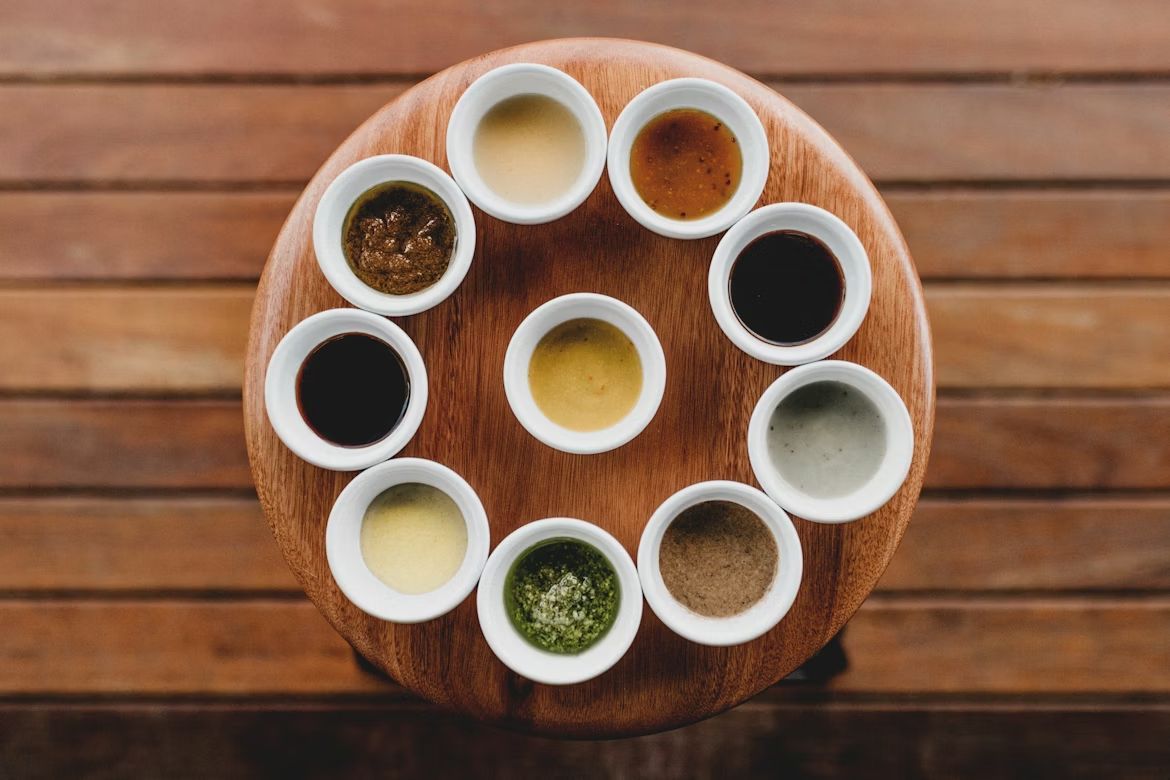

Image: Jonathan Borba

You've probably got ketchup, mustard, and maybe some hot sauce sitting on your kitchen table right now. Innocent enough, right? Well, not exactly. A surprising number of the condiments we slather on our food without a second thought have origins that are, let's just say, a lot stranger than you’d expect. Grab a snack, and let's dive in.

1

Ketchup

Image: Erik Mclean

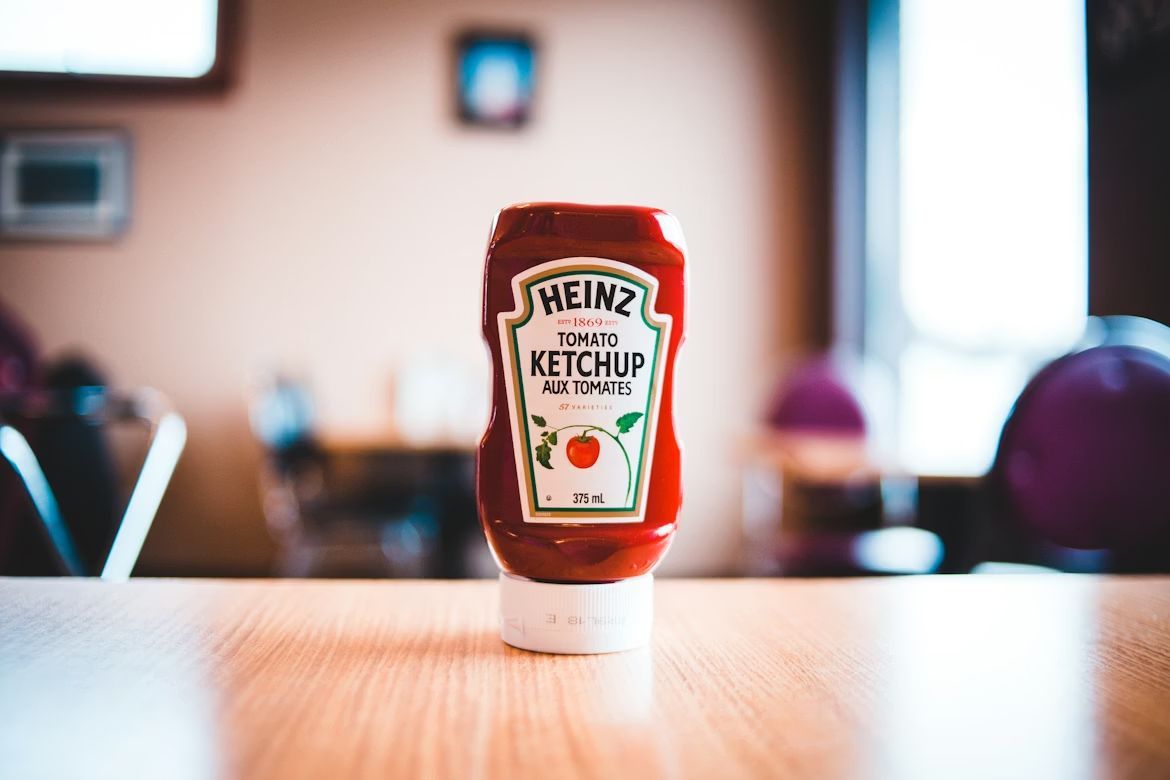
Before ketchup was the sweet, tomato-y stuff we squeeze onto fries, it was something entirely different. The word comes from a Southeast Asian fermented fish sauce called ke-chiap, made from pickled fish guts and brine. Sailors brought it back to Britain in the 1700s, and cooks started experimenting with all sorts of versions: mushroom ketchup, walnut ketchup, and oyster ketchup.

It wasn't until the 1800s that Americans started adding tomatoes to the mix, and even then, early versions were dark and runny—nothing like what Heinz eventually bottled up.

2

Mustard

Image: Pedro Durigan

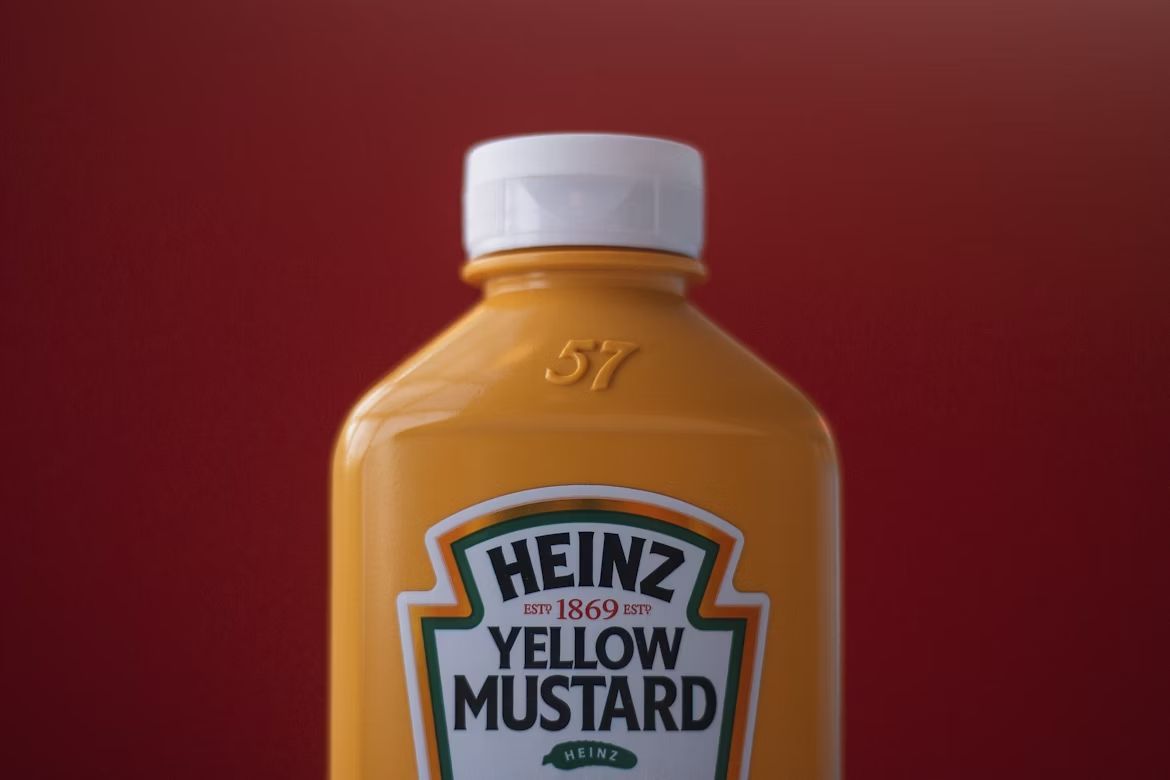
Mustard seems about as wholesome as it gets: yellow, bright, cheerful. But for centuries, it wasn't sitting next to anyone's hot dog. Medieval Europeans used it medicinally, rubbing it on the skin to treat everything from arthritis to the plague. Spoiler: it did not cure the plague.

It also became tangled up in darker history: the chemical weapon called mustard gas earned its name because soldiers said it smelled faintly like the condiment. The plant has nothing to do with the weapon chemically, but the nickname stuck.

3

Hot Sauce

Image: Deeliver

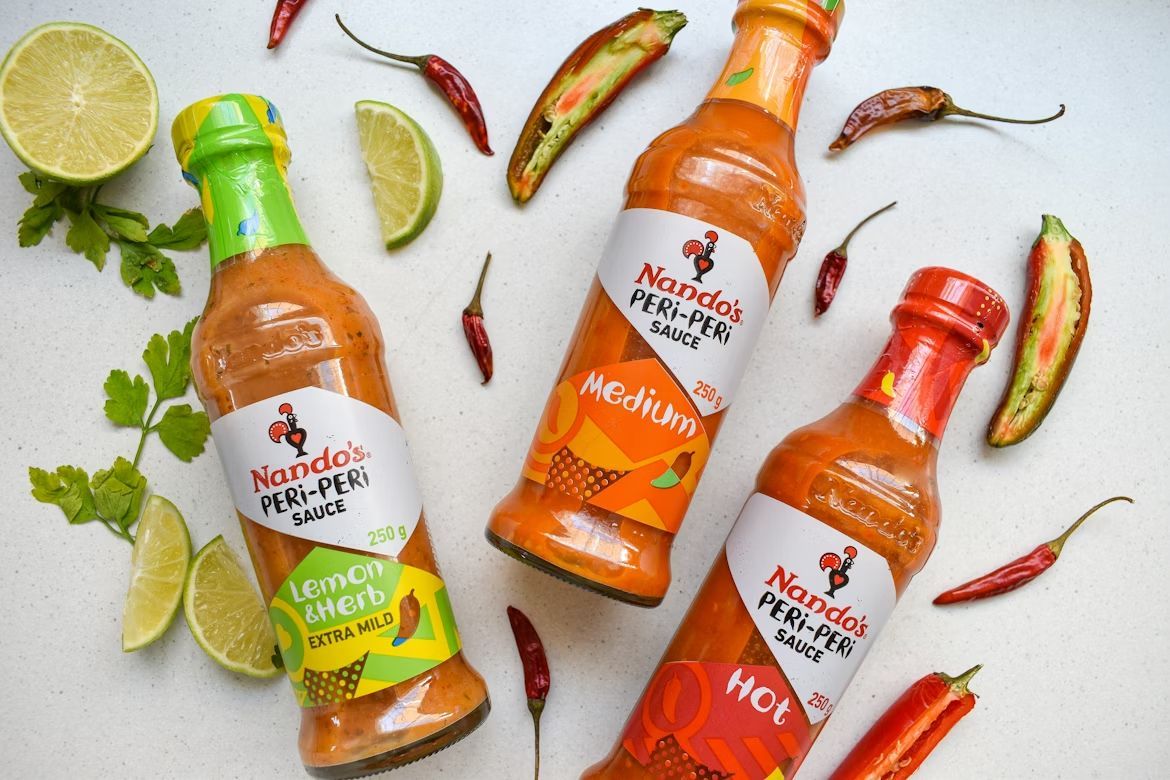
Capsaicin, the stuff that makes hot sauce burn, wasn't designed to delight your taste buds. Scientists believe peppers evolved their heat specifically as a defense mechanism to keep mammals from eating them. Birds, which spread the seeds, don't feel the burn. Humans, being humans, decided to eat them anyway and continued breeding them hotter.

Some of the earliest commercial hot sauces were actually marketed as stomach medicine in the 1800s. And if you've ever reached for antacids after a plate of Buffalo wings, you might agree that the medicine and the problem are basically the same thing.

4

Mayonnaise

Image: K8

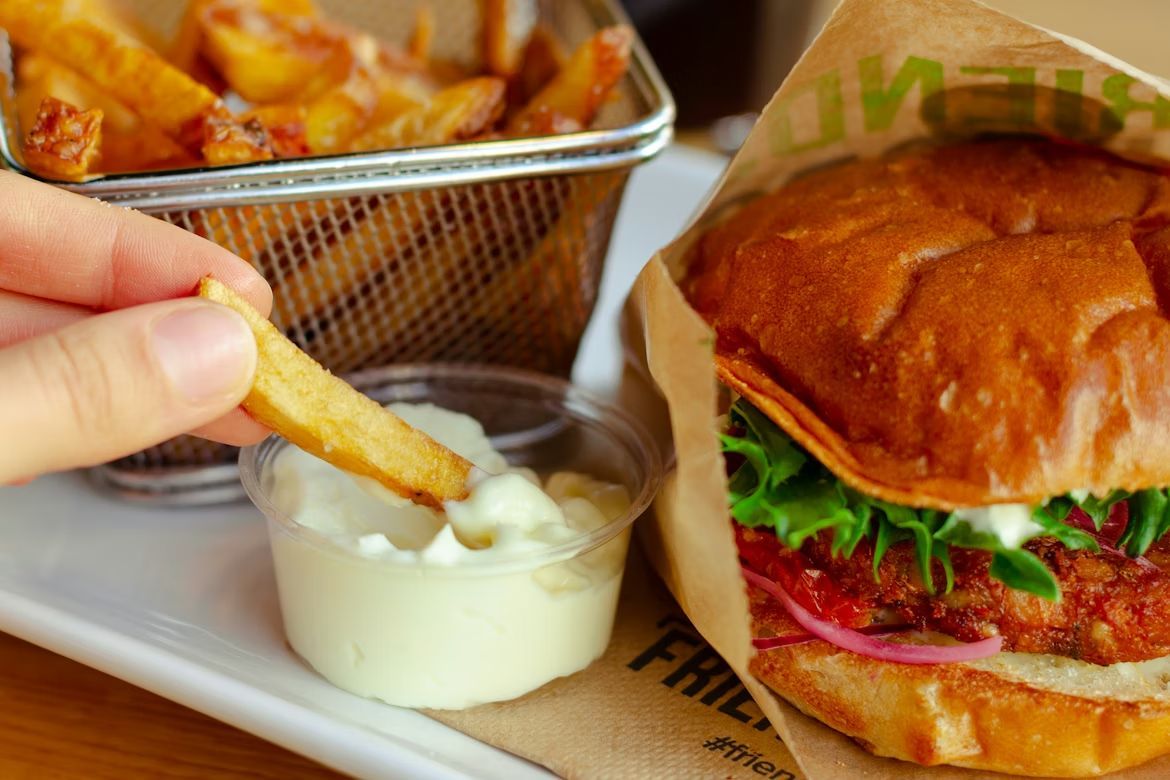
Mayo's exact origins are disputed, but one popular story traces it back to a military victory. In 1756, after French forces captured a port on the Spanish island of Menorca, the duke's chef reportedly whipped up a sauce from eggs and oil to celebrate, naming it after the captured city of Mahón. War as a culinary muse, not exactly the cozy kitchen story you'd expect.

Others say the name comes from an old French word for egg yolk. Either way, mayo has spent centuries being fiercely loved or absolutely despised, with very little middle ground. The mayonnaise debate, it turns out, is as old as civilization itself.

5

Ranch Dressing

Image: congerdesign

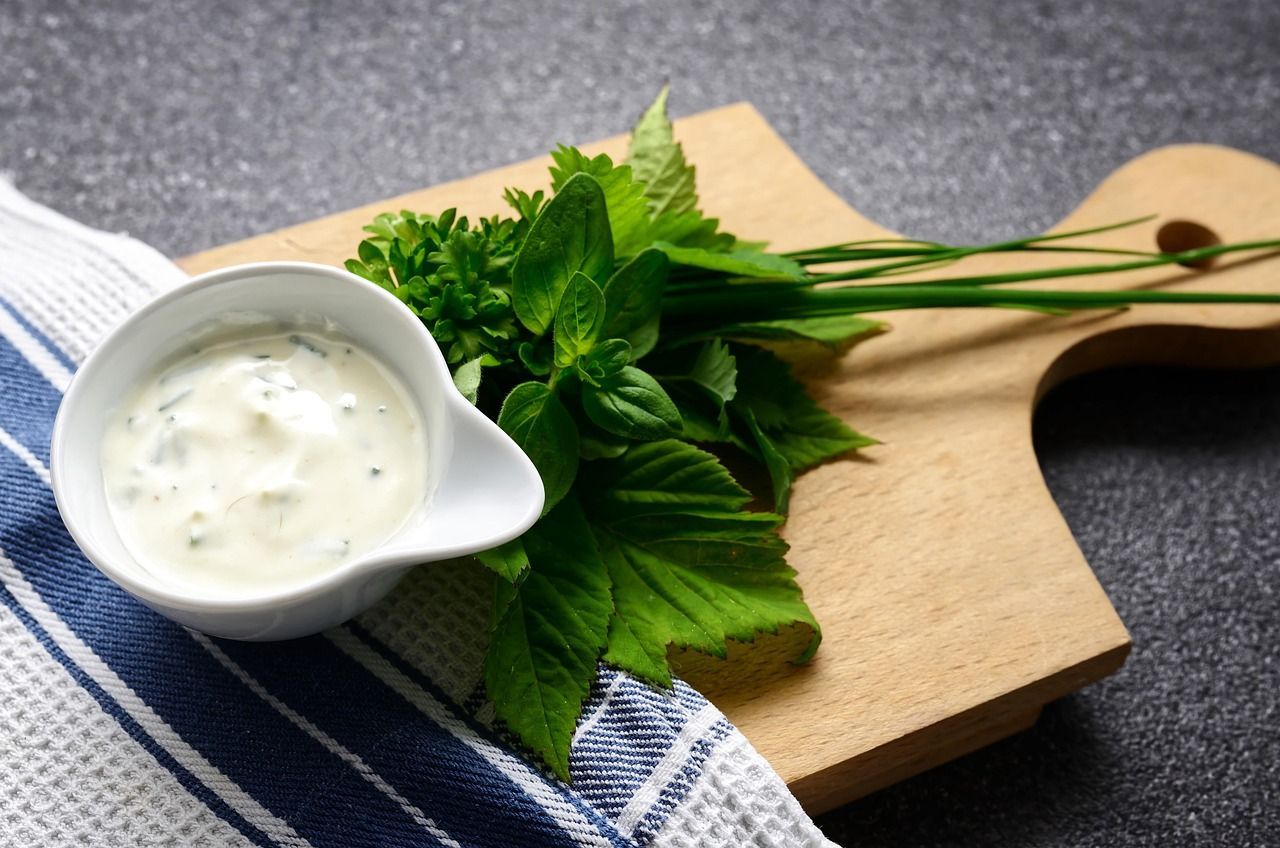
Ranch feels about as all-American as apple pie—and it is, mostly. It was invented in the 1950s by a man named Steve Henson, who developed the recipe while working as a contractor in remote Alaska, then later served it at his California dude ranch. Charming enough origin, right?

Food historians argue that ranch's meteoric rise in the 1980s and ‘90s, when companies started adding it into chips, pizza, and fast food, genuinely helped rewire American eating habits toward saltier, fattier foods.

6

Worcestershire sauce

Image: Kelsey Todd

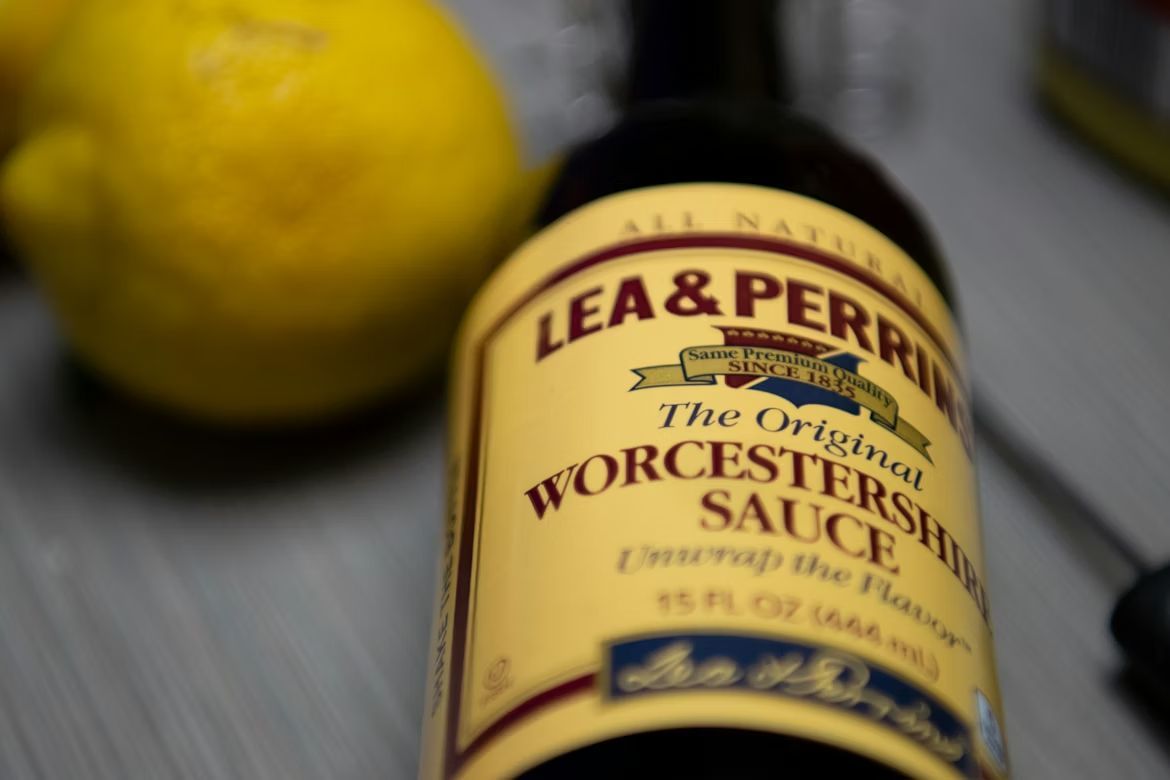
This tangy, hard-to-pronounce staple has a backstory involving a forgotten barrel and a very unpleasant smell. In the 1830s, a British nobleman asked chemists Lea and Perrins to recreate a sauce he had enjoyed abroad. They mixed up a batch, hated it, and shoved it in the cellar.

Two years later, someone found the barrel, took a taste, and—surprise—it had fermented into something amazing. The key ingredient? Anchovies, aged in vinegar.

7

Soy sauce

Image: GoodEats YQR

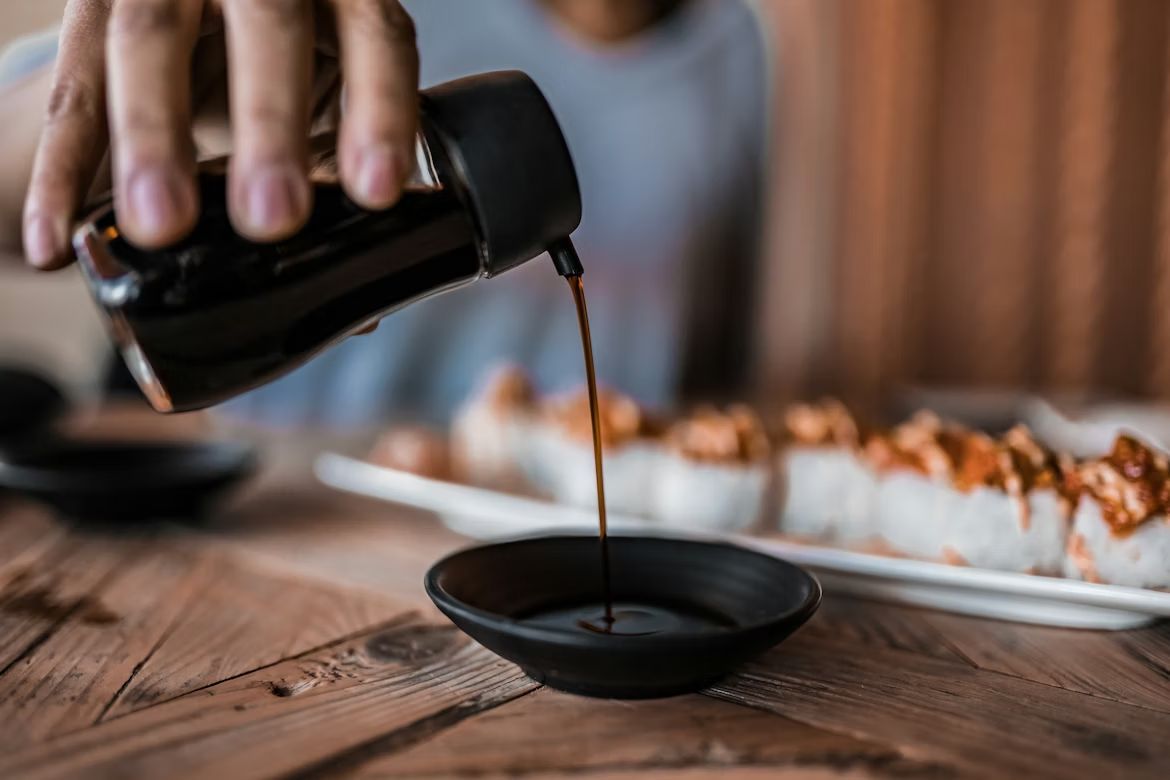
Soy sauce dates back over 2,000 years to ancient China, where it started as a way to stretch expensive salt—a commodity so valuable that governments literally went to war over it. Early versions were a fermented paste, and the liquid that separated out eventually became what we now splash on our sushi and stir-fry.

For centuries, the recipe was closely guarded. In Japan, certain brewing families held tight monopolies and built enormous fortunes from it, scheming, trading political favors, and fiercely protecting their formulas.

8

Vinegar

Image: Towfiqu barbhuiya

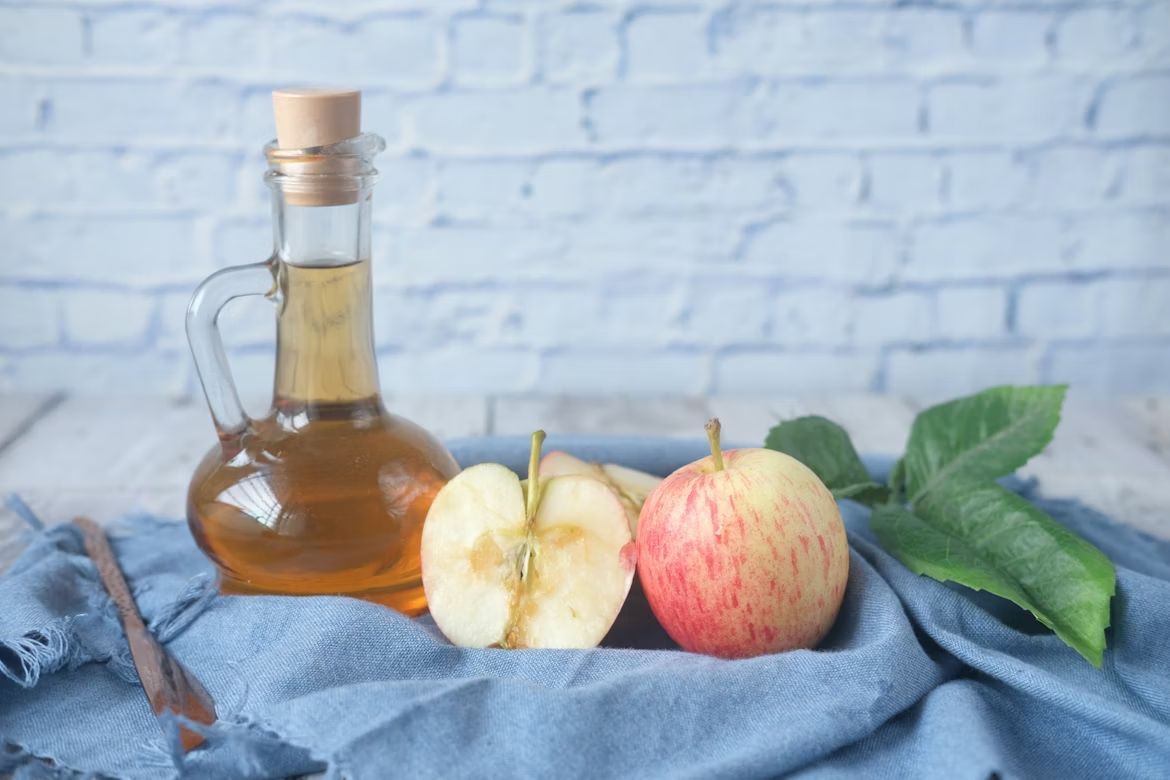
Vinegar's discovery was almost certainly an accident: wine that somebody forgot about and found weeks later had turned sharp and sour. Ancient Romans loved it so much that they mixed it with water as their everyday drink.

The weirder chapters? Vinegar served for centuries as a crude disinfectant, a preservative of biological material in medical contexts, and even a tool in ancient siege warfare. That humble bottle of apple cider vinegar on your counter has quietly witnessed some of human history's grimmest moments.

9

Tartar Sauce

Image: pixel1

Tartar sauce gets its name from the Tartars—a broad European term for the fierce nomadic peoples of Central Asia, including the Mongols, who terrified much of the known world for centuries. The French, who developed this creamy condiment in the 19th century, connected it to steak tartare, a raw meat dish they romantically associated with these warriors.

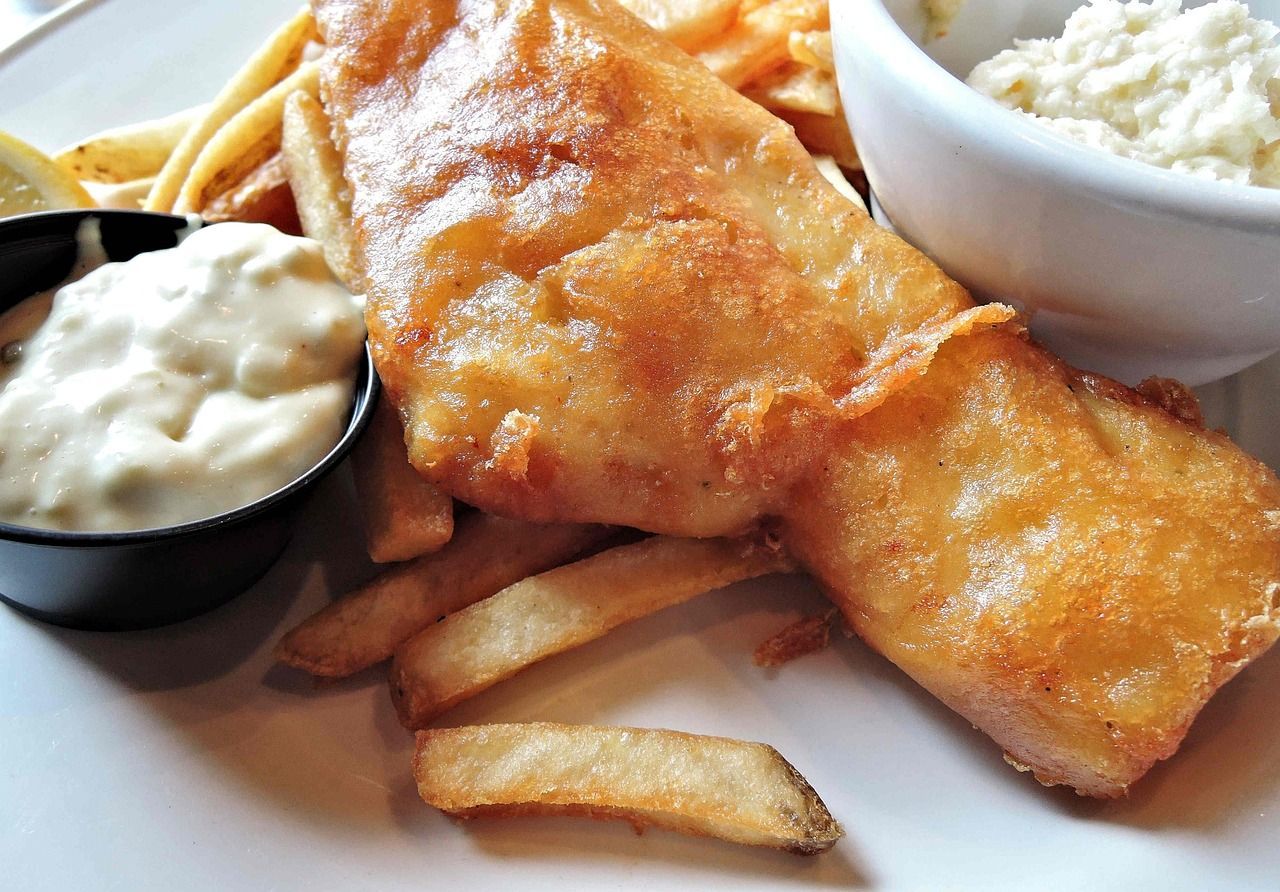
Whether the history is accurate or not, the French were happy to borrow an air of wild, dangerous exoticism for their little sauce. Still, next time you order fish and chips, you're dipping into a tiny piece of medieval legend.

10

Pickle Brine

Image: Ignat Kushnarev

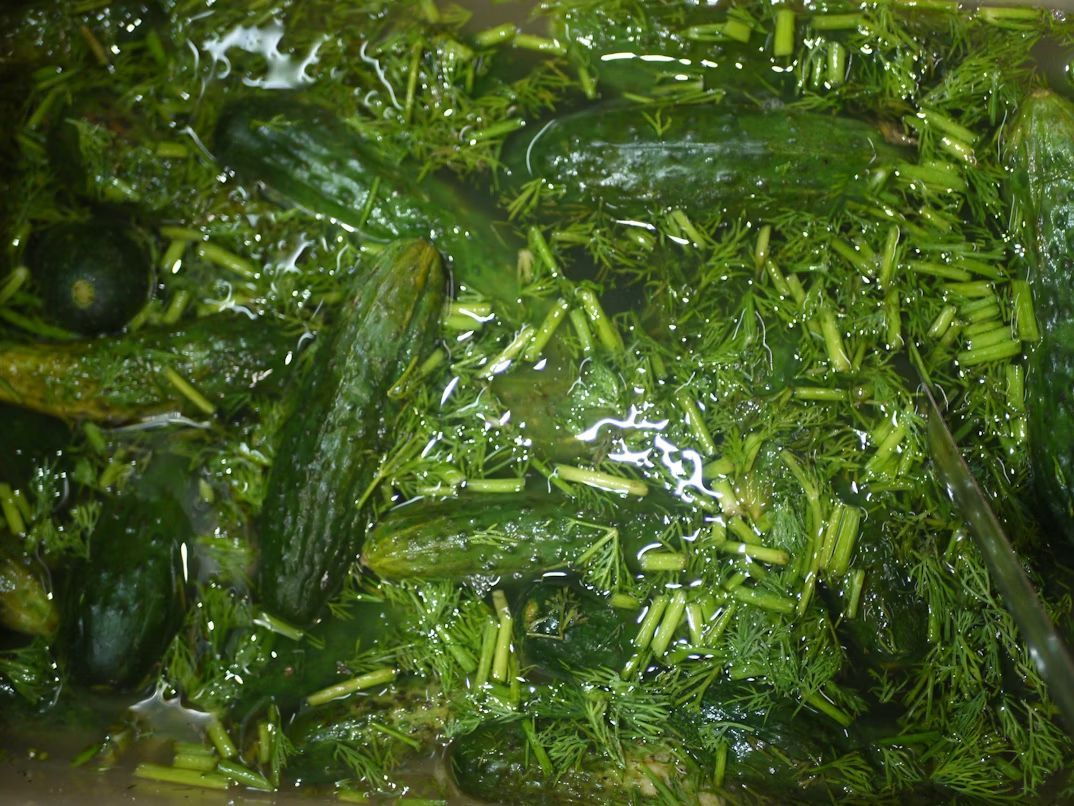
Pickle brine has become oddly trendy: people are drinking it straight, mixing it into cocktails, and even ordering it in shots at ballparks. But the practice of fermenting cucumbers in brine is ancient, going back nearly 4,000 years to Mesopotamia. Cleopatra reportedly credited pickles for her looks, and Julius Caesar fed them to his soldiers for strength.

Here's the unsettling twist: pickling was also one of the main methods used to preserve biological specimens before modern science caught up. The same basic chemistry that gives your pickle its satisfying crunch had very different applications throughout history.

Secret uses

There’s a hidden microphone in your phone, and here’s where it is


Published on March 20, 2026


Image: Inside Creative House

You’ve probably twisted a bread bag closed, filled up your car, or pulled a sheet of aluminum foil from the box thousands of times without giving it a second thought. But many of the everyday objects we’ve used for decades have clever features that most people never notice. From the tiny pocket on blue jeans to the little arrow next to your gas gauge, these hidden designs have practical stories behind them, and once you know them, you’ll never look at these familiar items the same way again.

1

​Dot next to the iPhone camera

Image: DenPhotos

If you own an iPhone, you’ve probably noticed the tiny black dot next to the rear camera. It’s small, so people tend to assume it’s another camera sensor or even part of the phone’s design. The small hole found near the camera bump on every iPhone is actually a rear microphone.

It captures clearer audio when you’re recording videos and helps reduce background noise during FaceTime and regular phone calls. If you own an iPhone Pro model from the iPhone 12 Pro onward, you'll also see a larger dark circle. That’s the LiDAR scanner, which sends out invisible infrared light to create a 3D map of your surroundings. It helps the camera focus faster in low light, powers Apple’s Measure app, and makes augmented reality features much more accurate.

2

​Indent on the bottom of wine bottles

Image: tartaphotography

Whether it's a holiday dinner, an anniversary, or simply a nice meal with friends, you’ve probably held a wine bottle and noticed the deep indentation in the bottom. Many people tend to think the deeper the indent, the fancier the bottle.

That indentation is called a punt, and it’s been a part of the bottle-making for centuries. Originally, it helped strengthen hand-blown glass bottles, making them less likely to crack under pressure. Today, it still adds structural stability, particularly for sparkling wines, while also giving servers a comfortable place to rest their thumb when pouring, though some say it helps collect the sediment as wines age. In any case, a deeper pun doesn’t automatically mean a better or more expensive bottle.

3

​Dashboard gas gauge arrow

Image: happycreator

Almost every driver has experienced that awkward moment at the gas station. You pull up to the pump, step out of the car, and suddenly realize the fuel door is on the opposite side.

To help prevent exactly that situation, many modern vehicles include a small arrow next to the gas pump symbol on the dashboard’s fuel gauge. The arrow points towards the side of the vehicle where the fuel filler door is located. It’s a small detail on the dashboard, yet once you notice it, you’ll never have to circle the pump again.

4

​Tiny hole outside an elevator door

Image: chanonnat srisura

All elevators look pretty much the same. Bigger or smaller, they all look similar, a gray box with a mirror and buttons. But if you pay close attention, you may notice there’s a small round opening near the top of the door.

That opening is a keyhole used by trained maintenance technicians and emergency responders. With a special elevator key, they can manually unlock the landing doors when repairs are needed or if passengers become trapped inside. The system allows professionals to reach the elevator safely without damaging the doors or relying solely on electrical controls. Hopefully, most of us will never need to see it in action. But in an emergency, that tiny opening becomes one of the most important parts of the system.

5

Colored tags on store-bought bread

Image: Towfiqu ahamed barbhuiya

If you’ve ever stood in the bread aisle comparing loaves, you’ve probably noticed the colorful plastic clips or twist ties holding the bags shut. Contrary to what many think, they’re not simply a part of the packaging.

For many bakeries and grocery stores, the colors indicate the day a loaf was delivered or baked. While the exact color schedule can vary between bakeries and regions, employees use the system to quickly spot older inventory and rotate fresher bread to the back of the shelf. That way, customers are more likely to pick up the freshest loaf available.

6

​Tiny pocket on blue jean

Image: triocean

Whether you wear jeans every day or only pull them out for yard work, you’ve probably noticed the tiny extra pocket tucked inside one of the front pockets. It’s too small for a phone and not very useful for loose change, but there’s a reason for it.

Back in the 1800s, when Levi Strauss & Co. created rugged denim pants for miners, ranchers, and cowboys working across the American West, pocket watches were commonplace. Workers needed a safe place to carry their watches while riding horses, so that little pocket was designed specifically to protect the watch from damage. Pocket watches disappeared, but the tiny pocket became such an iconic part of blue jeans that manufacturers have continued including it for well over a century.

7

​Perforations on aluminum wrap boxes

Image: The Image Party

Almost everyone has had the same frustrating experience. You pull on a sheet of aluminum foil, and suddenly the entire roll slides out of the box and lands on the kitchen counter.

That’s exactly why major manufacturers such as Reynolds introduced the small side tabs, known as end locks, in the mid-1990s. By pressing the tabs inward, they hold the cardboard roll in place like built-in axles. This keeps the roll from sliding out of the box, makes it much more stable as you pull, and helps the serrated edge cut a cleaner, straighter sheet. It also reduces waste by preventing the foil from bunching up or tearing unevenly. It’s a simple design, yet useful as it can get.

8

​Hole in pen caps

Image: Konektus Photo

Every household has pens lying around for all kinds of purposes. And most of them have a common feature, a hole in the cap, which isn’t simply part of the design.

BIC and other pen manufacturers included the opening as a safety feature. If someone, especially a child, accidentally swallows a pen cap, the hole can allow a small amount of air to pass through, reducing the risk of complete airway blockage while emergency help is on the way. The design became part of border efforts to improve consumer product safety after choking incidents drew attention to the danger of small plastic objects.

9

​A strawberry attached to a pincushion

Image: Kimberly Hall

If you grew up sewing or watching somebody do it, you probably remember the classic tomato-shaped pincushion sitting beside the sewing basket. Hanging from it was a tiny red strawberry that looked like nothing more than a cute finishing touch.

In reality, that little strawberry has its own job. Instead of soft stuffing, it’s filled with emery, a gritty material made from crushed abrasive minerals. Running pins and needles through it helps polish away tiny spots of rust, smooth rough edges, and keep the points sharp enough to glide through fabric more easily.

10

​Ridges on the F and J keyboard keys

Image: alexkich

Think back to the first time you learned to type. Maybe it was at work, or on a family computer. Wherever it was, someone probably told you to keep your fingers on the "home row." That’s exactly why the F and J keys have tiny raised ridges.

The bumps let your index fingers find the correct starting position by touch alone, allowing you to type without constantly looking down at the keyboard. The technique, known as "touch typing," is widely credited to American court stenographer Frank Edward McGurrin, who demonstrated it in 1888. As typewriters became more common, manufacturers experimented with different ways to help typists orient their hands, and by the mid-20th century, companies such as IBM standardized the subtly raised plastic bars that remain on nearly every keyboard today.

Looking for an extra scoop of literary fun?

Learn more with our Word of the day

hypocritical

/ˌhɪpəˈkrɪdək(ə)l/