Discover the true stories of 10 famous animals that changed the world


Published on January 9, 2026
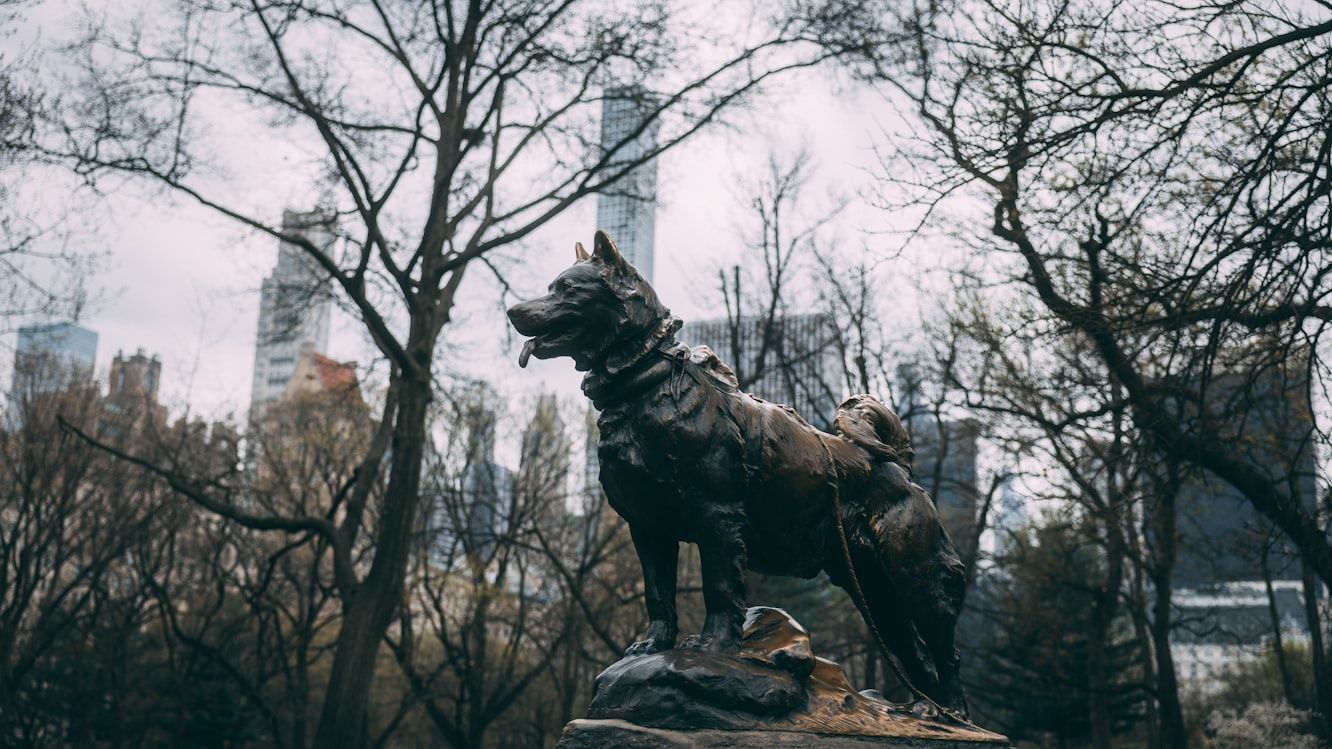

Image: Chalo Gallardo

Not every hero wears a crown—or even shoes. Some come with wagging tails, twitching noses, or wings built for long journeys. They don’t sit on thrones or sign treaties, yet their impact can be felt across centuries. A few stumbled into greatness by accident, and others simply followed instinct. From a humble sheep that made scientists question the limits of life to a lone wolf that turned a hunter into a wildlife protector, these 10 remarkable creatures remind us that not only humans can change the course of history.

1

Smoky the dog

Image: Fernanda Nuso

Long before anyone coined the term "therapy animal," a tiny Yorkshire Terrier named Smoky was already aiding the Allied forces in World War II. Weighing barely four pounds, she was discovered shivering in a foxhole in the Pacific and quickly became more than just a pet. Smoky learned to crawl through a 70-foot pipe so narrow that a person couldn’t fit, dragging a telegraph wire behind her and restoring a vital communication line that kept troops connected. Off duty, she became a one-dog entertainment show, performing tricks that made injured soldiers laugh when nothing else could. She didn’t bark orders, but had enough courage to earn eight battle stars.

2

Dolly the sheep

Image: Stephan Widua

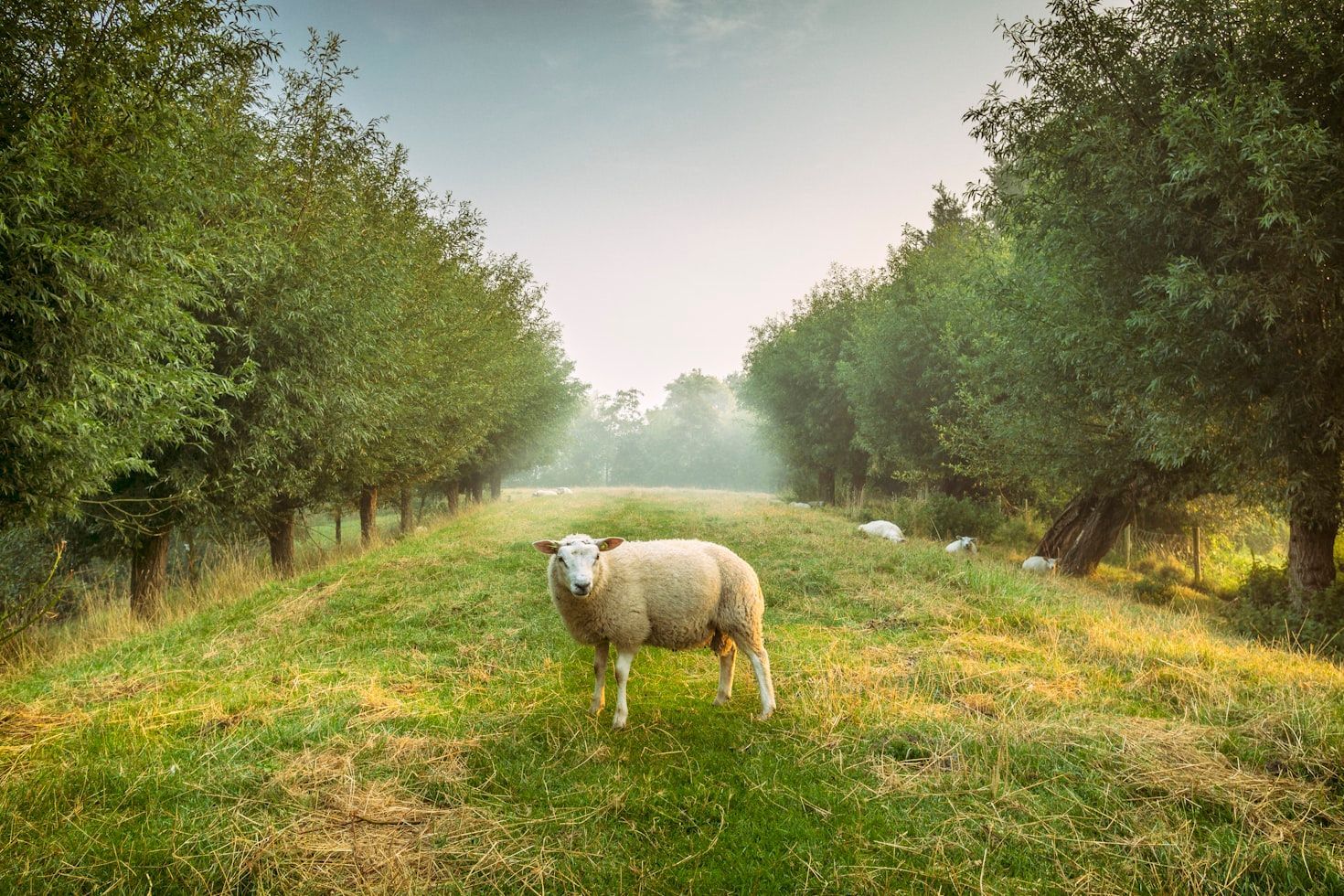
In 1996, a group of Scottish scientists achieved the unthinkable: they cloned a sheep from the cell of another adult specimen, a breakthrough that seemed straight out of a science fiction film. Dolly became the first mammal ever cloned from an adult cell—contrary to popular belief, she was not the first animal to be cloned. Overnight, her woolly face was everywhere: newspapers, TV screens, and even coffee mugs. Due to a lung disease, Dolly died just 6 years later, yet she inspired bold dreams for medicine, deep worries about ethics, and countless dinner-table debates.

3

Cher Ami the pigeon

Image: sanjiv nayak

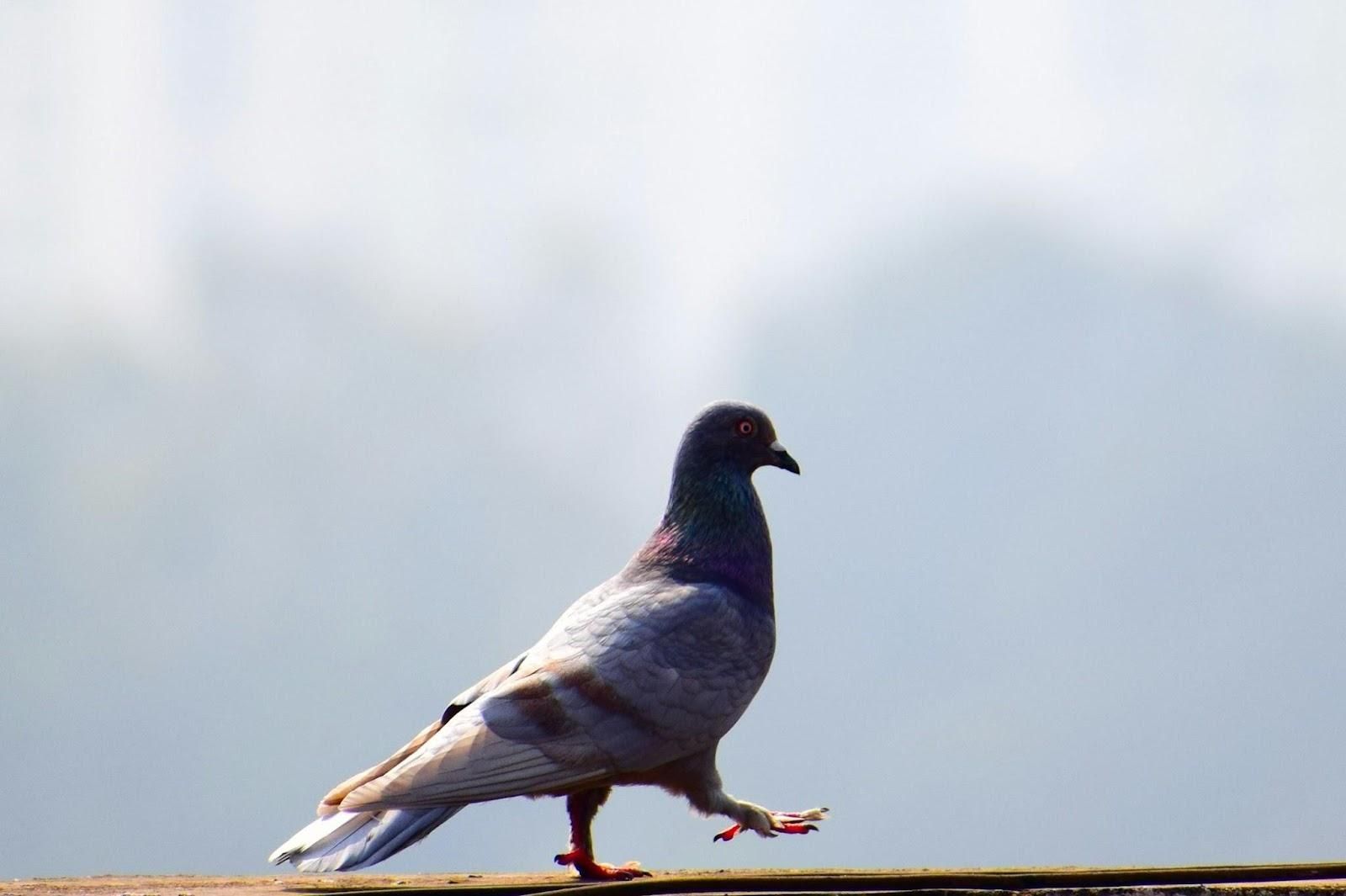
If Dolly was an example of what science could achieve, Cher Ami proved what determination looks like. In the thick of World War I combat, this small homing pigeon flew through gunfire and smoke to deliver a message that saved nearly two hundred American soldiers. Shot, blinded in one eye, and with one leg barely hanging on, Cher Ami still made it home. His tiny body carried more bravery than most armies. Today, the original pioneer of "airmail" rests proudly in the Smithsonian, honored as a true hero.

4

Pickles the collie

Image: Kanashi

And speaking of deliveries, Pickles delivered something a little shinier. In 1966, the clever collie made headlines when he sniffed out the stolen FIFA World Cup trophy tucked under a hedge in a London suburb—just days before the big tournament! One moment, he was simply following scents on his daily walk; the next, he was Britain’s most celebrated detective on four legs. The whole country cheered, the case was closed, and Pickles wagged his way into legend. Move over, Sherlock Holmes, this sleuth preferred biscuits to pipe smoke.

5

David Greybeard the chimpanzee

Image: 12photostory

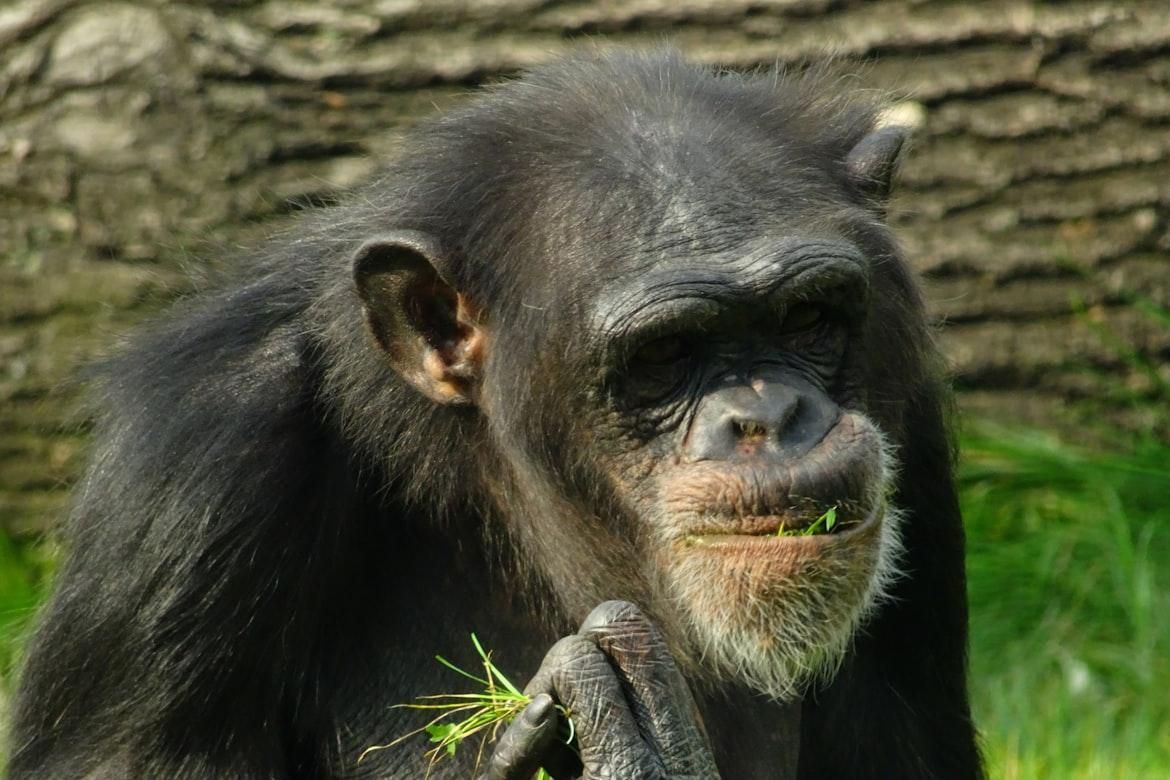
What Pickles did for trophies, David Greybeard did for science. In 1960, British primatologist Jane Goodall saw this patient chimpanzee calmly insert a twig into a termite mound. Suddenly, the world had to rethink what it meant to be "human." Until then, tool-making was supposed to be our exclusive superpower. David shattered that illusion with one flick of a branch, proving that curiosity and intelligence weren’t ours alone. The discovery didn’t just change science; it humbled it.

6

Balto the dog

Image: photo nic

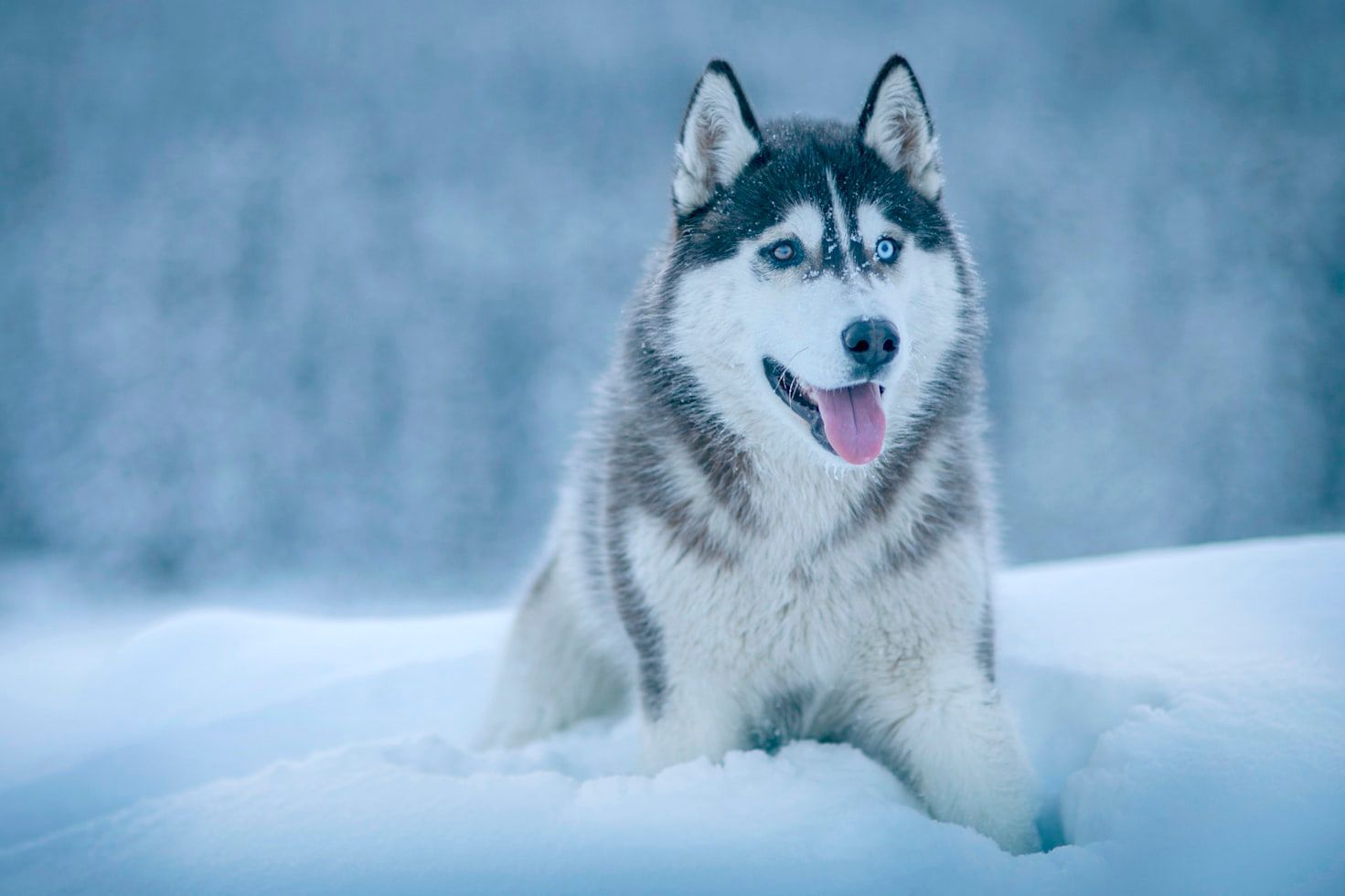
In the brutal winter of 1925, Balto, a tireless Siberian Husky, led his sled team through 50 mph winds and whiteout blizzards to deliver lifesaving medicine to the isolated town of Nome, Alaska. Frost bit at his fur, ice crusted his muzzle, but Balto kept pushing forward. He didn’t care about fame or glory; he just knew others were depending on him. Today, his statue stands proudly in New York’s Central Park, tail raised against the wind.

7

Snowball the cat

Image: Em Hopper

From dogs in the snow to a cat who cracked a mystery. Snowball, a fluffy white cat from Prince Edward Island, became an accidental pioneer in forensic science when a few stray hairs from his coat helped police link a suspect to a crime. It was the first time animal DNA was ever used as evidence in a criminal trial, and it worked like a charm. Not exactly the "cat-and-mouse" chase detectives had in mind, but justice was served.

8

Montauciel the sheep

Image: Science History Institute, Public domain, via Wikimedia Commons

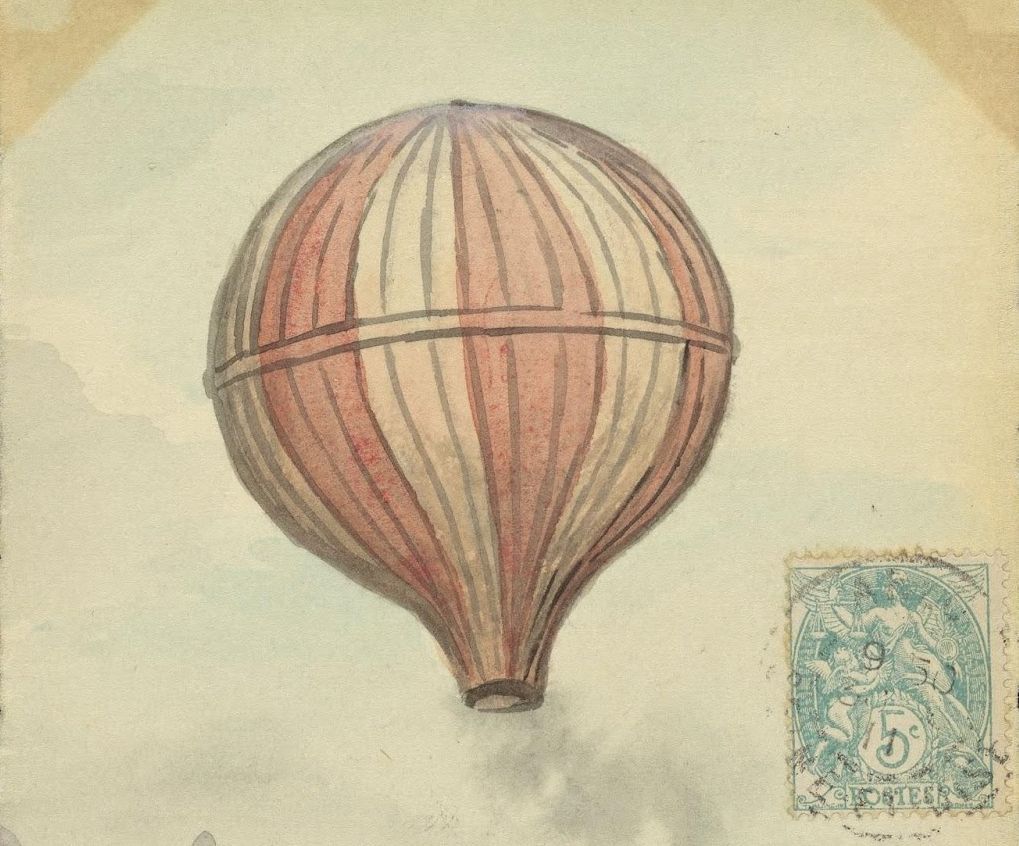
Long before humans ever dreamed of boarding planes, a sheep named Montauciel—meaning "climb to the sky" in French—was already blazing the trail. In 1783, he took off in one of the Montgolfier brothers’ very first hot-air balloons, sharing the basket with a duck and a rooster in what must have been history’s strangest flight crew. The trio floated high above the French countryside and, against all odds, landed safely. Their brief but groundbreaking journey proved that living creatures could survive in the air.

9

Lobo the wolf

Image: Michael LaRosa

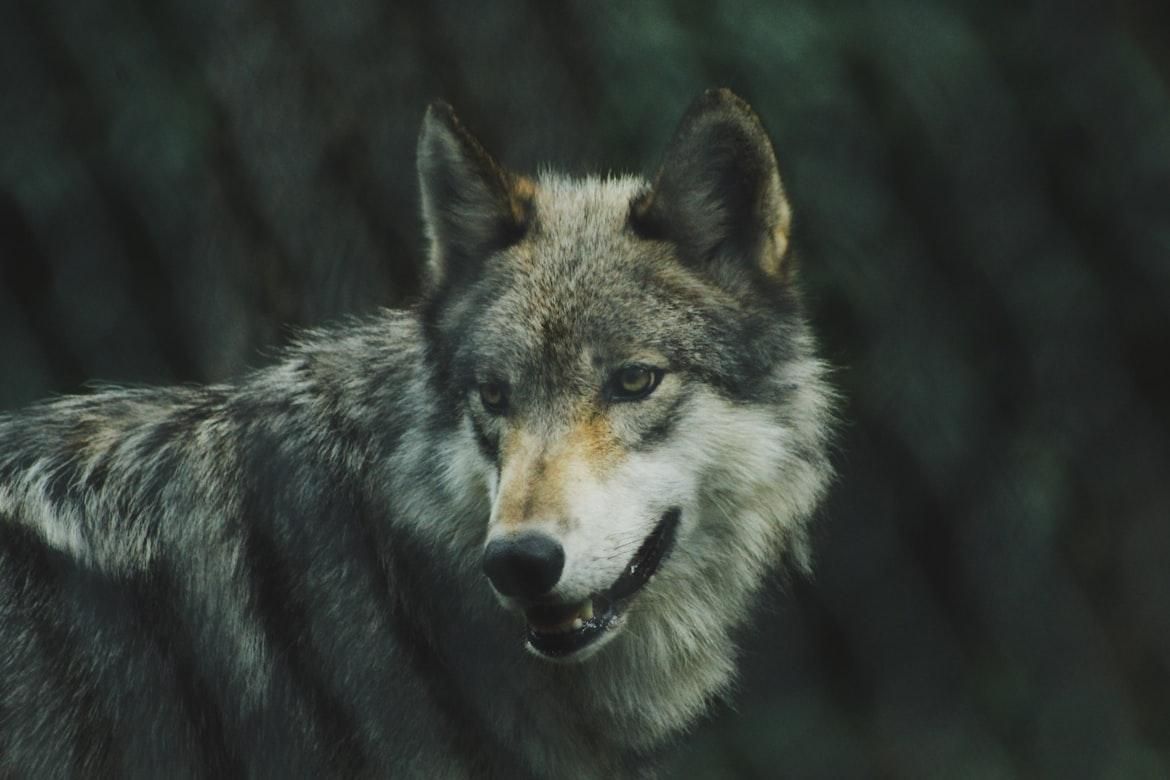
Lobo, known as "the King of Currumpaw," reigned over the open plains of New Mexico in the late 1800s. Having been deprived of their natural prey, this brave wolf and his pack had to survive on the settlers' livestock. Ranchers tried to catch him for years, but Lobo always outwitted them. His skills became frontier legend until naturalist Ernest Thompson Seton finally caught him. When Seton saw Lobo’s strength, dignity, and fierce loyalty to his mates, something shifted. The experience profoundly changed his outlook, helping transform him into one of America’s first voices for wildlife protection. Sometimes, it’s the wild creatures that teach us how to be human.

10

Jim the horse

Image: Pexel

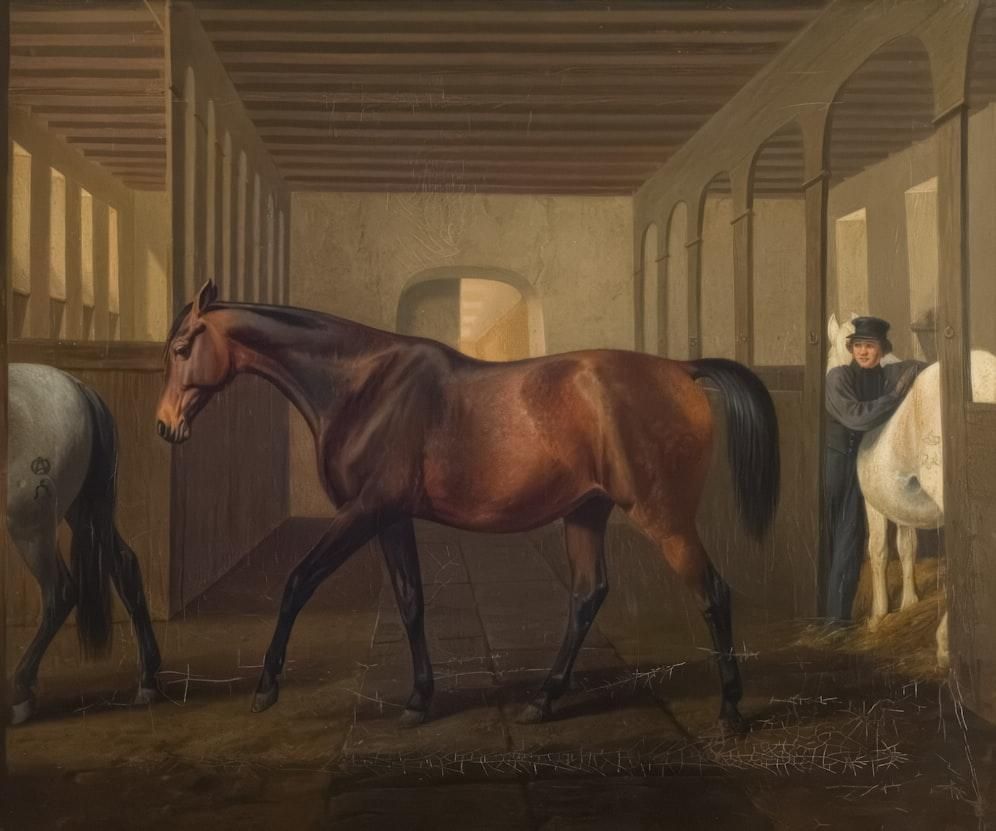
Of course, not every animal changed the world on purpose. Take Jim, a calm bay horse from St. Louis in the early 1900s, whose blood was used to produce lifesaving serum against diphtheria, a disease that was once often fatal. When a batch of his serum was accidentally contaminated, it led to sweeping public outcry, new health regulations, the creation of the first federal laws ensuring drug safety, and paved the way for the foundation of today’s FDA. Jim never knew it, but his quiet work reshaped modern medicine. Turns out, progress sometimes gallops in on four legs and a steady heart.



The 12 longest-living animals on Earth (and how they cheat time)


Published on January 9, 2026


Image: David Clode

Nature doesn’t just create beauty, it crafts survival miracles. While most animals have short lives, a rare few have mastered the art of staying alive for centuries, even millennia. These aren’t just long-lived creatures; they’re nature’s ultimate time travelers. From the frozen depths of the oceans to the darkest corners underground, they’ve developed bizarre, brilliant strategies to cheat death. Get ready to meet 12 animals whose lifespans will absolutely blow your mind.

1

Antarctic Sponge (Anoxycalyx joubini)

Image: NOAA

Record age: up to 15,000 years

This unassuming sea sponge thrives in the freezing waters of Antarctica, where temperatures hover around 28.6 °F—so cold that biological processes hit the brakes. In such icy conditions, metabolism slows to a crawl, allowing these sponges to live for thousands of years.

Some have reached impressive sizes of over 3 feet tall and have been around since mammoths were still thundering across the tundra. They don’t move, they don’t stress, and they barely change, just quietly existing while centuries pass them by. Their secret to extreme longevity? Glacial patience, deep-sea stillness, and a lifestyle that redefines "low-maintenance".

2

Immortal Jellyfish (Turritopsis dohrnii)

Image: Dr. Karen J. Osborn, CC0, via Wikimedia Commons

Age: technically… infinite

This tiny jellyfish, no bigger than a fingernail—less than 0.2 inches—is like the ocean’s very own Benjamin Button. What makes it truly extraordinary is its ability to rewind its life story, flipping back to a youthful, juvenile stage whenever it wants. While it’s not completely invincible (predators and other threats are still very real), if left undisturbed, it can keep hitting the reset button on aging indefinitely, making it one of the most fascinating "time-benders" in nature.

3

Ocean Quahog Clam (Arctica islandica)

Image: Norbert Braun

Record age: 507 years

In 2006, a special clam was discovered buried deep in the seabeds of the North Atlantic. Scientists were able to determine that it had been there since at least 1499—that’s centuries before the United States was even a thought! This ancient marvel, nicknamed "Ming", was able to perfect a slow-and-steady approach to life. Growing at a snail’s pace and barely budging, Ming’s sedentary lifestyle turned out to be a brilliant strategy for beating the clock. Who knew doing almost nothing could be the ultimate secret to longevity?

4

Greenland Shark (Somniosus microcephalus)

Image: https://upload.wikimedia.org/wikipedia/commons/3/39/Greenland_shark_profile.jpg

Record age: estimated 392 years

These sharks aren’t your average ocean cruisers—they can stretch over 20 feet long and weigh up to 2,200 pounds. But what’s really mindblowing is how slowly they move, like they’re in a permanent state of deep relaxation. Living in the icy Arctic waters, these giants don’t hit adulthood until they’re about 150 years old, and some can glide through the depths for nearly 400 years. Imagine that! These ancient swimmers were already around before America declared independence... and they are still out there, silently roaming the seas!

5

Bowhead Whale (Balaena mysticetus)

Image: Vicki Beaver, Alaska Fisheries Science Center, NOAA FIsheries, Marine Mammal Permit#14245, Public domain, via Wikimedia Commons

Record age: over 211 years

This whale is a true ocean giant, stretching up to 60 feet long and weighing a staggering 200,000 pounds. But what makes it stand out isn’t just its size but its age. Some of these majestic creatures carry harpoons from the 1800s still lodged in their skin, like walking history books. Just picture living so long that you’re literally carrying outdated technology embedded in your body—talk about being a time traveler of the seas!

6

Red Sea Urchin (Mesocentrotus franciscanus)

Image: National Marine Sanctuaries, Public domain, via Wikimedia Commons

Record age: 200 years

Spanning the chilly Pacific coastline from California all the way up to Alaska, this spiky little ball—about 7 inches across—is full of surprises. It munches on algae and calls the deep, dark ocean its home, thriving at depths of up to 300 feet. Don’t let its size fool you: this prickly creature is a true elder of the cold seas, quietly outliving many ocean neighbors while keeping a low profile. A tough, slow-living veteran wrapped in spikes!

7

Koi Carp (Cyprinus rubrofuscus)

Image: Daniel Dan

Record age: 226 years

Meet Hanako, a legendary Japanese koi who swam through life for an astonishing 226 years. Scientists discovered how old she was by studying the rings on her scales, much like counting the growth rings of a tree. These colorful, ornamental fish aren’t just symbols of good fortune; they’re also secret long-lifers with the potential to celebrate over two centuries of birthdays, as long as they get the right care and a peaceful pond to call home.

8

Seychelles Giant Tortoise (Aldabrachelys gigantea)

Image: Ryan Grewell

Record age: 190 years

Jonathan is a male tortoise living on the remote island of Saint Helena in the South Atlantic Ocean. He was born back in 1832, and he’s still happily chomping lettuce and soaking up the sun today. Weighing in at more than 400 pounds and measuring around 3 feet long, Jonathan holds the title of the oldest known living land animal on the planet. If he could share tales, they’d span nearly two centuries of history. Imagine that!

9

Lake Sturgeon (Acipenser fulvescens)

Image: See page for author, Public domain, via Wikimedia Commons

Record age: 152 years

This ancient-looking fish, with its whisker-like barbels, looking like a tiny underwater submarine, prowls the lakes of North America. It can reach an impressive length of up to 7 feet and weigh around 200 pounds. These slow-living creatures don’t rush into adulthood—they start breeding only around age 20—and then take their time cruising through life at a leisurely pace. Believe it or not, one legendary catch in Wisconsin was estimated to be over 150 years old!

10

Kakapo Parrot (Strigops habroptilus)

Image: Andreas Sjövall

Record age: over 90 years

This chunky, night-loving parrot from New Zealand is a true oddball—it can’t fly, snores like a grumpy grandpa, and smells like fresh flowers. Despite its quirks, this bird boasts an impressively long lifespan. Sadly, it teeters on the edge of extinction. The oldest known kakapo, affectionately named Richard Henry, lived 90 years, earning him the title of the charmingly eccentric elder statesman of the avian world.

11

Naked Mole Rat (Heterocephalus glaber)

Image: Daderot, CC0, via Wikimedia Commons

Record age: 37 years

This tiny, kooky rodent—barely 3 inches long and just over an ounce in weight—could’ve been cast straight from a sci-fi apocalypse flick. Dwelling in vast underground colonies across Africa, it’s practically invincible to cancer, pain, and the usual effects of aging. Scientists are fascinated by this little marvel, even if it’s not winning beauty contests anytime soon. Its superpowers make it a star in longevity research!

12

American Lobster (Homarus americanus)

Image: OAR/National Undersea Research Program (NURP)., Public domain, via Wikimedia Commons

Record age: estimated 100+ years

Lobsters have a totally different rulebook than us when it comes to aging. They don’t really grow old; they just keep getting bigger and bigger. Some giant lobsters weigh over 40 pounds and stretch beyond 3 feet long. Their biggest threats? Not old age, but predators or the risky process of shedding their shells. In theory, they could live forever if left alone—but let’s be honest, not many get to enjoy a peaceful, lobster-sized retirement!

Looking for an extra scoop of literary fun?

Learn more with our Word of the day

jurisdictional

/ˌdʒʊrəsˈdɪkʃ(ə)nəl/