In the shadows

Do you know where “dark horse” and “black sheep” come from?


Published on December 17, 2025


Image: Jonatan Pie

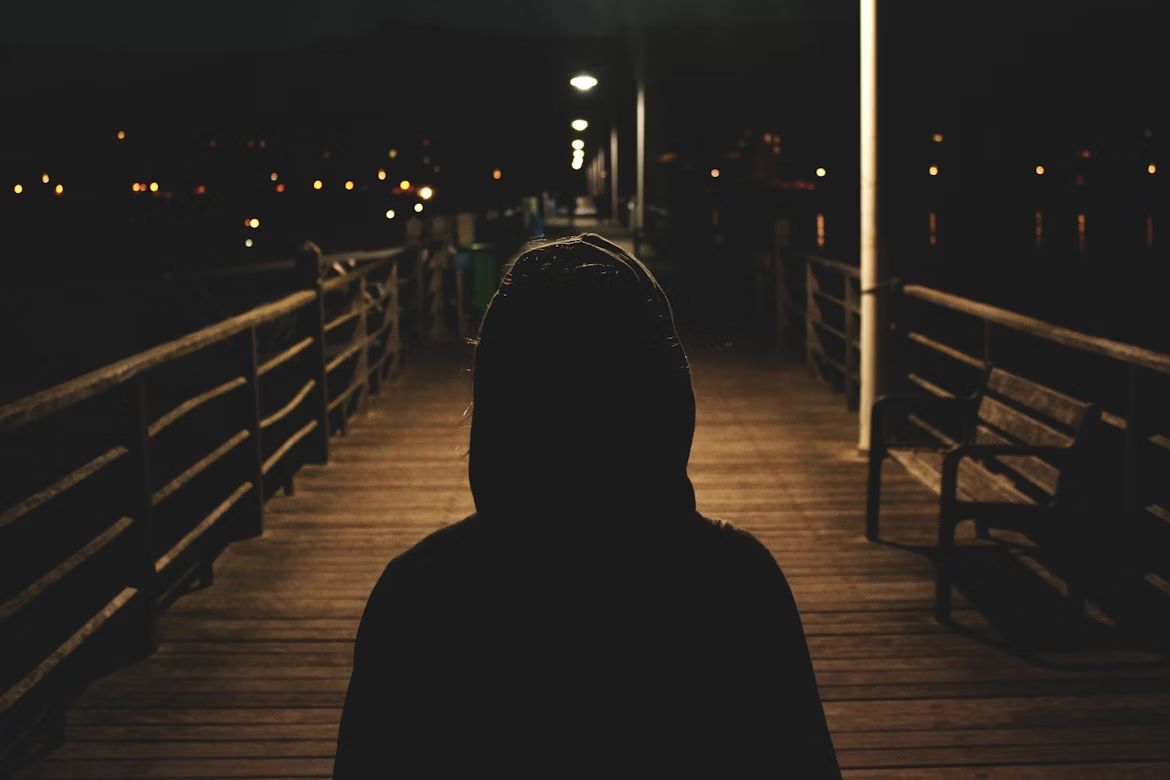
The idea of "darkness" is used to describe mystery, risk, or even a little mischief. Have you ever noticed how many idioms there are for darkness? And what about where these sayings come from, or why have they stuck around for centuries? Today, we’ll take a tour through some of the darkest idioms tied to this concept, uncovering their roots and what they still mean in everyday life.

1

Dark horse

Image: Lindsey Bidwell

The phrase "dark horse" first appeared as slang in horse racing, where an unknown competitor could surprise the crowd by winning. Benjamin Disraeli, a British politician and novelist, popularized it in the 1830s. Today, we use it for people who come out of nowhere to impress, whether in politics, sports, or even at a family game night. Are you usually the dark horse?

2

Keep someone in the dark

Image: Paul Garaizar

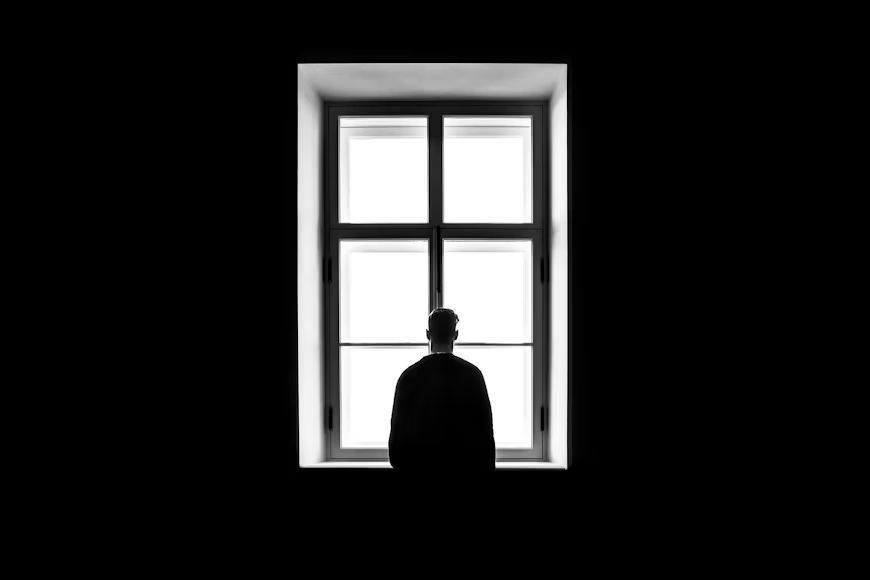
This saying goes back to the days when darkness symbolized ignorance. To "keep someone in the dark" meant to deprive them of light and knowledge. It has roots in 17th-century English writing, and it stuck because the image is so simple: if you’re kept from the light, you can’t see the whole picture.

3

Cast a shadow

Image: Thomas Chan

The idea of something "casting a shadow" goes all the way back to ancient poetry, where shadows represented gloom, doubt, or even bad omens. Shakespeare often used shadow imagery to suggest suspicion or hidden truths. Today, we use this expression to refer to that negative impact, the shadow, that something else may have.

4

Leave in the lurch

Image: Sasha Freemind

This expression comes from a French board game called "lourche," popular in the 1500s. To be "left in the lurch" meant being stuck in a hopeless position in the game. English speakers borrowed the phrase, and it evolved to describe abandoning someone when they most needed help. Quite gloomy, don’t you think?

5

Dark side of the moon

Image: Andrew Hughes

For centuries, people believed one half of the moon was always hidden from view. That unseen hemisphere became a perfect metaphor for secrets or unknown territory. Even after space exploration revealed more about the moon, the phrase stuck around as a poetic way to describe the mysterious side of things.

6

Darken someone’s door

Image: Andrew Neel

This one has an old-fashioned ring to it. In earlier times, saying you didn’t want someone to "darken your door" meant you didn’t even want them standing at your doorway and blocking the light. But today, it means visiting someone, even if that’s unexpected or undesirable for the homeowner. Remember, text before you darken someone’s door!

7

The dark side of the street

Image: Yᴏꜱʜ ʜ. Qᴜɪɴᴢᴇʟ

This phrase plays on the simple contrast between safety and danger. The sunny, well-lit side of the street feels safer, while the darker side symbolizes risk and shady dealings. It has been used both literally and metaphorically since the 1800s to refer to the less desirable path.

8

Black mark

Image: Sven Mieke

The idea of a "black mark" dates back to the 1600s, when a literal black mark might be written beside someone’s name to show disgrace. Over time, it grew into a figure of speech for any stain on reputation. Even now, one mistake can be called a "black mark" against an otherwise good record. This one you might want to get away from, right?

9

A black sheep

Image: Jonathan Greenaway

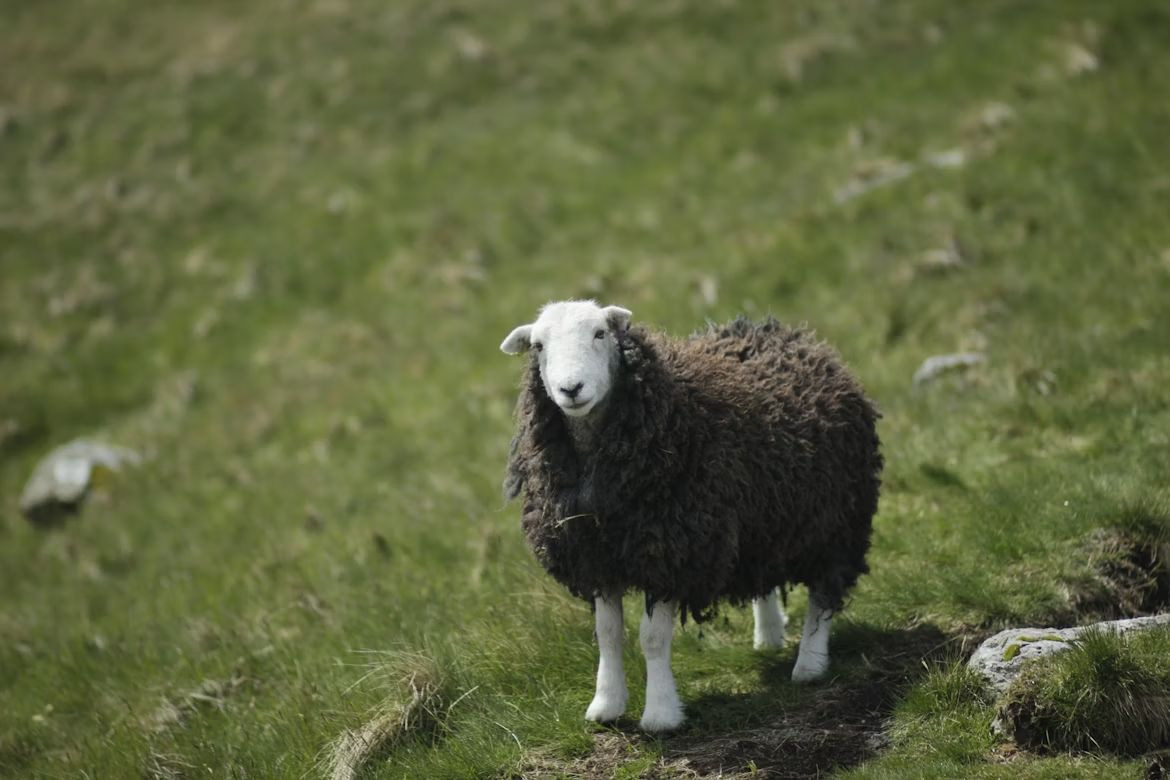
Black sheep are beautiful, but back in farming days, black wool couldn’t be dyed like white wool, making them less valuable to farmers. By the 18th century, the term had wandered into family life to describe the odd member who didn’t fit expectations. Today, being the "black sheep" often carries a mix of humor and pride.

10

In the black

Image: NORTHFOLK

Accountants in the past literally used black ink to record profits and red ink to record losses. To be "in the black" meant your books looked good. Red, on the other hand, meant you were in debt. The phrase has been around since the early 20th century and is still shorthand for financial health, especially for businesses.

What science says

It was false after all: 10 health myths that sound true—but aren't


Published on December 17, 2025


Image: Alicja Gancarz

Health myths are everywhere! These ideas were simply passed down for so long that they became part of what we believed. But now science has stepped in to clear things up. Does cold weather make you sick? Can lemon detox your body? Is reading in low light really harmful? Let's uncover the truth behind 10 common health myths!

1

Cutting your hair makes it grow faster

Image: Element5 Digital

Have you ever been told that cutting your hair will make it grow faster? We're sorry to say that's just a myth. Hair grows from the root, not the ends. So, trimming it won't boost growth, though it does help remove split ends that can make your hair look dry or unhealthy.

2

Cold weather causes colds

Image: Thom Holmes

This is one of the most common health myths. Cold weather often gets blamed, but it's not the temperature that makes you catch a cold. During winter, we tend to stay indoors with others and keep the windows closed, an environment that makes it easier for viruses to spread. That's why colds tend to be more common in winter!

3

Eating before bed makes you gain weight

Image: Michelen Studios

The idea that eating before bed automatically leads to weight gain is a myth. In reality, it has more to do with what you eat and how much, rather than the time of day. Often, when we eat very late at night, we're tired and more likely to reach for quick, high-calorie, heavy foods. This can disrupt sleep and lead to consuming more calories than we burn, both of which may affect weight. If it's close to bedtime, it's better to have something light and healthy in a moderate portion than to skip a meal altogether.

4

Wearing glasses weakens your vision

Image: Bud Helisson

Does wearing glasses weaken your vision? Myth! If an eye doctor prescribes glasses, wearing them as directed helps correct your vision; it won't make it worse. Additionally, the right glasses can help prevent or reduce headaches caused by reading or spending long hours in front of a screen.

5

Reading in low light causes permanent eye damage

Image: Amir Balam

This myth is closely related to the previous one. If you love reading and sometimes have to do it in low light because of the situation, don't worry. According to experts, reading in low light doesn't cause permanent or irreversible eye damage. However, it's not recommended because it can make your eyes feel tired or strained, leading to discomfort or headaches.

6

You need to drink 8 glasses of water a day

Image: engin akyurt

We're all different, and so are our bodies. The idea that everyone should drink exactly eight glasses of water a day is more of a general guideline than a rule. Staying well hydrated throughout the day is extremely important, but how much water you need depends on factors like your weight, age, climate, and overall health. We should prioritize staying consistently hydrated instead of obsessing over the number of glasses we drink.

7

Lemon water detox and cleanse your body

Image: Tirza van Dijk

Some people say drinking lemon water helps eliminate toxins and cleanse the body. While adding a slice of lemon to your water is a refreshing way to stay hydrated, it doesn't have any special "detoxifying" powers. The vitamin C in citrus fruits is beneficial, but the body has its own natural detox system. The liver and kidneys are the main organs that filter waste and eliminate toxins.

8

All fat is bad

Image: Aneta Voborilova

Not all fats are bad! Just like other food groups, your body needs fats to function properly. The important thing is knowing the difference between healthy fats and those that can be harmful. Foods like avocados, seeds, olive oil, fish, and nuts are rich in healthy fats. On the other hand, the fats found in processed or fried foods are the ones that can have a negative impact on your body.

9

Liver disease is always caused by alcohol or fats

Image: Elevate

Liver diseases can be serious. While heavy and frequent consumption of alcohol and fats is a major contributor, it's not the only cause. Liver problems can also result from many other factors. These include viral infections, autoimmune diseases, genetic disorders, high blood pressure, and exposure to certain chemicals.

10

Breakfast is the most important meal

Image: Brooke Lark

There's some truth to it: breakfast is important because it replenishes our glucose and energy levels and supports proper metabolism. However, the idea that it's the most important meal of the day might be an exaggeration. Everyone's body has different needs, and all meals are important, so we shouldn't skip any of them!

Looking for an extra scoop of literary fun?

Learn more with our Word of the day

meager

/ˈmiɡər/