They saw the future

Incredible Prophecies: He predicted the Titanic 14 years before it sank


Published on July 9, 2026
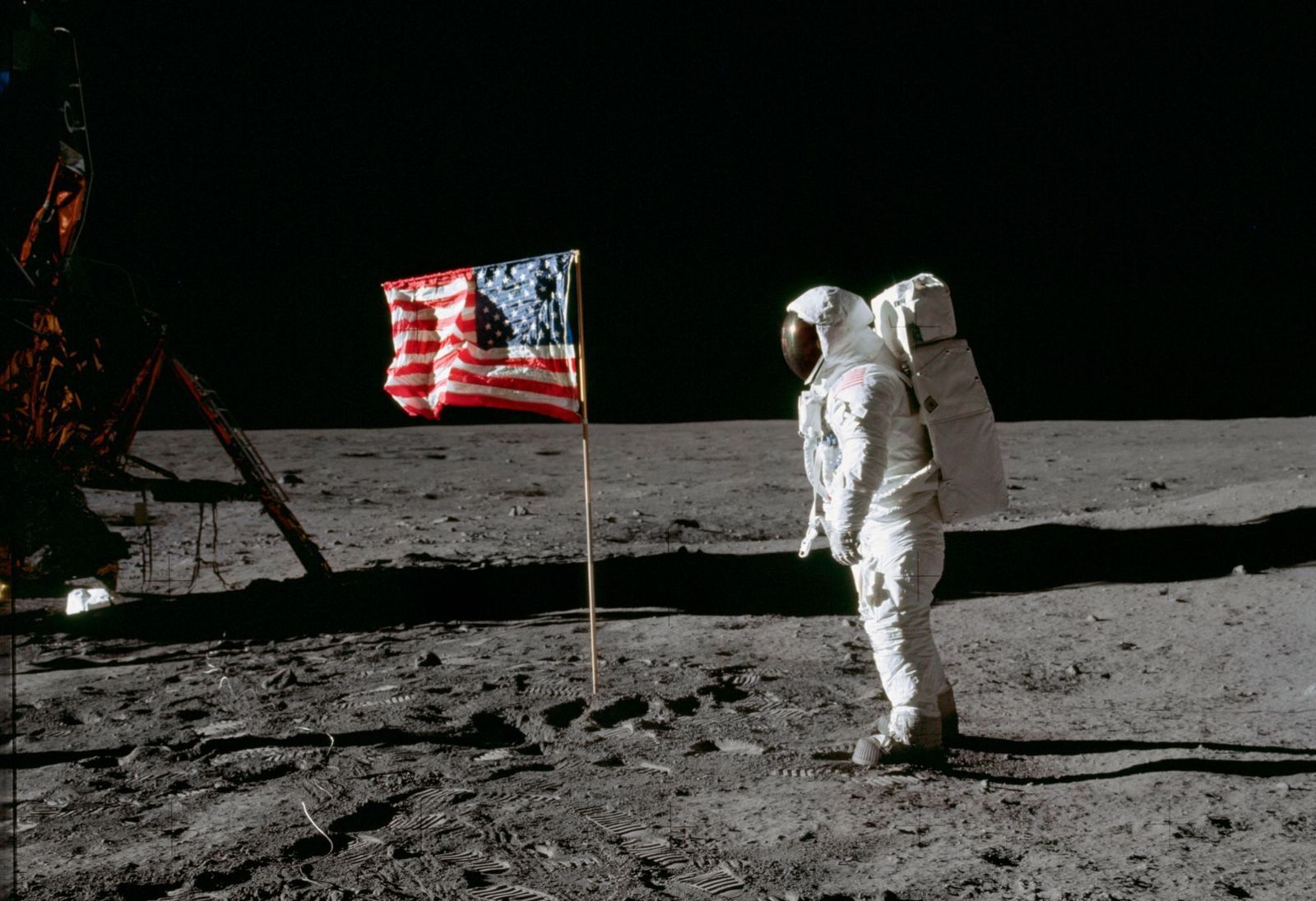

Image: Rawpixel.com

What if we told you someone described the Titanic disaster 14 years before it happened? Or that a famous American writer predicted the exact day of his own death? And decades before the first iPad or smartphone existed, some people had already imagined them with astonishing precision. Coincidence? Genius? Or something else entirely? From the sinking of the Titanic to the Moon landing and the rise of social media, here are 10 predictions so accurate that they'll make you wonder whether the future can sometimes be seen before it happens.

1

The sinking of the Titanic- Predicted in 1898
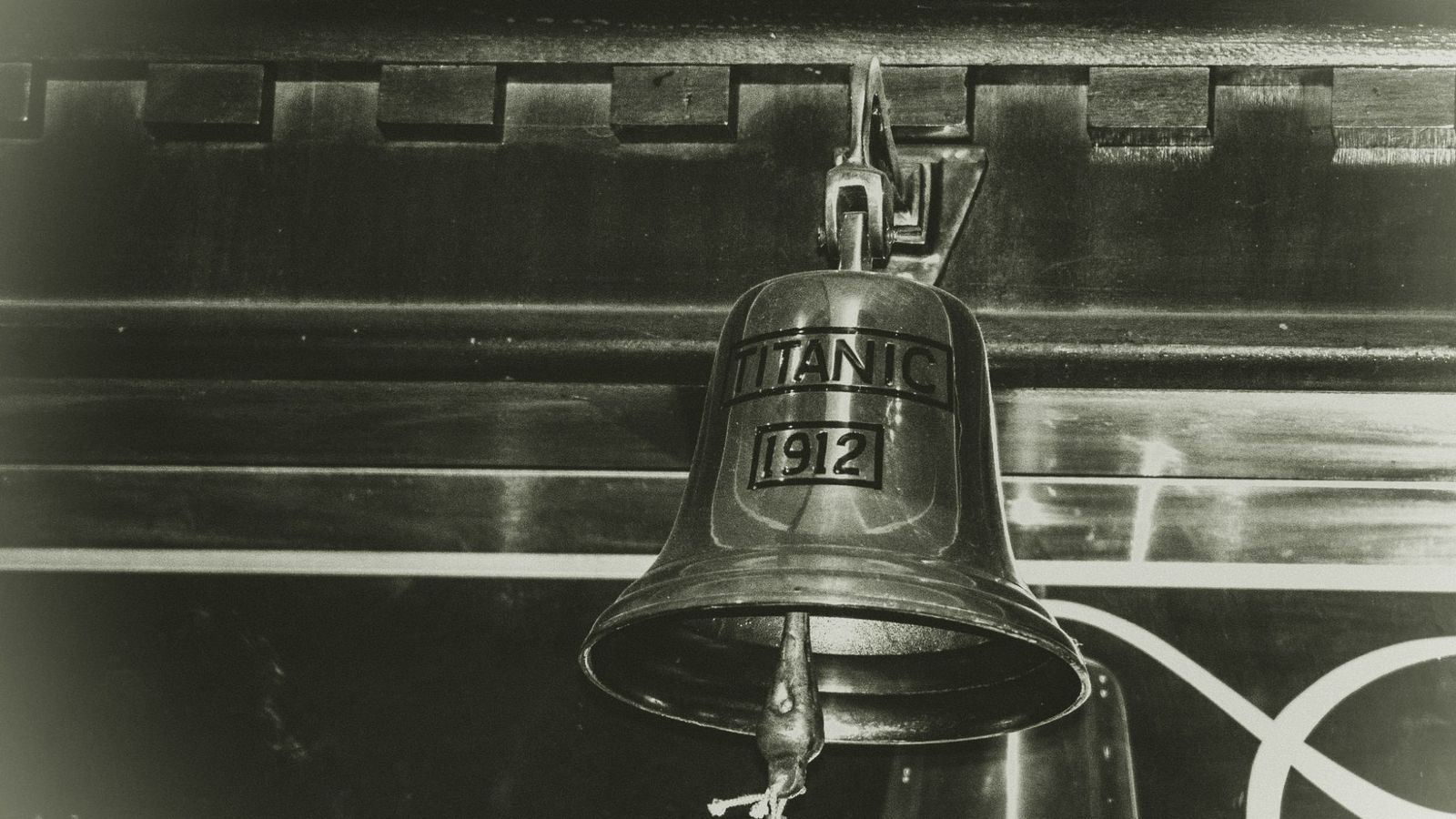
Image: K. Mitch Hodge

We all know the story of the RMS Titanic, the "unsinkable" ocean liner that struck an iceberg and sank on its maiden voyage on April 15, 1912, claiming the lives of more than 1,500 people. But here's a lesser-known and shocking fact: 14 years before the disaster, someone had already written an incredibly similar story.

In 1898, American author Morgan Robertson published the novella Futility (later retitled The Wreck of the Titan). It tells the story of the Titan, a gigantic, supposedly "unsinkable" luxury liner that strikes an iceberg in the North Atlantic and sinks. 14 years later, the Titanic met almost the same fate. The parallels are so striking that Robertson's novel is still regarded as one of history's most astonishing coincidences.

2

The rise of smartphones- Predicted in 1926
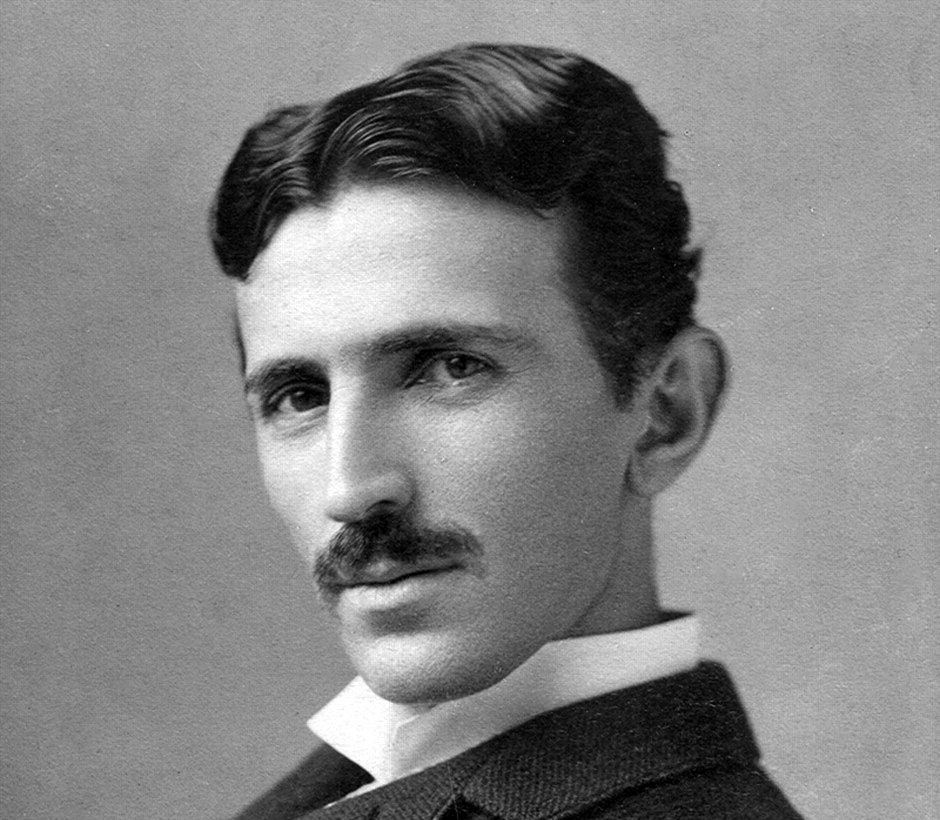
Image: Napoleon Sarony, Public domain, via Wikimedia Commons

The Serbian-American inventor Nikola Tesla didn't just revolutionize electricity; he also made one of the most amazing technological predictions in history.

In 1926, 68 years before the first smartphone, Tesla gave an interview to Collier's magazine in which he described what sounds remarkably like today's connected world. He predicted that wireless technology would eliminate distance, saying the Earth would one day be "converted into a huge brain." Then he added an even more startling prediction: "The instruments with which we shall be able to do this will be incredibly simple compared with our present telephone. A man will be able to carry one in his vest pocket."

3

Online learning and Wikipedia- Predicted in 1988

Image: Sergey Zolkin

Today, finding an answer takes just a few seconds. But before Google, before Wikipedia, and even before the internet reached most homes, someone had already described almost exactly how we would search for information.

That someone was Isaac Asimov, the American science fiction writer and professor. In a 1988 interview on PBS's A World of Ideas with Bill Moyers, Asimov predicted that every home would one day have a computer connected to "enormous libraries," where anyone could ask a question and instantly receive an answer. He also described an "interconnected encyclopedia" that many people now compare to Wikipedia.

4

Moon landing- Predicted in 1865

Image: NASA

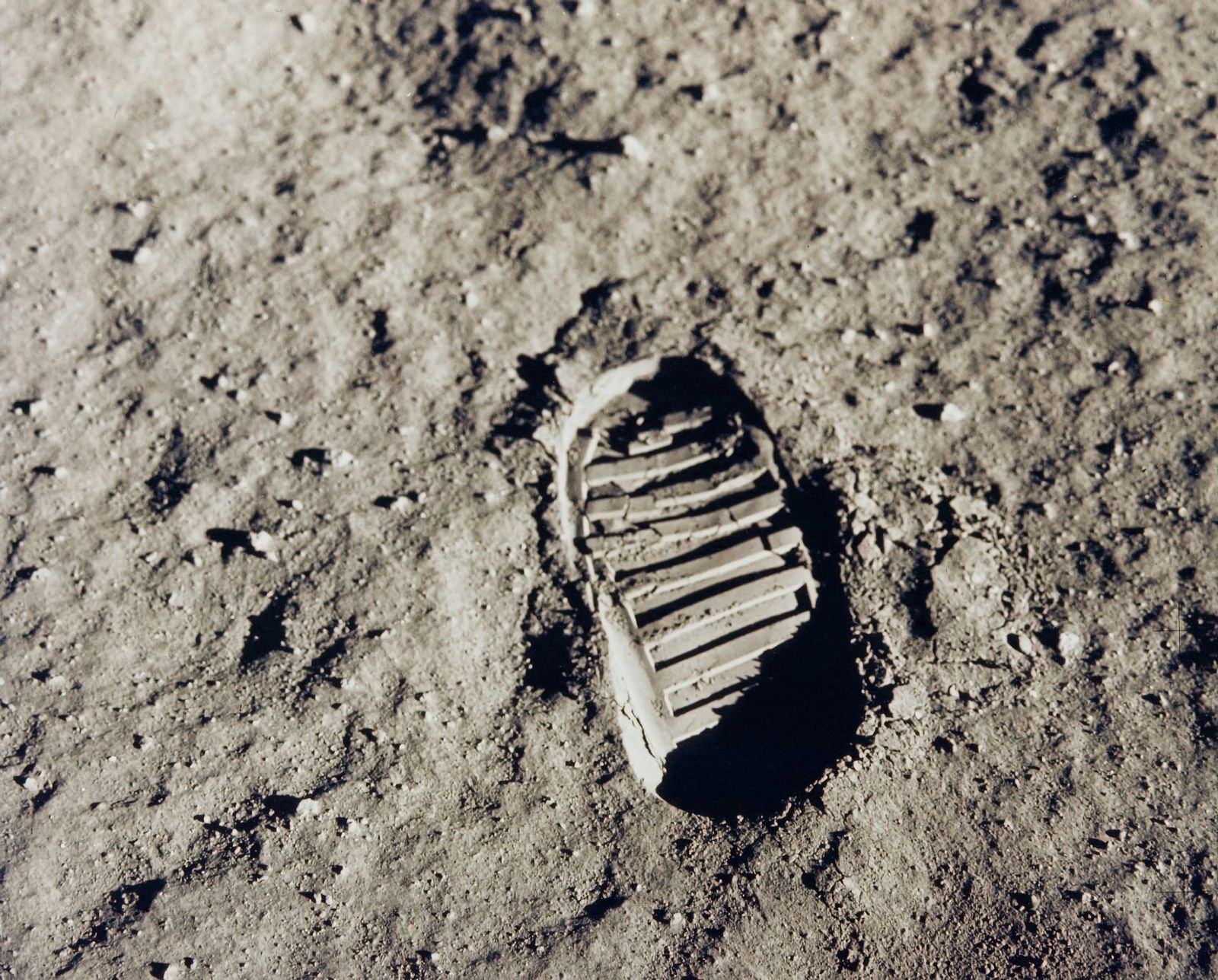
More than five decades later, the 1969 Apollo 11 Moon landing remains one of the greatest feats in human history. But as if the incredible achievement of reaching the moon wasn't enough, there's something that makes it even more spectacular: Someone described key parts of the lunar mission more than 100 years before it happened.

In 1865, French writer Jules Verne published From the Earth to the Moon, a science fiction classic that turned out to be prophetic. In it, Verne placed the launch in Florida, the same state NASA would later use for its missions. He also chose aluminum for his spacecraft because it was lightweight and durable, decades before it became the backbone of the aerospace industry. And, just like Apollo 11, his spacecraft carried three crew members. For a novel written more than a century before, the similarities are hard to ignore.

5

Skype & video calling- Predicted in 1911

Image: Hc Digital

Today, video calls are such a normal part of life that we take them for granted. But not long ago, the only option was a landline, and seeing the person you were talking to sounded like something out of a science fiction movie.

But some writers didn't just imagine the future; they came incredibly close to predicting it. One of them was Hugo Gernsback, the Luxembourgish-American inventor, writer, and publisher often called the "Father of Science Fiction." In his 1911 novel Ralph 124C 41+, Gernsback described a device called the "Telephot," a combination telephone and television that let callers see both the face and surroundings of the person on the other end of the line. More than a century later, it's hard not to compare that with FaceTime, Zoom, or Skype.

6

Social media- Predicted in 1999

Image: Mariia Shalabaieva

Love it or hate it, social media has become one of the biggest forces in modern life. Today, we use it to get news, find jobs, stay in touch with family, and organize our lives. But just a few decades ago, the idea that billions of people would do all of that online seemed almost impossible.

Bill Gates, however, imagined it perfectly. In 1999, just a year after Google launched, Gates published Business @ the Speed of Thought: Succeeding in the Digital Economy, where he made a series of predictions that would later come true. He wrote that "private websites for your friends and family will be common, allowing you to chat and plan events," an unsettlingly accurate description of Facebook, which wouldn't launch until 2004. He also predicted that people would find jobs online by sharing their interests, skills, and qualifications, a couple of years before LinkedIn debuted in 2002.

7

News on iPads - Predicted in 1968

Image: Detail .co

For millions of people in the world, one of the first things to do each morning is check the news on their phones or tablets. Today, that's completely normal; in the 1960s, however, it seemed unimaginable.

While it’s hard to believe, that's exactly what Arthur C. Clarke described in his 1968 novel 2001: A Space Odyssey. In this story, the English author introduced a device called the "Newspad," on which astronauts read news from Earth. But Clarke didn't just predict a tablet-like device; he also described how users would tap headlines to expand articles and read them comfortably on a screen. In other words, he was able to envision much of today’s experience more than 40 years before the iPad debuted in 2010.

8

Airplanes and GPS - Predicted in the 17th century

Image: See page for author, CC BY 4.0, via Wikimedia Commons

We've already seen predictions that came true years, and even decades later. But this next one was written about 300 years before the technology it described existed.

Who did it? Robert Boyle, the Irish chemist known as the father of modern chemistry and the scientist behind Boyle's Law. In the 1660s, Boyle wrote a private scientific wish list that has been preserved by the Royal Society for its importance. Among its 24 visionary goals was "The Art of Flying," based on his belief that air obeyed physical laws humans could eventually master, something accomplished with the airplane more than two centuries later. He also described "a practicable and certain way of determining longitudes," a problem that wouldn't truly be solved worldwide until the age of satellite navigation and GPS, almost three centuries after Boyle first imagined it.

9

Halley's Comet & Mark Twain’s death- Predicted in 1909
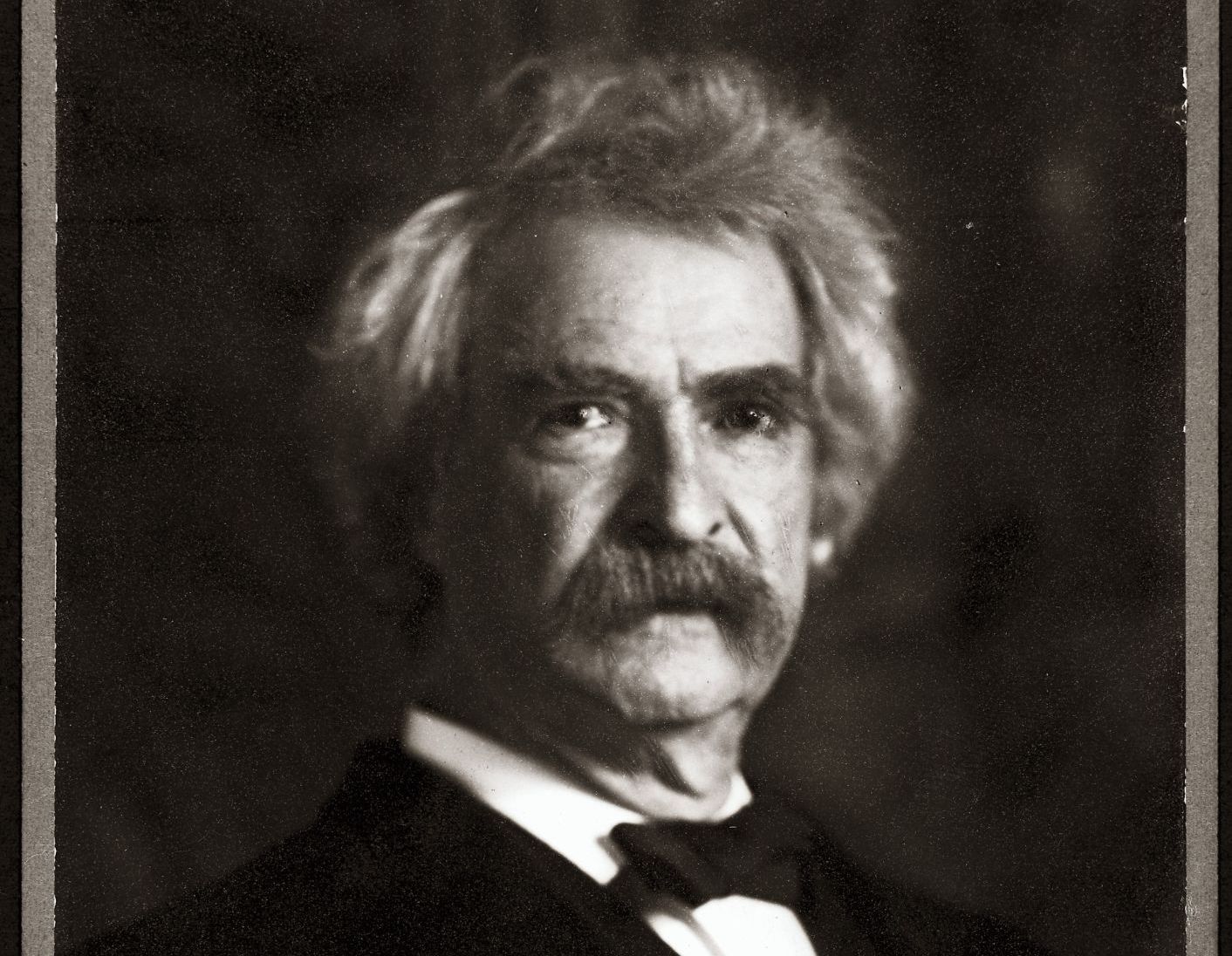
Image: Pach Bros, NY, Public domain, via Wikimedia Commons

For more than 2,000 years, astronomers have tracked Halley's Comet, and thanks to that work, today we know it returns about every 75 to 76 years. The last time it appeared was in 1986, and it's expected back in 2061. Predicting a comet's return is science, but predicting your own death is something else.

And that's exactly what Mark Twain, the "father of American literature," did. Twain was born Samuel Langhorne Clemens in 1835, the year when Halley's Comet lit up our sky. 74 years later, in 1909, he famously said, "I came in with Halley's Comet in 1835. It is coming again next year, and I expect to go out with it." On April 21, 1910, the day after the comet reached its brightest point, Mark Twain died.

10

The Cold War- Predicted in 1840

Image: Vitaliy Andreev

The Cold War lasted more than 44 years, pitting the United States and the Soviet Union against each other in a global struggle for power. But astonishingly, one thinker foresaw this rivalry more than a century before it began.

While traveling through the United States, French political philosopher Alexis de Tocqueville published an impressive prediction in Democracy in America (1835–1840): "There are at the present time two great nations in the world... I allude to the Russians and the Americans... Each seems called by some secret design of Providence one day to hold in its hands the destinies of half the world." More than 100 years later, those two nations would fight to dominate the second half of the 20th century almost exactly as he had anticipated.


Tour the South through language

Southerners speak in code, but we're here to decode them


Published on July 9, 2026


Image: Alexander Lukatskiy

Maybe you’ve heard someone say they’re "fuller than a tick" after Thanksgiving dinner, or thought your next-door neighbor was "too big for his breeches." These old Southern expressions have been floating around front porches, family reunions, church socials, and kitchen tables for generations. Most know what they mean, but few know where they came from. As it turns out, the stories behind these sayings are every bit as intriguing as the expressions themselves. Here’s the story of 10 Southern favorites.

1

Too big for your breeches

Image: Elnur

Everyone has seen it happen: A coworker gets promoted, a neighbor wins a local election, or a young athlete becomes the star of the team. At first, everyone is happy for them, but soon they start acting as if ordinary rules don’t apply to them. Before you know it, people are already whispering they are too big for their breeches.

This classic Southern criticism is aimed at people whose egos have grown faster than you can tell. One of its earliest recorded appearances came in 1835 when frontiersman and Congressman Davy Crockett used it while discussing President Andrew Jackson. Over time, parents, teachers, and grandparents adopted the expression as a gentle warning against arrogance. In a region that traditionally valued humility and neighborliness, getting "too big for your breeches" was often a sign that a person needed a reality check before life delivered one.

2

Pretty as a speckled pup

Image: Annabell Gsoedl

You’re not a true grandparent until you show your grandkids’ pictures to your friends and proudly say the baby is "pretty as a speckled pup." One of the South's warmest compliments, the expression describes someone who is exceptionally cute or charming.

The saying emerged in the rural South and Appalachian Mountains during the late 1800s, where hunting dogs were an important part of everyday life. Puppies with spotted coats, particularly breeds like Bluetick Coonhounds and English Setters, were admired for their distinctive markings and irresistible appearance. Southerners, known for turning everyday observations into colorful language, began comparing attractive children and young women to these beloved pups. Some families even embellished the phrase, describing someone as "pretty as a speckled pup with a ribbon around its neck."

3

Fuller than a tick

Image: sebra

We’ve all been there. The holiday meal is over, you’ve had seconds of the mashed potatoes, a slice of pie, and maybe another helping of stuffing. Then someone offers dessert, and all you can do is lean back and say you're "fuller than a tick."

This vivid expression means being completely stuffed after eating, and its roots go back much further than many people realize. Records show similar versions existed as early as the 1600s. The comparison comes from the appearance of ticks after they've fed. These tiny creatures swell dramatically, becoming several times larger than their normal size. The phrase became especially common after large Sunday dinners, church suppers, and holiday feasts, where refusing another helping was practically impossible. Even today, few expressions paint a clearer picture of overeating.

4

Going to see a man about a horse

Image: BAZA Production

Social life is important, but there’s always a time during a meeting when you just want to stand up, say you’re "going to see a man about a horse," and head back home. You know everyone will nod, no questions asked, and that’s because you’ve used a polite way to leave the meeting without explaining much about why you’re actually going.

The expression dates back to the mid-1800s. One of the earliest known examples appeared in an 1866 stage play called Flying Scud, written by Irish playwright Dion Boucicault. Funnily enough, the phrase gained special popularity during Prohibition in the United States, because it could disguise a trip to buy illegal alcohol. Part of its charm lies in its deliberate vagueness. Everyone understands it means something else, but good manners keep anyone from asking for details.

5

‘Til the cows come home

Image: Gerain0812

Have you ever argued with someone who simply refuses to change their mind? A debate might go on for hours, so, eventually, you might throw up your hands and say you could discuss the issue "'til the cows come home."

The roots of this expression, which refers to doing something for a very long time, stretch back more than 400 years. One recorded example appears in a language textbook published in 1593. The imagery comes from farm life, where cows often wandered slowly back to the barn at their own leisurely pace. In parts of Scotland, cattle sometimes grazed for months before returning home, which may have influenced the saying’s development. Southern speech preserved many old British expressions that disappeared elsewhere, and this one fit perfectly with the region’s love of colorful exaggeration. It’s hard to imagine a more relaxed timetable than waiting for cattle to decide when they’re ready to come back.

6

What in the Sam Hill

Image: PeopleImages

You’re searching for your car keys, you’ve checked every room twice, and now they’re somehow sitting on the kitchen counter where you had already checked before. That’s when many Southerners go, "What in the Sam Hill is going on?"

The phrase refers to the state of confusion, frustration, or surprise without resorting to profanity. And even if linguists can’t trace back its origin, they all agree it was born out of the need to be polite, even when shocked. For earlier generations, especially in churchgoing communities, it’s preferable to use milder expressions, avoiding making direct references to hell. "Sam Hill" is one of those creative substitutes. Although who Sam Hill is is as much of a mystery as where the expression comes from.

7

Madder than a wet hen

Image: Lena Si

Everyone knows someone who gets irritated when things don’t go their way. When that frustration reaches a boiling point, Southerners might describe the person as "madder than a wet hen." And it’s not a surprise that the vivid imagery comes directly from farm life.

Hens that are sitting on eggs can become fiercely protective and remarkably bad-tempered. Farmers discovered that dipping a broody hen in cool water sometimes interrupted the behavior and encouraged the bird to return to its normal routine. Unfortunately, the soaking often left the hen quite unhappy. Anyone who has encountered an angry wet chicken can appreciate how the comparison developed. The phrase became a way to describe someone whose temper has clearly gotten the better of them.

8

More than Carter has pills

Image: AntonSAN

You know that feeling when you open a cluttered garage and discover enough tools, screws, and spare parts to stock a hardware store? If you’d lived in the South, you might hear someone say there’s "more than Carter has pills".

Referring to an enormous quantity of things, the expression originated with Carter’s Little Liver Pills, a patent medicine introduced by Samuel J. Carter in Pennsylvania in 1868. The company became famous for relentless advertising campaigns that appeared in newspapers, magazines, and storefronts across the country. For decades, Americans saw the product promoted as a remedy for everything from constipation to headaches. The ads were so widespread and the pills so plentiful that people naturally began using the company as a benchmark for abundance. Before long, anything that existed in huge quantities had "more than Carter has pills."

9

Ain't got the sense God gave a billy goat

Image: Wdnld

You’ve probably encountered a door marked "pull" and tried to push it, only to become increasingly frustrated when it didn’t open. That’s exactly the kind of situation that inspires the remark, "Ain’t got the sense God gave a billy goat." That is to say, someone lacks common sense.

The humor comes from comparing a person’s judgment to that of a billy goat, an animal not generally celebrated for wisdom. The popularity of the phrase in Southern culture is a reflection of how the local scenery influenced language, in a place where livestock were familiar reference points in everyday conversation. Rather than calling someone foolish outright, the humor and exaggeration of the phrase softens the sting while still making the point perfectly clear.

10

Doesn't amount to a hill of beans

Image: monticello

Imagine spending hours worrying about a minor problem, only to realize later that it really didn’t matter at all. That’s when an older Southerner might tell you, "It doesn’t amount to a hill of beans."

The expression means something has little value or importance, and its story begins with agriculture. During the 1800s, farmers commonly planted beans in small hills. Because beans were inexpensive, easy to grow, and abundant, a single hill of beans wasn’t worth very much. Earlier English writers had already used beans as symbols of low value, but Americans added the farming imagery that made the expression memorable. And it received an extra boost in 1942, when Humphrey Bogart delivered the famous line in Casablanca: "The problems of three little people don’t amount to a hill of beans in this crazy world." More than eighty years later, the saying remains as useful as ever.

Looking for an extra scoop of literary fun?

Learn more with our Word of the day

deprecate

/ˈdɛprəˌkeɪt/