Fiddlesticks!
Many awkward moments could have been avoided with these 11 words
Published on July 25, 2026

We all need to say things that are not pleasant-sounding from time to time. But we can choose how we express such things. That's especially true when the topic involves bodily functions or other unpleasant realities. English is full of words that soften, sanitize, or medicalize things we'd rather not describe too vividly. Some come from Latin or Greek, others from doctors' offices, and a few were invented simply because saying the blunt version felt awkward. Here are 11 examples of "nice" words for not-so-nice things.
"Perspiration" sounds better than "sweat"

If "sweat" sounds a bit too direct, perspiration offers a more polished alternative. The word comes from the Latin perspirare, meaning "to breathe through," and originally referred to moisture passing through the skin. By the 18th and 19th centuries, it had become the preferred choice in polite society, especially among writers and etiquette experts who considered "sweat" a little too earthy.
The distinction wasn't always scientific, but social. Victorians often treated "perspiration" as the refined term while reserving "sweat" for hard labor or athletic exertion. Today, both words describe the same natural process, but "perspiration" still carries a more formal, clinical tone in advertisements, medicine, and everyday conversation.
"Flatulence" is somewhat better than "passing gas"

Few topics inspire more creative wording than this one. While everyday English offers plenty of colorful expressions, the medical term for flatulence is derived from the Latin flatus, meaning "wind" or "blowing."
The funny part is that it's completely normal. Digestive specialists note that healthy adults commonly pass gas many times a day as part of ordinary digestion. Using a gentler expression doesn't change the biology; it simply makes discussing it a little less awkward.
"Restroom" sounds better than "toilet"

Americans rarely ask, "Where's the toilet?" Instead, they're far more likely to ask for the restroom, even though almost nobody goes there to rest. The word became popular during the early 20th century as a polite substitute that avoided mentioning the room's actual purpose.
It's one of English's classic euphemisms. Similar terms like "bathroom" and "washroom" focus on the room's features rather than the activities that take place inside.
"Expectoration" sounds much better than "spitting"

Doctors rarely tell patients to "spit." Instead, they'll often ask them to expectorate. The word comes from the Latin expectorare, meaning "to drive from the chest," and specifically refers to expelling mucus or phlegm rather than simply spitting.
Because it's more precise, the term remains standard in hospitals and medical textbooks. Outside healthcare, however, few people ever use it. It's a perfect example of how scientific language can make an unpleasant subject sound surprisingly dignified.
"Cerumen" sounds better than "earwax"
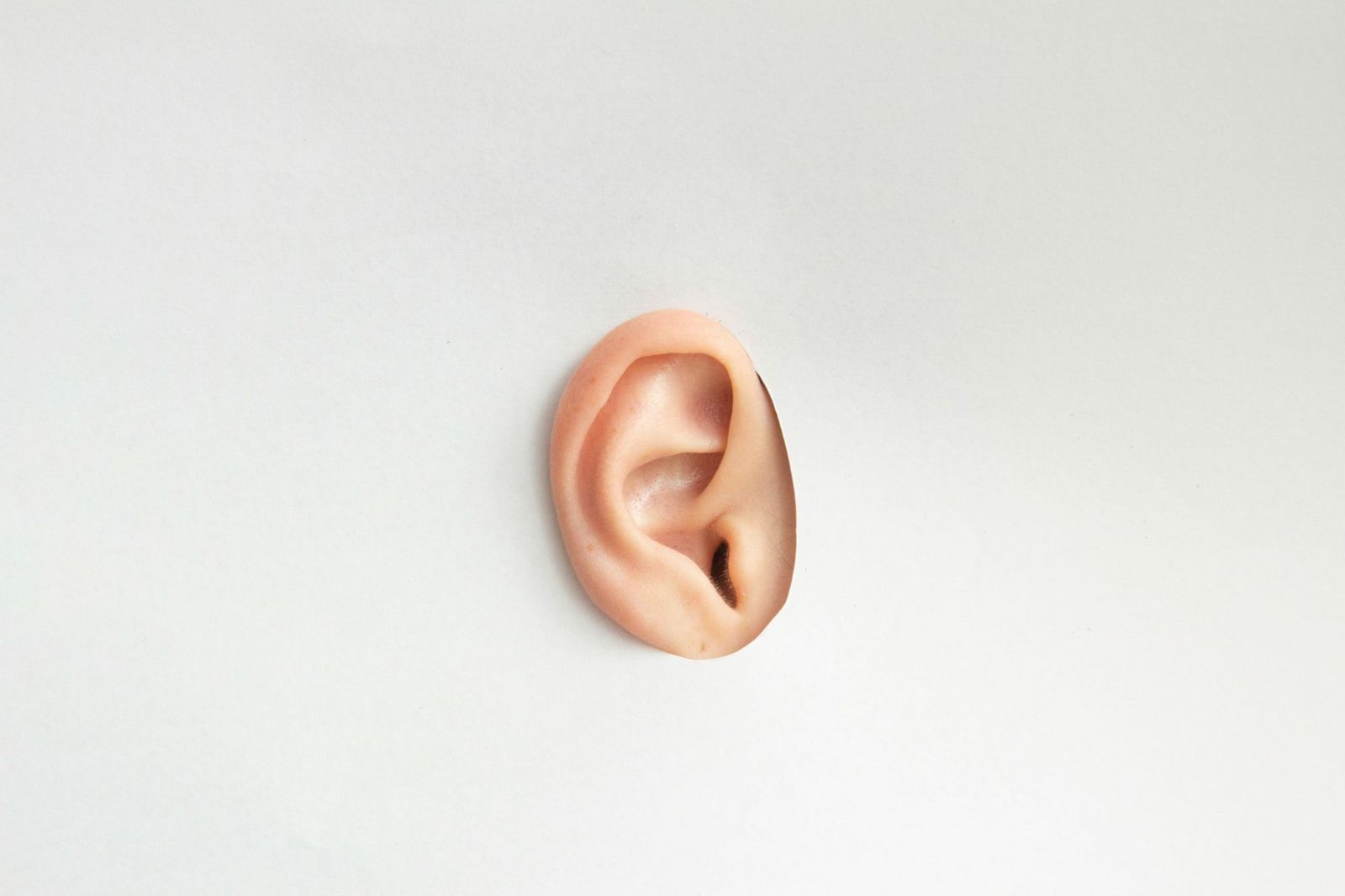
Most people know it as "earwax," but physicians and hearing specialists almost always call it "cerumen." The term comes from the Latin word cera, meaning "wax," and is the official anatomical term for the substance naturally produced in the ear canal.
Using the scientific term doesn't make it any less ordinary, but it certainly sounds more professional. That's why you'll find "cerumen" in medical charts, anatomy textbooks, and audiology clinics instead of the much more familiar everyday word.
"Halitosis" is better than "bad breath"

"Halitosis" may sound like an intimidating medical condition, but it's simply the clinical term for persistent bad breath. Although doctors use the word today, it became widely known thanks to Listerine advertising campaigns during the early 1900s, which presented halitosis as a treatable problem rather than just an occasional inconvenience.
Those advertisements are still studied by marketing historians because they helped transform mouthwash into a household staple. It's a reminder that sometimes a sophisticated-sounding word can completely change how people think about an everyday issue.
"Emesis" sounds a lot better than "vomit"

Hospitals rarely record that a patient "vomited." Instead, medical records almost always use the term "emesis," borrowed from the Greek word emein, meaning "to vomit." The more formal language helps healthcare professionals communicate with precision while maintaining an objective tone.
The same Greek root appears in words like "antiemetic," the name for medications that prevent nausea and vomiting. Outside medical settings, though, most people stick with simpler vocabulary, even if it's a bit less elegant.
"Stool" is significantly better than "poop"

When doctors, laboratories, or researchers discuss bodily waste, they almost always use the word "stool" in direct reference to the bathroom.
The term removes much of the emotional reaction that everyday words can provoke. That's one reason formal writing almost always favors "stool" over the more casual vocabulary heard in ordinary conversation.
"Urinate" is marginally better than "pee"

Children usually learn the word "pee" long before they ever hear the word "urinate," but the latter is the preferred term in medicine. It comes from the Latin urina, which also gave English words like "urinary," "urinalysis," and "urology."
Using "urinate" creates a neutral, professional tone that's especially helpful in healthcare. It allows doctors and patients to discuss sensitive topics comfortably without resorting to slang or overly childish language.
"Menstruation" is somewhat better than "period"

Many cultures have developed indirect ways of referring to a period, but medicine generally uses the more formal term "menstruation." It comes from the Latin mensis, meaning "month," reflecting the cycle's roughly monthly pattern.
English has accumulated dozens of euphemisms over the centuries, from "that time of the month" to more playful nicknames, revealing how reluctant many societies have been to discuss the subject openly. Today, "menstruation" is widely preferred in education and healthcare because it's both accurate and neutral.
"Decompose" sounds better than "rot"

Most people would say something rotted, but scientists usually say it decomposed. The two words describe essentially the same process, yet "decompose" emphasizes the natural biological breakdown of organic material by bacteria, fungi, and other microorganisms.
Because it's more precise and emotionally neutral, the word appears regularly in biology, ecology, archaeology, and forensic science. Sometimes the nicest-sounding word also happens to be the most scientifically accurate, proving that language can soften reality without sacrificing the truth.


