Deep roots

12 Native American words that you use daily without even knowing it


Published on July 5, 2026


Image: Zoshua Colah

English is a very welcoming language in the sense that it incorporates terms from many other languages from all over the world. And, as it couldn’t be otherwise, Native American languages have lent many of their words and terms to English speakers. Some traveled through Spanish or French before settling into English, and others arrived directly through early contact and trade, helping shape the way we speak today. Did you know about these 11 terms?

1

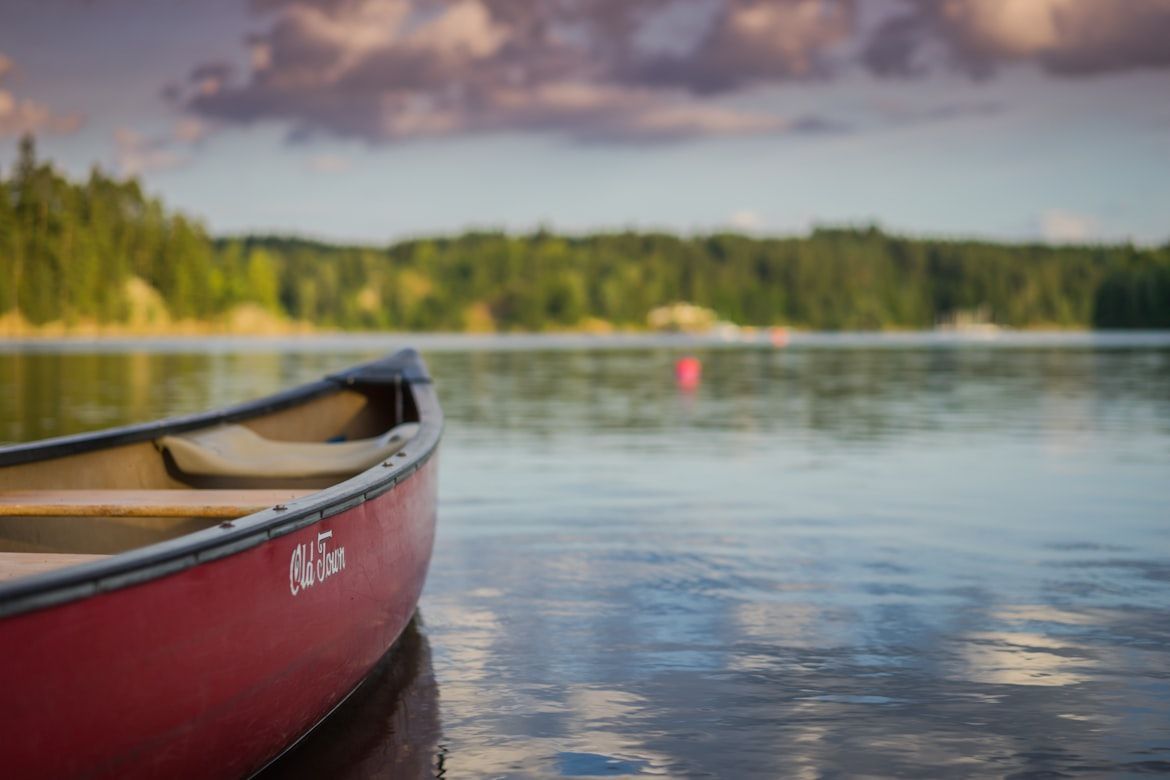
Canoe

Image: Michael Niessl

The word "canoe" comes from the Taino term canoa, which was first used by Caribbean islanders long before Europeans arrived. Early explorers adopted it to describe the slim, sturdy boats they saw.

Over time, "canoe" became the standard English word for a small paddled craft. Today it still carries that sense of simplicity and closeness to nature.

2

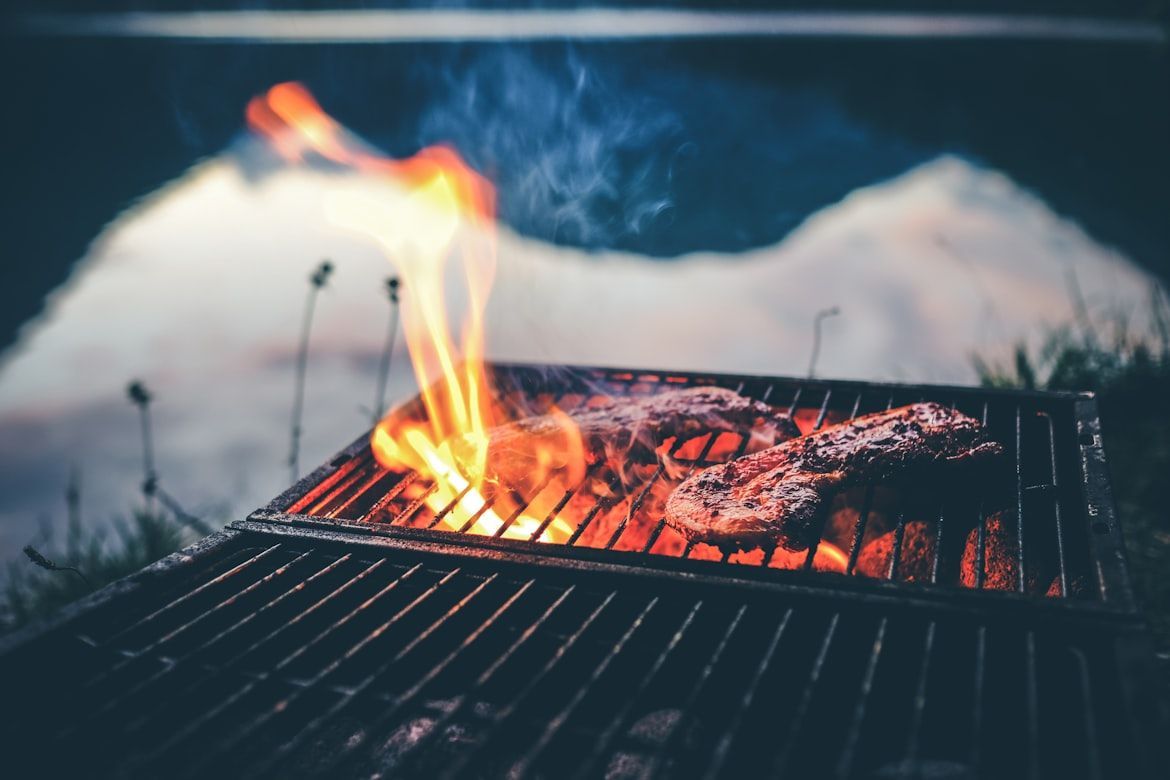
Barbecue

Image: Philipp Kämmerer

The word "barbecue" comes from barbacoa, another Taino term for a wooden frame used for cooking meat over fire. Europeans adopted it and applied it to both the method and the gathering itself.

Today, "barbecue" means everything from a backyard cookout to a regional cooking style. Its origins highlight the deep culinary influence of Native Americans in the nation's current culture.

3

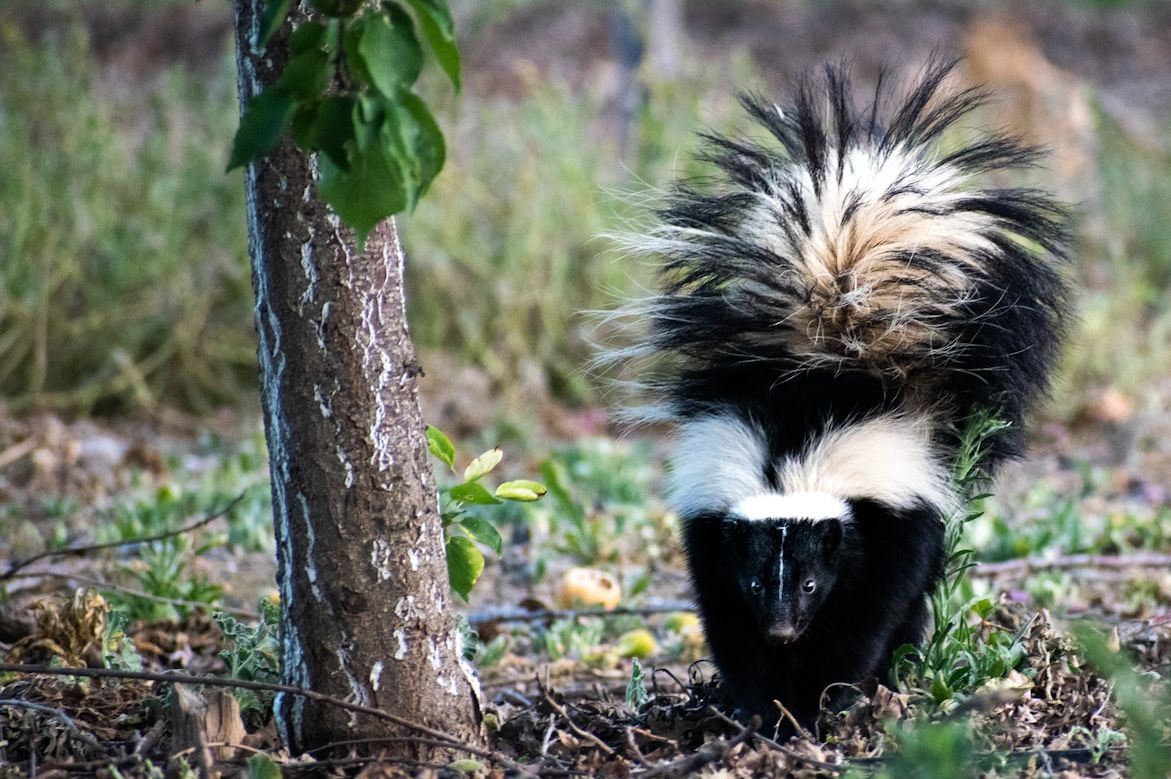
Skunk

Image: Elisa Stone

"Skunk" comes from the Algonquian word squnk, which means "urinating fox" (quite a fitting term, indeed). This was an obvious reference to the animal’s strong defensive spray. Early settlers adopted the term directly.

Since English had no better name for the creature, the Native word stuck. Today, the word skunks is also used as playful slang.

4

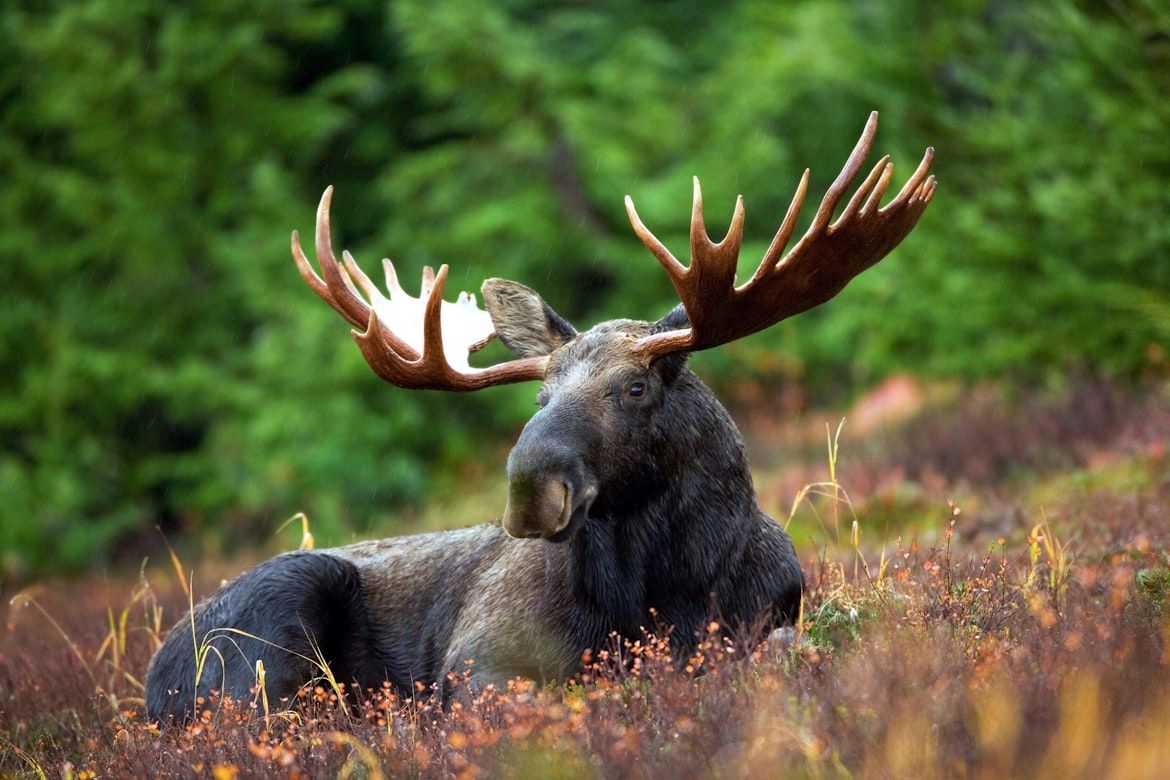
Moose

Image: Shivam Kumar

The word "moose" originates from Eastern Abenaki, a part of the Algonquian family, where it meant "he strips off bark." Yes, it described the animal’s habit of tearing bark from trees.

The name entered English quickly because settlers relied on Native knowledge of local fauna. The word remains unchanged because of its accuracy and usefulness.

5

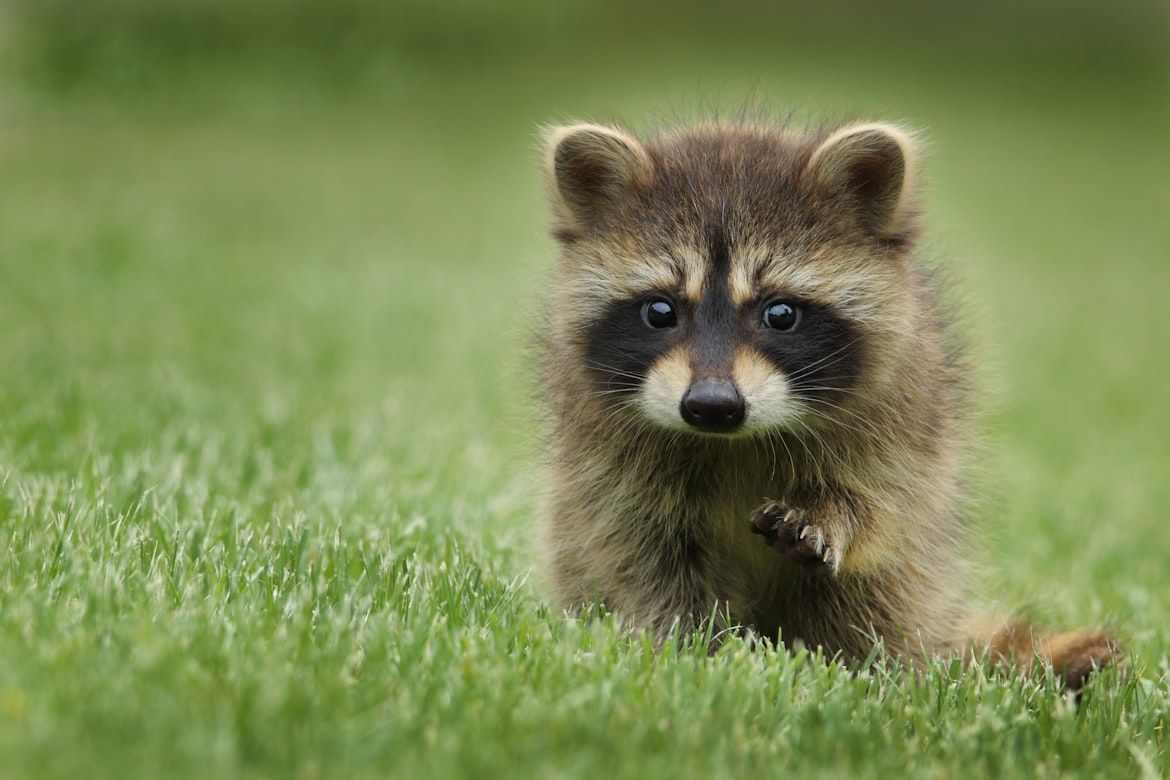
Raccoon

Image: Gary Bendig

"Raccoon" comes from the Powhatan word arakun, meaning "he scratches with his hands." It described the animal’s clever, humanlike front paws.

Settlers adopted the term because it captured the creature’s behavior beautifully. Today, the raccoon is used as a household symbol of curiosity, not unlike the animal itself.

6

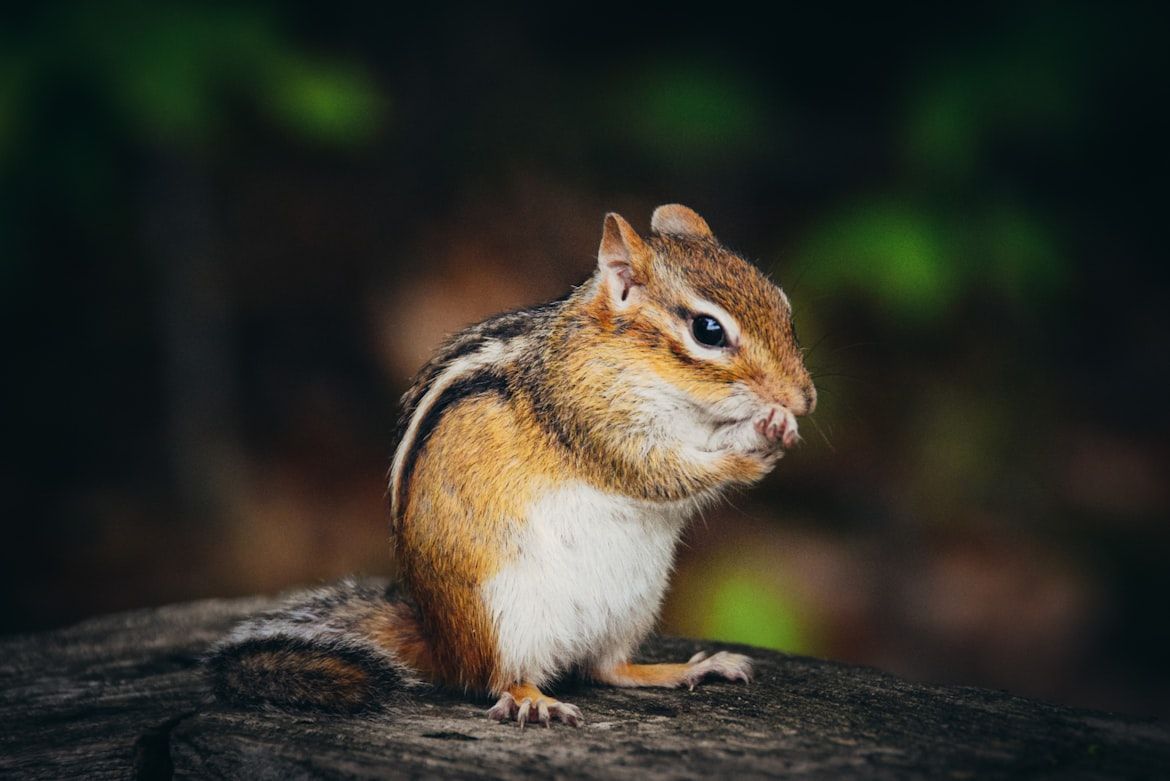
Chipmunk

Image: Annegret Kammer

The term "chipmunk" most probably comes from the Ojibwe word ajidamoo, which means "one who descends trees headfirst." Early English settlers adapted the sound into today’s form.

Though the spelling changed over time, the lively image of a chipmunk racing down a tree face-first stayed.

7

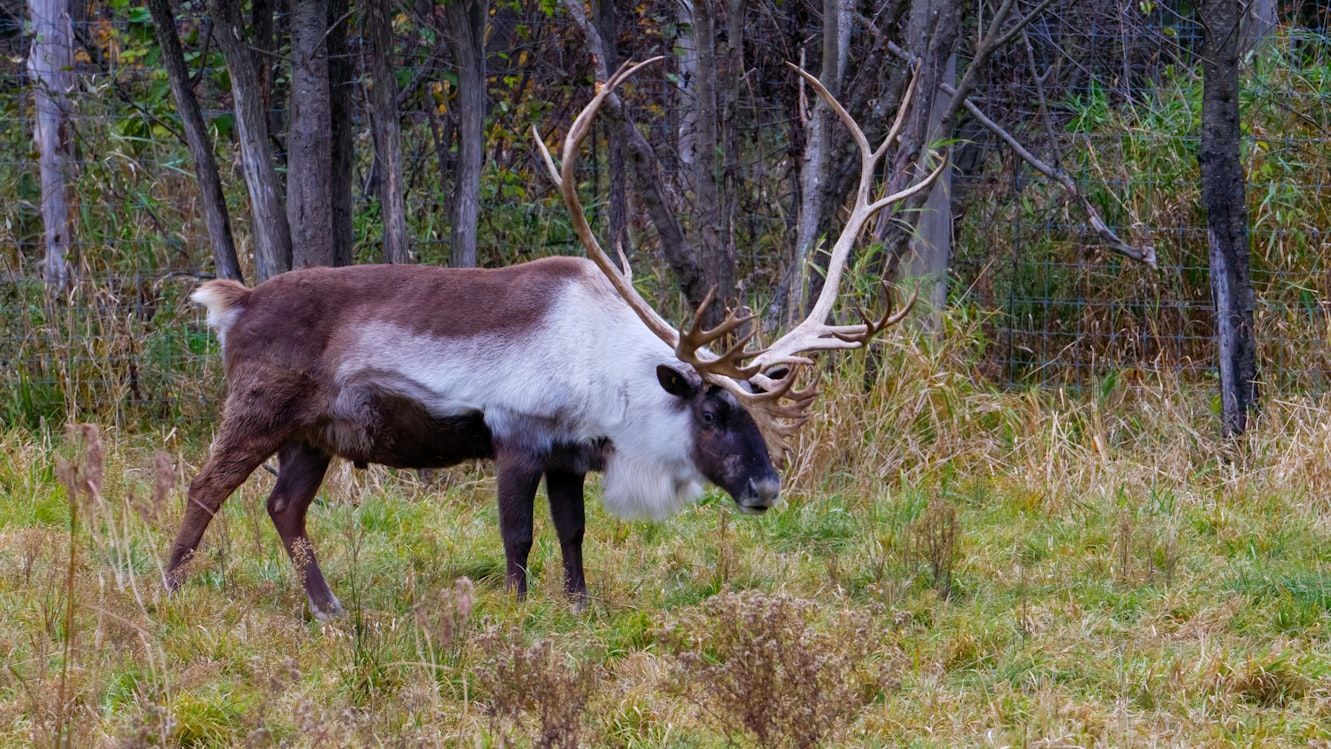
Caribou

Image: JD-Photos

The word "caribou" comes from the Mi’kmaq term qalipu, which means "snow shoveler," referring to the animal’s habit of digging through snow for food.

French settlers brought the word into English, keeping its descriptive nature. The name still connects the modern animal to the winter landscapes it belongs to.

8

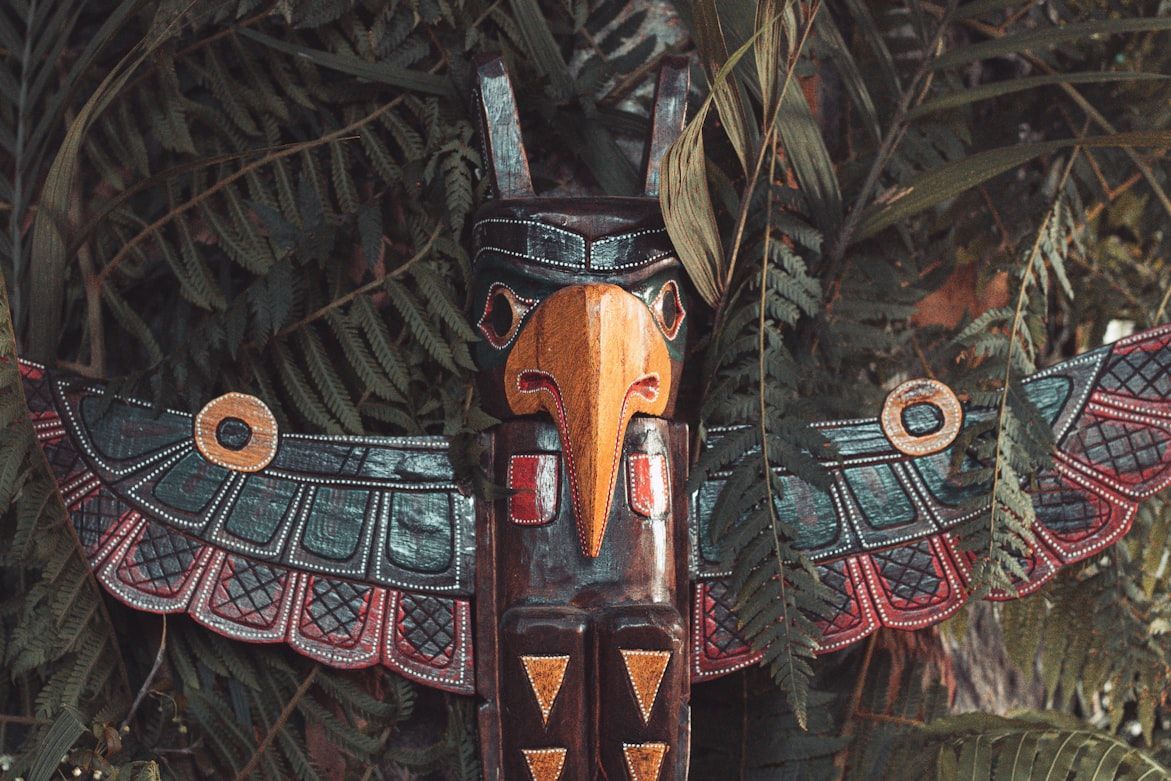
Totem

Image: Stéfano Girardelli

"Totem" comes from the Ojibwe word ototeman, which means "kinship group." It described symbols representing clans and shared roots.

English adopted it to describe carved poles and symbolic elements. Though broader in modern usage, it still hints at the original sense of community, identity, and heritage.

9

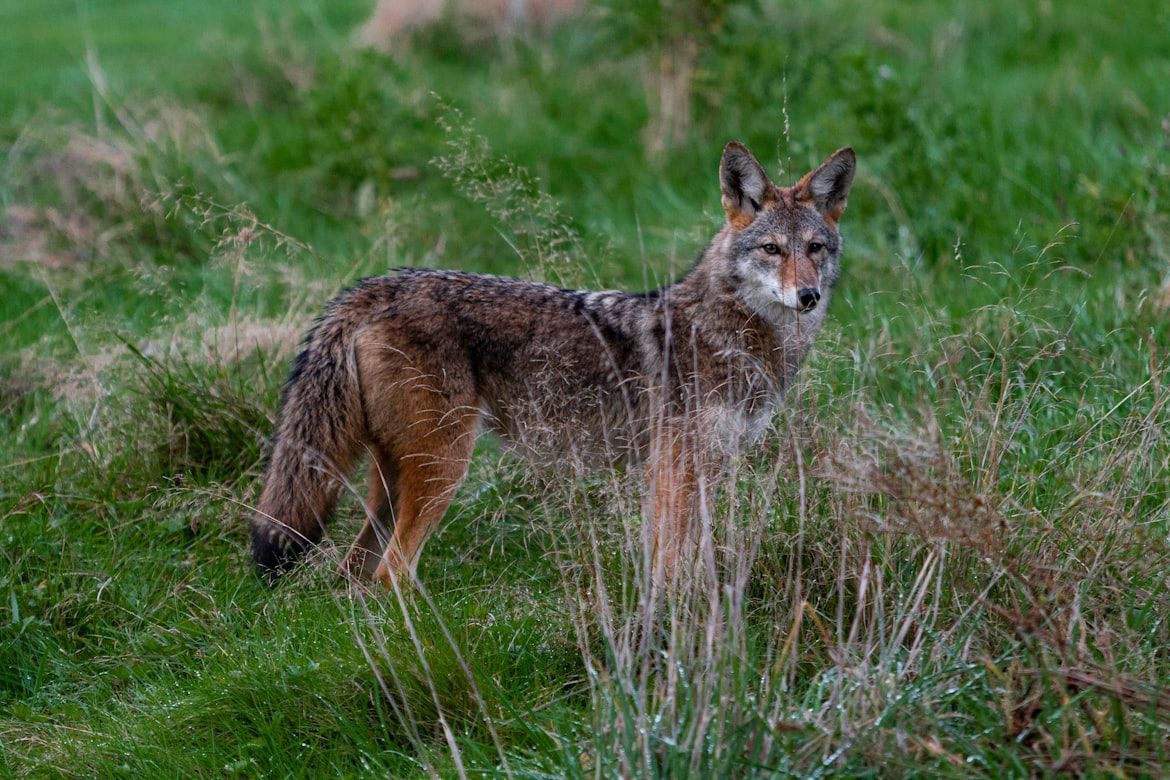
Coyote

Image: Dylan Ferreira

"Coyote" comes from the Nahuatl word coyōtl, which was used by Indigenous tribes of central Mexico. Spanish speakers adopted it, and English borrowed later.

The word kept its meaning, and it remains one of the most direct links between the English language and Nahuatl.

10

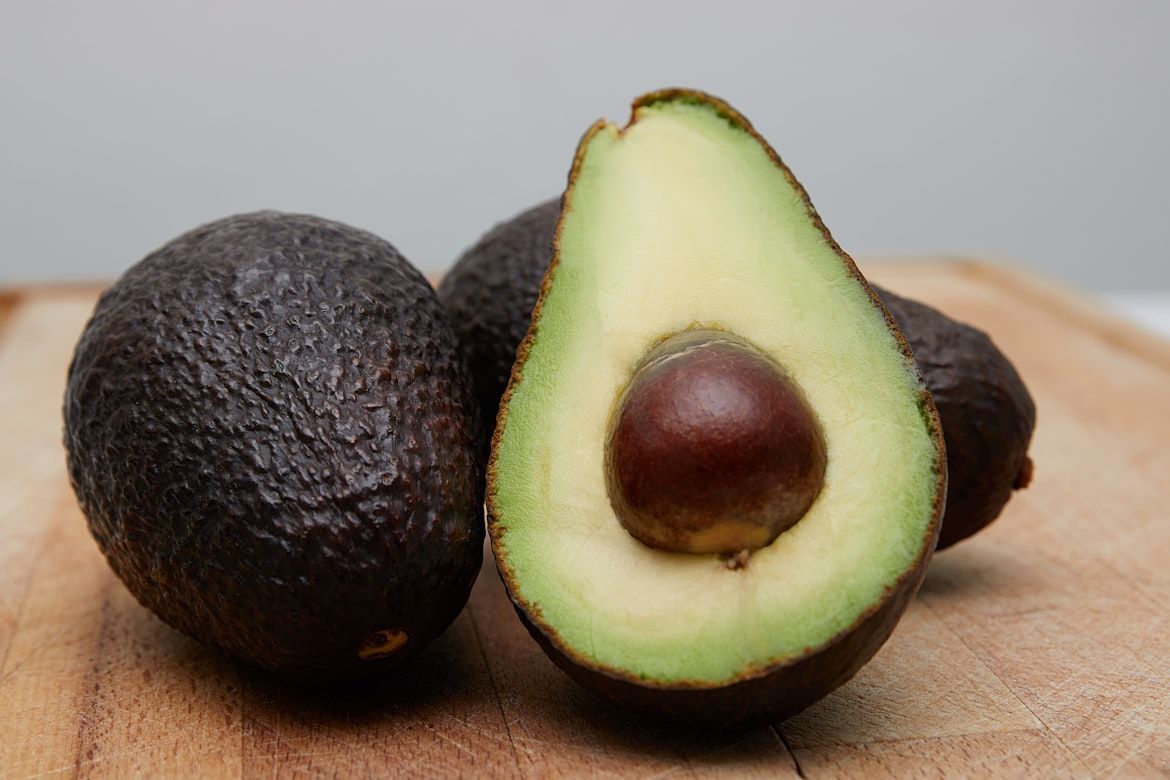
Avocado

Image: Gil Ndjouwou

The tasty avocado’s name traces to the Nahuatl word ahacatl, which refers to the fruit and to a body part as well. Spanish speakers transformed it into aguacate.

Later on, English speakers adapted it to avocado. While the name sounds contemporary and culinary, it has ancient Native roots.

11

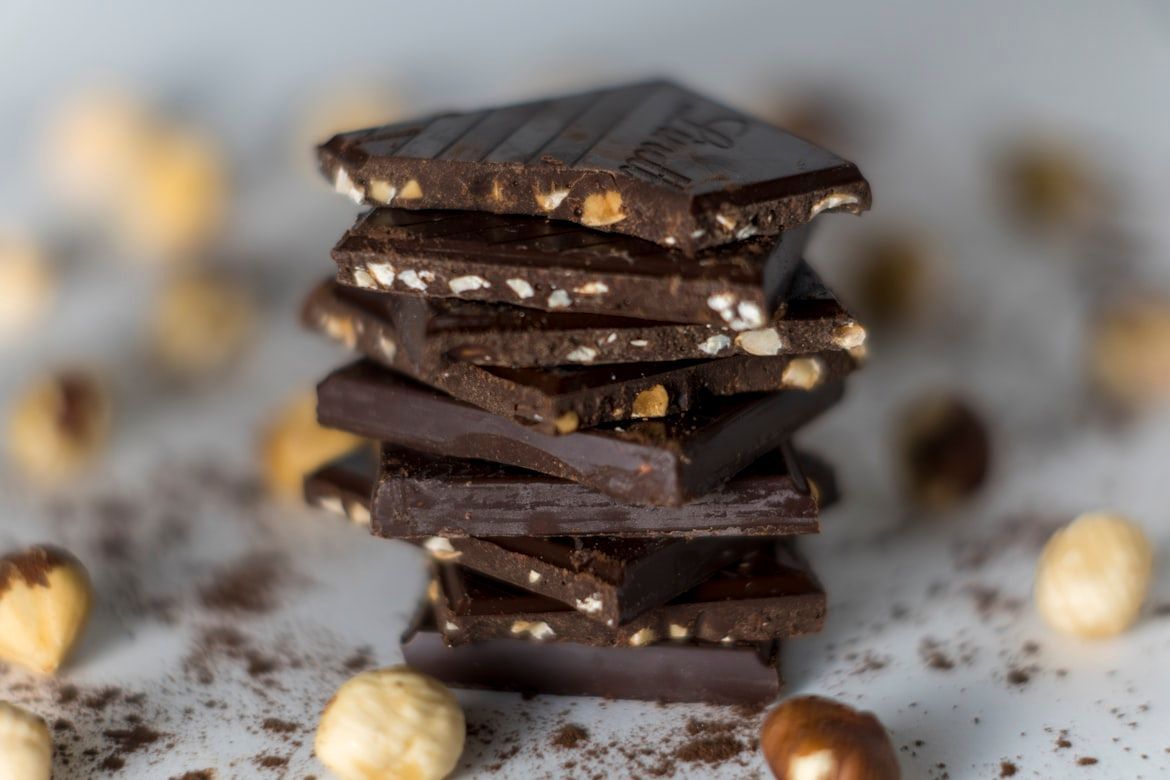
Chocolate

Image: amirali mirhashemian

The last Nahuatl word and also the last word on the list comes from the term xocolātl, which describes a bitter cacao drink that was consumed long before Europeans arrived in America. The name traveled from Spanish to English.

Though the product changed dramatically, the word survived. Today, chocolate is a universal symbol of sweetness, with rich and deeply indigenous roots.


NAME ANCESTRY

14 Surprising Origin Stories Behind State Names In The USA


Published on July 5, 2026


Image: Pin Adventure Map

Ever wondered where most US states’ names come from? From Native American roots to foreign or made-up words, the stories behind many of them are riddled with surprising historical references. Although the origin of some US states’ names is fairly obvious, many derive from unexpected people or places. The origin of names like Colorado, Montana, or Nevada are easy to infer —especially if you know a bit of Spanish— but many others have Native American origins with intriguing meanings. Some are even derived from fiction. If you ever wanted to know where names like Oregon, Connecticut, or Wisconsin come from, you are in the right place. Enjoy the surprising etymologies behind some of the names that make our country.

1

Alabama

Image: Joshua Woroniecki

Interestingly, for a state whose main economic activity is agriculture, the word Alabama comes from the Choctaw language and can be translated as "plant-cutters" or "vegetation pickers", recalling the farming practices of the Native Americans that lived in this area.

2

Alaska

Image: olio creative

Alaska is a corruption of an Aleut word that means "mainland", but can be translated literally as "the object towards which the action of the sea is directed". This is one of those names that manage to bring poetry into a word as simple and down-to-earth as land.

3

California

Image: Vital Sinkevich

This one comes from… a Spanish adventure novel! Bet you didn’t expect that. In Las Sergas de Esplandin by Garcia Ordez de Montalvo, a book from the 1500s, there is a fictional place called the "Island of California". Even when the modern state of California is clearly not an island, some die-hard fanatic of the novel decided to bring the name to life here in the U.S.

4

Connecticut

Image: Juliette Dickens

Derived from the Algonquian word quinnehtukqut, which can be translated as "besides the long tidal river", in reference to the river Connecticut. If you are wondering what the "tidal" part means exactly, this is because the Connecticut River's flow and level are effectively influenced by tides along much of its course. Certainly some amazing insight into the rigorous knowledge of local hydrology that Native Americans managed to accrue over the centuries.

5

Hawaii

Image: Luke McKeown

Although the origin of this name is disputed, there are two main theories. One suggests that the islands may have been named after Hawaii Loa, their traditional discoverer. However, others have speculated that it is actually derived from the ancient Polynesian word hawaiki, meaning "place of the gods".

6

Idaho

Image: NEOM

Another crazy one. Although the name was first claimed to be derived from a Shoshone word that meant "Gem of the Mountains", it is highly likely that the word was fabricated by George M. Willing, and meant as a practical joke.

7

Indiana

Image: Stéfano Girardelli

Quite literally, "land of Indians", using a Latin suffix. The word Indians originally referred to the ancient dwellers of the shores of the Indus River, in South and Central Asia.

8

Kansas

Image: NOAA

"Toto, I've a feeling we're not in Kansas anymore!" said Dorothy, from The Wizard of Oz, right after a rampant tornado literally lifted her house in the air and took it to God knows where. Well, this US state’s fame for violent winds predates even the first settlers, since Kansas is a Native American word used by the Dakota, strongly related to the idea of "wind".

9

Kentucky

Image: Drew Beamer

This state owes its name to an Iroquoian word that means "land of tomorrow". Quite a blockbuster-worthy movie title, if you ask me.

10

Maine

Image: Mercedes Mehling

The origin story behind the name of "The Pine Tree State" is still disputed. However, there are some interesting theories. One states that it derives from "mainland", as a form of distinction from the many coastal islands in the vicinity. Other theories propose that it was named in honor of Henrietta Maria, queen of England, or after the province of Mayne in France.

11

Missouri

Image: Anthony Cantin

To the Native Americans that lived in this region, Missouri meant "town of the large canoes", as the Missouri tribes were renowned for their skill in making dugout canoes.

12

Oregon

Image: Ashley Levinson

A largely disputed one. Many suggest that the name has Spanish origins, being similar to other words like orejón (meaning "big ear") or orégano, in reference to a type of plant (similar to the Mediterranean oregano) that grows in the southern part of the state.

13

Pennsylvania

Image: Donnie Rosie

This is the only state that has a part of its founder’s name in it. It is widely believed that Pennsylvania means "Penn’s Woodland", and was named as such in honor of Sir William Penn, father of its founder William Penn.

14

Wisconsin

Image: Brydon McCluskey

This is probably a French corruption of a native Miami word that meant "it lies red" or "river running through a red place", in reference to the bed of the river Wisconsin.

If our quick dive into the peculiar world of US state names wasn’t enough to quench your curiosity, stay around! We will keep uploading more content related to language and the weird stories and etymologies behind many English and foreign words.

Looking for an extra scoop of literary fun?

Learn more with our Word of the day

gridlock

/ˈɡrɪdˌlɑk/