Tales behind goodies
What does "Doritos" mean? The naming of our favourite snacks
Published on December 18, 2025
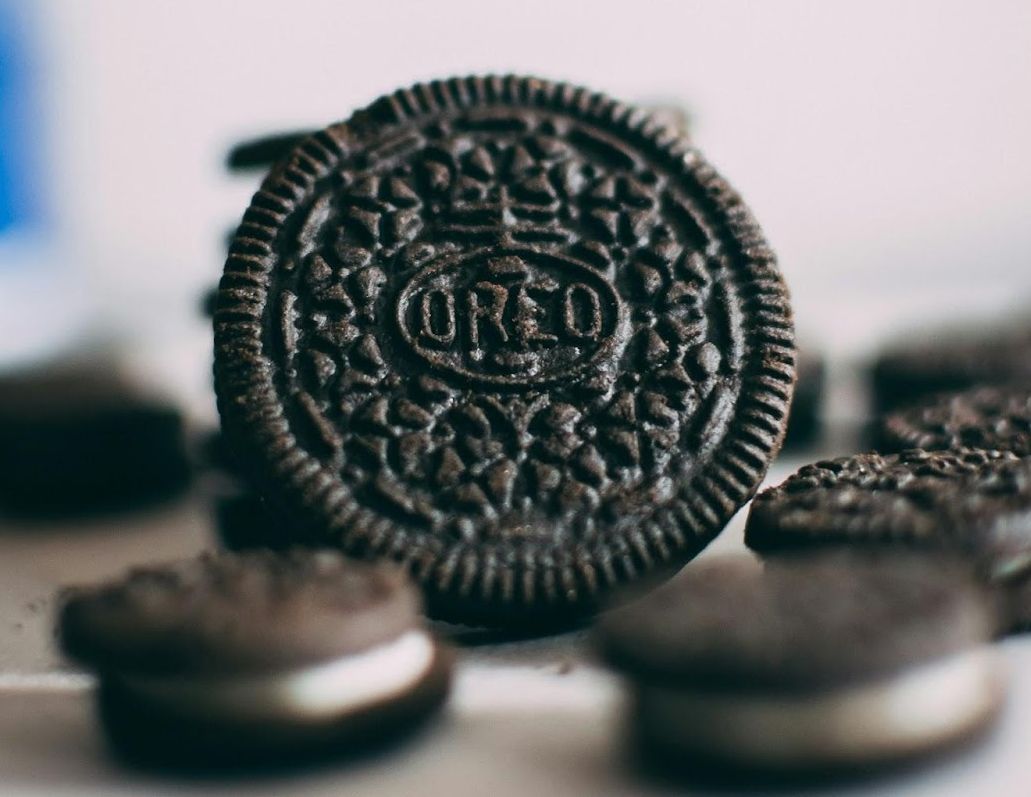 Image: Nelly Antoniadou
Doritos, Kit Kats, Oreos… We don’t think twice about the names of these products when we pick them up. It feels like those words have been in our vocabulary forever –and, indeed, the history of some of these brands exceeds our lifetimes! Today, we want to look into the motives and creative associations that gave birth to the names of the world’s favourite snacks.
Doritos
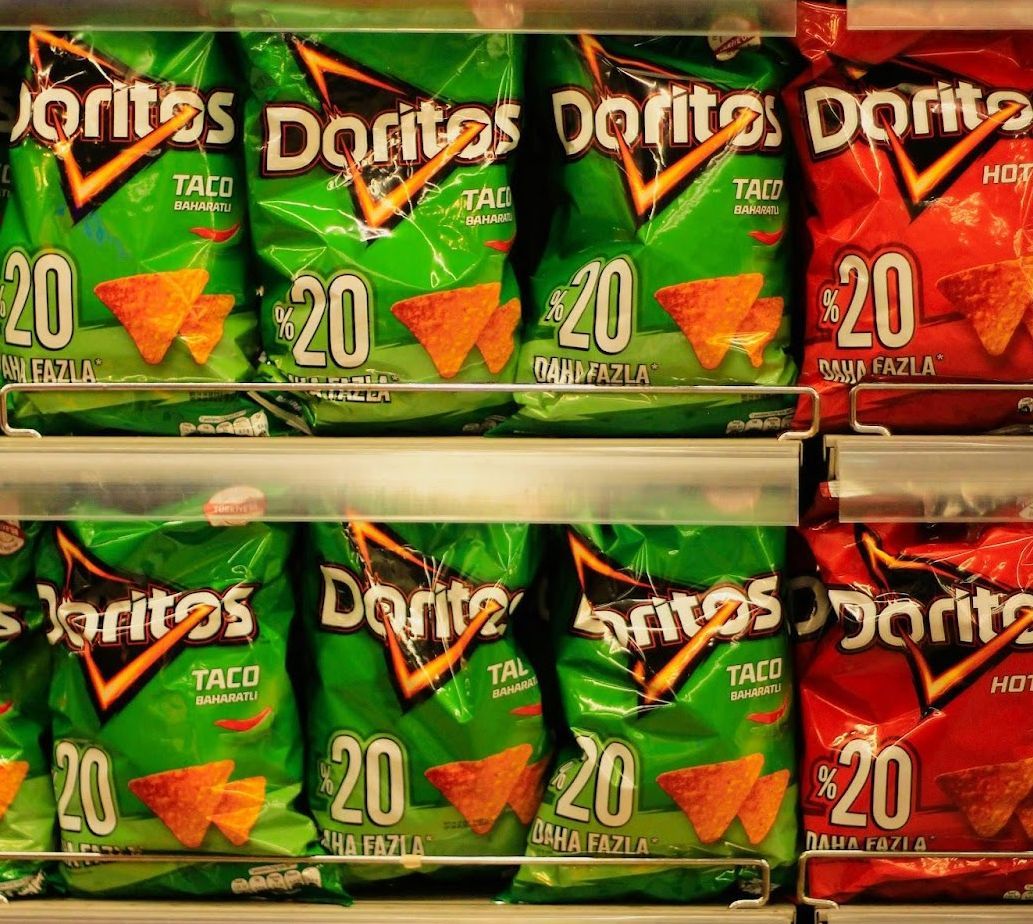 Image: DENİZ ÇAĞLUSU
The name Doritos is thought to come from the Spanish doradito, meaning "little golden thing". A fitting description for the bright, fried tortilla chips, don’t you think?
Their story begins in the 1960s at Disneyland, where a restaurant run by Frito-Lay began repurposing leftover tortillas by cutting and frying them instead of tossing them.
Ritz crackers
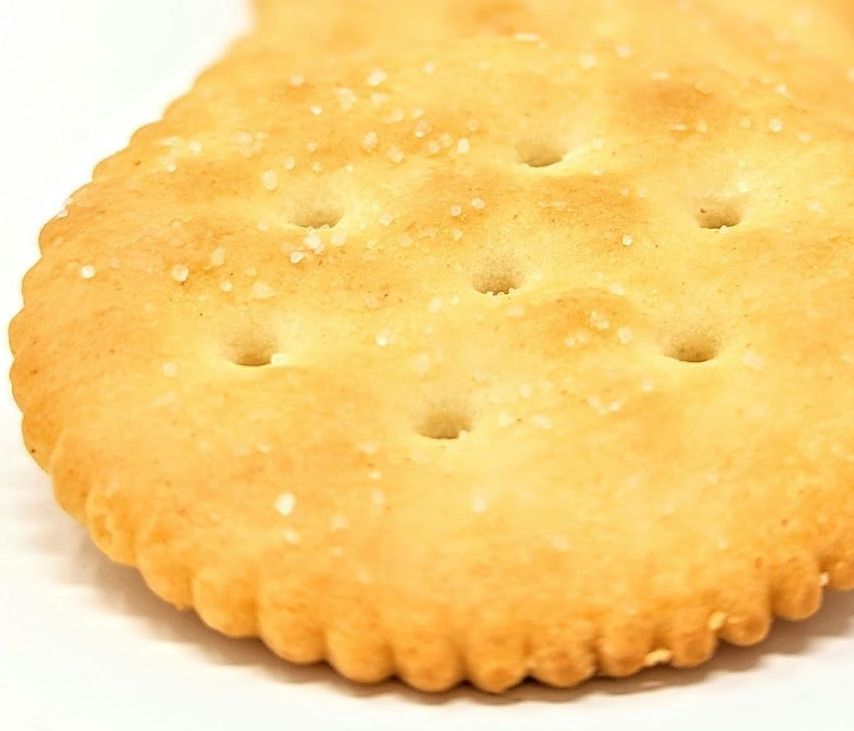 Image: Obi
Launched by Nabisco in 1934, Ritz crackers were named to conjure an image of luxury in the middle of the Great Depression.
"Ritz" evoked the glamour of the Ritz hotels, offering people a small "bite of the good life" during hard times.
Kit Kat
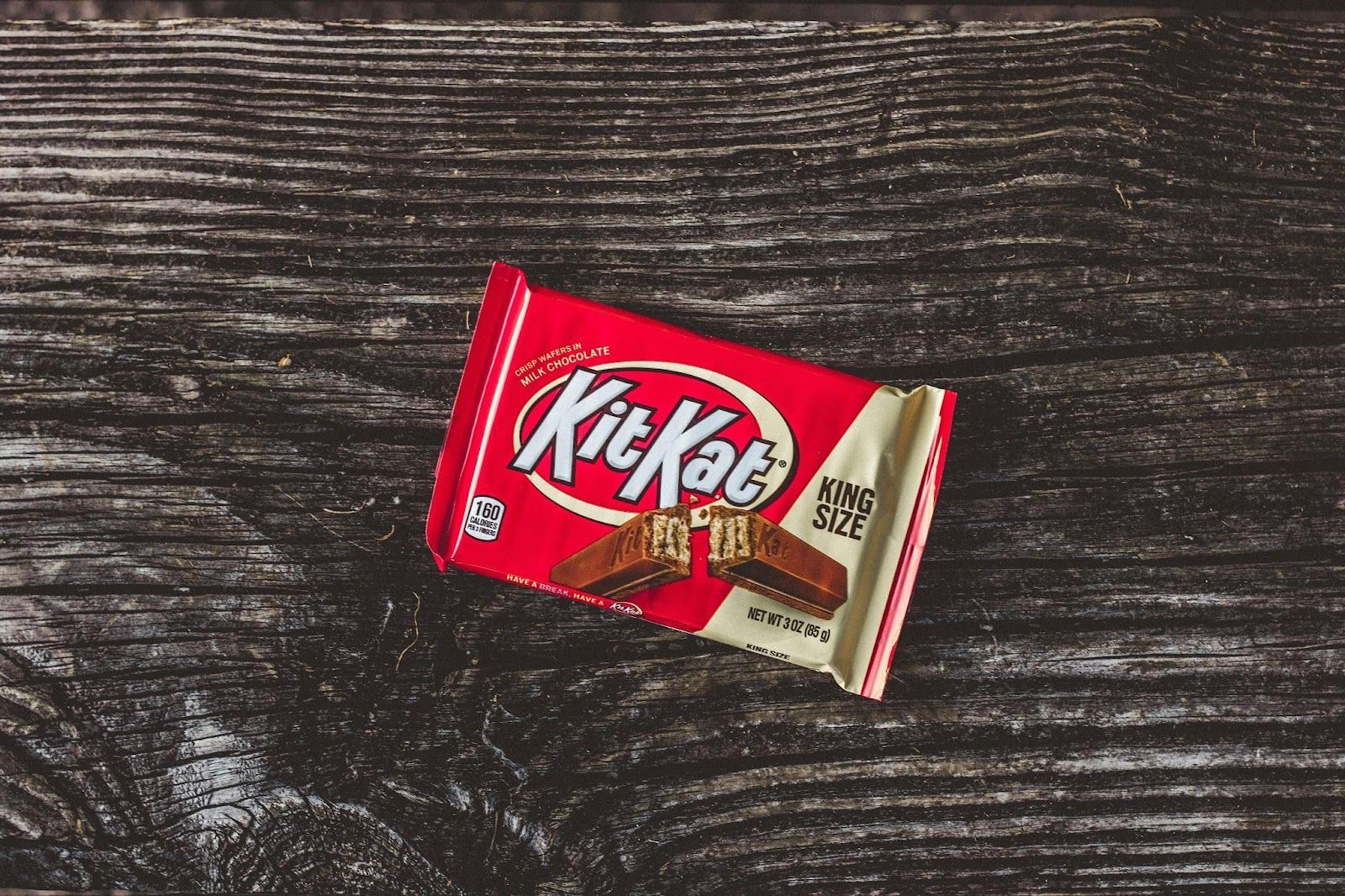 Image: Justin
Kit Kat snacks were born as "Rowntree’s Chocolate Crisp" in the UK. Not very catchy.
However, they were eventually rebranded with a name inspired by London’s 18th-century "Kit-Cat Club," a gathering spot for political and literary figures. And "Kit Kat" was certainly easier to market globally!
Oreo
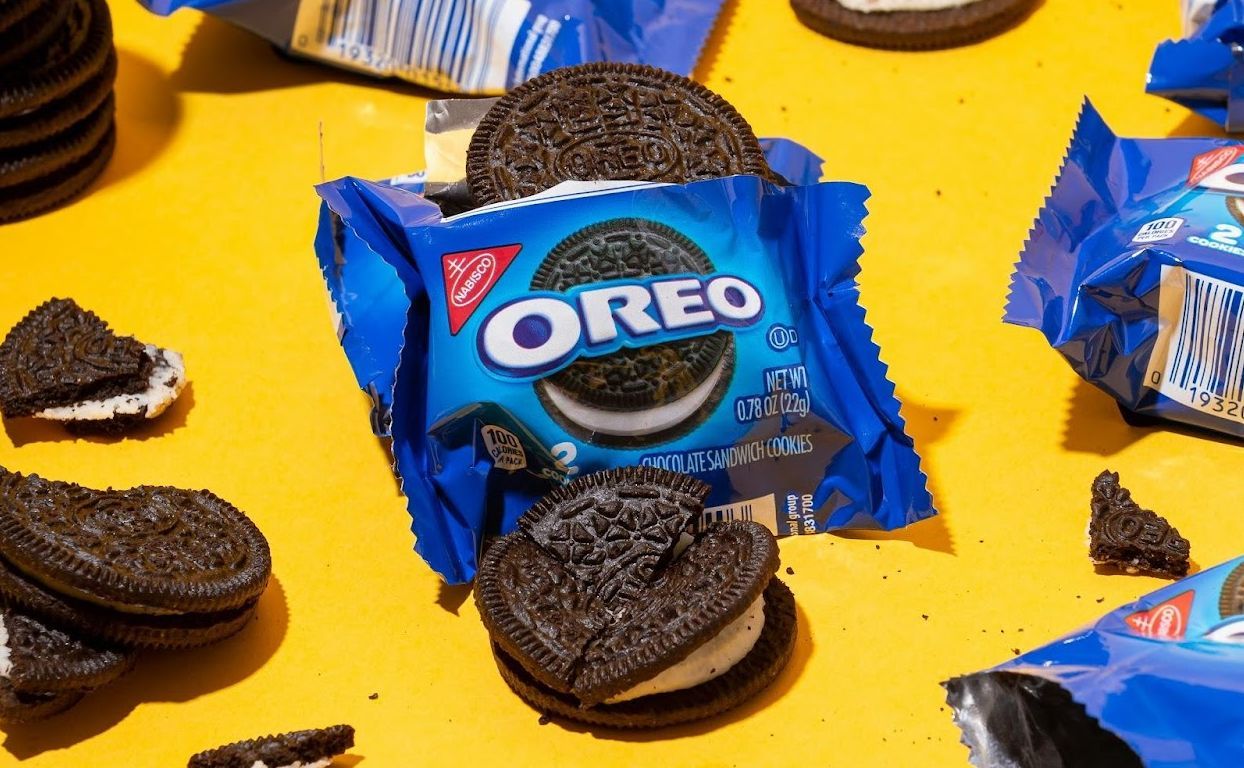 Image: No Revisions
Nabisco trademarked Oreo in 1912, but they never explained the true meaning of their cookie’s name. Theories abound: some say it comes from the French or ("gold"), others suggest the Greek oreo ("mountain"), or that it was simply a short, punchy word chosen to be memorable.
Snickers
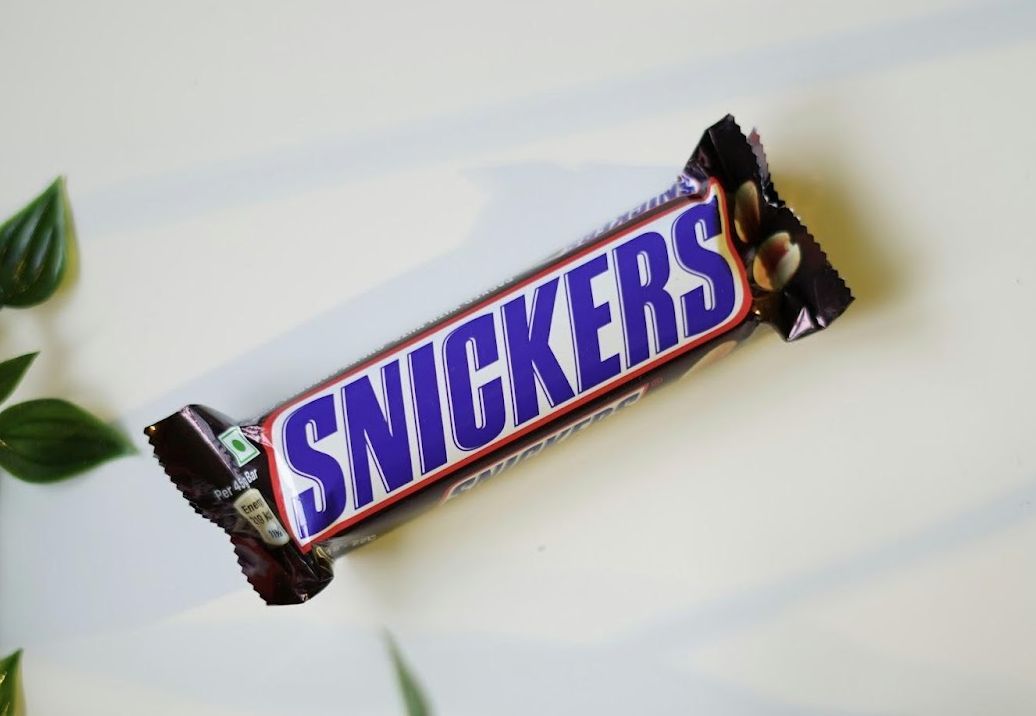 Image: Shyam Mishra
When Mars introduced this nougat, caramel, and peanut bar, they named it after the family’s favorite horse, Snickers.
The bar went on to become one of the best-selling candies in the world, though in the UK it was marketed for decades as "Marathon" before aligning with the global name.
Twix
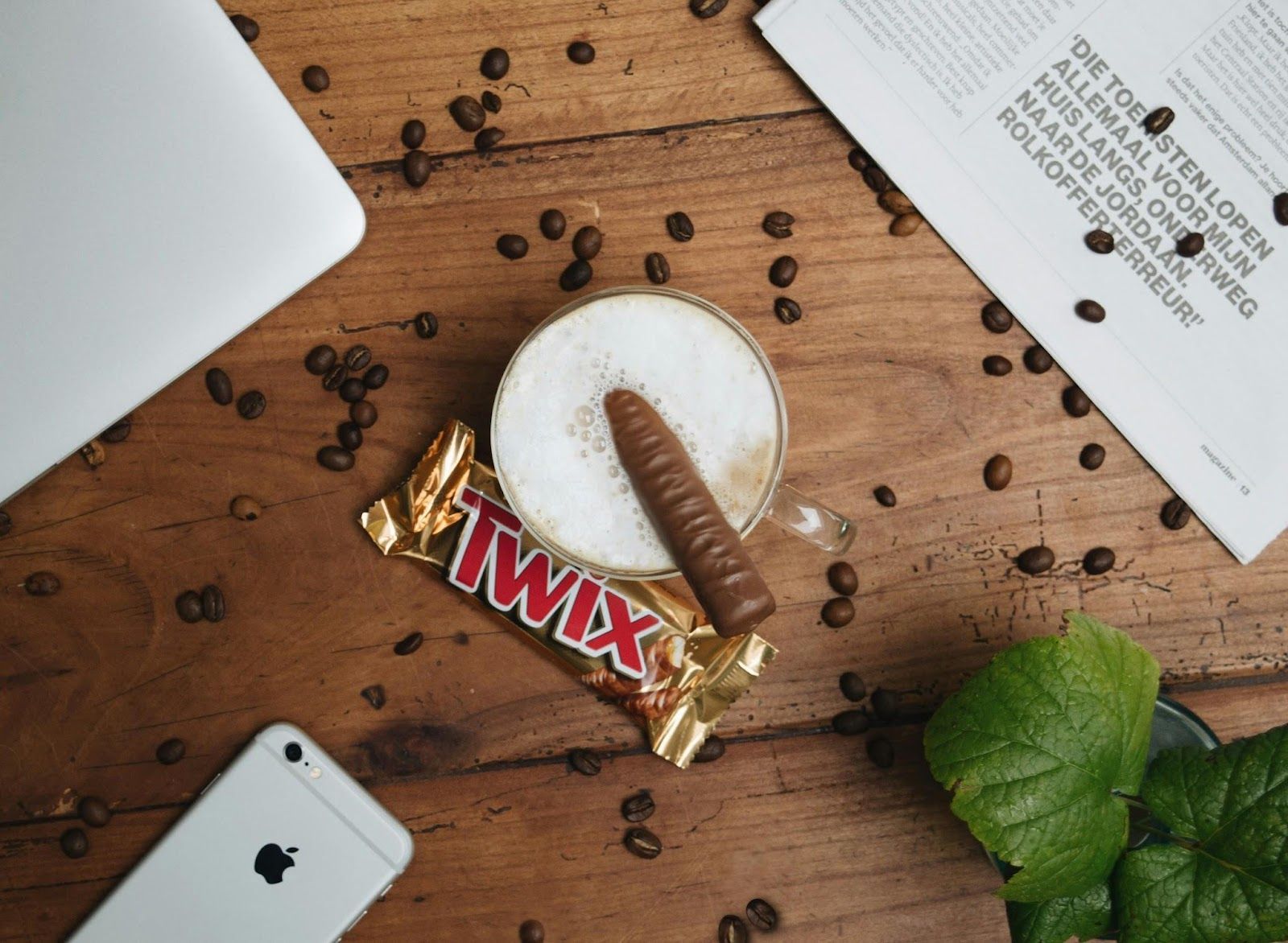 Image: Midas Hofstra
Another favourite treat launched in the UK! Twix got its name as a clever contraction of "twin sticks," referring to the two cookie-and-caramel bars packaged side by side.
It was important for the name to indicate the bar’s unique double format, which would set it apart from single-stick competitors like Mars or Milky Way.
M&M’s
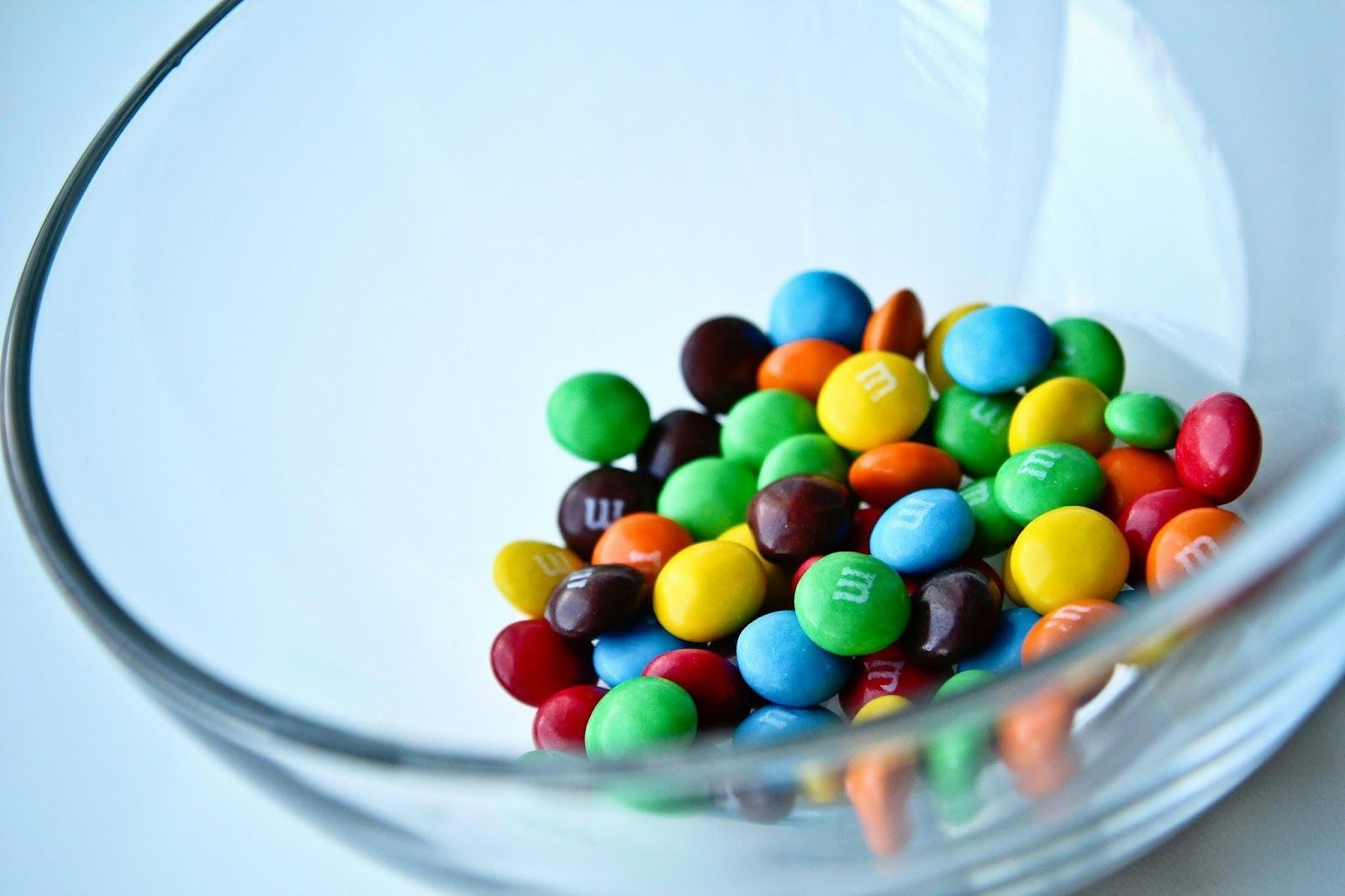 Image: Oksana Zub
The two "Ms" derive from Forrest Mars and Bruce Murrie, the unlikely business partners who brought the candy.
Mars had the recipe for chocolate coated in a hard shell (inspired by similar treats eaten by Spanish soldiers), while Murrie, son of Hershey’s president, secured access to wartime chocolate supplies.
Cheetos
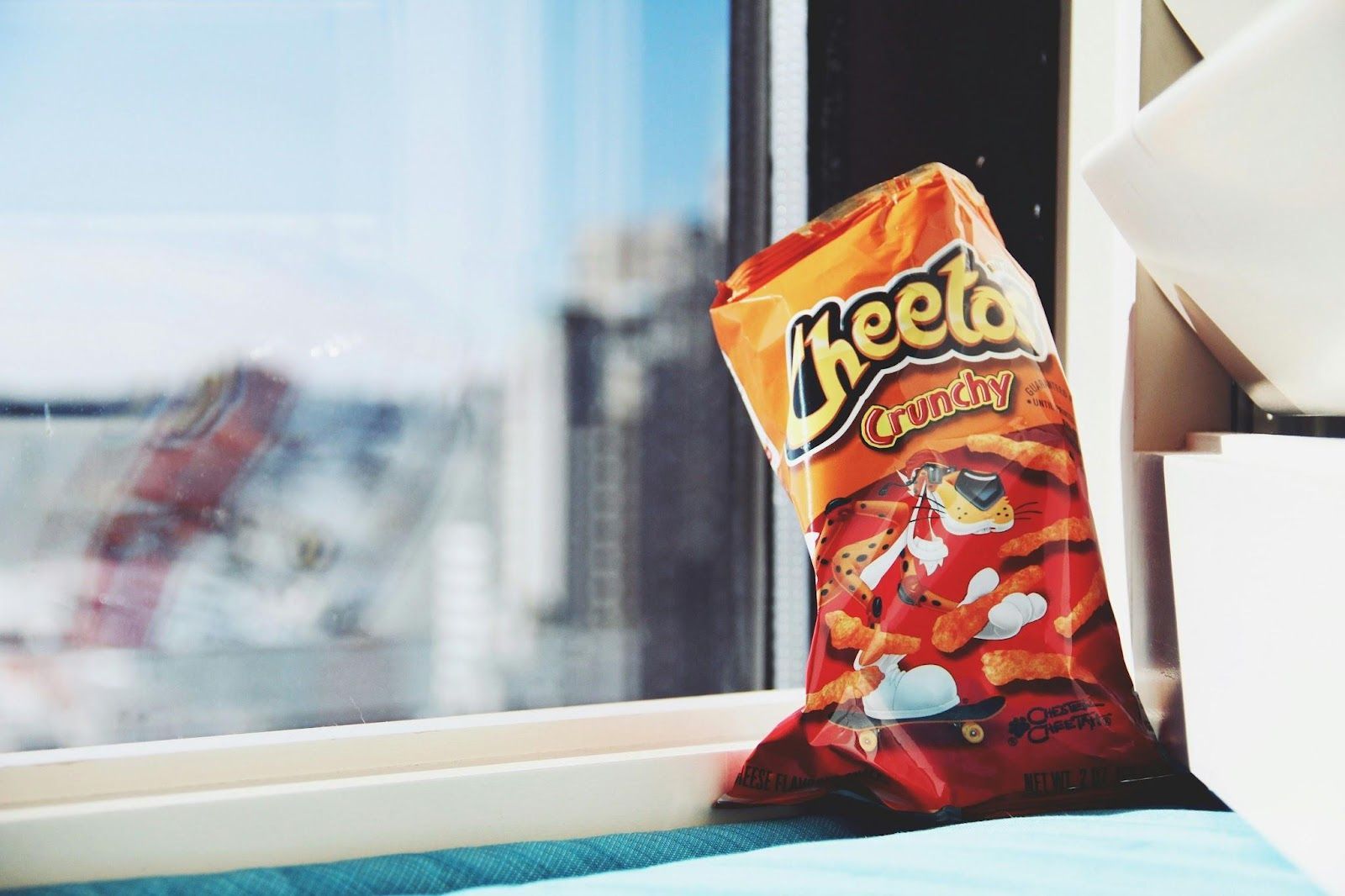 Image: Giorgio Trovato
Originally styled as "Chee-tos," the name was meant to be playful, quirky, and easy for kids to say. And, of course, to remind them of cheese!
The brand took off nationally after partnering with Frito-Lay, and later introduced the mascot Chester Cheetah, which became a snack-world cultural icon.
Lay’s
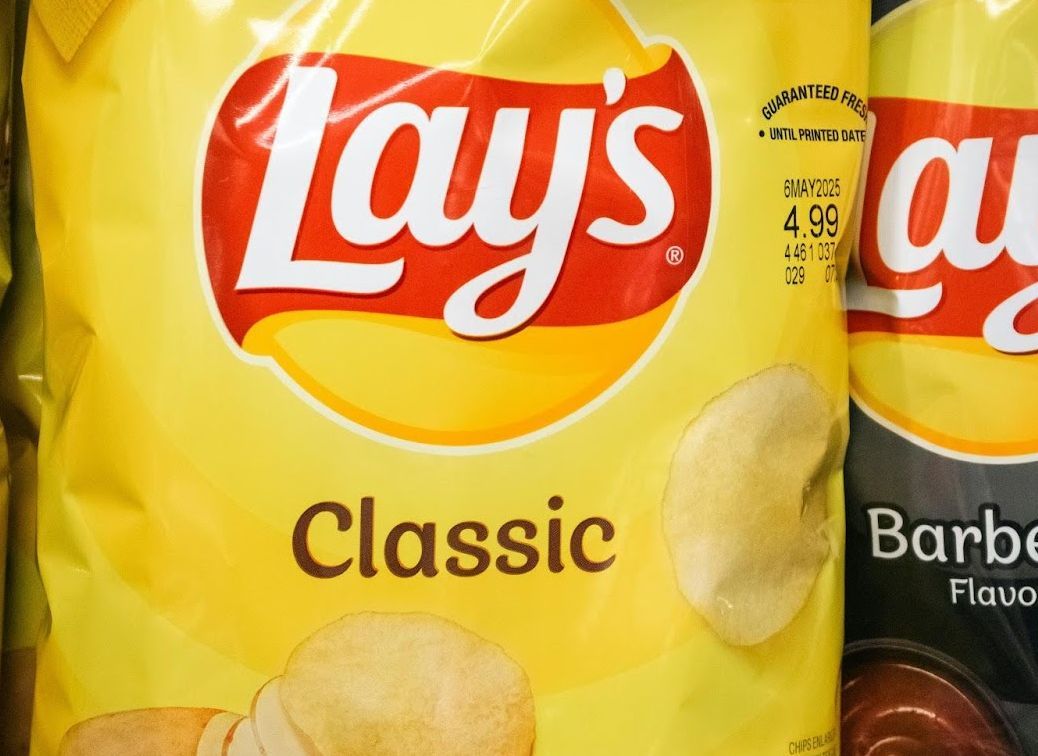 Image: Zoshua Colah
Lay’s logo and bright colors are a signature aesthetic, but the origin of their name is quite straightforward: The brand was founded by Herman W. Lay.
This chip company was one of the first to successfully market packaged potato chips nationwide in the US.
Hershey’s Kisses
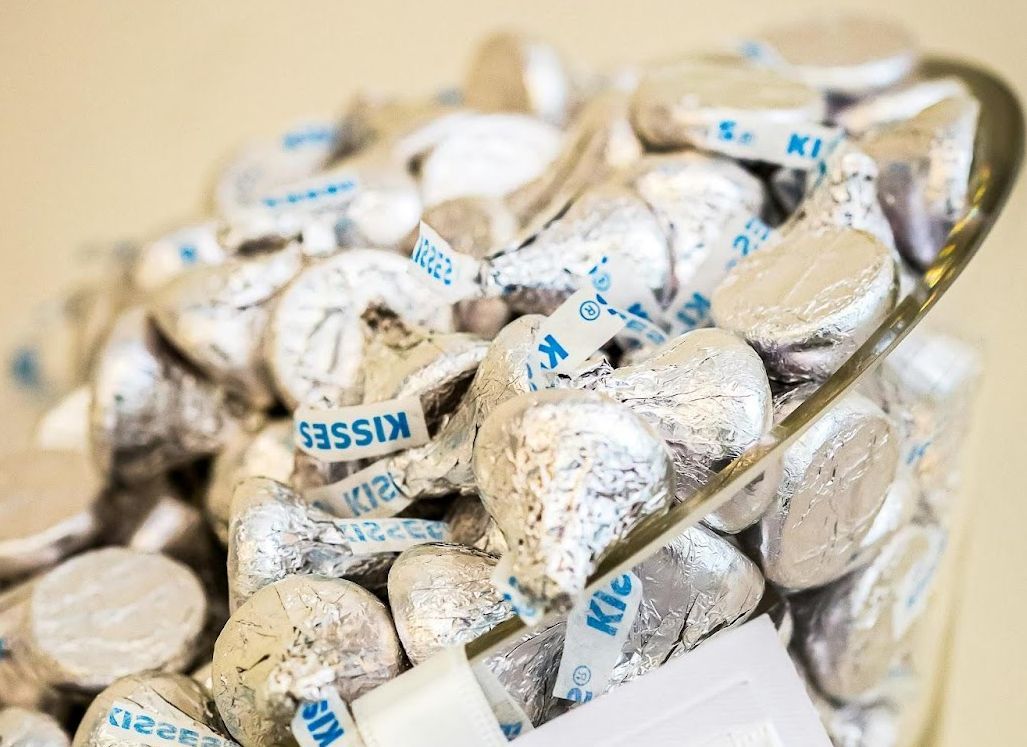 Image: Michelle Riach
The bite-sized chocolate drops earned the name "Kisses" from their smooch-like shape and possibly the gentle kissing sound made by early machines. Today, Kisses remain one of the company’s signature products.
Pop-Tarts
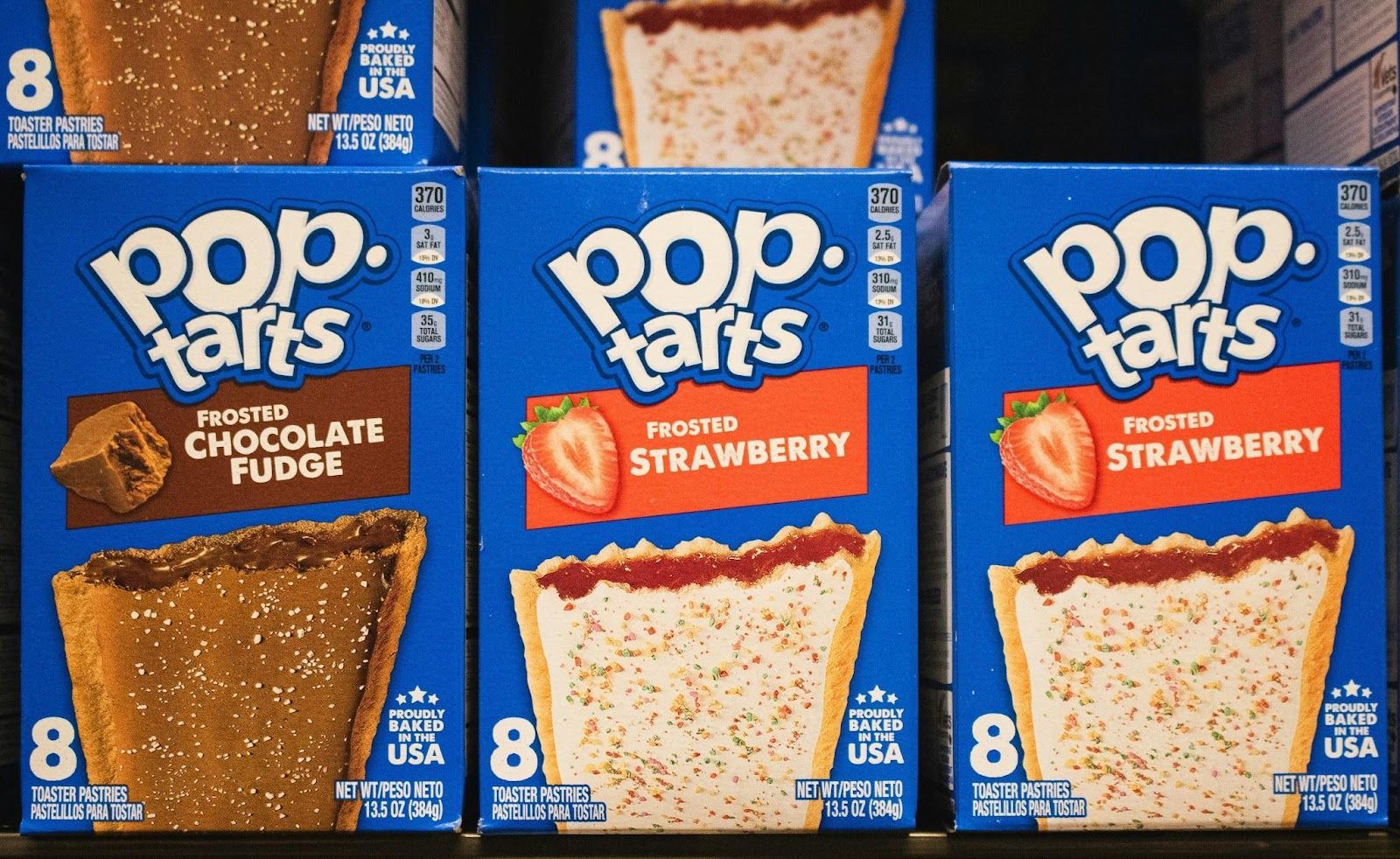 Image: Zoshua Colah
The name of Kellogg’s toaster pastry was a pun on the trendy Pop Art movement of the era, the 60s. Funnily enough, nowadays, some people might struggle to define pop art, but they can certainly describe the snack!
Nutella
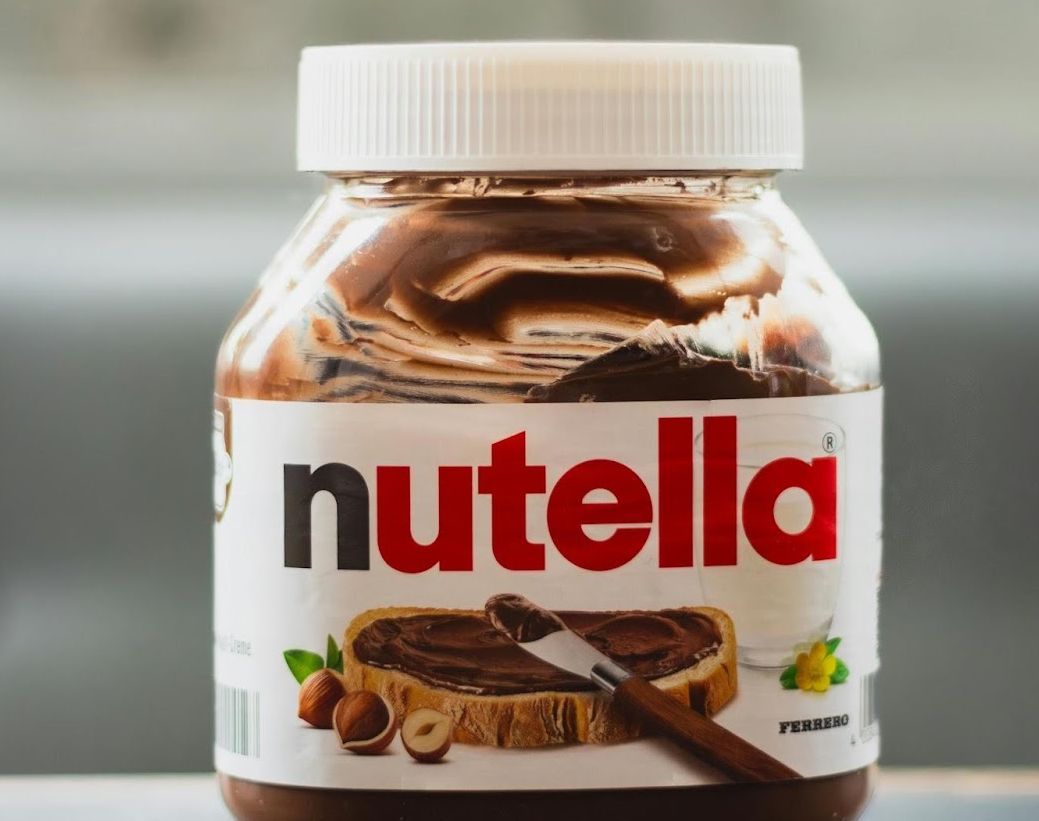 Image: Nikolaos Kofidis
Did you know that Ferrero’s famous spread began as a wartime improvisation? Scarce cocoa was mixed with hazelnuts, and it soon became the crowd’s favourite.
It first appeared as Giandujot, then Supercrema, before Michele Ferrero rebranded it, combining the English word "nut" with the friendly Italian-sounding suffix "-ella."
Toblerone
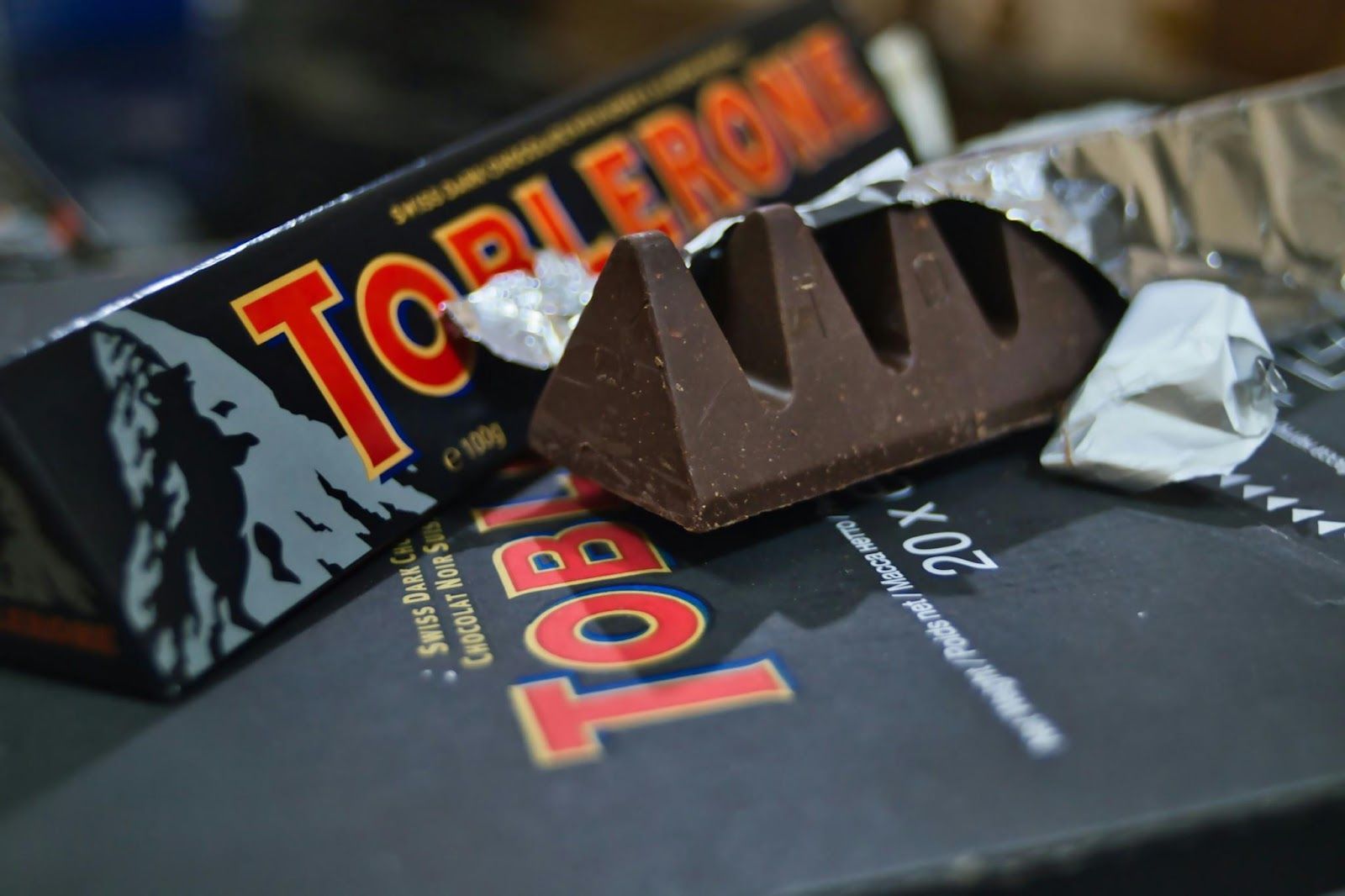 Image: Safwan C K
Created in Switzerland by Theodor Tobler, the bar fused his family name with torrone, the Italian word for nougat. Its triangular shape was a nod to Alpine peaks that are also a trademark of their packaging. It remains one of the most iconic Swiss exports.


