Keeping score of idioms

Which sport brought us the most sayings? The answer will surprise you!


Published on June 23, 2026
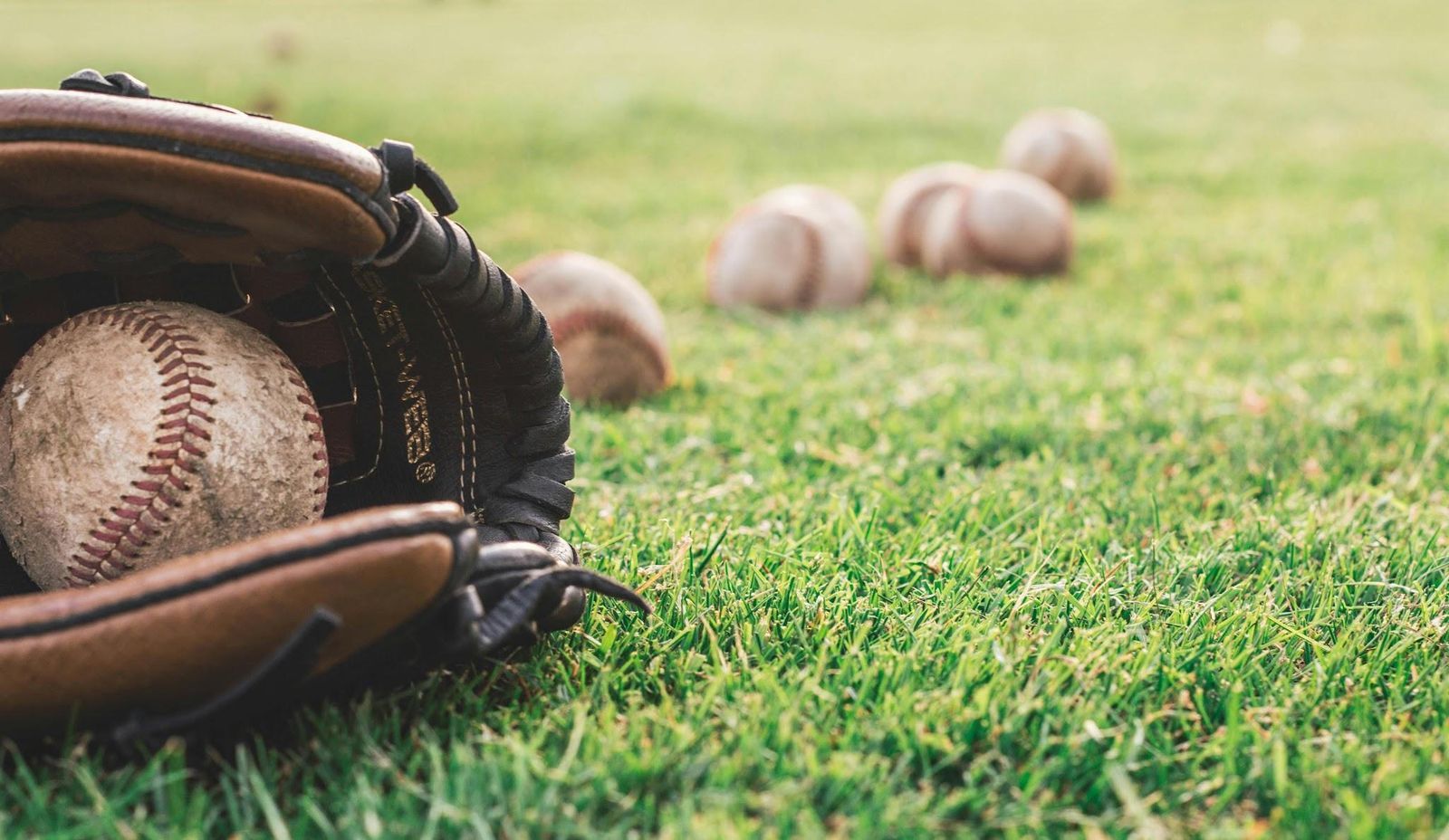

Image: Steshka Willems

Can you identify idioms that originated in sports? Maybe it’s trickier than you think. Sure, some expressions are obvious: Why else would we talk about "throwing a curveball"? But in this article, you might find a few sayings that you thought had other origins. Can you guess which sport has introduced the most expressions on this list? Let’s step up to the plate and dissect 13 sports idioms!

1

Go for gold

Image: Jingming Pan

Gold is such a valuable material that "going for gold" appears valid in many different arenas. That very expression could have originated during the Gold Rush era, for example.

But the phrase became popular via repetition in sporting competitions. When athletes applied their full efforts to win first place, they were revered for "going for gold." Today, we use it for anyone striving for excellence in any discipline.

2

Hands down

Image: Philippe Oursel

We have gotten very used to using "hands down" as an expression of certainty and hyperbole. "Chocolate ice cream is my favorite, hands down." But what did the hands ever have to do with it?

It traces back to horse racing. When a jockey was far ahead in a race, they would relax their grip on the reins and lower their hands: In short, a certain win. Over time, "hands down" became a term to emphasize something as undeniably the best or easiest.

3

Full-court press

Image: Barna Bartis

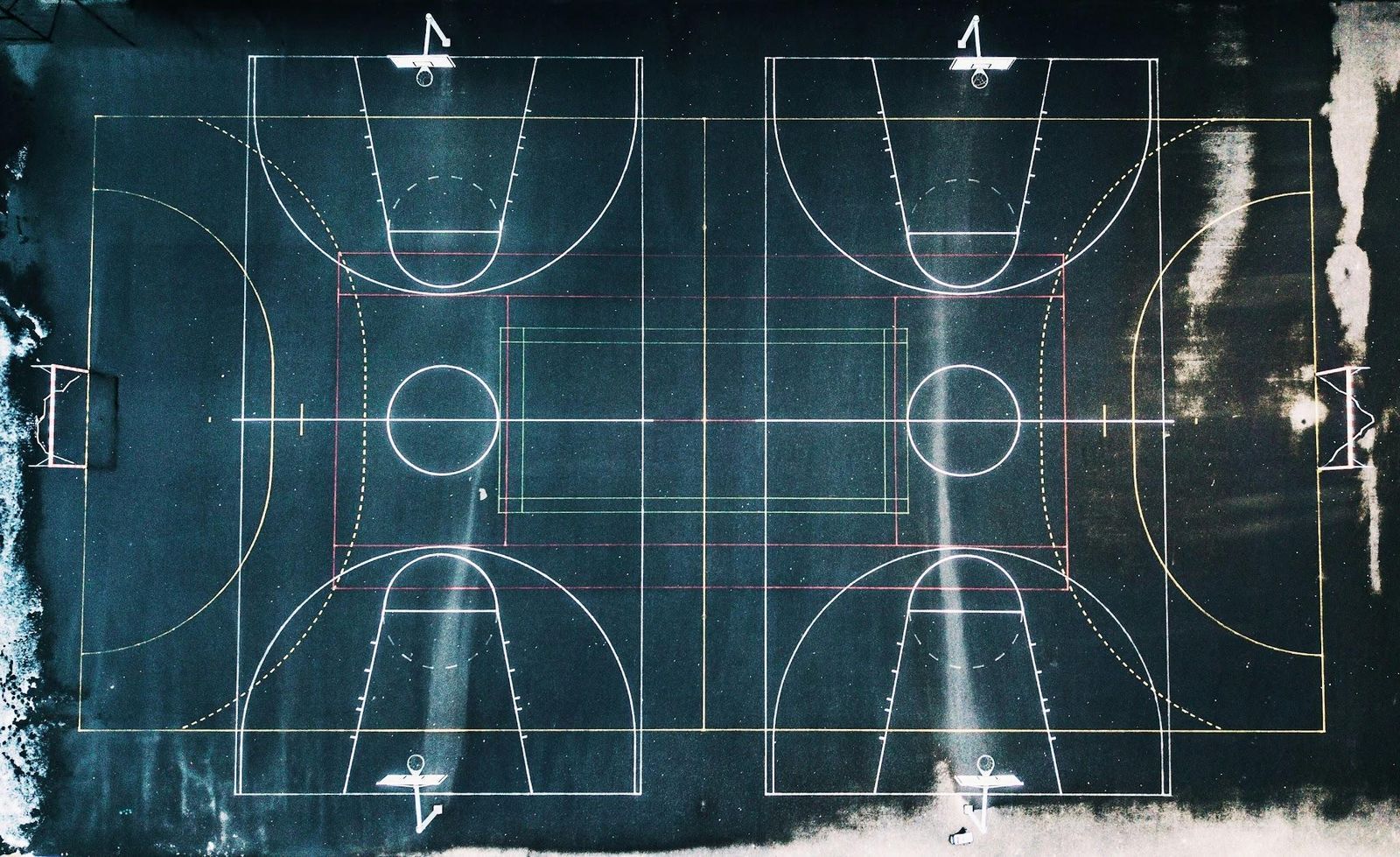
You can’t be blamed for thinking that a "full-court press" was some sort of judicial strategy. But it isn’t; The court here refers to a basketball game.

It’s a tactic that involves the defending team advancing and disrupting the opponent’s play, applying pressure across the entire court. That’s why we use this expression for all-out team efforts to achieve something, be it in business, politics, or personal matters.

4

Throw a curveball

Image: Colynary Media

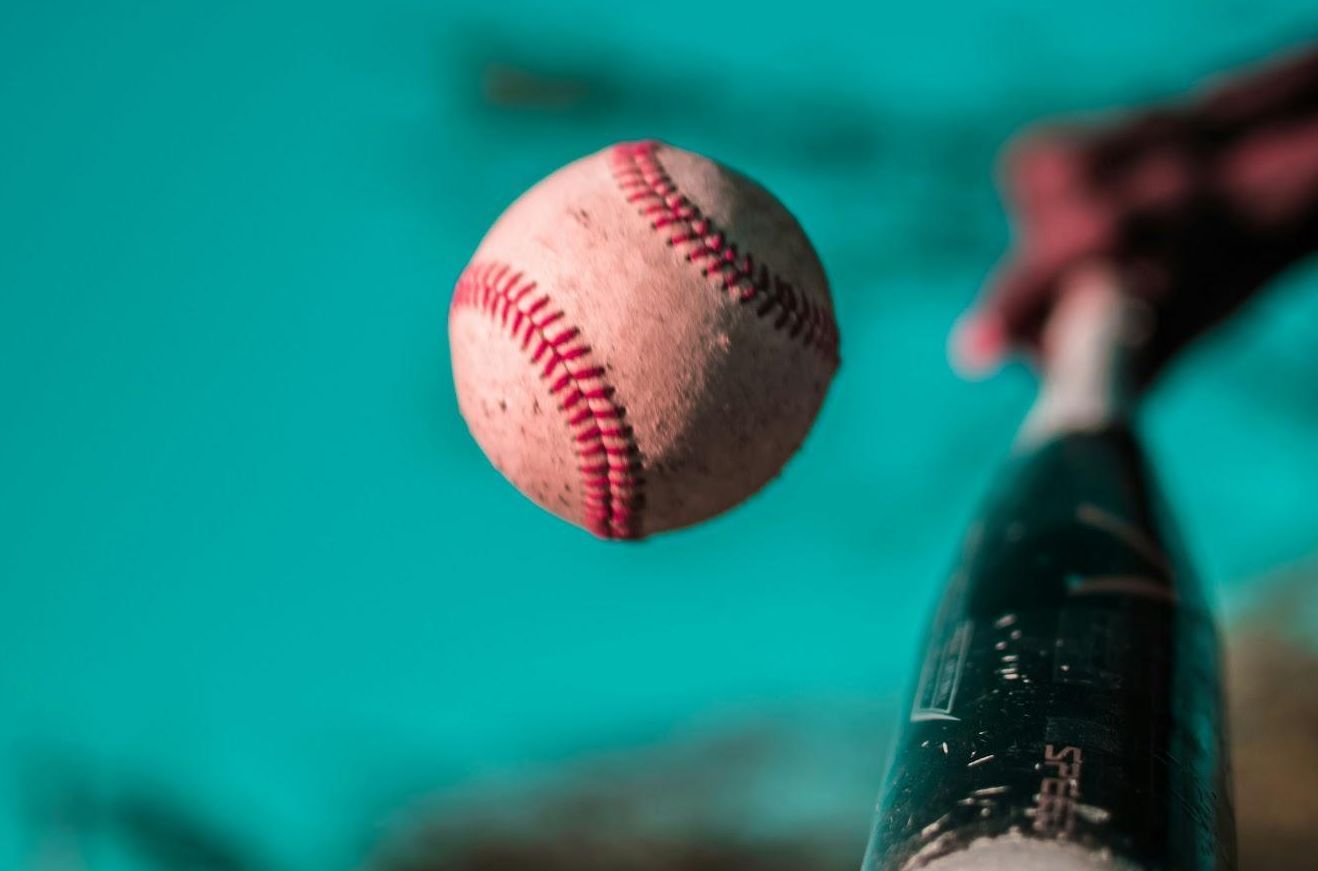
In baseball, a "curveball" is a pitch that spins and curves unpredictably. Basically, a batter’s nightmare, because it is designed to catch them off guard and make them miss.

The dramatic image of facing an obstacle set up by the competition clicked with people. So they started using the expression "being thrown a curveball" when something tricky or unexpected was coming their way.

5

To win by a nose

Image: Keith Luke


When you hear that someone "won by a nose," do you picture two human faces lunging for a finish line? You may have, but that’s not the precise origin of the idiom.

It comes from horse racing, where a horse’s snout is really the first part of him (and his rider) to cross the line. Today, we use it for scenarios where we win what we want by a small margin. Like getting to our flight right before the gates close!

6

Throw in the towel

Image: Elena Kloppenburg

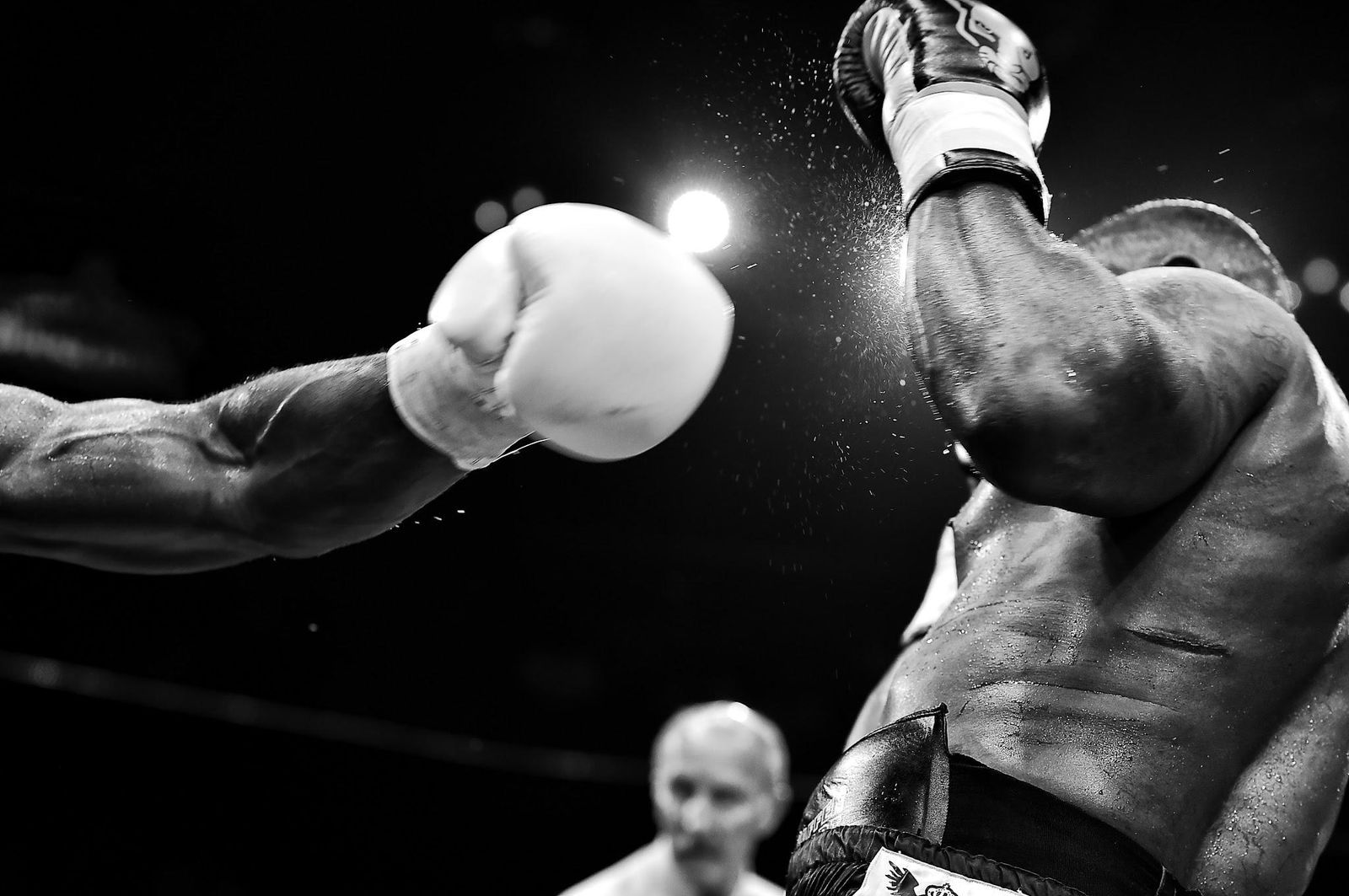
A frustrated chef in a cooking competition might also "throw in the towel," but that’s not the origin of this metaphor for surrender. This saying, like so many others, comes from boxing.

When a boxer is taking a beating and can't continue, a dramatic way for the trainer to interrupt or surrender the game would be to throw a towel into the ring. The image has evolved to stand for any form of surrender.

7

Drop the ball

Image: Ben Hershey

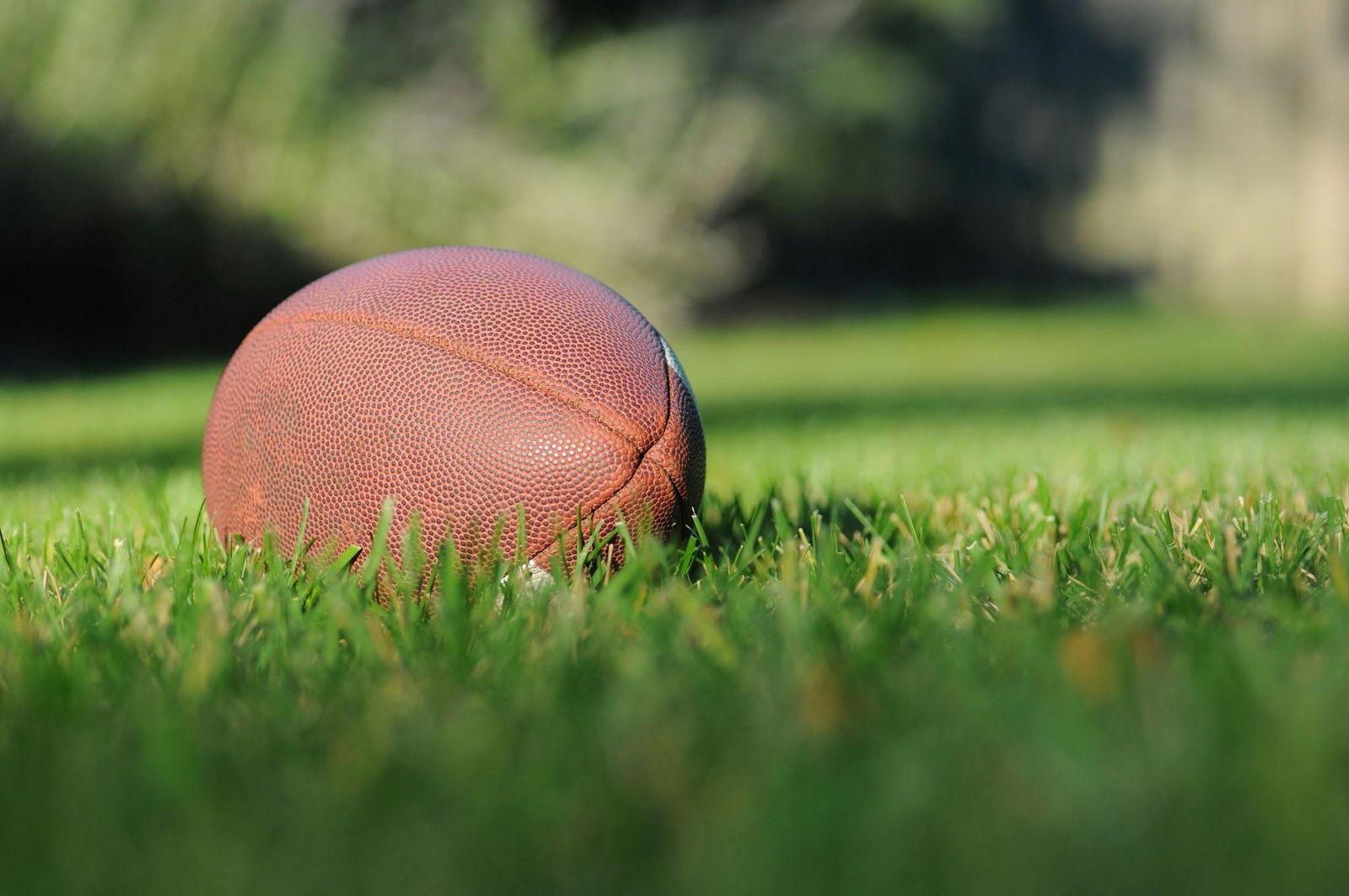
In American football and rugby, you have to catch and hold on to the ball if you want to keep the game alive. Let the ball slip from your hands and you’ll also be letting the rest of your team down.

That’s the origin of the expression. Dropping the ball means someone fumbled an endeavor, usually compromising the luck of other people.

8

To have someone in your corner

Image: Temple Noble Art

We all understand that this alludes to a person rooting for you and helping. Maybe when you heard this phrase you pictured someone figuratively in the corner of your mind, or of your heart –or of any room you were in.

But the origin is much more literal. As any boxing fan knows, the player’s support staff stay at a designated ringside corner. They are the ones tending to the player with help and encouragement between rounds.

9

Step up to the plate

Image: Kenny Eliason

You probably didn’t think that stepping up to the plate was advancing towards a dining table where a delicious feast awaited. But someone else probably did.

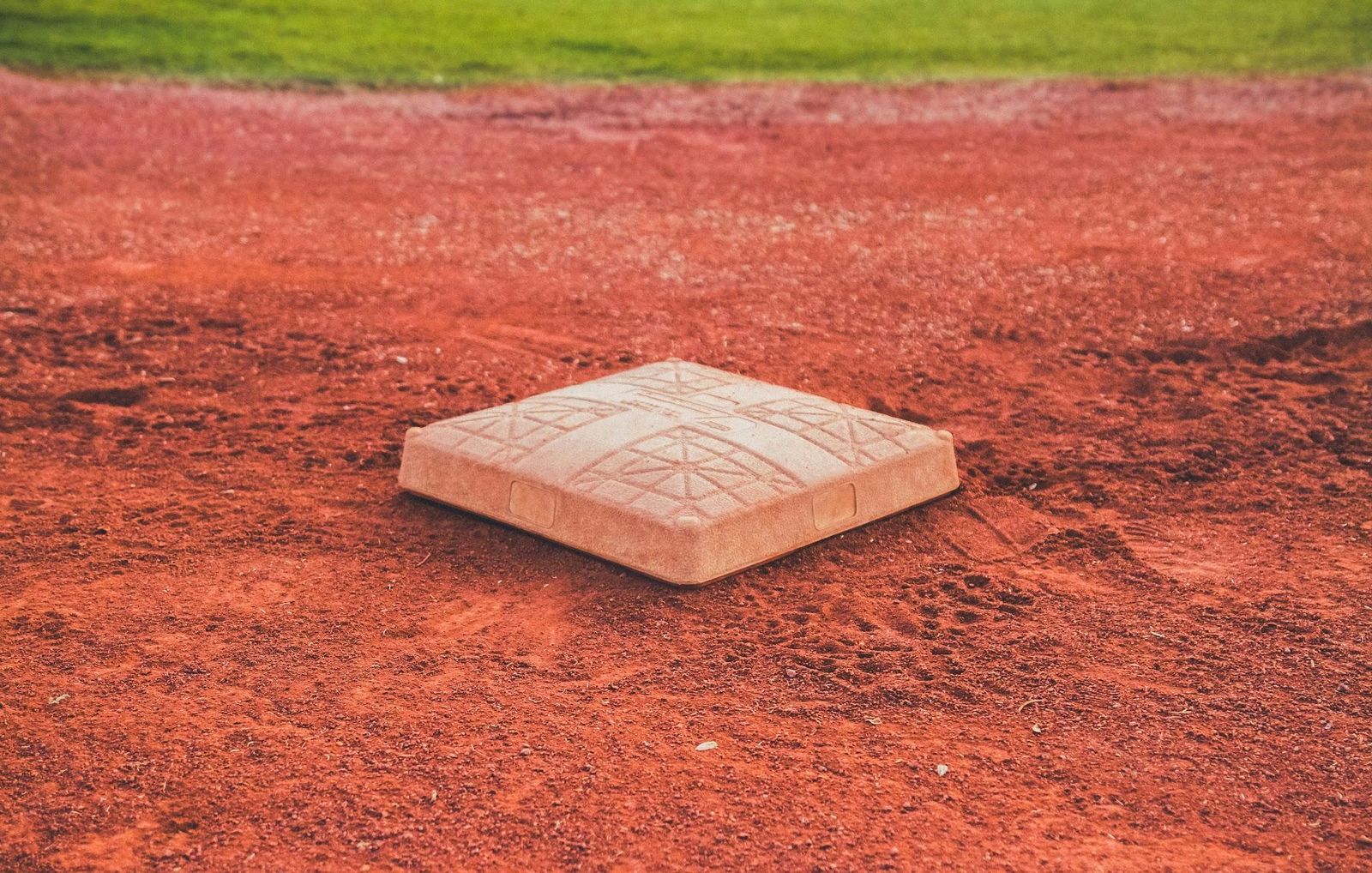
The actual meaning of the expression (which means to "rise up to the occasion") comes from baseball, where "the plate" refers to home plate –the spot where the batter stands to face the pitcher. If you are approaching it, it means it’s your turn to take action, face the challenge and deliver results.

10

Take it on the chin

Image: Michael Starkie

This one is easy to guess: Of course, it comes from boxing, where expecting blows is the norm. What isn’t the norm is to courageously accept punches in the face.

To take something on the chin means to face a figurative blow with resilience. A hit directly to the chin is one of the most jarring blows a fighter can endure, so when you are congratulated for having done something equivalent, it means you have withstood a challenge with grace.

11

Slam dunk

Image: Samuel Pagel

When someone says something is a "slam dunk," you probably imagine a sure success or an effortless win.

The term, as you may know, comes straight from basketball. A "slam dunk" is when a player jumps high and forcefully scores by slamming the ball directly into the hoop. Not effortless at all, but by the time the player has the opportunity to perform a slam dunk, their win is usually a sure thing.

12

The gloves are off

Image: Prateek Katyal

No, it does not derive from people putting aside their fancy gloves before having tea. It comes from harsh, bare-knuckle boxing.

In the early days of the sport, fighters wore padded gloves to soften their punches and reduce injury. When the gloves came off, the fight became more brutal and raw: No more pretense. Over time, the phrase evolved to describe any situation where politeness or restraint is abandoned.

13

Beat to the punch

Image: Johann Walter Bantz

It isn’t a race to a punch bowl at a party. This is yet another expression derived from the world of boxing, which, as you have seen, is a sport that launched more expressions into our language than any other!

This one refers to moments when one fighter manages to hit the other before receiving a blow.

We now use it for people who seize an opportunity and act faster than an opposing party.
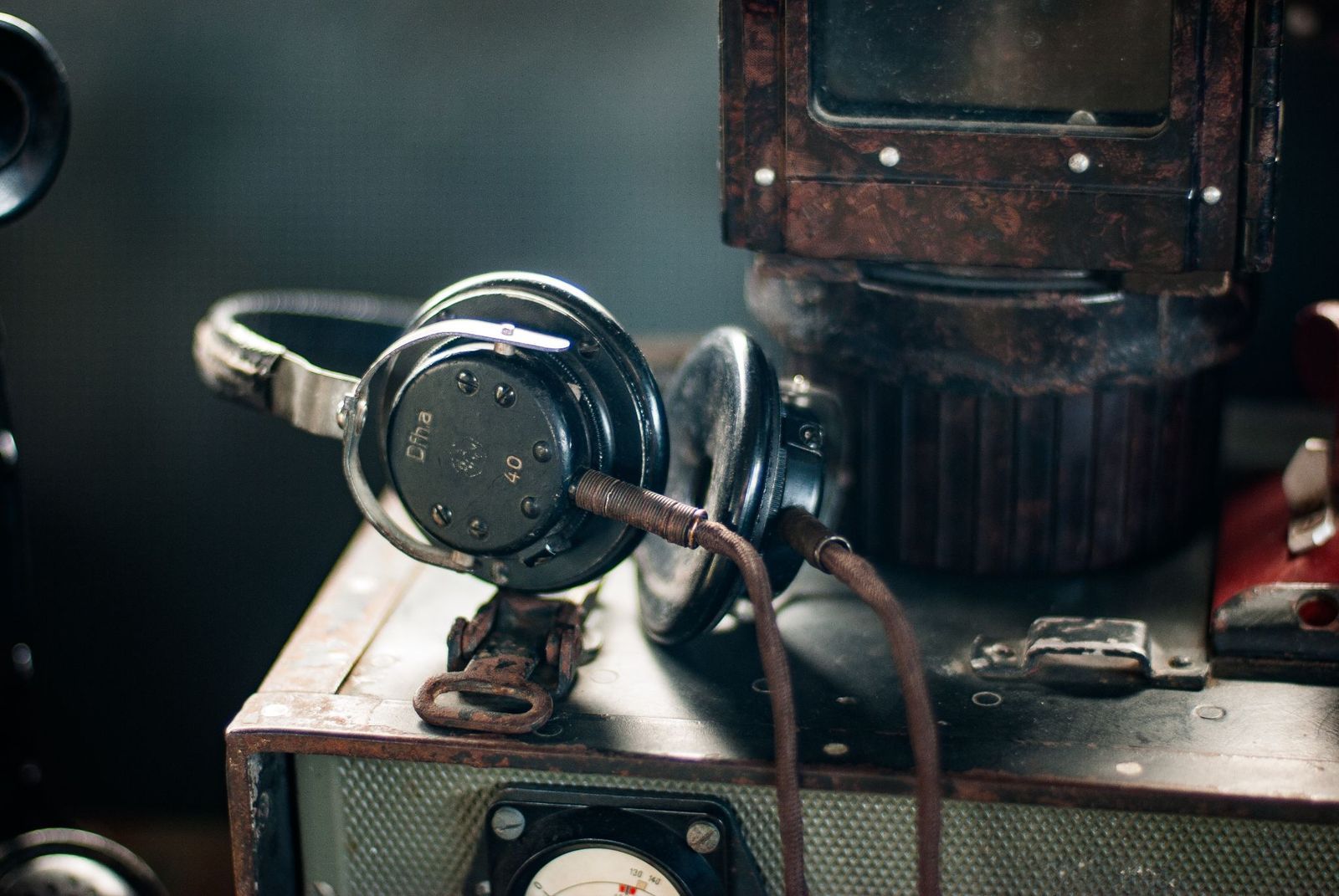

Tango, Bravo

Codewords decoded: How many did you know?


Published on June 23, 2026


Image: orso bianco

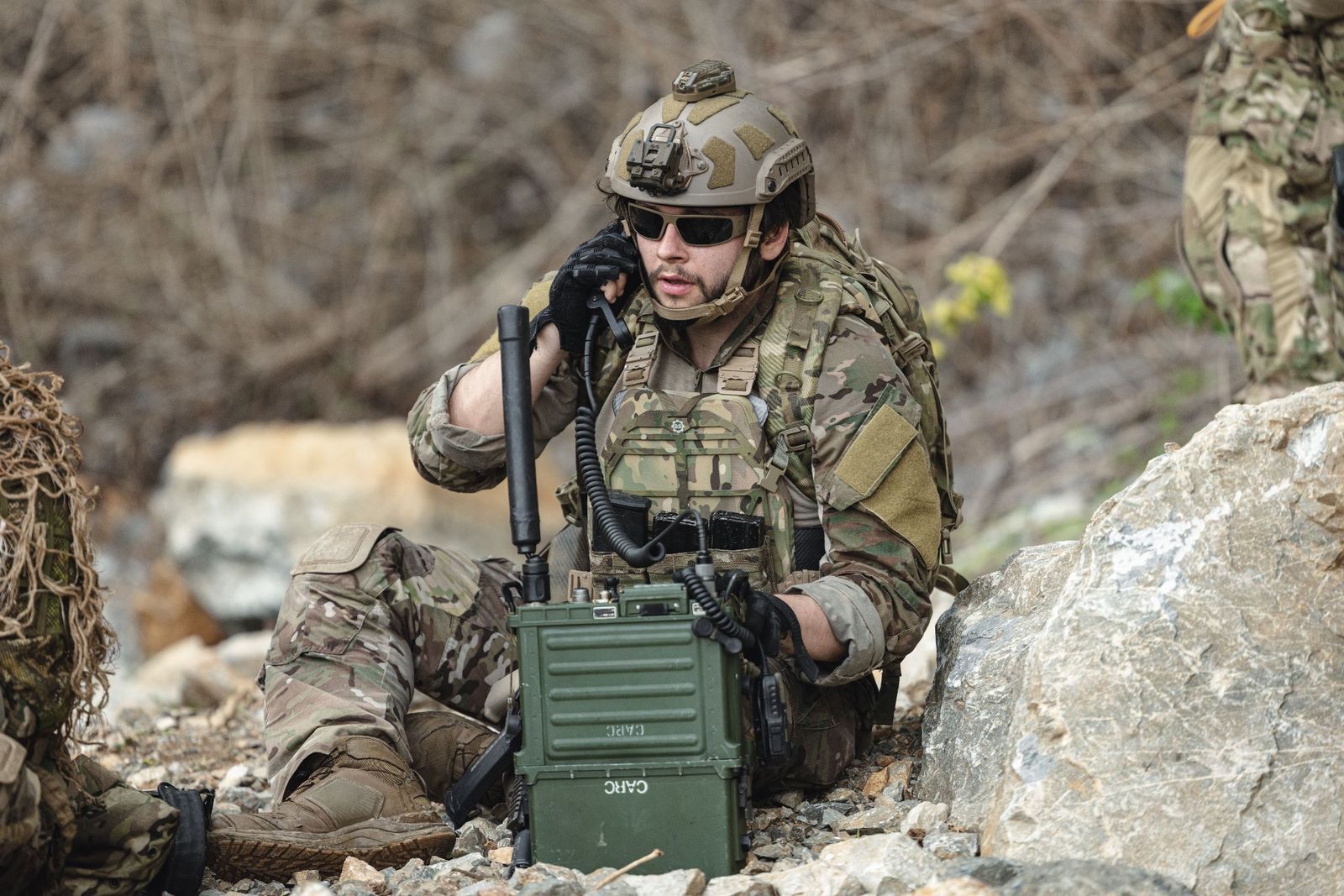
In situations where clear communication is paramount, especially when lives are at stake, professionals often rely on standardized codewords and phonetic alphabets designed to prevent confusion. Either from movies or from personal experience, it's probable that you've heard at least some of these before, and many have found their way into everyday conversation. Let's find out how many of these code expressions you can recognize.

1

Mayday

Image: Zhuravlev Andrey

Mayday is the international distress call used when the sender is in immediate, life-threatening danger. Pilots and mariners use it to signal that they require urgent assistance due to situations such as engine failure, fire, flooding, or medical emergencies.

The word was introduced in 1923 by British radio officer Frederick Stanley Mockford, who based it on the French phrase m'aider, meaning "help me," in an attempt to make it internationally recognizable. Hearing this transmission immediately alerts emergency responders that every second counts.

2

Pan-Pan

Image: DenisProduction.com

Not every emergency is severe enough to warrant a mayday call. When a crew faces a problem that is urgent but not immediately life-threatening, the appropriate codeword is Pan-Pan.

Like mayday, it comes from French: it derives from panne, meaning a breakdown or mechanical failure. A Pan-Pan call might be used if an aircraft loses an engine but can still fly safely, or if a ship experiences equipment problems while remaining under control. It tells responders that assistance is needed, but that the situation has not yet become critical.

3

SOS

Image: Grisha Bruev

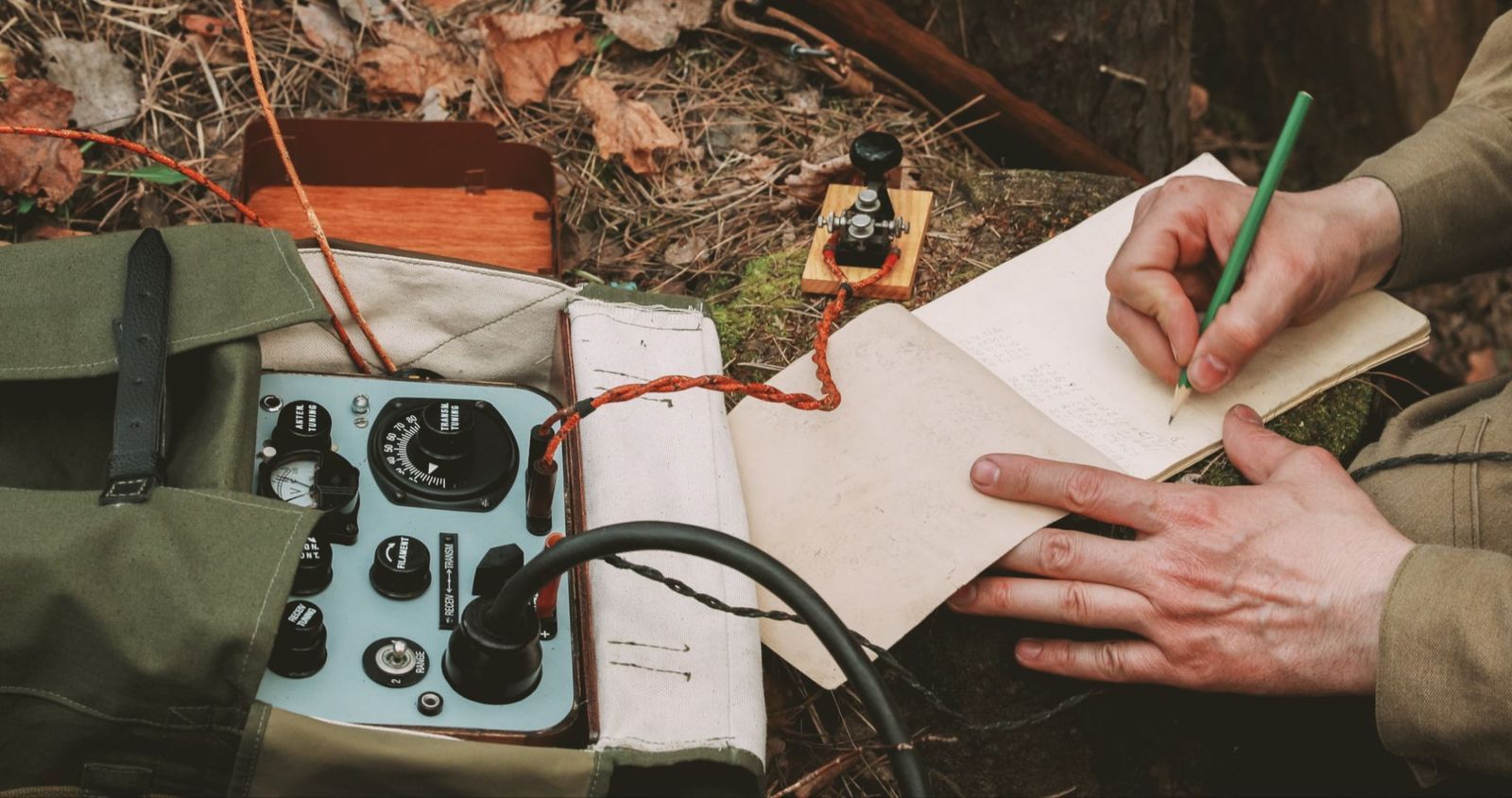
Few emergency signals are as universally recognizable as SOS. Contrary to popular belief, the letters do not officially stand for "Save Our Ship" or "Save Our Souls." It was adopted in 1906 because SOS is an extremely simple, easy-to-transmit, and unmistakable pattern in Morse code.

SOS remains one of the world's most enduring distress signals, and it's still recognized by rescue organizations all around the globe.

4

NATO Alphabet

Image: Alexandros Michailidis

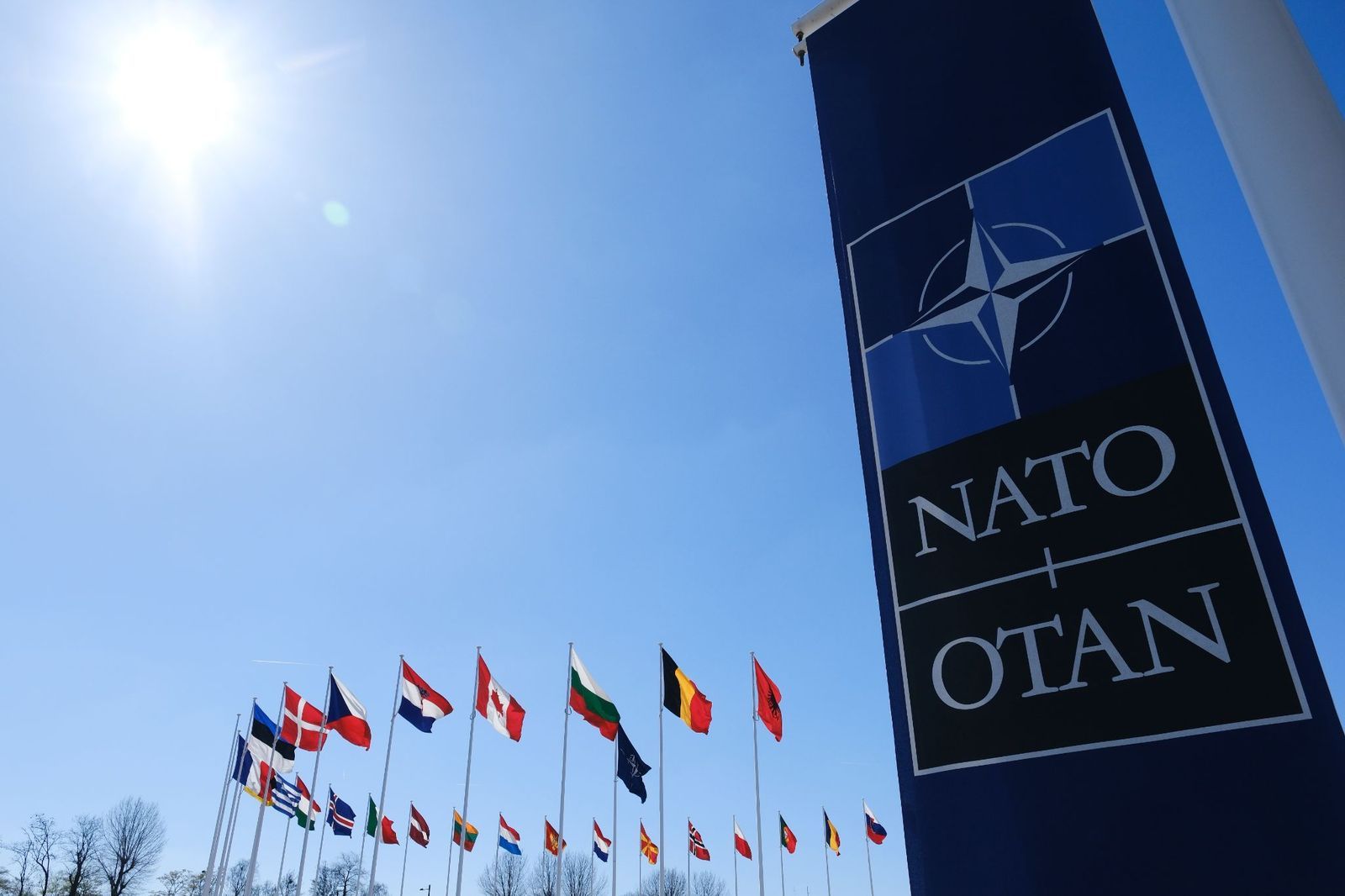
In the NATO phonetic alphabet, each letter is assigned a unique word to eliminate confusion when radio transmissions are distorted by noise or poor reception. If you've ever heard someone spell a name as "Mike Alpha Romeo Yankee," you've encountered the NATO phonetic alphabet.

The system was officially adopted by NATO in the 1950s and is now widely used by militaries, airlines, emergency responders, and many police departments worldwide. Using it greatly reduces the chance of misunderstanding important information over radio.

5

Roger

Image: nelikdulatov

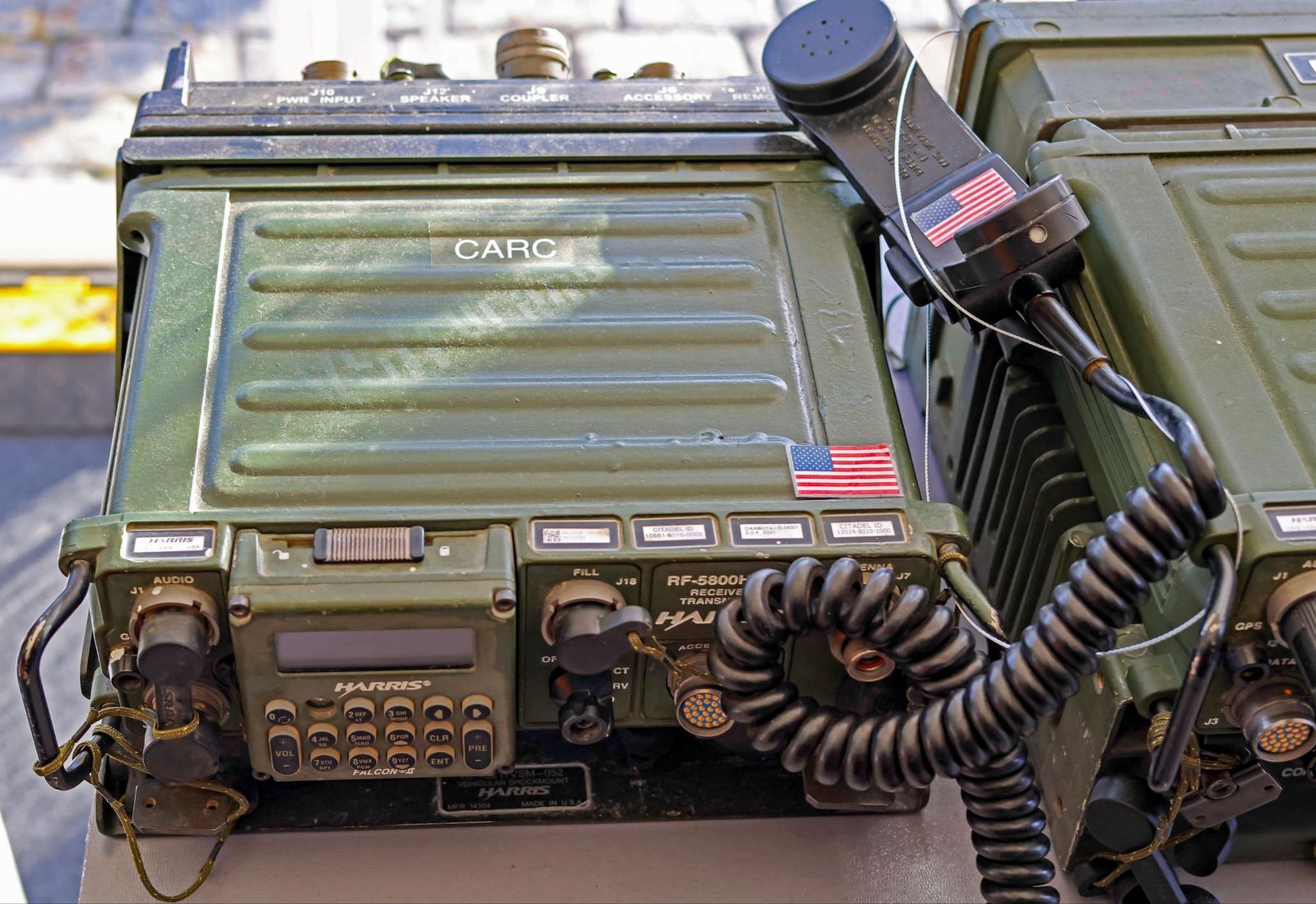
Roger dates back to the early days of radio communication, when the letter R stood for "received." Before the adoption of the NATO alphabet, the US military used Roger instead of Romeo to represent that letter_._

Although modern communications systems have changed and the US military has fully embraced the use of the NATO alphabet, Roger remains standard aviation terminology, and it's one of the best-known radio acknowledgments in the world. It conveys a very simple but important meaning: "I have received and understood your message."

6

Wilco

Image: alleks19760526

Although many people assume Roger and Wilco mean the same thing, they actually convey different messages. Wilco is short for "will comply." In other words, it tells the sender not only that the message was received and understood, but that the instruction will be carried out.

Saying both Roger and Wilco is technically redundant in proper radio communication, since complying necessarily implies understanding, but the combination is often heard in movies and television.

7

Tango

Image: Quality Stock Arts

In the NATO phonetic alphabet, Tango simply represents the letter T. However, US military personnel have also adopted it as a shorthand when referring to a target or a hostile.

This secondary meaning became widely known through military operations in the twentieth century and has since appeared in countless books, films, and video games in phrases like "We've got one Tango moving north."

8

Oscar Mike

Image: Dragos Asaftei

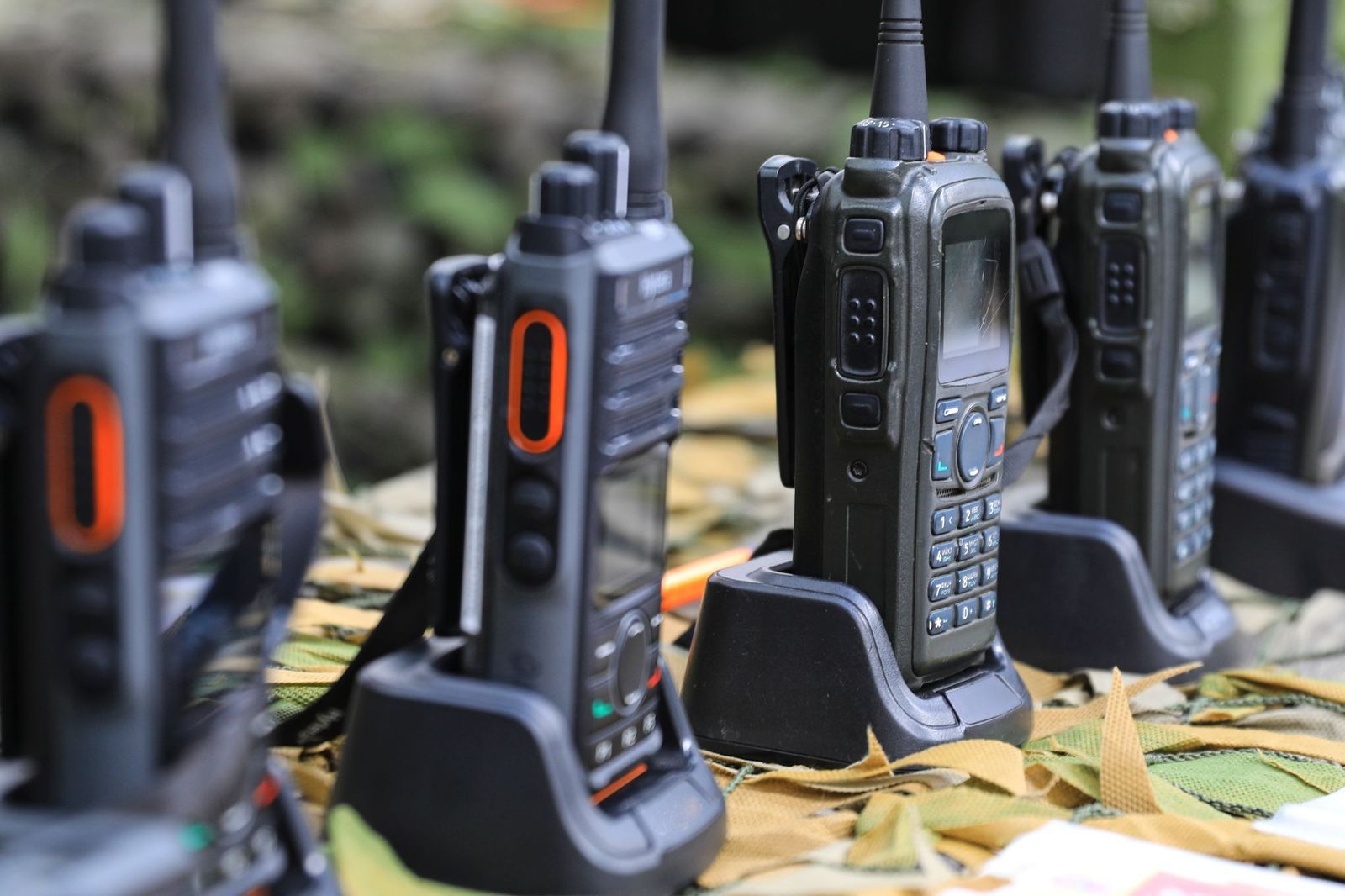
Oscar Mike, NATO for the letters O and M, is military shorthand for "On the Move." It's a quick way of reporting that a unit has begun moving toward its objective.

The expression is especially common in the US military and has become more familiar to the general public through documentaries, memoirs, and films. It's finding its way into civilian life, meaning simply "I'm heading out."

9

10-4

Image: Elliott Cowand Jr

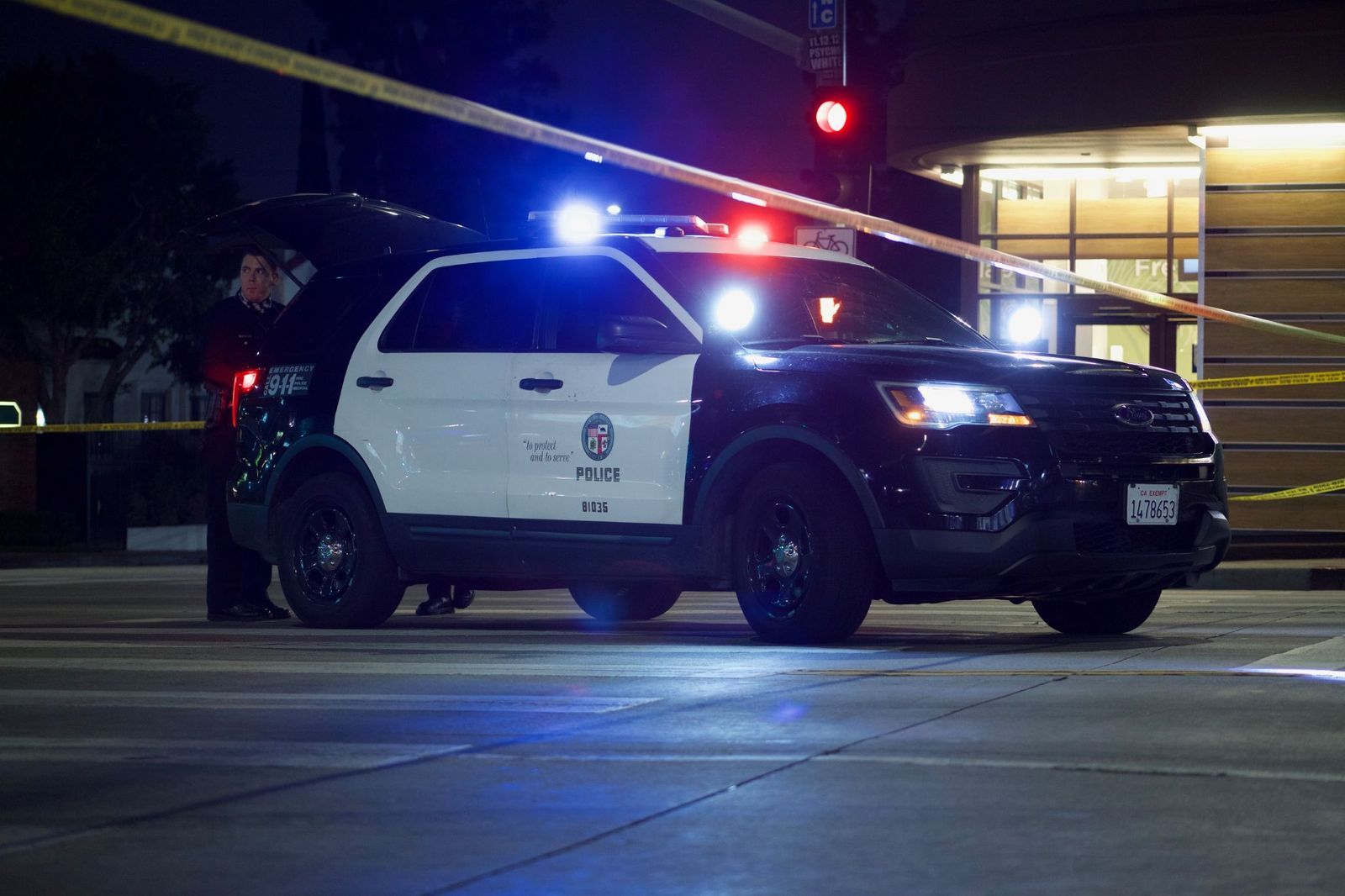
Ten-codes were developed during the 1930s to allow for brevity and standardization of message traffic in radio communications. They were widely adopted by US public safety departments and by radio enthusiasts.

While the system is being slowly phased out in favor of plain language communications, many local police, fire, and sheriff departments keep using it, and it is still strongly associated with radio culture by the general public. One of the most famous ten-codes is 10-4, meaning "received and understood."

10

Code Blue

Image: PeopleImages

Hospitals around the world use color-coded announcements to communicate emergencies without causing unnecessary panic among patients and visitors. Perhaps the best known is Code Blue, indicating that a patient is experiencing cardiac or respiratory arrest and requires immediate medical assistance.

While some hospitals use their own custom color codes, Code Blue has become so widely recognized that it now appears frequently in television dramas and everyday conversation whenever someone refers to a life-threatening medical emergency.

Looking for an extra scoop of literary fun?

Learn more with our Word of the day

crevice

/ˈkrɛvəs/