Dangerous truths

10 dangerously wrong beliefs—from lightning to antibiotics


Published on April 24, 2026


Image: Lucian Alexe

We all think we know how the world works, but many "common sense" beliefs are flat-out wrong. From everyday health myths to misunderstood science, these misconceptions can mislead you, waste your time, or even put you at risk. Here are 10 things you are dangerously wrong about, backed by real facts.

1

Lightning never strikes the same place twice
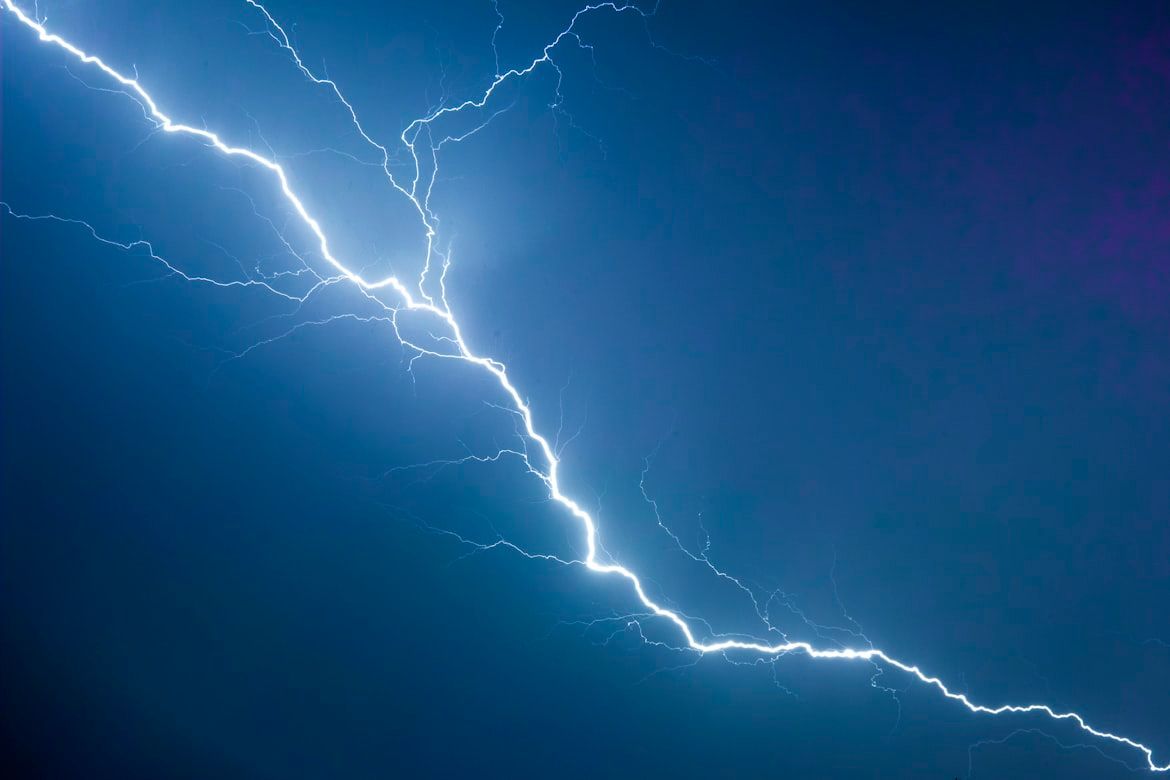

Image: Michał Mancewicz

Contrary to popular belief, lightning can strike the same place more than once. Since lightning often targets tall, conductive structures, multiple strikes to the same location are not uncommon.

For example, the Empire State Building is hit an average of 23 times per year. The myth persists because rare events seem unique, but statistics show that repeated strikes are common, especially in high-risk areas.

2

Antibiotics treat viruses

Image: Roberto Sorin

Antibiotics target bacteria, not viruses. Using them for colds or the flu is ineffective and promotes antibiotic resistance.

Prolonged misuse can lead to resistant bacterial strains, making future infections harder to treat. Correct diagnosis is critical for proper treatment.

3

Bulls hate red

Image: Gavia

Bulls are actually color-blind to red. Their reactions in bullfighting are triggered by the movement of the cape, not its color.

The bright red (and similarly striking colors) was likely chosen to make the cape more visible to the human audience from a distance, enhancing the spectacle.

4

Ice baths cure sore muscles

Image: Aman Krishna

Cold therapy offers temporary relief but doesn’t accelerate long-term muscle recovery. Overuse can impair adaptation to training.

Inflammation is part of muscle repair; blocking it too aggressively can reduce strength gains over time.

5

You need eight glasses of water a day

Image: Janosch Lino

Fluid needs vary by body size, activity, and climate. For some, eight glasses is excessive; for others, insufficient.

Relying strictly on this rule can cause dehydration or overhydration. Thirst and urine color are better indicators.

6

Sunburn isn’t harmful if it peels later

Image: Arturo Rivera

Even a single sunburn increases your lifetime risk of skin cancer, including melanoma. Peeling skin doesn’t undo DNA damage; it’s actually skin cells committing suicide to prevent the spread of harmful mutations.

Sunscreen, protective clothing, and shade are essential. Ignoring sun safety poses a serious health risk.

7

Don’t wake a sleepwalker

Image: Alexey Demidov

Waking a sleepwalker is safe. They may be disoriented or confused, but letting them roam unattended is far more dangerous.

The only real risk is injury from falls or collisions, not the act of waking them.

8

Natural sugar is harmless

Image: Myriam Zilles

Fructose in fruit is healthier than processed sugar, but overconsumption still strains the liver and metabolism.

Even "natural" sugars can contribute to obesity, insulin resistance, and diabetes if intake is excessive.

9

Hand sanitizer replaces washing hands

Image: Kelly Sikkema

Sanitizers can’t safely remove all pathogens, especially dirt and chemicals. Washing with soap and water is always more effective.

Over-reliance on sanitizers can actually increase infection risk, particularly during gastrointestinal or respiratory outbreaks.

10

Vinegar makes all cleaners better

Image: Precious Plastic Melbourne

Mixing vinegar with bleach, hydrogen peroxide, or other cleaners can create chlorine or peracetic acid fumes—both highly toxic.

Even small amounts can irritate eyes, lungs, and skin. Believing vinegar universally "boosts" cleaning power is dangerous; always read labels and avoid mixing chemicals.
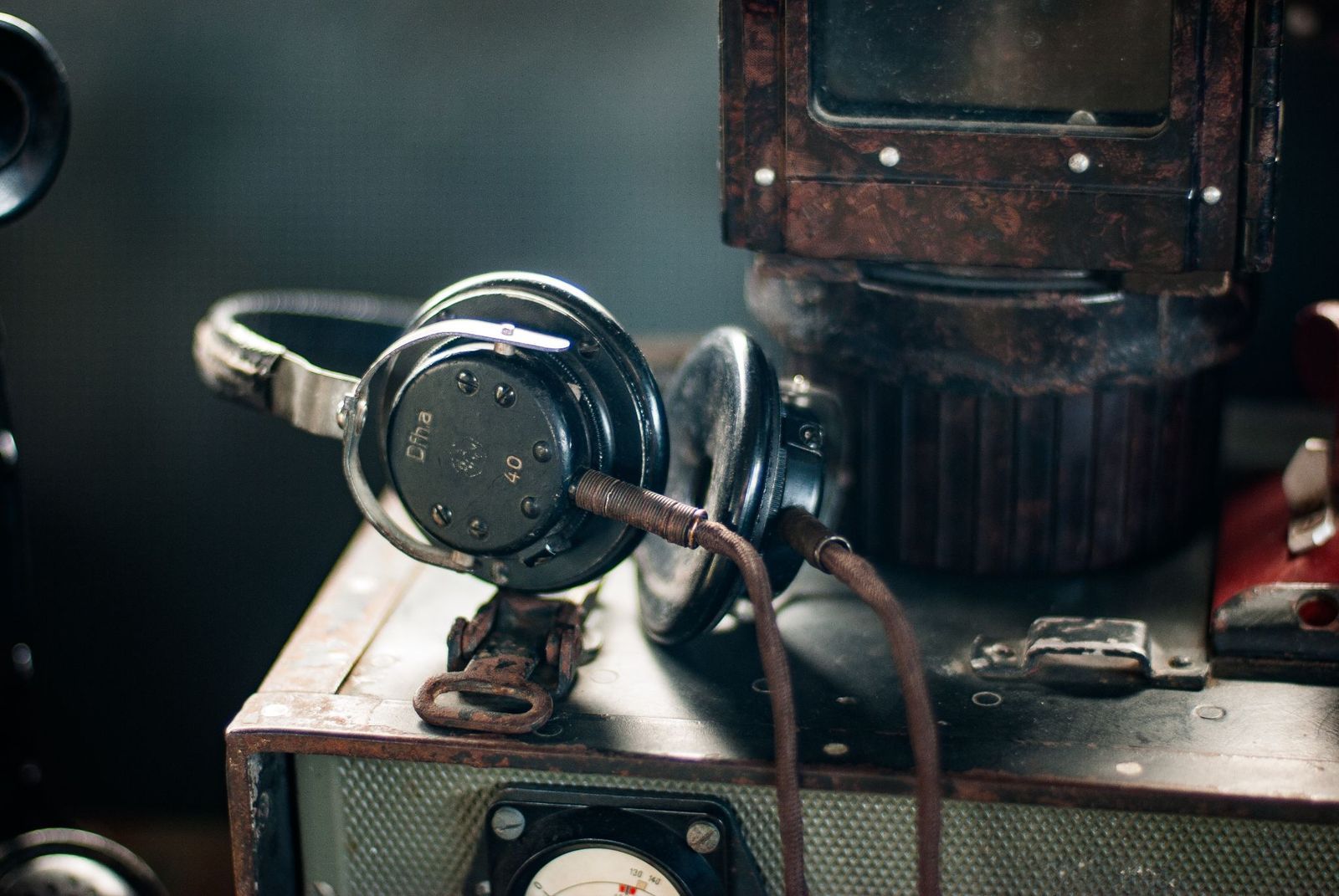
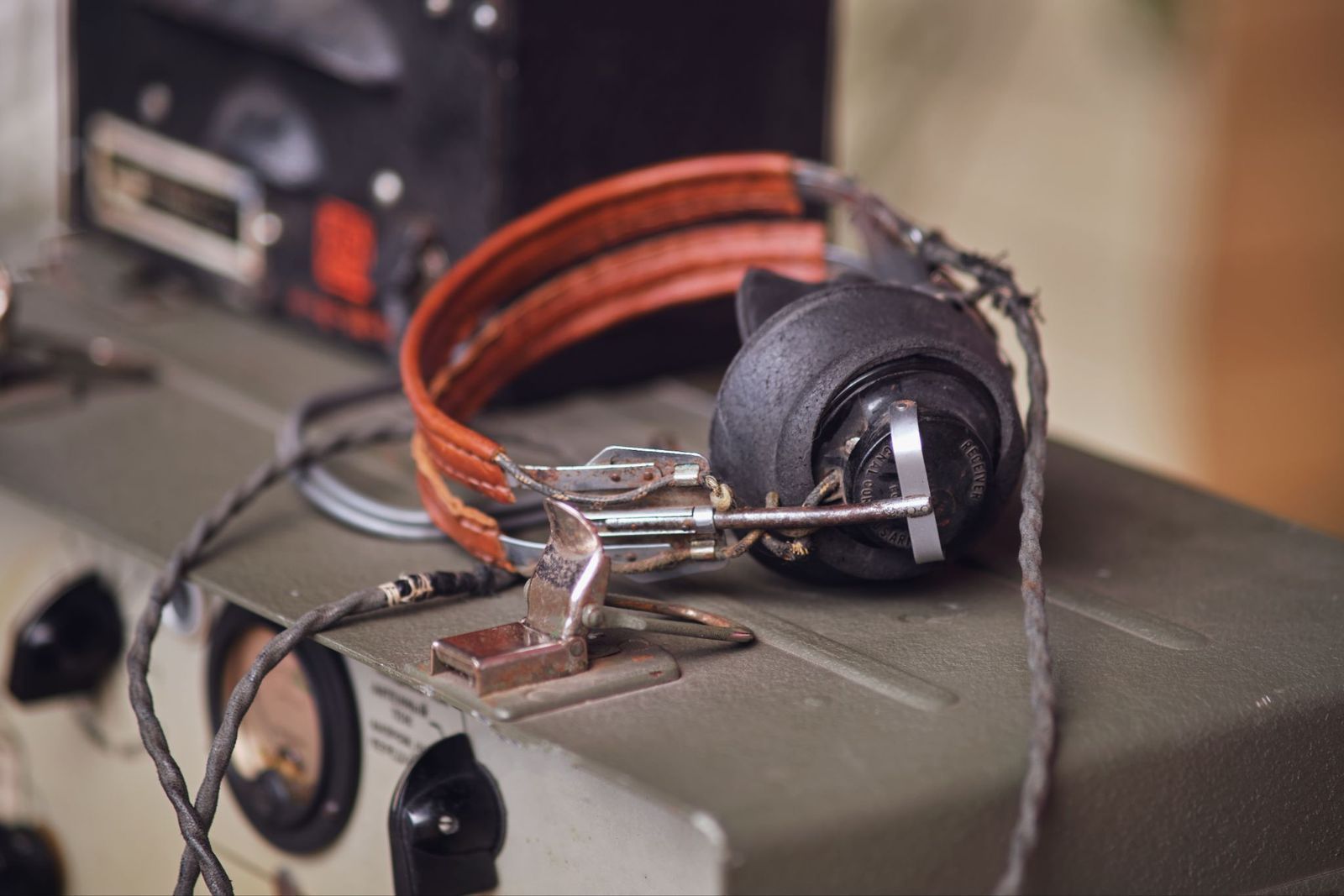
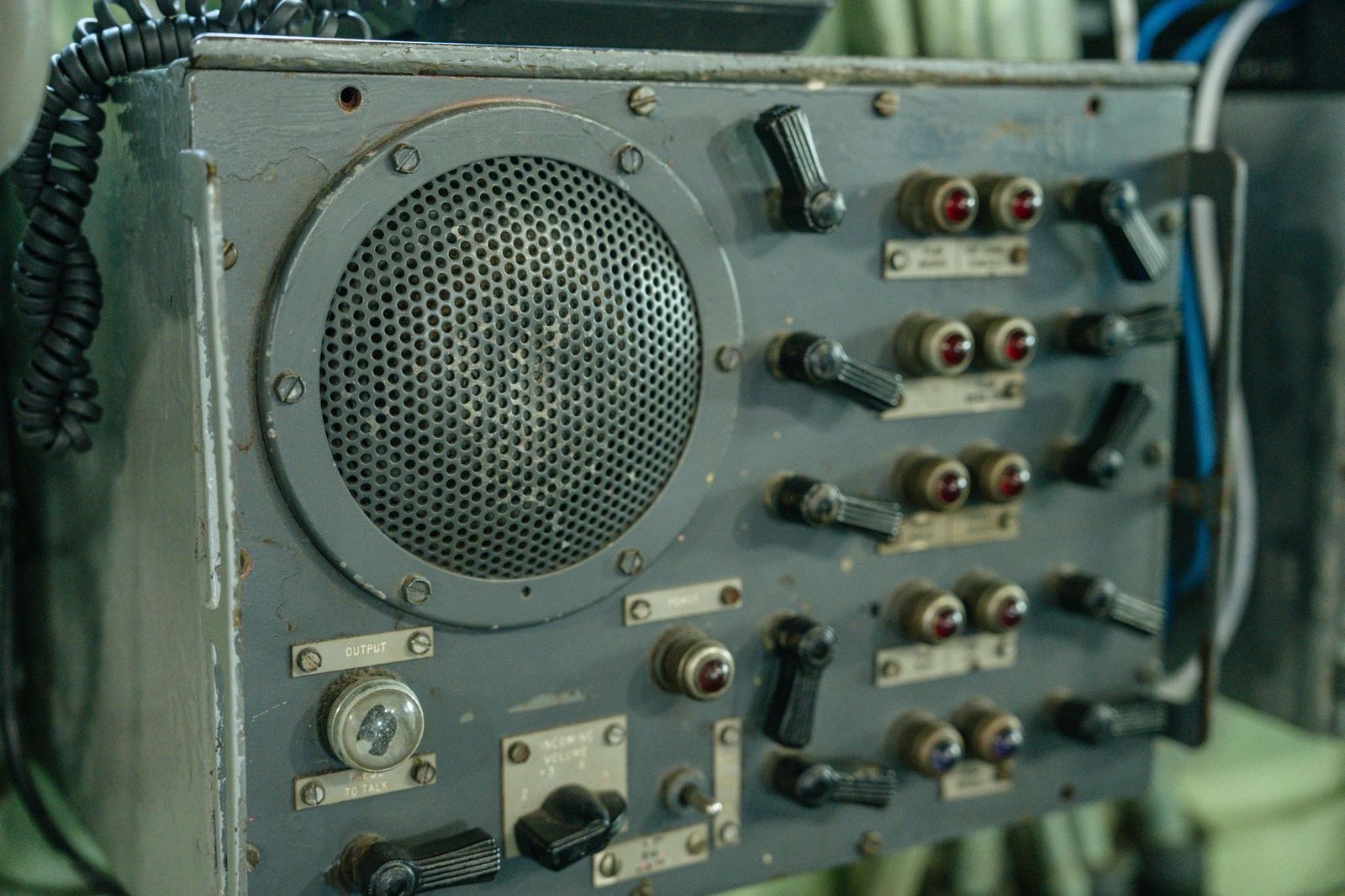
Tango, Bravo

Codewords decoded: How many did you know?


Published on April 24, 2026


Image: orso bianco

In situations where clear communication is paramount, especially when lives are at stake, professionals often rely on standardized codewords and phonetic alphabets designed to prevent confusion. Either from movies or from personal experience, it's probable that you've heard at least some of these before, and many have found their way into everyday conversation. Let's find out how many of these code expressions you can recognize.

1

Mayday

Image: Zhuravlev Andrey

Mayday is the international distress call used when the sender is in immediate, life-threatening danger. Pilots and mariners use it to signal that they require urgent assistance due to situations such as engine failure, fire, flooding, or medical emergencies.

The word was introduced in 1923 by British radio officer Frederick Stanley Mockford, who based it on the French phrase m'aider, meaning "help me," in an attempt to make it internationally recognizable. Hearing this transmission immediately alerts emergency responders that every second counts.

2

Pan-Pan

Image: DenisProduction.com

Not every emergency is severe enough to warrant a mayday call. When a crew faces a problem that is urgent but not immediately life-threatening, the appropriate codeword is Pan-Pan.

Like mayday, it comes from French: it derives from panne, meaning a breakdown or mechanical failure. A Pan-Pan call might be used if an aircraft loses an engine but can still fly safely, or if a ship experiences equipment problems while remaining under control. It tells responders that assistance is needed, but that the situation has not yet become critical.

3

SOS

Image: Grisha Bruev

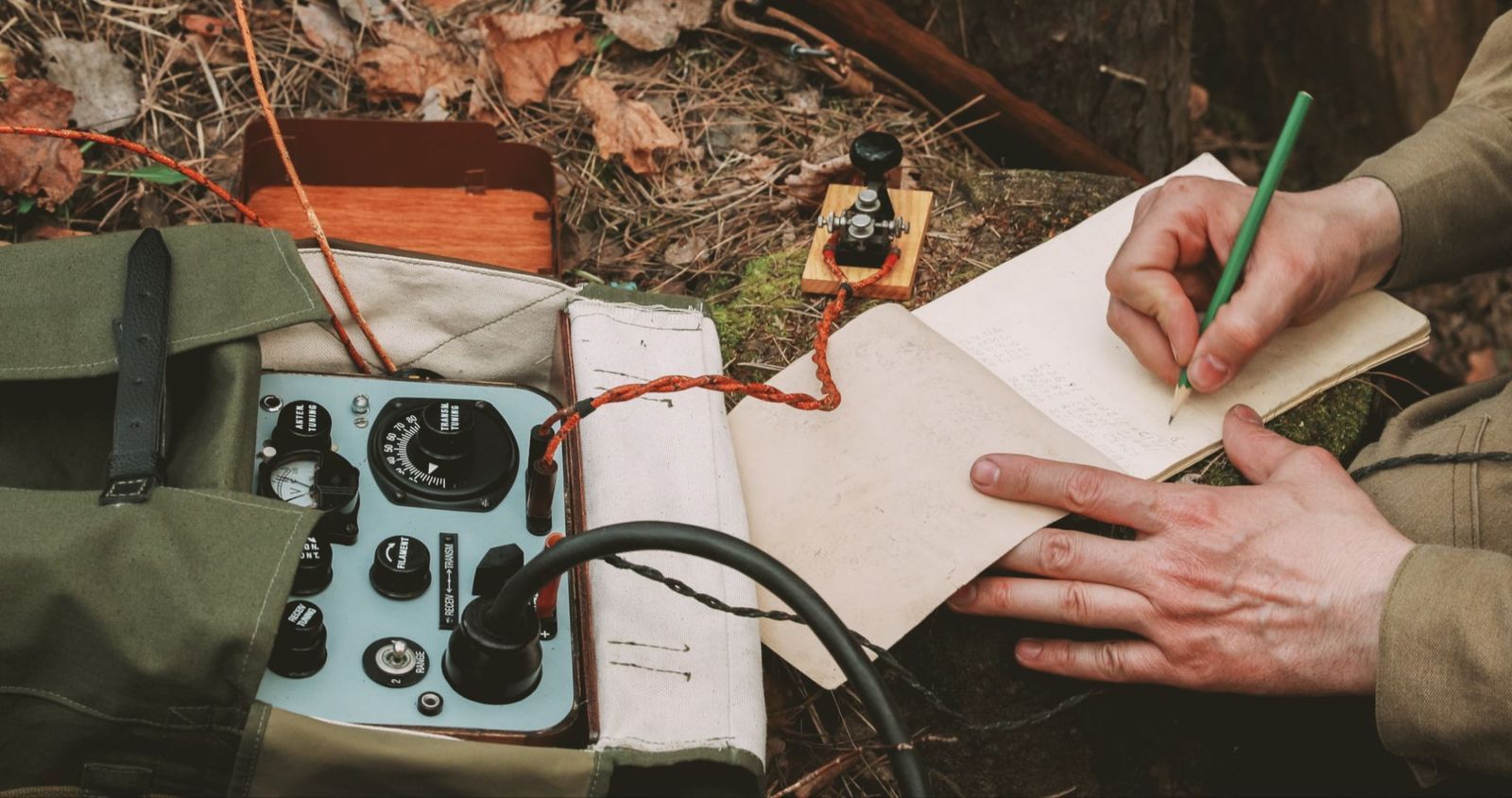
Few emergency signals are as universally recognizable as SOS. Contrary to popular belief, the letters do not officially stand for "Save Our Ship" or "Save Our Souls." It was adopted in 1906 because SOS is an extremely simple, easy-to-transmit, and unmistakable pattern in Morse code.

SOS remains one of the world's most enduring distress signals, and it's still recognized by rescue organizations all around the globe.

4

NATO Alphabet

Image: Alexandros Michailidis

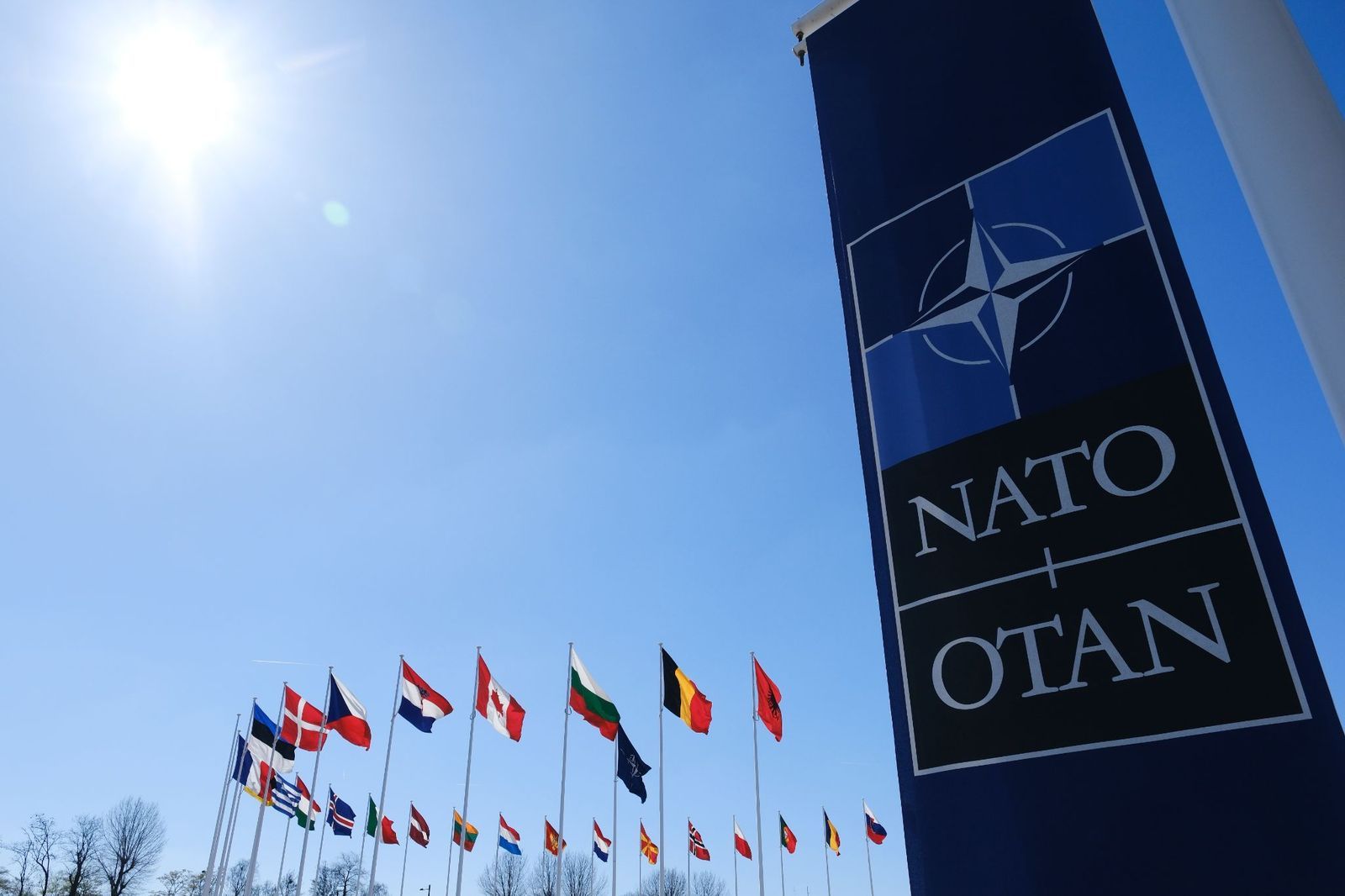
In the NATO phonetic alphabet, each letter is assigned a unique word to eliminate confusion when radio transmissions are distorted by noise or poor reception. If you've ever heard someone spell a name as "Mike Alpha Romeo Yankee," you've encountered the NATO phonetic alphabet.

The system was officially adopted by NATO in the 1950s and is now widely used by militaries, airlines, emergency responders, and many police departments worldwide. Using it greatly reduces the chance of misunderstanding important information over radio.

5

Roger

Image: nelikdulatov

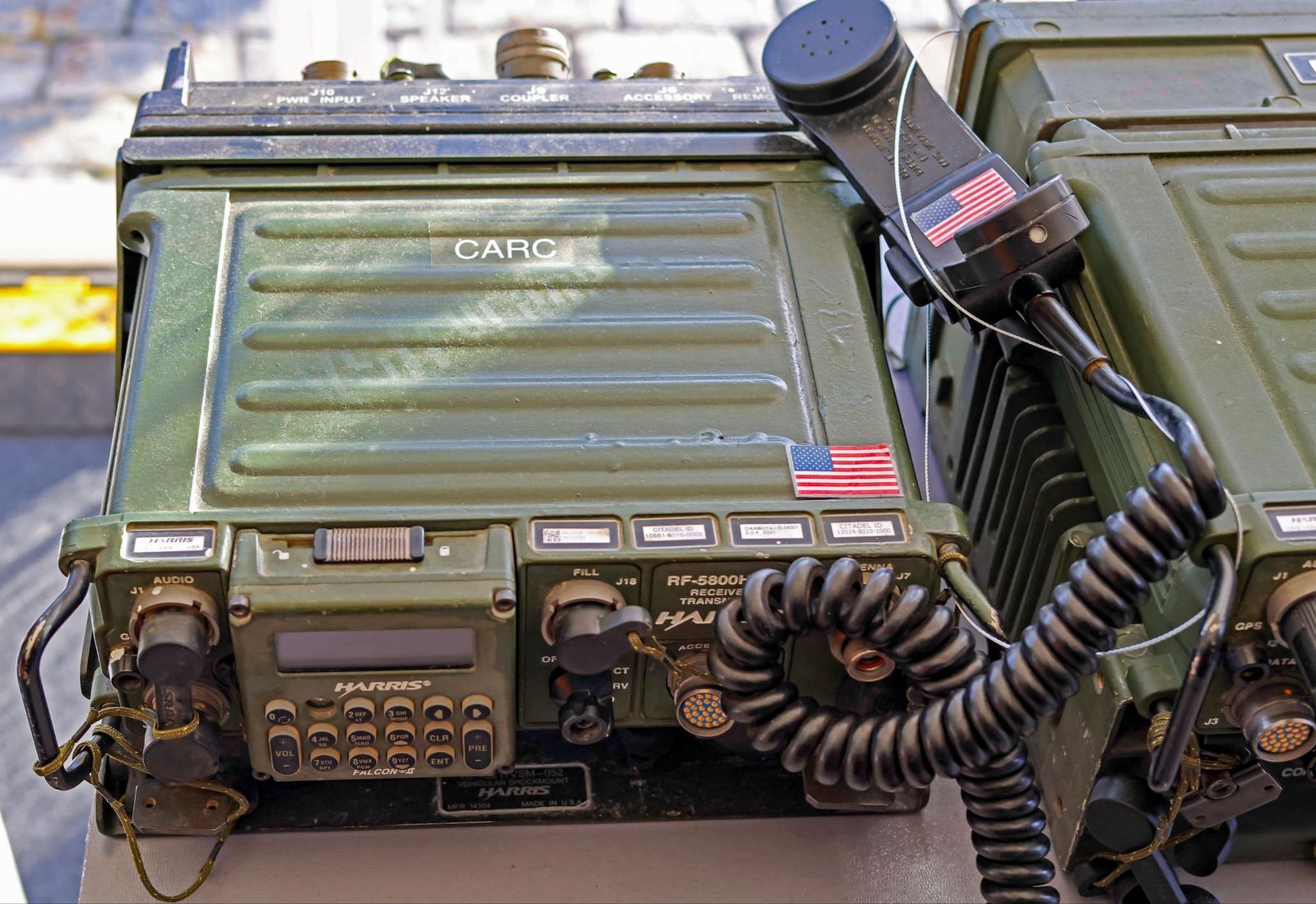
Roger dates back to the early days of radio communication, when the letter R stood for "received." Before the adoption of the NATO alphabet, the US military used Roger instead of Romeo to represent that letter_._

Although modern communications systems have changed and the US military has fully embraced the use of the NATO alphabet, Roger remains standard aviation terminology, and it's one of the best-known radio acknowledgments in the world. It conveys a very simple but important meaning: "I have received and understood your message."

6

Wilco

Image: alleks19760526

Although many people assume Roger and Wilco mean the same thing, they actually convey different messages. Wilco is short for "will comply." In other words, it tells the sender not only that the message was received and understood, but that the instruction will be carried out.

Saying both Roger and Wilco is technically redundant in proper radio communication, since complying necessarily implies understanding, but the combination is often heard in movies and television.

7

Tango

Image: Quality Stock Arts

In the NATO phonetic alphabet, Tango simply represents the letter T. However, US military personnel have also adopted it as a shorthand when referring to a target or a hostile.

This secondary meaning became widely known through military operations in the twentieth century and has since appeared in countless books, films, and video games in phrases like "We've got one Tango moving north."

8

Oscar Mike

Image: Dragos Asaftei

Oscar Mike, NATO for the letters O and M, is military shorthand for "On the Move." It's a quick way of reporting that a unit has begun moving toward its objective.

The expression is especially common in the US military and has become more familiar to the general public through documentaries, memoirs, and films. It's finding its way into civilian life, meaning simply "I'm heading out."

9

10-4

Image: Elliott Cowand Jr

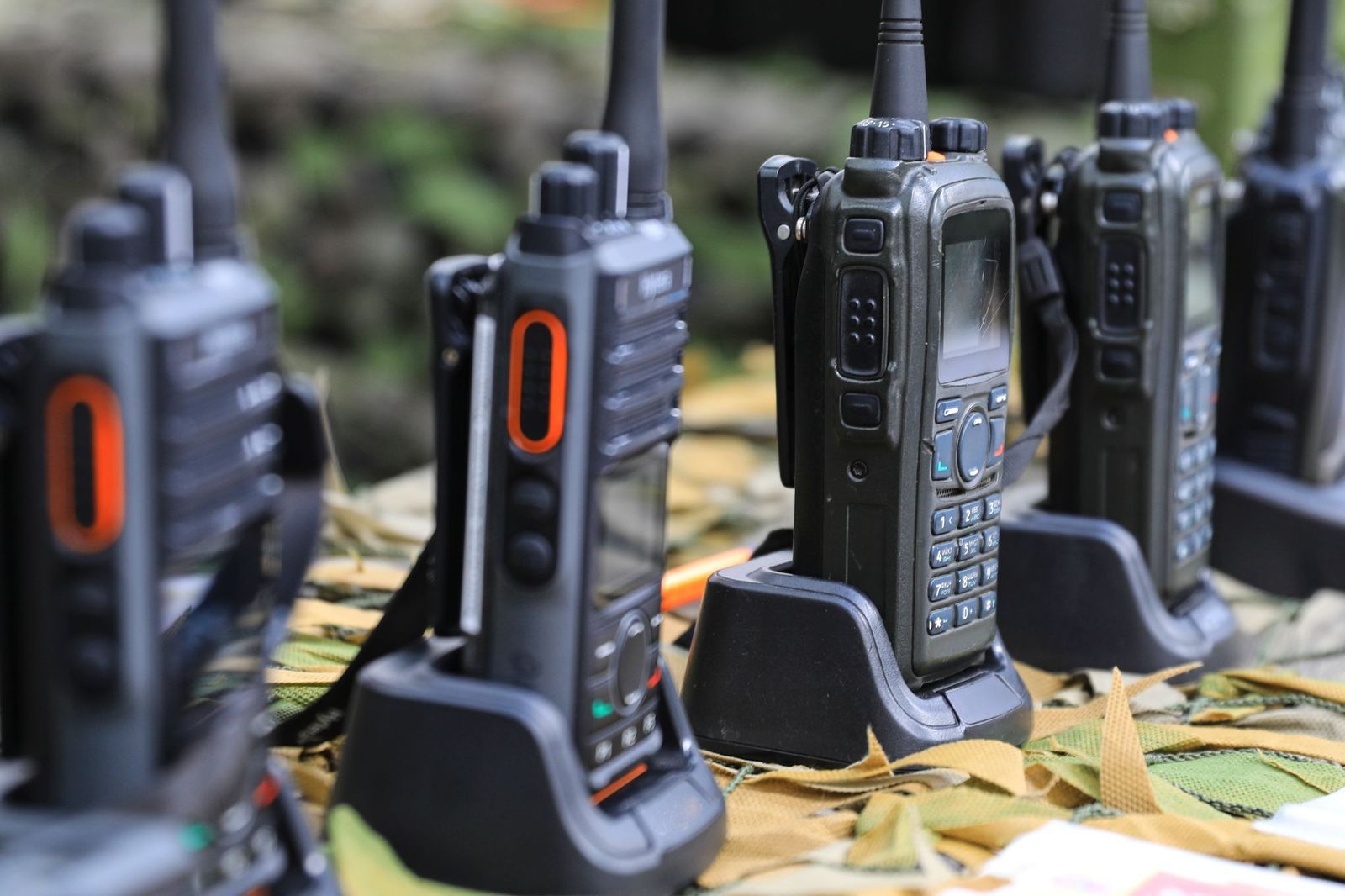
Ten-codes were developed during the 1930s to allow for brevity and standardization of message traffic in radio communications. They were widely adopted by US public safety departments and by radio enthusiasts.

While the system is being slowly phased out in favor of plain language communications, many local police, fire, and sheriff departments keep using it, and it is still strongly associated with radio culture by the general public. One of the most famous ten-codes is 10-4, meaning "received and understood."

10

Code Blue

Image: PeopleImages

Hospitals around the world use color-coded announcements to communicate emergencies without causing unnecessary panic among patients and visitors. Perhaps the best known is Code Blue, indicating that a patient is experiencing cardiac or respiratory arrest and requires immediate medical assistance.

While some hospitals use their own custom color codes, Code Blue has become so widely recognized that it now appears frequently in television dramas and everyday conversation whenever someone refers to a life-threatening medical emergency.

Looking for an extra scoop of literary fun?

Learn more with our Word of the day

undermine

/ˌəndərˈmaɪn/