Take a deep breath before you read about these new scientific discoveries


Published on September 8, 2026


Image: Tara Winstead

Science moves so fast that you probably haven't heard that cancer can now be detected with a simple blood test or that you can choose the color of a baby's eyes before in vitro fertilization. Some of these breakthroughs are controversial, while others represent extraordinary progress in preventing disease and in fighting pollution. Here are some of the most fascinating recent scientific discoveries that you may not know about. Come join us!

1

Cancer could be detected with a simple blood test
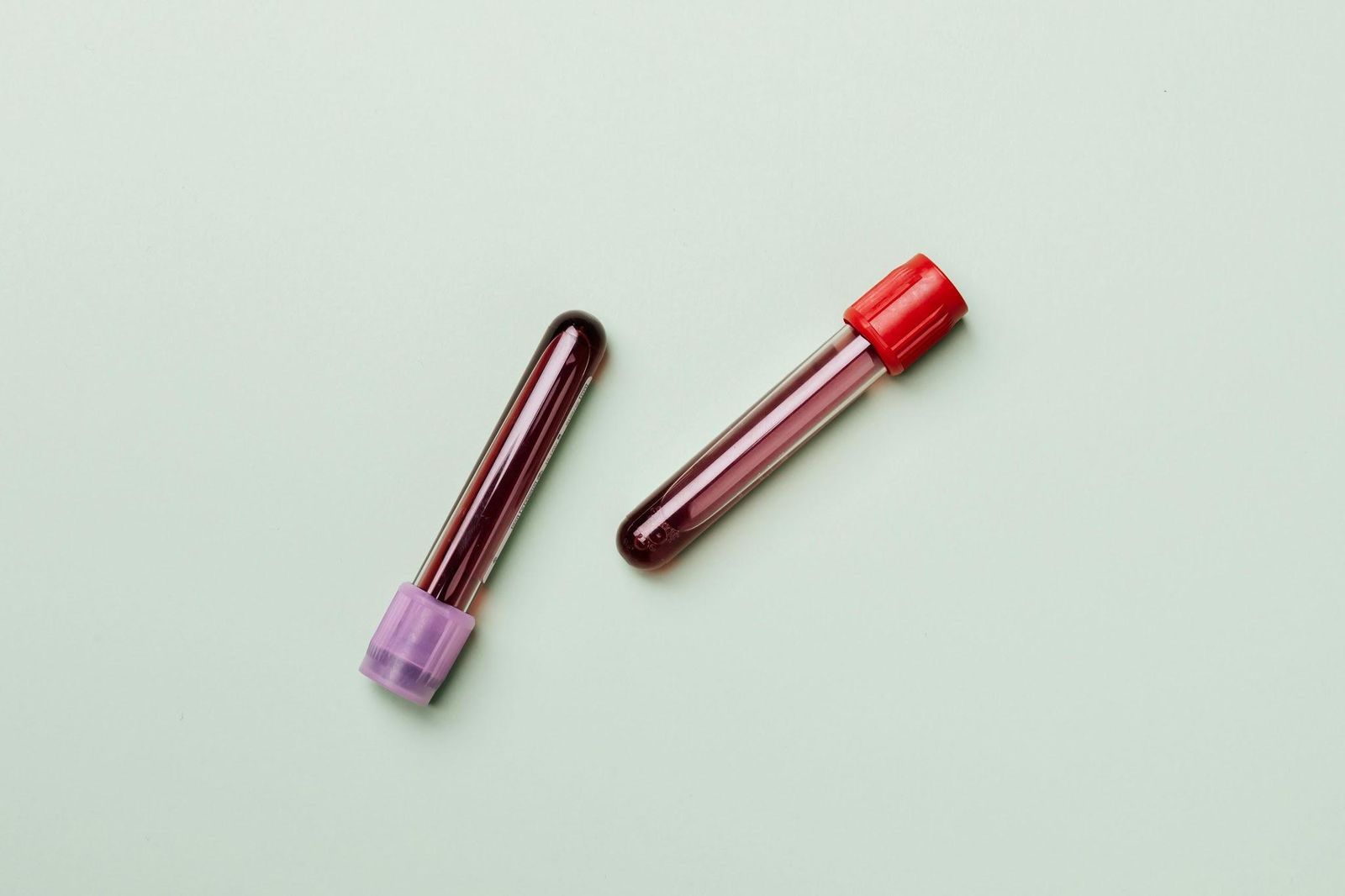
Image: Kaboompics.com

A team of researchers from Johns Hopkins University discovered something that could completely change cancer diagnosis and treatment worldwide. The study, published in the journal Cancer Discovery, found that cancer can be detected up to three years before doctors can provide an official diagnosis.

The researchers discovered that cancerous tumors shed genetic material that can show up in the bloodstream much earlier than previously thought. Early detection of this disease is crucial and significantly impacts the survival rate of patients. Thanks to this groundbreaking finding, it will be possible to develop more effective methods in preventing and detecting cancer.

2

Carbon dioxide can be turned into textile fibers
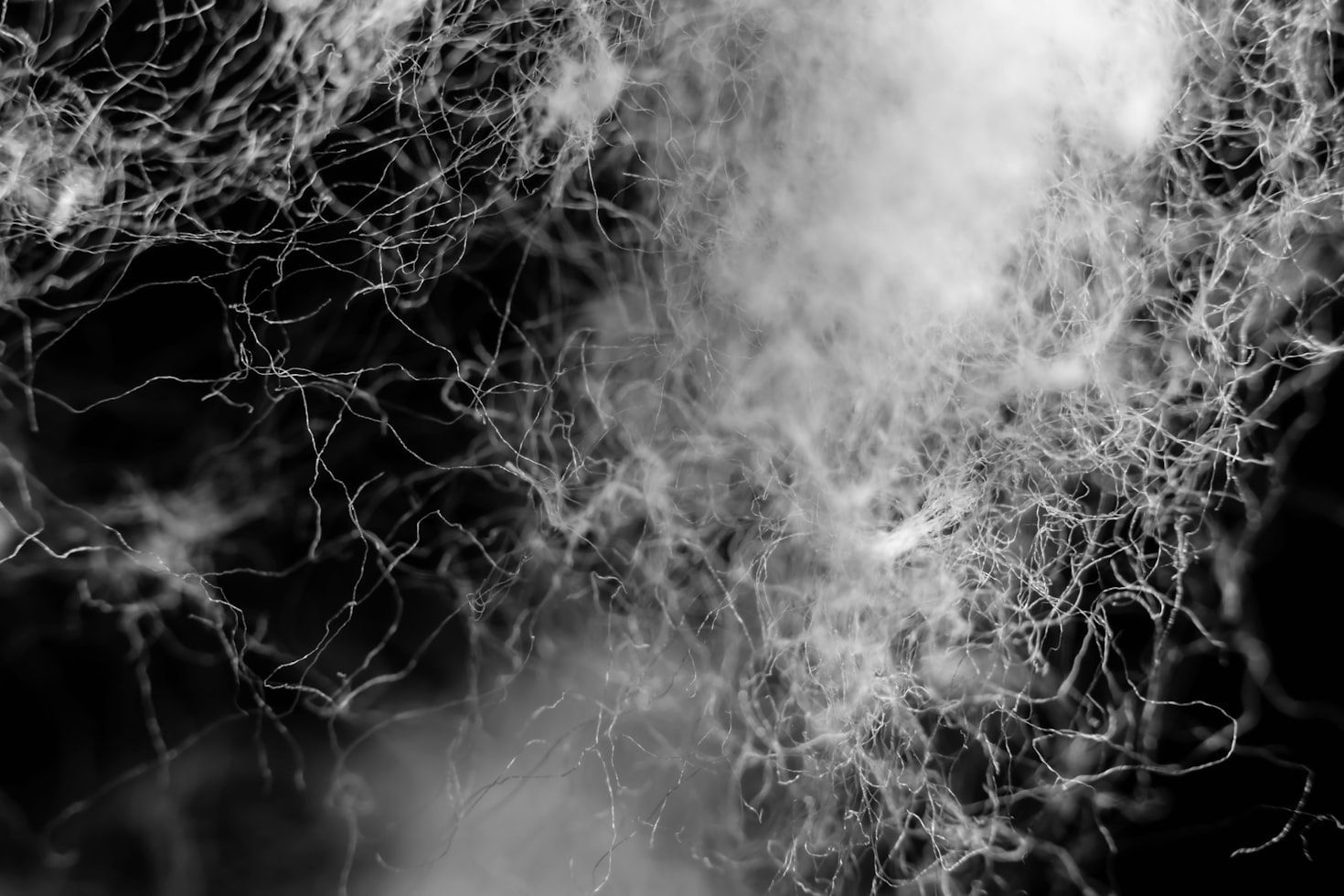
Image: Ian Talmacs

The textile industry emits billions of tons of pollutants every year, but two 28-year-old American twins found a way to make it more sustainable. Neeka and Leila Mashouf created an innovative system that captures C02 and transforms it into biodegradable fibers to create new textiles.

The scientists were able to mimic the process by which trees convert carbon into cellulose, although in their case, they use a chemical reactor. Their discovery could revolutionize the construction sector and the production of packaging, pharmaceuticals, and cosmetics. In 2025, the European Patent Office recognized the Mashouf sisters with the Young Inventors Award.

3

Is the answer to diabetes in stem cells?
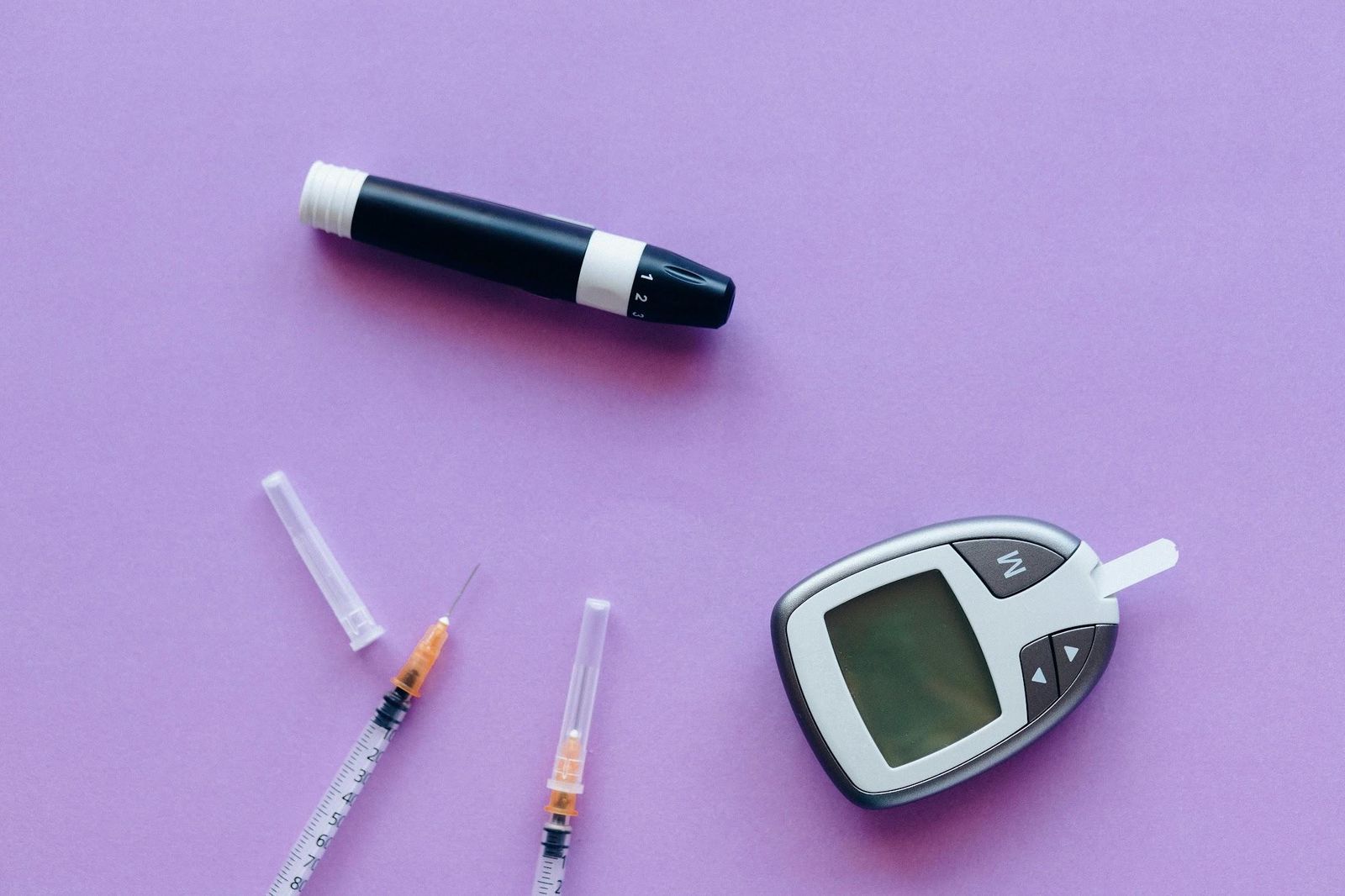
Image: Nataliya Vaitkevich

A 36-year-old Canadian woman diagnosed with type 1 diabetes was part of a stem cell experiment that resulted in her never needing insulin again. Before undergoing this innovative treatment, Amanda Smith had spent nearly a decade of her life constantly measuring her levels and giving herself insulin injections.

Of the 12 patients who received the cells for this study, 10 did not need insulin again for at least a year. The cells were implanted directly into the liver, which means they’ll need to take immunosuppressants to prevent their body from rejecting the cells, which could lead to risks such as infections, cancer, and organ damage.

4

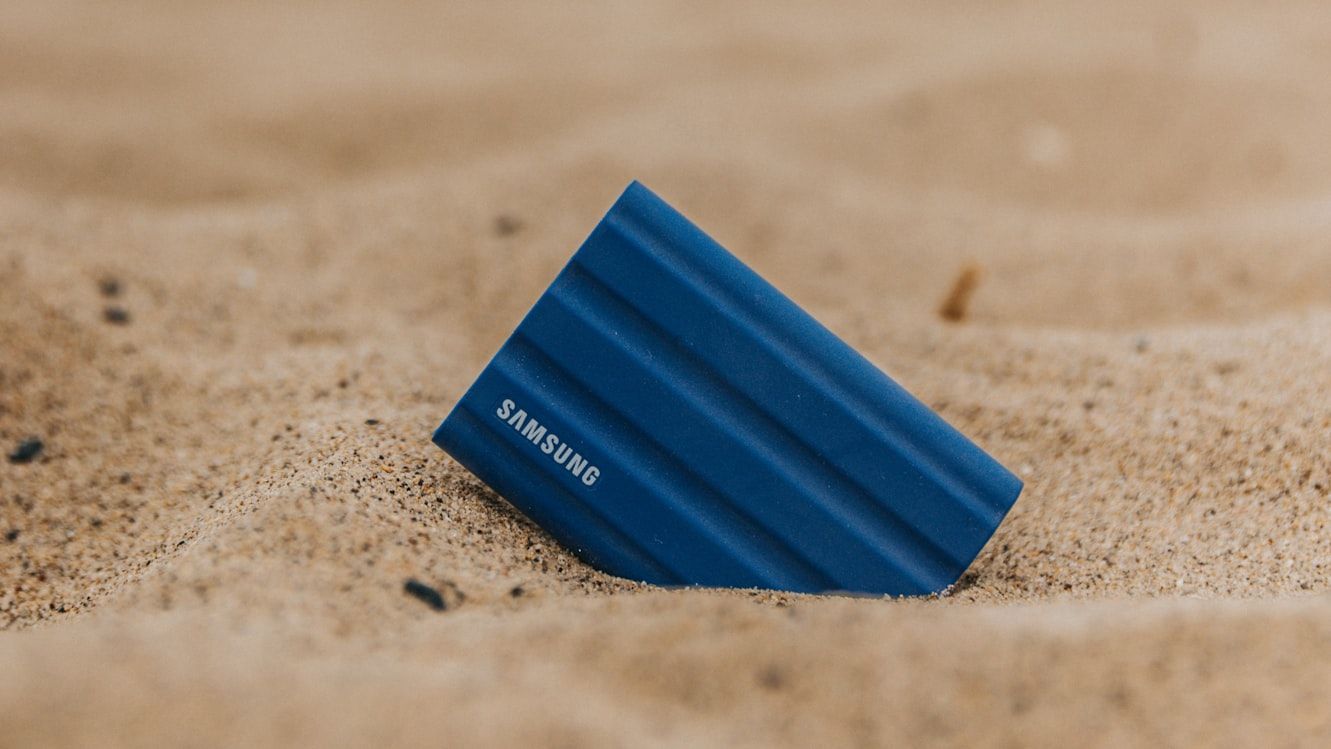
The world's largest sand battery

Image: Samsung Memory

Can you imagine storing energy in sand? This is what a company in Finland was able to achieve by building the largest sand battery in the world.

It is a cylindrical structure capable of storing 100 MWh of thermal energy. The device is charged by heat produced from renewable sources such as the sun or wind, which reduces pollutant emissions by up to 70%. When needed, the energy is released in the form of steam or hot air and can be used for industrial processes or heating systems.

5

Fish are responsible for your toothache
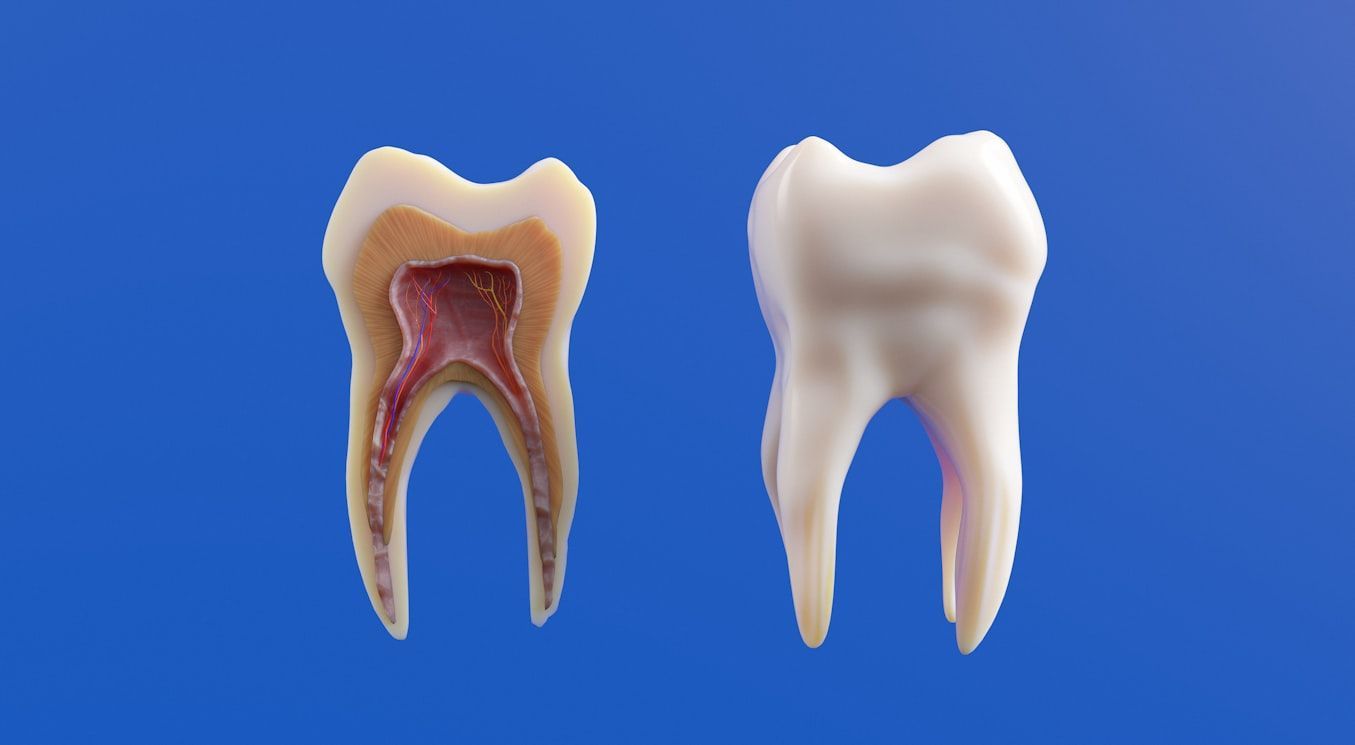
Image: Aakash Dhage

There is nothing worse than a toothache; the good news is, scientists have found the source of our dental sensitivity. The exact origin of teeth has always been a great scientific mystery. Recently, a team from the University of Chicago discovered that the answer lies in a fish from about 465 million years ago.

These creatures had external bumps called odontoids. Those odontoids had a sensory function to detect temperatures and vibrations, and probably evolved to become our teeth. So now you know, the next time you get a toothache, you can blame it on those prehistoric armored fish!

6

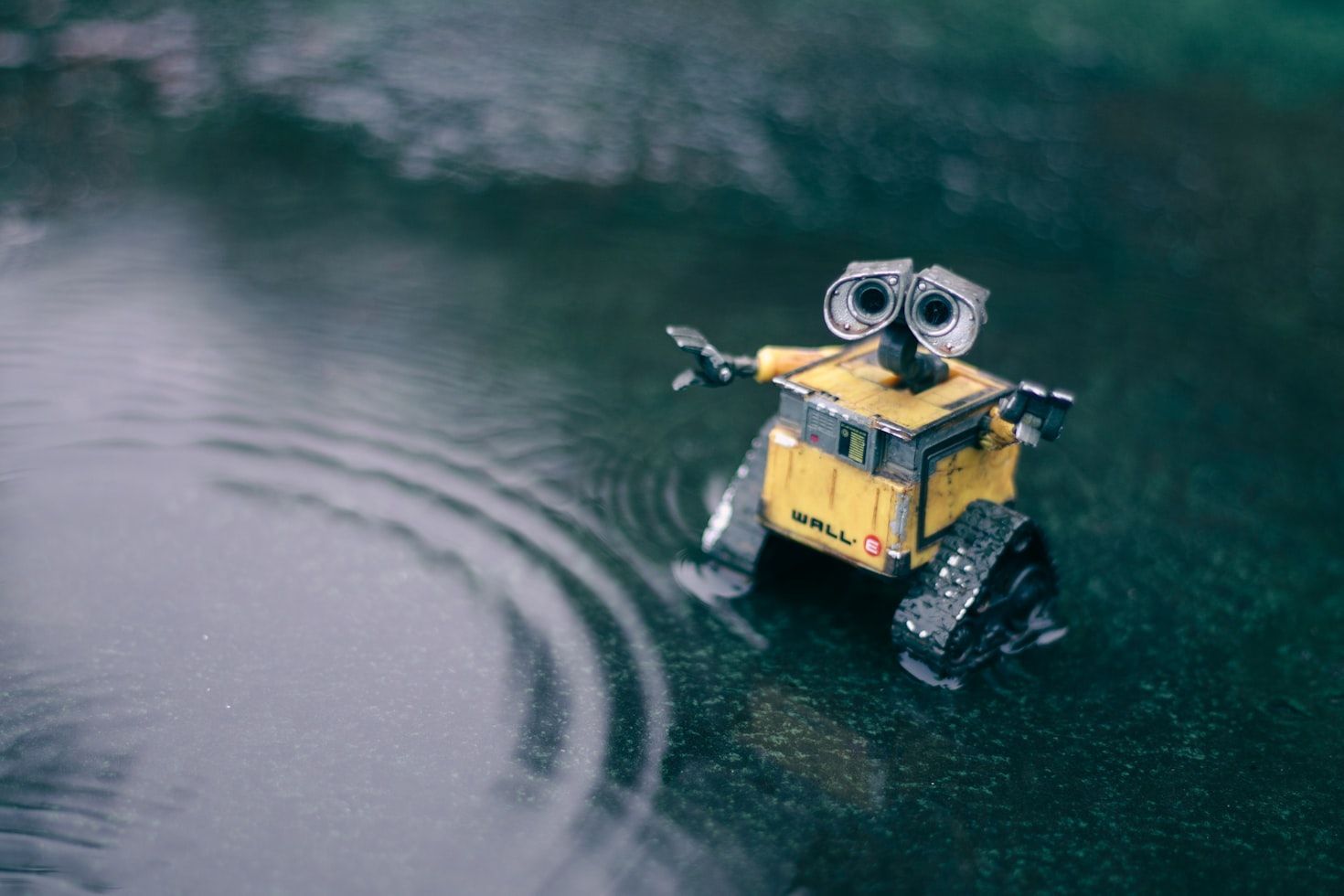
A tiny, eco-friendly aquatic robot

Image: Erik Mclean

A group of Swiss researchers has developed an innovative robot that could change the way research is conducted in aquatic environments. It uses surface tension to move through the water in the same way as some insects do.

The tiny robot is shaped like a boat and is built out of fish food, which turns it into food for wildlife at the end of its useful life. The design, which also uses biodegradable fuel, is particularly efficient as it doesn’t rely on plastics, batteries, and electronic components to operate. These robots are expected to collect environmental data on water pH, temperature, pollutants, and the presence of microorganisms.

7

Plastic can be converted into painkillers

Image: Anna Shvets

Scientists at the University of Edinburgh were able to use E. coli bacteria to convert the molecules of PET plastic, usually used in water bottles, into acetaminophen, better known as paracetamol, a medicine that you have probably taken to treat the flu.

By genetically modifying the bacteria and through a fermentation process, they were able to turn plastic into paracetamol in just 24 hours with a 92% effectiveness. How is this possible? Paracetamol is also a petroleum derivative; it is produced by converting a molecule known as terephthalic acid into the drug's active ingredient. For now, the experiment has only been achieved in the laboratory and in low quantities, but it is a major breakthrough in the fight against environmental pollution.

8

The ashes of your loved ones can become artificial reefs

Image: yang wewe

No, it's not the plot of some science fiction movie. A UK company has found an out-of-the-box solution to fight funeral industry pollution: by mixing the ashes of your loved ones with pieces of seashells to create artificial reefs that can support deep-sea life.

So far, the company has worked only with pet ashes, whose artificial reefs were left in Bali. They hope to be able to start human "sea graveyards" in 2026. What do you think of this idea?

9

An electronic tattoo that measures stress
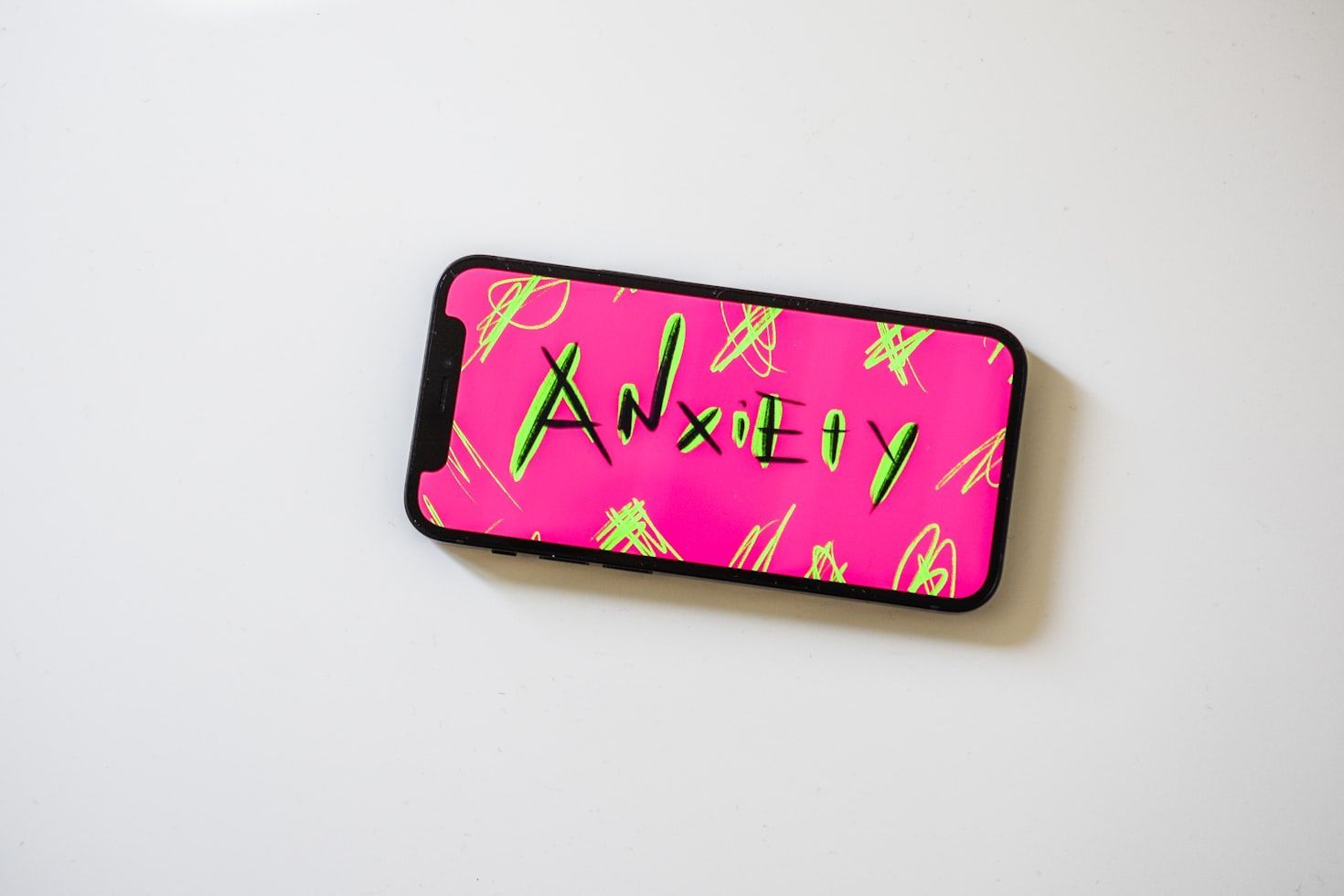
Image: Nik

We have all felt overwhelmed at one time or another; however, due to the fast-paced culture we live in, we often don't realize it and continue to work nonstop. A group of researchers may have found a solution.

Through sensors, an electronic tattoo that sticks to the skin without adhesive can track brain and eye activity to determine mental fatigue. And it not only detects stress, but can also predict it! This discovery will undoubtedly be essential in work environments, but also to remind us that sometimes we need to take a breath before we reach complete burnout.

10

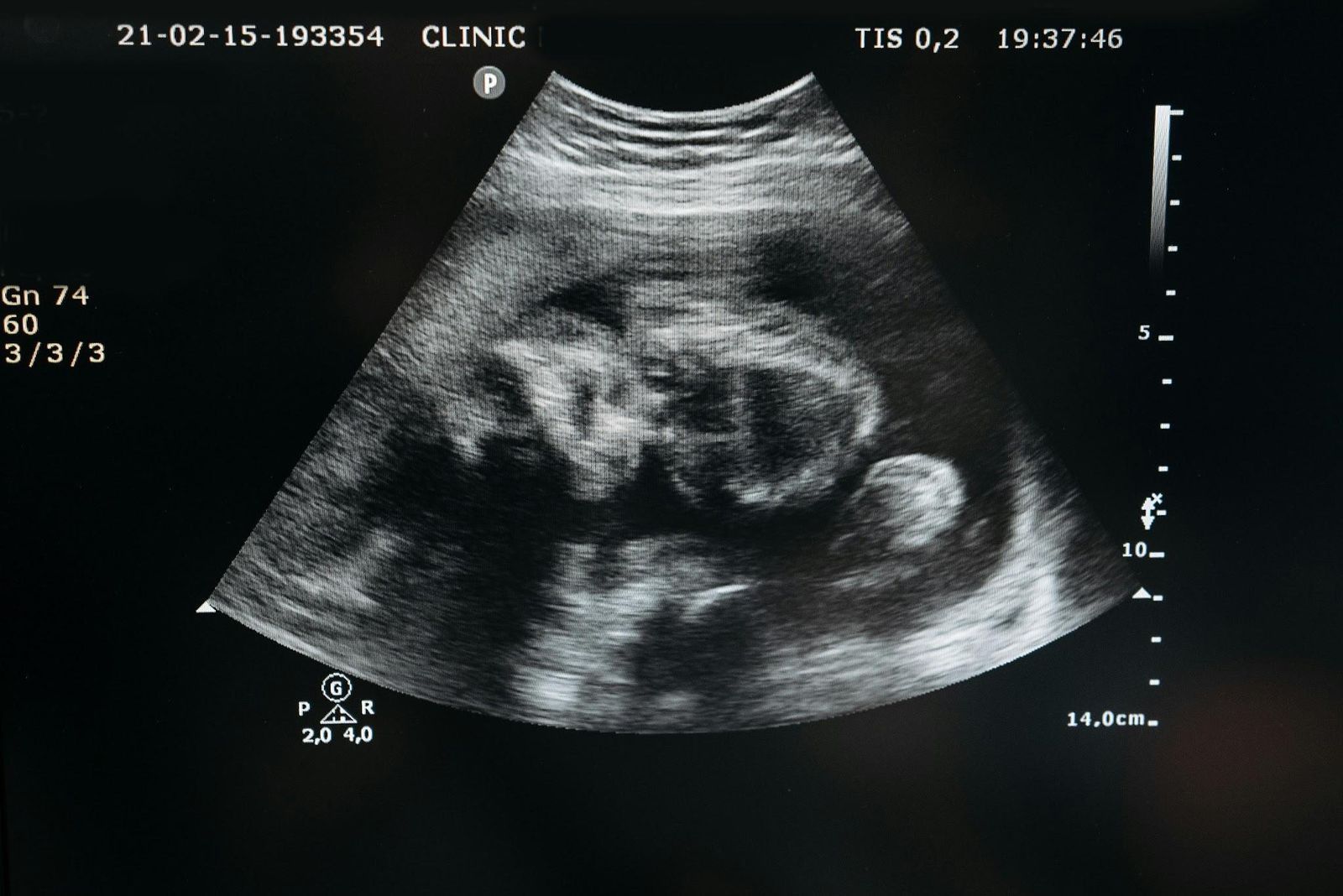
Babies by design

Image: Pavel Danilyuk

The New York-based startup Nucleus Genomics has launched a "genetic optimization" service that allows parents to analyze embryos to determine physical traits and even the IQ their baby will have before in vitro fertilization.

Although these types of services already existed, they only focused on potential health issues instead of other physical traits such as intelligence, height, or eye color. Nucleus Genomics’s new approach raises a whole ethical debate about genetic medicine. Do you agree with this type of manipulation of nature?
Translation and interpretation

Was the forbidden fruit really an apple? 10 Bible surprises


Published on September 8, 2026


Image: Mariordo, CC BY-SA 4.0, via Wikimedia Commons

What if some of the Bible stories you grew up with aren't exactly what the Bible says? Was the forbidden fruit really an apple? Were there actually three Wise Men? Did "God helps those who help themselves" really come from the Bible? Over centuries, translations, traditions, and famous works of art have added details that became so familiar, we stopped questioning them. But go back to the texts, and some of these stories look surprisingly different. From Eve's "apple" to the date of Jesus' birth, here are 10 familiar parts of the Bible that may not be quite what we remember.

1

The forbidden fruit was an apple

Image: Albrecht Dürer, Public domain, via Wikimedia Commons

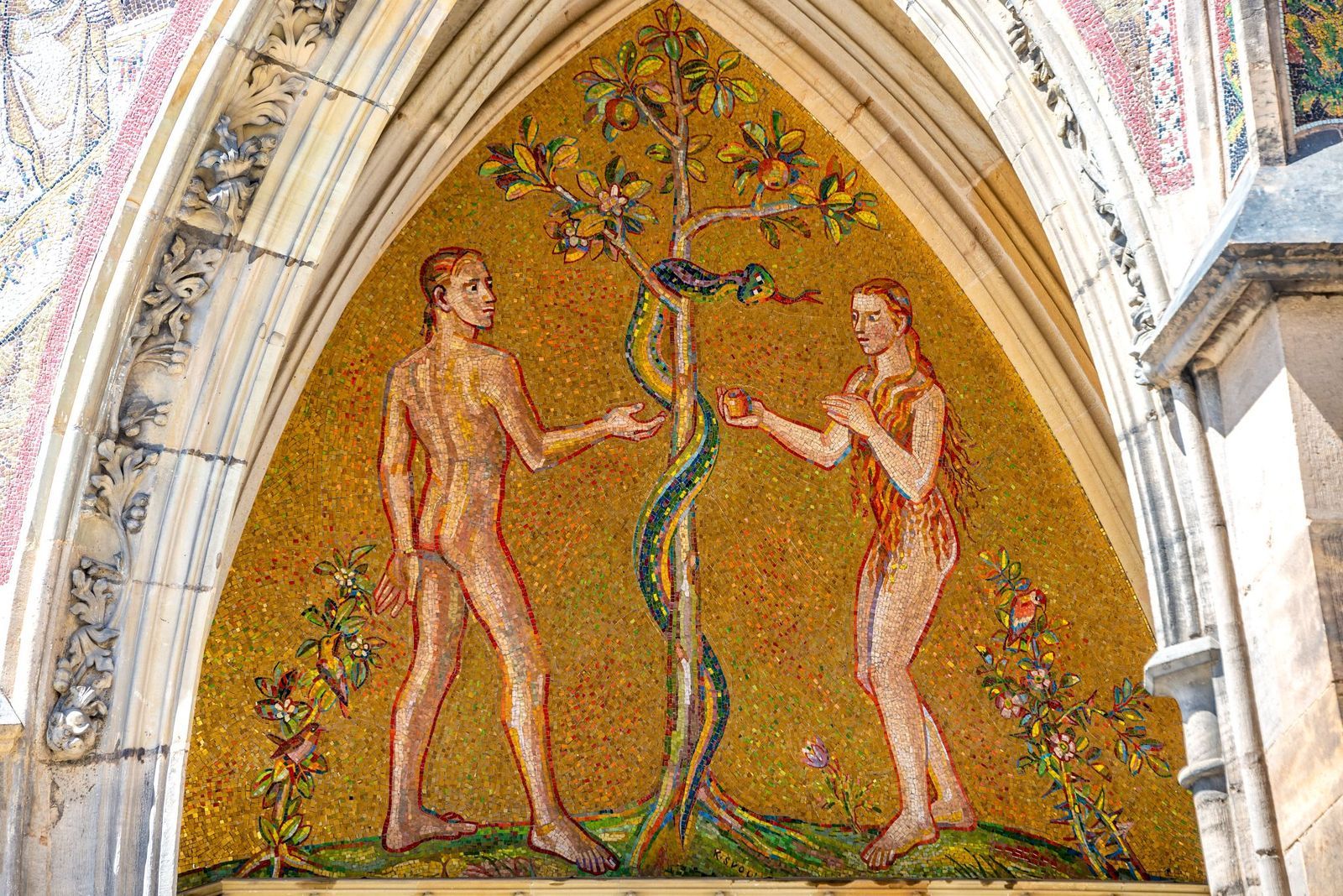
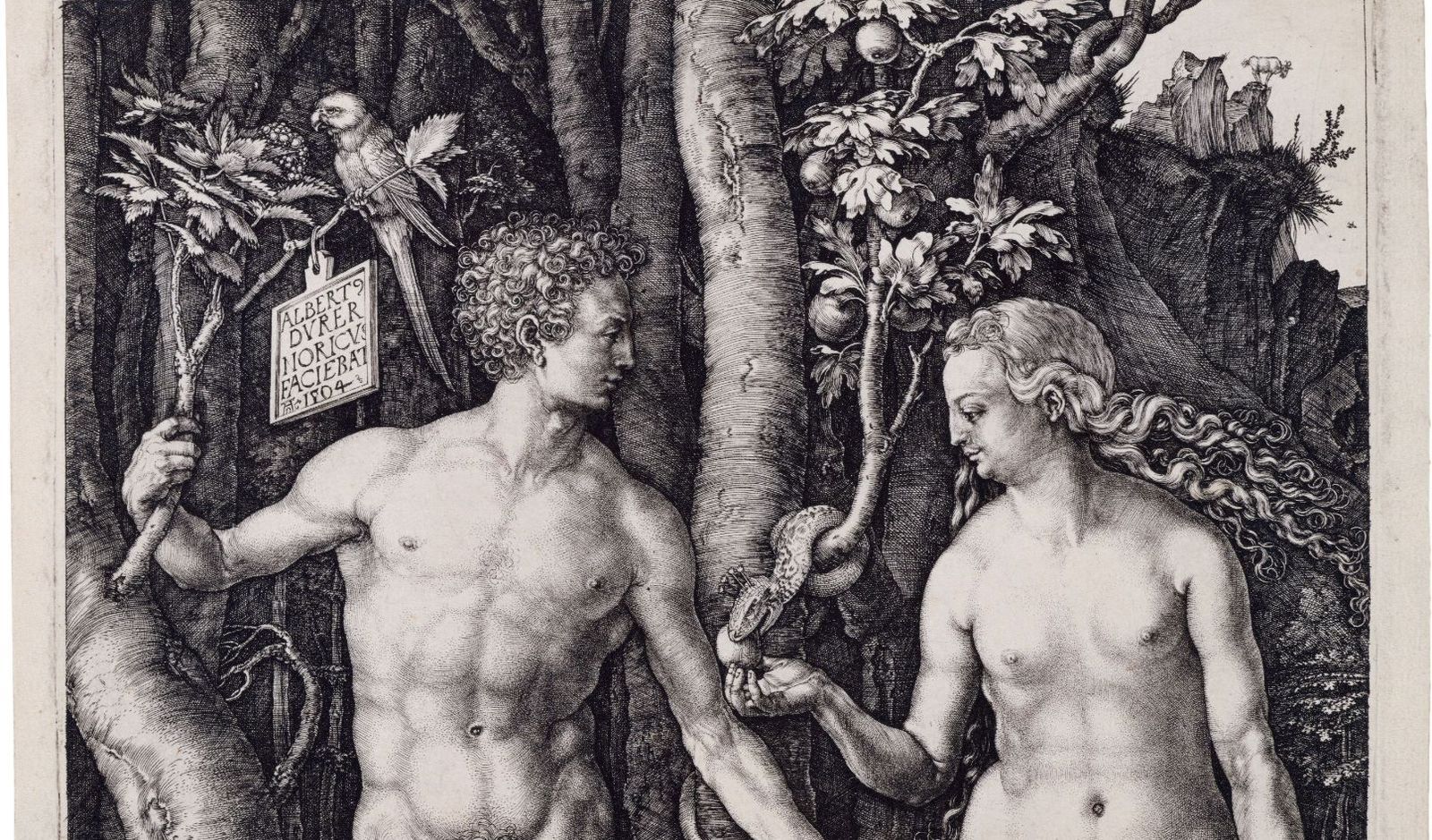
When you picture the Garden of Eden, what fruit comes to mind? Most people imagine an apple, but there's just one problem: the Bible never says it was an apple.

In the Book of Genesis, the fruit is simply called "the fruit of the tree of the knowledge of good and evil." The original Hebrew text uses the word peri, which simply means "fruit." The apple connection came centuries later, largely through the Latin translation. The Latin word malum can mean both "apple" and "evil," making it an especially fitting symbol for the story. Over time, that association spread through Christian art and literature. Famous works such as Albrecht Dürer’s 1504 engraving Adam and Eve (also known as The Fall of Man) helped cement the image of Eve holding an apple. Today, it's one of the most famous scenes in history, even though the original biblical text doesn’t identify the fruit as an apple at all.

2

There were three wise men/kings

Image: Rawpixel.com

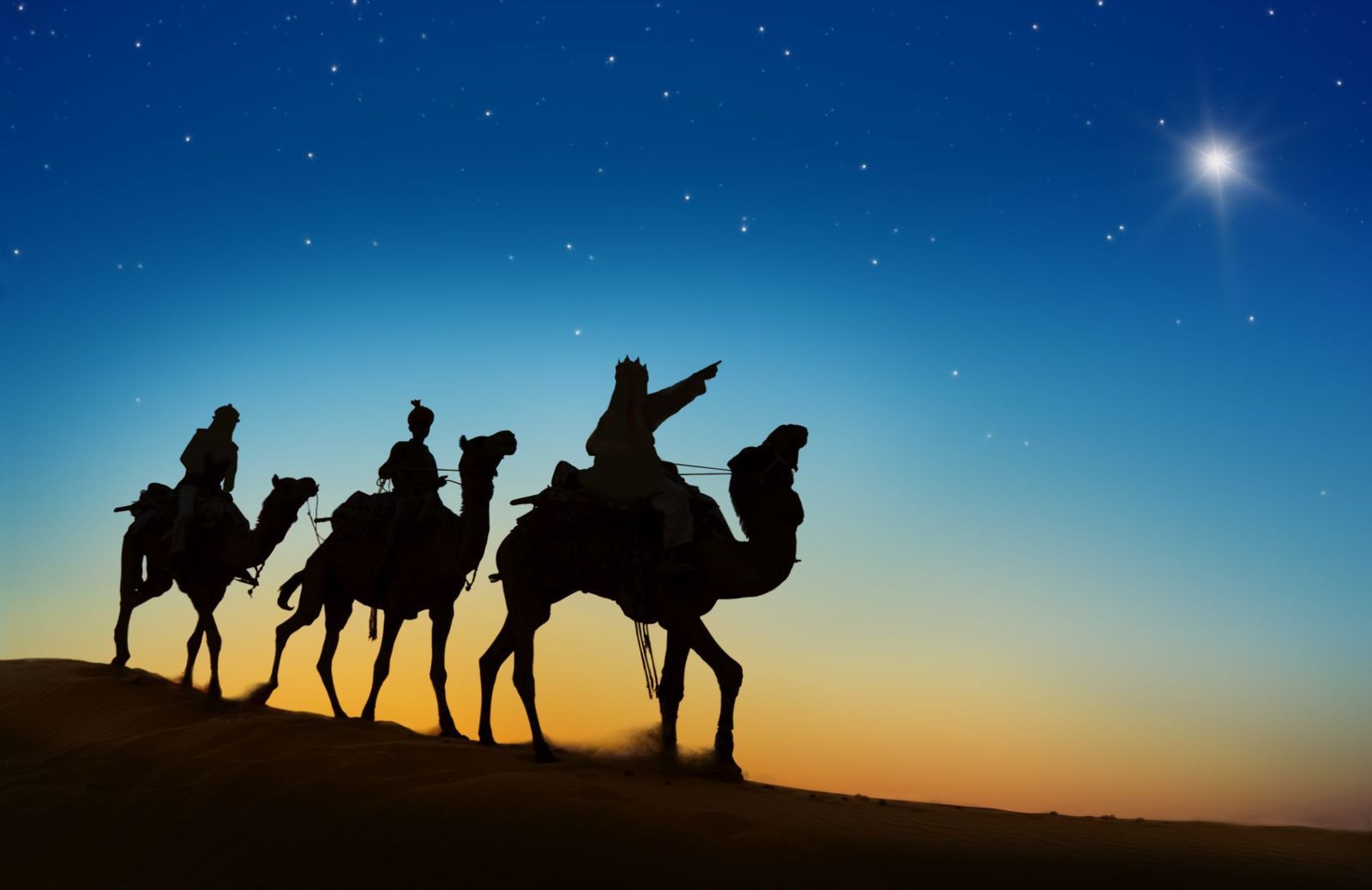
The story of Jesus' birth is so famous that most of us picture the Three Wise Men, sometimes called the Three Kings, standing beside the manger. But the thing is, over the centuries, the story picked up a few details that aren't actually in the Bible.

In the Gospel of Matthew, the only Gospel that mentions these visitors, they are described simply as Magi from the East. The original Greek word, magoi, referred to learned scholars, astrologers, or priests from Persia or Babylon, not kings. But where did the number three come from? Matthew lists three gifts: gold, frankincense, and myrrh, but never says how many visitors brought them. Over the centuries, people naturally assumed there must have been three Magi, one for each gift. Even their familiar names, Melchior, Caspar, and Balthasar, were added later by Christian tradition. So, neither the number of visitors nor their names appears anywhere in the biblical text.

3

"God helps those who help themselves"

Image: Adam Nir

Whether it's used to motivate a friend, encourage a family member, or push yourself to finally make a difficult decision, "God helps those who help themselves" is one of the most familiar religious sayings in America. But here's the surprise: those words never appear in the Bible.

The idea can be traced to ancient Greek sources, including Aesop’s Fables, where the saying appears in an earlier form: "The gods help them that help themselves." The exact modern wording was written by English politician Algernon Sidney in 1698, but it was Benjamin Franklin who helped make it part of American culture when he included it in his 1736 edition of Poor Richard’s Almanack.

4

"Cleanliness is next to godliness"

Image: John Jackson, CC BY 4.0, via Wikimedia Commons

Many teenagers have heard "Cleanliness is next to godliness" when it was time to clean their rooms. But despite sounding like a Bible verse, the phrase never appears in Scripture.

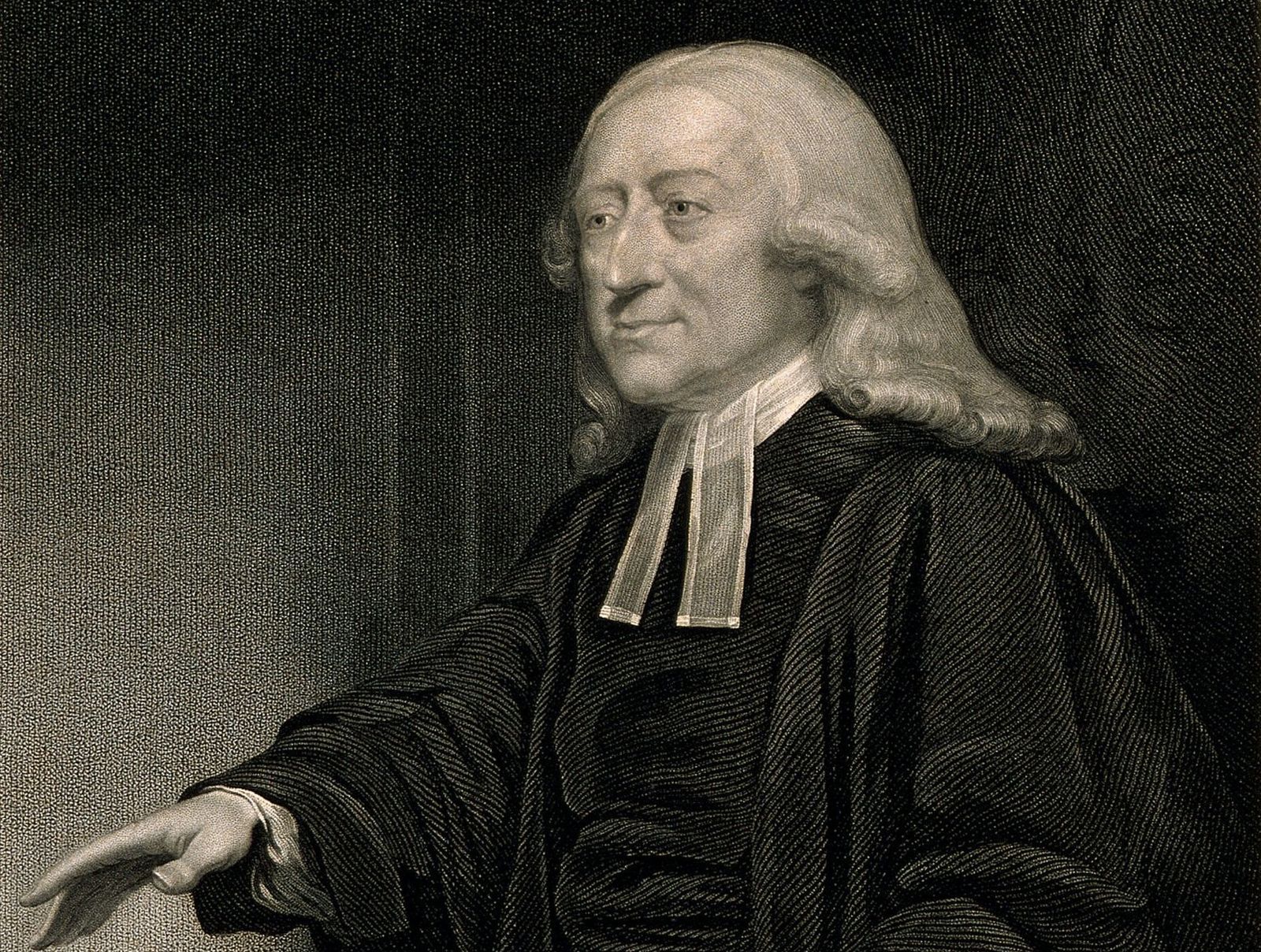
The Bible, particularly Leviticus, does contain extensive laws requiring people to wash their bodies and clothes in certain circumstances, especially before religious rituals. But the famous saying itself came much later. In 1605, Francis Bacon wrote in The Advancement of Learning that "cleanness of body" was connected to reverence for God. Then, in 1786, it was Methodist leader John Wesley who used the wording we recognize today in a sermon: "Cleanliness is indeed next to Godliness." Over time, the phrase became a familiar saying that many people simply assumed came from the Bible.

5

The date of Jesus' birth

Image: http://www.parrocchiasantagata.org, CC0, via Wikimedia Commons

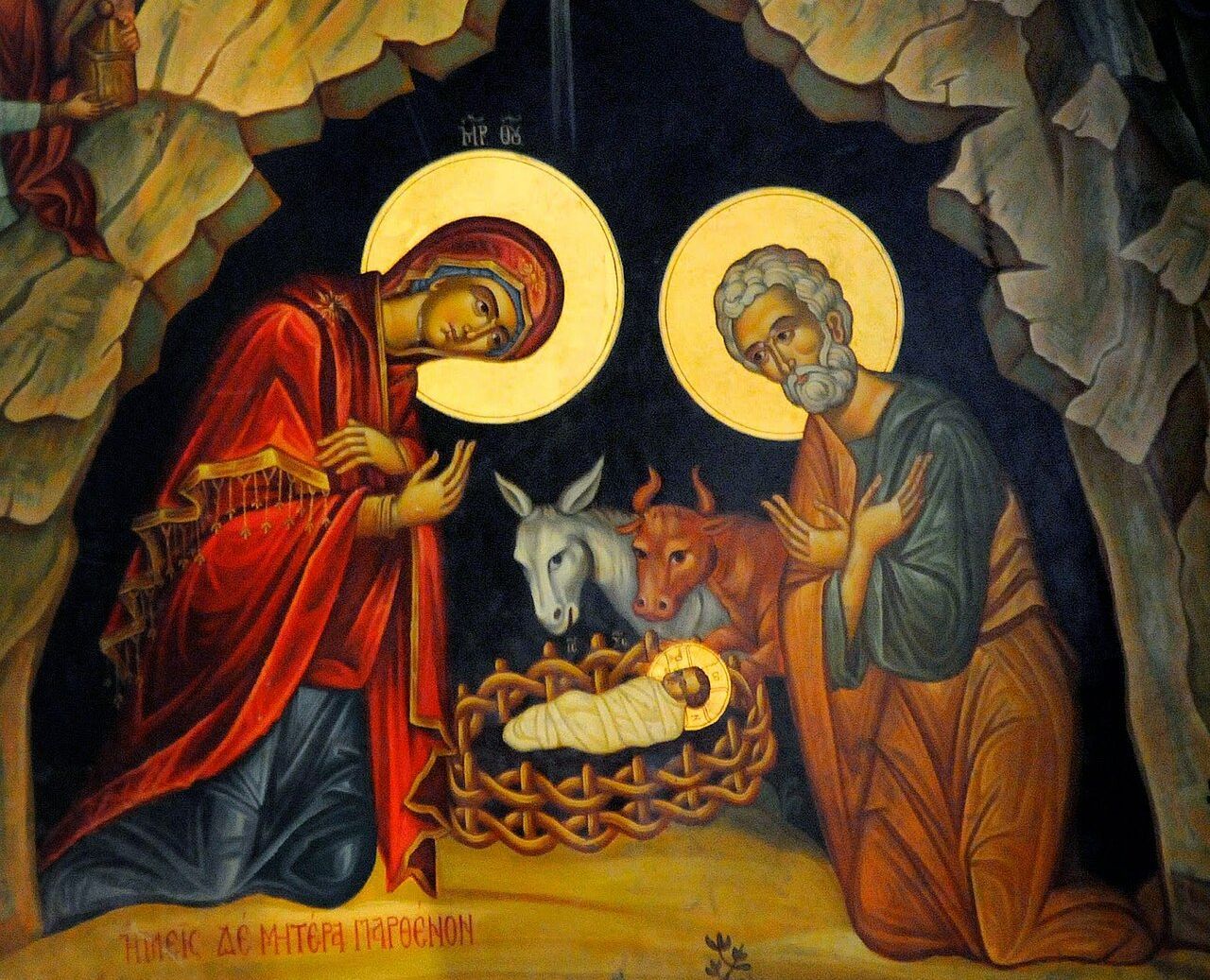
When it comes to famous dates, December 25 may be the most recognizable of all, universally associated with Christmas. But here's the surprising part: the Bible never gives any specific date for Jesus' birth.

The Gospels of Matthew and Luke describe the Nativity but never provide a calendar date, so how did December 25 become Christmas? There are two leading theories. The first is that the Roman Church was celebrating Christmas on December 25 by 336 AD, during Constantine's reign, possibly choosing the date to coincide with existing Roman winter festivals and make it easier to convert the empire to Christianity. The second points to an early Christian tradition that calculated Jesus' birth date from the supposed date of his crucifixion, eventually arriving at December 25.

6

Jonah and the Whale

Image: Pieter Lastman, Public domain, via Wikimedia Commons

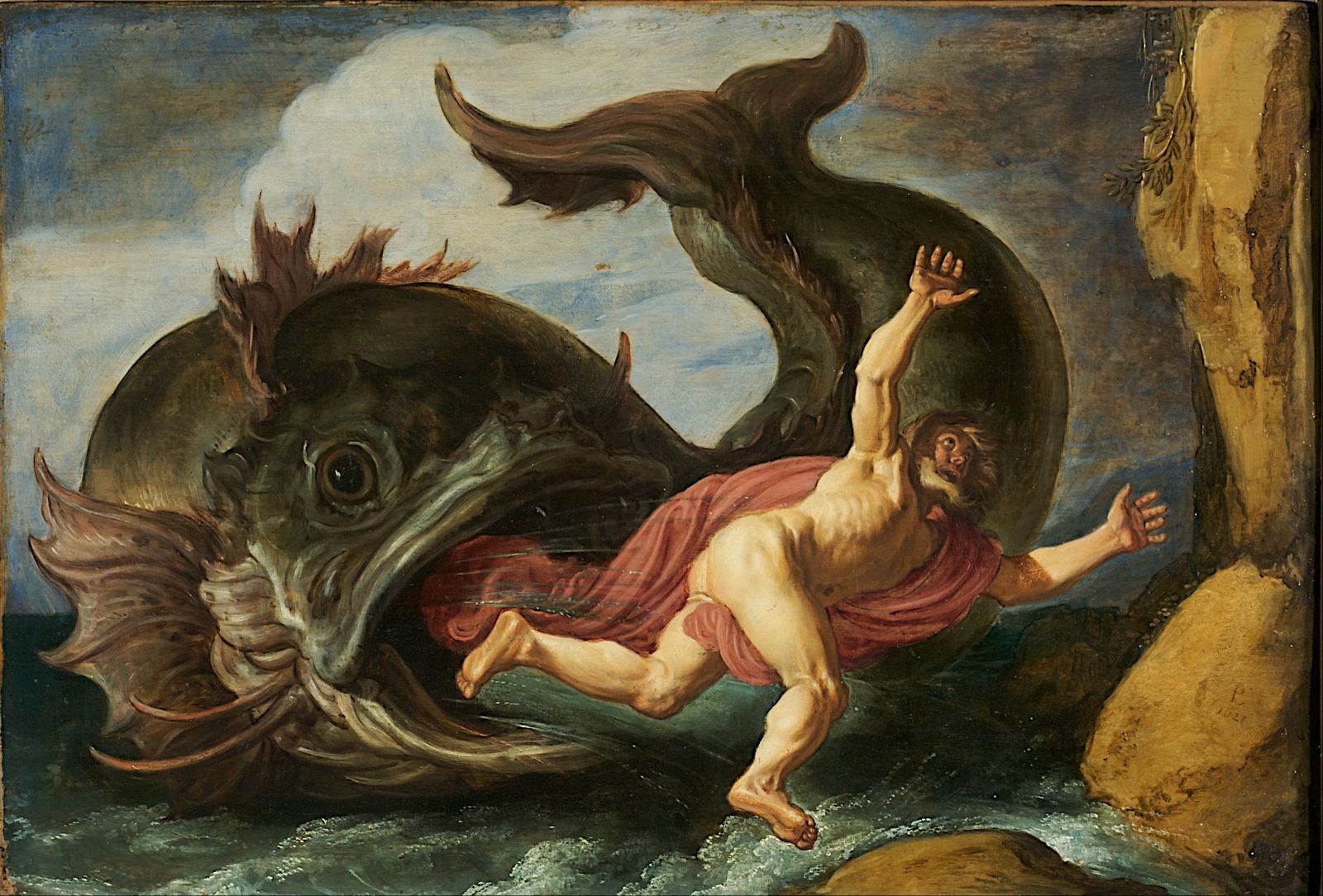
The story of Jonah and the Whale is so famous that it has appeared literally or symbolically in innumerable works of art and literature, from Michelangelo's Sistine Chapel ceiling (1508-1512) to Herman Melville's 1851 novel Moby-Dick. But there's a small problem with the title we've given it: the Bible doesn’t actually say it was a whale.

In the Old Testament, the original Hebrew text of Jonah 1:17 uses the words dag gadol, meaning "great fish" or "large fish"; it doesn't identify the creature as a whale, or even specify what kind of fish it was. Most modern English translations therefore stick with "great fish," but the familiar "whale" interpretation developed through older translations and later European tradition, eventually becoming so widespread that "Jonah and the Whale" became the name almost everyone recognizes.

7

The serpent in Eden was Satan

Image: neurobit

Just as we've always pictured the forbidden fruit as an apple, many of us also assume the serpent in the Garden of Eden is the devil himself. But the original story is a little more complicated.

A plain reading of Genesis depicts the creature simply as a serpent or snake, using the Hebrew word nachash. It describes the serpent as clever and crafty, but it never calls it Satan or explicitly identifies it as the devil. So where did the connection come from? The answer comes from later parts of the Bible, particularly the New Testament. In Revelation 12:9 and 20:2, Satan is called "the ancient serpent" (ho ophis ho archaios in Greek), connecting him to the snake of Eden. Over time, Christian tradition applied that later connection back to Genesis, leading to the familiar belief that the serpent was Satan himself.

8

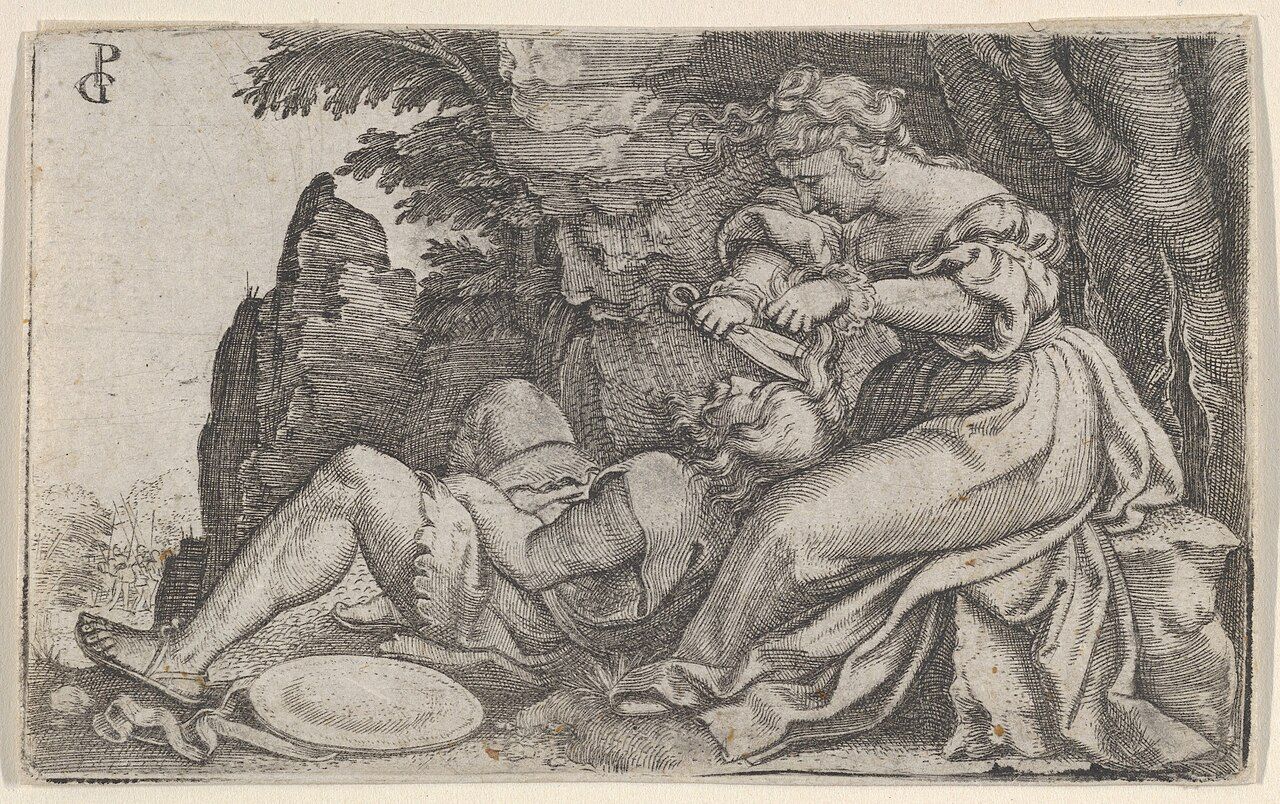
Delilah Cut Samson’s Hair

Image: Georg Pencz, CC0, via Wikimedia Commons

Many of us remember Samson for his legendary strength and the long hair that was said to be the source of his power. His story with Delilah is one of the Bible's most famous tales of betrayal, but there's one detail some people may have gotten wrong: Delilah didn't actually cut his long hair.

In Judges 16:19, Delilah has Samson's hair shaved while he sleeps on her lap. The text says she called for a man to do the shaving; it never says she did it herself. Yet paintings, films, and other retellings have often shown Delilah wielding the scissors herself, cementing that image in popular culture. It can be considered a small detail, but it’s a great example of how easily familiar Bible stories can pick up elements that aren't actually in the original text.

9

The Bible is a single-voice book

Image: Pixel-Shot

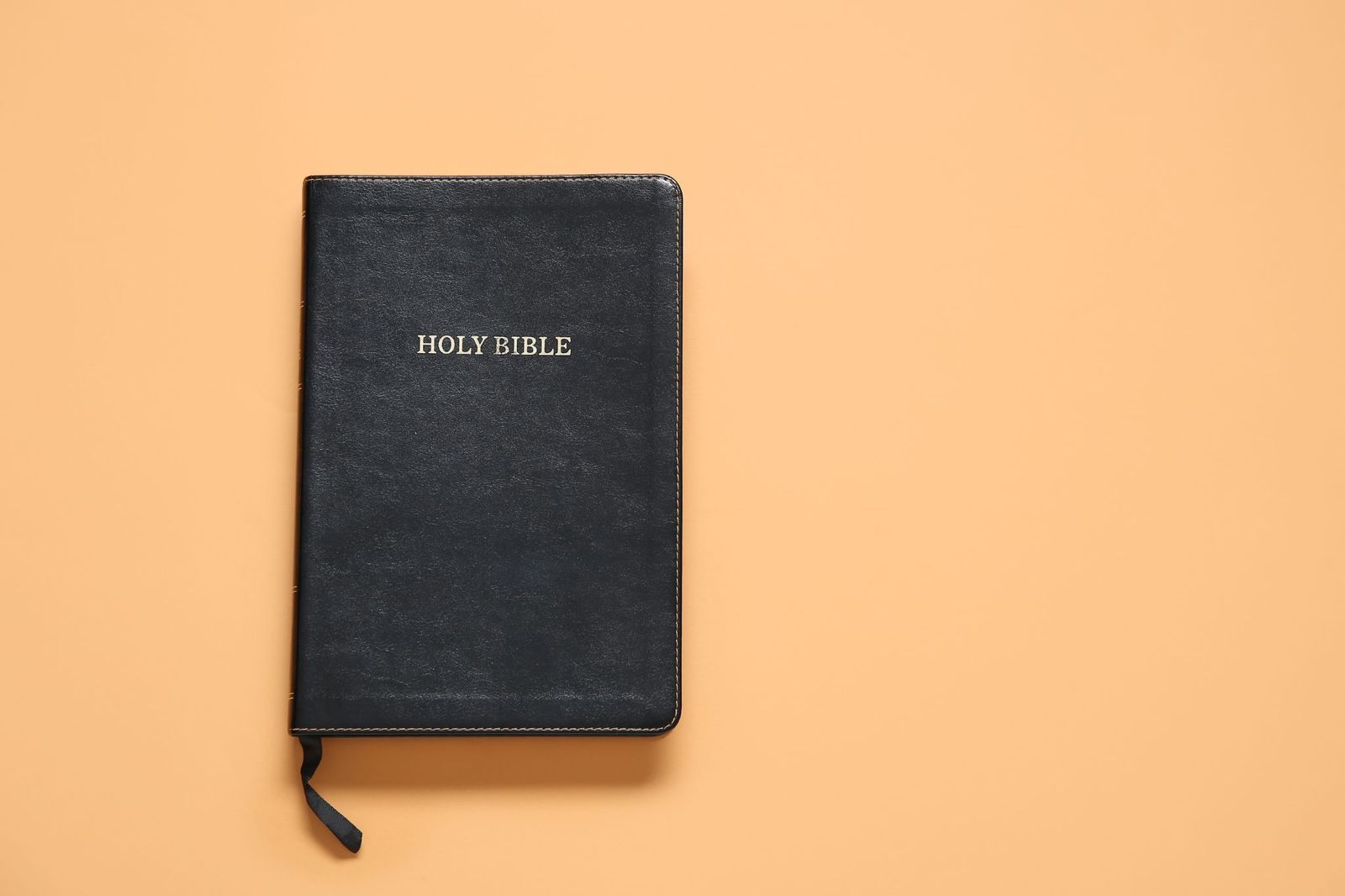
Many of us think of the Bible as a single book, written at one particular time by one author, or perhaps a handful of them. After all, that's how it looks when you pick one up in a hotel room, but its history is far more complicated.

The Bible is actually a collection of books written by over 40 authors over roughly 1,500 years, from about 1400 BC to AD 100. The exact number of books varies by religious tradition: Protestant Bibles contain 66 books, while Catholic and Orthodox traditions include additional books. Across these different traditions, the writings were produced by kings, prophets, fishermen, and scholars in Hebrew, Aramaic, and Greek. They also span a tremendous range of literary styles, including history, poetry, songs, laws, letters, and prophecy. So while we hold it as one book today, the Bible is actually a collection of many different writings produced across centuries.

10

Original manuscripts still exist

Image: https://www.themorgan.org/manuscript/350198, Public domain, via Wikimedia Commons

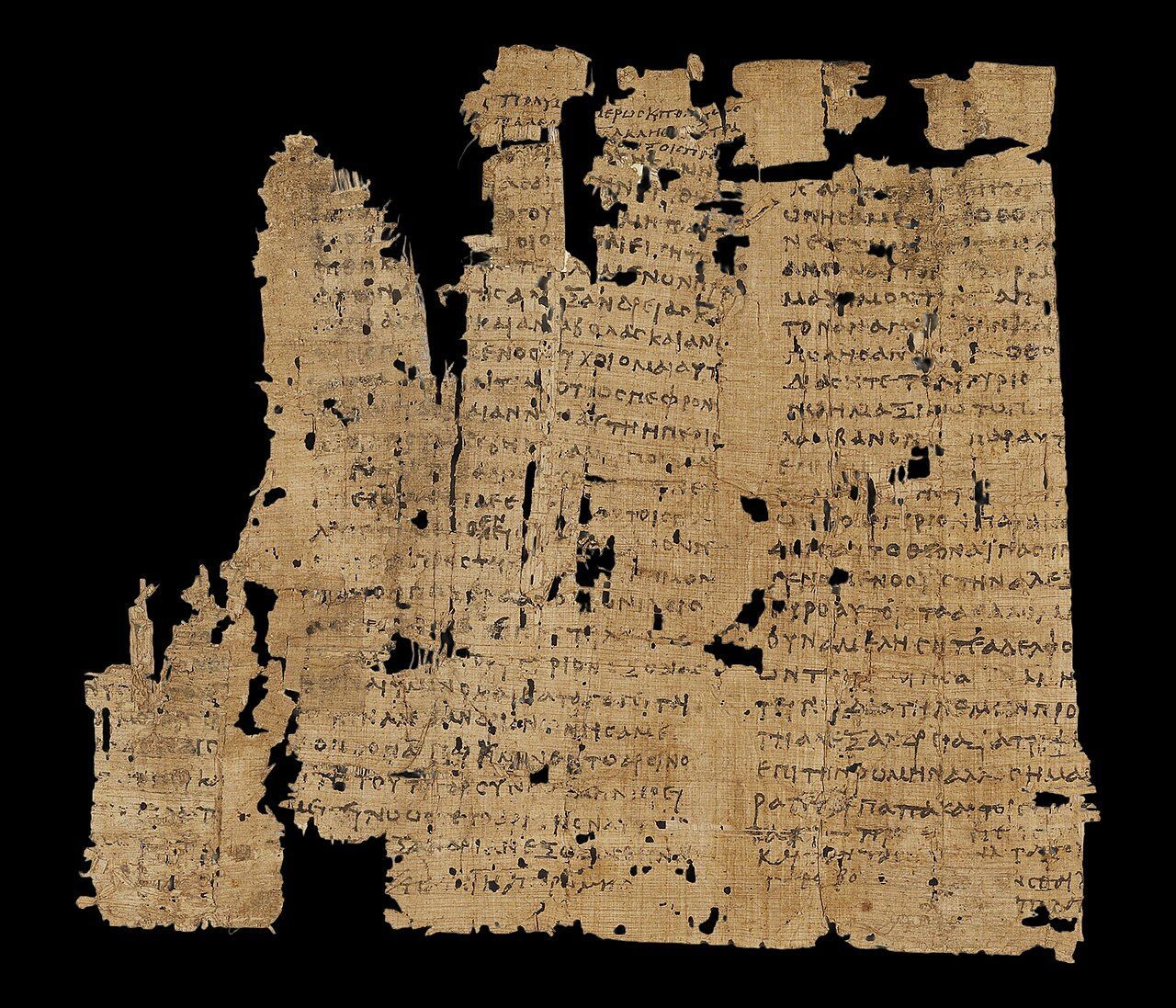
Many people assume that at least a few original fragments of the Bible must still exist somewhere. It would be incredible if they did, but none of the original manuscripts, known as autographs, have survived.

The earliest biblical texts were written on fragile materials such as papyrus and animal skins, which could deteriorate through humidity, heat, handling, and simple age. Wars, fires, and other destruction also contributed to their disappearance. So how do we know what the originals said? Through a technique called textual criticism: expert scholars compare thousands of handwritten copies, ancient translations, and quotations from early Christian writers. When they find passages that match across different sources, or differences that reveal how a text changed over time, they can work backward to determine what the original most likely said, even though the original manuscripts themselves are gone.

Looking for an extra scoop of literary fun?

Learn more with our Word of the day

lambent

/ˈlæmbənt/