You’ve been lied to!

Medical misconceptions you surely have and don't know!


Published on January 17, 2026


Image: National Cancer Institute

You’ve surely heard that staying out in the cold will give you a cold, right? But is that true? And what about cracking your knuckles? Is that habit really so harmful? Science may have medicine’s back, but it’s not free from myths and misconceptions. Regardless of where they come from, we all believe some things to be true… but aren’t!

Today, we’re putting six common medical myths to the test. Place your bets before you get to the next section; some might surprise you, others might make you laugh, but all will set the record straight once and for all!

1

Myth: Microwaving food destroys nutrients
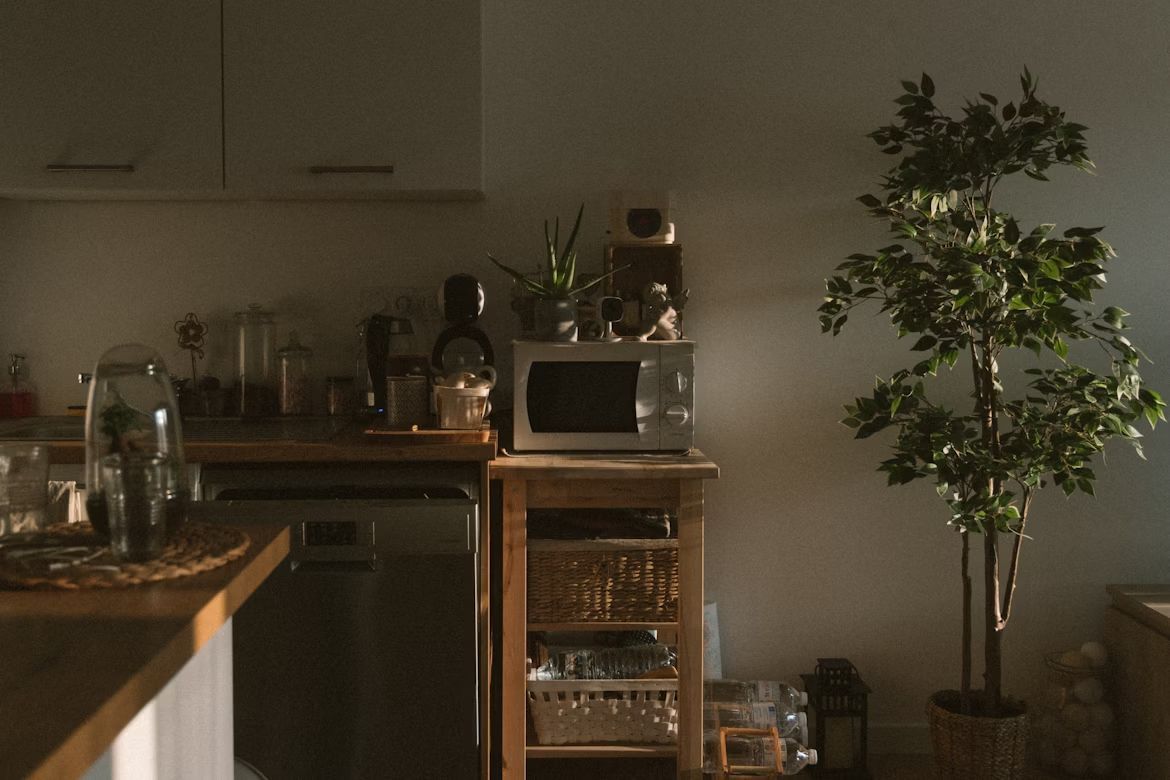
Image: Howard Bouchevereau

Many people worry that using a microwave to heat or cook food zaps away the nutrients, making meals less healthy.

Why? Since microwaves use electromagnetic waves, some believe they might be harmful, similar to radiation exposure. Others think traditional cooking methods like boiling or steaming are better at preserving nutrients.

So, what do you think? Is your microwave secretly robbing your food of its goodness?

2

Truth: Microwaves are one of the healthiest cooking methods
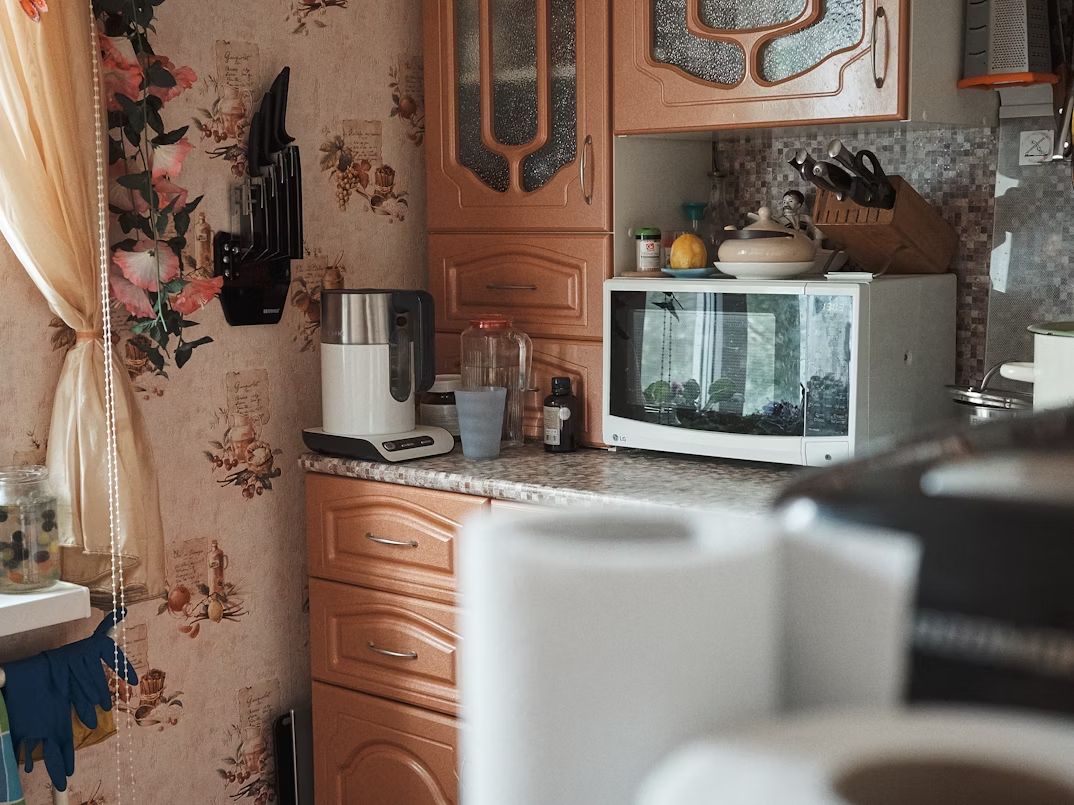
Image: Vlad Zaytsev

Good news: your microwave is not ruining your food! In fact, microwaving can help preserve nutrients better than many other cooking methods.

Nutrient loss mainly depends on temperature, cooking time, and how much water is used. Since microwaves cook food quickly and with minimal water, they actually retain more vitamins than boiling or frying.

And as for radiation? Microwaves use safe, non-ionizing radiation, nothing like nuclear energy. You’re safe to go!

3

Myth: Sleeping with wet hair gives you a cold

Image: Clay Banks

Your parents or grandparents may have warned you never to go to bed with wet hair or you’d wake up with the sniffles. (Why does everything end the same way?) The idea seems reasonable, being cold and damp does feel like a recipe for illness, right? But can a little leftover shower moisture really put you out of commission? What’s your answer?

4

Truth: Viruses cause colds, not wet hair
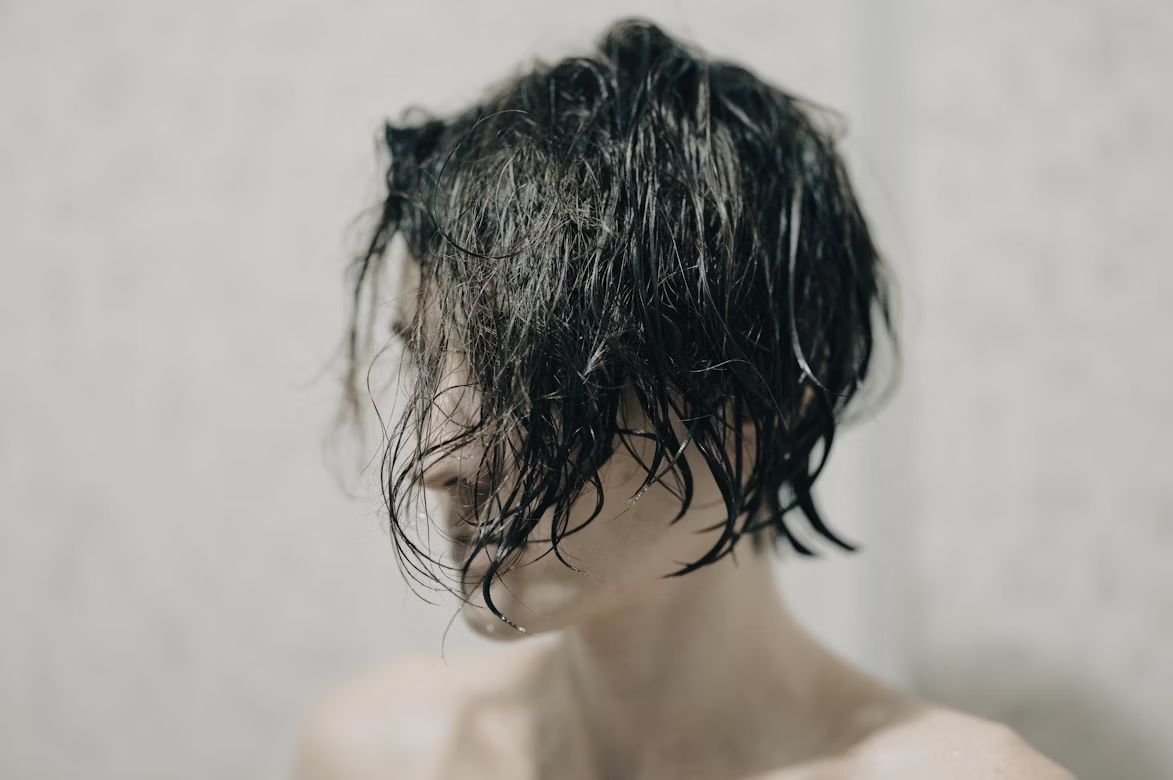
Image: engin akyurt

This is also a myth! While sleeping with wet hair might be uncomfortable, it won’t actually give you a cold. Colds are caused by viruses, which you can only catch from other people, not from chilly air or damp pillows.

However, wet hair can make your pillow damp, which could create a breeding ground for bacteria and fungus. Needless to say, you might wake up needing more than just a gentle brush. But as for catching a cold? No virus, no problem!

5

Myth: You should always peel fruits and vegetables

Image: Jacopo Maiarelli

Some people believe that fruit and veggie skins are dirty, hard to digest, or even unhealthy. Are you one of them?

Others think peeling removes pesticides and makes produce safer to eat, and that kind of makes sense. So much so that grocery store produce sections are full of pre-peeled options, reinforcing the idea that skinless is better. But what if you’re actually throwing away some of the best parts?

6

Truth: Fruit and veggie skins are packed with nutrients

Image: Sharon Pittaway

Peeling produce removes fiber, vitamins, and antioxidants, which are often most concentrated in the skin. For example, an unpeeled apple contains up to 300% more vitamin K and 140% more vitamin A than a peeled one.

Potato skins are loaded with vitamin C, and citrus peels contain powerful antioxidants. Instead of peeling, make sure you wash your produce thoroughly to remove dirt and pesticides. Your bod—and your taste buds—will thank you!

7

Myth: Cracking your knuckles causes arthritis

Image: engin akyurt

For years, people have warned against cracking their knuckles, claiming it could lead to painful arthritis later in life.

The noise it makes reinforces the idea that something is breaking in there, don’t you think? Many parents, and countless teachers, scold knuckle-crackers, fearing they’ll regret it when they’re older. But does this everyday habit really put you on the fast track to arthritis? Place your bets before you keep reading!

8

Truth: Cracking knuckles is annoying, but harmless
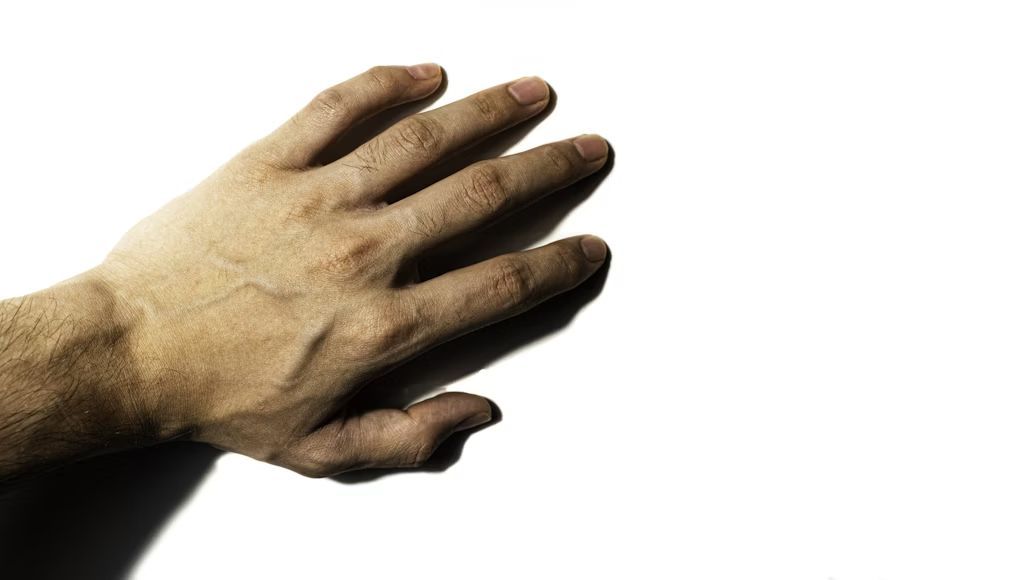
Image: Scheich Méshaël Zāhedd

Despite the dramatic popping sound, cracking your knuckles doesn’t cause arthritis. So where does that sound come from? It’s actually gas bubbles in the joint fluid bursting, not bones rubbing together.

Multiple studies have found no link between knuckle cracking and joint problems. However, if you experience pain or swelling, that could signal an underlying issue, and you should see a doctor. And of course… stop that pop!

9

Myth: Chocolate causes acne

Image: Monique Carrati

If you ever had breakouts as a teenager, chances are someone told you to lay off the chocolate, right? That’s because many people believe that chocolate, especially the sugary or oily kind, triggers pimples and skin problems.

With so many acne products marketed toward diet-conscious consumers, it’s easy to assume that sweets are to blame. But how bad is chocolate, really?

10

Truth: Chocolate isn’t the enemy; your diet might be
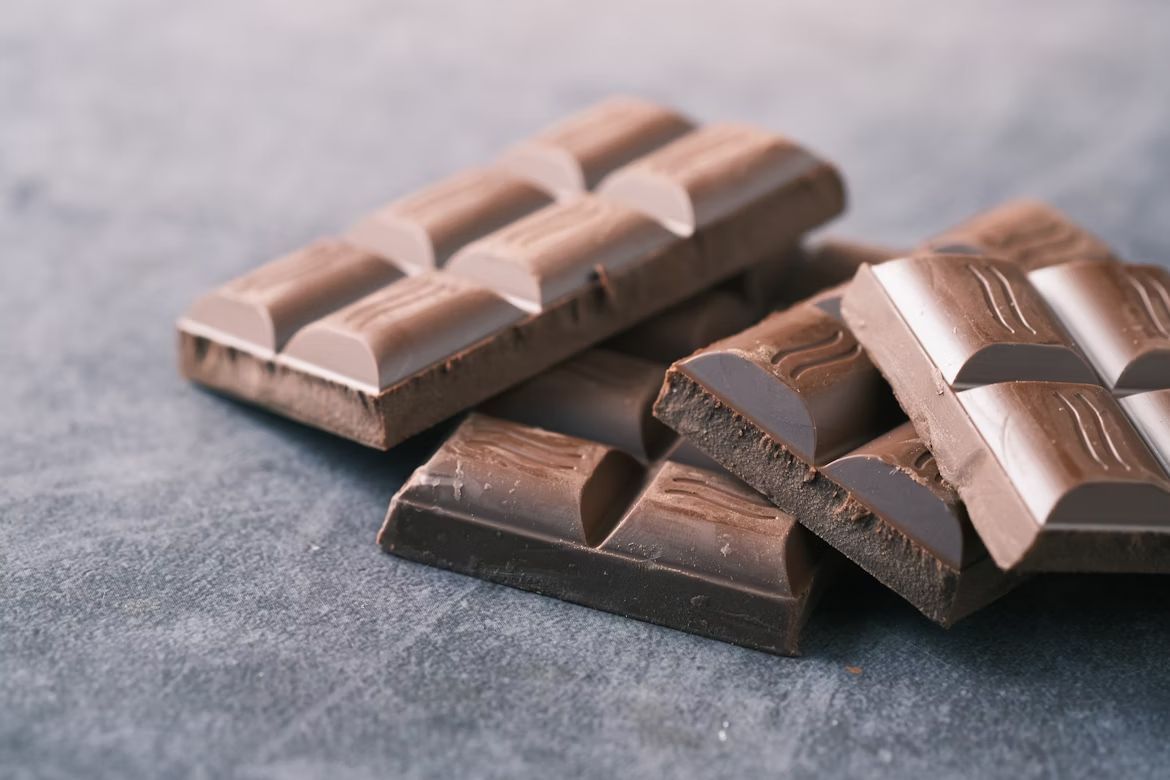
Image: Towfiqu barbhuiya

There’s no solid scientific proof that eating chocolate directly causes acne. Acne is mainly caused by hormones, genetics, and skin bacteria, not specific foods.

That said, diets high in sugar and processed foods can contribute to inflammation, which may worsen breakouts. So if you think chocolate affects your skin, try switching to dark chocolate, which contains less sugar and more antioxidants.

11

Myth: Eating garlic keeps mosquitoes away
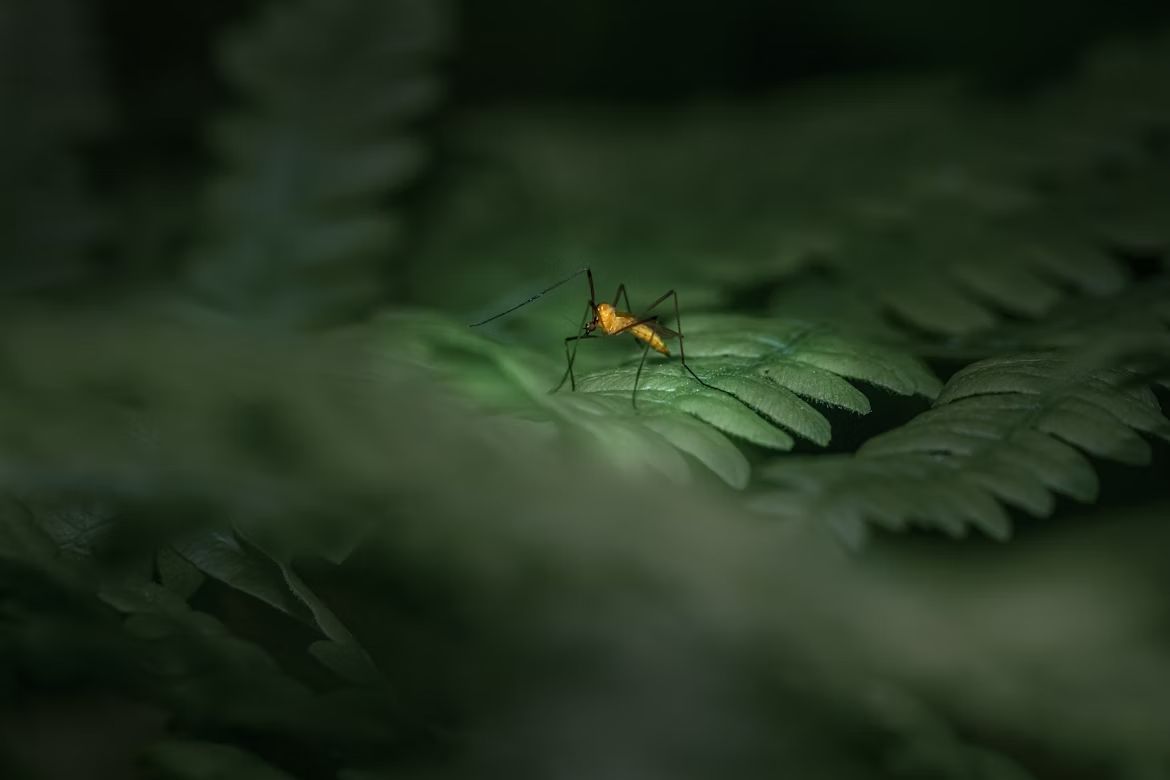
Image: Erik Karits

Have you ever been told to eat some garlic to naturally repel all those mosquitoes eating you alive? Where does this belief come from?

The idea likely stems from the fact that garlic’s sulfur compounds can seep through your pores, supposedly making you less appealing to bugs. It’s a popular home remedy, but does it really work?

12

Truth: Mosquitoes don’t care about your garlic breath
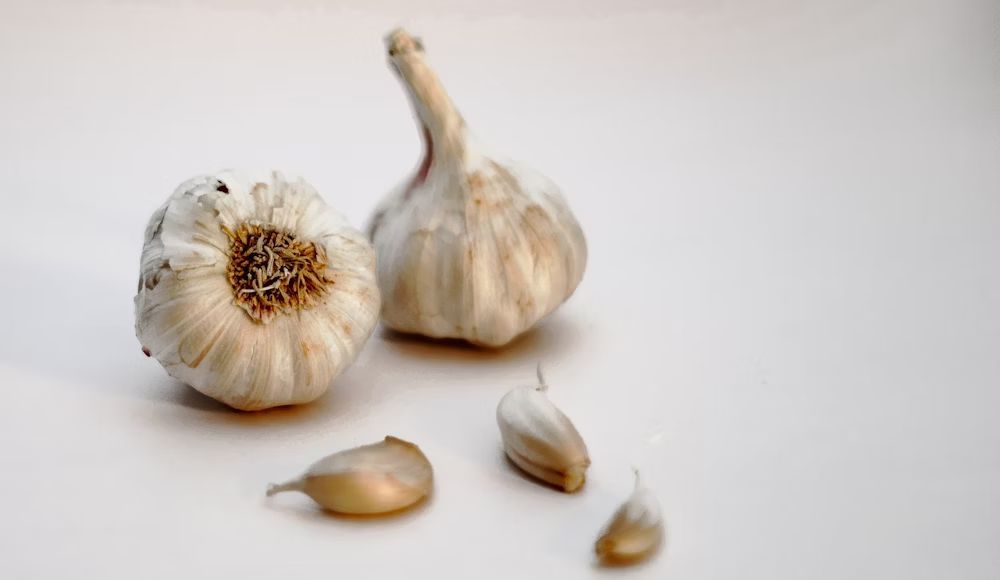
Image: Sanjay Dosajh

Unfortunately, there’s no scientific proof that eating garlic repels mosquitoes. We’re heartbroken too, don’t worry!

A 2005 study found no difference in mosquito bites between people who ate garlic and those who didn’t. Instead, mosquitoes are attracted to carbon dioxide, sweat, body heat, and certain scents. If you want to keep them away, use repellent, wear long sleeves, and eliminate standing water. Garlic plays no part here!


The 12 longest-living animals on Earth (and how they cheat time)


Published on January 17, 2026


Image: David Clode

Nature doesn’t just create beauty, it crafts survival miracles. While most animals have short lives, a rare few have mastered the art of staying alive for centuries, even millennia. These aren’t just long-lived creatures; they’re nature’s ultimate time travelers. From the frozen depths of the oceans to the darkest corners underground, they’ve developed bizarre, brilliant strategies to cheat death. Get ready to meet 12 animals whose lifespans will absolutely blow your mind.

1

Antarctic Sponge (Anoxycalyx joubini)

Image: NOAA

Record age: up to 15,000 years

This unassuming sea sponge thrives in the freezing waters of Antarctica, where temperatures hover around 28.6 °F—so cold that biological processes hit the brakes. In such icy conditions, metabolism slows to a crawl, allowing these sponges to live for thousands of years.

Some have reached impressive sizes of over 3 feet tall and have been around since mammoths were still thundering across the tundra. They don’t move, they don’t stress, and they barely change, just quietly existing while centuries pass them by. Their secret to extreme longevity? Glacial patience, deep-sea stillness, and a lifestyle that redefines "low-maintenance".

2

Immortal Jellyfish (Turritopsis dohrnii)

Image: Dr. Karen J. Osborn, CC0, via Wikimedia Commons

Age: technically… infinite

This tiny jellyfish, no bigger than a fingernail—less than 0.2 inches—is like the ocean’s very own Benjamin Button. What makes it truly extraordinary is its ability to rewind its life story, flipping back to a youthful, juvenile stage whenever it wants. While it’s not completely invincible (predators and other threats are still very real), if left undisturbed, it can keep hitting the reset button on aging indefinitely, making it one of the most fascinating "time-benders" in nature.

3

Ocean Quahog Clam (Arctica islandica)

Image: Norbert Braun

Record age: 507 years

In 2006, a special clam was discovered buried deep in the seabeds of the North Atlantic. Scientists were able to determine that it had been there since at least 1499—that’s centuries before the United States was even a thought! This ancient marvel, nicknamed "Ming", was able to perfect a slow-and-steady approach to life. Growing at a snail’s pace and barely budging, Ming’s sedentary lifestyle turned out to be a brilliant strategy for beating the clock. Who knew doing almost nothing could be the ultimate secret to longevity?

4

Greenland Shark (Somniosus microcephalus)

Image: https://upload.wikimedia.org/wikipedia/commons/3/39/Greenland_shark_profile.jpg

Record age: estimated 392 years

These sharks aren’t your average ocean cruisers—they can stretch over 20 feet long and weigh up to 2,200 pounds. But what’s really mindblowing is how slowly they move, like they’re in a permanent state of deep relaxation. Living in the icy Arctic waters, these giants don’t hit adulthood until they’re about 150 years old, and some can glide through the depths for nearly 400 years. Imagine that! These ancient swimmers were already around before America declared independence... and they are still out there, silently roaming the seas!

5

Bowhead Whale (Balaena mysticetus)

Image: Vicki Beaver, Alaska Fisheries Science Center, NOAA FIsheries, Marine Mammal Permit#14245, Public domain, via Wikimedia Commons

Record age: over 211 years

This whale is a true ocean giant, stretching up to 60 feet long and weighing a staggering 200,000 pounds. But what makes it stand out isn’t just its size but its age. Some of these majestic creatures carry harpoons from the 1800s still lodged in their skin, like walking history books. Just picture living so long that you’re literally carrying outdated technology embedded in your body—talk about being a time traveler of the seas!

6

Red Sea Urchin (Mesocentrotus franciscanus)

Image: National Marine Sanctuaries, Public domain, via Wikimedia Commons

Record age: 200 years

Spanning the chilly Pacific coastline from California all the way up to Alaska, this spiky little ball—about 7 inches across—is full of surprises. It munches on algae and calls the deep, dark ocean its home, thriving at depths of up to 300 feet. Don’t let its size fool you: this prickly creature is a true elder of the cold seas, quietly outliving many ocean neighbors while keeping a low profile. A tough, slow-living veteran wrapped in spikes!

7

Koi Carp (Cyprinus rubrofuscus)

Image: Daniel Dan

Record age: 226 years

Meet Hanako, a legendary Japanese koi who swam through life for an astonishing 226 years. Scientists discovered how old she was by studying the rings on her scales, much like counting the growth rings of a tree. These colorful, ornamental fish aren’t just symbols of good fortune; they’re also secret long-lifers with the potential to celebrate over two centuries of birthdays, as long as they get the right care and a peaceful pond to call home.

8

Seychelles Giant Tortoise (Aldabrachelys gigantea)

Image: Ryan Grewell

Record age: 190 years

Jonathan is a male tortoise living on the remote island of Saint Helena in the South Atlantic Ocean. He was born back in 1832, and he’s still happily chomping lettuce and soaking up the sun today. Weighing in at more than 400 pounds and measuring around 3 feet long, Jonathan holds the title of the oldest known living land animal on the planet. If he could share tales, they’d span nearly two centuries of history. Imagine that!

9

Lake Sturgeon (Acipenser fulvescens)

Image: See page for author, Public domain, via Wikimedia Commons

Record age: 152 years

This ancient-looking fish, with its whisker-like barbels, looking like a tiny underwater submarine, prowls the lakes of North America. It can reach an impressive length of up to 7 feet and weigh around 200 pounds. These slow-living creatures don’t rush into adulthood—they start breeding only around age 20—and then take their time cruising through life at a leisurely pace. Believe it or not, one legendary catch in Wisconsin was estimated to be over 150 years old!

10

Kakapo Parrot (Strigops habroptilus)

Image: Andreas Sjövall

Record age: over 90 years

This chunky, night-loving parrot from New Zealand is a true oddball—it can’t fly, snores like a grumpy grandpa, and smells like fresh flowers. Despite its quirks, this bird boasts an impressively long lifespan. Sadly, it teeters on the edge of extinction. The oldest known kakapo, affectionately named Richard Henry, lived 90 years, earning him the title of the charmingly eccentric elder statesman of the avian world.

11

Naked Mole Rat (Heterocephalus glaber)

Image: Daderot, CC0, via Wikimedia Commons

Record age: 37 years

This tiny, kooky rodent—barely 3 inches long and just over an ounce in weight—could’ve been cast straight from a sci-fi apocalypse flick. Dwelling in vast underground colonies across Africa, it’s practically invincible to cancer, pain, and the usual effects of aging. Scientists are fascinated by this little marvel, even if it’s not winning beauty contests anytime soon. Its superpowers make it a star in longevity research!

12

American Lobster (Homarus americanus)

Image: OAR/National Undersea Research Program (NURP)., Public domain, via Wikimedia Commons

Record age: estimated 100+ years

Lobsters have a totally different rulebook than us when it comes to aging. They don’t really grow old; they just keep getting bigger and bigger. Some giant lobsters weigh over 40 pounds and stretch beyond 3 feet long. Their biggest threats? Not old age, but predators or the risky process of shedding their shells. In theory, they could live forever if left alone—but let’s be honest, not many get to enjoy a peaceful, lobster-sized retirement!

Looking for an extra scoop of literary fun?

Learn more with our Word of the day

dissuade

/dəˈsweɪd/