Extraterrestrial forecasts

Ever wished it rained diamonds? On Neptune and Uranus, it’s no joke!


Published on November 29, 2025

Image: Viktor Mindt

Weather on Earth might be wild, but compared to other planets, it’s downright boring. Across our solar system—and beyond—insane storms, metallic rain, and atmosphere-shredding winds violently shape alien worlds. Here are 10 of the weirdest and most extreme weather events ever observed in space.

1

Diamond Rain

Image: Bas van den Eijkhof

Location: Neptune & Uranus

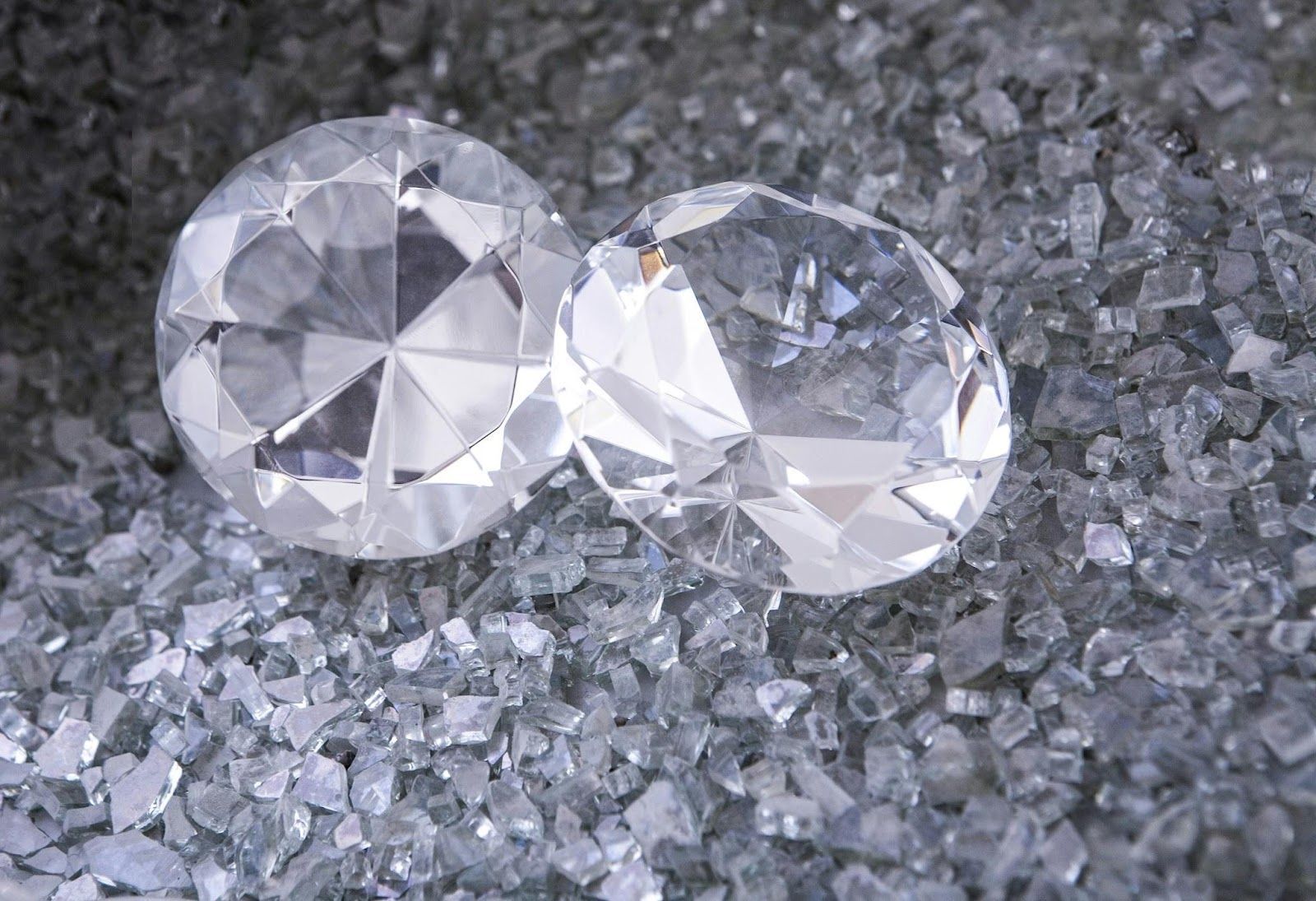
In the atmospheres of these ice giants, intense pressure crushes methane into solid carbon, forming diamonds that fall like hail.

Estimates suggest that billions of carats worth of diamonds may exist in the deep interiors of these planets, possibly forming layered structures similar to geological strata.

2

Supersonic Winds

Image: NASA Hubble Space Telescope

Location: HD 189733b

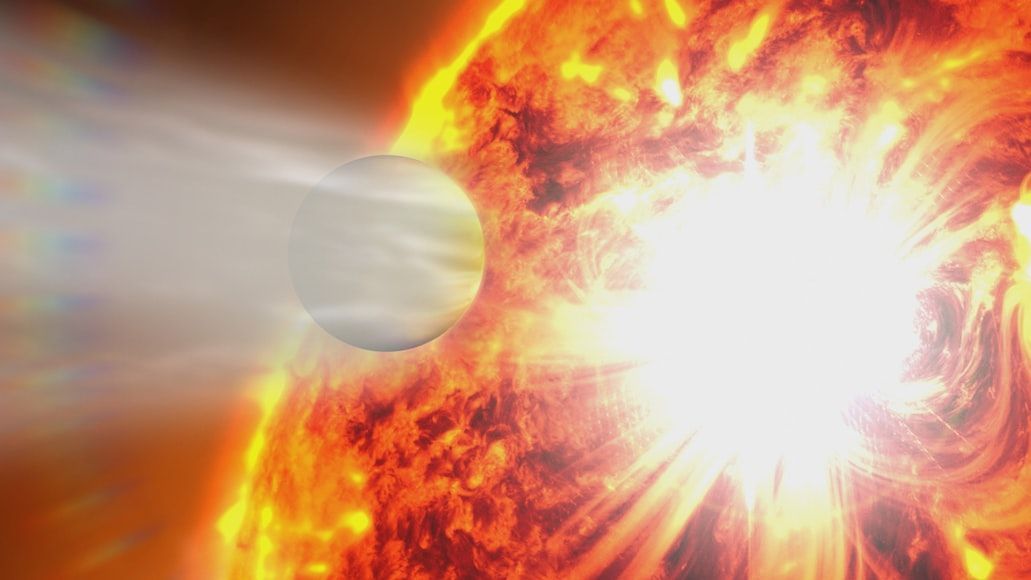
This exoplanet is bombarded by winds blowing at over 5,400 mph—about seven times faster than the speed of sound.

Fortunately, all of this is happening far from Earth—HD 189733b is a 'hot Jupiter' located 63 light-years away. Its atmosphere endures extreme heat on one side and frigid cold on the other, fueling violent winds that circle the planet.

3

Sulfuric Acid Rain

Image: Planet Volumes

Location: Venus

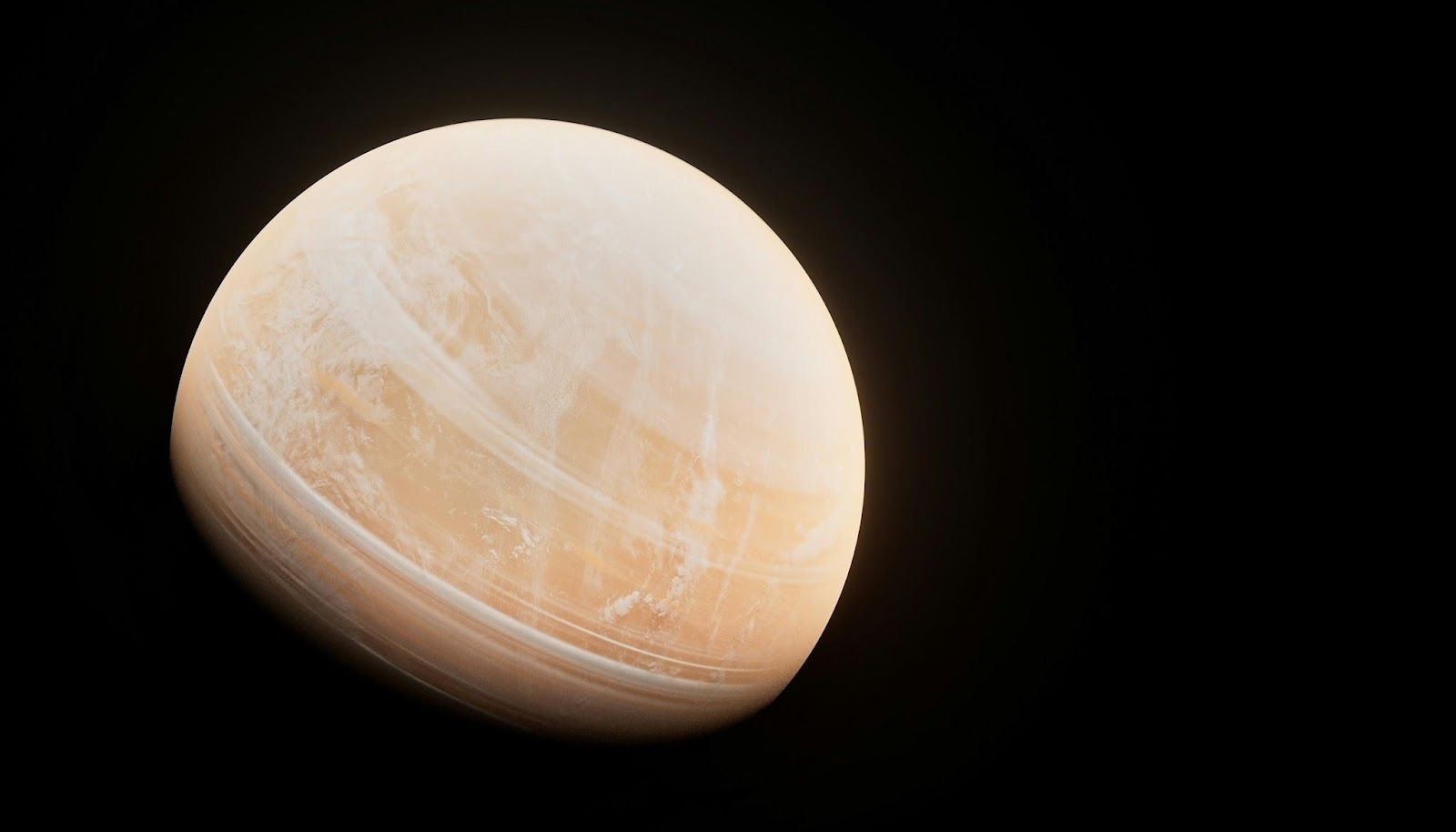
Venus has clouds of sulfuric acid that rain—but the droplets evaporate before they hit the surface.

Temperatures on Venus reach 870°F, hot enough to melt lead. Acid droplets form high in the atmosphere but vaporize at lower altitudes, creating a corrosive "rain cycle."

4

Endless Storm

Image: NASA Hubble Space Telescope

Location: Jupiter

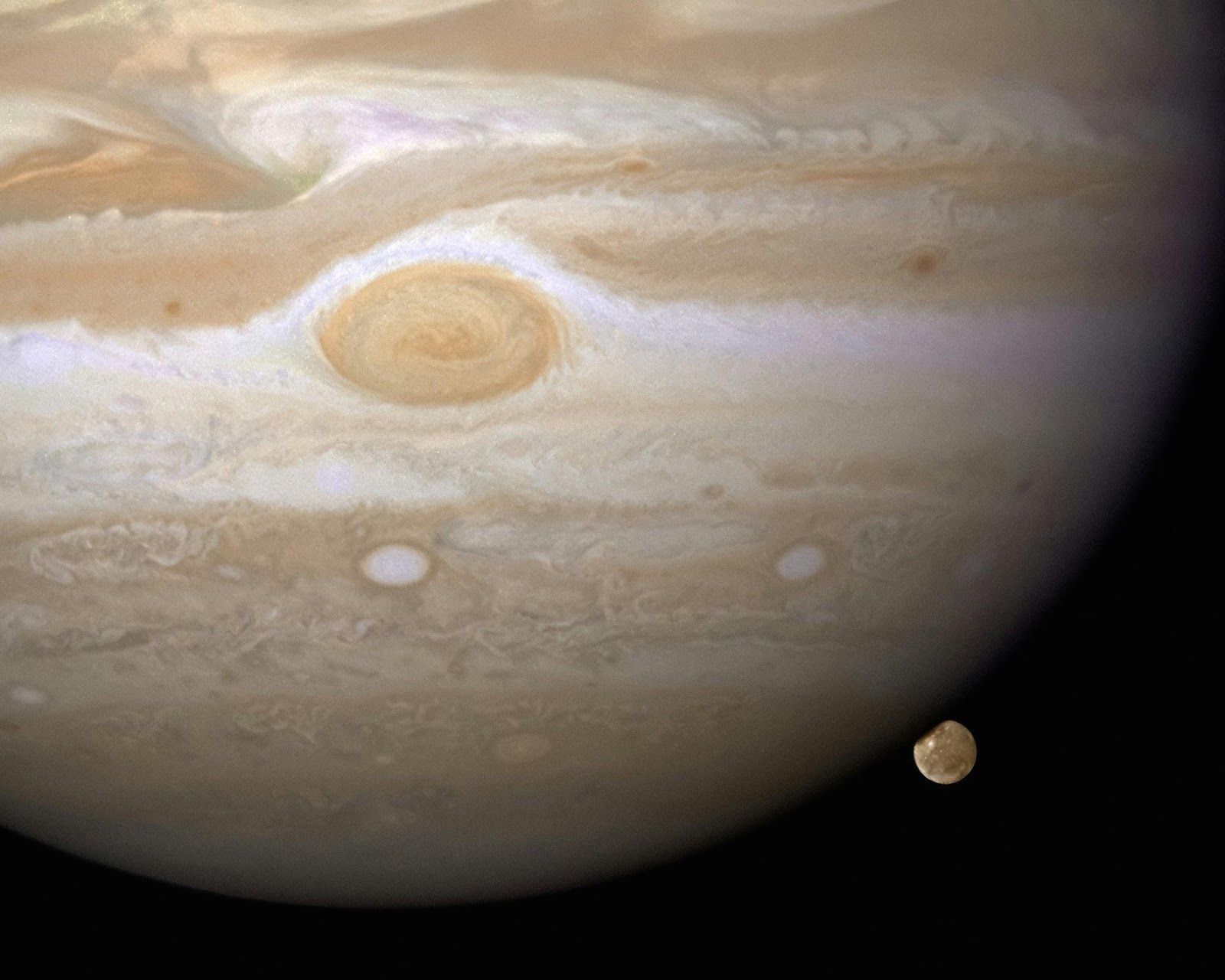
A storm larger than Earth has been raging on Jupiter for over 350 years.

First observed in the 1600s, the Great Red Spot is a massive anticyclone with wind speeds exceeding 400 mph. It’s so large that it could easily swallow our planet whole.

5

Polar Hexagon

Image: Planet Volumes

Location: Saturn

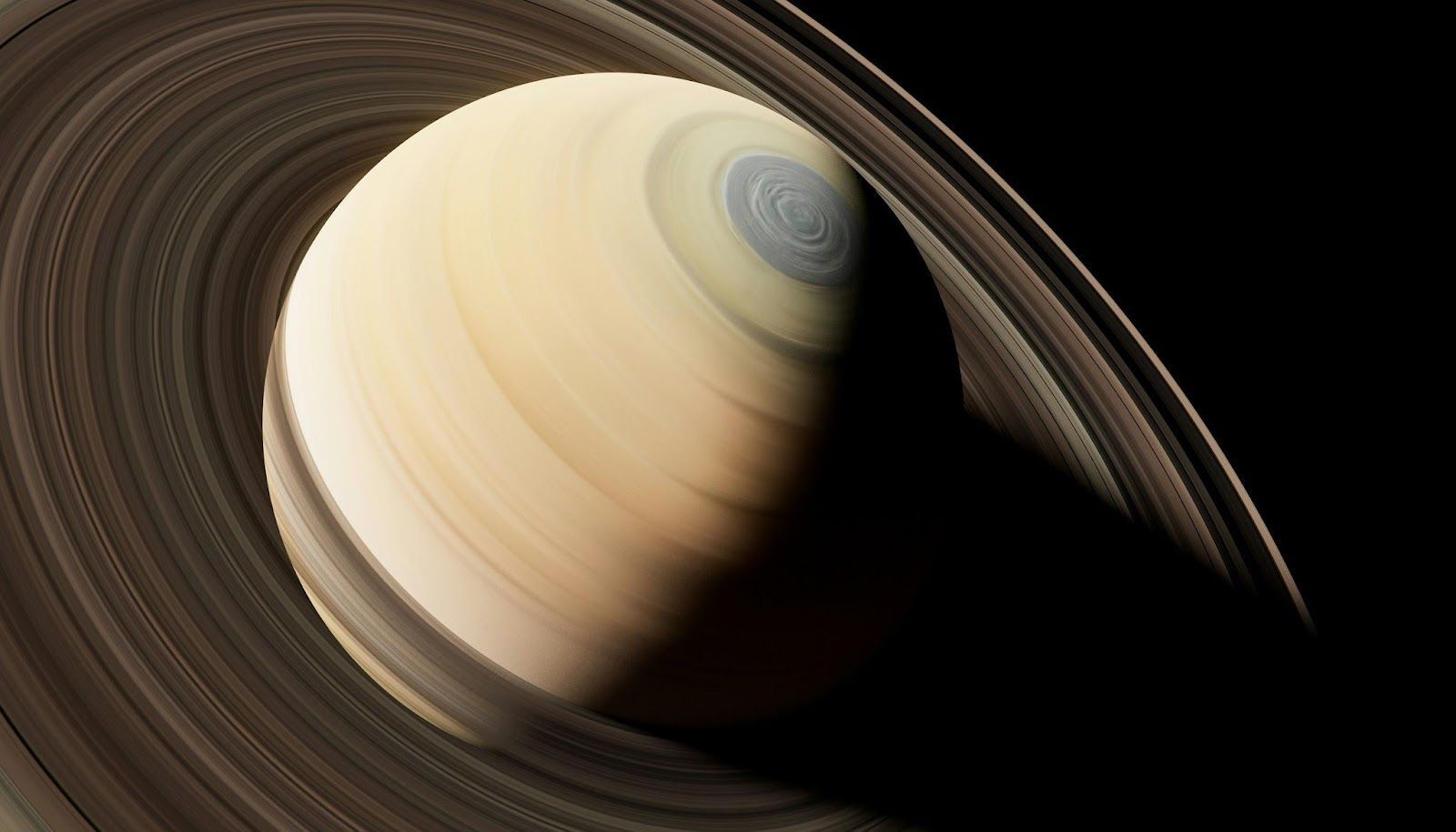
A massive six-sided jet stream spins around Saturn’s north pole. NASA’s Cassini mission captured this bizarre atmospheric pattern, which spans nearly 20,000 miles.

Surprisingly, it's a persistent weather feature—not a surface structure.

6

Planet-Sized Dust Storms

Image: Daniele Colucci

Location: Mars

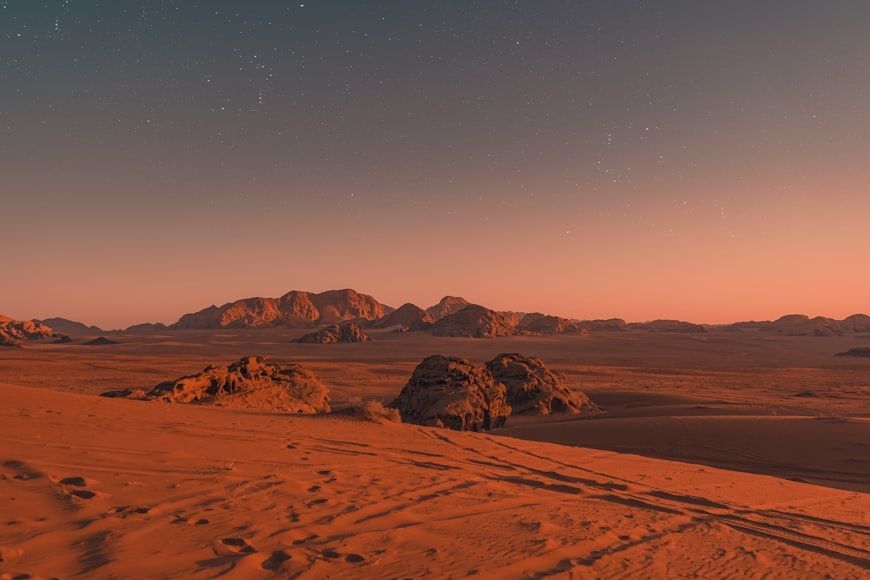
Mars is famous for its massive, planet-wide dust storms. These weather events can last for weeks and obscure the entire planet from view.

NASA’s Opportunity rover went silent during one of these dust storms in 2018 and never recovered. The catch? Mars doesn’t have enough atmosphere for the winds to be truly dangerous—sorry, The Martian.

7

Coldest Spot

Image: Andy Holmes

Location: Boomerang Nebula

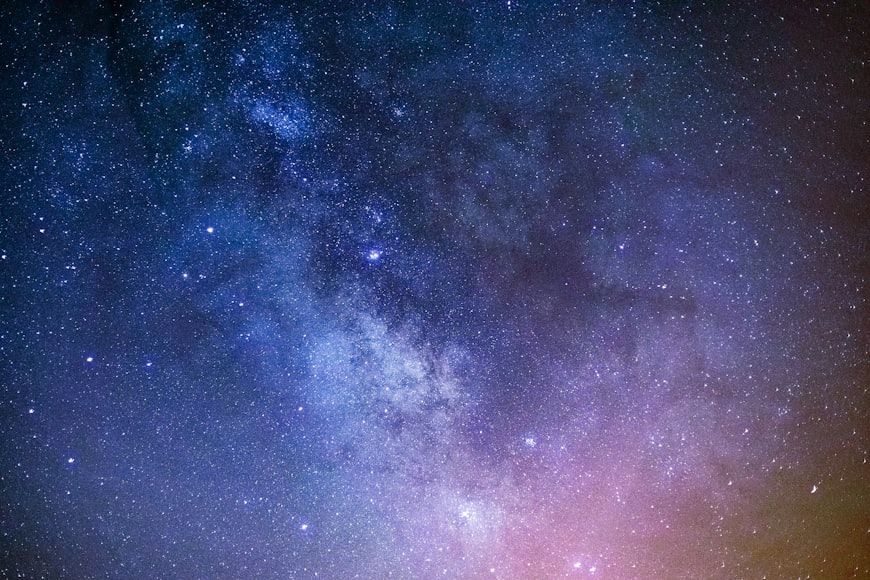
The coldest known natural place in the universe is the outer cloud of a dying star. The Boomerang Nebula, located 5,000 light-years away, reaches temperatures near 1 Kelvin—colder than the cosmic background.

This happens because the star’s gas expands so rapidly that it chills below the temperature of empty space itself.

8

Iron Rain

Image: Morteza Mohammadi

Location: WASP-76b

On this ultra-hot exoplanet, iron vaporizes on the dayside and rains down as molten metal on the nightside.

These extreme temperatures are reached because WASP-76b is tidally locked, with day-side temperatures over 4,000°F.

9

Molecular Tornadoes

Image: Javid Naderi

Location: The Sun

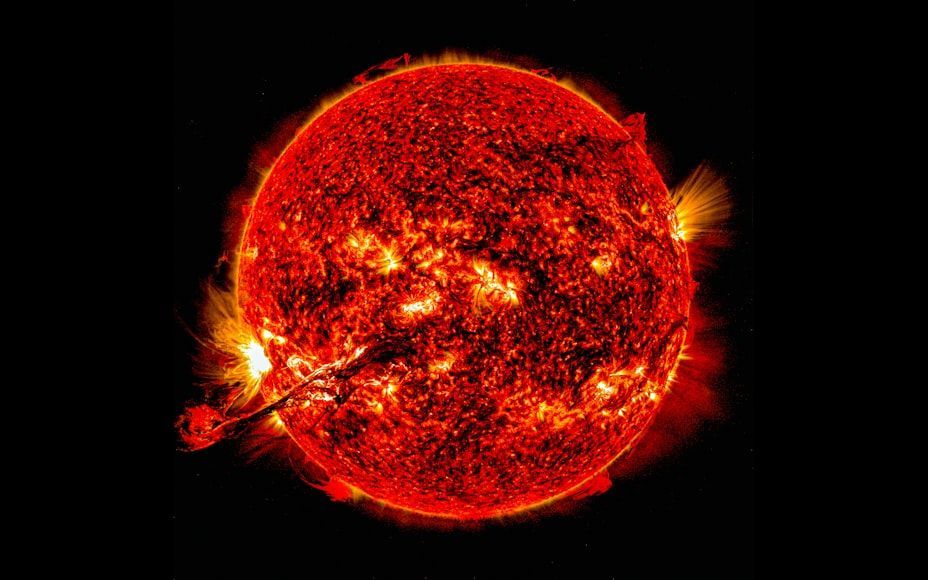
The Sun hosts giant tornadoes made of superheated plasma. These solar events can be up to 10,000 miles tall and spin at thousands of miles per hour.

They’re driven by magnetic fields and can feed into solar flares and coronal mass ejections—fiery explosions that can even impact Earth.

10

Electric Snow

Image: NASA

Location: The Moon

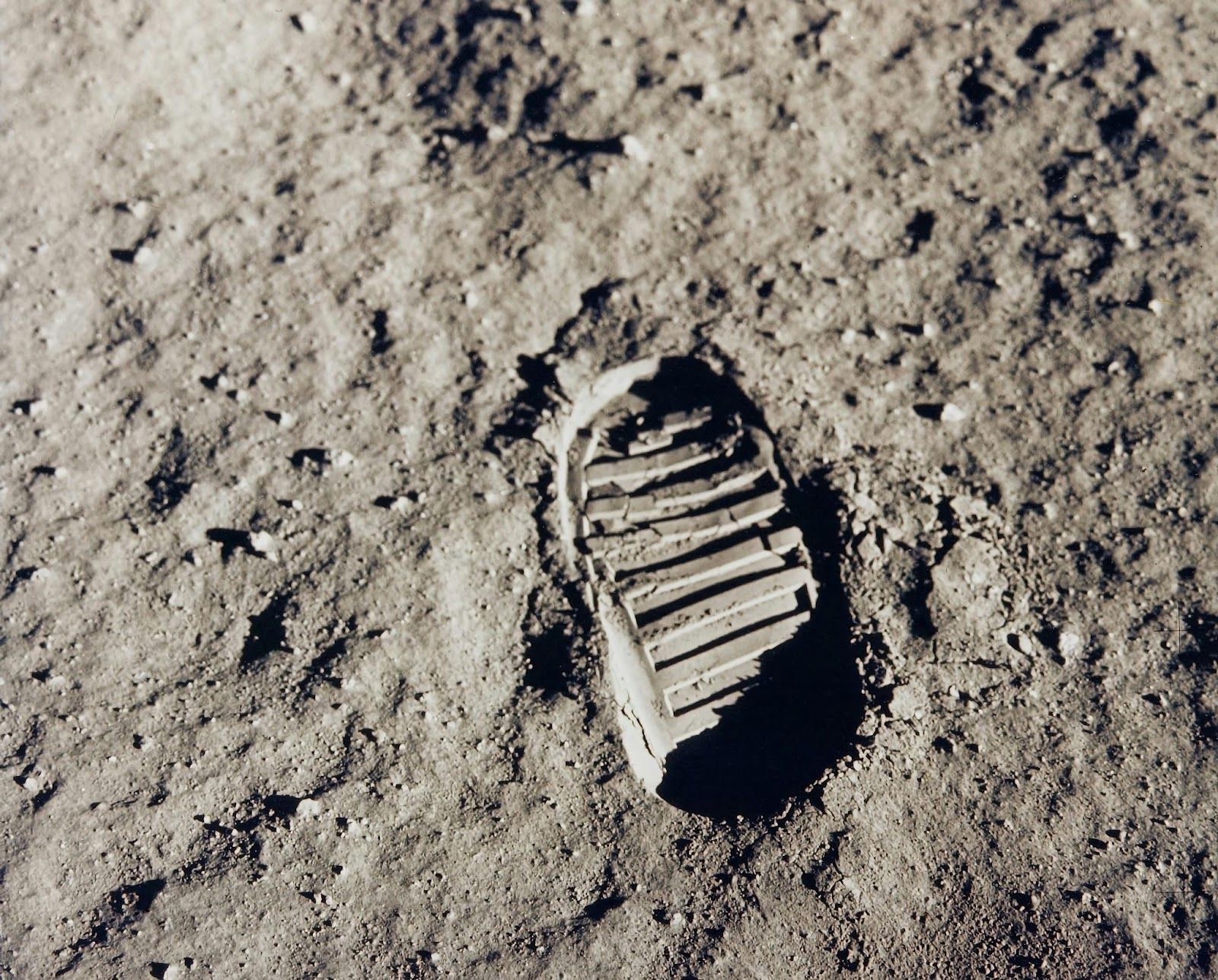
The Moon may experience electrostatic dust storms during lunar dawn and dusk. When the Sun hits the lunar surface, it creates an electric field that lifts tiny dust particles off the ground.

This phenomenon was first suspected during the Apollo missions and has been confirmed through recent satellite observations.


What science says

It was false after all: 10 health myths that sound true—but aren't


Published on November 29, 2025


Image: Alicja Gancarz

Health myths are everywhere! These ideas were simply passed down for so long that they became part of what we believed. But now science has stepped in to clear things up. Does cold weather make you sick? Can lemon detox your body? Is reading in low light really harmful? Let's uncover the truth behind 10 common health myths!

1

Cutting your hair makes it grow faster

Image: Element5 Digital

Have you ever been told that cutting your hair will make it grow faster? We're sorry to say that's just a myth. Hair grows from the root, not the ends. So, trimming it won't boost growth, though it does help remove split ends that can make your hair look dry or unhealthy.

2

Cold weather causes colds

Image: Thom Holmes

This is one of the most common health myths. Cold weather often gets blamed, but it's not the temperature that makes you catch a cold. During winter, we tend to stay indoors with others and keep the windows closed, an environment that makes it easier for viruses to spread. That's why colds tend to be more common in winter!

3

Eating before bed makes you gain weight

Image: Michelen Studios

The idea that eating before bed automatically leads to weight gain is a myth. In reality, it has more to do with what you eat and how much, rather than the time of day. Often, when we eat very late at night, we're tired and more likely to reach for quick, high-calorie, heavy foods. This can disrupt sleep and lead to consuming more calories than we burn, both of which may affect weight. If it's close to bedtime, it's better to have something light and healthy in a moderate portion than to skip a meal altogether.

4

Wearing glasses weakens your vision

Image: Bud Helisson

Does wearing glasses weaken your vision? Myth! If an eye doctor prescribes glasses, wearing them as directed helps correct your vision; it won't make it worse. Additionally, the right glasses can help prevent or reduce headaches caused by reading or spending long hours in front of a screen.

5

Reading in low light causes permanent eye damage

Image: Amir Balam

This myth is closely related to the previous one. If you love reading and sometimes have to do it in low light because of the situation, don't worry. According to experts, reading in low light doesn't cause permanent or irreversible eye damage. However, it's not recommended because it can make your eyes feel tired or strained, leading to discomfort or headaches.

6

You need to drink 8 glasses of water a day

Image: engin akyurt

We're all different, and so are our bodies. The idea that everyone should drink exactly eight glasses of water a day is more of a general guideline than a rule. Staying well hydrated throughout the day is extremely important, but how much water you need depends on factors like your weight, age, climate, and overall health. We should prioritize staying consistently hydrated instead of obsessing over the number of glasses we drink.

7

Lemon water detox and cleanse your body

Image: Tirza van Dijk

Some people say drinking lemon water helps eliminate toxins and cleanse the body. While adding a slice of lemon to your water is a refreshing way to stay hydrated, it doesn't have any special "detoxifying" powers. The vitamin C in citrus fruits is beneficial, but the body has its own natural detox system. The liver and kidneys are the main organs that filter waste and eliminate toxins.

8

All fat is bad

Image: Aneta Voborilova

Not all fats are bad! Just like other food groups, your body needs fats to function properly. The important thing is knowing the difference between healthy fats and those that can be harmful. Foods like avocados, seeds, olive oil, fish, and nuts are rich in healthy fats. On the other hand, the fats found in processed or fried foods are the ones that can have a negative impact on your body.

9

Liver disease is always caused by alcohol or fats

Image: Elevate

Liver diseases can be serious. While heavy and frequent consumption of alcohol and fats is a major contributor, it's not the only cause. Liver problems can also result from many other factors. These include viral infections, autoimmune diseases, genetic disorders, high blood pressure, and exposure to certain chemicals.

10

Breakfast is the most important meal

Image: Brooke Lark

There's some truth to it: breakfast is important because it replenishes our glucose and energy levels and supports proper metabolism. However, the idea that it's the most important meal of the day might be an exaggeration. Everyone's body has different needs, and all meals are important, so we shouldn't skip any of them!

Looking for an extra scoop of literary fun?

Learn more with our Word of the day

axiom

/ˈæksiəm/