Dangerous truths

10 dangerously wrong beliefs—from lightning to antibiotics


Published on April 24, 2026


Image: Lucian Alexe

We all think we know how the world works, but many "common sense" beliefs are flat-out wrong. From everyday health myths to misunderstood science, these misconceptions can mislead you, waste your time, or even put you at risk. Here are 10 things you are dangerously wrong about, backed by real facts.

1

Lightning never strikes the same place twice
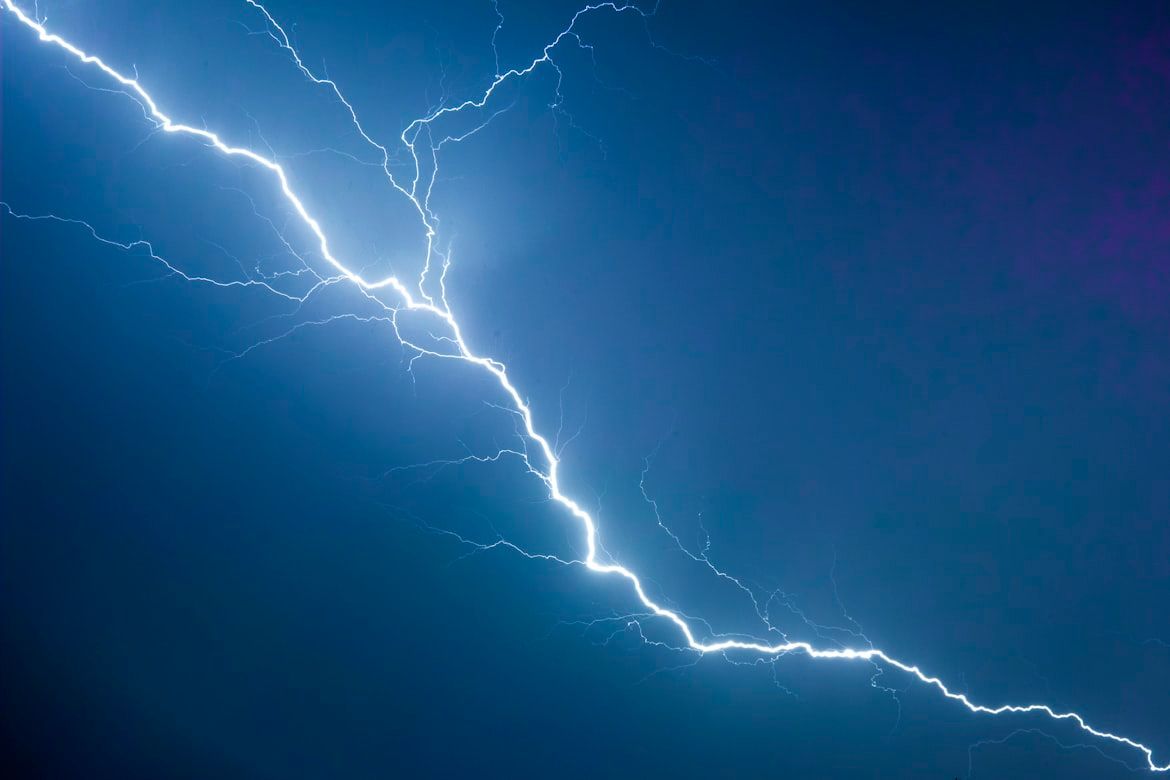

Image: Michał Mancewicz

Contrary to popular belief, lightning can strike the same place more than once. Since lightning often targets tall, conductive structures, multiple strikes to the same location are not uncommon.

For example, the Empire State Building is hit an average of 23 times per year. The myth persists because rare events seem unique, but statistics show that repeated strikes are common, especially in high-risk areas.

2

Antibiotics treat viruses

Image: Roberto Sorin

Antibiotics target bacteria, not viruses. Using them for colds or the flu is ineffective and promotes antibiotic resistance.

Prolonged misuse can lead to resistant bacterial strains, making future infections harder to treat. Correct diagnosis is critical for proper treatment.

3

Bulls hate red

Image: Gavia

Bulls are actually color-blind to red. Their reactions in bullfighting are triggered by the movement of the cape, not its color.

The bright red (and similarly striking colors) was likely chosen to make the cape more visible to the human audience from a distance, enhancing the spectacle.

4

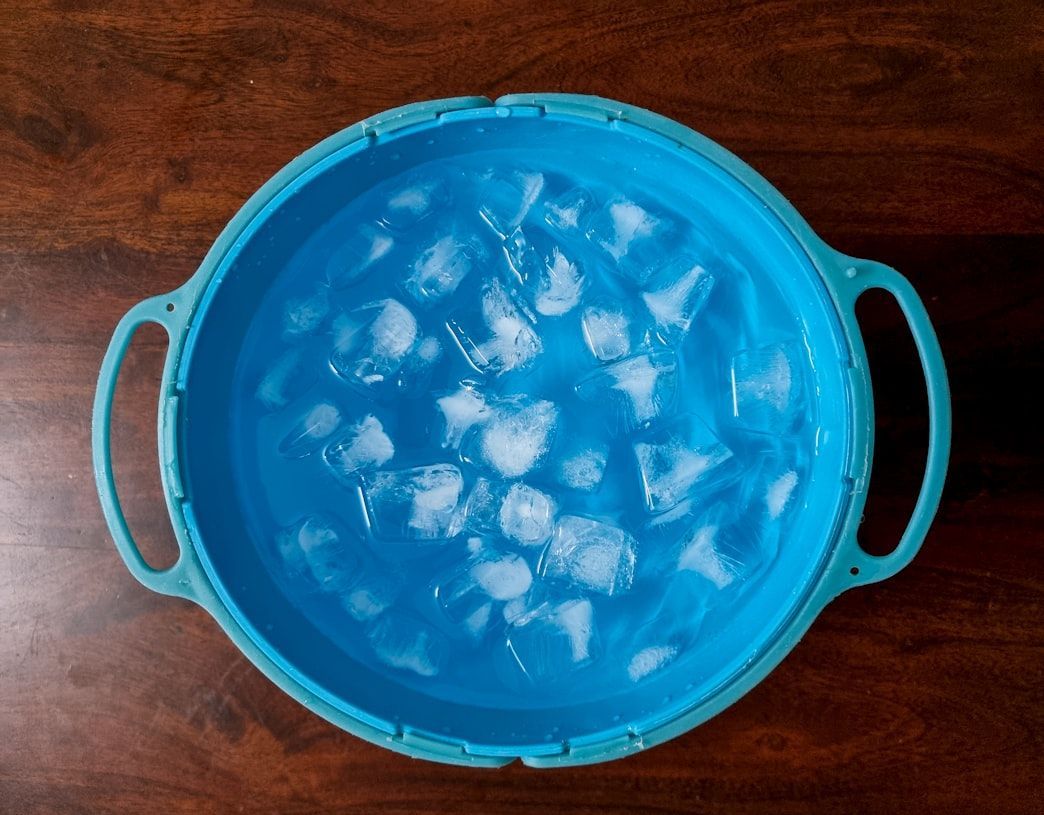
Ice baths cure sore muscles

Image: Aman Krishna

Cold therapy offers temporary relief but doesn’t accelerate long-term muscle recovery. Overuse can impair adaptation to training.

Inflammation is part of muscle repair; blocking it too aggressively can reduce strength gains over time.

5

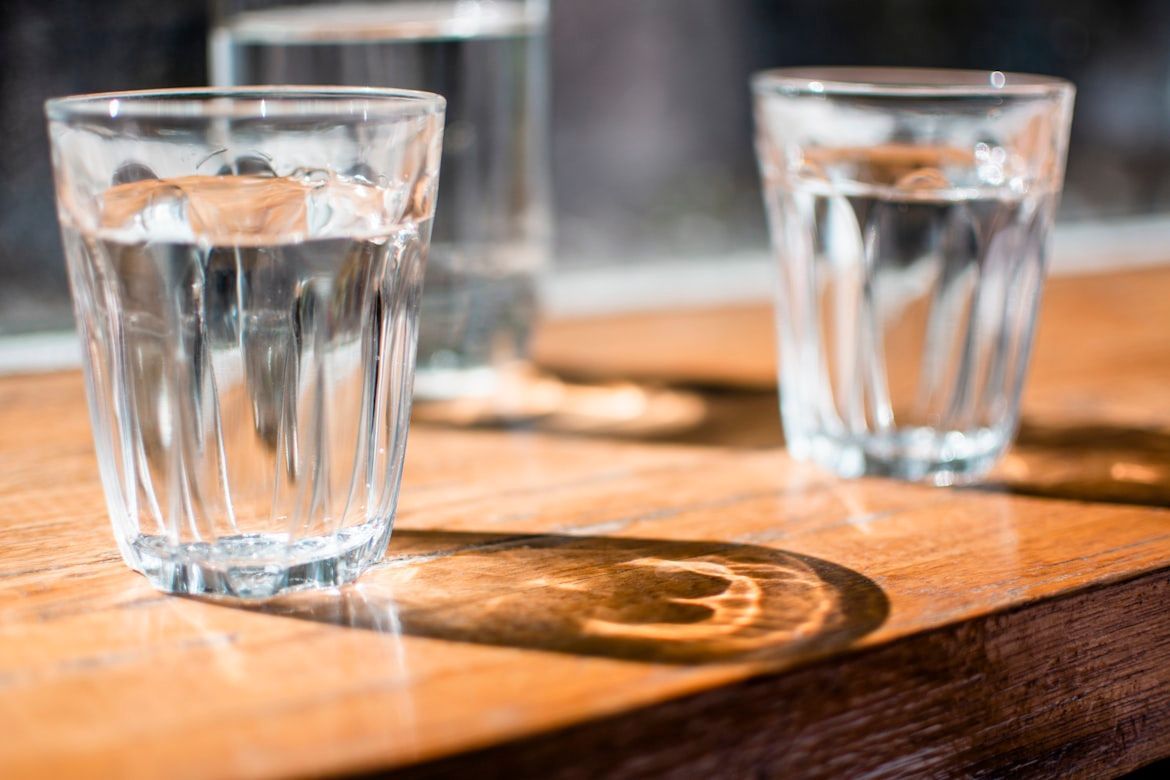
You need eight glasses of water a day

Image: Janosch Lino

Fluid needs vary by body size, activity, and climate. For some, eight glasses is excessive; for others, insufficient.

Relying strictly on this rule can cause dehydration or overhydration. Thirst and urine color are better indicators.

6

Sunburn isn’t harmful if it peels later

Image: Arturo Rivera

Even a single sunburn increases your lifetime risk of skin cancer, including melanoma. Peeling skin doesn’t undo DNA damage; it’s actually skin cells committing suicide to prevent the spread of harmful mutations.

Sunscreen, protective clothing, and shade are essential. Ignoring sun safety poses a serious health risk.

7

Don’t wake a sleepwalker

Image: Alexey Demidov

Waking a sleepwalker is safe. They may be disoriented or confused, but letting them roam unattended is far more dangerous.

The only real risk is injury from falls or collisions, not the act of waking them.

8

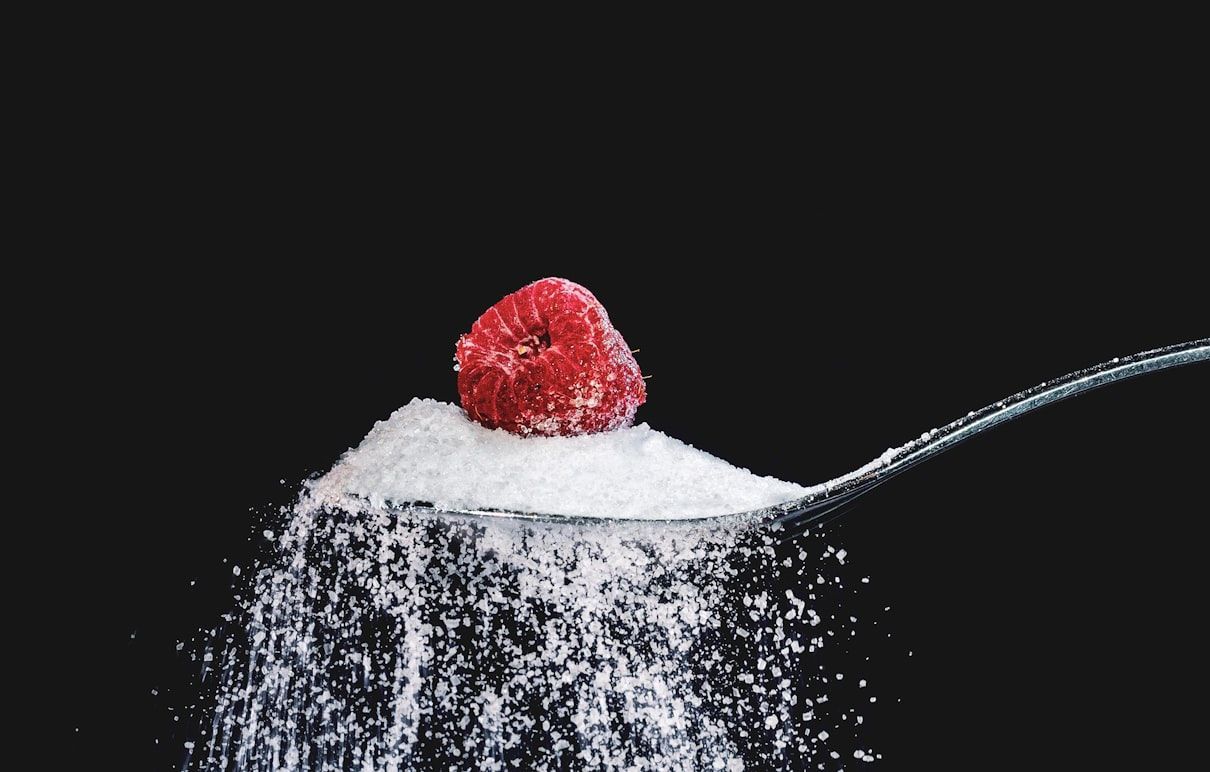
Natural sugar is harmless

Image: Myriam Zilles

Fructose in fruit is healthier than processed sugar, but overconsumption still strains the liver and metabolism.

Even "natural" sugars can contribute to obesity, insulin resistance, and diabetes if intake is excessive.

9

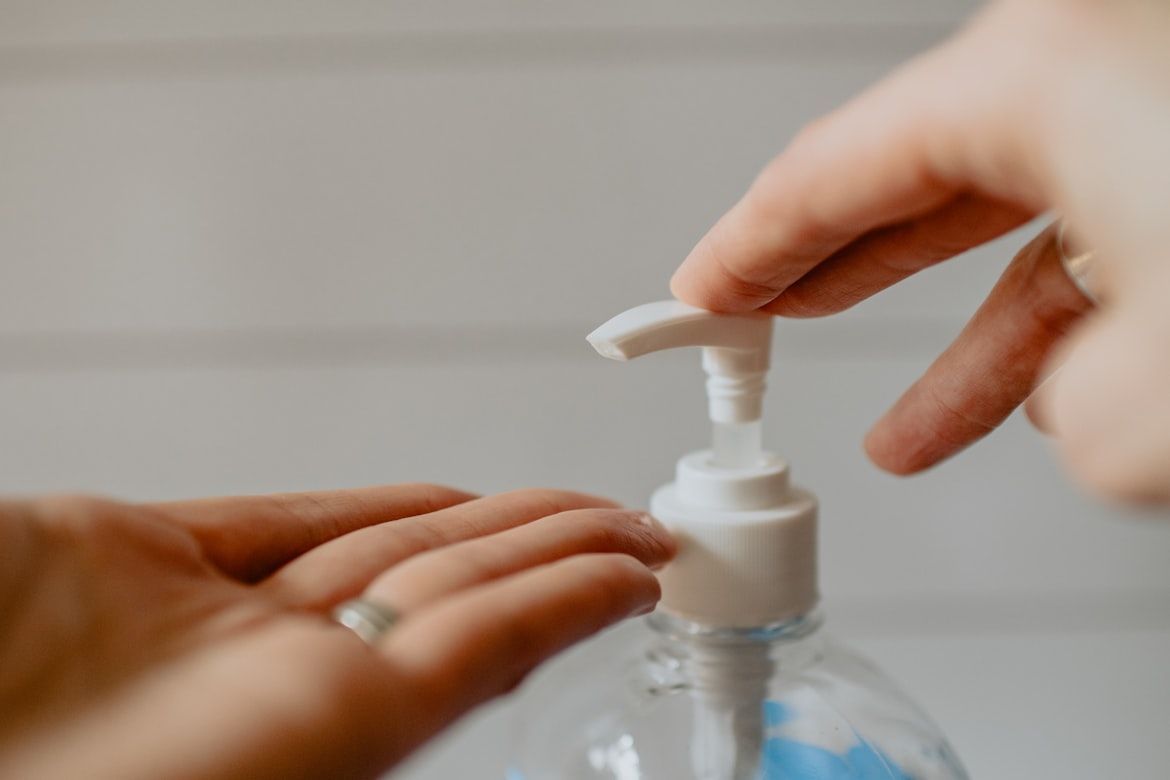
Hand sanitizer replaces washing hands

Image: Kelly Sikkema

Sanitizers can’t safely remove all pathogens, especially dirt and chemicals. Washing with soap and water is always more effective.

Over-reliance on sanitizers can actually increase infection risk, particularly during gastrointestinal or respiratory outbreaks.

10

Vinegar makes all cleaners better

Image: Precious Plastic Melbourne

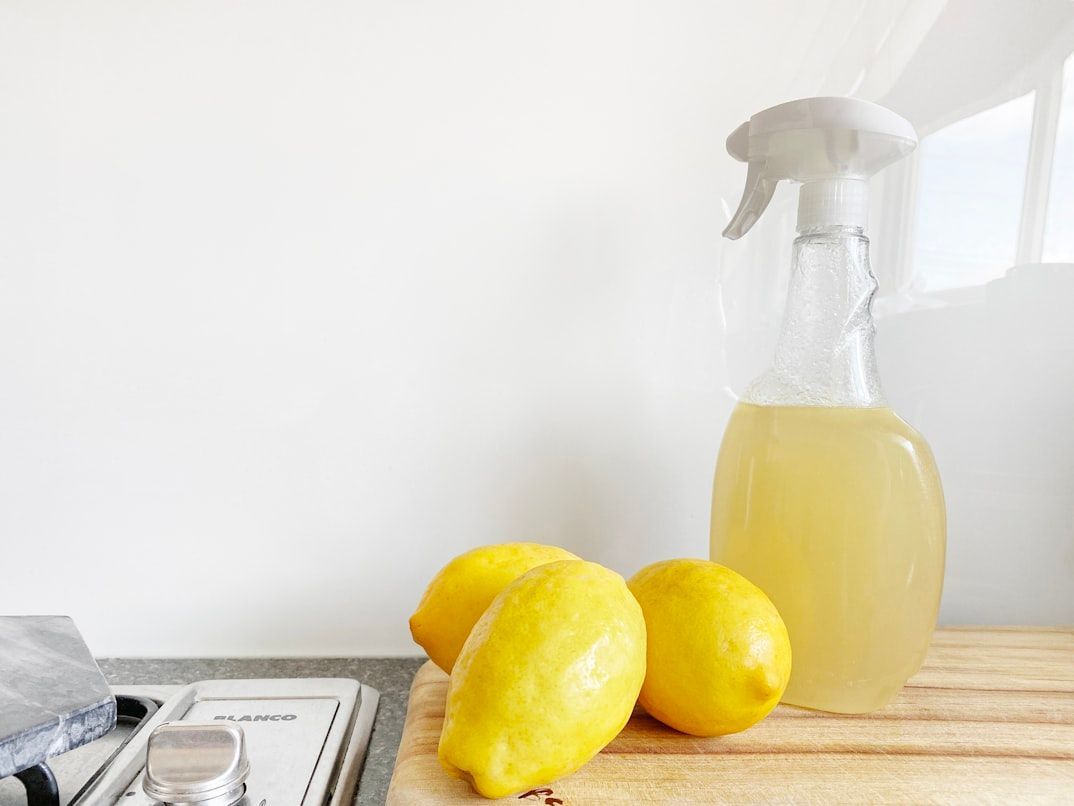
Mixing vinegar with bleach, hydrogen peroxide, or other cleaners can create chlorine or peracetic acid fumes—both highly toxic.

Even small amounts can irritate eyes, lungs, and skin. Believing vinegar universally "boosts" cleaning power is dangerous; always read labels and avoid mixing chemicals.


IN GOOD SPIRITS

Do You Know The Origin Of These 10 Alcoholic Beverages?


Published on April 24, 2026


Image: Adam Wilson

You probably know many alcoholic beverages that you enjoy drinking alone or combined in different cocktails, but do you know where their names come from? From whiskey and gin to rum and absinthe, the origins of spirits have fascinating stories to tell. Are you ready to explore them? You will surely learn some curious facts to share at your next party!

1

Whiskey

Image: emkanicepic

Whiskey is one of the most consumed alcoholic beverages in the world. It is produced by distilling malt fermented with cereals such as wheat, barley, corn, and rye, and the resulting spirit is subsequently aged in white oak barrels.

In the Middle Ages, alcoholic beverages were classified into two main groups: "aqua ardens" (burning water) and "aqua vitae" (water of life). Whiskey falls into the category of "aqua vitae." The Latin term was translated into Middle Irish as usque beatha, which in turn derived into usquebaugh, pronounced: "wiskyba," giving rise to "whisky" (Scotland) and "whiskey" (Ireland and the United States).

2

Brandy

Image: Timothé Durand

The word brandy is an abbreviation of brandywine, an English term dating from the early 17th century. It comes from the Dutch brandewijn, meaning "burnt wine" or "burning wine," referring to the distillation process.

Brandy is made from the distillate of wine or fermented fruit pulp, primarily grape skins. There are different types of brandy. Perhaps one of the best known is cognac, a high-quality wine distillate, named after the city in France where it is produced.

3

Gin

Image: John Fornander

Gin is a distilled drink made from juniper berries, among other ingredients. The term gin is an abbreviation of the Old English word genever, which in turn derives from the Dutch jenever and the French genièvre. Moreover, all these words trace back to the Latin word for juniper, juniperus.

This drink emerged among European monks during the Middle Ages as a medicinal liquor. Then, in the 17th century, gin gained popularity in England and transitioned into the modern drink we know and love. Nowadays, gin is used to prepare different cocktails, including Tom Collins, Negroni, and the popular Gin & Tonic.

4

Rum

Image: C D-X

The first references to this drink date back to the mid-17th century in Barbados, a small Caribbean island with sugar plantations that was under British rule for several centuries. When rum began to be produced on a large scale in the colonies, the English imported it to Europe and popularized it throughout the continent.

There are many theories about the origin of the word rum. The most accepted one suggests that it comes from the English slang word rumbullion which means "great tumult." This term might have originated in the Devonshire area on the southwest coast of England. From rumbullion, it became known as rum in English, rhum in French, and ron in Spanish.

5

Vodka

Image: Deeliver

Vodka is an emblematic drink of Eastern European countries and is used to prepare a multitude of cocktails, including the Martini Vesper, Moscow Mule, White Russian, Cosmopolitan, and Bloody Mary, among others. The word vodka comes from the Russian word voda, which means "water." The ending -ka makes it diminutive, translating to "little water."

Vodka is a distillate that comes from the fermentation of potatoes, wheat, barley, grapes, beets, or any plant rich in starch. Originally, the aim was to obtain a simple, alcoholic liquid composed of ethanol and water, with no pretensions in terms of aroma or flavor. It also needed to have a high alcohol content to cope with the harsh Russian winters. Traditionally it has a graduation around 40º, although there are vodkas that reach 80º and up to 96º. It is hard to believe that it’s simply called water!

6

Bourbon

Image: Ryan Parker

This distillate made mainly from corn, was first introduced in the United States in the 18th century. The first known producer was Reverend Elijah Craig, a Baptist minister. Legend has it that the clergyman established the first distillery in Fayette County, Kentucky, with the help of a Southern farmer who provided surplus corn from his harvest.

Although it was born in Fayette, this variety of whiskey was named after another nearby county, Bourbon County, where the spirit began to be produced on a large scale. The names of both Kentucky counties have their origin in the same historical figure: Gilbert du Motier, the Marquis de Lafayette, a French aristocrat related to the House of Bourbon.

7

Vermouth

Image: Giorgio Trovato

The word vermouth comes from the German word wermut, which means "wormwood," one of the main herbs used to make this beverage. This fortified wine, flavored with different botanicals (flowers, herbs, roots, and spices), has been used since ancient times for medicinal purposes. However, the modern version we know today was first introduced in Turin, Italy, in the 18th century.

In the 19th century, vermouth became a global trend thanks to the rise of bars and cocktails, as it was —and still is— an essential ingredient to prepare classic drinks such as Martinis, Negronis, and Manhattans.

8

Tequila

Image: Deeliver

Tequila is, without a doubt, a staple of Mexican culture and a famous drink around the world. In ancient times, it was considered a gift from the gods. Today it’s served as an aperitif or combined with other beverages and ingredients to prepare cocktails.

This spirit is produced from the distillation of fermented juice obtained from the heart of a plant known as "blue agave." Its name comes from the Nahuatl word Tekilan, which means "place of the workers."

9

Absinthe

Image: alandiaspirits

This popular anise-flavored spirit, made from wormwood oil and other herbs, has a high alcohol concentration. With a bitter taste, absinthe’s color is usually pale green. Its name derives from the Latin absinthium, which in turn comes from the Greek apsínthion, meaning "wormwood."

The use of wormwood to make alcoholic beverages dates back to the 1st century, but it was not until the end of the 18th century, in French-speaking Switzerland, that the drink we know today was created. At the end of the 19th century, absinthe, often called "Green Fairy," was the most popular spirit in Europe, enjoyed by all social classes, especially artists and bohemians. However, years later its consumption was limited because it could cause hallucinations, which gave birth to the term absinthism.

10

Pisco

Image: eKokki

Peru and Chile, neighboring South American countries, share many things: the Andes mountain range, common ancestors, customs, and, notably, the debate over the origin of pisco. The true birthplace of this spirit has long been questioned, with both countries claiming it as their own. What we do know is that the name pisco may derive from the Quechua word Pisku, meaning "bird."

Peruvian and Chilean pisco are different varieties but have in common that they are grape distillations, made similarly to brandy and cognac. Despite the ongoing controversy, no one should miss trying a good pisco sour!

Looking for an extra scoop of literary fun?

Learn more with our Word of the day

conspicuous

/kənˈspɪkjəwəs/