Everybody loves a good sleep

Why do we “sleep tight”? 12 sleep-related idioms explained


Published on March 24, 2026

Image: Alexander Possingham

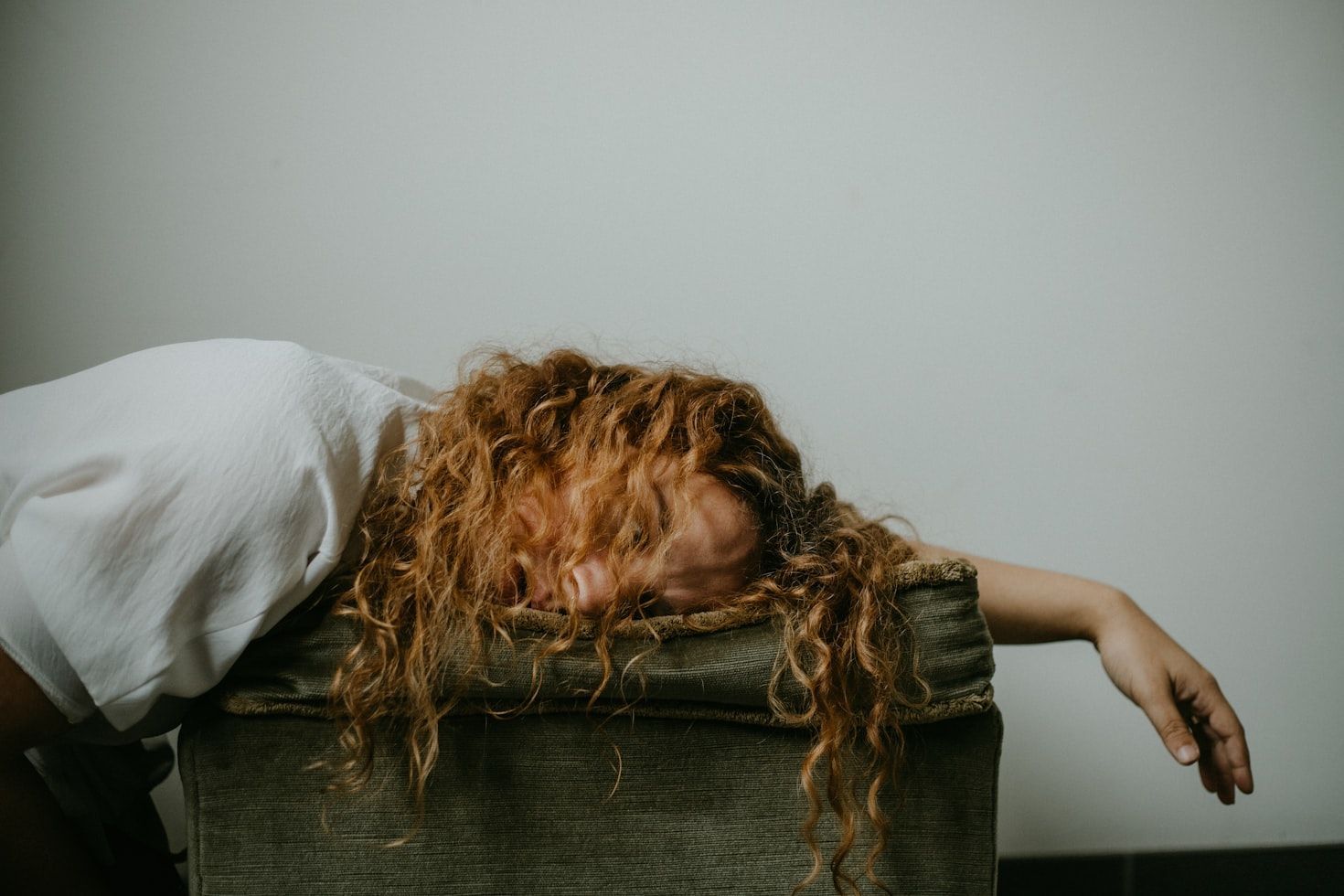
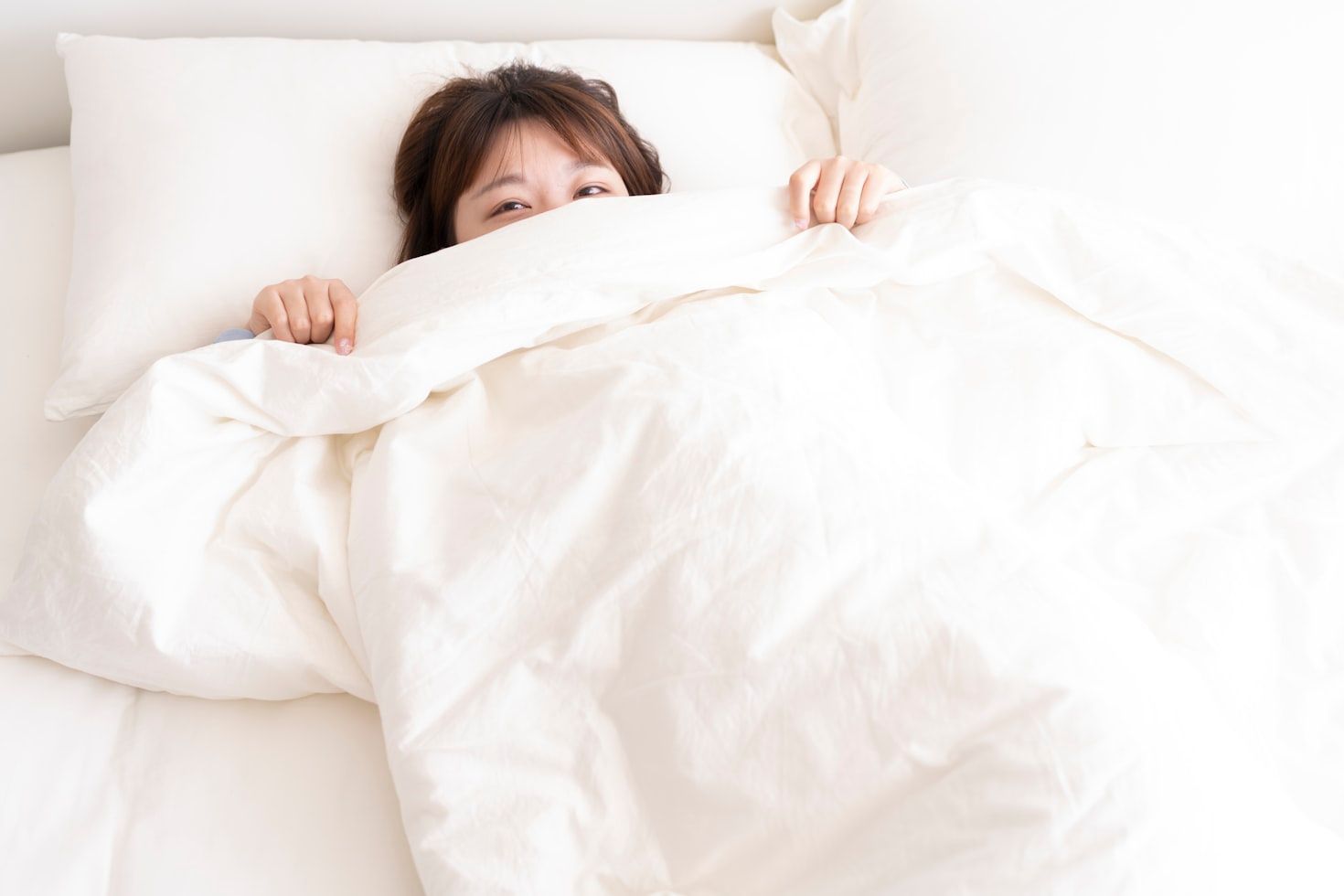
Have you ever uttered the words "sleep tight" or "hit the hay" before going to bed? These phrases have existed for ages, but their meanings and origins are not always apparent. Some are directly related to sleeping, while others are metaphors for entirely different things. Take a look at 12 of these idioms. Do you use any of them?

1

Sleep tight

Image: Sinitta Leunen

"Sleep tight" is a phrase most people know from the bedtime verse: "Sleep tight, don’t let the bedbugs bite". It’s often claimed to come from the old practice of tightly tying ropes on bed frames to keep mattresses firm and comfortable. This helped prevent sagging and made for a better night’s sleep.

In older English, "tight" simply meant "soundly" or "well", making "sleep tight" a wish for a good night’s sleep.

2

Hit the hay

Image: Simon Infanger

"Hit the hay" dates back to the late 19th or early 20th century and is often linked to the practice of stuffing hay into sacks or mattresses for sleeping, which is also commonly cited as an explanation for the phrase "hit the sack."

Another theory suggests that farm workers sometimes slept directly in haystacks, making "hay" a stand-in for "bed." Because "hit the hay" appears in print slightly earlier than "hit the sack," some believe it may have come first.

3

To sleep like a baby

Image: hessam nabavi

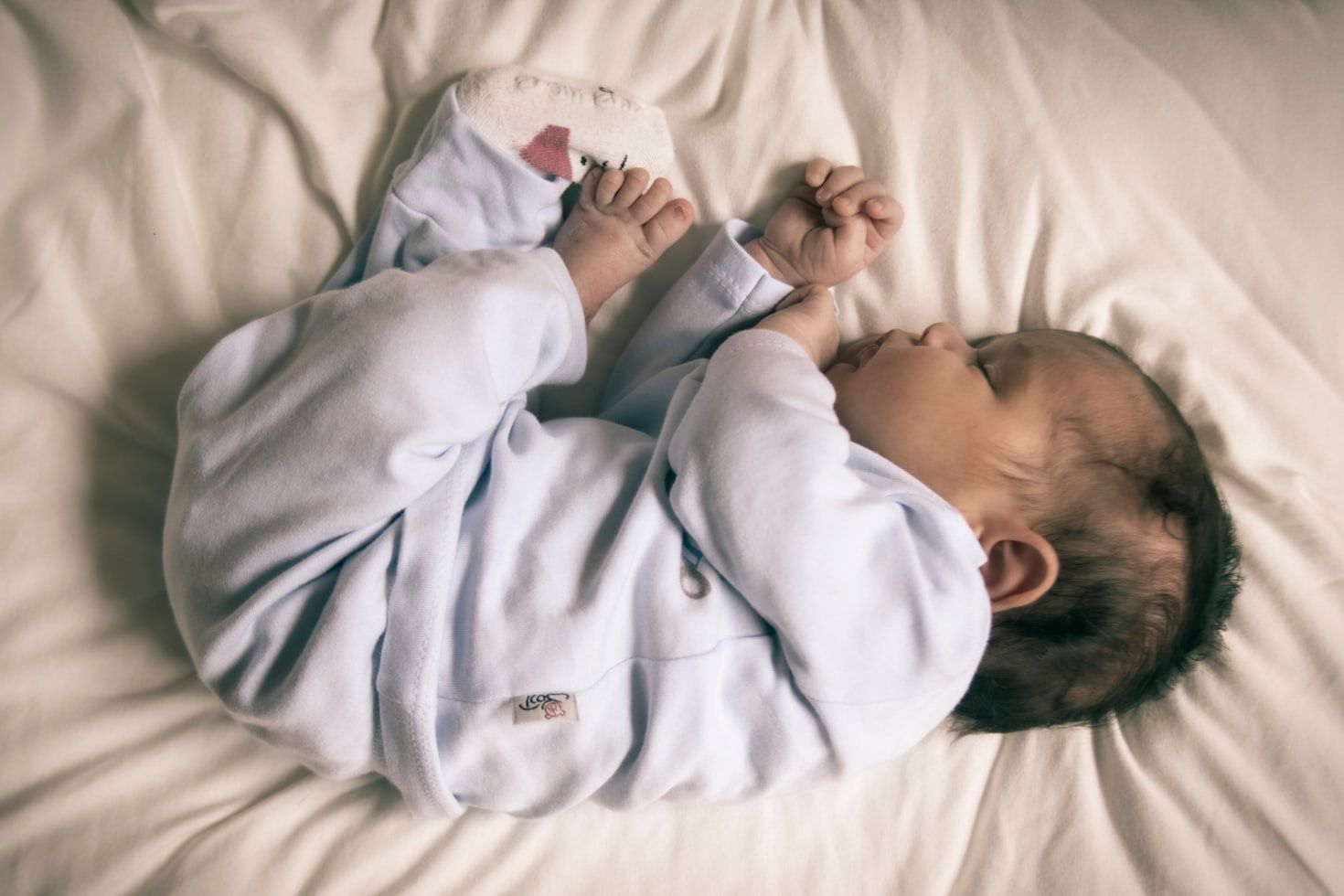
Anyone who has had a newborn knows how strange the phrase "sleep like a baby" sounds: babies wake up often and cry! Yet, the idiom means to sleep peacefully and deeply.

The idea is that when babies do sleep, they’re completely at ease, with no worries to disturb them. That peaceful, undisturbed state is what the phrase refers to, even if it doesn’t match the full reality.

4

Let sleeping dogs lie

Image: Irina

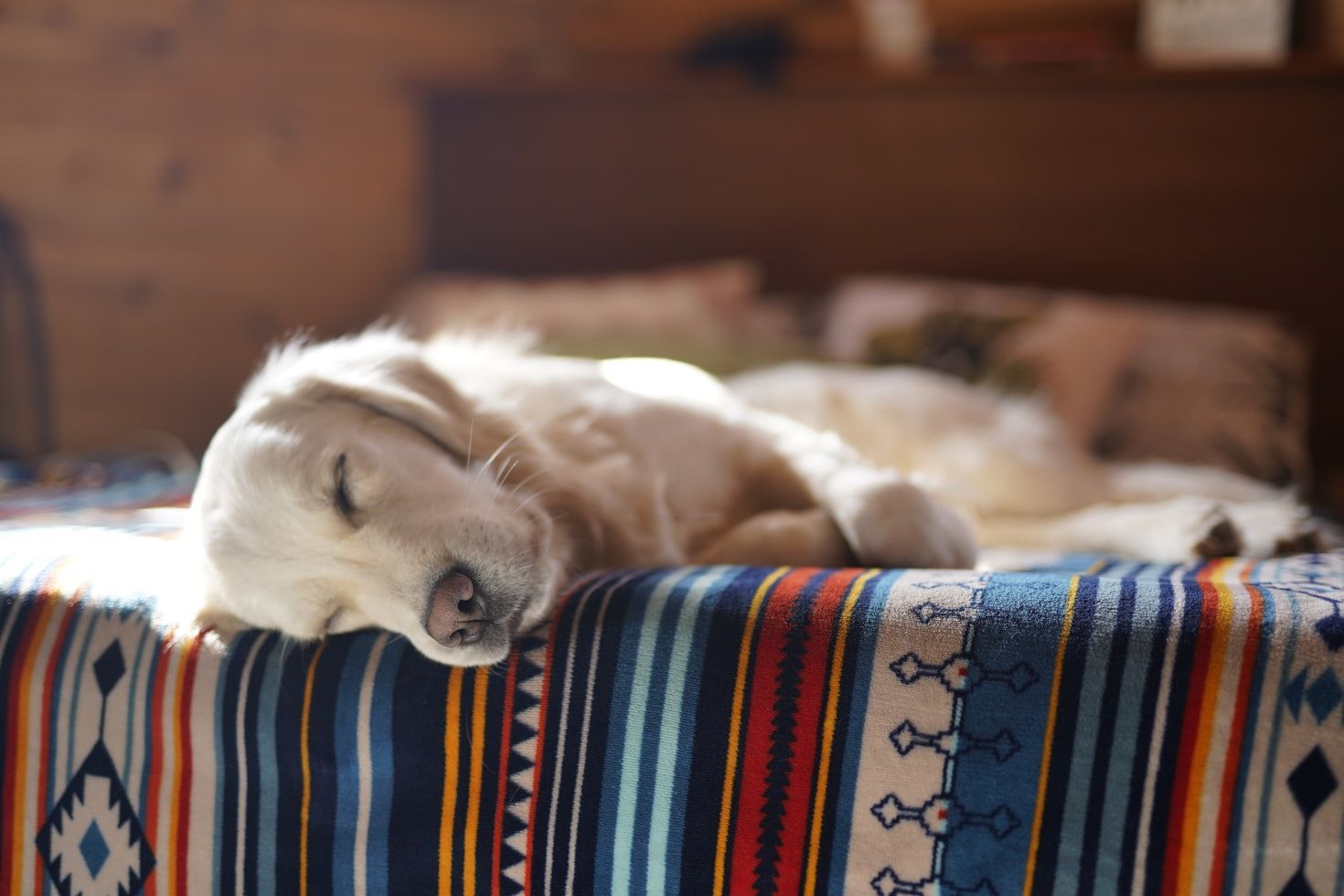
"Let sleeping dogs lie" might sound odd at first, but its meaning becomes clear with a bit of explanation. It’s a warning to leave past issues alone, especially sensitive ones.

The phrase compares old disputes to sleeping dogs: if you wake them, they might react aggressively. Similarly, revisiting old problems can stir up trouble best left alone.

5

A catnap

Image: Aleksandar Cvetanovic

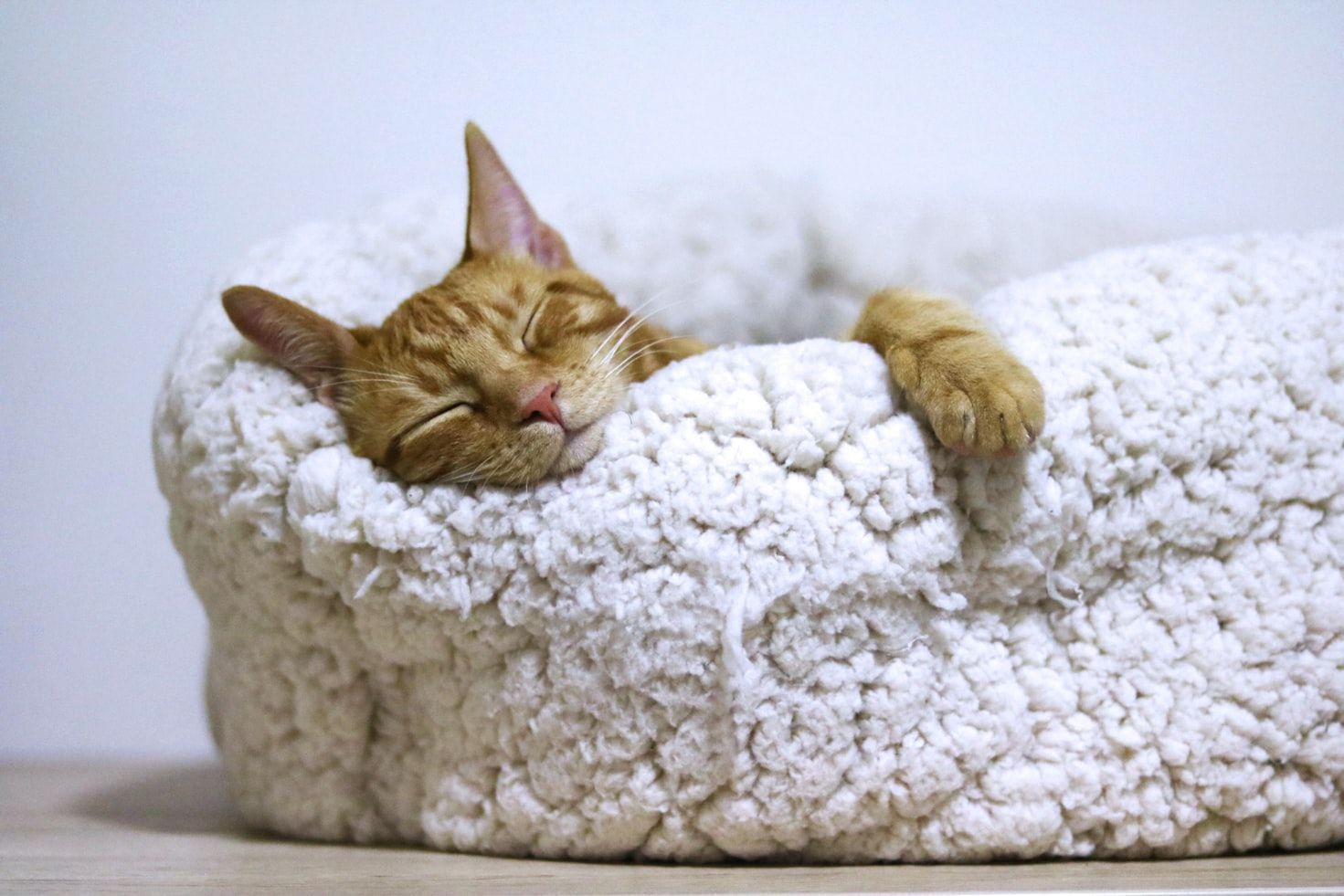
A "catnap" is a short, light nap, usually under 30 minutes, during which you do not enter deep sleep. Studies suggest that even a 10-minute nap can be refreshing, sometimes nearly as effective as a longer one, though the ideal length varies by person.

The term comes from cats’ daytime sleep habits. Since wild cats had to stay alert for danger, they took quick, light naps. Today’s cats do the same, snoozing lightly throughout the day, just like a good catnap.

6

Wrong side of the bed

Image: Greg Pappas

"Waking up on the wrong side of the bed" means starting the day in a bad mood. The phrase comes from an old Roman superstition.

Romans, including Augustus Caesar, believed getting up on the left, or sinister, side brought bad luck. As a result, the "wrong side" was more than just a bad mood starter; it was thought to be a bad omen.

7

Sleep like a log

Image: Shane

To "sleep like a log" means to sleep deeply and without moving, like a heavy log lying still. It’s a common way to describe a peaceful, undisturbed night.

The origin of the phrase is unclear, but some link it to lumberjacks who slept soundly after hard work. Others connect it to the similarity between snoring and the sound of sawing.

8

Counting sheep

Image: Annie Spratt

"Counting sheep" means imagining sheep jumping over a fence, one by one, to help you fall asleep. It’s a classic mental trick to quiet the mind.

The phrase likely comes from shepherds who counted their flocks at night to ensure none were missing, a repetitive and calming routine before bed.

9

Lose sleep over something or somebody

Image: Михаил Калегин

The idiom "to lose sleep over something" means to worry about something to the point that it becomes difficult to sleep, or to be so concerned that it disrupts one’s rest.

While the exact origin of the phrase is difficult to pinpoint, it likely evolved from the idea that intense worry and stress can interfere with the body's natural sleep cycle.

10

Do something in your sleep

Image: Nubelson Fernandes

To "do something in your sleep" means to do something very easily and effortlessly, usually because you have done it so many times that it's become second nature. It's a metaphorical way of saying that you are so proficient at a task that you don't even have to think about it, as if you could do it while unconscious.

11

Sleep with one eye open

Image: Jamie Street

"Sleep with one eye open" means staying alert or cautious, especially in risky situations. It suggests being ready for trouble, even while resting.

The phrase is often linked to animals such as dolphins and certain birds that can literally sleep with part of their brain awake to remain safe.

12

Sleep around the clock

Image: Vin Jack

To "sleep around the clock" means to sleep for many hours without waking. It often happens when you're exhausted or feeling unwell. It’s a way in which the body tries to recover energy.


IN GOOD SPIRITS

Do You Know The Origin Of These 10 Alcoholic Beverages?


Published on March 24, 2026


Image: Adam Wilson

You probably know many alcoholic beverages that you enjoy drinking alone or combined in different cocktails, but do you know where their names come from? From whiskey and gin to rum and absinthe, the origins of spirits have fascinating stories to tell. Are you ready to explore them? You will surely learn some curious facts to share at your next party!

1

Whiskey

Image: emkanicepic

Whiskey is one of the most consumed alcoholic beverages in the world. It is produced by distilling malt fermented with cereals such as wheat, barley, corn, and rye, and the resulting spirit is subsequently aged in white oak barrels.

In the Middle Ages, alcoholic beverages were classified into two main groups: "aqua ardens" (burning water) and "aqua vitae" (water of life). Whiskey falls into the category of "aqua vitae." The Latin term was translated into Middle Irish as usque beatha, which in turn derived into usquebaugh, pronounced: "wiskyba," giving rise to "whisky" (Scotland) and "whiskey" (Ireland and the United States).

2

Brandy

Image: Timothé Durand

The word brandy is an abbreviation of brandywine, an English term dating from the early 17th century. It comes from the Dutch brandewijn, meaning "burnt wine" or "burning wine," referring to the distillation process.

Brandy is made from the distillate of wine or fermented fruit pulp, primarily grape skins. There are different types of brandy. Perhaps one of the best known is cognac, a high-quality wine distillate, named after the city in France where it is produced.

3

Gin

Image: John Fornander

Gin is a distilled drink made from juniper berries, among other ingredients. The term gin is an abbreviation of the Old English word genever, which in turn derives from the Dutch jenever and the French genièvre. Moreover, all these words trace back to the Latin word for juniper, juniperus.

This drink emerged among European monks during the Middle Ages as a medicinal liquor. Then, in the 17th century, gin gained popularity in England and transitioned into the modern drink we know and love. Nowadays, gin is used to prepare different cocktails, including Tom Collins, Negroni, and the popular Gin & Tonic.

4

Rum

Image: C D-X

The first references to this drink date back to the mid-17th century in Barbados, a small Caribbean island with sugar plantations that was under British rule for several centuries. When rum began to be produced on a large scale in the colonies, the English imported it to Europe and popularized it throughout the continent.

There are many theories about the origin of the word rum. The most accepted one suggests that it comes from the English slang word rumbullion which means "great tumult." This term might have originated in the Devonshire area on the southwest coast of England. From rumbullion, it became known as rum in English, rhum in French, and ron in Spanish.

5

Vodka

Image: Deeliver

Vodka is an emblematic drink of Eastern European countries and is used to prepare a multitude of cocktails, including the Martini Vesper, Moscow Mule, White Russian, Cosmopolitan, and Bloody Mary, among others. The word vodka comes from the Russian word voda, which means "water." The ending -ka makes it diminutive, translating to "little water."

Vodka is a distillate that comes from the fermentation of potatoes, wheat, barley, grapes, beets, or any plant rich in starch. Originally, the aim was to obtain a simple, alcoholic liquid composed of ethanol and water, with no pretensions in terms of aroma or flavor. It also needed to have a high alcohol content to cope with the harsh Russian winters. Traditionally it has a graduation around 40º, although there are vodkas that reach 80º and up to 96º. It is hard to believe that it’s simply called water!

6

Bourbon

Image: Ryan Parker

This distillate made mainly from corn, was first introduced in the United States in the 18th century. The first known producer was Reverend Elijah Craig, a Baptist minister. Legend has it that the clergyman established the first distillery in Fayette County, Kentucky, with the help of a Southern farmer who provided surplus corn from his harvest.

Although it was born in Fayette, this variety of whiskey was named after another nearby county, Bourbon County, where the spirit began to be produced on a large scale. The names of both Kentucky counties have their origin in the same historical figure: Gilbert du Motier, the Marquis de Lafayette, a French aristocrat related to the House of Bourbon.

7

Vermouth

Image: Giorgio Trovato

The word vermouth comes from the German word wermut, which means "wormwood," one of the main herbs used to make this beverage. This fortified wine, flavored with different botanicals (flowers, herbs, roots, and spices), has been used since ancient times for medicinal purposes. However, the modern version we know today was first introduced in Turin, Italy, in the 18th century.

In the 19th century, vermouth became a global trend thanks to the rise of bars and cocktails, as it was —and still is— an essential ingredient to prepare classic drinks such as Martinis, Negronis, and Manhattans.

8

Tequila

Image: Deeliver

Tequila is, without a doubt, a staple of Mexican culture and a famous drink around the world. In ancient times, it was considered a gift from the gods. Today it’s served as an aperitif or combined with other beverages and ingredients to prepare cocktails.

This spirit is produced from the distillation of fermented juice obtained from the heart of a plant known as "blue agave." Its name comes from the Nahuatl word Tekilan, which means "place of the workers."

9

Absinthe

Image: alandiaspirits

This popular anise-flavored spirit, made from wormwood oil and other herbs, has a high alcohol concentration. With a bitter taste, absinthe’s color is usually pale green. Its name derives from the Latin absinthium, which in turn comes from the Greek apsínthion, meaning "wormwood."

The use of wormwood to make alcoholic beverages dates back to the 1st century, but it was not until the end of the 18th century, in French-speaking Switzerland, that the drink we know today was created. At the end of the 19th century, absinthe, often called "Green Fairy," was the most popular spirit in Europe, enjoyed by all social classes, especially artists and bohemians. However, years later its consumption was limited because it could cause hallucinations, which gave birth to the term absinthism.

10

Pisco

Image: eKokki

Peru and Chile, neighboring South American countries, share many things: the Andes mountain range, common ancestors, customs, and, notably, the debate over the origin of pisco. The true birthplace of this spirit has long been questioned, with both countries claiming it as their own. What we do know is that the name pisco may derive from the Quechua word Pisku, meaning "bird."

Peruvian and Chilean pisco are different varieties but have in common that they are grape distillations, made similarly to brandy and cognac. Despite the ongoing controversy, no one should miss trying a good pisco sour!

Looking for an extra scoop of literary fun?

Learn more with our Word of the day

aversion

/əˈvərʒən/