Trimming our vocabulary
Americans say 'soccer' instead of 'football' for this reason
Published on June 7, 2026
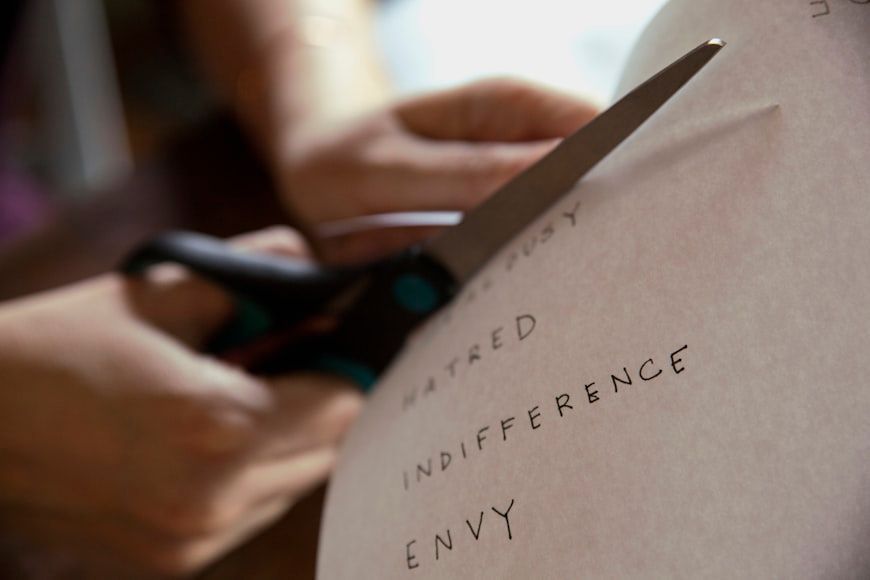
Have you ever wondered why we say ‘fab’ for fabulous, or ‘uni’ for university? A natural characteristic of most languages is that speakers, even if they don't realize it, try to say the most amount of things with the least amount of words possible. This can be done in many ways, including by shortening the word to its smallest form. While in some cases the short and the long versions are used at the same time, many terms that we don’t think twice about actually have a longer version. Keep on reading to discover the original form of these everyday words.
Pub

Public establishments dedicated to selling alcohol are as old as time and have gone by several names over the centuries. In English, taverns, alehouses, and inns existed way before the word ‘pub’ was in use. Where did it come from, then? In the 17th century, the term ‘public house’ began to be used to distinguish these establishments from private houses and residences, and the shortened version of ‘pub’ was registered for the first time in 1859.
Bus

Buses weren't always machines. The first recorded bus dates back to 1823 in Nantes, France, where a horse-drawn carriage service transported passengers to the public baths. The service was called Omnes Omnibus, Latin for ‘everything for everyone’. The omnibus part remained and was adopted into English to refer to public transport, later shortened to ‘bus’.
Fridge

While we still use the full word ‘refrigerator’ in English, ‘fridge’ is now a word in its own right. But how did it get to that form? As modern refrigerators became increasingly more common in the 20th century, people started shortening their name to ‘frig’, but this form sounded harsher than the original. To capture the sound of the g in ‘refrigerator’, writers started writing the word as ‘fridge’, mirroring the spelling of words like ‘bridge’ or ‘lodge’.
Soccer

Many think that Americans use the term soccer because a sport named football was already popular in the U.S., and they are only half right. Originally, there were several sports named football: Rugby football (now, just rugby), Association football (soccer), and Gridiron football (football). In the late 19th century, English students started shortening Association football to ‘assoc’ and then to ‘soccer’, a name that became popular and coexisted with the term ‘football’ for a long time. While ultimately ‘football’ became the more widespread term for the sport, in America, due to the popularity of Gridiron football, the name ‘soccer’ remained.
Perk

The word ‘perk’ has many meanings, but not all are a shortened version of another word. The word ‘perquisite’ comes from the Latin perquisitum, meaning ‘something carefully sought or acquired’. In the 19th century, it was shortened to ‘perk’, which has now evolved to mean a benefit or an extra, usually related to a job or salary.
Miss

While ‘mistress’ often has a negative connotation in modern English, this was not always the case. Originally, ‘mistress’ was the feminine version of ‘master’, as in ‘the head of a household’. Around the 1600s, it was shortened to ‘miss’, and both ‘mistress’ and ‘miss’ were used for the lady of the house. Eventually, ‘miss’ came to be used for young, unmarried ladies, while ‘mistress’ evolved into ‘Mrs’ (pronounced missus).
Cute

Have you ever heard the word ‘acute’ used to describe a sharp pain or a sharp-witted person? Believe it or not, it is related to the word we use to talk about charming and pretty things and people. While acute —and its shortened version, ‘cute’— originally meant ‘perceptive’ or ‘sharp’, it became a slang word for clever, fetching, or pretty things in the 19th century. Eventually, the meaning broadened to include physical appearances.
Girl

Middle English had many gender neutral terms to refer to people —think ‘child’ or ‘sibling’, for example— and ‘girl’ was one of these terms. Originally gyrle or girle, it was used to describe any small child, regardless of their sex, and adjectives were added to specify if it was male or female. Around the 15th and 16th centuries, the meaning shifted to refer to young females, while also becoming an affectionate term for women of all ages.
Taxi and Cab

‘Taxi’ and ‘cab’ are used interchangeably for a vehicle with a hired driver, and many people have at least once heard the term ‘taxicab’, now practically obsolete. But what if we tell you that taxicab is not the original term either? A taximeter (a mix of taxa, ‘charge’, and metron, ‘measure’) was an instrument used to measure and determine a fare, while a cabriolet was a light, horse-drawn carriage. The first automatic taximeter was invented in Germany in 1891, and attached to horse carriages and later to automobiles. These vehicles were initially called taximeter cabs, then taxicabs, and ultimately just taxis or cabs.
Prom
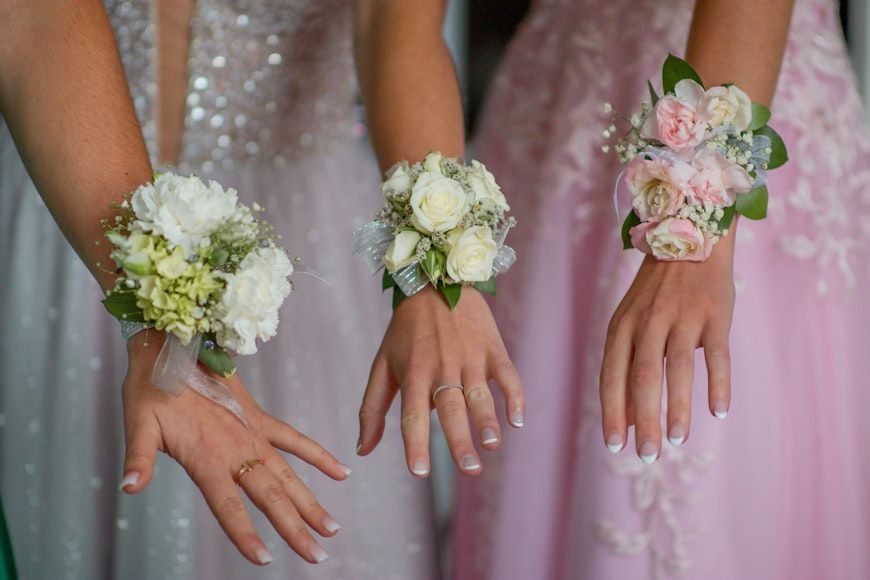
Ask any high school student, and most of them will agree that prom is a major rite of passage of adolescence. This tradition is derived from high society formal dances that gave young people the opportunity to practice their social skills and make acquaintances. But what does ‘prom’ mean? The original term is ‘promenade’, a word you may recognize in relation to walkways and avenues, a French term used for a leisurely walk or stroll. In high society events, ‘promenade’ was used for the initial formal parade of the guests, which gave them the chance to show off their attire. Eventually, it came to refer to the event itself.