Odd plurals

What's the plural of "octopus"? There's more than one correct answer


Published on September 13, 2026
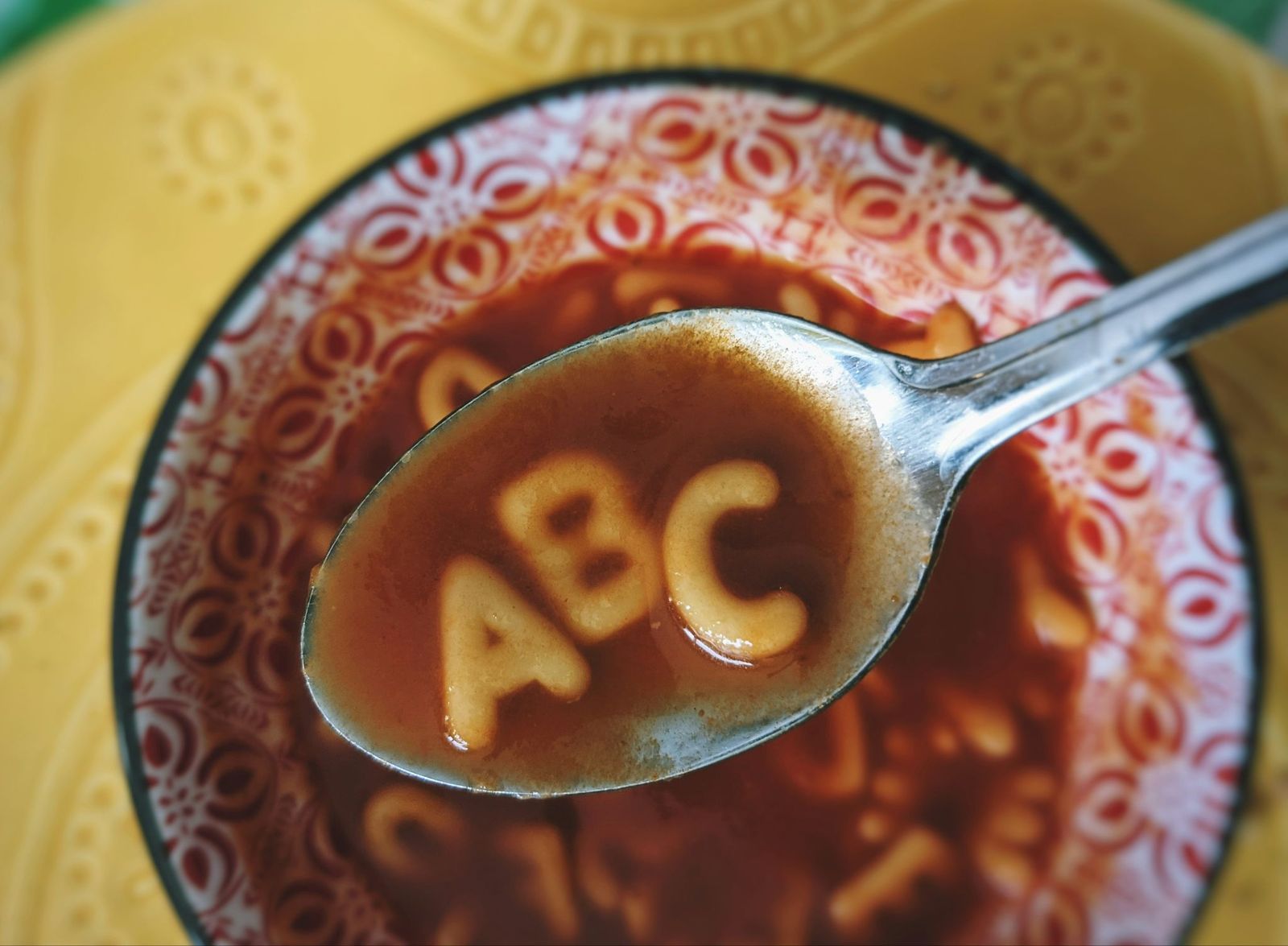

Image: Photo by Compagnons on Unsplash

Usually, plural English nouns are pretty straightforward. Just add an -s or -es, and you're done. However, there are more than a few odd ones out: words that change their vowels, acquire unexpected endings, or become almost unrecognizable. These irregular nouns are not random: they are linguistic leftovers from older forms of English and from the many languages that contributed to its vocabulary. Here's a list of 10 irregular plurals that are considerably more interesting than simply adding an -s.

1

Mice

Image: Photo by Nick Fewings on Unsplash

While the plural of mouse looks like an exception today, it is actually a survivor from a much older way of forming plurals called i-mutation, common in Old English and many Germanic languages. It's the same process that gave us geese, feet, teeth, and lice, among others.

English eventually abandoned this system in favor of the -s and -es mechanism for building plurals, but these words survive as remnants of the old times.

2

Children

Image: Photo by note thanun on Unsplash

Children is an interesting case of what linguists call double plurals: words that conserve two different marks of plurality in their construction.

The Old English word cild was pluralized as cildru originally, and eventually as childre. As the language evolved, speakers added the plural suffix -en (also found in words like oxen and brethren) to form the word children. In effect, the word accumulated two markers of plurality.

English normally has a strong tendency to simplify these cases, which makes the survival of the word children (instead of childs) especially remarkable.

3

Cacti and Cactuses

Image: Photo by Thomas Verbruggen on Unsplash

Cactus is a good example of what happens when English borrows a word, but speakers can't quite decide whether to keep the original language's grammar. The word entered English from Latin, and the traditional Latin plural of cactus is _cacti.

_However, English has its own perfectly sensible way of making plurals, and that has produced the word cactuses. In modern English dictionaries, both words are accepted. Cacti sounds more traditional and is particularly common in botanical contexts, while cactuses sounds more natural to everyday speakers.

4

Octopuses, Octopi, and Octopodes

Image: Photo by Dear Sunflower on Unsplash

Few English plurals generate as much debate as octopus. You'll commonly encounter octopuses, octopi, and, more rarely, octopodes. So which one is correct?

The popular form octopi comes from the mistaken assumption that octopus is a Latin word ending in -us and should therefore form its plural with -i, just like cacti. In reality, the word comes from the Greek oktōpous, meaning "eight-footed." Following Classical Greek rules, the plural should be octopodes.

While octopodes is closer to the original Greek, it's only common in specialized discussions. For ordinary English, octopuses is the simplest and most widely accepted choice.

5

Data

Image: Photo by Markus Spiske on Unsplash

In Latin, the singular datum means something that has been given, and data is its plural. English borrowed both forms, particularly in scientific and academic writing, where the distinction has remained important for centuries.

Today, datum is much less common outside of specialized contexts. While in formal scientific writing data is often still treated as plural, in everyday use many speakers treat it as a singular mass noun, as in "The data is stored on the server." The plural has effectively become more widespread than its original singular.

6

Phenomena

Image: Photo by Constantinos Kollias on Unsplash

Phenomenon is another Greek word whose traditional plural has survived intact. In Greek, phainomenon referred to something that appears or is observed, while phenomena was its plural. English borrowed the pair through Latin and preserved the Greek-style ending.

Unlike cactus, where English developed an alternative plural, phenomena remains firmly established in educated and technical writing. It is especially common in science, where researchers may discuss multiple natural phenomena.

7

Brothers and Brethren

Image: Photo by juan pablo rodriguez on Unsplash

Both brothers and brethren are perfectly valid plurals of brother. However, in a surprising twist, they took on different nuances: while brothers is used for male siblings ordinarily, brethren (the older form) survived mainly in religious, fraternal, and formal contexts.

Brethren was once a normal plural of brother, but as English developed, the regular -s plural became increasingly dominant. Rather than disappearing completely, the older form became specialized. That gives us a fascinating example of a word developing two different plurals that coexist because they acquired different meanings.

8

Dice

Image: Photo by Riho Kroll on Unsplash

The word die, referring to a single numbered polyhedron (most commonly a cube) used in games, entered English through the Old French dé, while dice developed from the French plural dés.

While the distinction is still very much in use, the singular die is losing strength in everyday English, and dice is increasingly being treated as both a plural and a singular noun. In time, the singular form die may disappear from everyday English vocabulary.

9

People

Image: Photo by Ryoji Iwata on Unsplash

People is an especially interesting plural because it didn't originally come from the same word as person. The two words have completely different Latin origins.

Person ultimately comes from Latin persona, meaning a person, character, or role. People comes from Latin populus, meaning a population or nation, passing into English through French. Over time, English speakers began using people as the ordinary plural of person, even though the two words had separate histories.

The regular plural persons still exists and is perfectly legitimate, particularly in legal and formal contexts when referring to a group of individuals. But in ordinary conversation, people has become overwhelmingly dominant.

10

Indexes or Indeces

Image: Photo by Maksym Kaharlytskyi on Unsplash

Index has two established plurals, and the choice between them often depends on what you're talking about. Indexes is the ordinary English plural, while indices preserves the Latin form and is especially common in mathematics, science, and economics.

The Latin plural indices survived in specialized fields because scholars continued using Latin-derived terminology. Meanwhile, ordinary English speakers naturally applied the familiar -es ending and produced indexes. Both forms are now standard.
Translation and interpretation

Was the forbidden fruit really an apple? 10 Bible surprises


Published on September 13, 2026


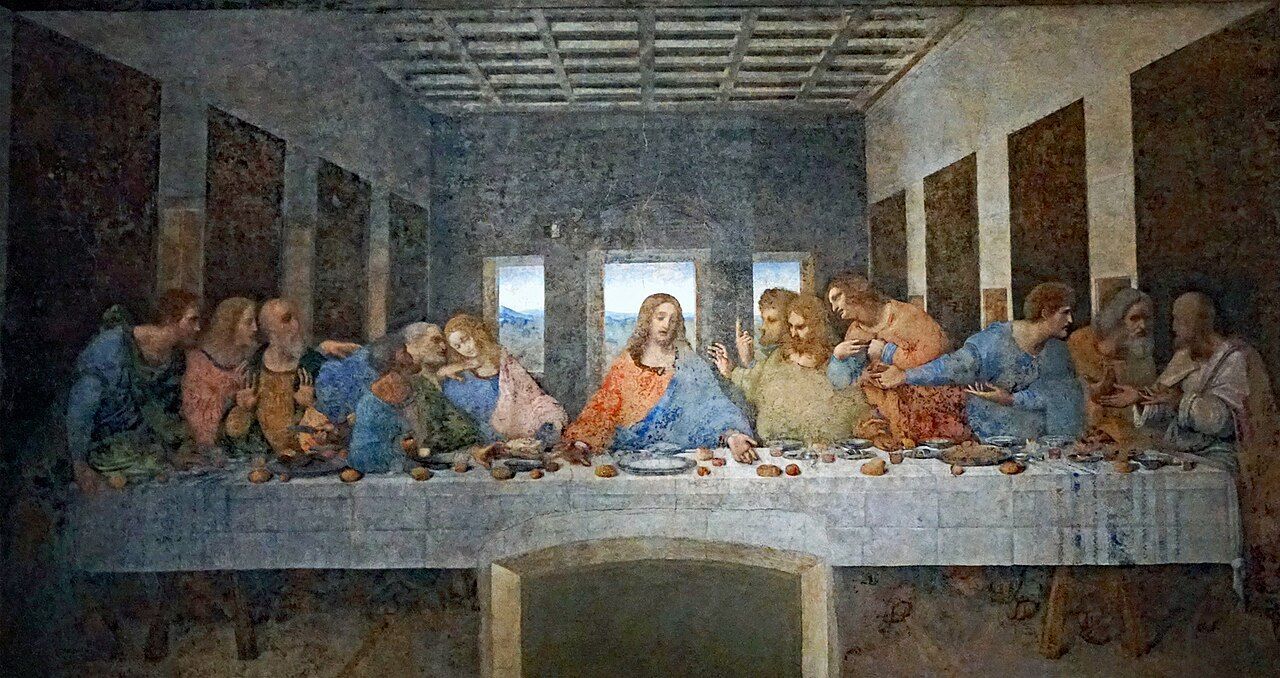
Image: Mariordo, CC BY-SA 4.0, via Wikimedia Commons

What if some of the Bible stories you grew up with aren't exactly what the Bible says? Was the forbidden fruit really an apple? Were there actually three Wise Men? Did "God helps those who help themselves" really come from the Bible? Over centuries, translations, traditions, and famous works of art have added details that became so familiar, we stopped questioning them. But go back to the texts, and some of these stories look surprisingly different. From Eve's "apple" to the date of Jesus' birth, here are 10 familiar parts of the Bible that may not be quite what we remember.

1

The forbidden fruit was an apple

Image: Albrecht Dürer, Public domain, via Wikimedia Commons

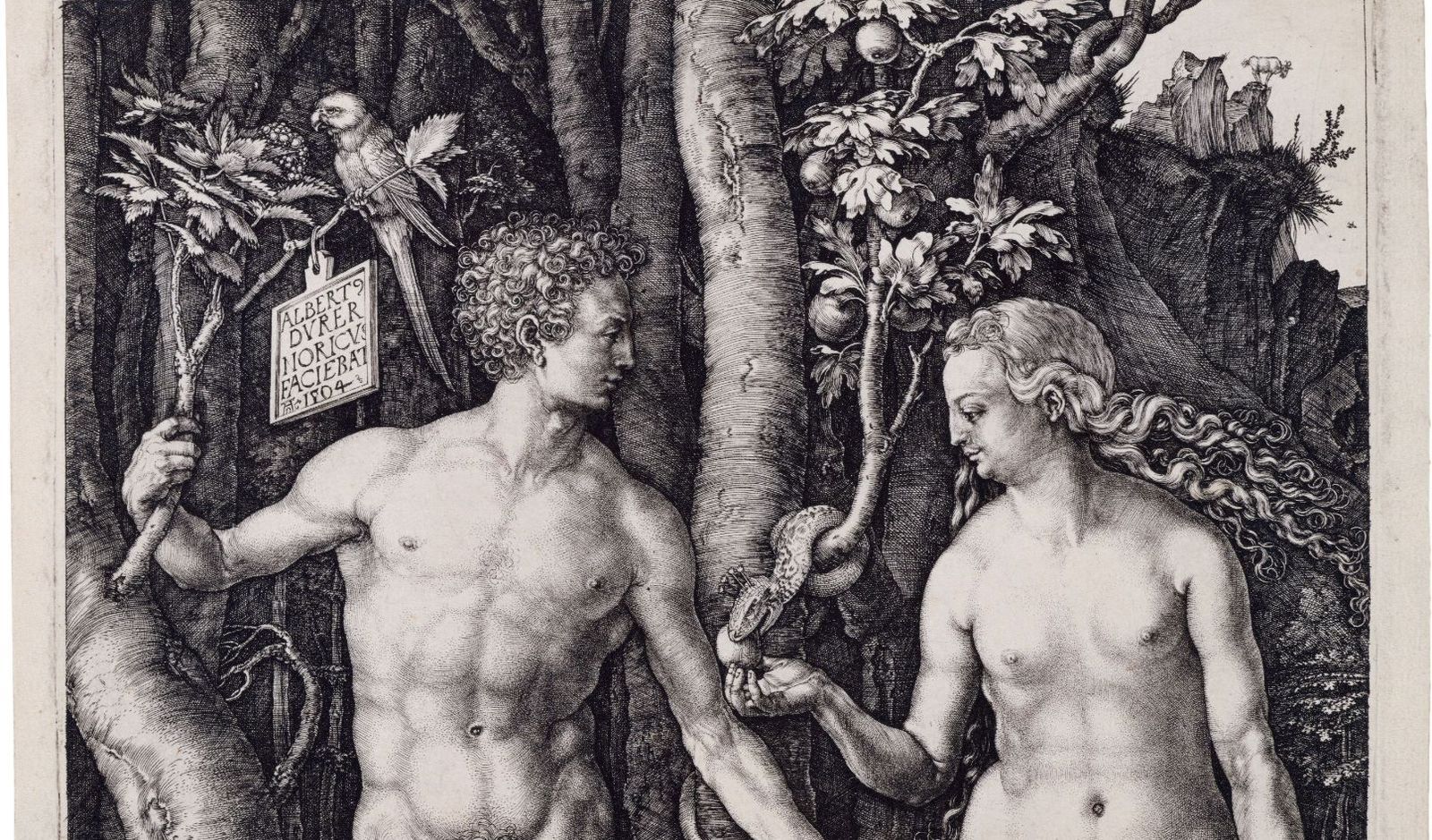
When you picture the Garden of Eden, what fruit comes to mind? Most people imagine an apple, but there's just one problem: the Bible never says it was an apple.

In the Book of Genesis, the fruit is simply called "the fruit of the tree of the knowledge of good and evil." The original Hebrew text uses the word peri, which simply means "fruit." The apple connection came centuries later, largely through the Latin translation. The Latin word malum can mean both "apple" and "evil," making it an especially fitting symbol for the story. Over time, that association spread through Christian art and literature. Famous works such as Albrecht Dürer’s 1504 engraving Adam and Eve (also known as The Fall of Man) helped cement the image of Eve holding an apple. Today, it's one of the most famous scenes in history, even though the original biblical text doesn’t identify the fruit as an apple at all.

2

There were three wise men/kings

Image: Rawpixel.com

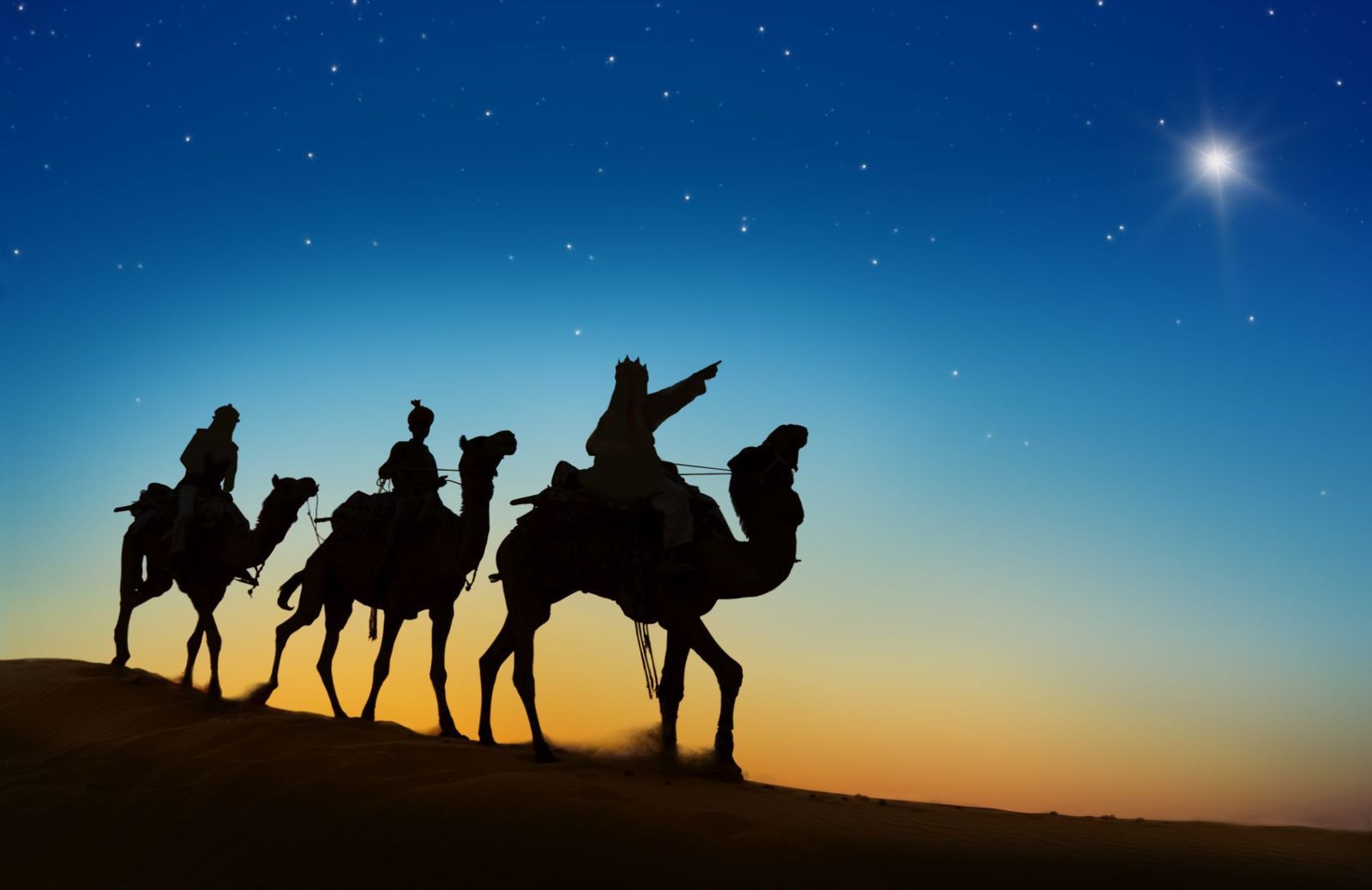
The story of Jesus' birth is so famous that most of us picture the Three Wise Men, sometimes called the Three Kings, standing beside the manger. But the thing is, over the centuries, the story picked up a few details that aren't actually in the Bible.

In the Gospel of Matthew, the only Gospel that mentions these visitors, they are described simply as Magi from the East. The original Greek word, magoi, referred to learned scholars, astrologers, or priests from Persia or Babylon, not kings. But where did the number three come from? Matthew lists three gifts: gold, frankincense, and myrrh, but never says how many visitors brought them. Over the centuries, people naturally assumed there must have been three Magi, one for each gift. Even their familiar names, Melchior, Caspar, and Balthasar, were added later by Christian tradition. So, neither the number of visitors nor their names appears anywhere in the biblical text.

3

"God helps those who help themselves"

Image: Adam Nir

Whether it's used to motivate a friend, encourage a family member, or push yourself to finally make a difficult decision, "God helps those who help themselves" is one of the most familiar religious sayings in America. But here's the surprise: those words never appear in the Bible.

The idea can be traced to ancient Greek sources, including Aesop’s Fables, where the saying appears in an earlier form: "The gods help them that help themselves." The exact modern wording was written by English politician Algernon Sidney in 1698, but it was Benjamin Franklin who helped make it part of American culture when he included it in his 1736 edition of Poor Richard’s Almanack.

4

"Cleanliness is next to godliness"

Image: John Jackson, CC BY 4.0, via Wikimedia Commons

Many teenagers have heard "Cleanliness is next to godliness" when it was time to clean their rooms. But despite sounding like a Bible verse, the phrase never appears in Scripture.

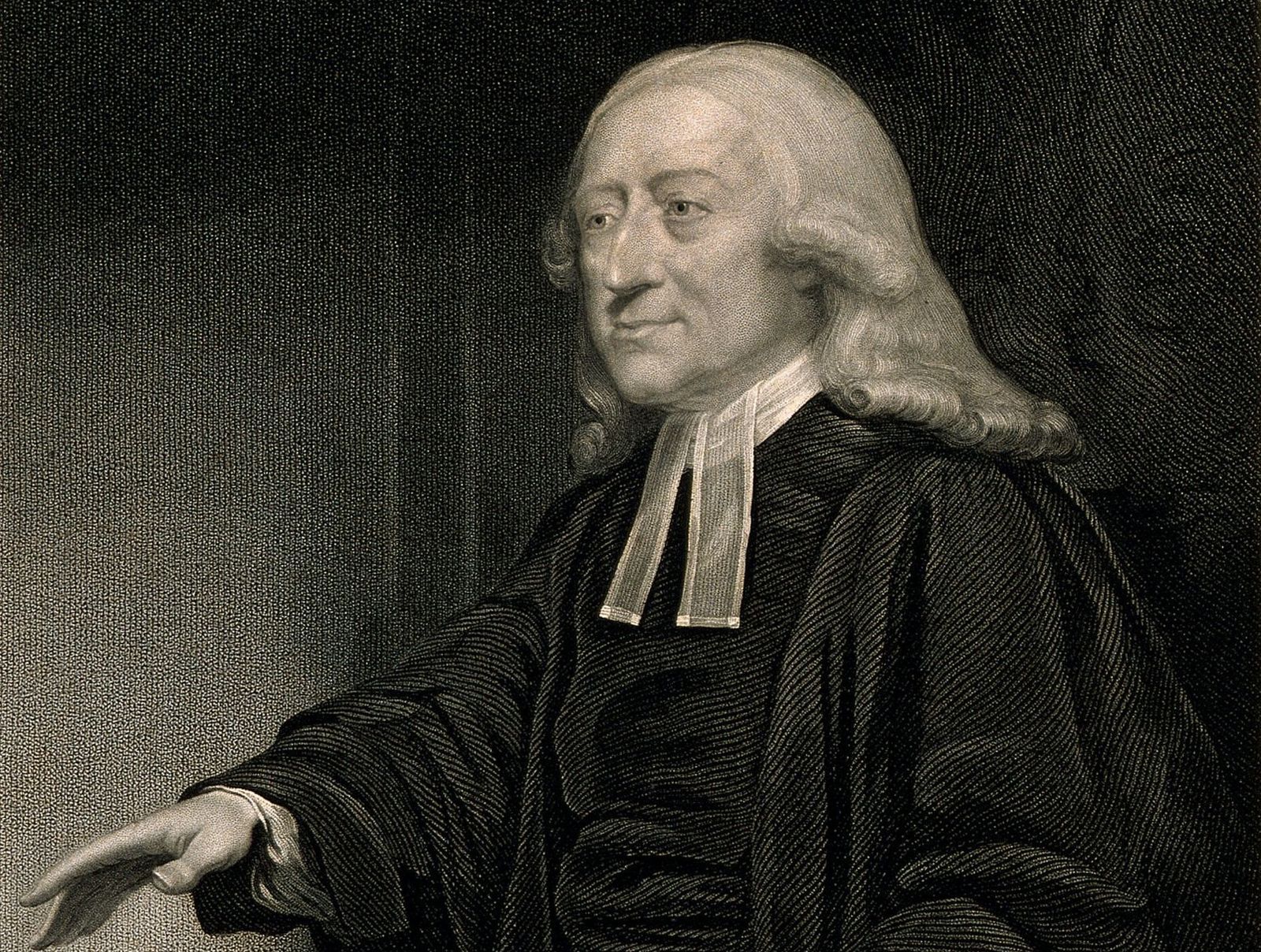
The Bible, particularly Leviticus, does contain extensive laws requiring people to wash their bodies and clothes in certain circumstances, especially before religious rituals. But the famous saying itself came much later. In 1605, Francis Bacon wrote in The Advancement of Learning that "cleanness of body" was connected to reverence for God. Then, in 1786, it was Methodist leader John Wesley who used the wording we recognize today in a sermon: "Cleanliness is indeed next to Godliness." Over time, the phrase became a familiar saying that many people simply assumed came from the Bible.

5

The date of Jesus' birth

Image: http://www.parrocchiasantagata.org, CC0, via Wikimedia Commons

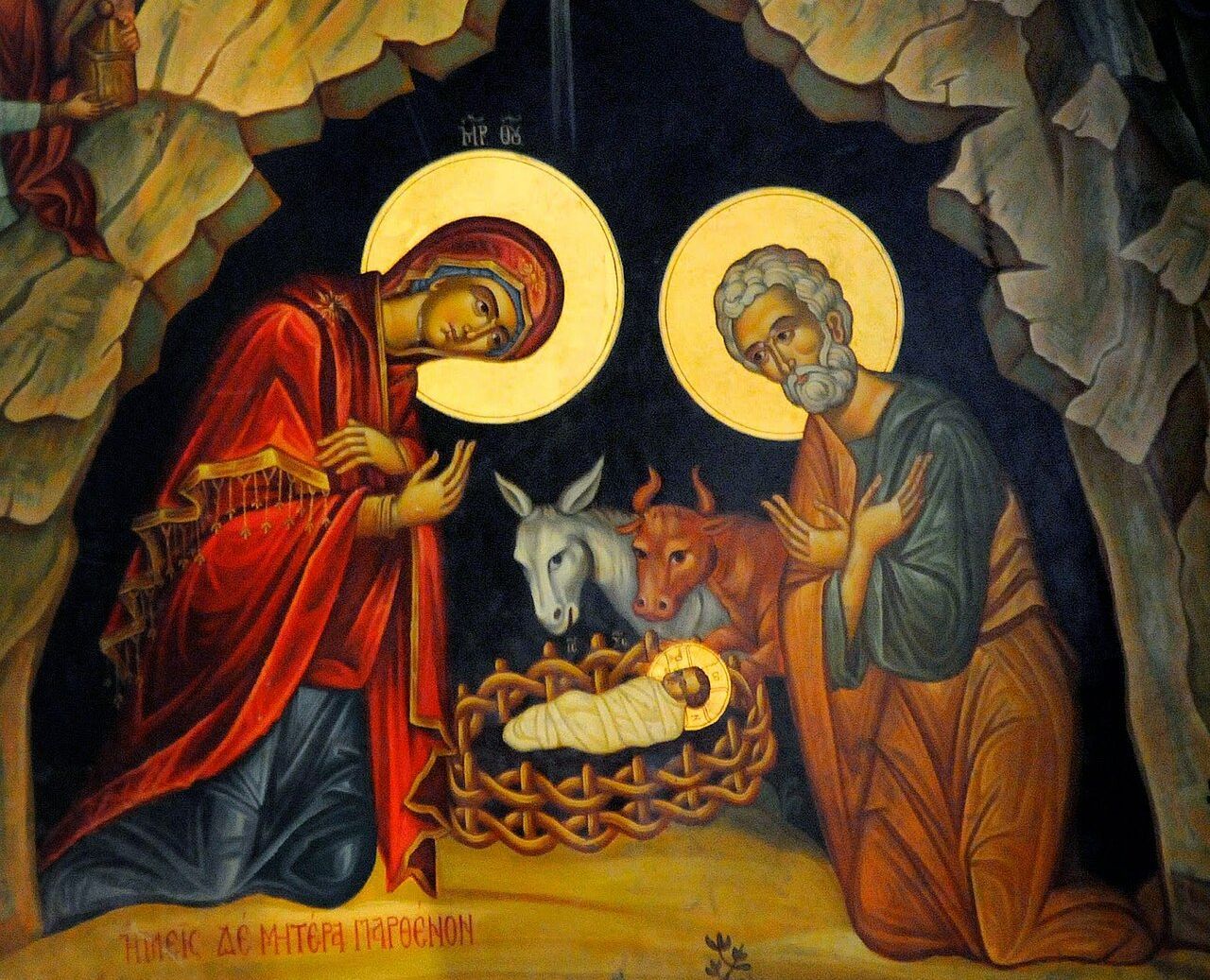
When it comes to famous dates, December 25 may be the most recognizable of all, universally associated with Christmas. But here's the surprising part: the Bible never gives any specific date for Jesus' birth.

The Gospels of Matthew and Luke describe the Nativity but never provide a calendar date, so how did December 25 become Christmas? There are two leading theories. The first is that the Roman Church was celebrating Christmas on December 25 by 336 AD, during Constantine's reign, possibly choosing the date to coincide with existing Roman winter festivals and make it easier to convert the empire to Christianity. The second points to an early Christian tradition that calculated Jesus' birth date from the supposed date of his crucifixion, eventually arriving at December 25.

6

Jonah and the Whale

Image: Pieter Lastman, Public domain, via Wikimedia Commons

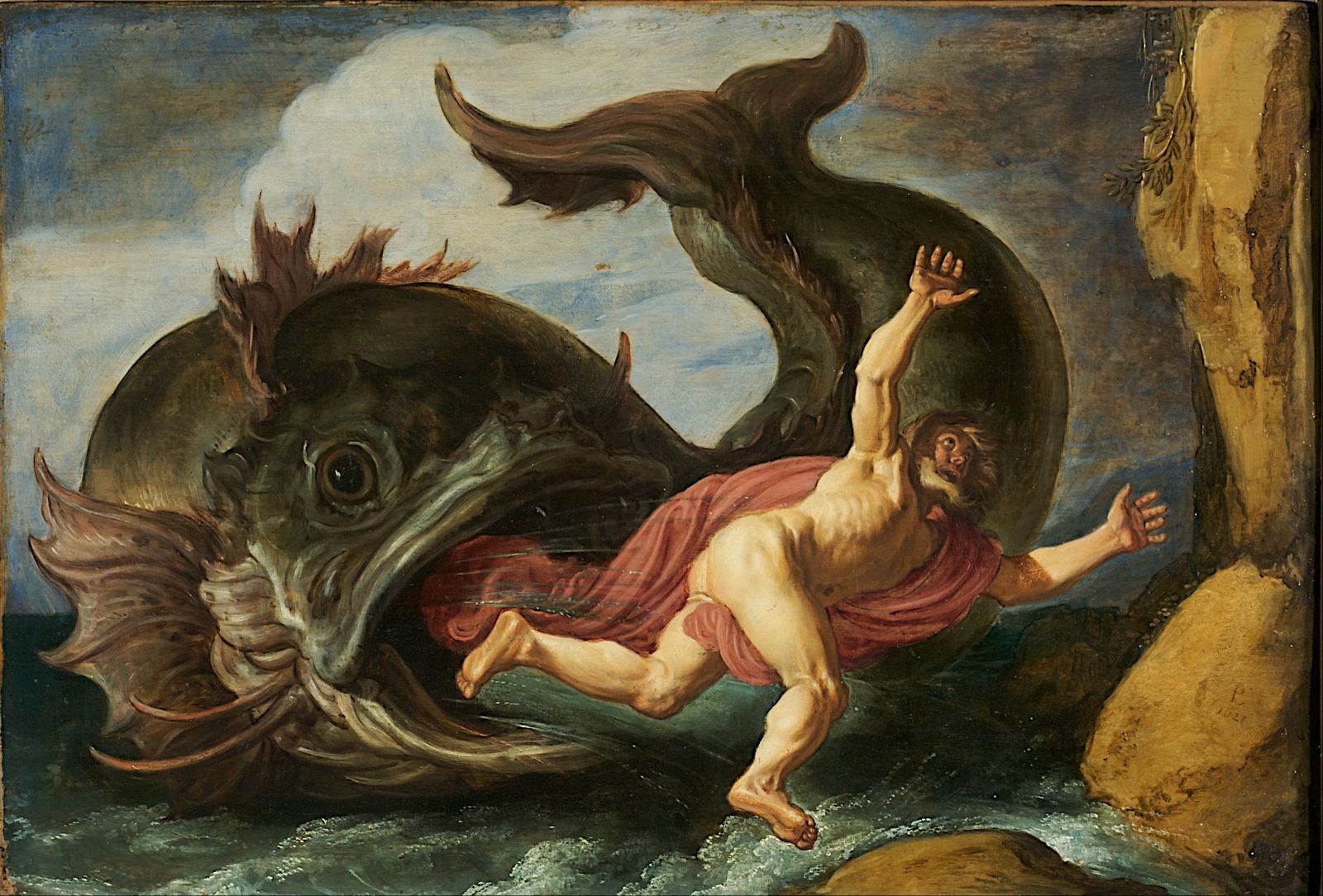
The story of Jonah and the Whale is so famous that it has appeared literally or symbolically in innumerable works of art and literature, from Michelangelo's Sistine Chapel ceiling (1508-1512) to Herman Melville's 1851 novel Moby-Dick. But there's a small problem with the title we've given it: the Bible doesn’t actually say it was a whale.

In the Old Testament, the original Hebrew text of Jonah 1:17 uses the words dag gadol, meaning "great fish" or "large fish"; it doesn't identify the creature as a whale, or even specify what kind of fish it was. Most modern English translations therefore stick with "great fish," but the familiar "whale" interpretation developed through older translations and later European tradition, eventually becoming so widespread that "Jonah and the Whale" became the name almost everyone recognizes.

7

The serpent in Eden was Satan

Image: neurobit

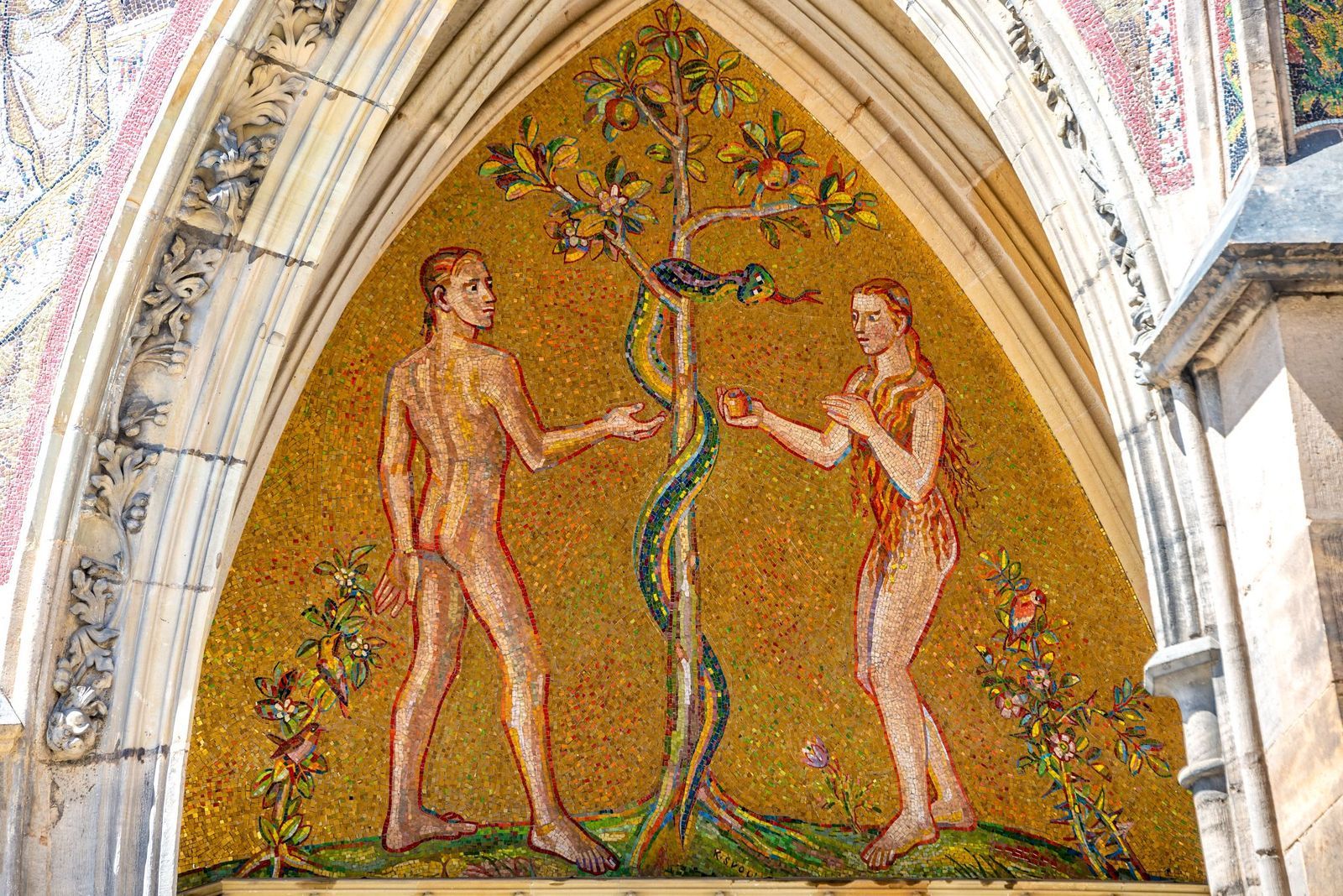
Just as we've always pictured the forbidden fruit as an apple, many of us also assume the serpent in the Garden of Eden is the devil himself. But the original story is a little more complicated.

A plain reading of Genesis depicts the creature simply as a serpent or snake, using the Hebrew word nachash. It describes the serpent as clever and crafty, but it never calls it Satan or explicitly identifies it as the devil. So where did the connection come from? The answer comes from later parts of the Bible, particularly the New Testament. In Revelation 12:9 and 20:2, Satan is called "the ancient serpent" (ho ophis ho archaios in Greek), connecting him to the snake of Eden. Over time, Christian tradition applied that later connection back to Genesis, leading to the familiar belief that the serpent was Satan himself.

8

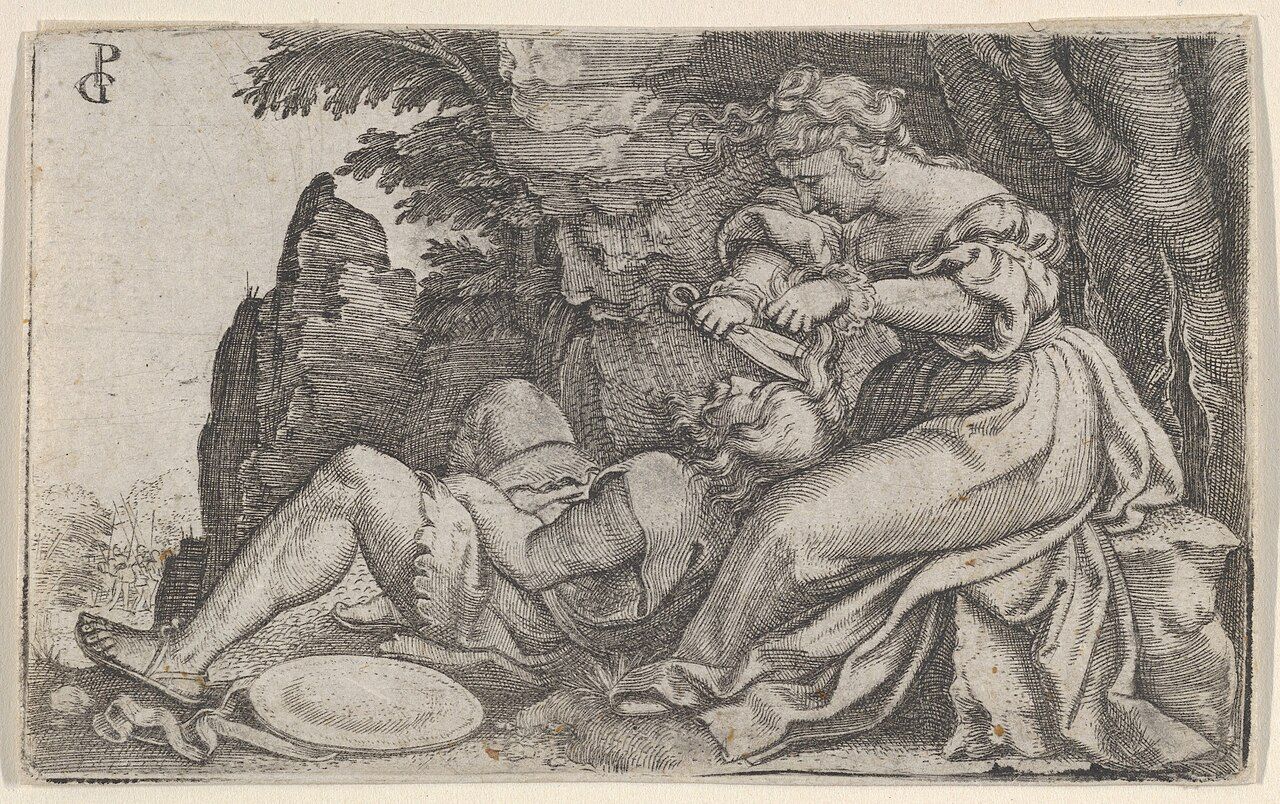
Delilah Cut Samson’s Hair

Image: Georg Pencz, CC0, via Wikimedia Commons

Many of us remember Samson for his legendary strength and the long hair that was said to be the source of his power. His story with Delilah is one of the Bible's most famous tales of betrayal, but there's one detail some people may have gotten wrong: Delilah didn't actually cut his long hair.

In Judges 16:19, Delilah has Samson's hair shaved while he sleeps on her lap. The text says she called for a man to do the shaving; it never says she did it herself. Yet paintings, films, and other retellings have often shown Delilah wielding the scissors herself, cementing that image in popular culture. It can be considered a small detail, but it’s a great example of how easily familiar Bible stories can pick up elements that aren't actually in the original text.

9

The Bible is a single-voice book

Image: Pixel-Shot

Many of us think of the Bible as a single book, written at one particular time by one author, or perhaps a handful of them. After all, that's how it looks when you pick one up in a hotel room, but its history is far more complicated.

The Bible is actually a collection of books written by over 40 authors over roughly 1,500 years, from about 1400 BC to AD 100. The exact number of books varies by religious tradition: Protestant Bibles contain 66 books, while Catholic and Orthodox traditions include additional books. Across these different traditions, the writings were produced by kings, prophets, fishermen, and scholars in Hebrew, Aramaic, and Greek. They also span a tremendous range of literary styles, including history, poetry, songs, laws, letters, and prophecy. So while we hold it as one book today, the Bible is actually a collection of many different writings produced across centuries.

10

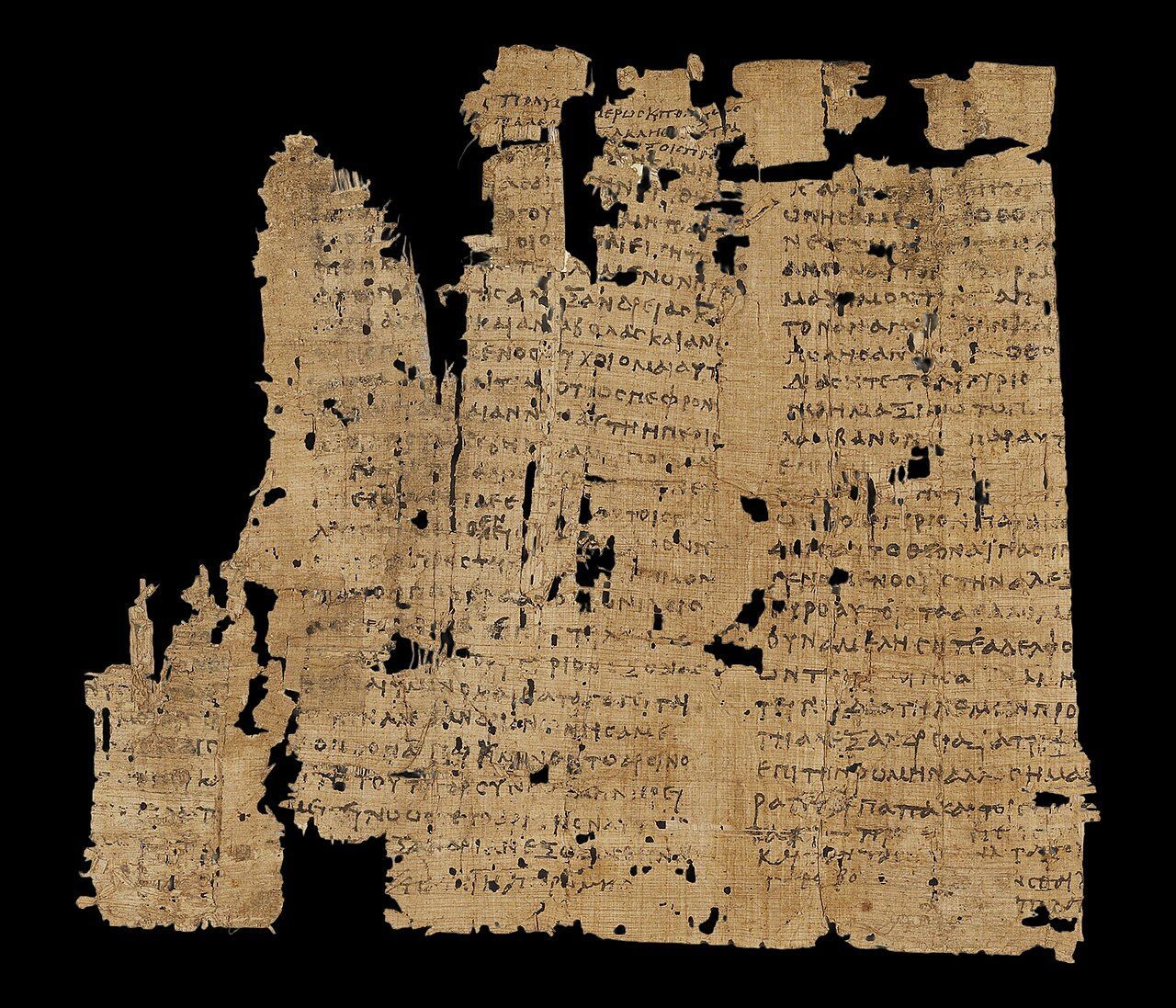
Original manuscripts still exist

Image: https://www.themorgan.org/manuscript/350198, Public domain, via Wikimedia Commons

Many people assume that at least a few original fragments of the Bible must still exist somewhere. It would be incredible if they did, but none of the original manuscripts, known as autographs, have survived.

The earliest biblical texts were written on fragile materials such as papyrus and animal skins, which could deteriorate through humidity, heat, handling, and simple age. Wars, fires, and other destruction also contributed to their disappearance. So how do we know what the originals said? Through a technique called textual criticism: expert scholars compare thousands of handwritten copies, ancient translations, and quotations from early Christian writers. When they find passages that match across different sources, or differences that reveal how a text changed over time, they can work backward to determine what the original most likely said, even though the original manuscripts themselves are gone.

Looking for an extra scoop of literary fun?

Learn more with our Word of the day

lacuna

/ləˈkunə/