Sailors slang
Learn the ropes: 10 common sayings that came straight from sailors
Published on July 21, 2026
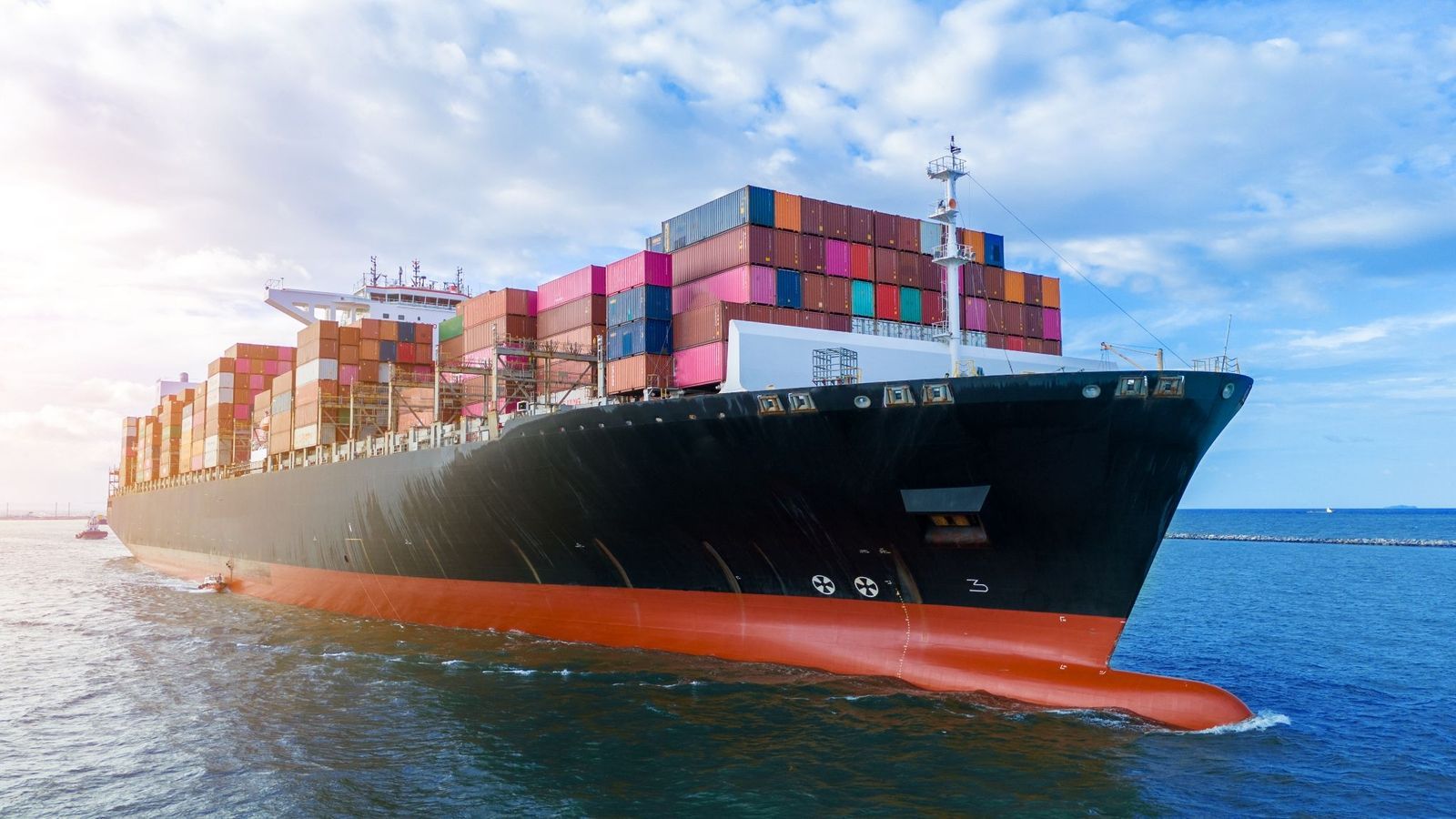
Life on ships was all about teamwork and facing the unknown. Sailors dealt with changing weather, rough waters, and threats that weren’t always easy to anticipate. Many phrases that still sound familiar today came out of that world, even though most of us don't use ropes or read the wind anymore. Even far from the ocean, these 10 expressions still describe everyday life.
Show your true colors
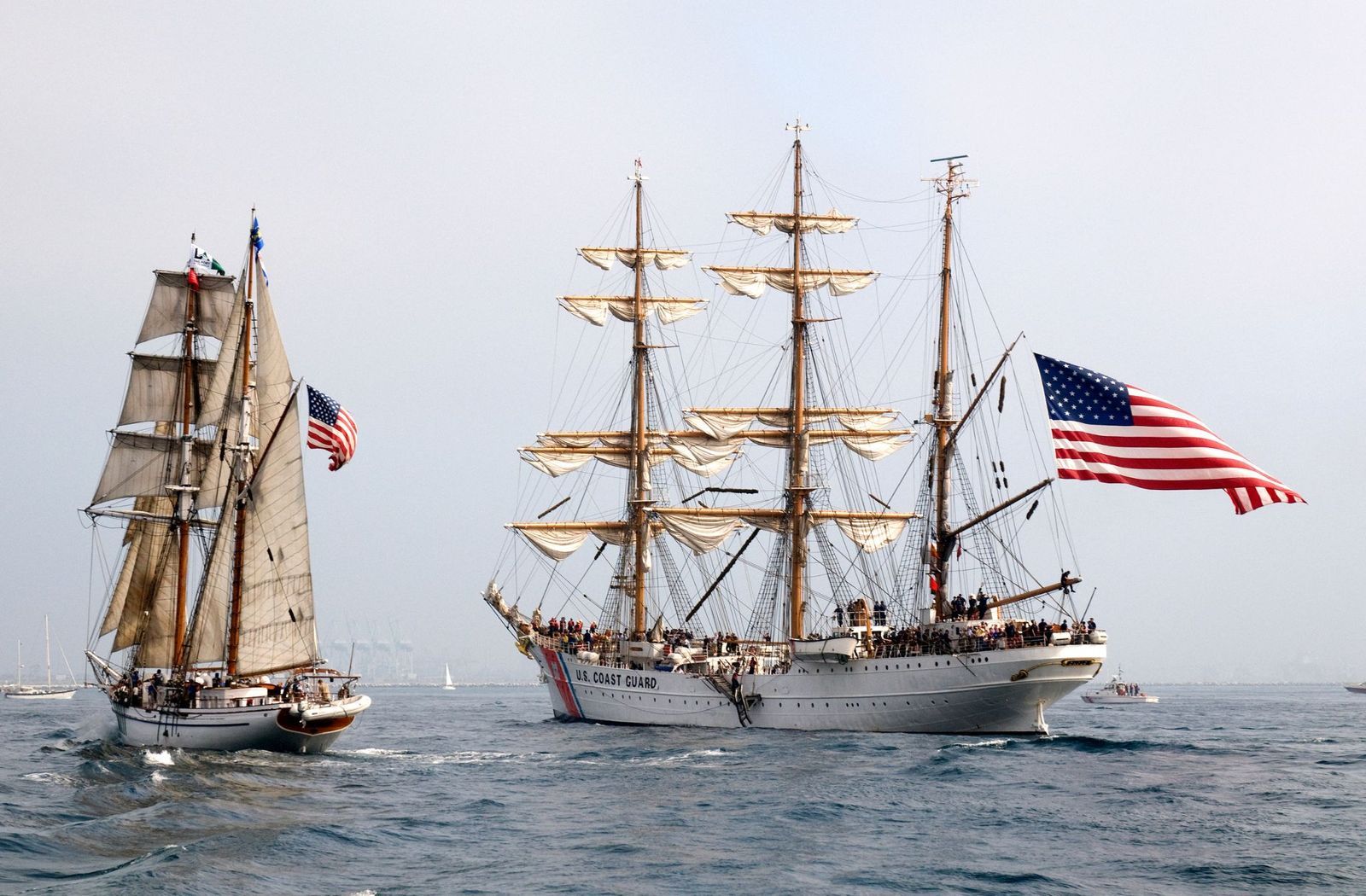
Can you imagine what "true colors" meant in sailing slang? It was actually a direct reference to a ship’s flag. Back then, flags could show a ship’s country or empire, loyalty, or even surrender. But ships could also sail under false colors to deceive other ships and hide their real intentions. When those intentions were finally revealed, the ship showed its true colors.
That meaning is not far from the one we use today. Today, the expression is used when someone reveals their real feelings or intentions after keeping them hidden for some time.
Learn the ropes
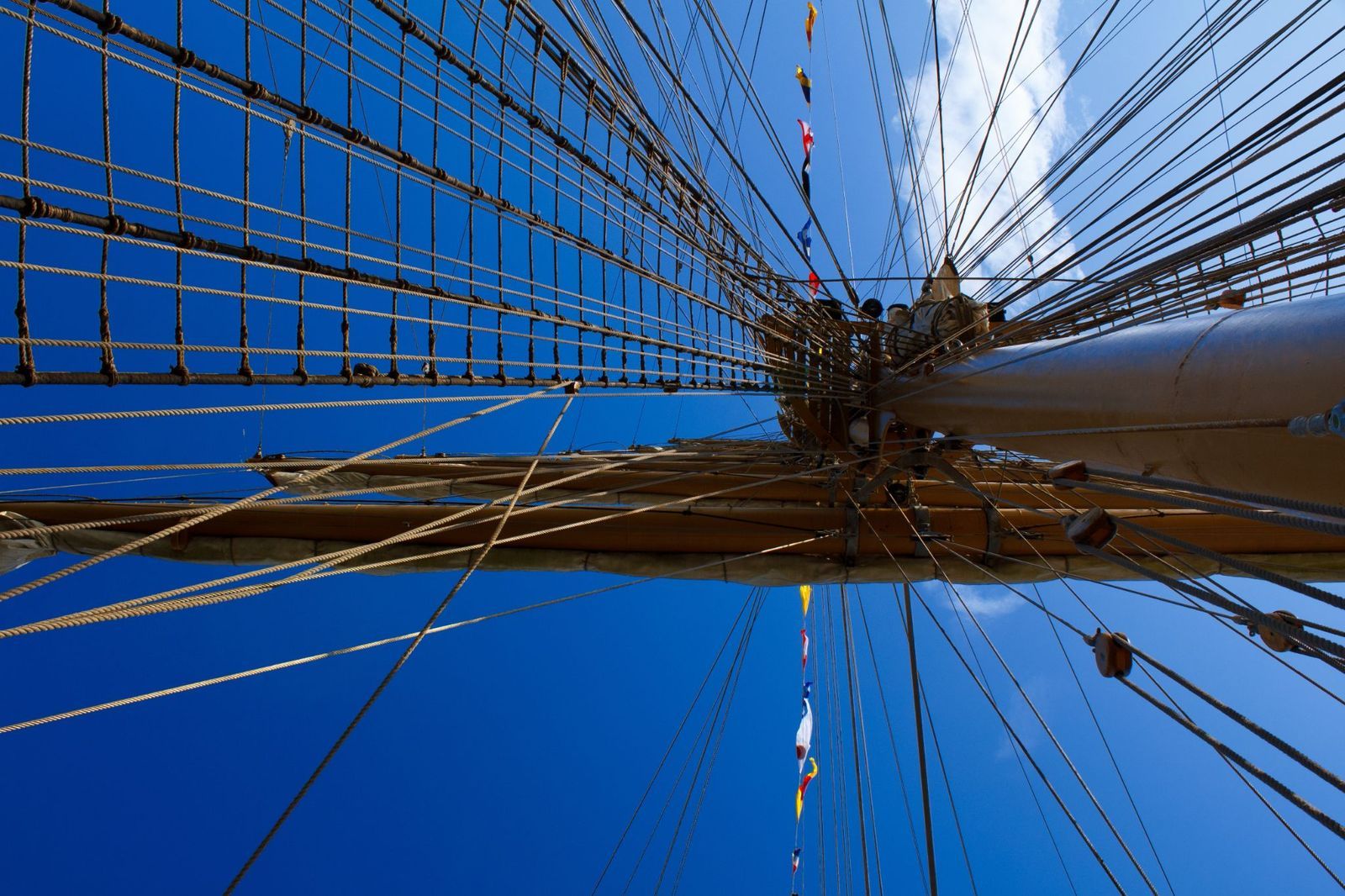
We’ve all entered a new job or tried a new activity, and had to learn how the whole system works before taking the first steps. That is the moment you get to learn the ropes, before things start to flow naturally. And on a ship full of real ropes, sailors had to learn, one by one, which rope was for which function and where it belonged before starting to sail by themselves.
All hands on deck
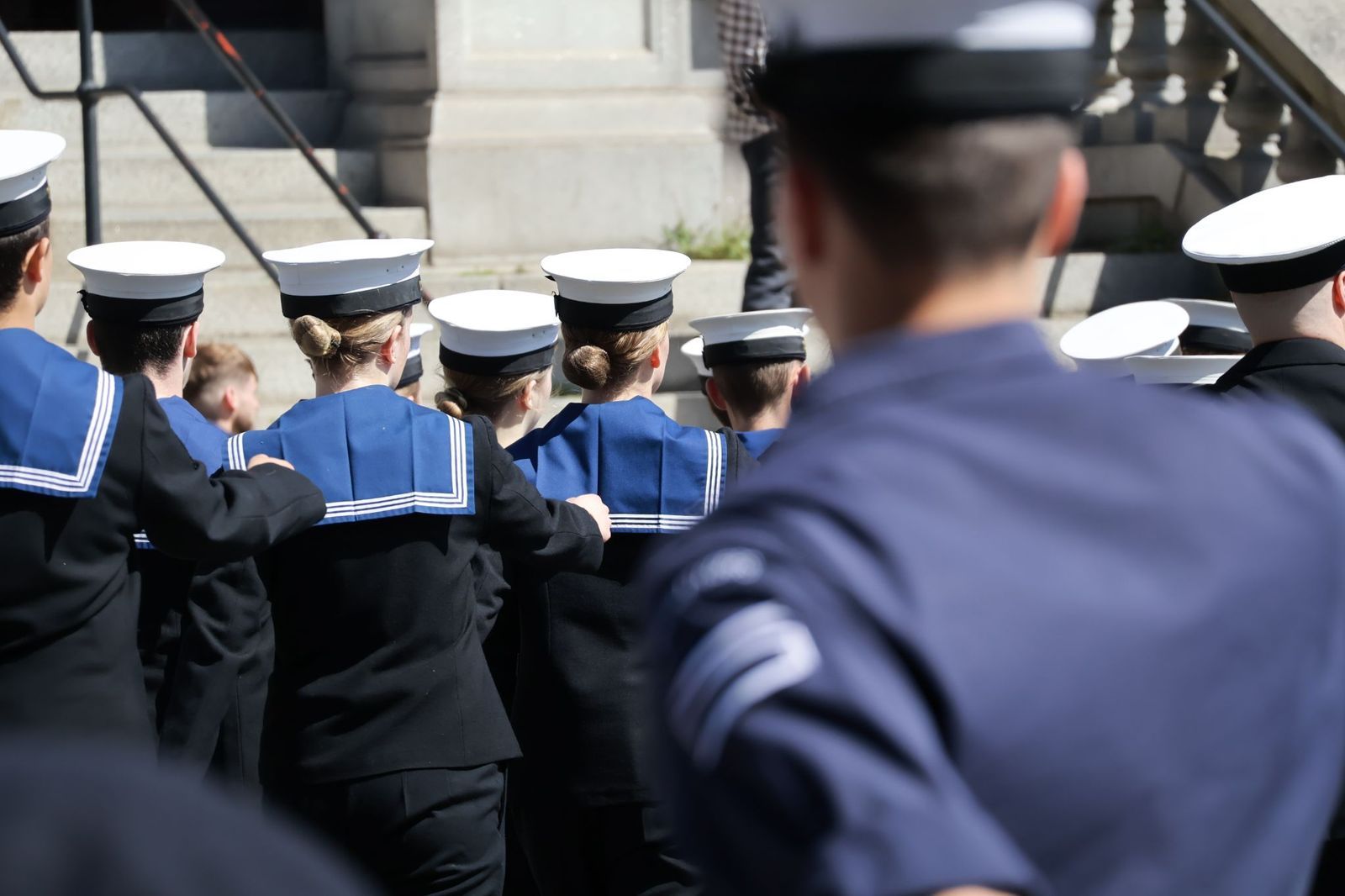
When the ship faced a dangerous or urgent situation at sea, everyone’s help was needed, and the call was simple: all hands on deck. In that phrase, "hands" meant the sailors or workers on board. It was a call for when the crew had to act quickly. The phrase keeps almost the same spirit these days. We use all hands on deck when a task is too big for one person, and everyone’s effort is required to get the job done.
In the offing
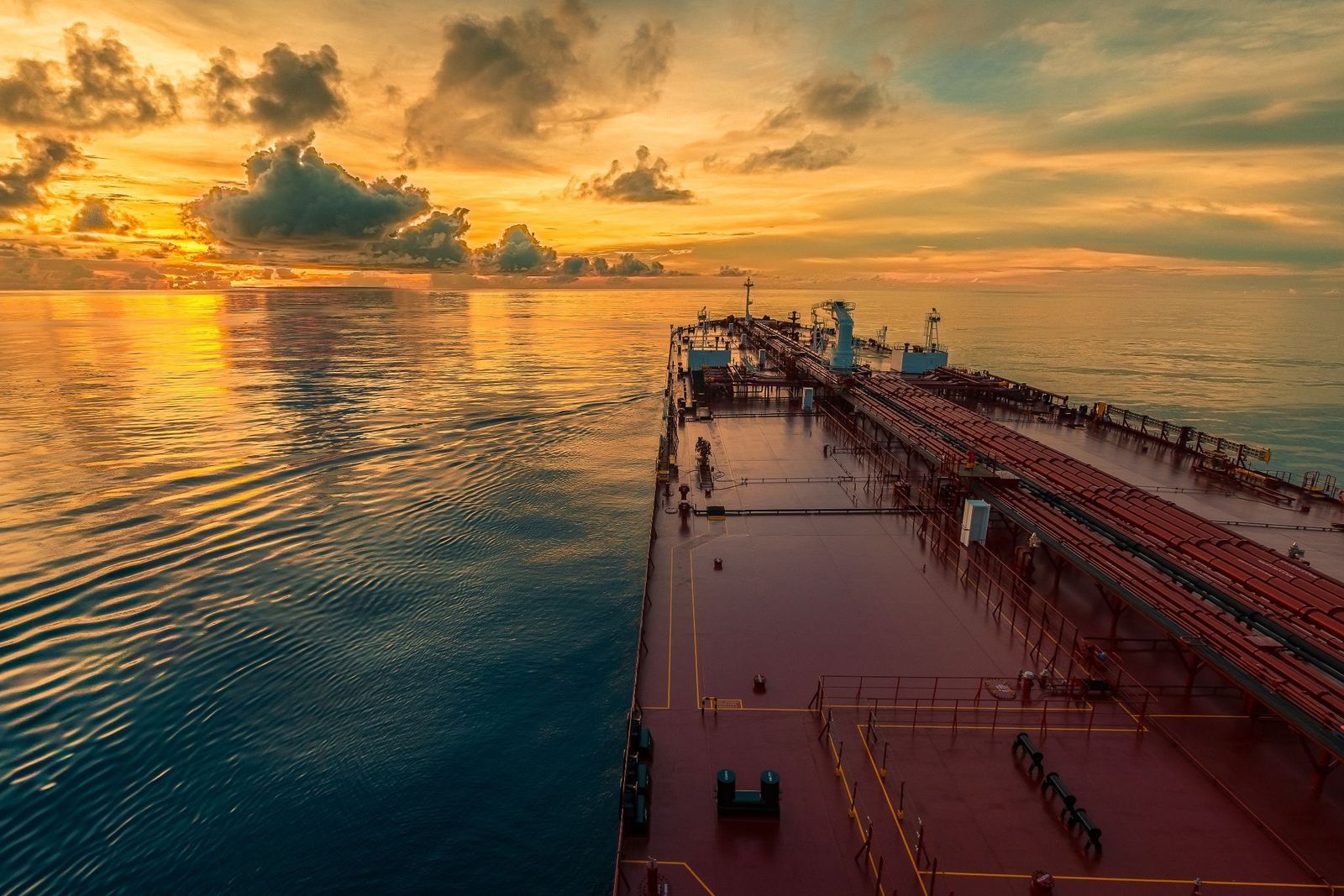
Imagine standing on the shore and spotting a ship far out at sea, which isn’t close enough to arrive yet. That distant part of the sea was called the offing, so when a ship was in the offing, people knew it was on its way. The phrase made its way from ships to everyday life, and today, "in the offing" means something will happen soon, and you already see it coming.
Batten down the hatches
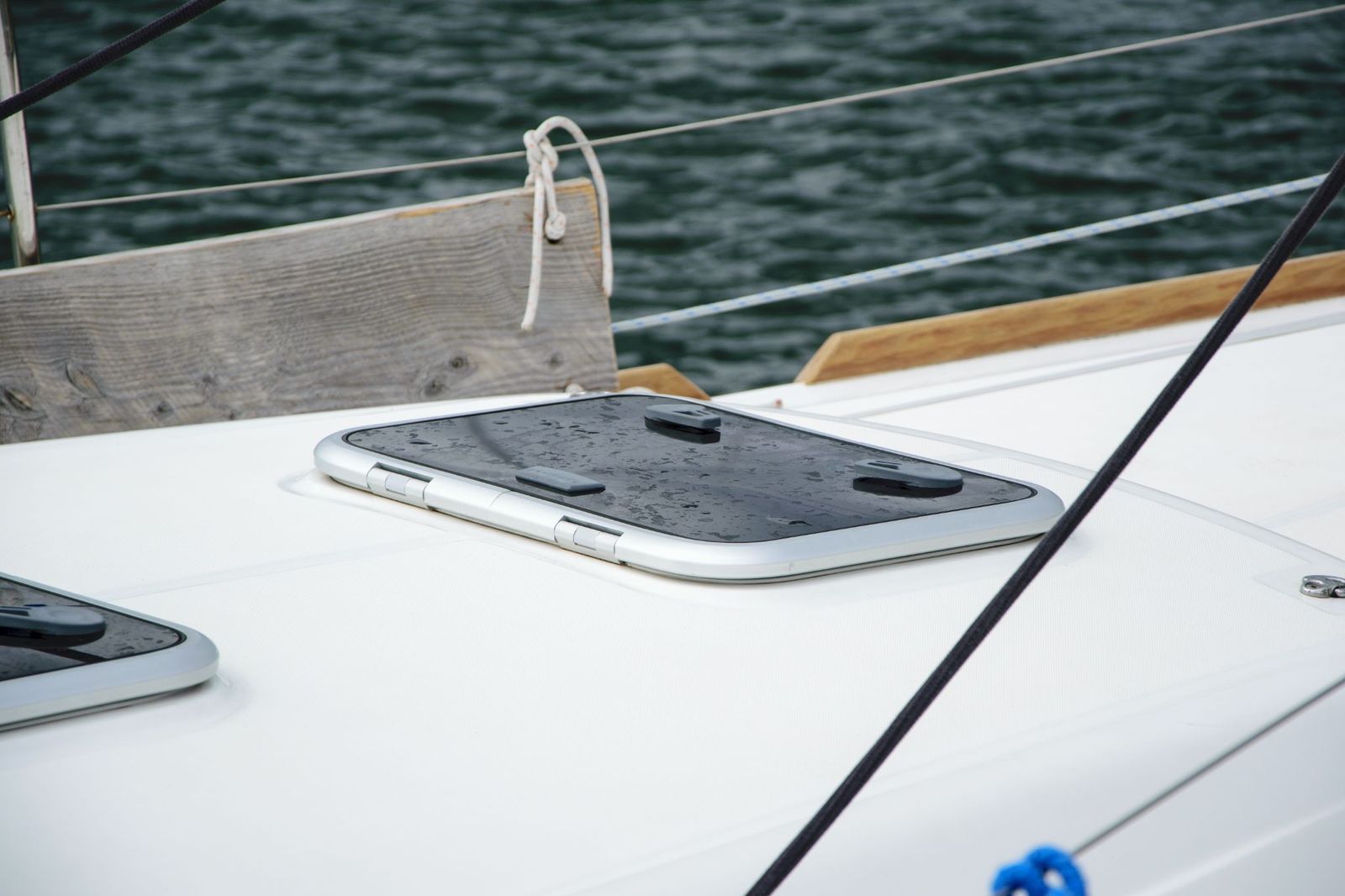
When getting ready for difficult situations, we often say we’d better "batten down the hatches." Originally, the expression meant getting ready for rough weather. Sailors would close and secure the ship's hatch covers so water couldn’t get below deck. The word "batten" refers to strips used to fasten things down. Years had passed, and the meaning went from protecting a ship from bad weather to protecting yourself before any challenge.
Loose cannon
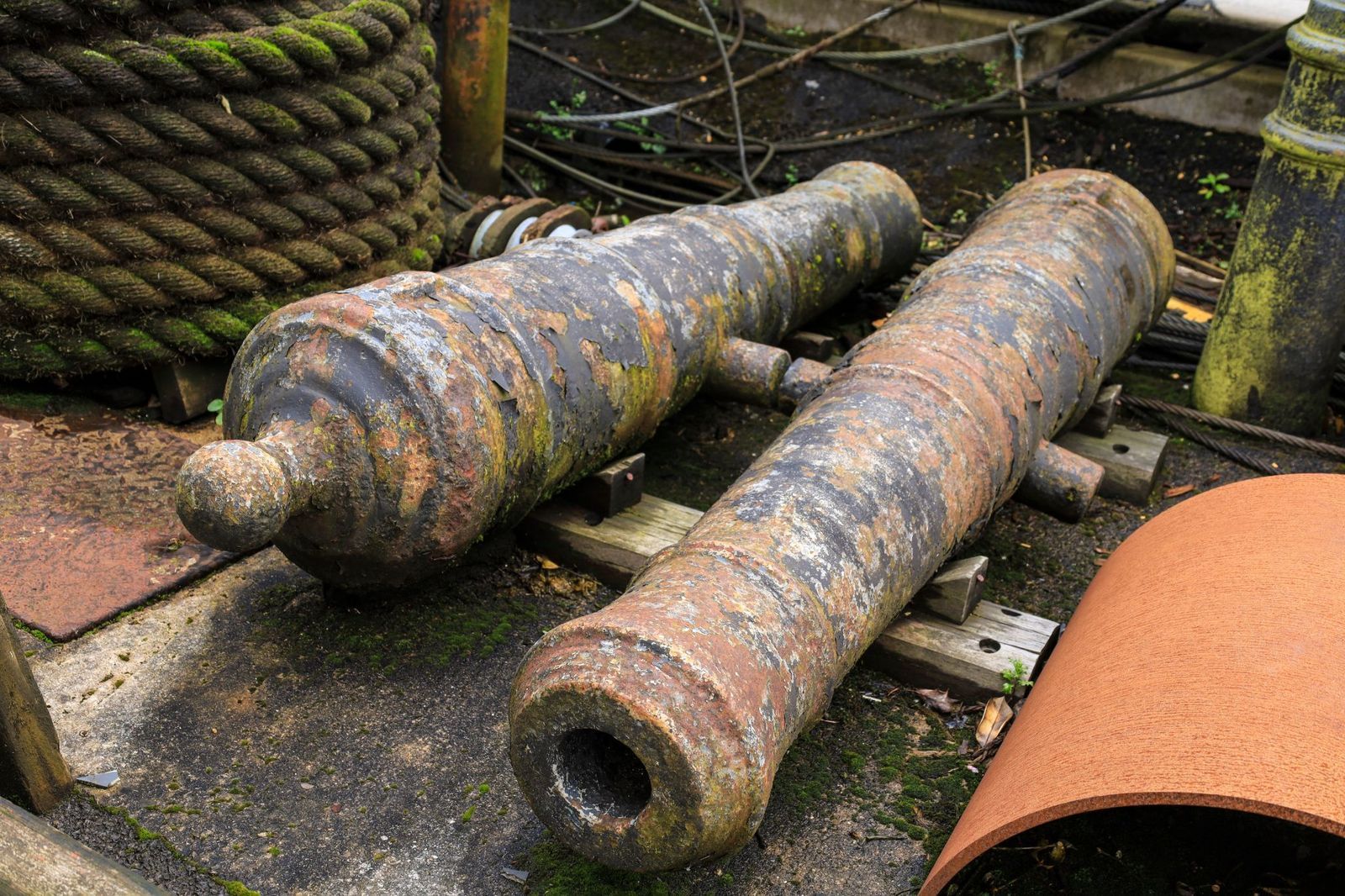
Cannons were extremely heavy and mounted on wheeled carriages. If the heavy ropes or tackles securing them broke during a battle or a heavy storm, the cannon would become a "loose cannon," sliding and rolling violently across the gun deck, destroying everything and everyone in its path. That dangerous image stuck over the decades, and today, we use the phrase to refer to someone who is unpredictable or to a situation that is dangerously getting out of our control
Three sheets to the wind
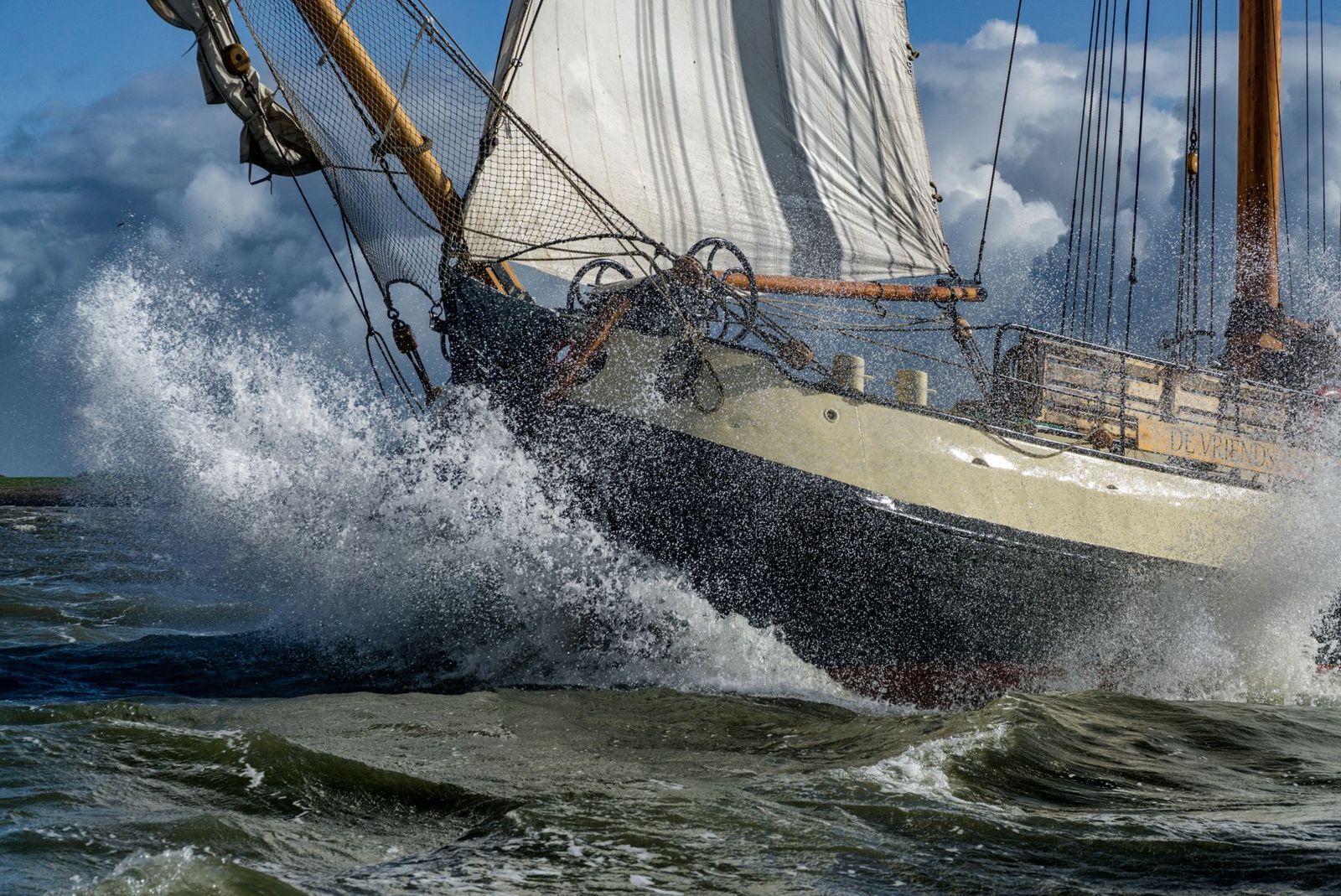
In sailing, the sheets were the ropes or chains that controlled the sails, and when the sheets came loose, the sails could flap, and the boat would start to move in a messy, unsteady way. The comparison is easy to imagine: someone very drunk can stumble like a boat that can’t stay steady. Sailors already used that image for a person who was too drunk to walk straight, and to this day, there may be no better way to describe it.
By and large
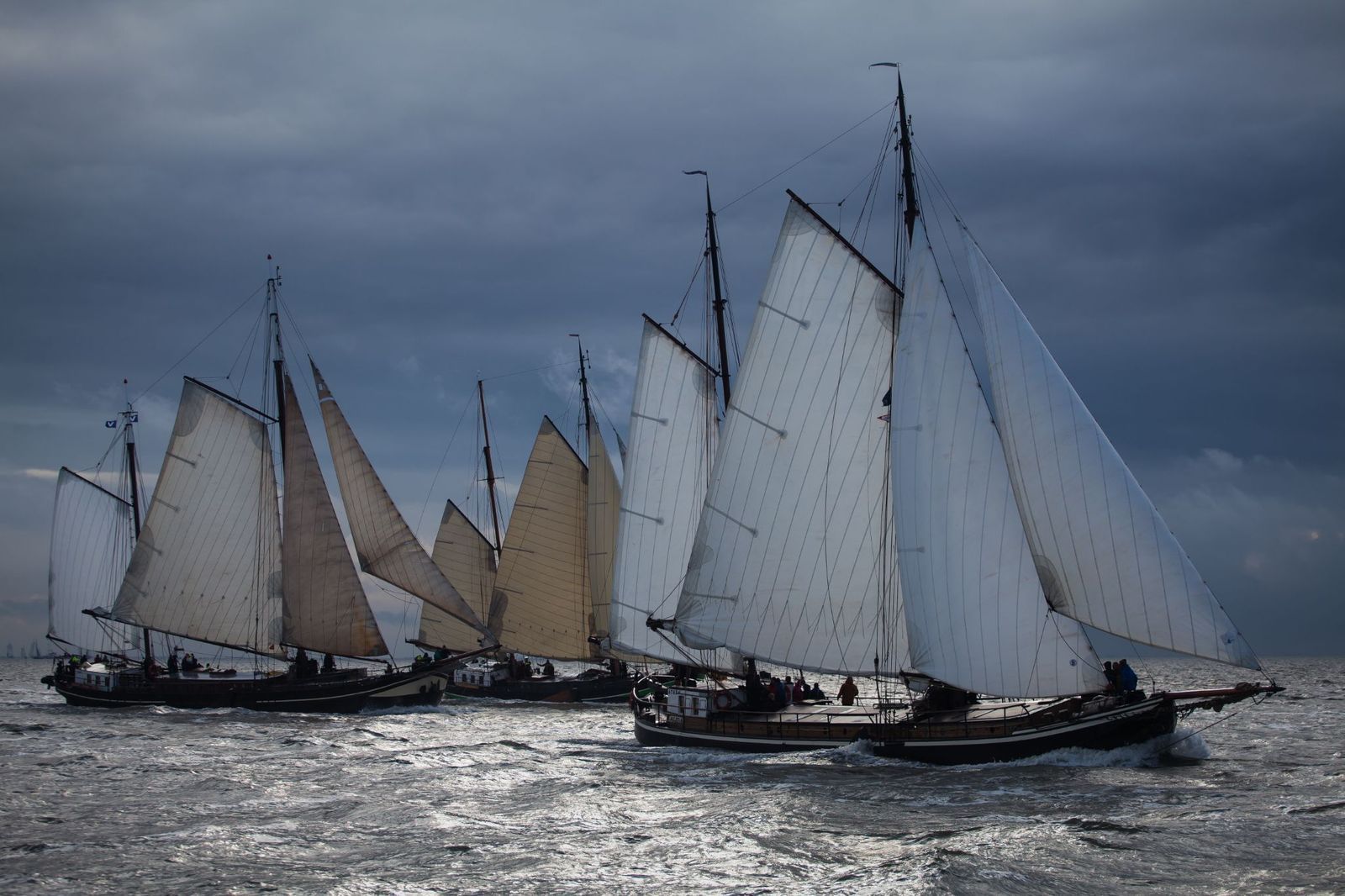
Out at sea, "by_"_ meant sailing close to the wind, while "large" meant sailing with the wind coming more from behind or from the side. So, when a ship sailed well by and large, it was capable of handling different kinds of wind. Over the years, that idea became a way to express something in a broad sense; it is used when talking about something in general, describing the big picture without getting stuck in every small detail.
Taken aback
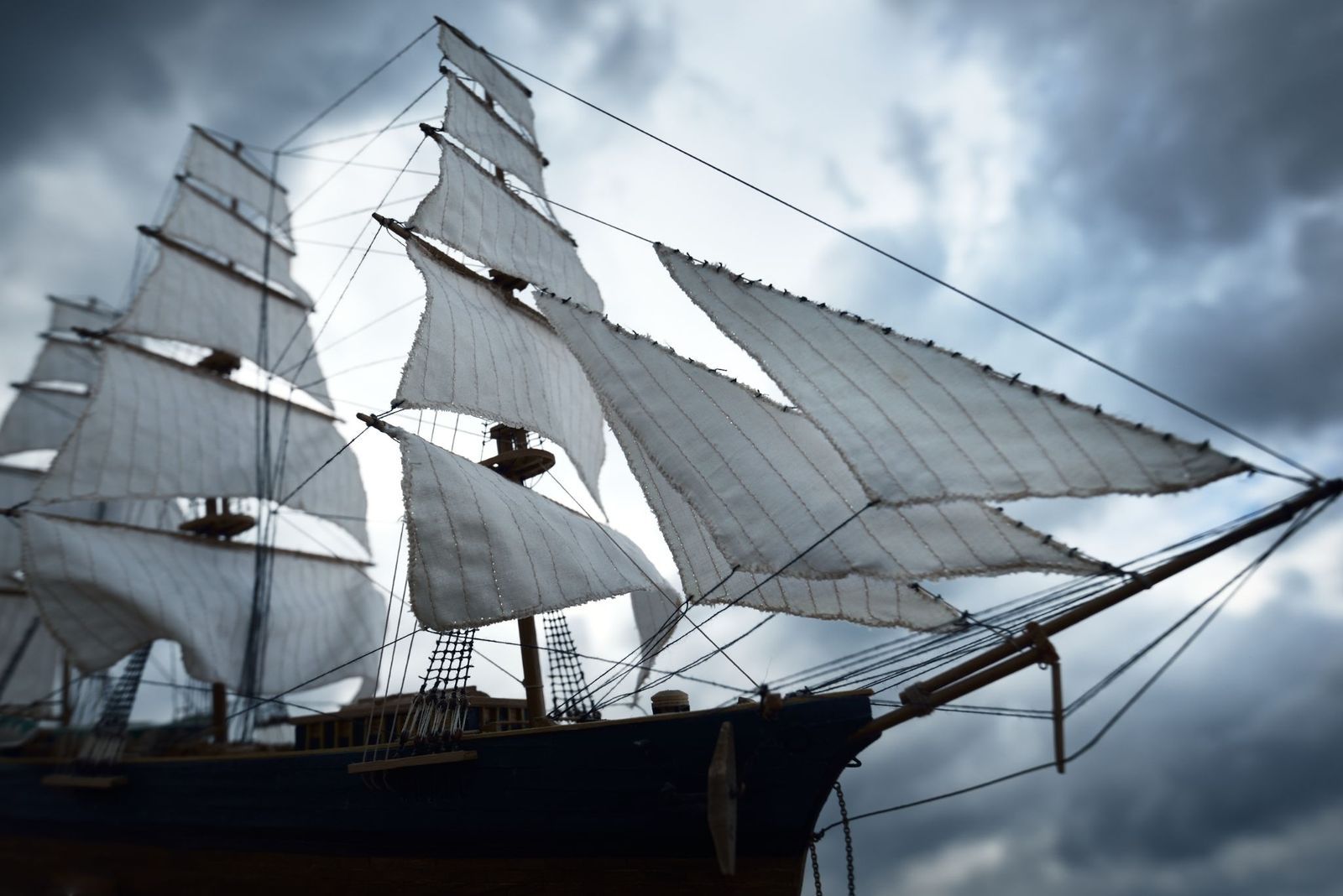
Currently, "taken aback" describes a shocking or unexpected situation, but back in the sailing days, it was all about the wind. It described the moment when the wind hit the sails from the wrong side and pushed back against the mast. Now, when people are taken aback, it's probably because they received unexpected news or were caught off guard, leaving them unsure how to react.
Smooth sailing

The phrase smooth sailing comes from the kind of trip every sailor wanted: calm water, good wind, and no major trouble ahead. When conditions were right, the ship could move forward easily. Today, the phrase works almost the same way, but outside the sea. People use it when situations become easier after a problem is fixed. A work project or a trip can become smooth sailing once the hardest part is over.