Head-scratching rulebooks

Why sumo wrestlers can’t drive—plus 9 more weird sports rules


Published on April 28, 2026
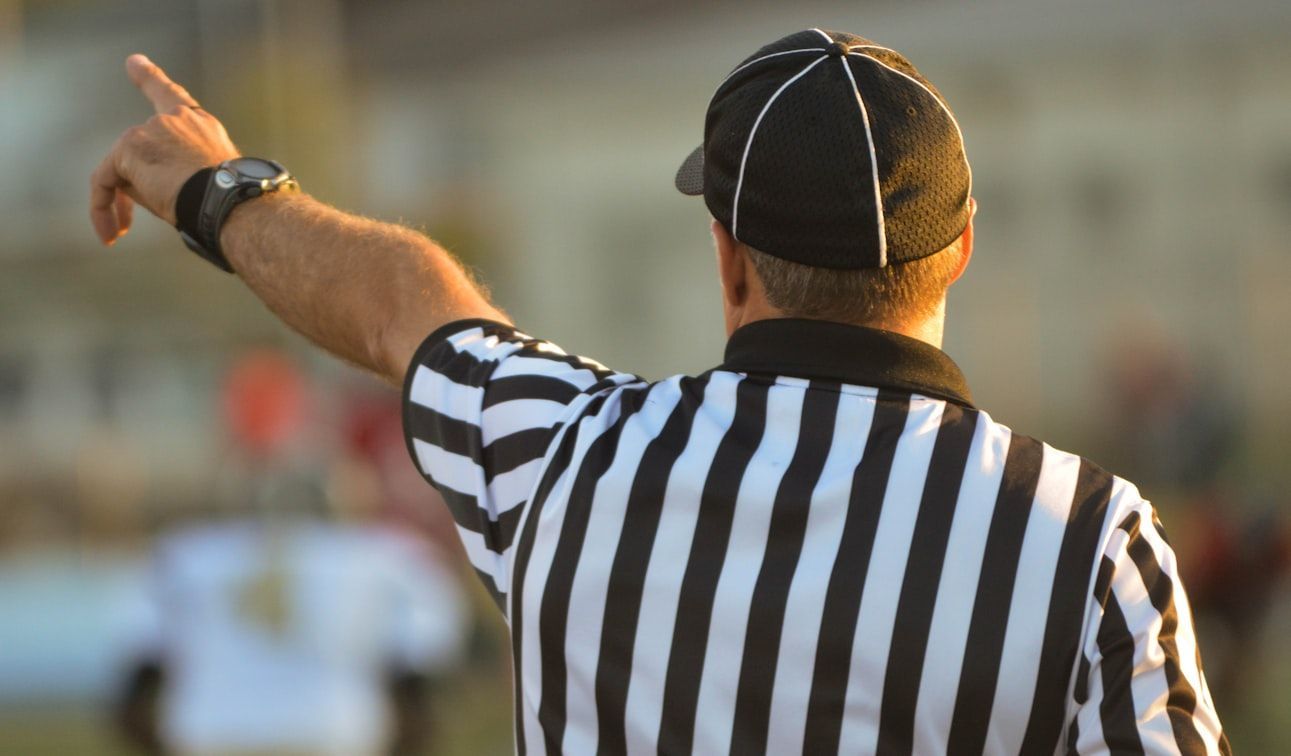

Image: Nathan Shively

Sports are full of strange rules—some meant to prevent chaos, others just plain bizarre. From bans on fake beards to strict limits on chess players' bathroom breaks, these odd regulations often have surprising reasons behind them. Here are 10 of the weirdest sports rules that will leave you scratching your head.

1

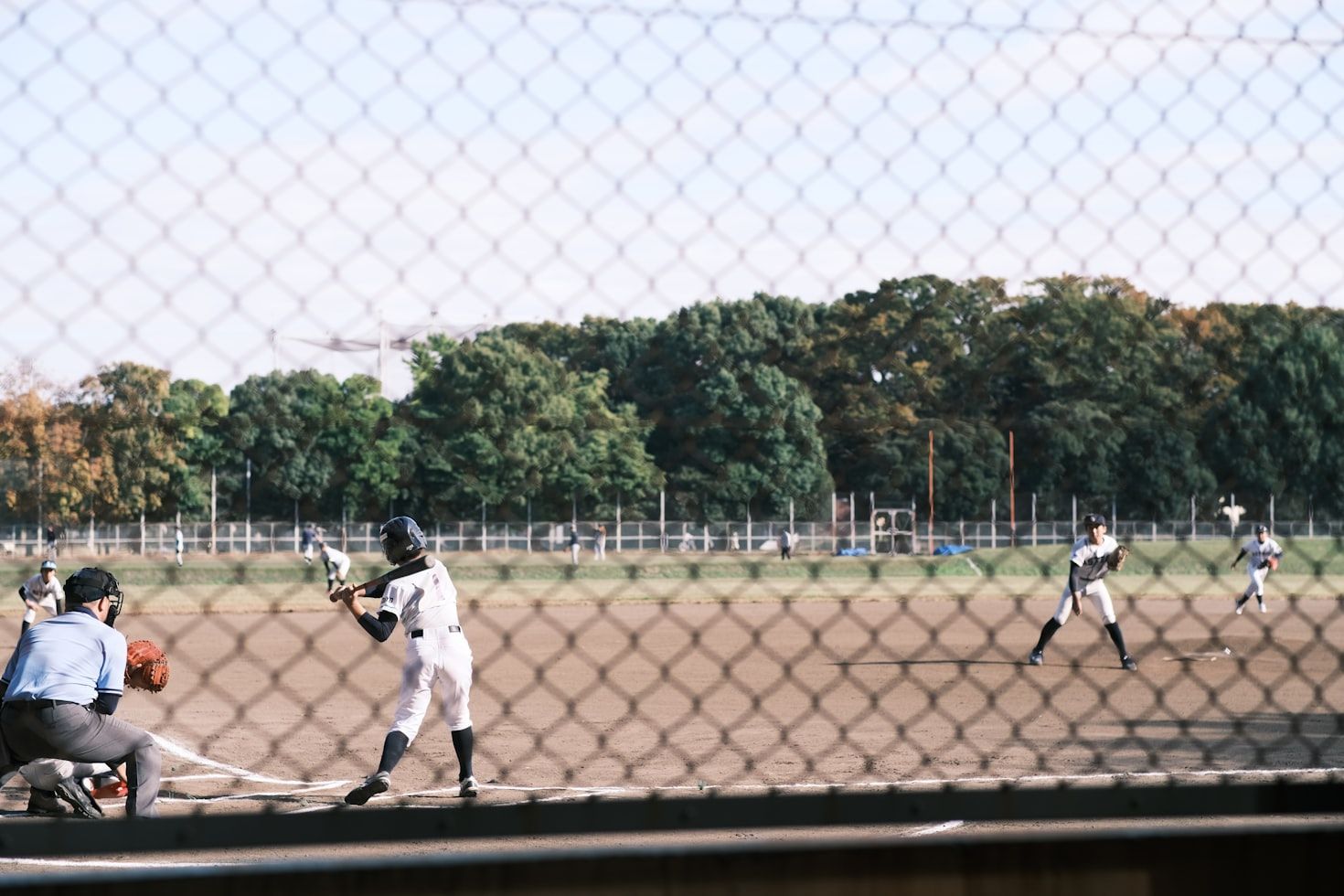
No fake facial hair

Image: Capture @Moments

Believe it or not, Japan’s pro baseball league bans artificial beards. In an effort to maintain a clean, professional look, the Nippon Professional Baseball league prohibits players from wearing fake facial hair. Real beards are fine, but if it’s glued on, it’s against the rules.

2

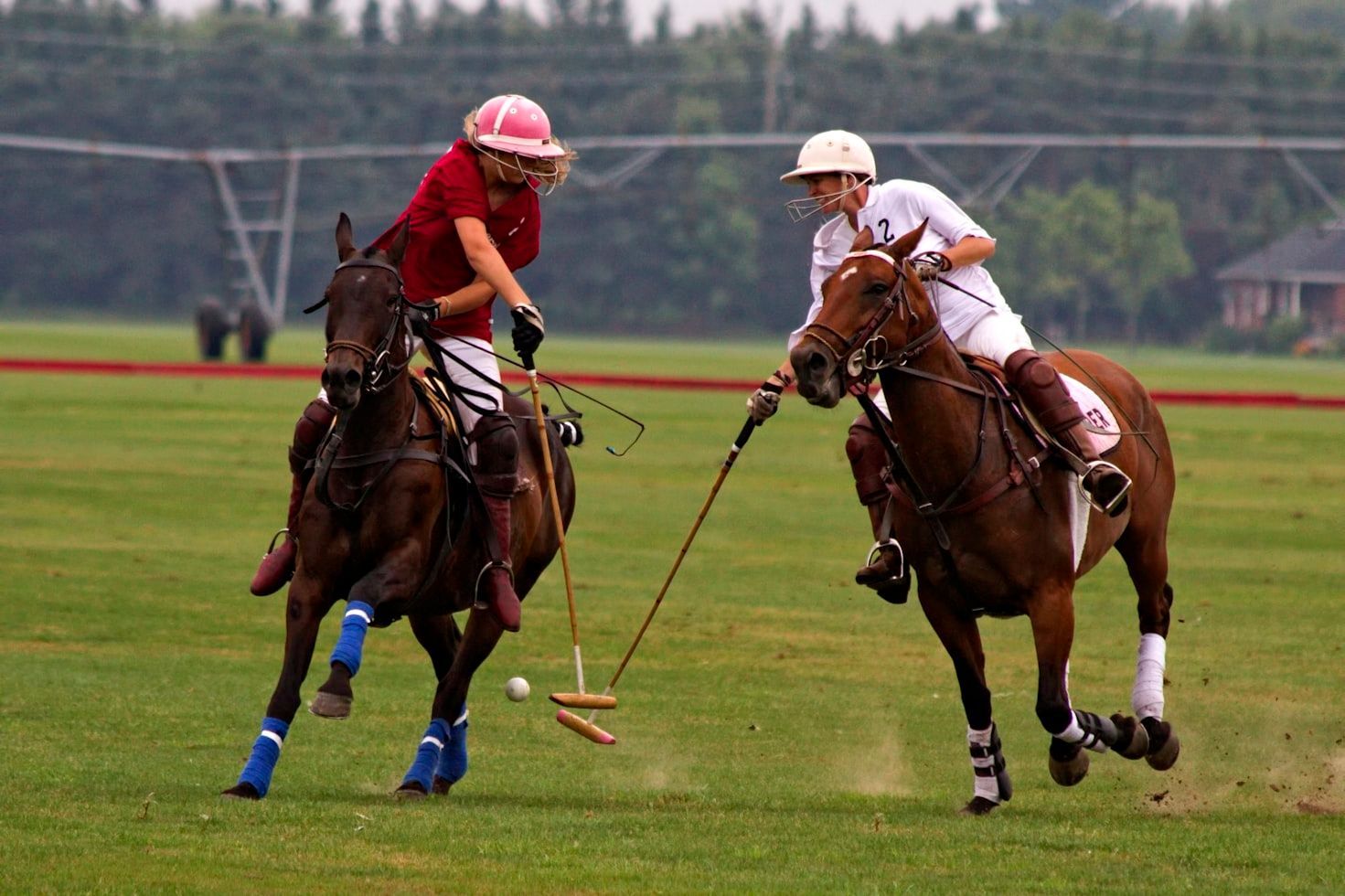
No left-handed polo players

Image: Paul Chambers

Left-handed play was banned in polo for safety reasons. Since 1974, all polo players must use their right hand to hold the mallet. This prevents unintended collisions, as left-handed riders swinging in the opposite direction could create dangerous situations on the field.

3

Chess players can’t use the restroom too often

Image: JESHOOTS.COM

In professional chess, frequent bathroom breaks can get you disqualified. After several cheating scandals involving hidden communication devices, chess tournaments enforce strict restroom usage policies. If a player leaves too often, they risk forfeiting the match.

4

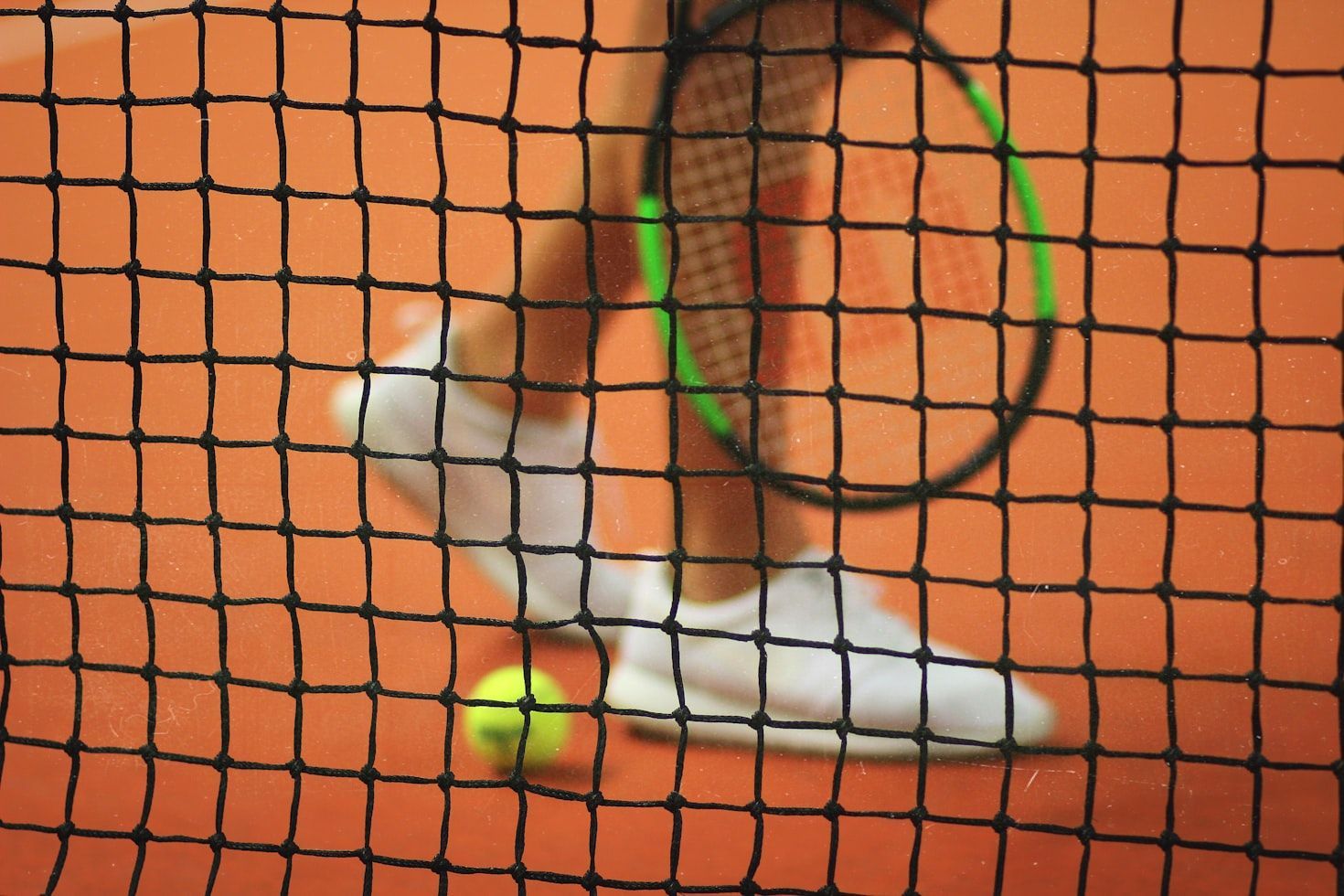
Tennis players can’t coach mid-match

Image: John Fornander

In professional tennis, coaching during a match is strictly prohibited. In fact, even silent signals can lead to penalties. In 2018, Serena Williams was penalized after her coach made a hand gesture, even though she claimed she didn’t see it.

5

Golfers can be penalized for signing the wrong score

Image: Courtney Cook

A golfer who accidentally signs an incorrect scorecard can be disqualified. Even if it’s an honest mistake, the penalty is harsh. This has happened to multiple players in major tournaments, making it one of golf’s most unforgiving rules.

6

Boxers can’t spit out their mouthguard to stall
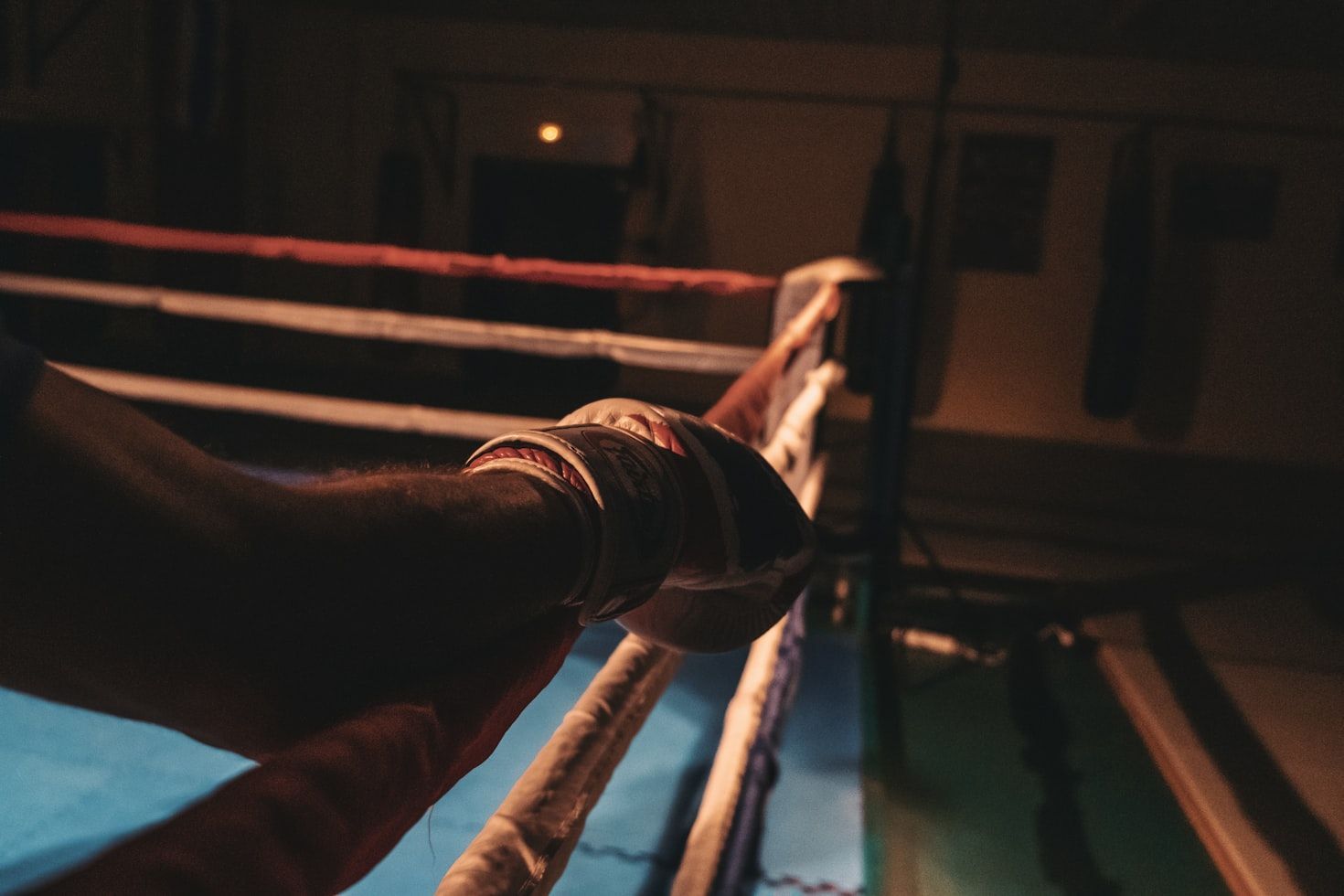
Image: Nemesia Production

Some boxers tried spitting out their mouthguards to sneak in extra rest while the referee retrieved them. But this trick is against the rules—officials can now penalize fighters or even stop the match to prevent it.

7

Basketball players can’t hang on the rim too long

Image: Markus Spiske

Turns out your strict P.E. teacher was just enforcing NBA rules. The NBA prohibits players from hanging on the rim unless it's to avoid injury. Excessive hanging results in a technical foul, preventing unnecessary delays and taunting. Dunking is fine—just don’t show off!

8

Cricket players can’t use their hats to catch a ball
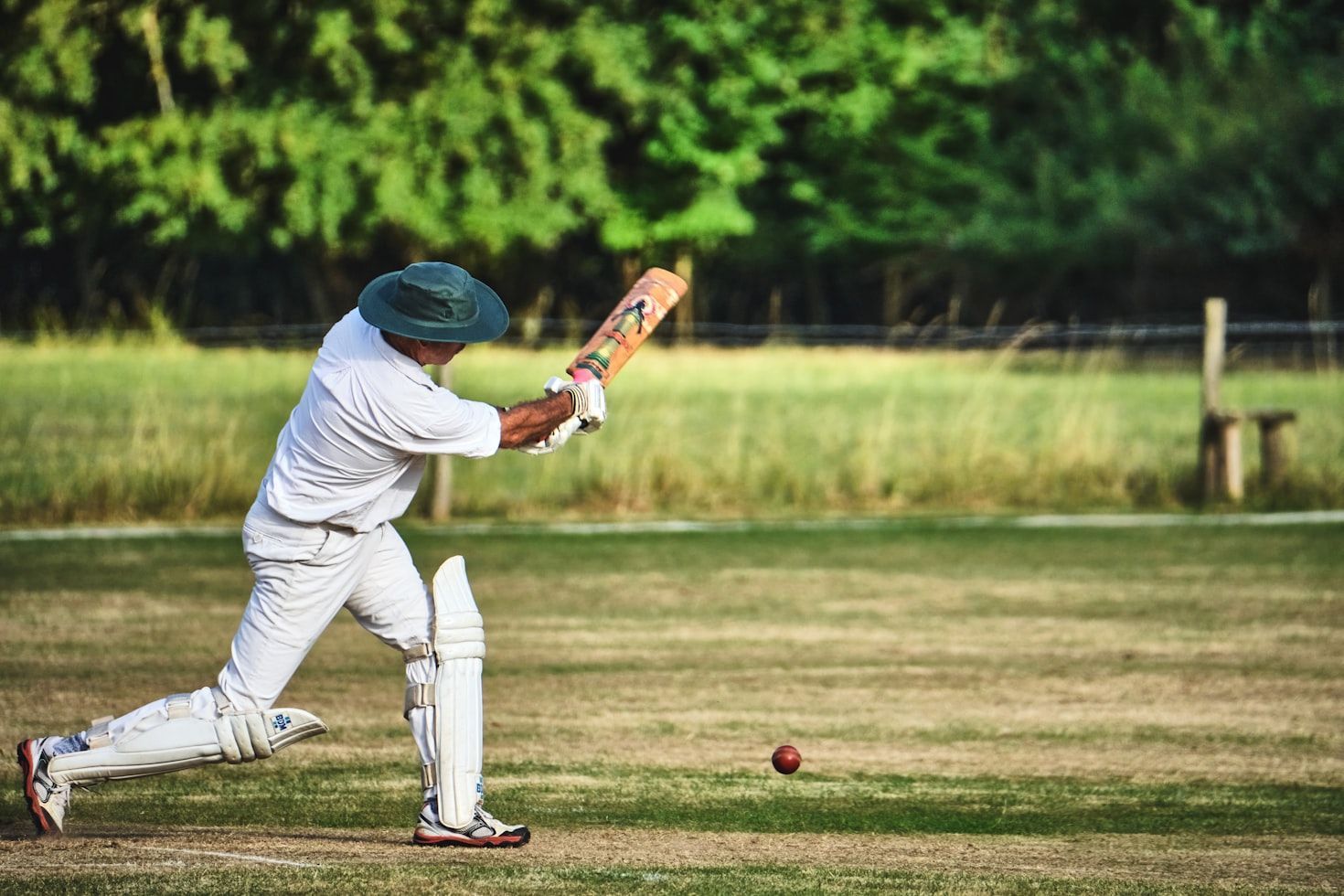
Image: Alfred Kenneally

If a cricket fielder catches a ball using their hat or any other part of their uniform, it doesn’t count. You must use your hands, no exceptions. The rule ensures players rely on skill, not creative use of clothing.

9

Table tennis serves must be thrown at least 6.3 inches high

Image: MARCUS CLARK

Since 2002, no sneaky low tosses are allowed in table tennis. This rule ensures a fair serve by making the ball visible to the opponent. If a player fails to toss the ball high enough, the serve is ruled illegal.

10

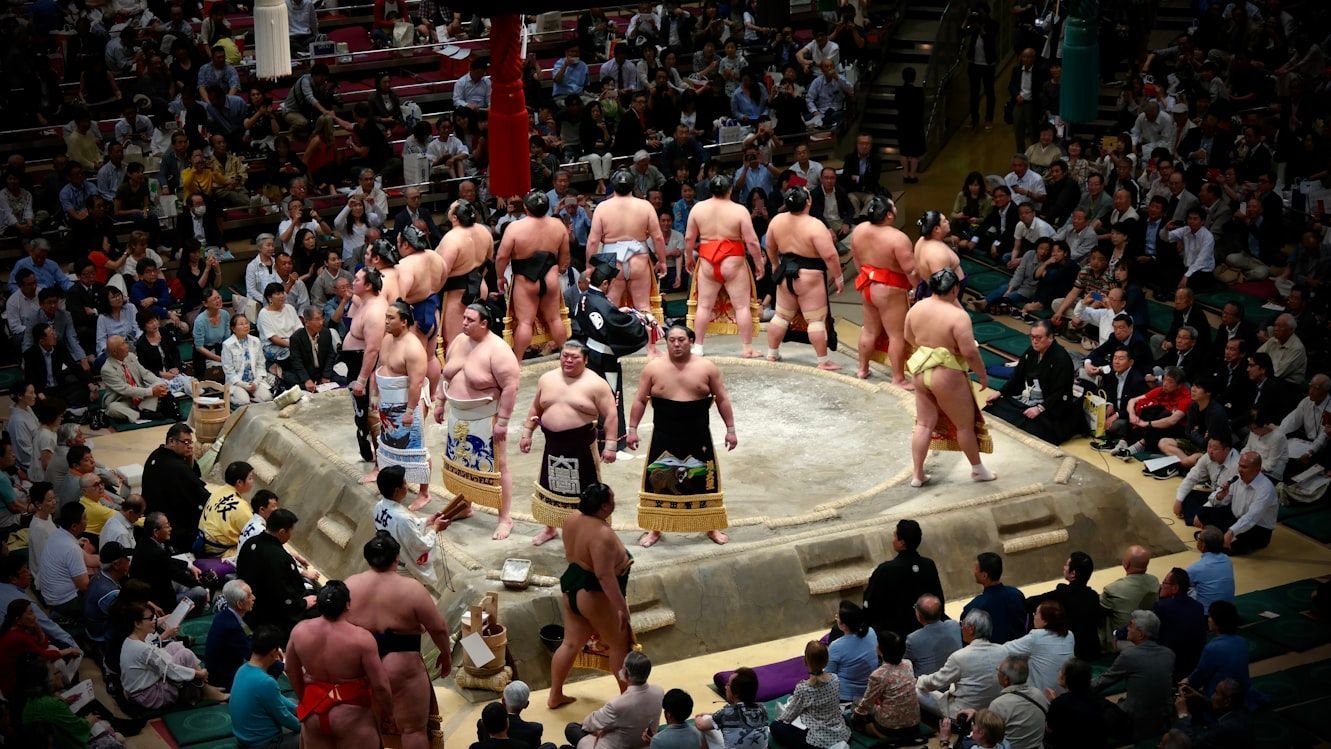
Sumo wrestlers can’t drive cars

Image: Alessio Roversi

It’s a rule for safety reasons. The sheer size of top athletes in this sport has been linked to car accidents, as they are often too large for modern vehicles. This has led the Japan Sumo Association to ban them from driving, requiring professional wrestlers to use chauffeurs or public transport instead.



Deep roots

11 everyday words with indigenous roots


Published on April 28, 2026


Image: Zoshua Colah

English is a very welcoming language in the sense that it incorporates terms from many other languages from all over the world. And, as it couldn’t be otherwise, Native American languages have lent many of their words and terms to English speakers. Some traveled through Spanish or French before settling into English, and others arrived directly through early contact and trade, helping shape the way we speak today. Did you know about these 11 terms?

1

Canoe

Image: Michael Niessl

The word "canoe" comes from the Taino term canoa, which was first used by Caribbean islanders long before Europeans arrived. Early explorers adopted it to describe the slim, sturdy boats they saw.

Over time, "canoe" became the standard English word for a small paddled craft. Today it still carries that sense of simplicity and closeness to nature.

2

Barbecue

Image: Philipp Kämmerer

The word "barbecue" comes from barbacoa, another Taino term for a wooden frame used for cooking meat over fire. Europeans adopted it and applied it to both the method and the gathering itself.

Today, "barbecue" means everything from a backyard cookout to a regional cooking style. Its origins highlight the deep culinary influence of Native Americans in the nation's current culture.

3

Skunk

Image: Elisa Stone

"Skunk" comes from the Algonquian word squnk, which means "urinating fox" (quite a fitting term, indeed). This was an obvious reference to the animal’s strong defensive spray. Early settlers adopted the term directly.

Since English had no better name for the creature, the Native word stuck. Today, the word skunks is also used as playful slang.

4

Moose

Image: Shivam Kumar

The word "moose" originates from Eastern Abenaki, a part of the Algonquian family, where it meant "he strips off bark." Yes, it described the animal’s habit of tearing bark from trees.

The name entered English quickly because settlers relied on Native knowledge of local fauna. The word remains unchanged because of its accuracy and usefulness.

5

Raccoon

Image: Gary Bendig

"Raccoon" comes from the Powhatan word arakun, meaning "he scratches with his hands." It described the animal’s clever, humanlike front paws.

Settlers adopted the term because it captured the creature’s behavior beautifully. Today, the raccoon is used as a household symbol of curiosity, not unlike the animal itself.

6

Chipmunk

Image: Annegret Kammer

The term "chipmunk" most probably comes from the Ojibwe word ajidamoo, which means "one who descends trees headfirst." Early English settlers adapted the sound into today’s form.

Though the spelling changed over time, the lively image of a chipmunk racing down a tree face-first stayed.

7

Caribou

Image: JD-Photos

The word "caribou" comes from the Mi’kmaq term qalipu, which means "snow shoveler," referring to the animal’s habit of digging through snow for food.

French settlers brought the word into English, keeping its descriptive nature. The name still connects the modern animal to the winter landscapes it belongs to.

8

Totem

Image: Stéfano Girardelli

"Totem" comes from the Ojibwe word ototeman, which means "kinship group." It described symbols representing clans and shared roots.

English adopted it to describe carved poles and symbolic elements. Though broader in modern usage, it still hints at the original sense of community, identity, and heritage.

9

Coyote

Image: Dylan Ferreira

"Coyote" comes from the Nahuatl word coyōtl, which was used by Indigenous tribes of central Mexico. Spanish speakers adopted it, and English borrowed later.

The word kept its meaning, and it remains one of the most direct links between the English language and Nahuatl.

10

Avocado

Image: Gil Ndjouwou

The tasty avocado’s name traces to the Nahuatl word ahacatl, which refers to the fruit and to a body part as well. Spanish speakers transformed it into aguacate.

Later on, English speakers adapted it to avocado. While the name sounds contemporary and culinary, it has ancient Native roots.

11

Chocolate

Image: amirali mirhashemian

The last Nahuatl word and also the last word on the list comes from the term xocolātl, which describes a bitter cacao drink that was consumed long before Europeans arrived in America. The name traveled from Spanish to English.

Though the product changed dramatically, the word survived. Today, chocolate is a universal symbol of sweetness, with rich and deeply indigenous roots.

Looking for an extra scoop of literary fun?

Learn more with our Word of the day

Herculean

/ˌhərkjəˈliən/