Creepy lingo
You’ve said these (not so) innocent phrases your whole life: Learn more!
Published on January 24, 2026
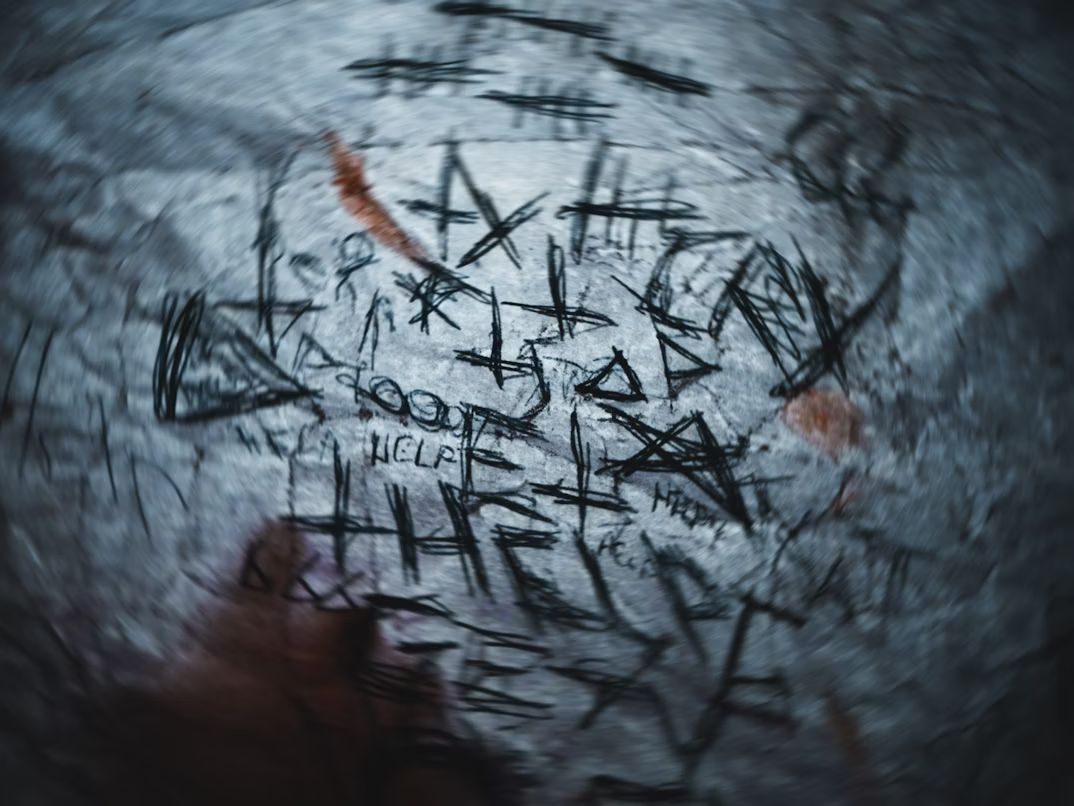 Image: Mathias Pinat
We toss out phrases like "bite the bullet" or "caught red-handed" without giving them a second thought. But some of our favorite everyday expressions began on battlefields, in prisons, and even on plague-ridden streets. Behind those cheerful turns of phrase are stories that range from weird to downright disturbing. Don’t worry, we’ll keep it light, but you might never hear these sayings the same way again.
Diehard
 Image: Nicholas Green
Before it described devoted fans or stubborn folks, "diehard" referred to soldiers who fought until their last breath. The term first appeared in the late 1700s to describe troops who refused to surrender. Today, it has lost its blood-and-battlefield meaning and simply signifies loyalty or persistence. So if you’re a diehard sports fan, you can safely keep your devotion on the couch instead of the battlefield.
Rule of thumb
 Image: Muhammad Rizki
A rumor once claimed that "rule of thumb" came from an old law allowing men to beat their wives with sticks no wider than a thumb. That’s not true. The phrase actually originates from carpenters and brewers, who used their thumbs to make rough measurements before rulers were common. Over time, it picked up that false association, but its real roots are much less sinister and far more practical.
Pulling someone’s leg
 Image: Lucrezia Carnelos
These days, if someone is "pulling your leg," they’re joking around. But the phrase likely originated in 19th-century London, where thieves would trip their victims by tugging on their legs before robbing them. It wasn’t exactly harmless fun back then. Over time, the expression lost its sinister connotation and became something much friendlier: a playful way to tease without causing real harm.
Sold down the river
 Image: Go to Jon Flobrant's profile Jon Flobrant
This phrase has one of the darkest origins on this list. In the early 1800s, enslaved people in the United States were sometimes sold "down the river" to plantations in the Deep South, where conditions were far harsher. It came to mean betrayal or being deceived, though given its painful history, it’s often considered best avoided today. There are plenty of ways to describe someone letting you down without echoing that dark past.
Toe the line
 Image: Peter Beukema
In the old days, sailors being inspected had to line up perfectly, with their toes touching a marked plank on the deck. Failure to "toe the line" could result in punishment or extra duties. The phrase later took on a figurative meaning: staying within rules or meeting expectations. Today, it’s more about following office policy than avoiding a sailor’s scolding.
Hysterical
 Image: Daniil Onischenko
For centuries, "hysteria" was wrongly attributed to the female body, particularly the uterus (from the Greek word hystera). Doctors once used this diagnosis for nearly any symptom in women, from sadness to laughter. By the 19th century, people began to understand that emotions were not tied to specific organs. Today, "hysterical" usually means someone is laughing uncontrollably or reacting with intense emotion, not suffering from an outdated medical myth.
Bum rush
 Image: mana5280
In the early 1900s, saloons would literally throw out freeloaders who came for the free lunch but didn’t buy a drink, rushing them to the door—a practice known as the "bum’s rush." Later, the phrase evolved into "bum rush," meaning to forcefully push in or overwhelm. These days, we might say a crowd "bum-rushed" the stage at a concert, but thankfully, no one is being tossed into the street.
Raining cats and dogs
 Image: Vernon Raineil Cenzon
Centuries ago, when city streets were filthy and drainage was poor, heavy rain would sweep debris into the gutters—sometimes even animal carcasses. It’s believed that this grim sight inspired the phrase "raining cats and dogs." The image stuck, though thankfully the meaning softened over time. Today, it simply means it’s pouring outside, not that the sky is literally falling.
Caught red-handed
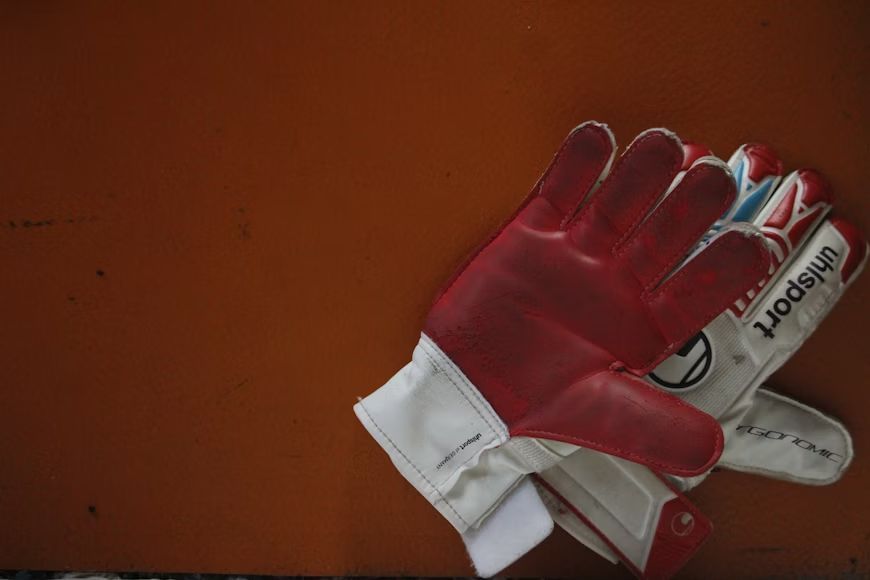 Image: Edoardo Cipollini
Being "caught red-handed" originally referred to criminals literally found with blood on their hands after committing a violent act. The phrase first appeared in Scottish law in the 15th century. Over time, it took on a lighter meaning (thank God!), used for any kind of wrongdoing, big or small.
Bite the bullet
 Image: National Cancer Institute
Before anesthesia, soldiers in pain were given something hard to bite on during surgery. Guess what? A bullet. It was a way to endure unbearable pain in silence. These days, "biting the bullet" just means bracing yourself for something unpleasant, like paying your taxes or opening a stack of bills. The modern version is much easier on the teeth.