Treasures with a history

Did Romans invent army knives? These things are way older than you think


Published on March 22, 2026


Image: cottonbro studio

Jell-O, Swiss Army Knives, roller skates, lighters… It’s hard to picture these items existing hundreds of years ago, isn’t it? And yet, some of the treasures that make modern life easier have indeed been around, in some cases, for millennia. Read on to learn when these 11 items were actually first invented!

1

Gelatin

Image: Lena Ti

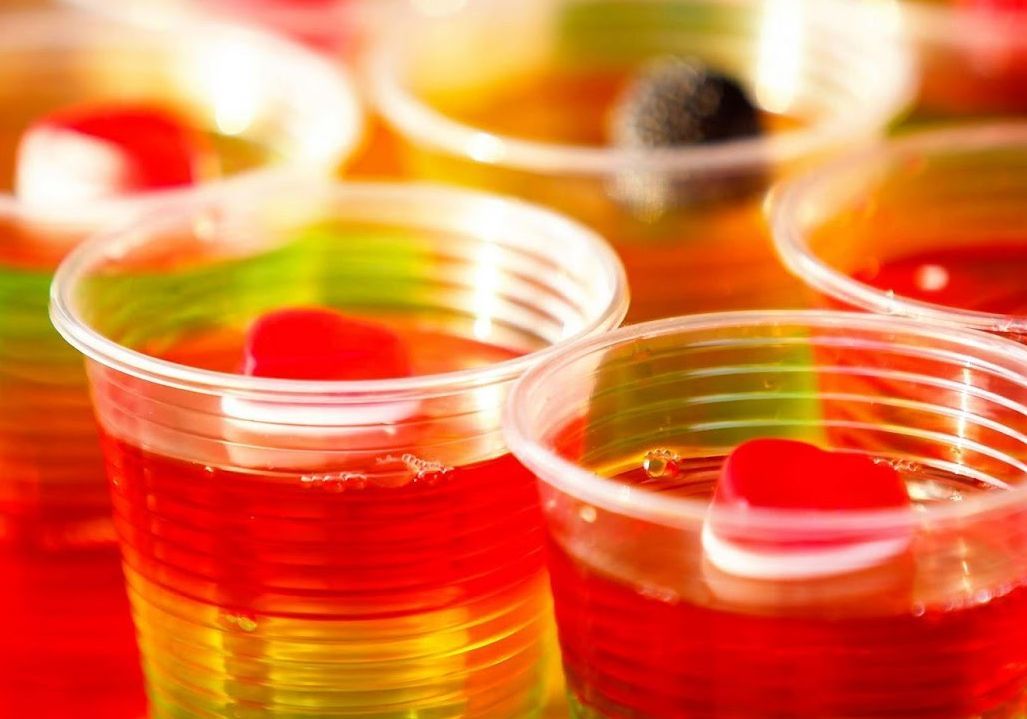
Gelatin desserts existed centuries before Jell-O! Medieval cooks used boiled animal collagen to make shimmering molds for banquets. The brand Jell-O came in 1897, when Pearl B. Wait in New York flavored powdered gelatin with fruit syrups.

2

Nintendo

Image: Sigmund

It’s hard to imagine the video game giant existing before electricity. But Nintendo was founded in 1889 in Kyoto as a playing card company. For decades, it produced hanafuda cards, then toys, and only entered electronics in the 1970s.

3

Roller skates

Image: Brittani Burns

Long before disco rinks or inline blades, a Belgian inventor named John Joseph Merlin assembled the first roller skates in 1760, skating into a London ballroom (and famously crashing). Early versions had fixed metal wheels and very poor steerability.

4

Lighters

Image: Thomas Despeyroux

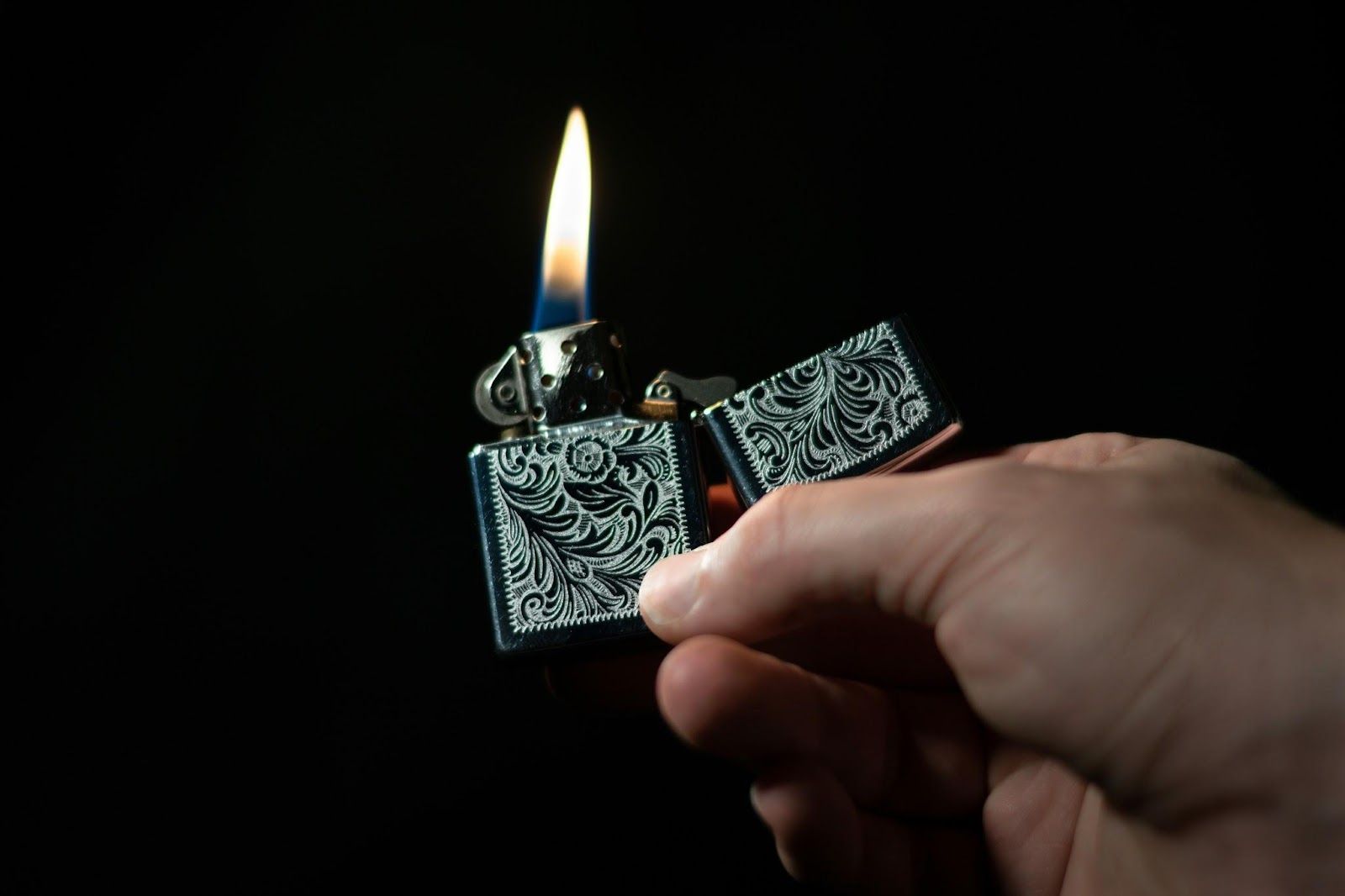
Famously, lighters predate matches. But do you know exactly how long lighters have existed? The first usable one appeared in 1823, invented by a German chemist. The first friction match only appeared 3 years later.

5

"Swiss Army Knife"

Image: Denise Jans

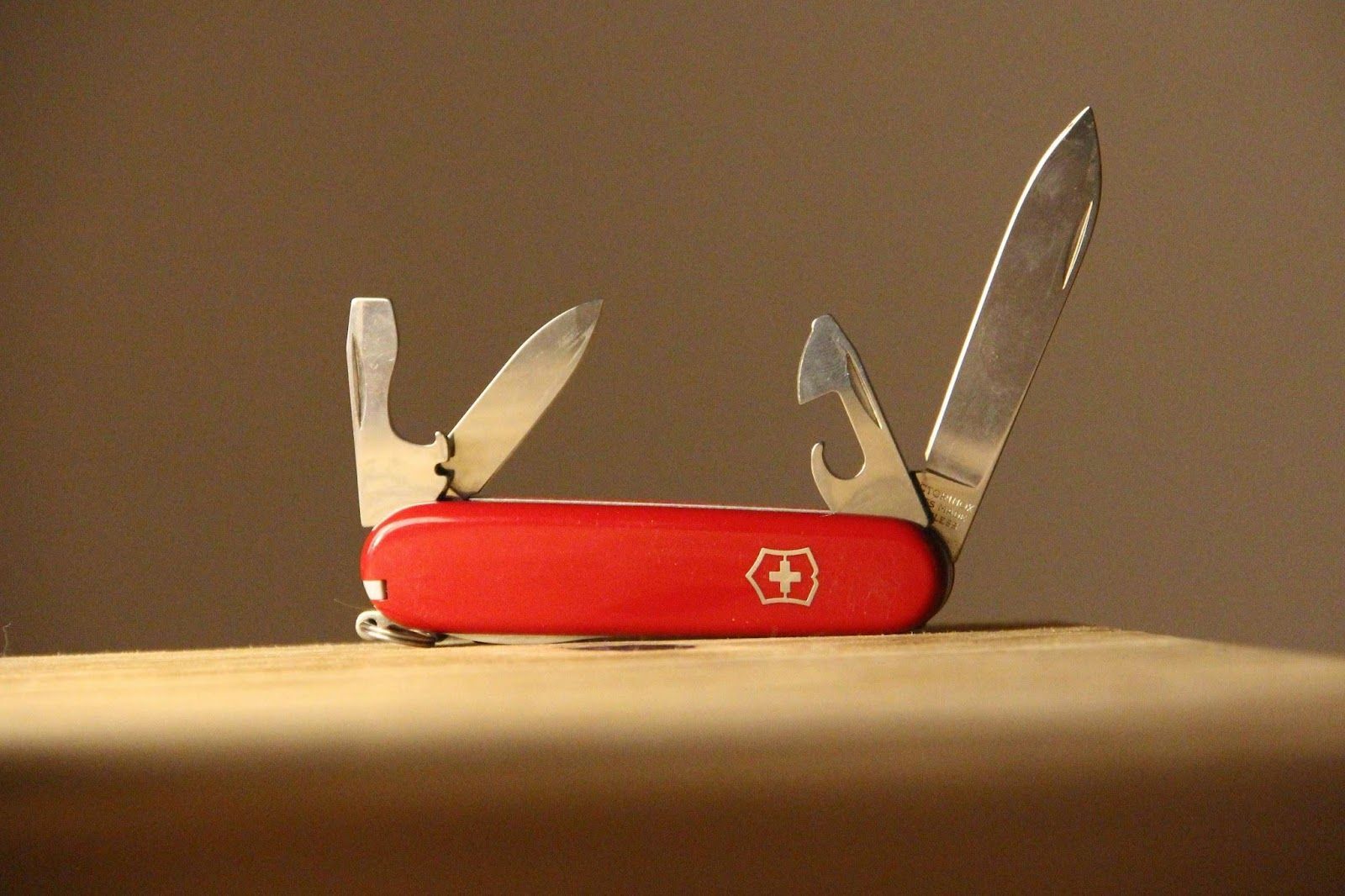
That’s what we call the famous red multi-tool standardized by Victorinox in 1891. But archaeologists discovered a Roman folding tool from around 200 AD made of silver and iron, with knife, spoon, fork, spike, and spatula. It might not have been mass-produced or standardized, but it certainly was there first.

6

Dishwasher

Image: Mohammad Esmaili

We may associate dishwashers with mid-20th-century suburban kitchens, but the first one dates to 1886, when Josephine Cochrane built a hand-cranked model to save her fine china from clumsy servants.

7

Escalators

Image: Teemu Laukkarinen

The 20th century was still far away when the first working escalator was patented. The year was 1859, yet it was introduced at Coney Island only 30 years later—as an amusement ride!

8

The Internet

Image: Leon Seibert

It’s not a thing of the 90s! Its roots go back to 1969, when ARPANET connected four U.S. universities for military-funded research. The web’s 1991 debut by Tim Berners-Lee made it public and visual, hence the illusion that the "Internet" appeared overnight.

9

Concrete

Image: Robert Keane

Do you associate concrete blocks with modernity in your mind? Think again! The Romans used advanced volcanic-ash mixes to build huge, durable structures (like the Pantheon dome or aqueducts). The Ancient Roman techniques even give clues on how to make longer-lasting concrete today.

10

Printing technology

Image: Bruno Martins

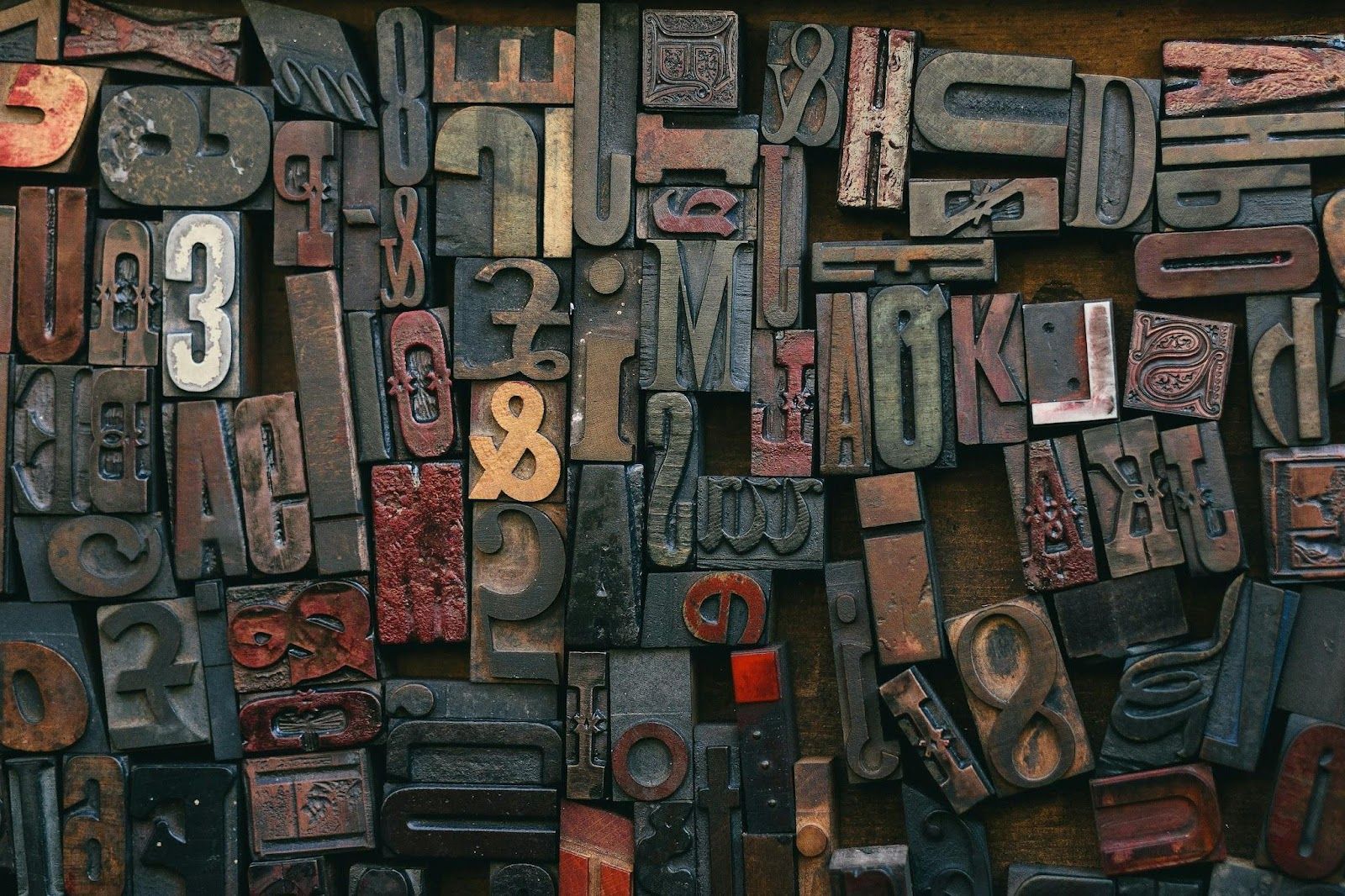
We are not talking about electronic printers. Think about the movable type technology: It goes back in history way, way farther than Gutenberg’s system.

Printing with woodblocks and even early movable type existed in China long before the 15th-century European printing that Gutenberg perfected and popularized.

11

Magnetic compass

Image: Mick Haupt

The great ancestor of GPS was probably the magnetic compass used for navigation. The discovery that magnetic force could be used to calculate the position of the poles occurred over 2000 years ago during the Han dynasty, in China.



Deep roots

11 everyday words with indigenous roots


Published on March 22, 2026


Image: Zoshua Colah

English is a very welcoming language in the sense that it incorporates terms from many other languages from all over the world. And, as it couldn’t be otherwise, Native American languages have lent many of their words and terms to English speakers. Some traveled through Spanish or French before settling into English, and others arrived directly through early contact and trade, helping shape the way we speak today. Did you know about these 11 terms?

1

Canoe

Image: Michael Niessl

The word "canoe" comes from the Taino term canoa, which was first used by Caribbean islanders long before Europeans arrived. Early explorers adopted it to describe the slim, sturdy boats they saw.

Over time, "canoe" became the standard English word for a small paddled craft. Today it still carries that sense of simplicity and closeness to nature.

2

Barbecue

Image: Philipp Kämmerer

The word "barbecue" comes from barbacoa, another Taino term for a wooden frame used for cooking meat over fire. Europeans adopted it and applied it to both the method and the gathering itself.

Today, "barbecue" means everything from a backyard cookout to a regional cooking style. Its origins highlight the deep culinary influence of Native Americans in the nation's current culture.

3

Skunk

Image: Elisa Stone

"Skunk" comes from the Algonquian word squnk, which means "urinating fox" (quite a fitting term, indeed). This was an obvious reference to the animal’s strong defensive spray. Early settlers adopted the term directly.

Since English had no better name for the creature, the Native word stuck. Today, the word skunks is also used as playful slang.

4

Moose

Image: Shivam Kumar

The word "moose" originates from Eastern Abenaki, a part of the Algonquian family, where it meant "he strips off bark." Yes, it described the animal’s habit of tearing bark from trees.

The name entered English quickly because settlers relied on Native knowledge of local fauna. The word remains unchanged because of its accuracy and usefulness.

5

Raccoon

Image: Gary Bendig

"Raccoon" comes from the Powhatan word arakun, meaning "he scratches with his hands." It described the animal’s clever, humanlike front paws.

Settlers adopted the term because it captured the creature’s behavior beautifully. Today, the raccoon is used as a household symbol of curiosity, not unlike the animal itself.

6

Chipmunk

Image: Annegret Kammer

The term "chipmunk" most probably comes from the Ojibwe word ajidamoo, which means "one who descends trees headfirst." Early English settlers adapted the sound into today’s form.

Though the spelling changed over time, the lively image of a chipmunk racing down a tree face-first stayed.

7

Caribou

Image: JD-Photos

The word "caribou" comes from the Mi’kmaq term qalipu, which means "snow shoveler," referring to the animal’s habit of digging through snow for food.

French settlers brought the word into English, keeping its descriptive nature. The name still connects the modern animal to the winter landscapes it belongs to.

8

Totem

Image: Stéfano Girardelli

"Totem" comes from the Ojibwe word ototeman, which means "kinship group." It described symbols representing clans and shared roots.

English adopted it to describe carved poles and symbolic elements. Though broader in modern usage, it still hints at the original sense of community, identity, and heritage.

9

Coyote

Image: Dylan Ferreira

"Coyote" comes from the Nahuatl word coyōtl, which was used by Indigenous tribes of central Mexico. Spanish speakers adopted it, and English borrowed later.

The word kept its meaning, and it remains one of the most direct links between the English language and Nahuatl.

10

Avocado

Image: Gil Ndjouwou

The tasty avocado’s name traces to the Nahuatl word ahacatl, which refers to the fruit and to a body part as well. Spanish speakers transformed it into aguacate.

Later on, English speakers adapted it to avocado. While the name sounds contemporary and culinary, it has ancient Native roots.

11

Chocolate

Image: amirali mirhashemian

The last Nahuatl word and also the last word on the list comes from the term xocolātl, which describes a bitter cacao drink that was consumed long before Europeans arrived in America. The name traveled from Spanish to English.

Though the product changed dramatically, the word survived. Today, chocolate is a universal symbol of sweetness, with rich and deeply indigenous roots.

Looking for an extra scoop of literary fun?

Learn more with our Word of the day

vitriolic

/ˌvɪtriˈɑlɪk/