Identity crisis
Why Holland isn’t Holland anymore — the surprising rebrand of a nation
Published on May 1, 2026
 Image: pure julia
Countries rename themselves for many reasons—shedding colonial pasts, embracing local languages, or settling political disputes. Some changes are subtle, others dramatic, but each reflects deep historical, cultural, or geopolitical shifts. Here are 10 times a nation decided to swap out its old name for a new identity.
Burma to Myanmar
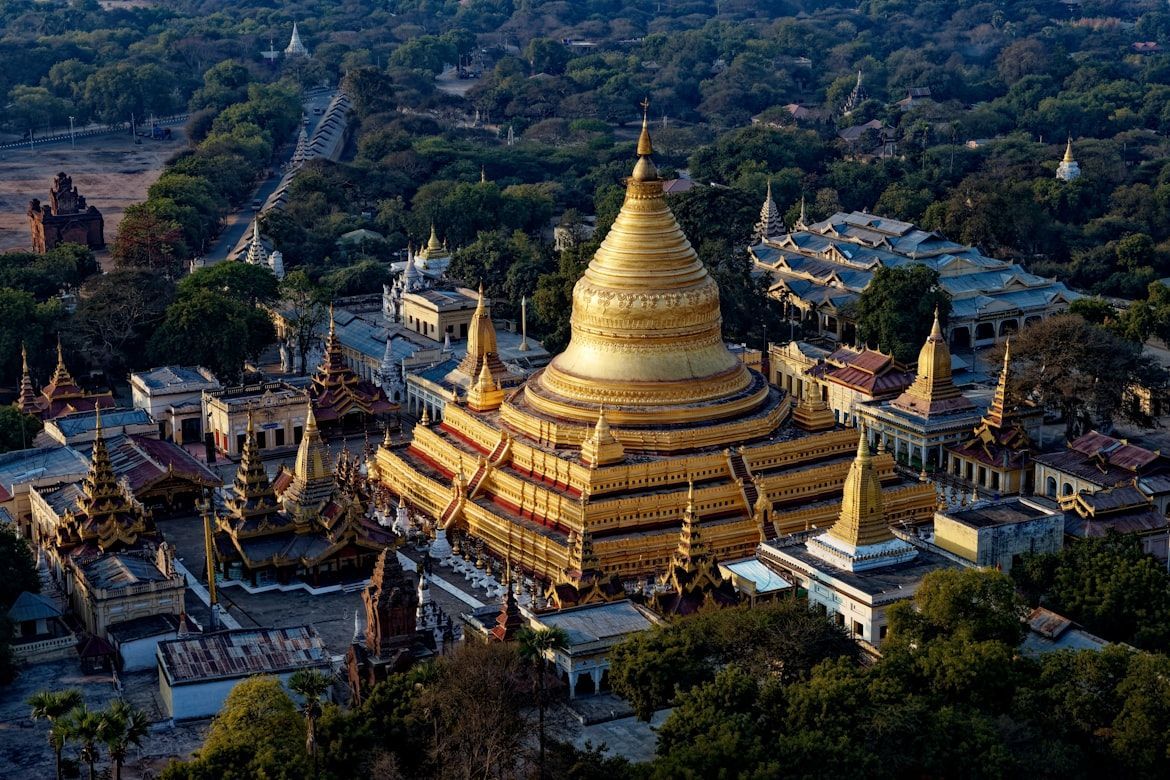 Image: Yves Alarie
In 1989, the ruling military junta of the country changed "Burma" to "Myanmar" to reflect what it said was a more inclusive, indigenous identity. The name "Burma" was strongly associated with British colonialism and the dominant Bamar ethnic group.
The UN and many countries recognized the change, but some, like the U.S. and UK, resisted for years as a political stance against the unelected military regime behind the change.
Swaziland to Eswatini
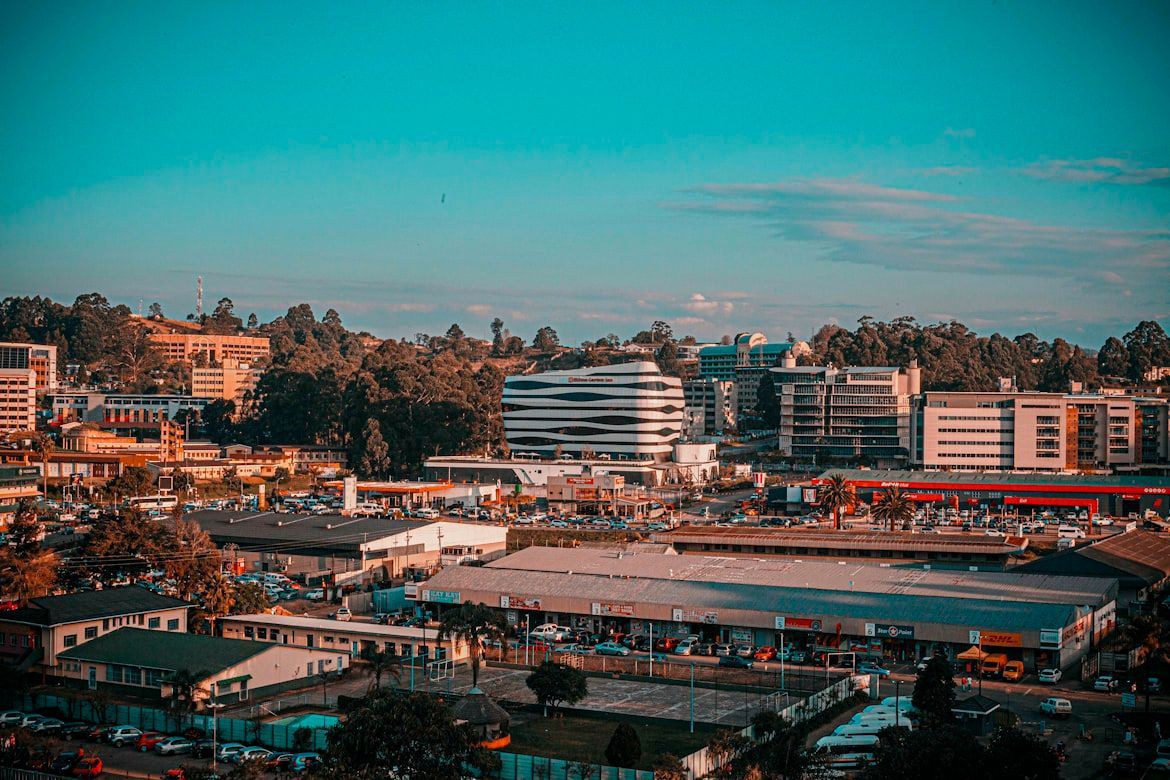 Image: S'mile Vilakati
In 2018, King Mswati III declared that Swaziland would become Eswatini, meaning "land of the Swazis" in the local language. He announced the change during the country’s 50th independence anniversary.
The king cited confusion with Switzerland and a desire to break with colonial-era names as reasons. Also, the new name had already been in unofficial use for years during local events.
Ceylon to Sri Lanka
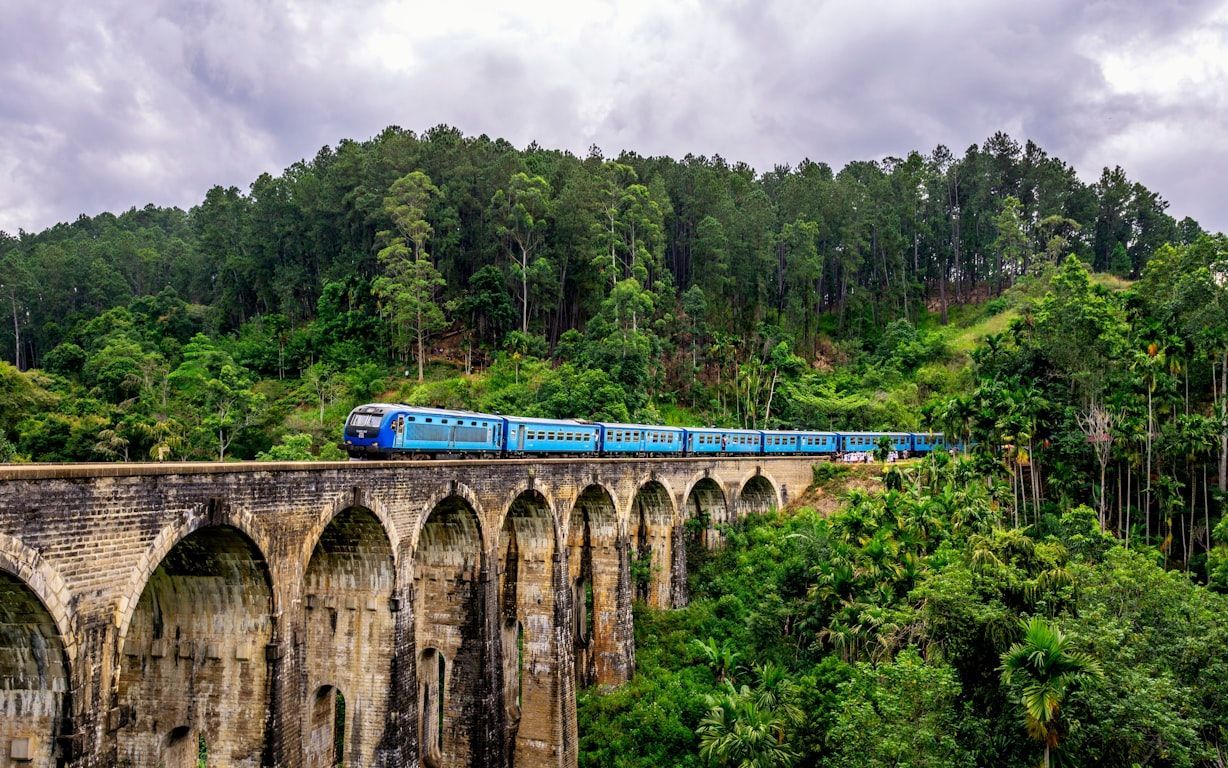 Image: Hendrik Cornelissen
In 1972, the island nation officially changed its name from Ceylon to Sri Lanka after becoming a republic. "Sri Lanka" derives from Sanskrit, meaning "resplendent island."
The name "Ceylon" was tied to Portuguese, Dutch, and British colonial rule. However, some companies (like Ceylon Tea) still use the old name as a global brand.
Zaire to Democratic Republic of the Congo
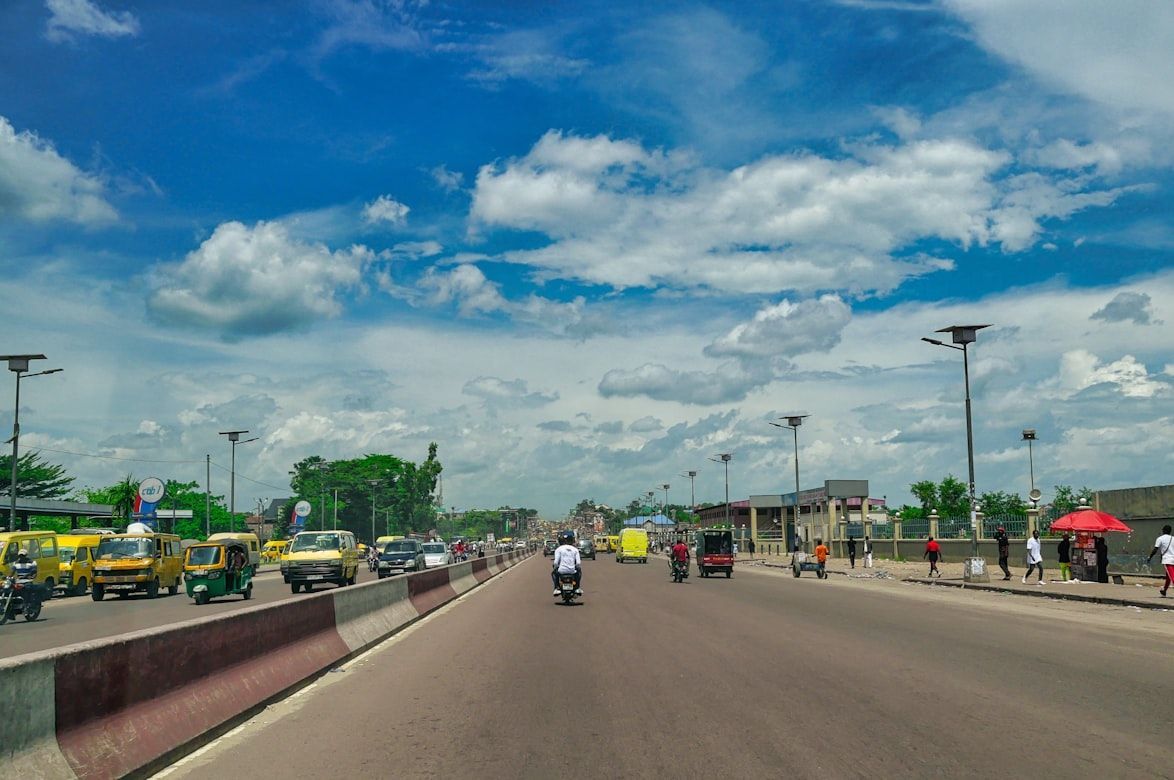 Image: Kaysha
In 1997, after the dictatorial regime of Mobutu Sese Seko was overthrown, Zaire reverted to its pre-1971 name: the Democratic Republic of the Congo.
"Zaire" had been Mobutu’s attempt to Africanize the nation, but reverting to the original name also caused its own problems, since its neighbor is also named the Republic of the Congo, leading to some confusion for both locals and tourists.
Macedonia to North Macedonia
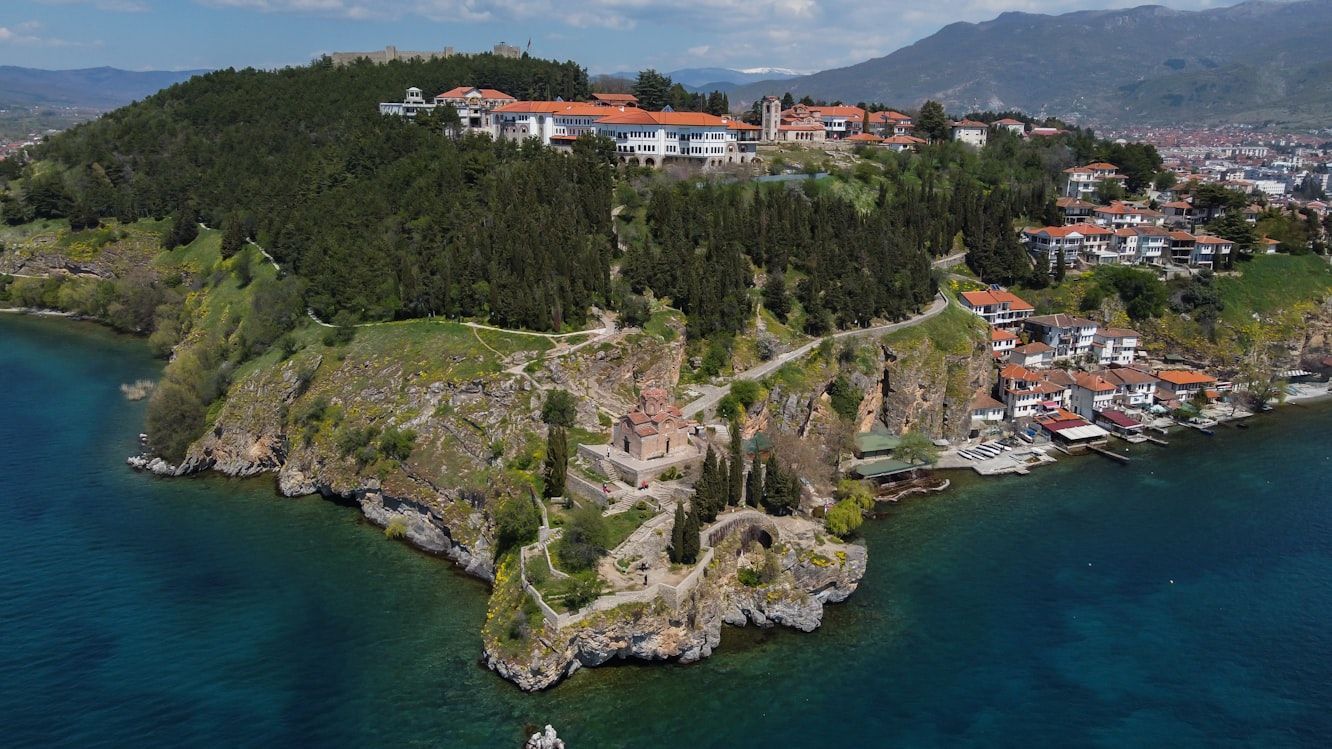 Image: Ljupco Dzambazovski
After years of dispute with Greece over the name "Macedonia," the country officially became North Macedonia in 2019. Greece claimed "Macedonia" implied a territorial claim over its northern region of the same name.
The compromise unblocked North Macedonia’s path to NATO and EU talks. Though controversial domestically, the change ended a decades-long diplomatic standoff.
Kampuchea to Cambodia
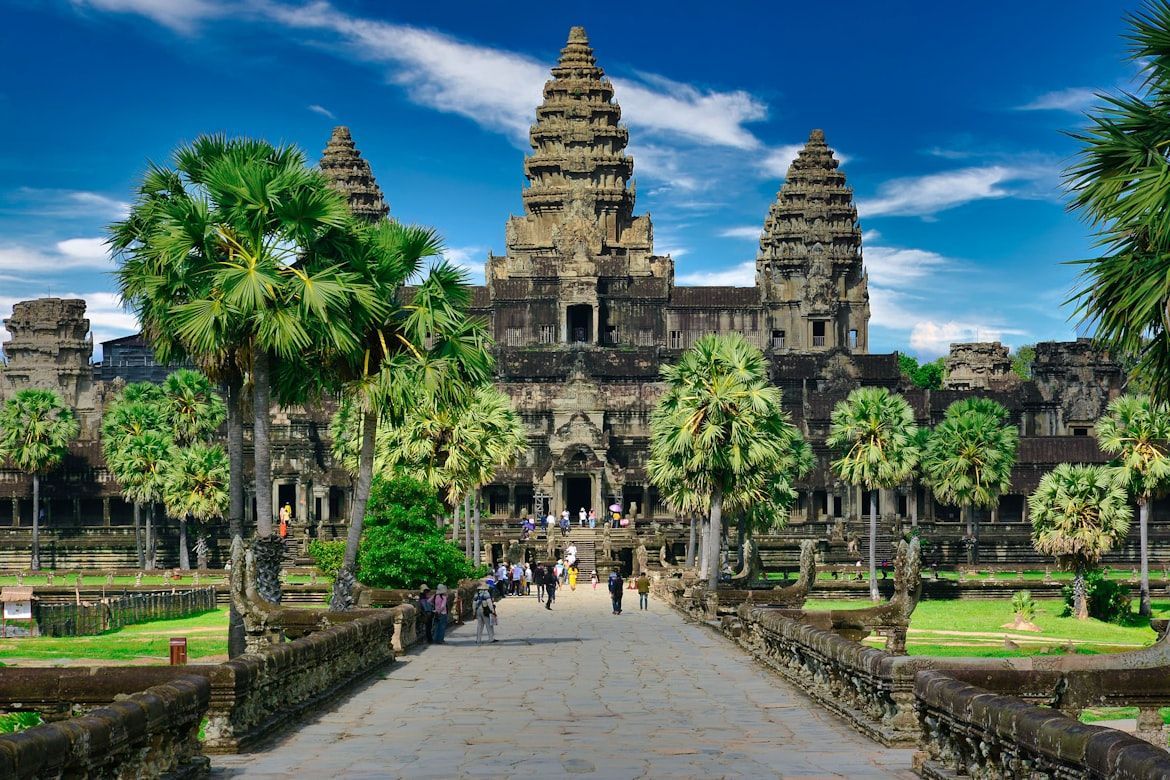 Image: allPhoto Bangkok
Under the Khmer Rouge regime, the country was known as Democratic Kampuchea. After the regime’s fall in 1979, the name gradually returned to "Cambodia," the anglicized form of the original name.
By 1993, with the monarchy restored and a new constitution, "Kingdom of Cambodia" became official. "Kampuchea" is still used in the Khmer language, but not internationally.
Upper Volta to Burkina Faso
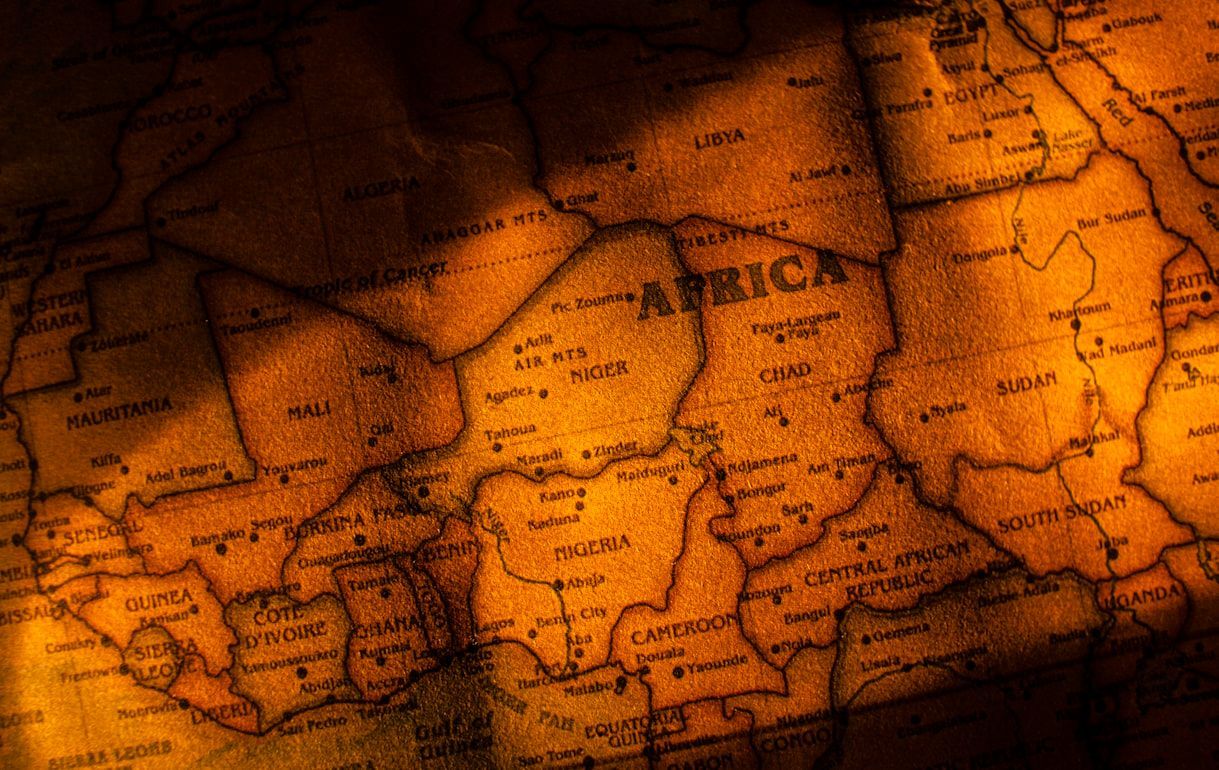 Image: Road Ahead
In 1984, revolutionary leader Thomas Sankara renamed Upper Volta to Burkina Faso, meaning "Land of Incorruptible People" in local languages. The old name referred to river tributaries of the region.
Sankara saw the change as a break from colonial legacy and a tribute to national dignity. The people became known as Burkinabé, a new term coined to reflect unity.
Holland to the Netherlands
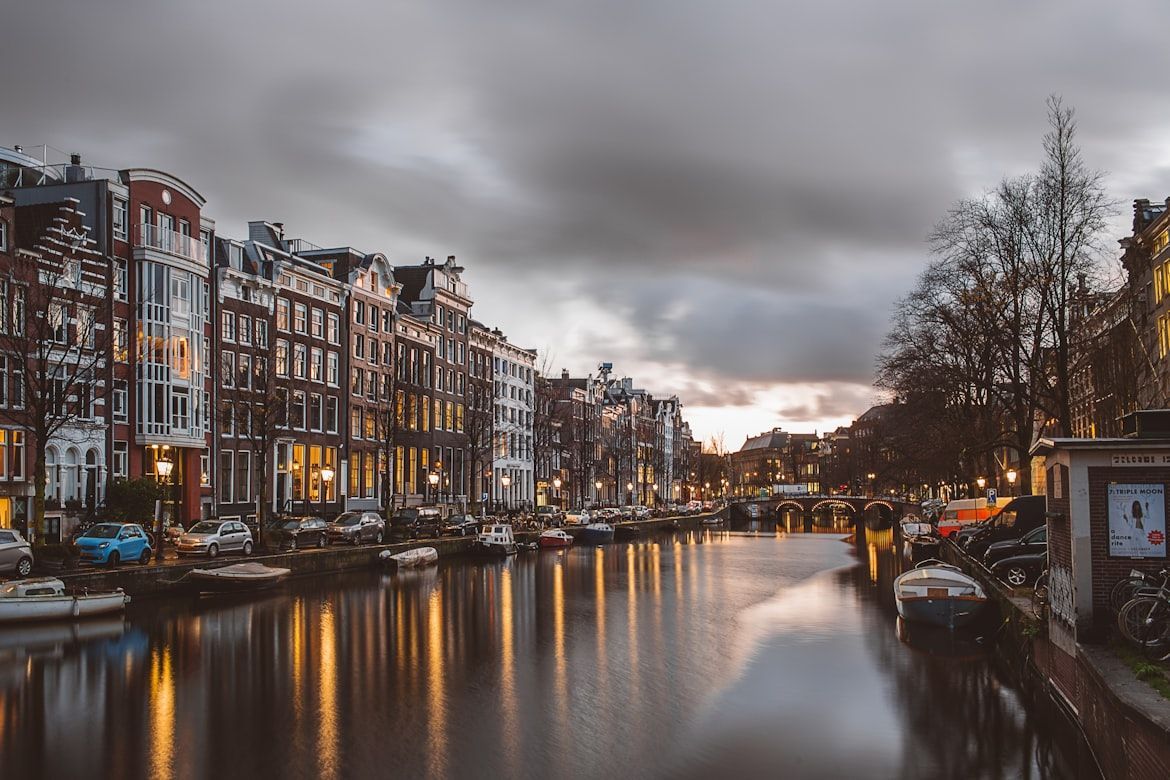 Image: Azhar J
This was more a rebranding than a true name change. "The Netherlands" has always been the country’s official name, whereas "Holland" refers only to two provinces. In 2020, the Dutch government stopped using "Holland" in international marketing to avoid confusion.
The change was part of a tourism and trade branding overhaul, with major events like Eurovision and the Olympics adopting "Netherlands" exclusively in their materials.
Siam to Thailand
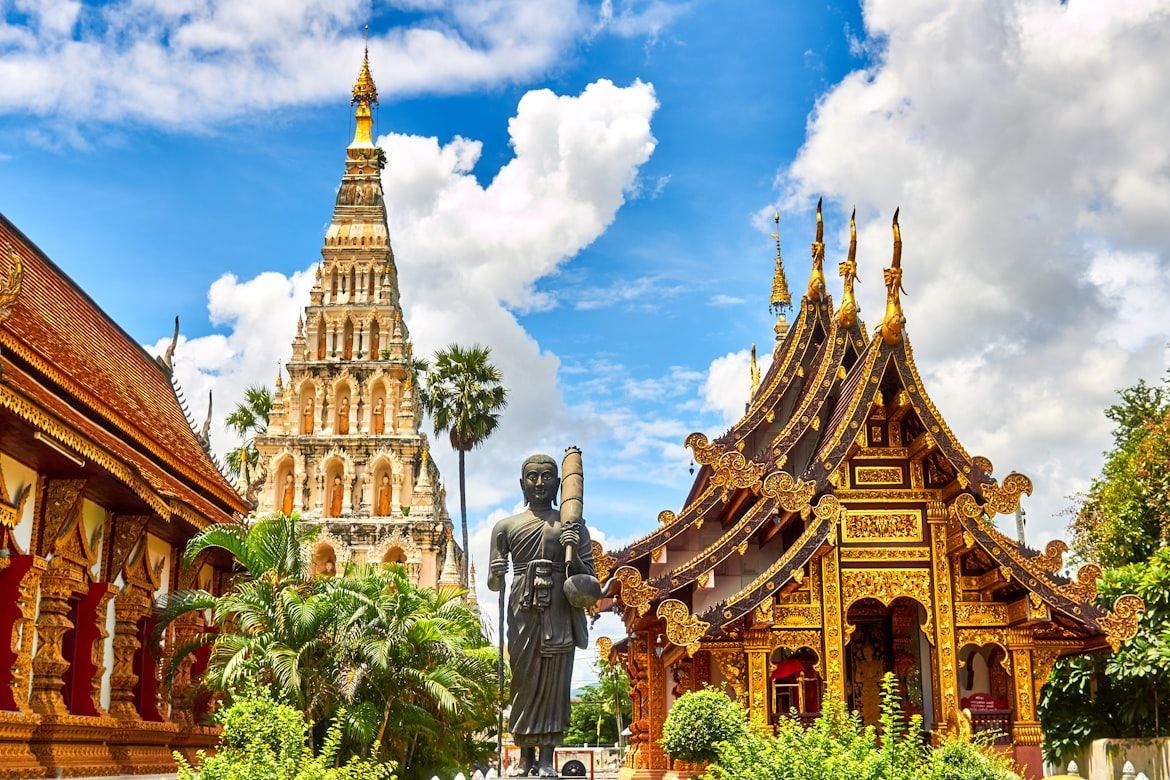 Image: Mathew Schwartz
In 1939, and again officially after WWII in 1949, the country dropped the name Siam to become Thailand, meaning "land of the free."
The change was mainly driven by a nationalist movement that sought to unify the country under a more inclusive Thai identity. While the name "Siam" carried some specific cultural connotations, the name "Thailand" emphasized sovereignty and the ethnic majority’s rule.
Rhodesia to Zimbabwe
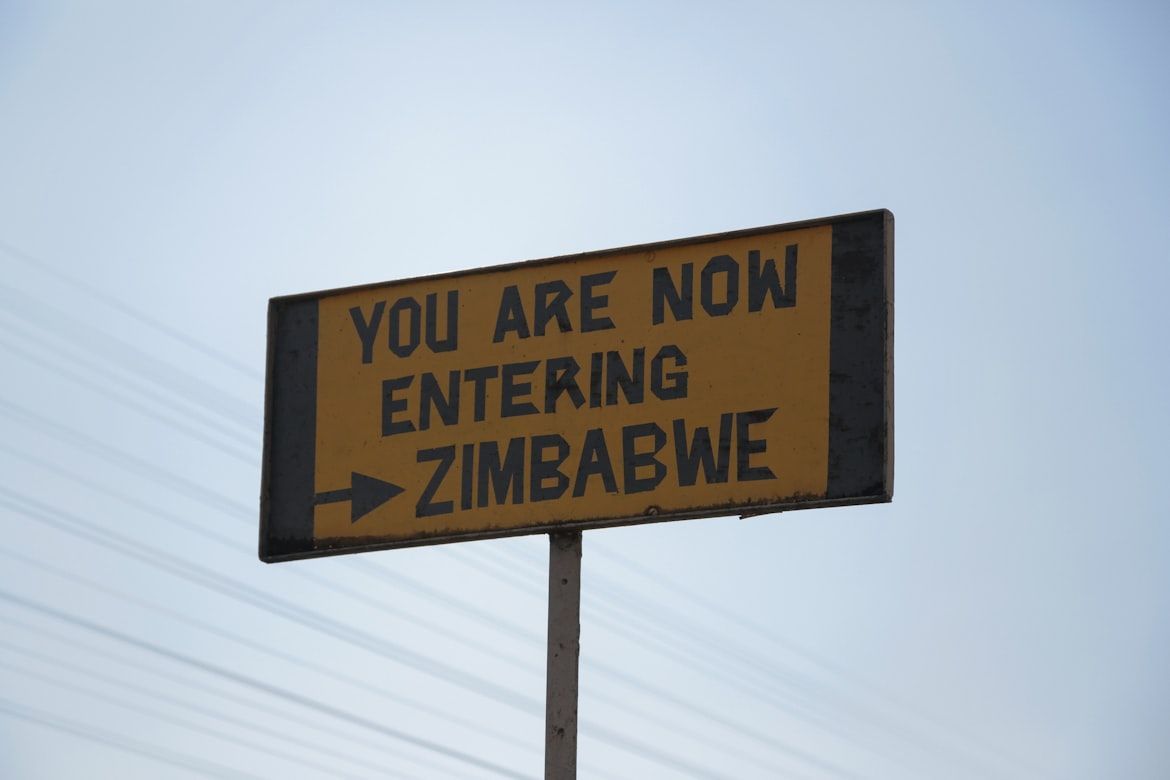 Image: Chloe Evans
In 1980, the unrecognized white minority government of Rhodesia was replaced, and the country became Zimbabwe, derived from "Great Zimbabwe," an ancient city of the region.
The old name honored British imperialist Cecil Rhodes. The new one reclaimed African history and identity after years of brutal conflict.