Awkward words ahead

Did you fartlek today? 12 words that sound funny but are serious


Published on June 30, 2026
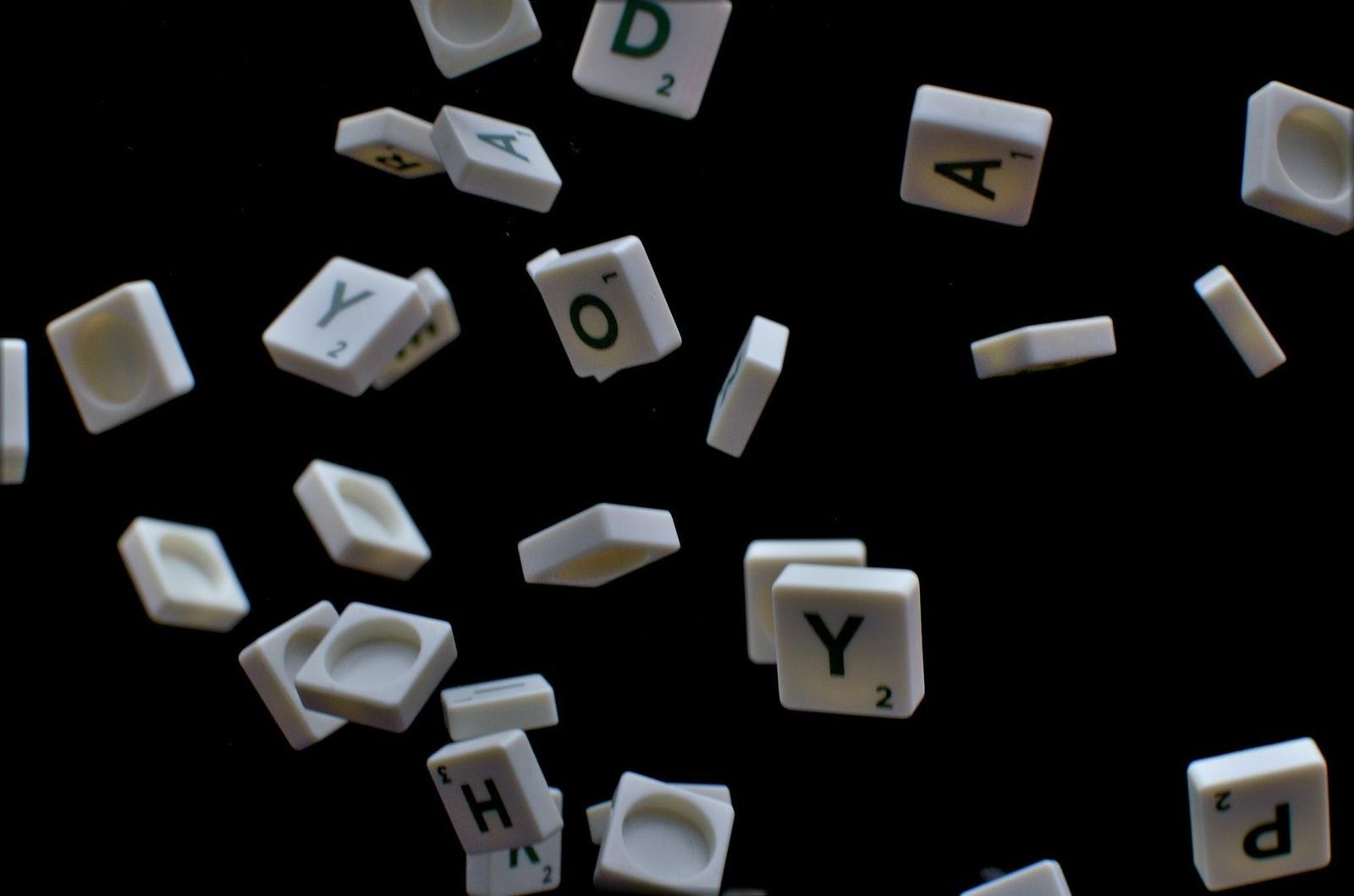

Image: Piotr Łaskawski

We all know it: some words just sound ridiculous, but they mean business. If you have ever come across a term like "gobbledygook" or "kerfuffle" and wondered if someone made it up, you're not alone. Let us take a look at 12 of these magnificent words that seem unreal, but are not.

1

Firkin

Image: Ellienore Bradley

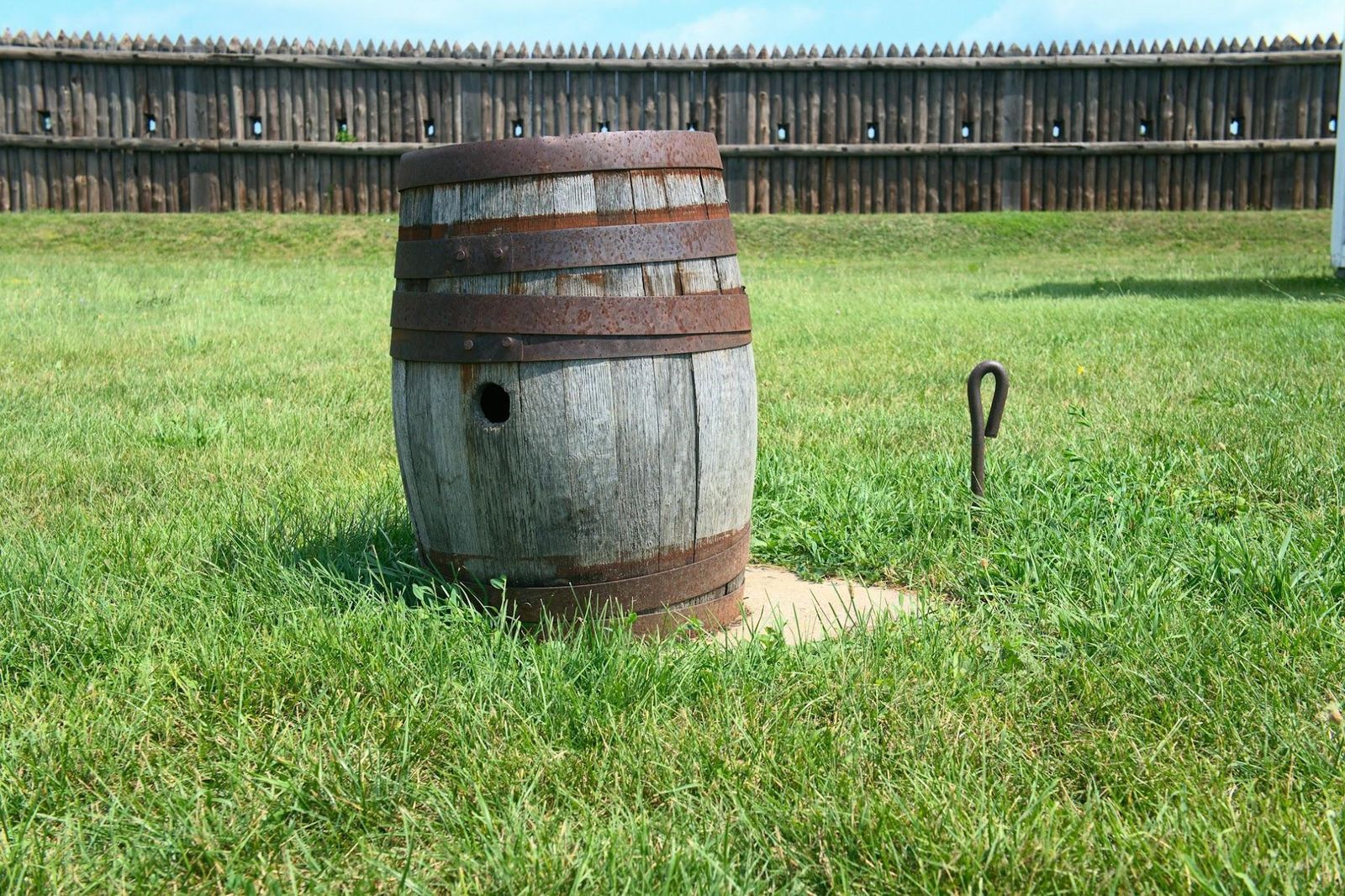
It does remind us of a dirty word, but it’s not. A firkin is, in fact, an ancient English word that refers to a small tub or a vessel of sorts.

Traditionally, it held ale or butter, sized at about a quarter of a barrel, making it handy for transport. Breweries still sometimes use firkins today for cask-conditioned beers, keeping the word alive in pub culture.

2

Godwottery

Image: baona

Many terms that today sound funny or even rude are, in fact, outdated words and idioms that fell out of use. Godwottery is one of these, and it can be used to describe overly decorated or elaborate speeches.

The word comes from the name of English poet George Gascoigne’s fictional gardener, "Godwot," linked to the overly ornate style of gardening. By extension, it entered English in the 19th century to label pretentious language.

3

Spondulicks

Image: Giorgio Trovato

What sounds like a teenager's expression of approval is, in fact, an 18th-century word for cash. It often appeared in casual speech and newspapers to mean ready funds.

Though it has fallen out of everyday use, it still pops up in literature or nostalgic writing to add a colorful touch to talk about money.

4

Fartlek

Image: Alex McCarthy

Fartlek may sound like a joke, but it’s a serious workout technique. It comes from Swedish and means "speed play."

This type of endurance training involves alternating between jogging and sprinting. Despite the silly name, it’s used by athletes to improve speed and stamina.

5

Popple

Image: Barth Bailey

Popple means choppy or rough seas, and, in an onomatopoeic sense, it sounds just like what it describes.

Its origin lies in Middle English, linked to the verb popelen, meaning to bubble or boil. And, though it is less common in modern English, it does survive in regional usage and poetry, evoking the lively surface of wind-stirred water.

6

Impignorate

Image: Tierra Mallorca

Impignorate is a fancy old word that means to pawn or mortgage an item. It’s rarely used today, but it once described the act of offering something valuable as a loan guarantee.

The term comes from the Latin impignorare, formed from in- plus pignus, meaning pledge. First recorded in the 16th century, it was used in legal and financial contexts.

7

Buttress

Image: Chris Boyer

Any word that starts with "butt" is prone to appear on this list. In this case, a buttress is a support structure that helps keep walls or buildings stable.

You’ll often spot them on Gothic-style churches, castles, and cathedrals, adding both strength and style.

8

Biblioklept

Image: Thought Catalog

While it sounds like a tricky tongue twister, and it definitely could be one, "biblioklept" is in fact the word for someone who steals books.

The word comes from the Greek roots biblio- meaning "book" and kleptes meaning "thief." It appeared in English in the 19th century, reflecting a period when Greek and Latin roots were often combined to coin precise or scholarly terms.

9

Spleenwort

Image: Mykyta Martynenko

If the term spleenwort sounds more like a medical problem than a plant to you, you are not alone. Does it refer to something or someone worthy of spleen?

In fact, the word spleenwort is the name of a small evergreen fern found in rocky areas and forests.

10

Penuche

Image: Phil Hearing

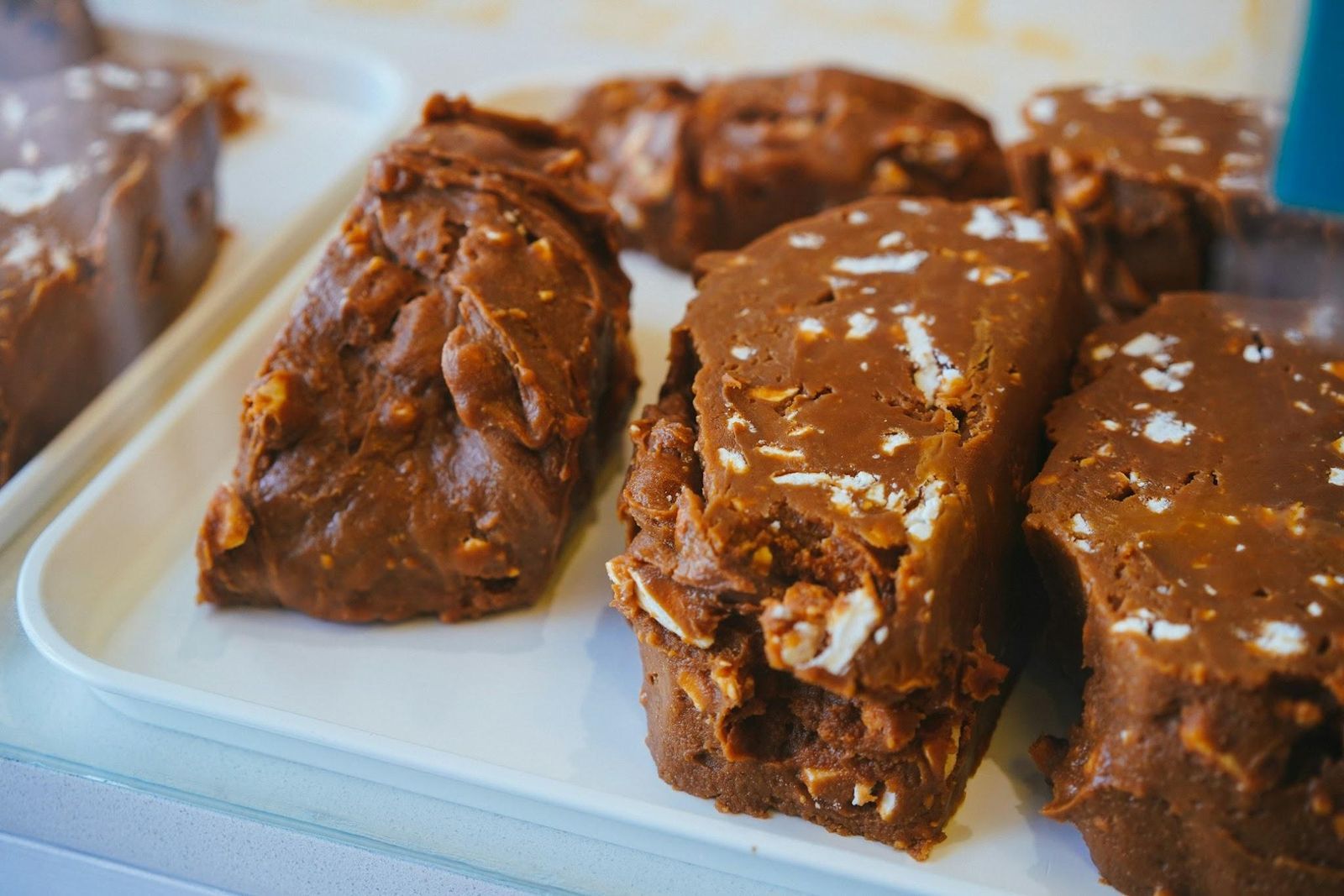
Never heard of penuche? If you’re not a baker, that’s pretty normal. A penuche is a type of fudge made with brown sugar, buttercream, and usually some nuts.

It’s a traditional sweet found in New England and parts of the American South, where it remains a nostalgic treat. It sounds more sophisticated than it is!

11

Slumgullion

Image: DUSAN ZIDAR

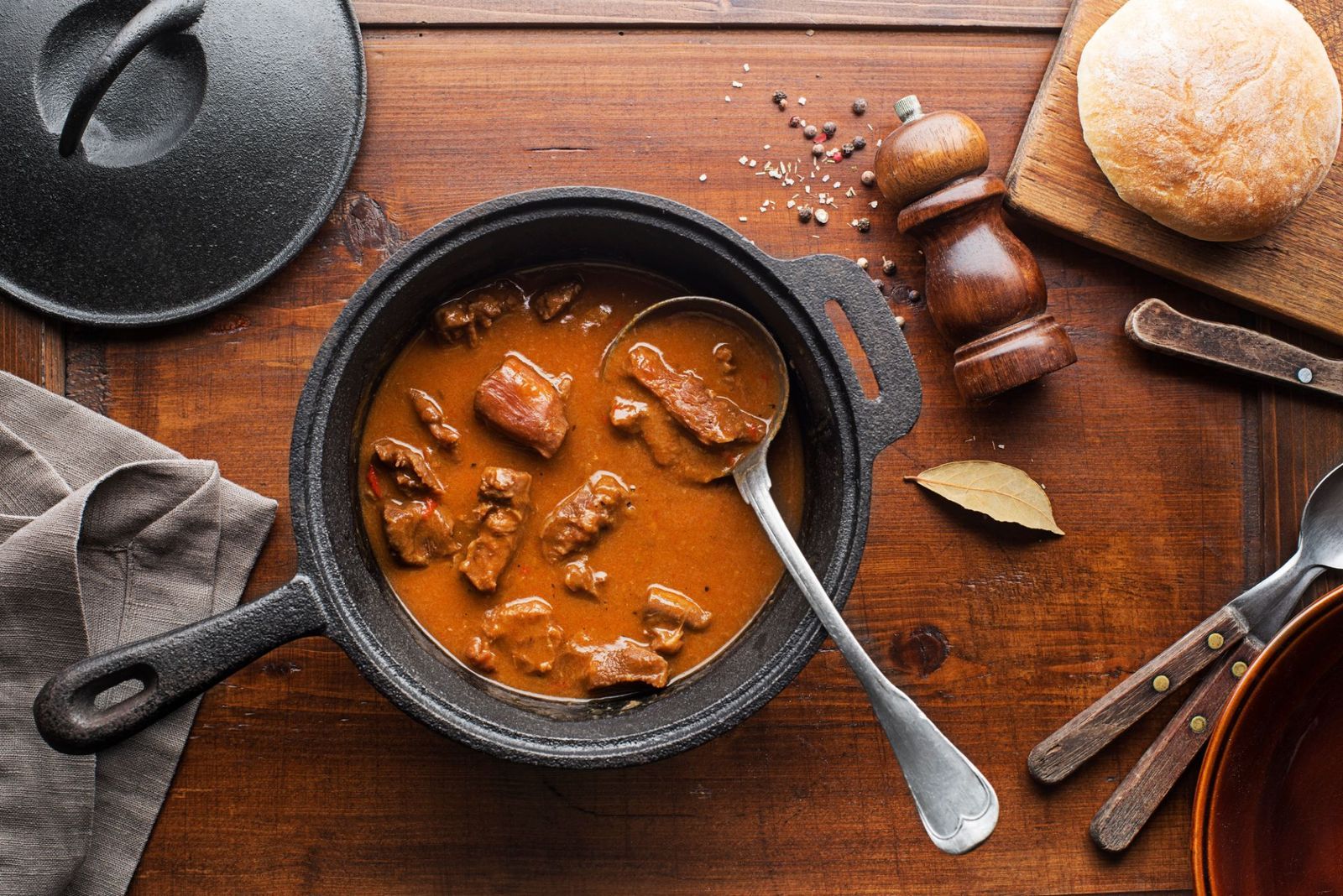
Again, it’s not an old-fashioned insult. Slumgullion is a strange-sounding word for a simple, cheap meat stew. It’s one of those food terms that doesn’t exactly make your mouth water, despite its hearty roots.

It was common among miners, loggers, and working folks who needed filling meals with whatever was on hand. It might not look or sound great, but it definitely gets the job done!

12

Shalloon

Image: Artsy Vibes

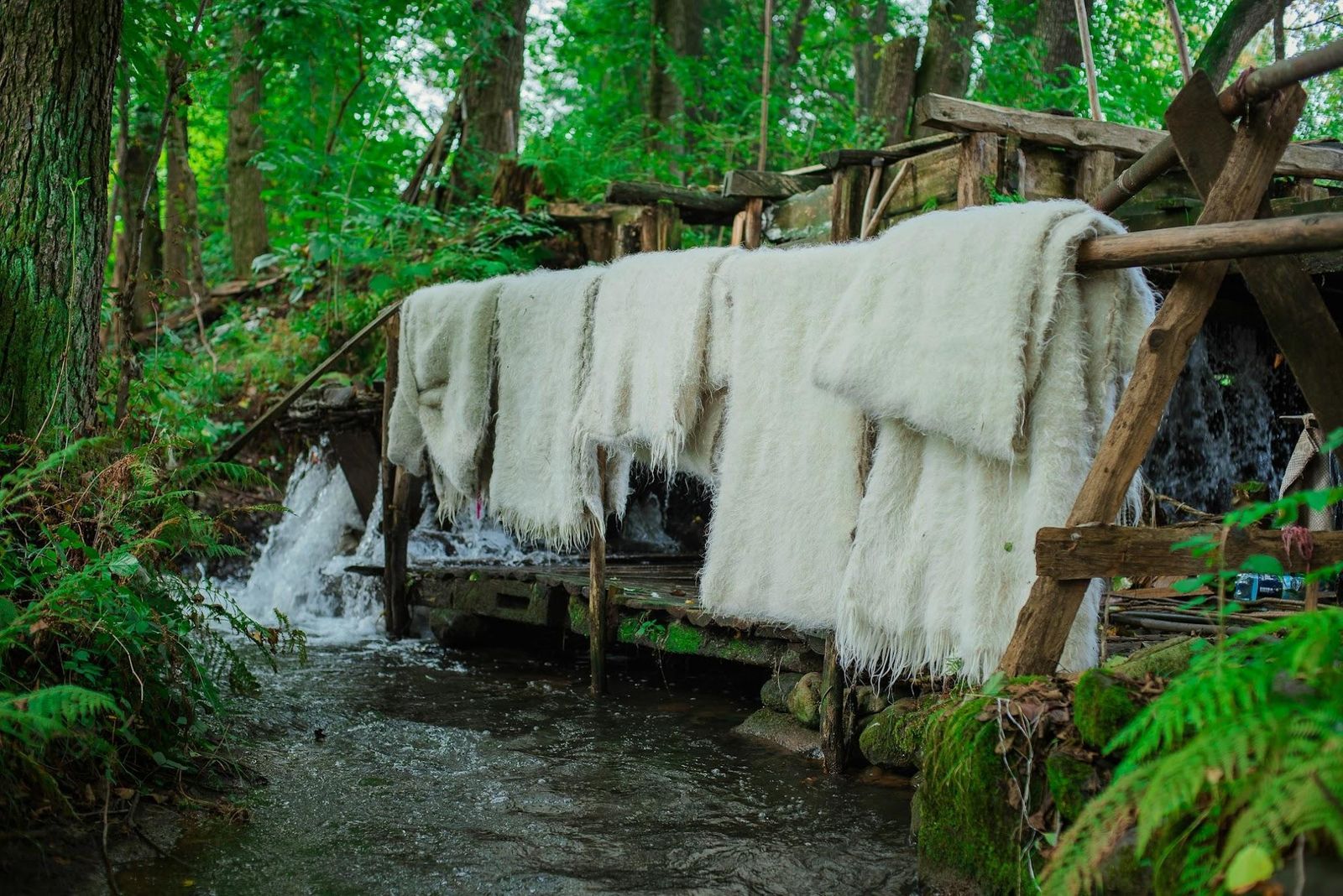
A shalloon might sound like the word saloon, pronounced by someone with a speech impediment. But it’s not. Shalloon is a lightweight, twilled wool fabric once used in clothing and linings. Unless you're into textiles or fashion history, you’ve probably never needed the word.

The word comes from Châlons-sur-Marne in France, where the fabric was originally produced. The English form "shalloon" emerged in the 1600s, reflecting the common practice of naming textiles after their place of origin.

Colors and what they represent

The meaning of colors: What shades say about clothes, décor, and mood


Published on June 30, 2026


Colors aren’t just decoration: they’re tiny storytellers. They set the mood at dinner, change how we feel about our clothes, and can even trick us into thinking a room is bigger (or smaller) than it really is. Here’s a fun tour through ten of the most common colors and what they say in our daily lives. Warning: once you read this, you might never look at your closet—or your living room—the same way again.

1

1. Red: The Life of the Party

Image: Filip Mishevski

Red is the show-off of the color wheel. It’s bold, fiery, and impossible to ignore. Slip on a red dress or tie, and suddenly you’re the main character in the room. Restaurants often use red in their logos because it makes us hungry—think ketchup labels, pizza signs, and soda cans. Coincidence? Definitely not.

In home décor, red can be a little tricky. A red wall screams, "Look at me!" A splash of red, though—like a lamp, pillow, or rug—can give a room instant warmth and energy.

2

2. Blue: The Chill Factor

Image: Merani Cosme

Blue is that friend who always calms things down. Think of the ocean or a clear summer sky—just looking at blue makes us breathe a little easier. Studies show it can even lower blood pressure and slow the heart rate.

In fashion, a blue suit or dress shirt has "trustworthy" written all over it. It’s a classic for job interviews and first dates, because it makes people feel safe around you.

3

3. Yellow: The Human Highlighter

Image: Larisa Brita

Yellow is sunshine in a crayon box. It’s the color of smiley faces, lemonade stands, and those sticky notes that keep your whole desk organized. Wear yellow, and people immediately think "cheerful."

When decorating, yellow brightens up any space. A pale yellow kitchen feels warm and inviting, like grandma’s house on Sunday morning. Too much, though, and it can be overstimulating—babies have even been shown to cry more in bright yellow rooms.

4

4. Green: Nature’s Neutral

Image: Junior REIS

Green is the color of life itself. It’s the grass under our feet, the leaves above our heads, and the money in our wallets (if we’re lucky). Green clothes often give off a grounded, approachable vibe—perfect for that "I’m relaxed but stylish" look.

In home décor, green works like a neutral while still feeling lively. Olive green couches are surprisingly forgiving of snack spills, and sage walls look fresh without being overwhelming.

5

5. Purple: The Drama Queen

Image: Peter Fitzpatrick

Purple has been associated with royalty for centuries, and it still has that mysterious, slightly dramatic air. A purple scarf or tie says, "I’m bold, but I also read poetry."

At home, purple can be tricky but rewarding. Deep purple curtains bring elegance and luxury, while lighter lavender shades are soothing and romantic. A purple accent wall? That’s the kind of choice that makes your neighbors whisper, "Wow, they must be creative."

6

6. Orange: The Attention Grabber

Image: Erik Mclean

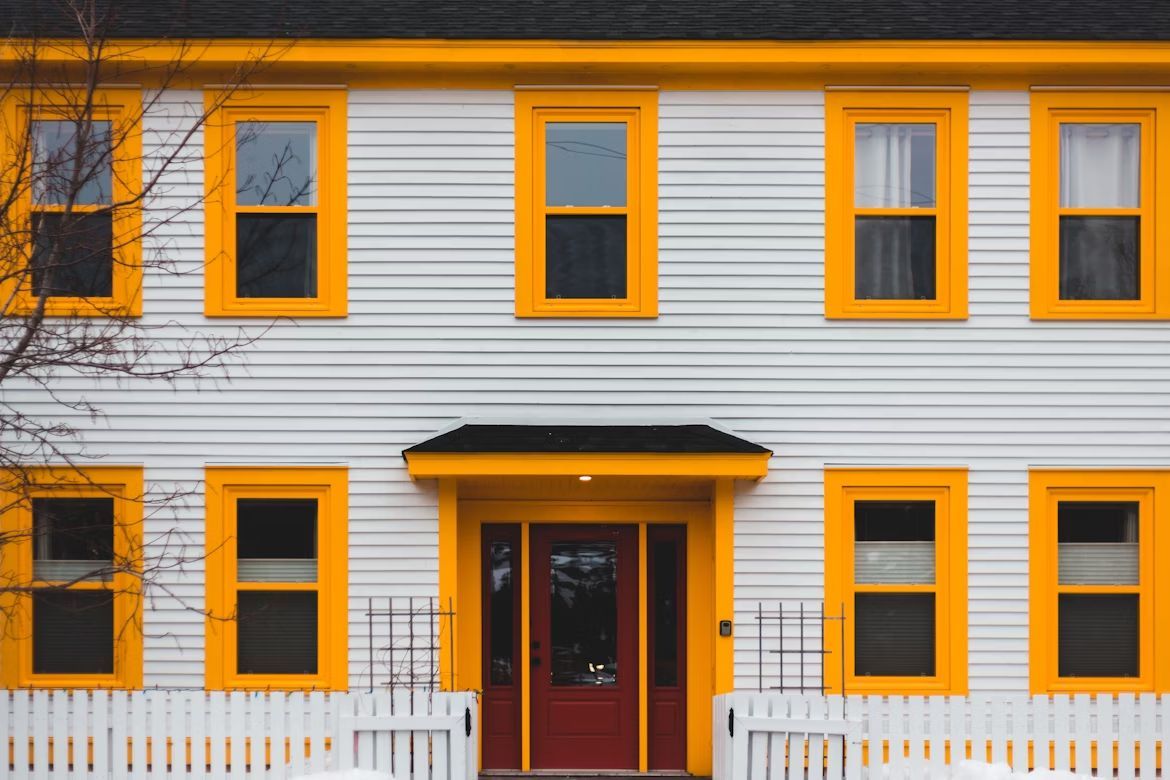
Orange is like red’s more approachable cousin. It’s energetic but playful, the color of pumpkins, sunsets, and every construction cone you’ve ever tried to avoid. Wear orange, and you’ll never blend into the background—it’s the ultimate "notice me" shade.

In décor, orange works best in doses. A burnt orange sofa pillow can make a beige couch look exciting instead of boring. Pair orange with neutrals, and it feels warm and cozy, like a fall afternoon.

7

7. Black: The Timeless Classic

Image: Andrey Zvyagintsev

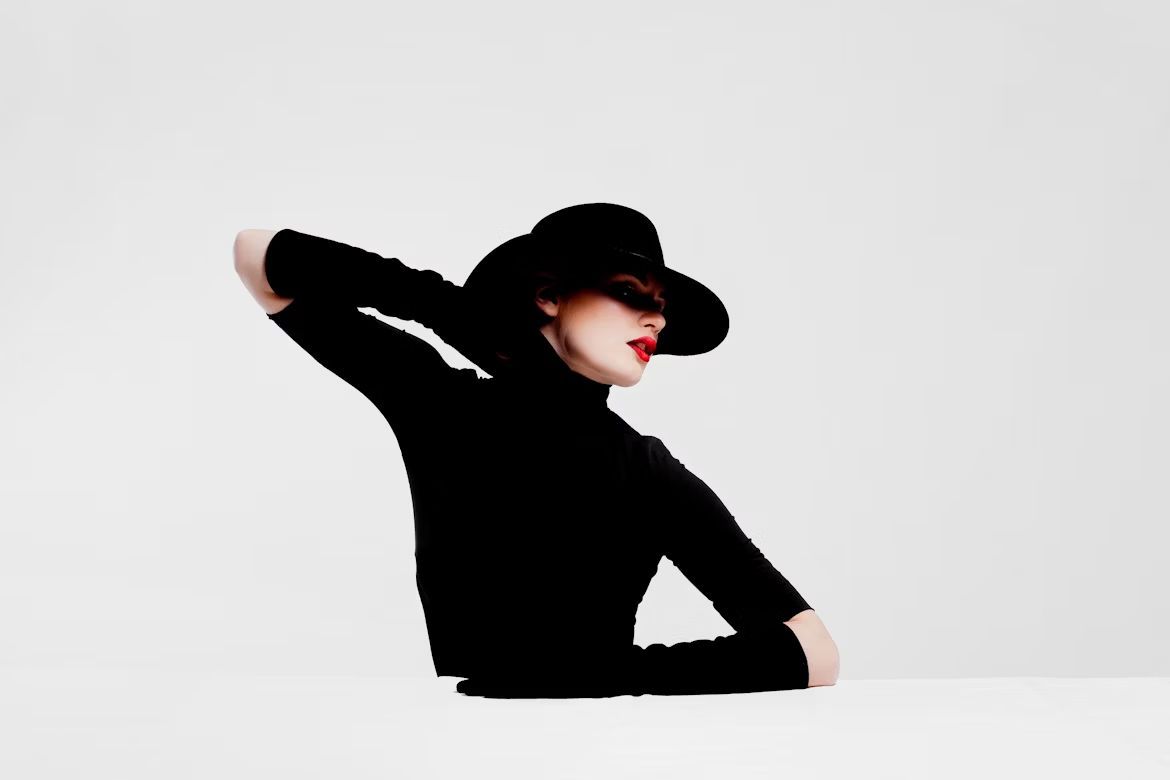
Black never goes out of style. In fashion, it’s the ultimate slimming trick, but it’s also chic and elegant.

At home, black adds drama and contrast. A black lamp or table grounds a space, making lighter colors pop. Too much, however, can feel a little cave-like—unless you’re going for that "Batman’s lair" vibe.

8

8. White: The Blank Canvas

Image: Hans

White is all about freshness and simplicity. Wear a crisp white shirt, and you look instantly polished—even if you got dressed in three minutes flat. The downside? White attracts stains like magnets attract fridge doors.

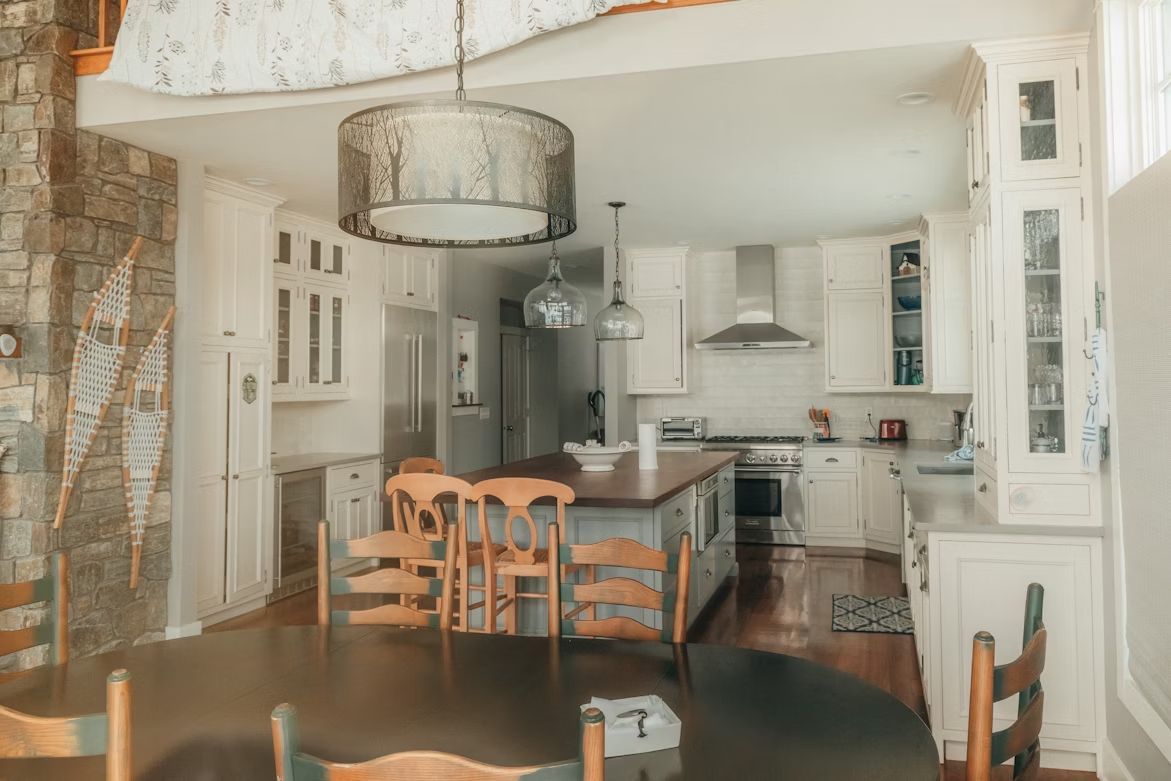
In decoration, white walls are like a blank canvas. They make rooms look bigger and brighter, but they can also feel a little… sterile. Add texture—like a fluffy white rug or a cozy throw blanket—and suddenly white feels welcoming instead of hospital chic.

9

9. Pink: The Playful Rebel

Image: Doyo Hermann

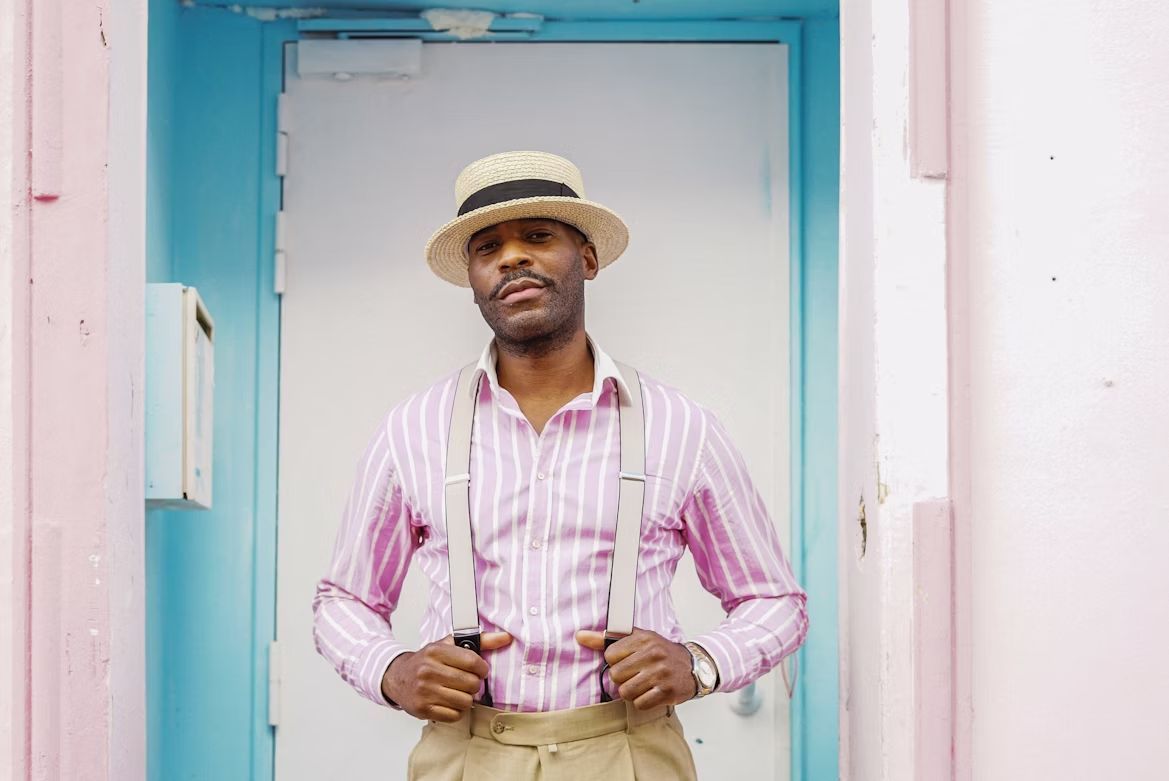
Pink has traveled a long way from being "just for girls." These days, a pink shirt or dress can look bold, stylish, and surprisingly powerful. Wear pink, and you’re basically saying, "I don’t take myself too seriously—but I look good doing it."

In décor, pink can soften a room without making it feel childish. A dusty rose couch feels trendy and chic, while blush pink walls give off a warm, welcoming glow. Add gold accents, and suddenly pink is less "cotton candy" and more "cocktail lounge."

10

10. Brown: The Unsung Hero

Image: Mary Skrynnikova

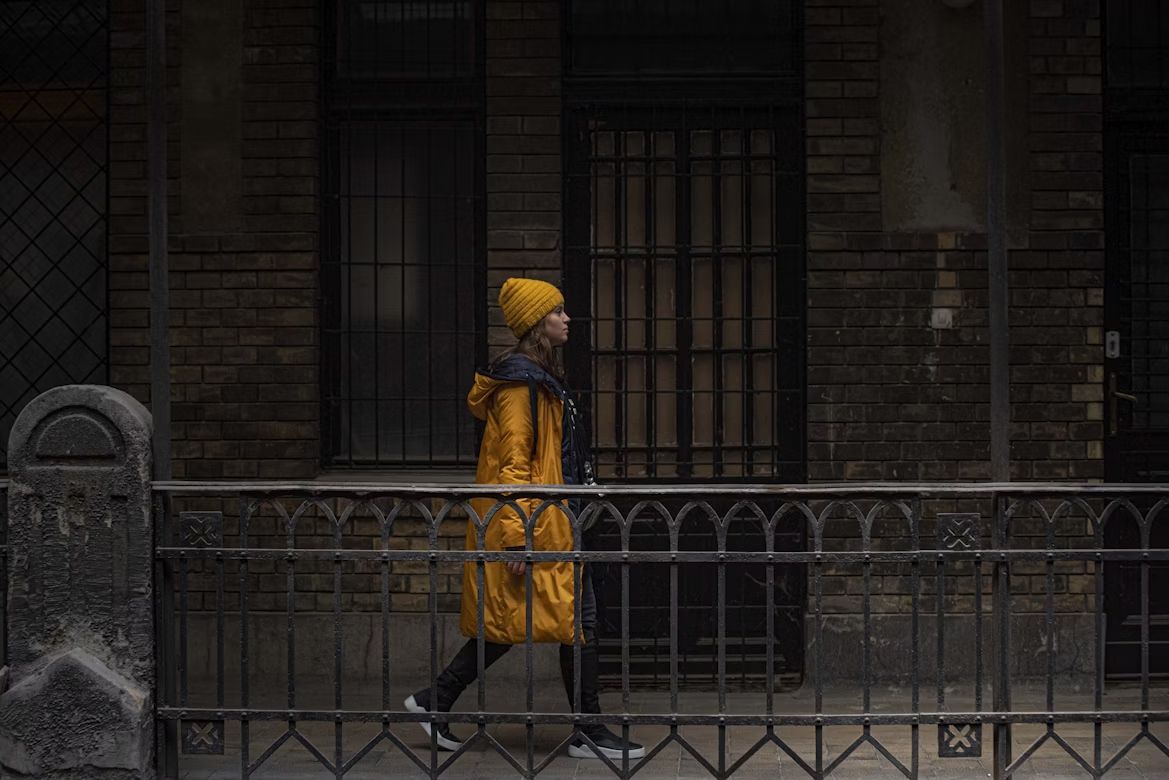
Brown doesn’t usually grab the spotlight, but it’s everywhere—coffee, chocolate, leather jackets, and comfy boots. Wear brown, and you instantly look approachable, dependable, and maybe just a little outdoorsy.

In homes, brown works like a cozy blanket. Wooden furniture, tan couches, or even a rustic rug instantly make a room feel grounded and warm. It’s the color equivalent of comfort food: steady, reliable, and always satisfying.

Looking for an extra scoop of literary fun?

Learn more with our Word of the day

shoddy

/ˈʃɑdi/