The name of the game

10 things that were named after their creators


Published on September 24, 2026


Image: AbsolutVision

It is common for discoveries and inventions to be named after their developers or discoverers, but some products are so common that we fail to recognize them as related to a person’s name. From hot tubs to writing systems, inventors and scientists have left their personal mark everywhere. Here are ten common things that are named after the mastermind behind them.

1

Jacuzzi

Image: Zoe Stefanatou

Did you know that "Jacuzzi" is a brand and not the name of this type of hot tub? Founded in the early 20th century by the Jacuzzi brothers, the manufacturing company was initially focused on aviation and agricultural pumps. In the 1950s, Candido, one of the brothers, designed a portable hydrotherapy pump to help with the treatment of his son, who suffered from rheumatoid arthritis.

After witnessing the child’s positive response to the treatment, Candido patented the invention, which became popular as a therapeutic aid first, and later as a spa device. In the late 1960s, Jacuzzi developed the first whirlpool bath, which used jets to mix air and water.

2

Ferris wheel

Image: Jorgen Hendriksen

Though similar wooden wheels already existed (but were not common), this quintessential fair attraction as we know it was designed by engineer George Washington Gale Ferris Jr. for the 1893 World's Columbian Exposition in Chicago, as organizers wanted a feature that rivaled the 1889 Paris Expo’s Eiffel Tower.

Ferris designed a 264-foot-tall steel wheel (equivalent to a 25-story building), weighing over 2,000 tons, with 36 passenger cars. Each car could fit up to 60 people, meaning the ride could carry about 2,000 passengers at once.

3

Morse code

Image: LoudPhoto

The development of the telegraph in the 19th century revolutionized the speed and reach of communications, but what the best-suited code for it was was still an ongoing discussion. In the 1830s, Samuel Morse, Alfred Vail, and Joseph Henry developed their own electrical telegraph system and looked into developing a code based on "on and off" electrical pulses.

Morse developed a system around short and long pulses (dots and dashes) that his machine would transform into indentations onto a moving paper tape. In 1844, he sent the first Morse code message from Washington, D.C., to Baltimore, which read "What hath God wrought?"

4

Braille writing system

Image: Gabriella Clare Marino

Tactile writing systems already existed before Louis Braille, a blind 15-year-old French student, developed his now-famous writing system in 1824, but they were not practical. Braille had learned to use the "night writing" code, based on 12 raised dots representing letters, but he realized that each cell or group of dots was too big to be felt at once with the fingertips.

Braille spent nine years developing a new system, based on the "night writing" code, with 6 dots per cell, which allowed for each "letter" to be encompassed at once. Today, the Braille system, virtually unchanged from its development, is one of the most widely used writing systems for the visually impaired.

5

Sandwich

Image: Mae Mu

Before "sandwich" was the name of a beloved snack or an easy lunch choice, it was a town in Kent, England, which gave its name to the Earldom of Sandwich. Eating food encompassed in bread is as old as humanity, but sandwiches didn’t receive their name, nor were they considered a category of their own, until the 18th century.

John Montagu, the 4th Earl of Sandwich, was known for his love of cards and gaming. To avoid leaving the card table when feeling hungry, he had his servants bring him roast beef between two pieces of toasted bread, which eliminated the need for a fork and prevented the cards from getting greasy. The snack became popular in London attached to his name, and the rest is history.

6

Pap smear

Image: Photoroyalty

As many women know, Pap smears are routinely used to detect precancerous or cancerous cells that could lead to cervical cancer, but what many might not know is that the test was originally called the "Papanicolaou test," and that is named after the couple who developed it.

George Papanicolaou was a Greek physician who, while studying the reproductive cycles of guinea pigs, came up with a way of identifying malignant cells with a microscope. His wife and assistant, Mary Papanicolaou, volunteered as a test subject, and after two decades of studies and investigation, the Papanicolaou test gained wide acceptance, becoming one of the main screening tests for cervical cancer.

7

Petri dish

Image: Michael Schiffer

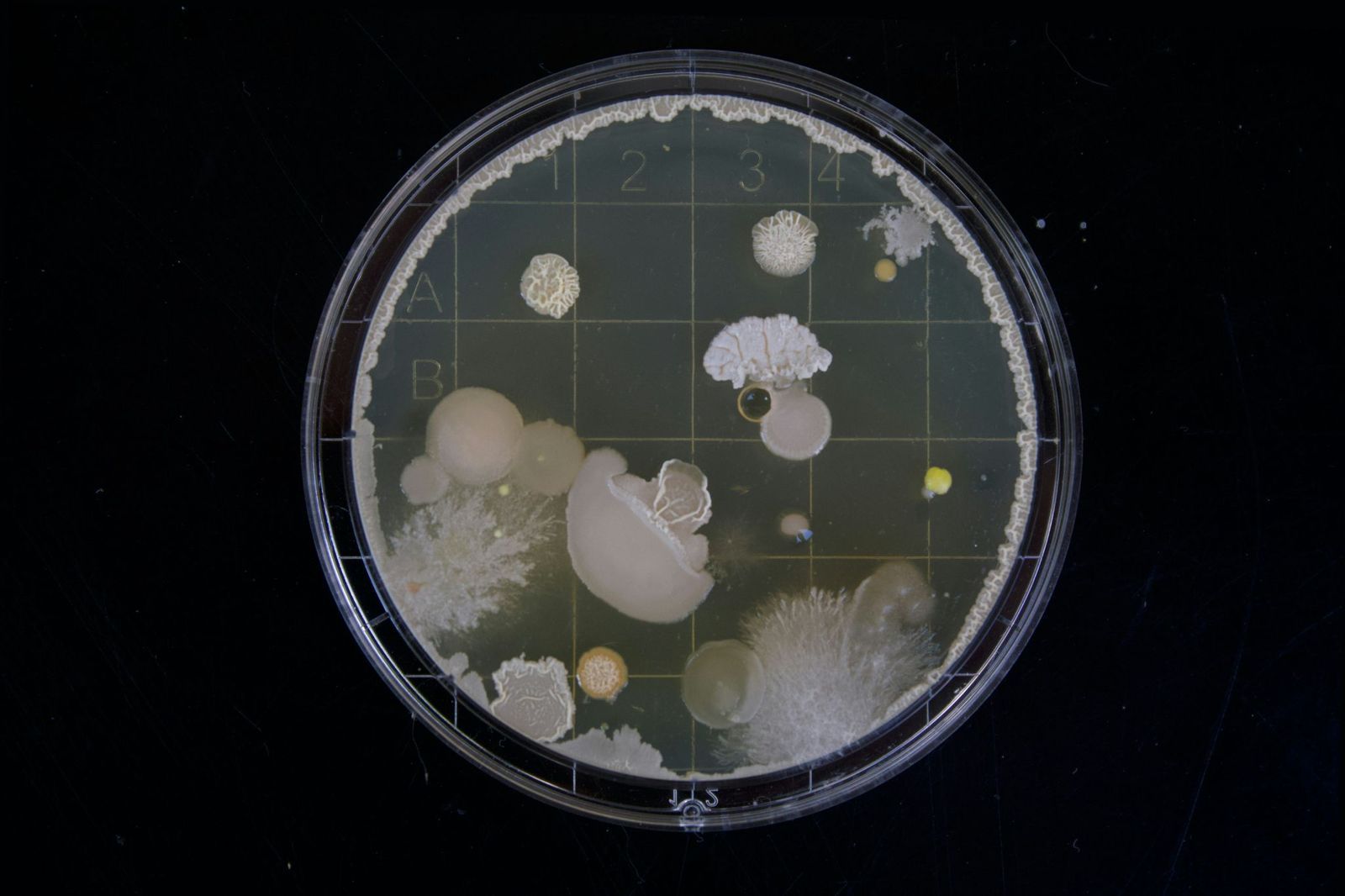
If you ever saw a lab, you might have noticed an abundance of small, shallow circular containers, filled with samples. These are called "Petri dishes" and are used by scientists to grow microorganisms, such as bacteria and fungi. The dishes and their lids are transparent, so scientists can easily observe the samples or examine them under the microscope without disturbing them.

Why are they called "Petri" dishes? They were developed by a German physician named Julius Richard Petri, an assistant to the famous microbiologist Robert Koch. Petri observed that the glass plates covered by bell jars used in the lab allowed air and germs to contaminate the samples and made observation difficult. He designed a shallow, circular, two-part glass dish with a slightly larger lid that let oxygen in while keeping other bacteria out, and allowed for easy and close examination.

8

Nachos

Image: Herson Rodriguez

Unless you speak Spanish or are familiar with common Spanish nicknames, it might come as a surprise to know that one of America’s favourite snacks and a staple in Tex-Mex cuisine bears the name of a person. In this case, "Nacho," a common nickname for someone named "Ignacio."

These fried corn tortilla chips were invented by Ignacio "Nacho" Anaya, who worked at a restaurant in Coahuila, Mexico, near the U.S. border. A group of American tourists arrived after the kitchen had closed, but Anaya decided to improvise. He cut and fried corn tortillas, and topped them with melted cheese and jalapeños, a combination that surprised and delighted the guests. When asked about the name of the dish, he called it the "Nacho special."

9

Boysenberries

Image: FiledIMAGE

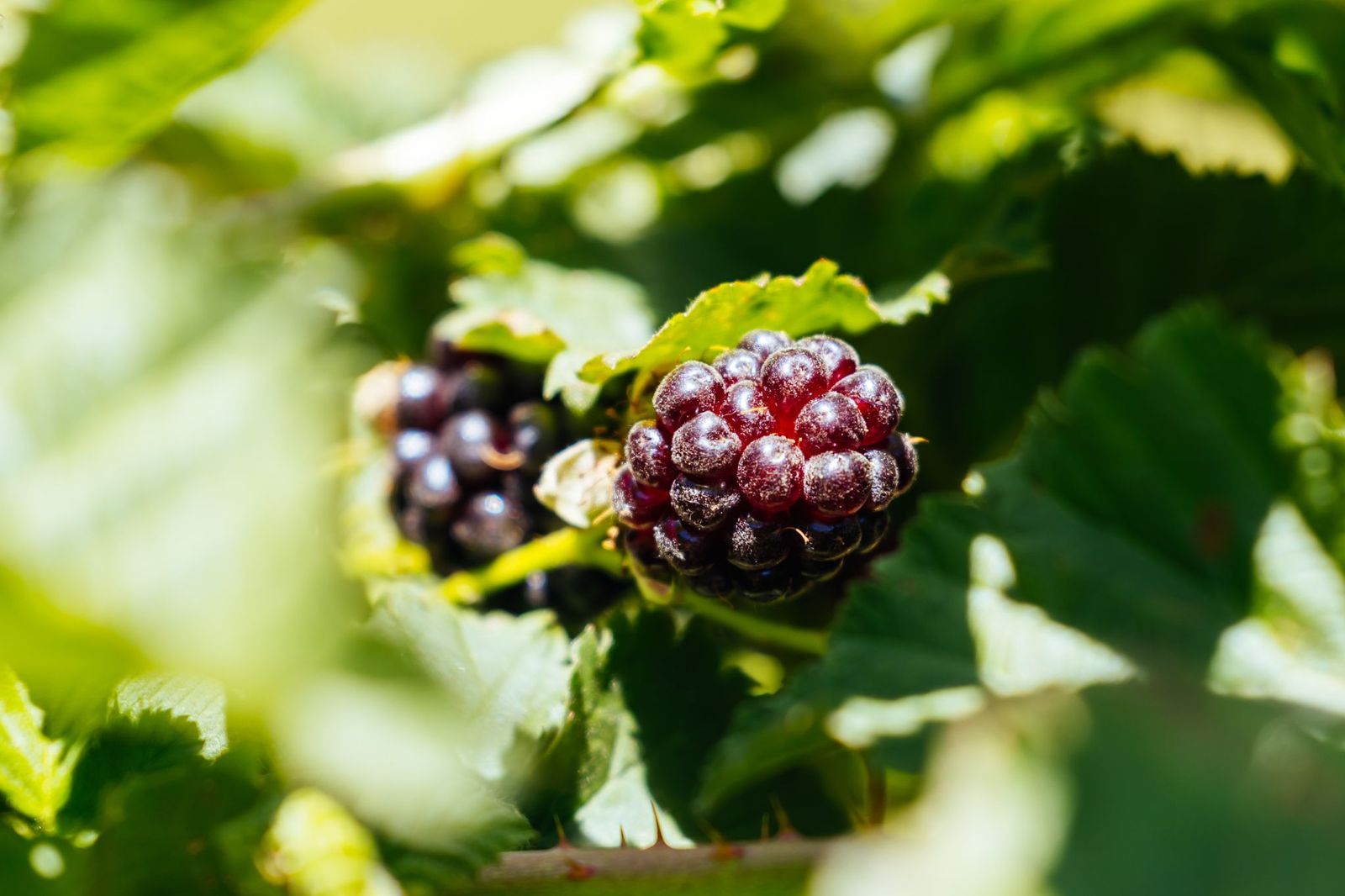
Are you a boysenberry enthusiast? Did you know that boysenberries are not only a hybrid of 4 different berries (raspberries, blackberries, dewberries, and loganberries) but that they owe their name to their creator, Rudolph Boysen? However, the one to name them was Walter Knott, the farmer behind the famous "Knott’s Berry Farm."

Boysen had enlisted Knott’s help to cultivate this hybrid plant, but had ultimately abandoned the vines and sold his farm. Knott transplanted some plants to his own farm and started selling the large berries in his produce stand. The fruit quickly became popular, and when Knott was asked the name of the variety, he named them "boysenberries" as an homage to their developer.

10

Diesel

Image: Sergey Ryzhov

What came first, the diesel fuel or the diesel engine? The answer is neither, as Rudolf Diesel, a German engineer and inventor, came first of all. As an engineering student in Munich, Diesel attended a lecture about the issues of steam engines, which motivated him to start developing a more efficient engine.

He developed an internal combustion engine, which used the heat of compressed air instead of a spark plug to ignite fuel. The engine was patented in 1892, and Diesel named it after himself. This engine used different types of fuel but, over time, it became obvious that a specific type of oil worked best. With time, this petroleum-based fuel also became known as "diesel".
The 12 longest-living animals on Earth (and how they cheat time)


Published on September 24, 2026


Image: David Clode

Nature doesn’t just create beauty, it crafts survival miracles. While most animals have short lives, a rare few have mastered the art of staying alive for centuries, even millennia. These aren’t just long-lived creatures; they’re nature’s ultimate time travelers. From the frozen depths of the oceans to the darkest corners underground, they’ve developed bizarre, brilliant strategies to cheat death. Get ready to meet 12 animals whose lifespans will absolutely blow your mind.

1

Antarctic Sponge (Anoxycalyx joubini)

Image: NOAA

Record age: up to 15,000 years

This unassuming sea sponge thrives in the freezing waters of Antarctica, where temperatures hover around 28.6 °F—so cold that biological processes hit the brakes. In such icy conditions, metabolism slows to a crawl, allowing these sponges to live for thousands of years.

Some have reached impressive sizes of over 3 feet tall and have been around since mammoths were still thundering across the tundra. They don’t move, they don’t stress, and they barely change, just quietly existing while centuries pass them by. Their secret to extreme longevity? Glacial patience, deep-sea stillness, and a lifestyle that redefines "low-maintenance".

2

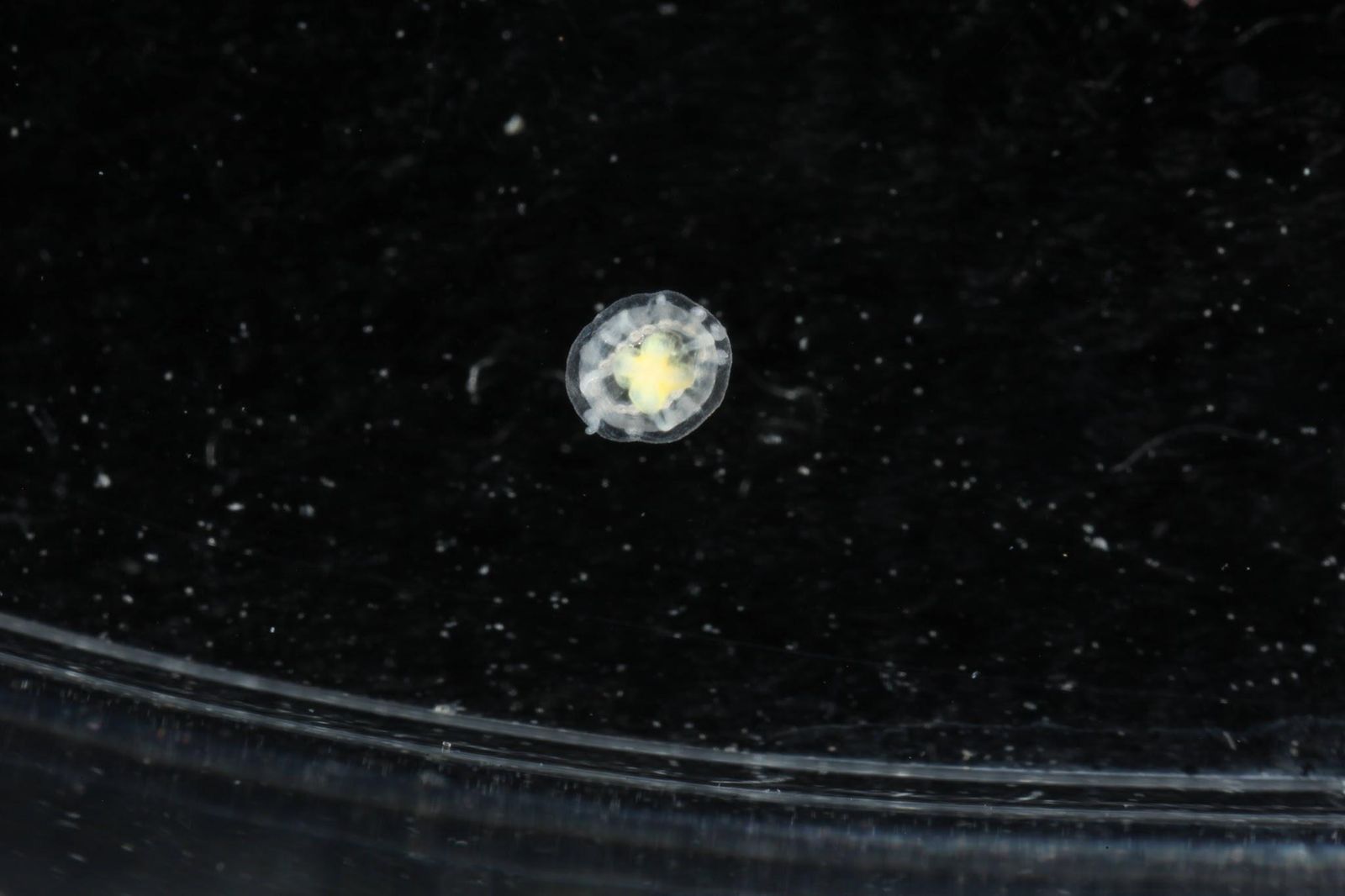
Immortal Jellyfish (Turritopsis dohrnii)

Image: Dr. Karen J. Osborn, CC0, via Wikimedia Commons

Age: technically… infinite

This tiny jellyfish, no bigger than a fingernail—less than 0.2 inches—is like the ocean’s very own Benjamin Button. What makes it truly extraordinary is its ability to rewind its life story, flipping back to a youthful, juvenile stage whenever it wants. While it’s not completely invincible (predators and other threats are still very real), if left undisturbed, it can keep hitting the reset button on aging indefinitely, making it one of the most fascinating "time-benders" in nature.

3

Ocean Quahog Clam (Arctica islandica)

Image: Norbert Braun

Record age: 507 years

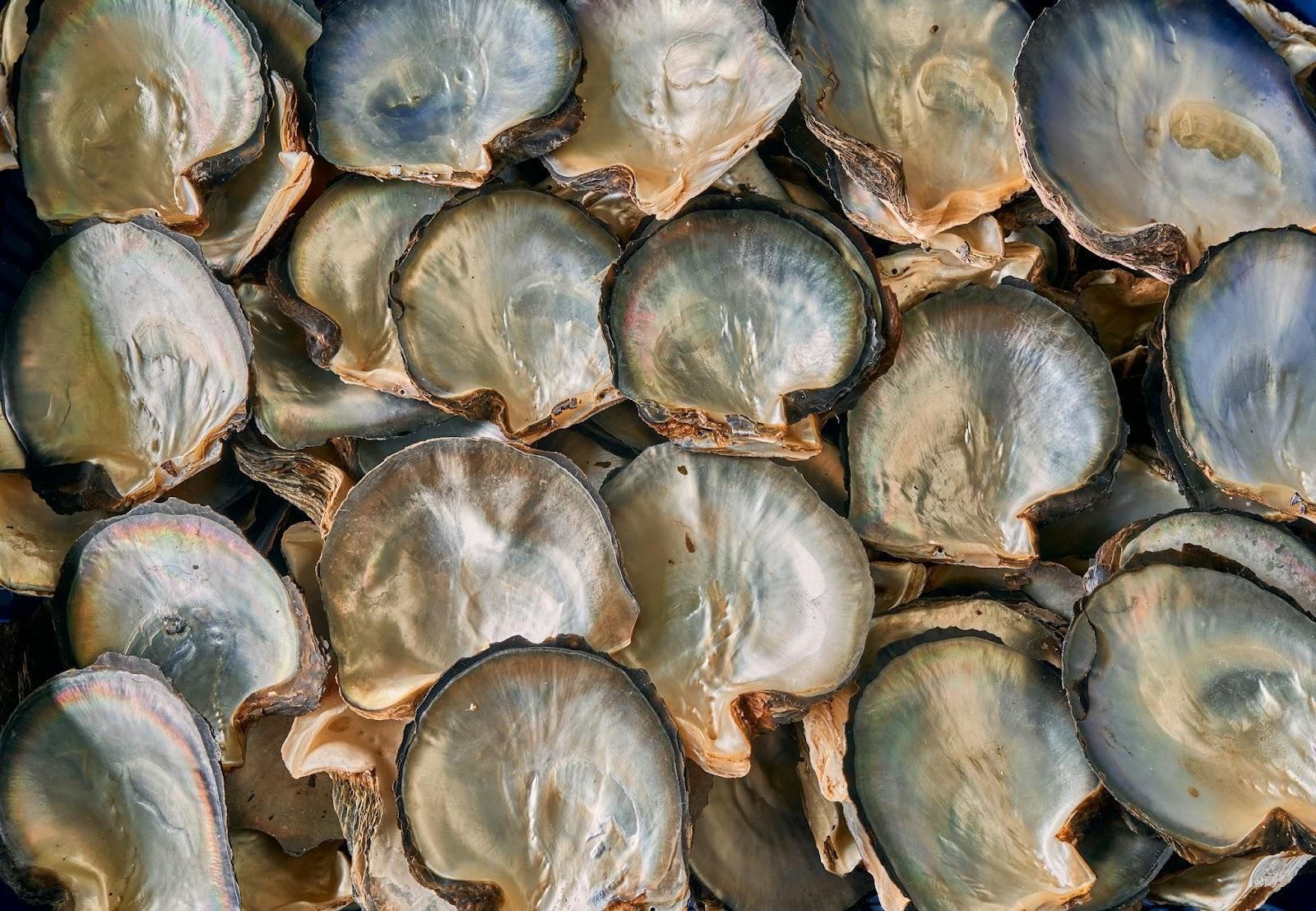
In 2006, a special clam was discovered buried deep in the seabeds of the North Atlantic. Scientists were able to determine that it had been there since at least 1499—that’s centuries before the United States was even a thought! This ancient marvel, nicknamed "Ming", was able to perfect a slow-and-steady approach to life. Growing at a snail’s pace and barely budging, Ming’s sedentary lifestyle turned out to be a brilliant strategy for beating the clock. Who knew doing almost nothing could be the ultimate secret to longevity?

4

Greenland Shark (Somniosus microcephalus)

Image: https://upload.wikimedia.org/wikipedia/commons/3/39/Greenland_shark_profile.jpg

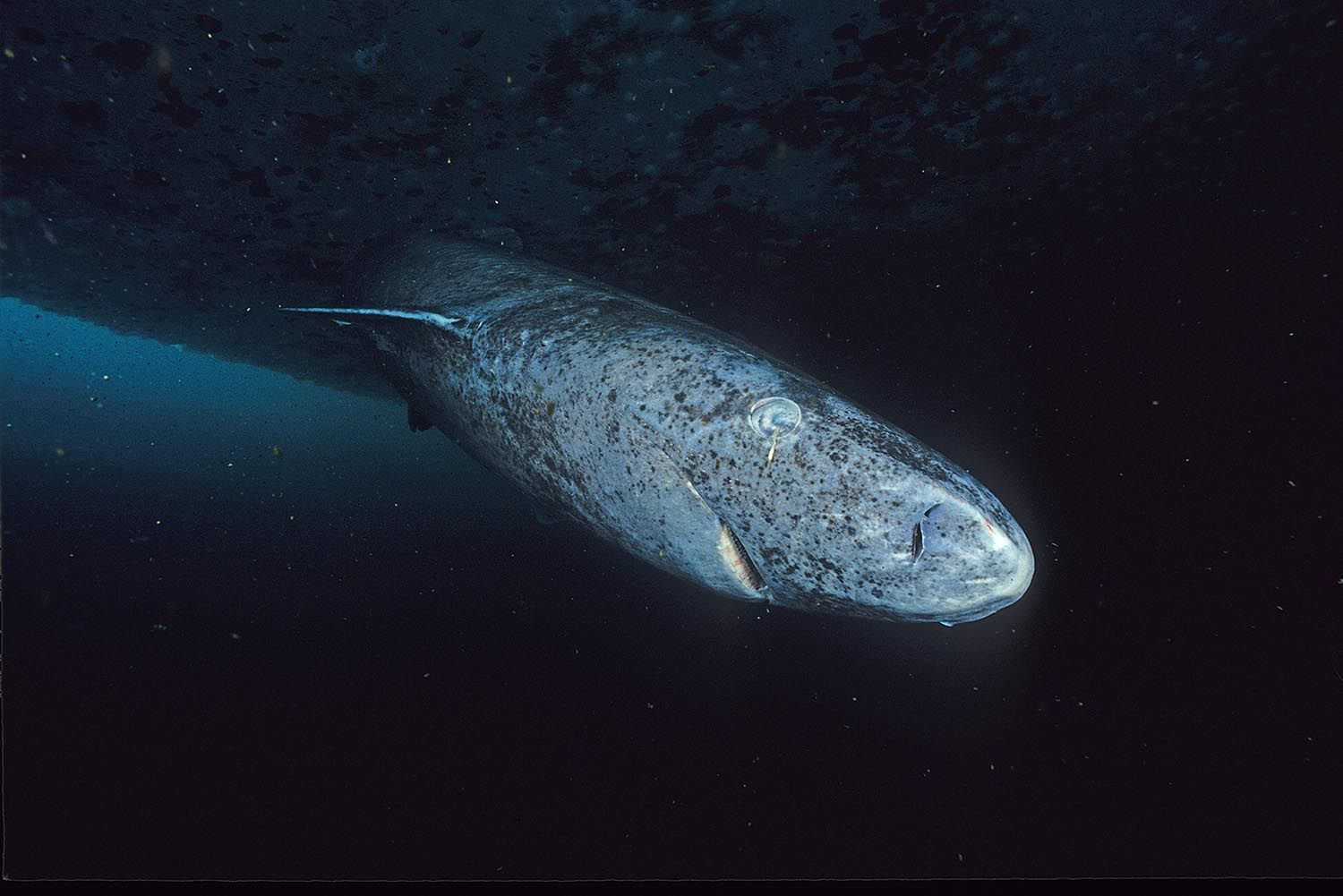
Record age: estimated 392 years

These sharks aren’t your average ocean cruisers—they can stretch over 20 feet long and weigh up to 2,200 pounds. But what’s really mindblowing is how slowly they move, like they’re in a permanent state of deep relaxation. Living in the icy Arctic waters, these giants don’t hit adulthood until they’re about 150 years old, and some can glide through the depths for nearly 400 years. Imagine that! These ancient swimmers were already around before America declared independence... and they are still out there, silently roaming the seas!

5

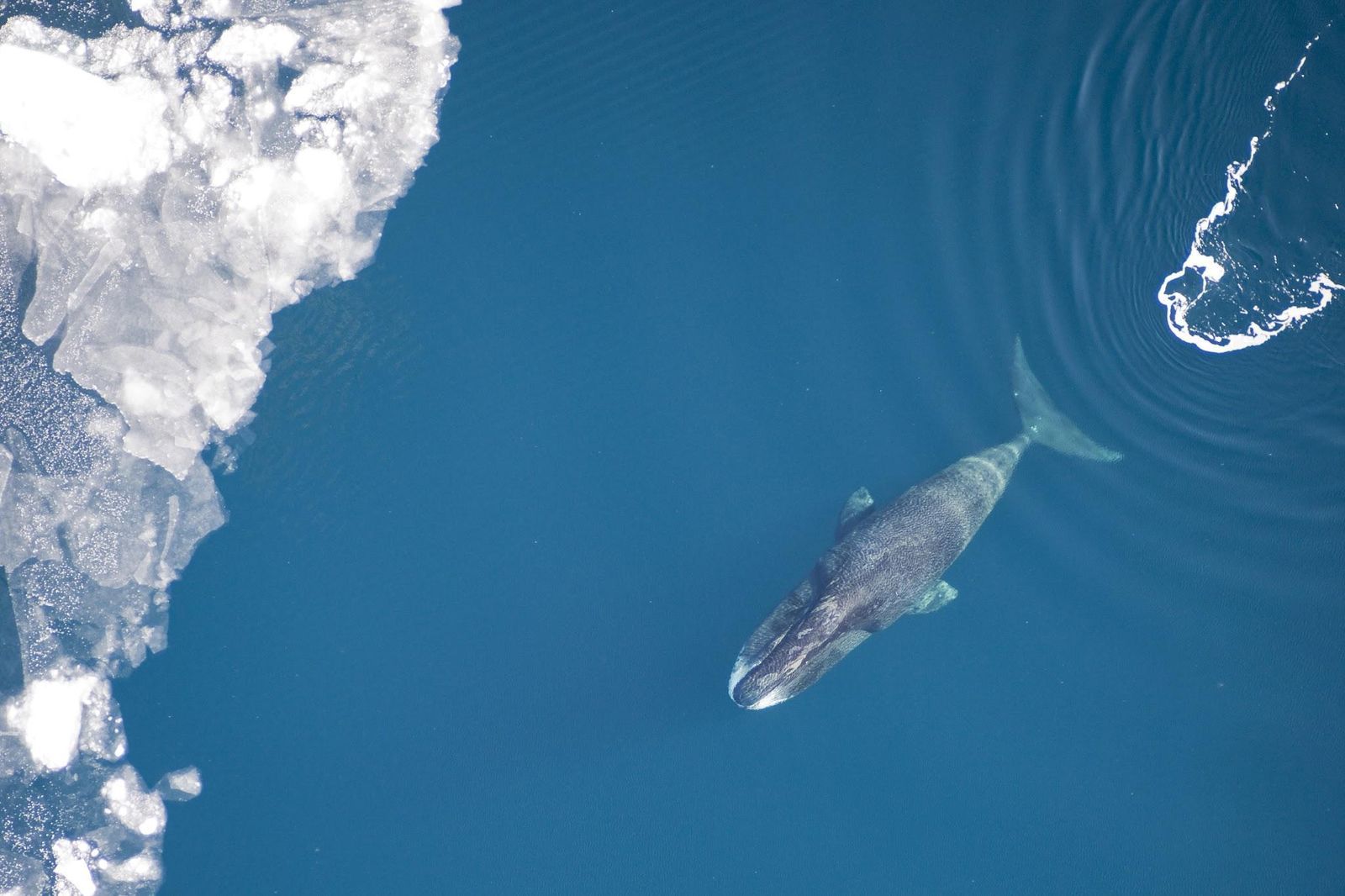
Bowhead Whale (Balaena mysticetus)

Image: Vicki Beaver, Alaska Fisheries Science Center, NOAA FIsheries, Marine Mammal Permit#14245, Public domain, via Wikimedia Commons

Record age: over 211 years

This whale is a true ocean giant, stretching up to 60 feet long and weighing a staggering 200,000 pounds. But what makes it stand out isn’t just its size but its age. Some of these majestic creatures carry harpoons from the 1800s still lodged in their skin, like walking history books. Just picture living so long that you’re literally carrying outdated technology embedded in your body—talk about being a time traveler of the seas!

6

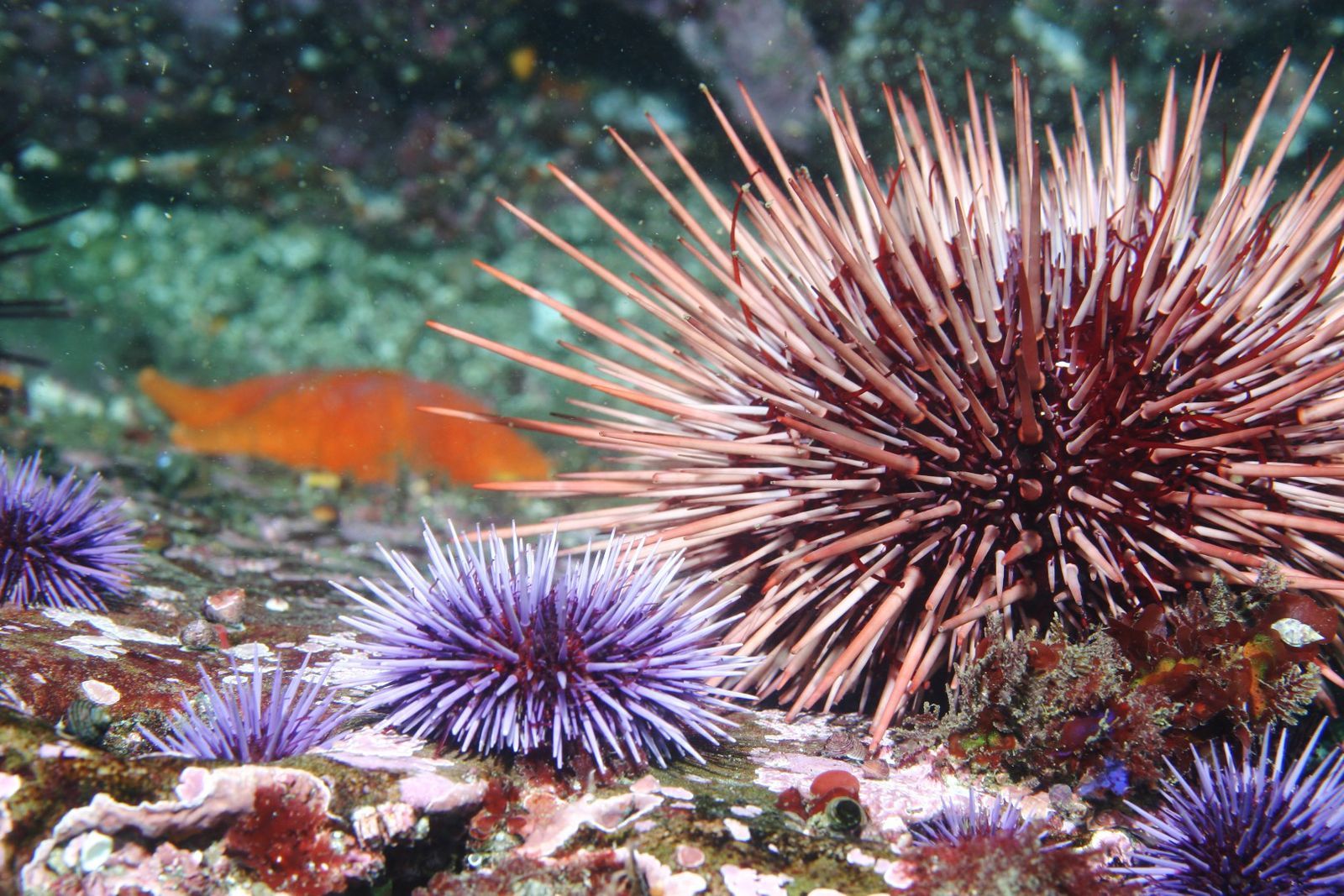
Red Sea Urchin (Mesocentrotus franciscanus)

Image: National Marine Sanctuaries, Public domain, via Wikimedia Commons

Record age: 200 years

Spanning the chilly Pacific coastline from California all the way up to Alaska, this spiky little ball—about 7 inches across—is full of surprises. It munches on algae and calls the deep, dark ocean its home, thriving at depths of up to 300 feet. Don’t let its size fool you: this prickly creature is a true elder of the cold seas, quietly outliving many ocean neighbors while keeping a low profile. A tough, slow-living veteran wrapped in spikes!

7

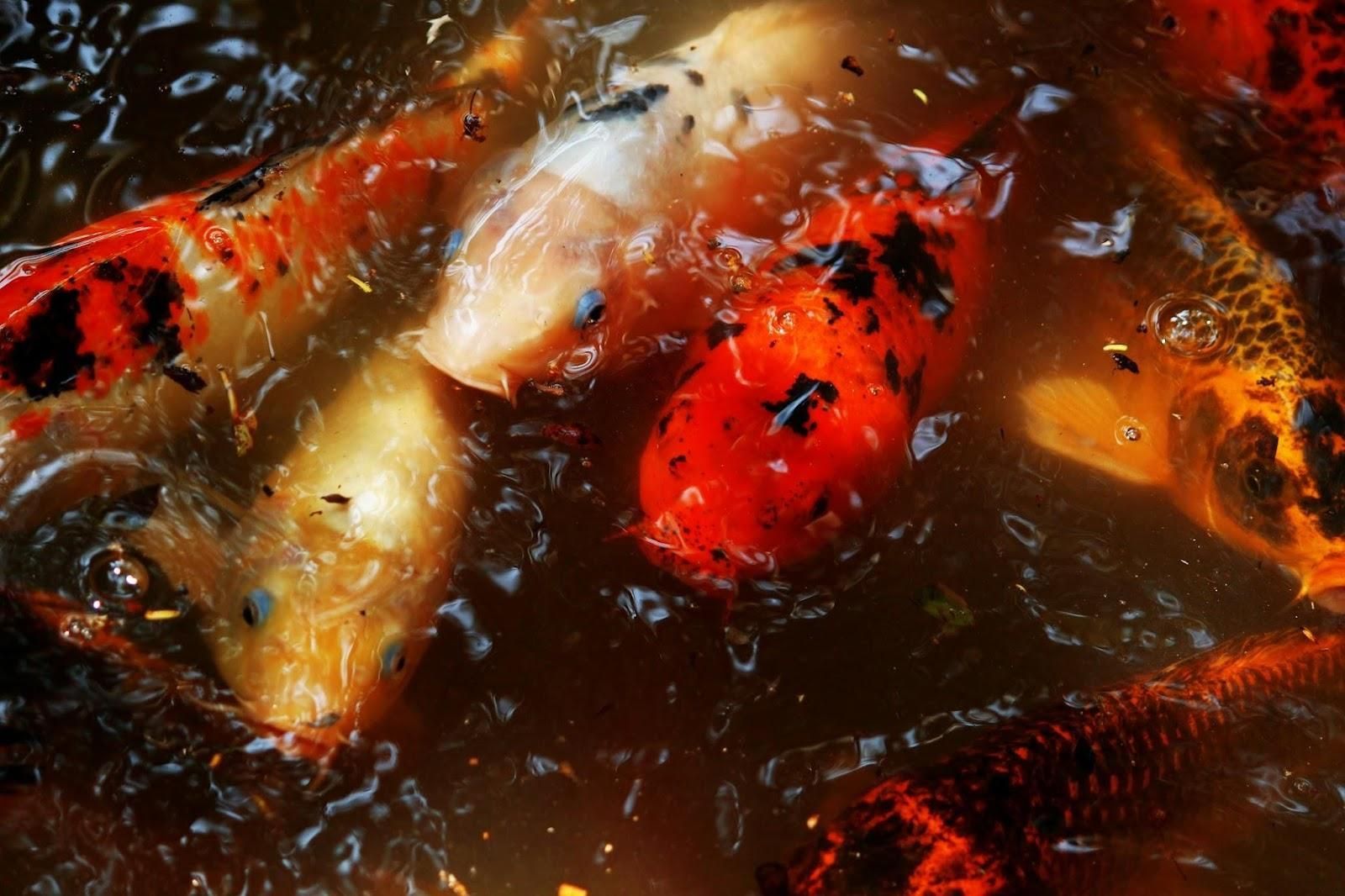
Koi Carp (Cyprinus rubrofuscus)

Image: Daniel Dan

Record age: 226 years

Meet Hanako, a legendary Japanese koi who swam through life for an astonishing 226 years. Scientists discovered how old she was by studying the rings on her scales, much like counting the growth rings of a tree. These colorful, ornamental fish aren’t just symbols of good fortune; they’re also secret long-lifers with the potential to celebrate over two centuries of birthdays, as long as they get the right care and a peaceful pond to call home.

8

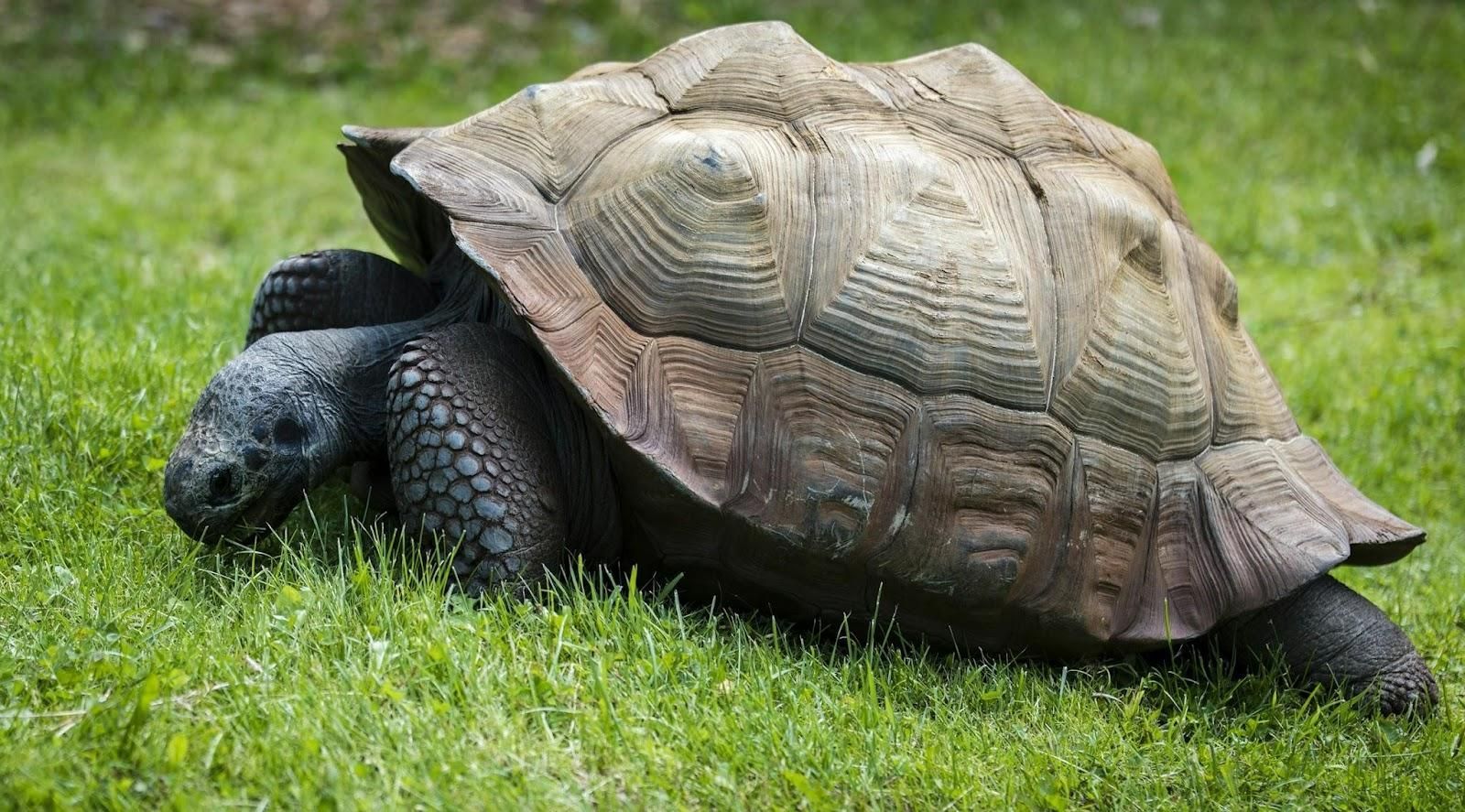
Seychelles Giant Tortoise (Aldabrachelys gigantea)

Image: Ryan Grewell

Record age: 190 years

Jonathan is a male tortoise living on the remote island of Saint Helena in the South Atlantic Ocean. He was born back in 1832, and he’s still happily chomping lettuce and soaking up the sun today. Weighing in at more than 400 pounds and measuring around 3 feet long, Jonathan holds the title of the oldest known living land animal on the planet. If he could share tales, they’d span nearly two centuries of history. Imagine that!

9

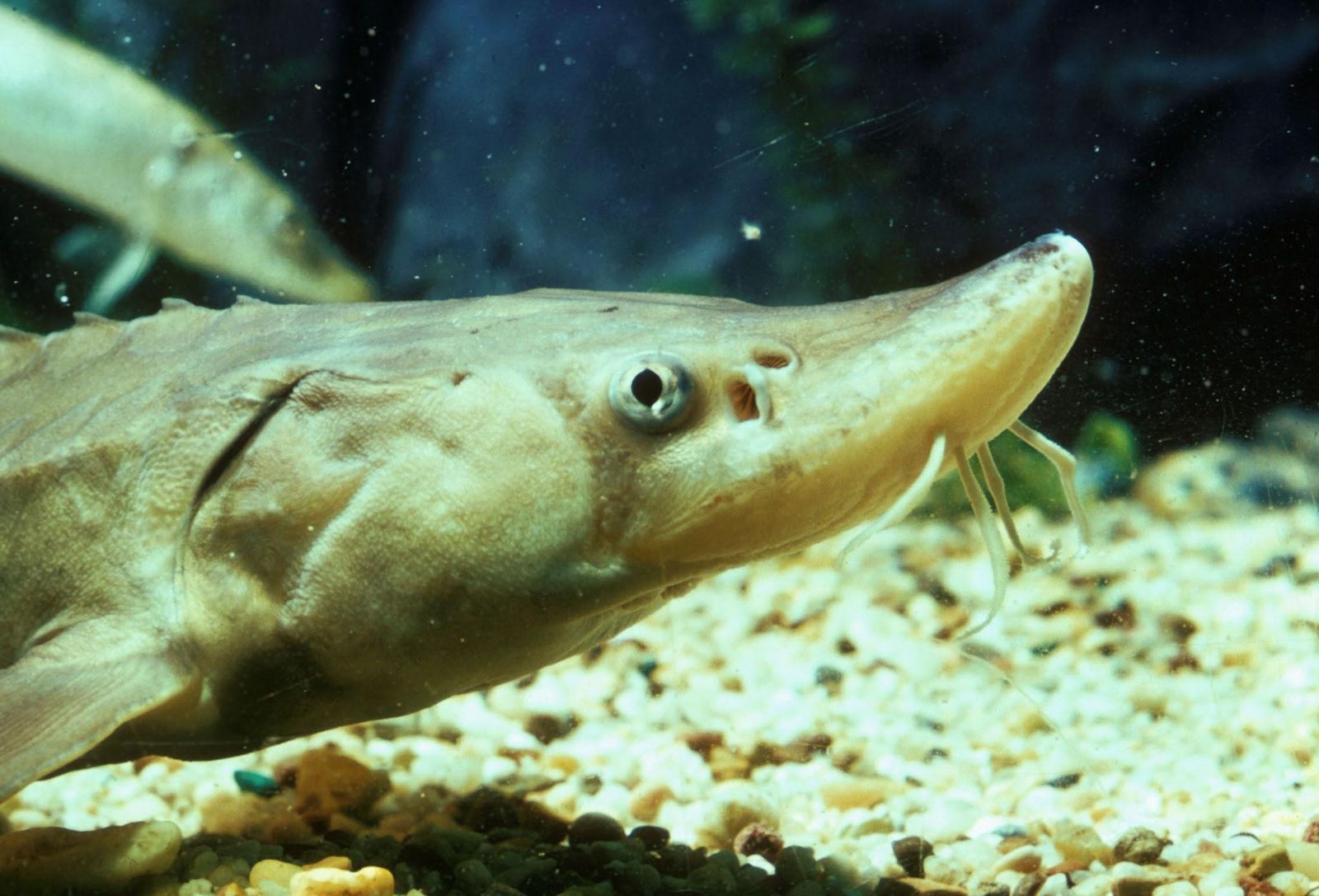
Lake Sturgeon (Acipenser fulvescens)

Image: See page for author, Public domain, via Wikimedia Commons

Record age: 152 years

This ancient-looking fish, with its whisker-like barbels, looking like a tiny underwater submarine, prowls the lakes of North America. It can reach an impressive length of up to 7 feet and weigh around 200 pounds. These slow-living creatures don’t rush into adulthood—they start breeding only around age 20—and then take their time cruising through life at a leisurely pace. Believe it or not, one legendary catch in Wisconsin was estimated to be over 150 years old!

10

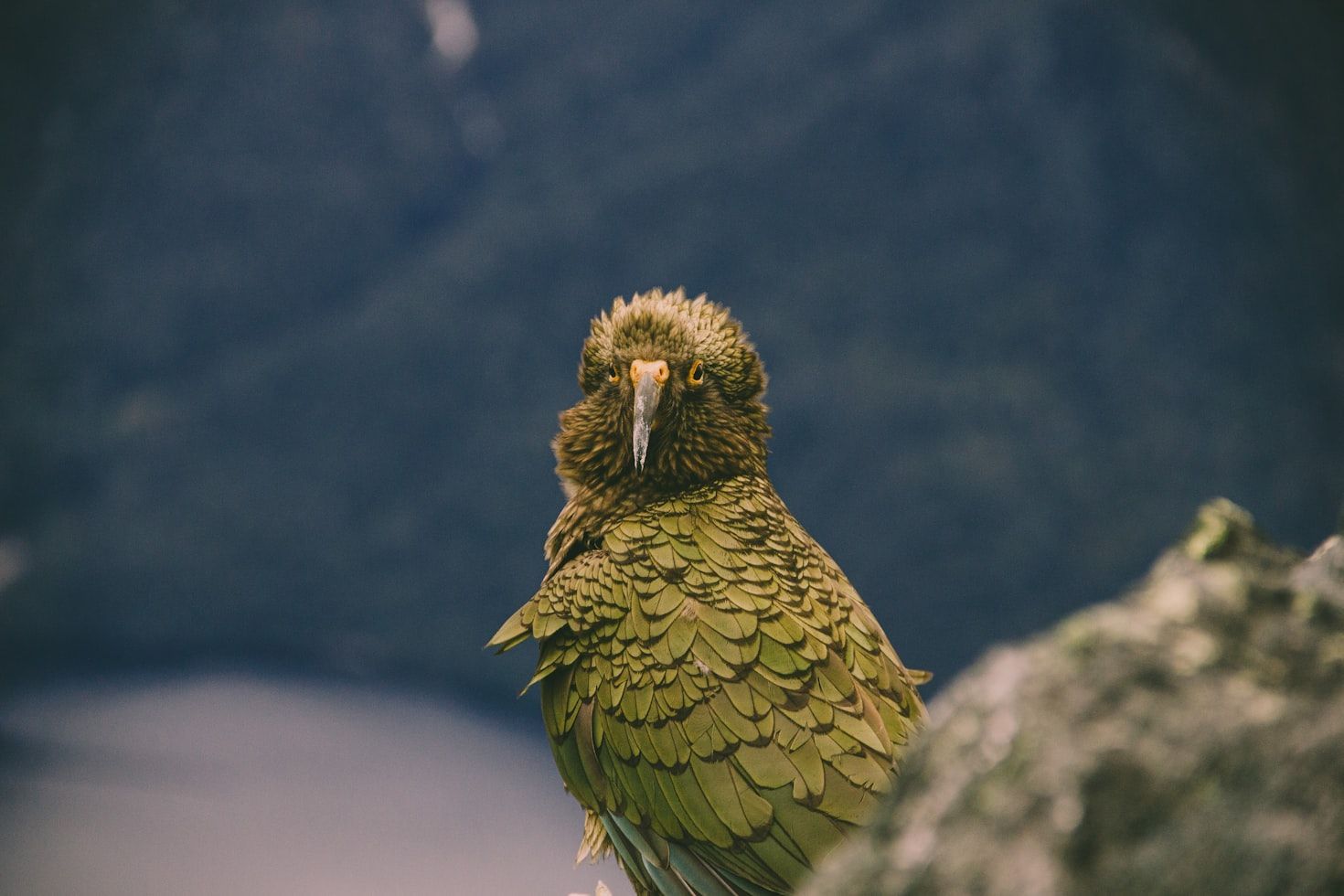
Kakapo Parrot (Strigops habroptilus)

Image: Andreas Sjövall

Record age: over 90 years

This chunky, night-loving parrot from New Zealand is a true oddball—it can’t fly, snores like a grumpy grandpa, and smells like fresh flowers. Despite its quirks, this bird boasts an impressively long lifespan. Sadly, it teeters on the edge of extinction. The oldest known kakapo, affectionately named Richard Henry, lived 90 years, earning him the title of the charmingly eccentric elder statesman of the avian world.

11

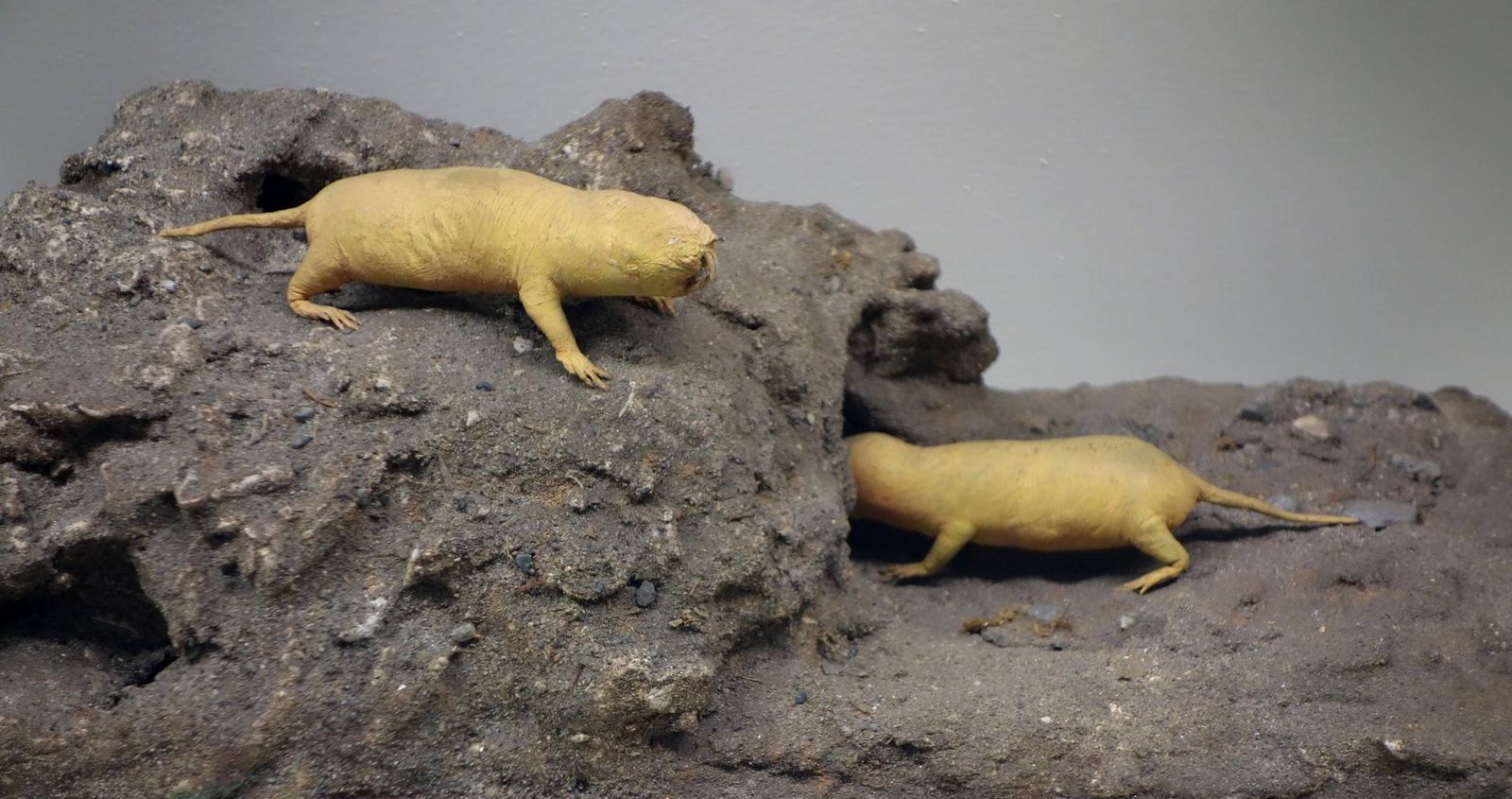
Naked Mole Rat (Heterocephalus glaber)

Image: Daderot, CC0, via Wikimedia Commons

Record age: 37 years

This tiny, kooky rodent—barely 3 inches long and just over an ounce in weight—could’ve been cast straight from a sci-fi apocalypse flick. Dwelling in vast underground colonies across Africa, it’s practically invincible to cancer, pain, and the usual effects of aging. Scientists are fascinated by this little marvel, even if it’s not winning beauty contests anytime soon. Its superpowers make it a star in longevity research!

12

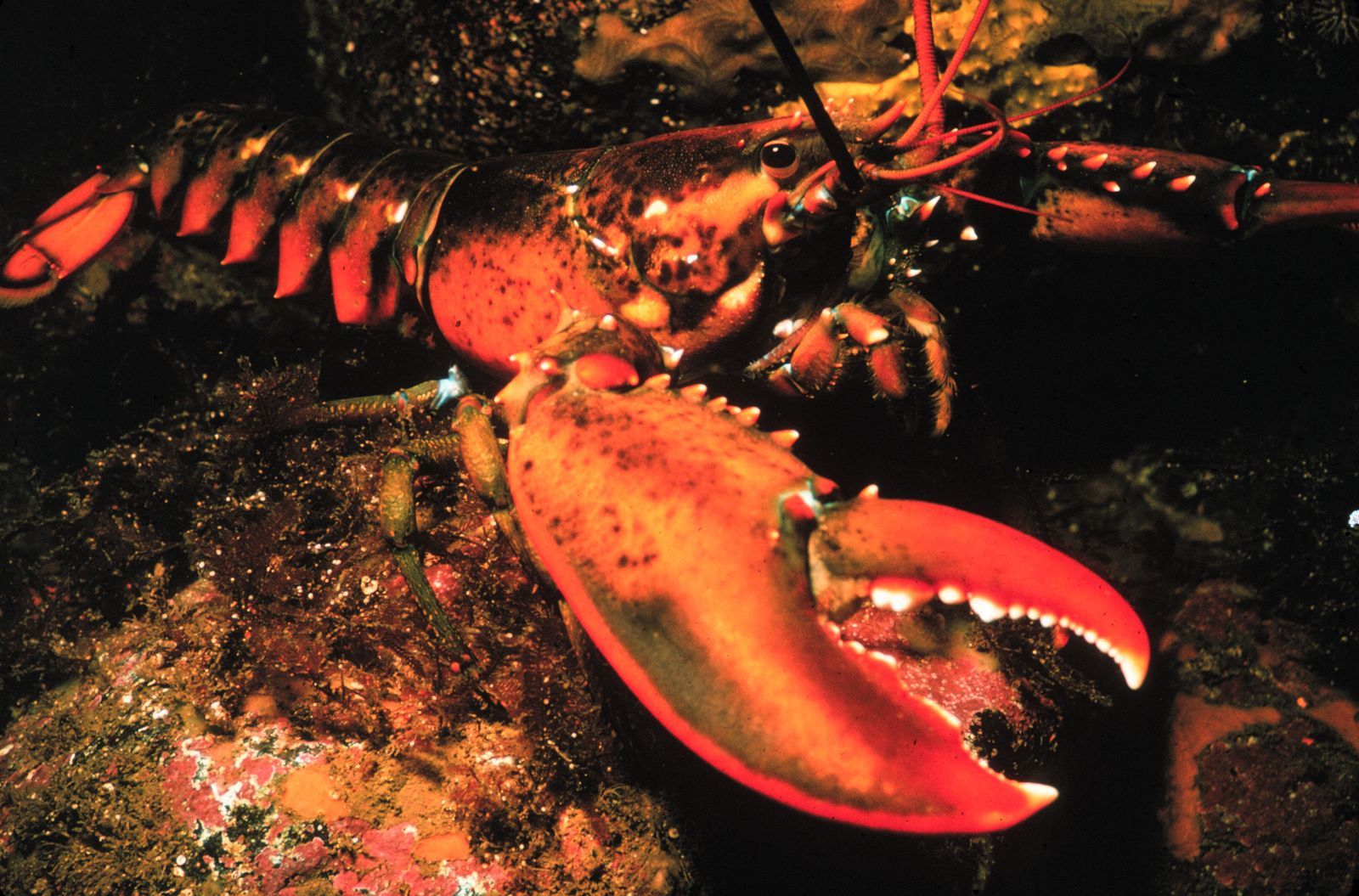
American Lobster (Homarus americanus)

Image: OAR/National Undersea Research Program (NURP)., Public domain, via Wikimedia Commons

Record age: estimated 100+ years

Lobsters have a totally different rulebook than us when it comes to aging. They don’t really grow old; they just keep getting bigger and bigger. Some giant lobsters weigh over 40 pounds and stretch beyond 3 feet long. Their biggest threats? Not old age, but predators or the risky process of shedding their shells. In theory, they could live forever if left alone—but let’s be honest, not many get to enjoy a peaceful, lobster-sized retirement!

Looking for an extra scoop of literary fun?

Learn more with our Word of the day

mellow

/ˈmɛloʊ/