Brains and barks
The world's smartest dogs: Wait until you see which tops the list!
Published on September 2, 2025
 Image: Cookie the Pom
Every dog has its own unique traits that make it stand out. At the same time, pups of the same breed often share common characteristics, such as strength, speed, or sociability. Today, we're focusing on a peculiar feature: intelligence. If you're wondering how smart your dog is, love learning about different breeds, or are just intrigued by the idea of canine IQs, this article is for you. Join us as we explore the 10 dog breeds considered the smartest in the world!
Australian Cattle Dog
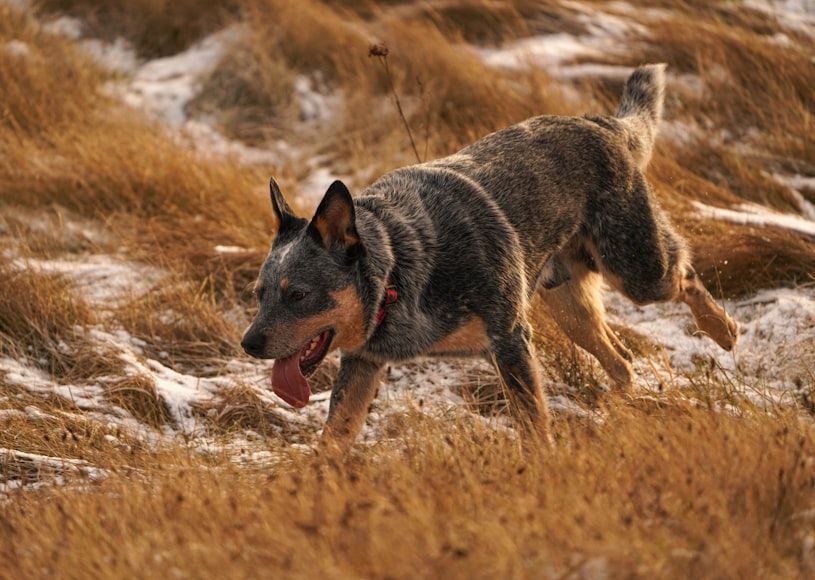 Image: Marcin Wojna
If you're looking for a tough, hardworking, and dependable dog, the Australian Cattle Dog is a top choice! Also known as the Blue Heeler, this breed is widely recognized as one of the most intelligent. Originally bred in the 19th century, it was developed to herd cattle across long distances and rugged terrain. Experts praise its strong problem-solving skills, quick learning ability, and independent thinking.
Rottweiler
 Image: Kevin Seibel
The Rottweiler is one of the oldest herding breeds, with origins dating back to the Roman Empire. Though often feared for their large size and powerful jaws, these dogs are much more than just muscle. Experts note that Rottweilers are quick learners, highly obedient, and excel in search, rescue, and protection work.
Papillon
 Image: Niko Nieminen
If dogs went to college, the Papillon would be on the honor roll. Also known as the Continental Toy Spaniel, this breed is easily recognized by the shape of its ear fringes, which resemble wings. Known for being smart and alert, this little pup is great at learning new commands and performing complex tricks. And there’s more: Papillons are highly social dogs that get along well with people and other pets. Did you know that this was Marie Antoinette's favorite dog breed?
Labrador Retriever
 Image: Vincent van Zalinge
These are the gentle souls of the neighborhood. Known for serving as guide and therapy dogs, this English breed is often praised for its energy, sociability, loyalty, sensitivity, anticipatory skills, and strong obedience. Perhaps that’s why the Labrador Retriever held the title of the most popular dog breed in the United States for more than 30 consecutive years!
Shetland Sheepdog
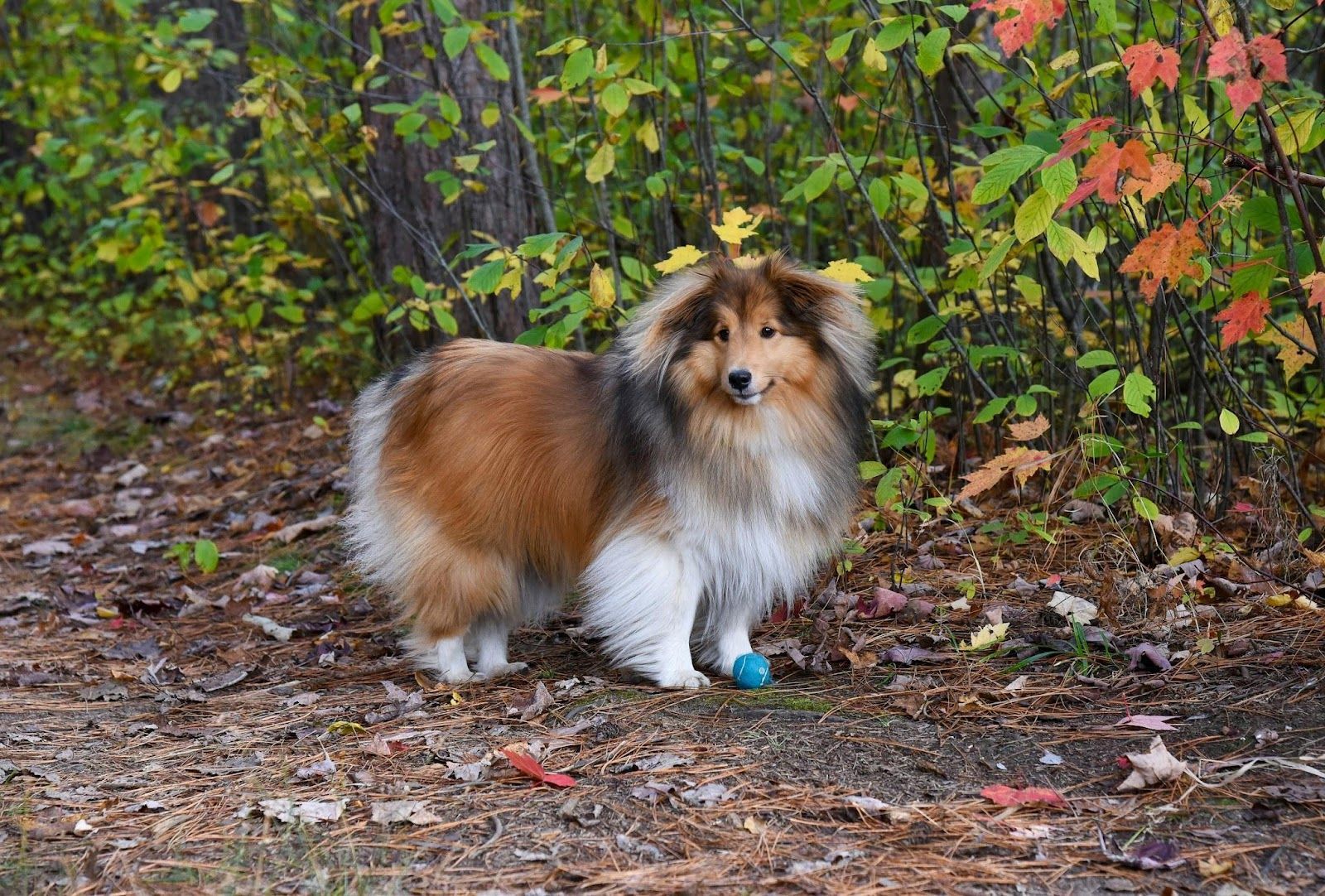 Image: Kat van der Linden
As its name suggests, this beautiful breed was developed to herd sheep and protect livestock. Don’t let their small size fool you—Shelties have a surprisingly powerful bark that carries over long distances. Experts highlight their loyalty and their impressive ability to learn new commands quickly and respond with great precision. Additionally, their alertness and problem-solving skills make them ideal for herding tasks.
Doberman Pinscher
 Image: Ryan Hyde
Let’s be honest: most of us feel a little intimidated by the piercing gaze of a Doberman Pinscher—and with good reason! These dogs are naturally protective and highly alert. The Doberman is fast, smart, and fearless, qualities that make it a preferred breed for police, military, and protection work. It might not be the friendliest dog on the block, but it's definitely sharp and focused.
Golden Retriever
 Image: Taylor Sondgeroth
Here’s a true star: the Golden Retriever, one of the most popular dog breeds worldwide, especially as a family pet. Their friendly, affectionate, and trustworthy temperament pairs perfectly with their high intelligence and quick learning ability. Thanks to their emotional awareness and impressive cognitive skills, Golden Retrievers excel in therapy work and search-and-rescue missions.
German Shepherd
 Image: Yuriy Bogdanov
Do you remember Rin Tin Tin? Known worldwide as a "police dog," the German Shepherd is a hardworking and dedicated breed. While it sometimes gets a bad rap, this dog is actually very affectionate, loyal, and fiercely protective. Its intelligence ranks it among the top dog breeds, with experts highlighting its obedience, problem-solving skills, and ability to learn complex commands.
Poodle
 Image: RR Rivera
This adorable breed ranks number 2 out of 110 in intelligence! Friendly, athletic, highly obedient, and impressively smart, Poodles were recruited by European circuses in the 18th and 19th centuries to perform amazing tricks and routines. Among their most remarkable traits are exceptional learning ability, excellent memory, and strong problem-solving skills.
Border Collie
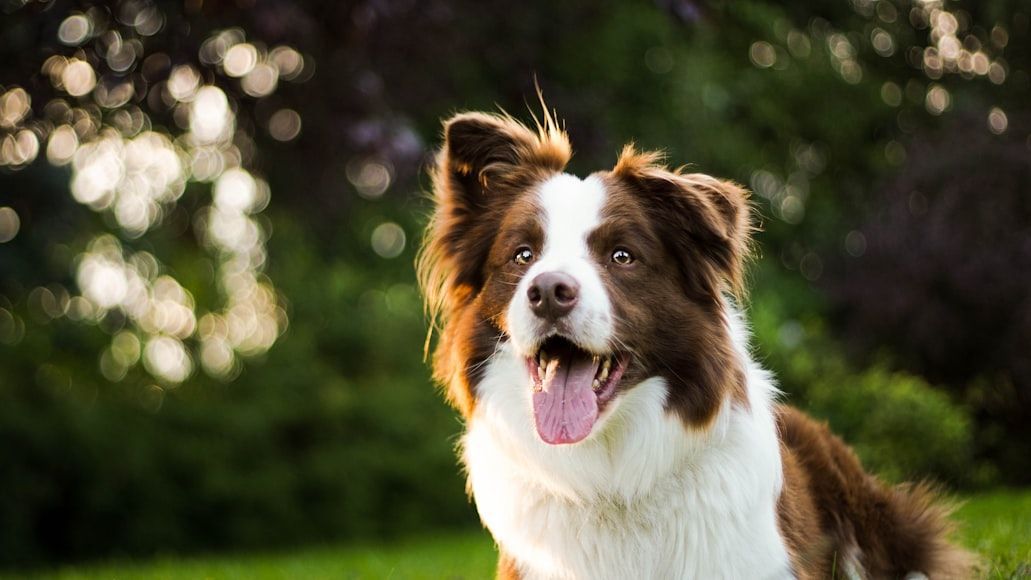 Image: Anna Dudkova
We have a winner! The Border Collie is widely recognized as the most intelligent of all dog breeds. It has it all: athleticism, energy, agility, speed, quick learning, sharp memory, excellent tracking skills, fast responses, intense focus, and outstanding problem-solving ability. In the early 2000s, a Border Collie named Chaser earned the title of "The smartest dog in the world." She shocked researchers by learning and remembering over 1,000 words linked to objects and actions!