They speak what? Where?

Do you know where the biggest Welsh-speaking community outside Wales is?


Published on February 4, 2026


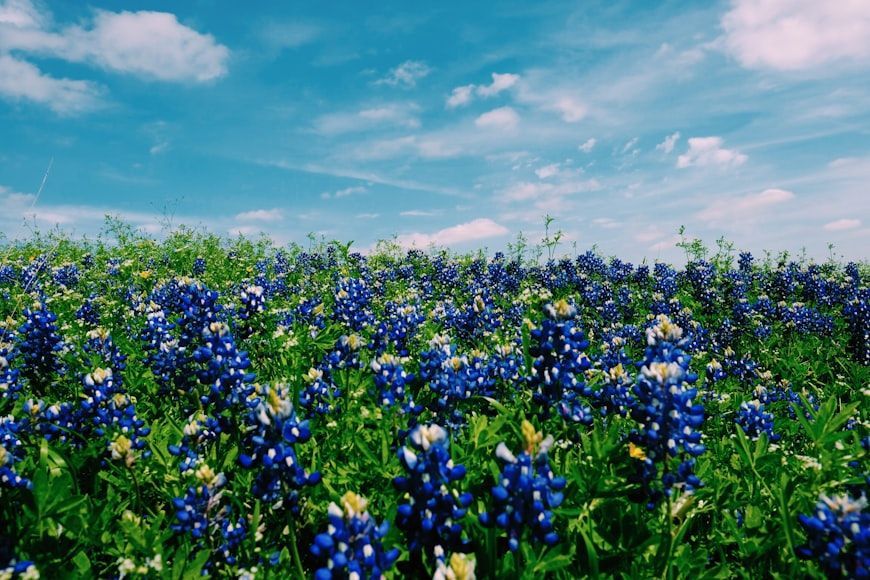
Image: Towfiqu barbhuiya

Migrations, trade, and other historical events have contributed to the spread of languages to regions far from their origins. But sometimes, we arrive at a new location expecting to hear a particular language, only to be surprised by the use of a language we wouldn’t expect. Here are 10 places in the world where an unsuspected language is spoken daily.

1

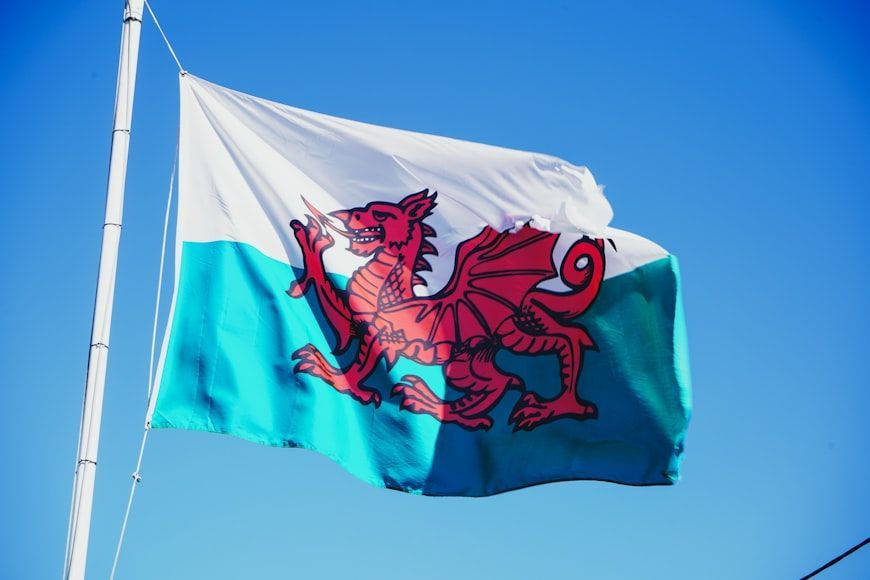
Argentinian Patagonia: Welsh

Image: Catrin Ellis

Welsh is the sort of language one wouldn’t expect to hear outside Wales, so its presence in southern Argentina often comes as a shock. During the 19th century, a group of Welsh people sailed across the Atlantic looking for a place where they could preserve their culture, which was threatened by English colonial rule. They arrived in Patagonia and founded Y Wladfa, or ‘the colony.’ Despite the harsh weather conditions, the colony subsisted and expanded, maintaining the Welsh language and traditions. Today, Argentina has the highest number of Welsh speakers outside Wales.

2

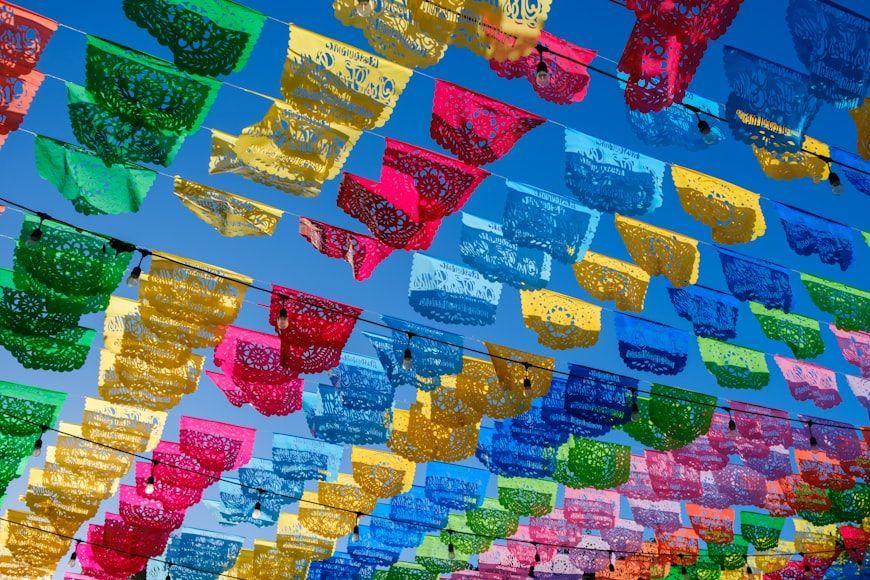
Chipilo, Mexico: Venetian

Image: Miikka Luotio

Italian is the official language of Italy, but most regions have their own distinct languages. Venetian is spoken in the north-east region of Veneto, but also in the Mexican town of Chipilo, a place that received an influx of migrants from a Venetian town called Segusino. These people spoke Venetian rather than Italian, a language that they were able to maintain thanks to Chipilo being somewhat isolated from other towns. Nowadays, Chipileño is a distinct dialect within the Venetian language.

3

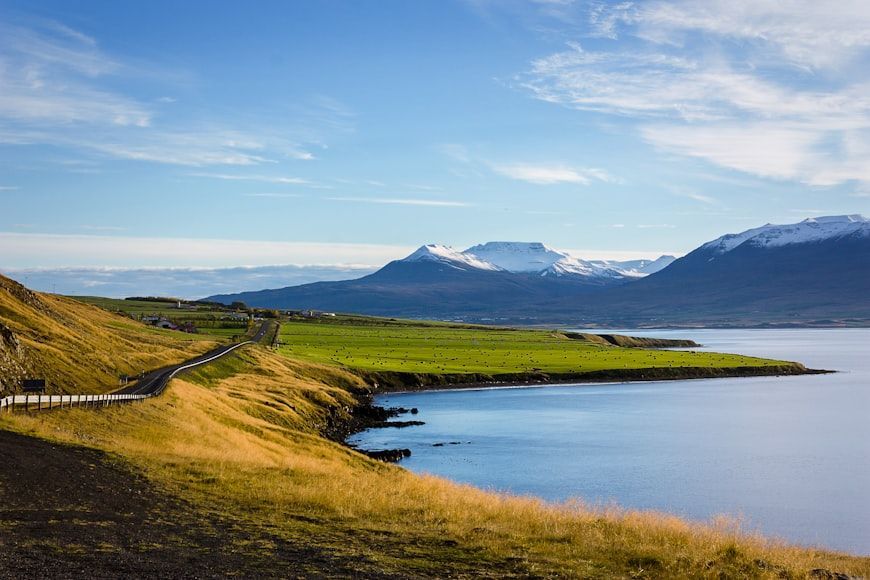
Gimli, Canada: Icelandic

Image: Josh Reid

Gimli, located north of Winnipeg, the capital of the Canadian province of Manitoba, was established by Icelandic settlers. It is the largest Icelandic community outside Iceland, and it has preserved many Icelandic customs and traditions. While the Icelandic language is still used and taught in Gimli, its fluency is sadly declining.

4

Sakhalin, Russia: Korean

Image: ibmoon Kim

The island of Sakhalin is part of the Russian Federation, but its control has changed hands multiple times in history, having been disputed by Russia, China, and Japan. After the Russo-Japanese War, Russia ceded the southern part of the island to Japan, which brought workers from one of its colonies, Korea, to work in the coal mines. When the Soviet Union recovered Sakhalin after WWII, the Korean population was around 50,000 people. Nowadays, only a fraction of their descendants are fluent in Sakhalin Korean, which follows the North Korean standard in writing, but the Seoul dialect in speech.

5

Alghero, Italy: Catalan

Image: Lucas Gallone

Before Italy became a unified country in the 19th century, many of its regions were part of different empires or kingdoms. During the Middle Ages, the island of Sardinia was part of the Kingdom of Aragon, which later became part of the Spanish Empire. Revolts during Aragonese rule led to the arrival of Catalan settlers, and the Catalan language became widespread. Although it was later replaced by other languages in much of Sardinia, it was preserved in the city of Alghero, where it is still spoken today.

6

Boqueron, Paraguay: German

Image: Marie Martin

At the start of the 20th century, Mennonite groups looking for a place where they wouldn’t be forced to abandon their way of life relocated to the Boquerón department in Paraguay. They established several communities and transformed the arid territory into farmland. Though these groups came from different places, most of them spoke Plautdietsch, or Low German, a language that they still use in daily life. The Mennonite population in Paraguay is estimated at around 40,000.

7

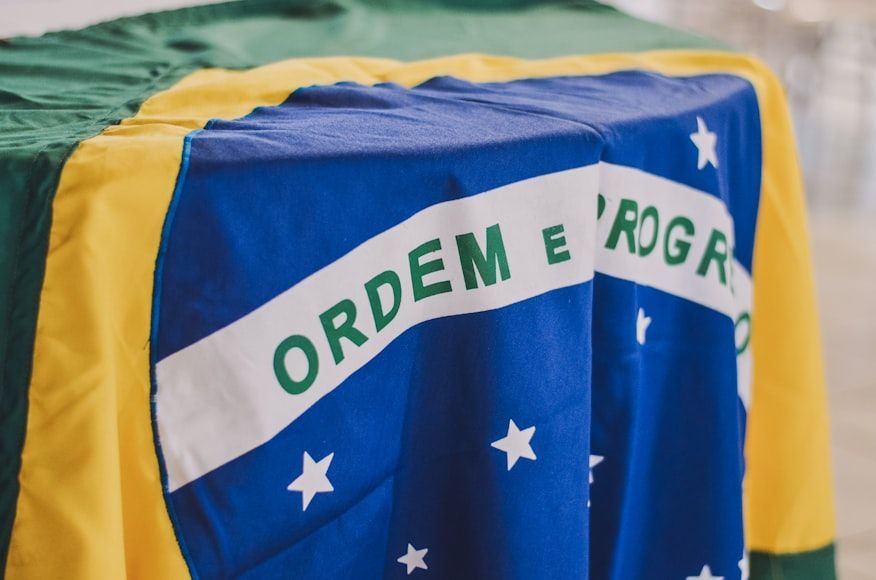
Beqaa Valley, Lebanon: Portuguese

Image: Rafaela Biazi

Portuguese is widely spoken in many Asian countries due to colonization, but this is not the case. More than 100,000 Lebanese emigrated to Brazil in the 19th and 20th centuries, where there are now more than 7 million people of Lebanese descent. While many immigrants decided to permanently stay in South America, others returned home, carrying Portuguese with them. Today, around 10,000 people in the Beqaa Valley speak Portuguese daily.

8

Texas, U.S.A: German

Image: Roberta Guillen

Heritage languages in the U.S. tend to disappear after a few generations, but Texas German was once the exception. Spoken by thousands of descendants of German immigrants across Texas, and markedly distinct from Standard German, Texas German was at one point granted official recognition comparable to Spanish. Sadly, as a consequence of the First and Second World Wars, the language was suppressed, and its number of speakers has since declined.

9

São Paulo, Brazil: Japanese

Image: FlyD

The fact that the largest Japanese community outside Japan is in South America may come as a surprise, but it is true. Japanese immigrants settled in several South American countries, but especially in Brazil, where nearly two million people are of Japanese descent. Most of them reside in the state of São Paulo. While not all Brazilian Nikkei are fluent in Japanese, it is estimated that there are between 400,000 to 450,000 speakers.

10

Svalbard, Norway: Thai

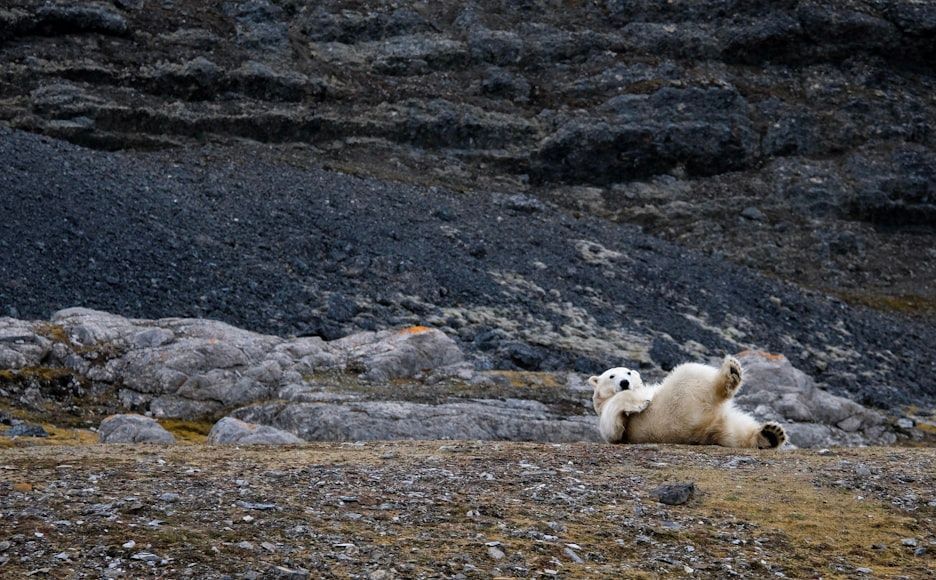
Image: Mathieu Ramus

What are the odds of Thai being spoken by 10% of the population of an archipelago in the Arctic? Quite high, if we consider that those kinds of regions are not densely populated. But how did a Southeast Asian language manage to get there? In the 1970s, many Norwegian miners from Svalbard married Thai women, who in turn became the link for other Thais who migrated looking for work. While there are only about 200 Thai speakers, this represents a sizable portion of Svalbard’s population of roughly 2,500.



The 12 longest-living animals on Earth (and how they cheat time)


Published on February 4, 2026


Image: David Clode

Nature doesn’t just create beauty, it crafts survival miracles. While most animals have short lives, a rare few have mastered the art of staying alive for centuries, even millennia. These aren’t just long-lived creatures; they’re nature’s ultimate time travelers. From the frozen depths of the oceans to the darkest corners underground, they’ve developed bizarre, brilliant strategies to cheat death. Get ready to meet 12 animals whose lifespans will absolutely blow your mind.

1

Antarctic Sponge (Anoxycalyx joubini)

Image: NOAA

Record age: up to 15,000 years

This unassuming sea sponge thrives in the freezing waters of Antarctica, where temperatures hover around 28.6 °F—so cold that biological processes hit the brakes. In such icy conditions, metabolism slows to a crawl, allowing these sponges to live for thousands of years.

Some have reached impressive sizes of over 3 feet tall and have been around since mammoths were still thundering across the tundra. They don’t move, they don’t stress, and they barely change, just quietly existing while centuries pass them by. Their secret to extreme longevity? Glacial patience, deep-sea stillness, and a lifestyle that redefines "low-maintenance".

2

Immortal Jellyfish (Turritopsis dohrnii)

Image: Dr. Karen J. Osborn, CC0, via Wikimedia Commons

Age: technically… infinite

This tiny jellyfish, no bigger than a fingernail—less than 0.2 inches—is like the ocean’s very own Benjamin Button. What makes it truly extraordinary is its ability to rewind its life story, flipping back to a youthful, juvenile stage whenever it wants. While it’s not completely invincible (predators and other threats are still very real), if left undisturbed, it can keep hitting the reset button on aging indefinitely, making it one of the most fascinating "time-benders" in nature.

3

Ocean Quahog Clam (Arctica islandica)

Image: Norbert Braun

Record age: 507 years

In 2006, a special clam was discovered buried deep in the seabeds of the North Atlantic. Scientists were able to determine that it had been there since at least 1499—that’s centuries before the United States was even a thought! This ancient marvel, nicknamed "Ming", was able to perfect a slow-and-steady approach to life. Growing at a snail’s pace and barely budging, Ming’s sedentary lifestyle turned out to be a brilliant strategy for beating the clock. Who knew doing almost nothing could be the ultimate secret to longevity?

4

Greenland Shark (Somniosus microcephalus)

Image: https://upload.wikimedia.org/wikipedia/commons/3/39/Greenland_shark_profile.jpg

Record age: estimated 392 years

These sharks aren’t your average ocean cruisers—they can stretch over 20 feet long and weigh up to 2,200 pounds. But what’s really mindblowing is how slowly they move, like they’re in a permanent state of deep relaxation. Living in the icy Arctic waters, these giants don’t hit adulthood until they’re about 150 years old, and some can glide through the depths for nearly 400 years. Imagine that! These ancient swimmers were already around before America declared independence... and they are still out there, silently roaming the seas!

5

Bowhead Whale (Balaena mysticetus)

Image: Vicki Beaver, Alaska Fisheries Science Center, NOAA FIsheries, Marine Mammal Permit#14245, Public domain, via Wikimedia Commons

Record age: over 211 years

This whale is a true ocean giant, stretching up to 60 feet long and weighing a staggering 200,000 pounds. But what makes it stand out isn’t just its size but its age. Some of these majestic creatures carry harpoons from the 1800s still lodged in their skin, like walking history books. Just picture living so long that you’re literally carrying outdated technology embedded in your body—talk about being a time traveler of the seas!

6

Red Sea Urchin (Mesocentrotus franciscanus)

Image: National Marine Sanctuaries, Public domain, via Wikimedia Commons

Record age: 200 years

Spanning the chilly Pacific coastline from California all the way up to Alaska, this spiky little ball—about 7 inches across—is full of surprises. It munches on algae and calls the deep, dark ocean its home, thriving at depths of up to 300 feet. Don’t let its size fool you: this prickly creature is a true elder of the cold seas, quietly outliving many ocean neighbors while keeping a low profile. A tough, slow-living veteran wrapped in spikes!

7

Koi Carp (Cyprinus rubrofuscus)

Image: Daniel Dan

Record age: 226 years

Meet Hanako, a legendary Japanese koi who swam through life for an astonishing 226 years. Scientists discovered how old she was by studying the rings on her scales, much like counting the growth rings of a tree. These colorful, ornamental fish aren’t just symbols of good fortune; they’re also secret long-lifers with the potential to celebrate over two centuries of birthdays, as long as they get the right care and a peaceful pond to call home.

8

Seychelles Giant Tortoise (Aldabrachelys gigantea)

Image: Ryan Grewell

Record age: 190 years

Jonathan is a male tortoise living on the remote island of Saint Helena in the South Atlantic Ocean. He was born back in 1832, and he’s still happily chomping lettuce and soaking up the sun today. Weighing in at more than 400 pounds and measuring around 3 feet long, Jonathan holds the title of the oldest known living land animal on the planet. If he could share tales, they’d span nearly two centuries of history. Imagine that!

9

Lake Sturgeon (Acipenser fulvescens)

Image: See page for author, Public domain, via Wikimedia Commons

Record age: 152 years

This ancient-looking fish, with its whisker-like barbels, looking like a tiny underwater submarine, prowls the lakes of North America. It can reach an impressive length of up to 7 feet and weigh around 200 pounds. These slow-living creatures don’t rush into adulthood—they start breeding only around age 20—and then take their time cruising through life at a leisurely pace. Believe it or not, one legendary catch in Wisconsin was estimated to be over 150 years old!

10

Kakapo Parrot (Strigops habroptilus)

Image: Andreas Sjövall

Record age: over 90 years

This chunky, night-loving parrot from New Zealand is a true oddball—it can’t fly, snores like a grumpy grandpa, and smells like fresh flowers. Despite its quirks, this bird boasts an impressively long lifespan. Sadly, it teeters on the edge of extinction. The oldest known kakapo, affectionately named Richard Henry, lived 90 years, earning him the title of the charmingly eccentric elder statesman of the avian world.

11

Naked Mole Rat (Heterocephalus glaber)

Image: Daderot, CC0, via Wikimedia Commons

Record age: 37 years

This tiny, kooky rodent—barely 3 inches long and just over an ounce in weight—could’ve been cast straight from a sci-fi apocalypse flick. Dwelling in vast underground colonies across Africa, it’s practically invincible to cancer, pain, and the usual effects of aging. Scientists are fascinated by this little marvel, even if it’s not winning beauty contests anytime soon. Its superpowers make it a star in longevity research!

12

American Lobster (Homarus americanus)

Image: OAR/National Undersea Research Program (NURP)., Public domain, via Wikimedia Commons

Record age: estimated 100+ years

Lobsters have a totally different rulebook than us when it comes to aging. They don’t really grow old; they just keep getting bigger and bigger. Some giant lobsters weigh over 40 pounds and stretch beyond 3 feet long. Their biggest threats? Not old age, but predators or the risky process of shedding their shells. In theory, they could live forever if left alone—but let’s be honest, not many get to enjoy a peaceful, lobster-sized retirement!

Looking for an extra scoop of literary fun?

Learn more with our Word of the day

arduous

/ˈɑrdʒəwəs/