Hidden stories

10 clichés you've used for years—and the surprising stories behind them


Published on June 13, 2026


Image: John Rooney, Public domain, via Wikimedia Commons

You’ve probably said or heard things like "the early bird gets the worm," or "close but no cigar," maybe without even thinking twice. They’re the kind of phrases you heard from your parents or picked up at school, and at some point, they just stuck. But here’s the thing: most people have no idea where they actually came from. English is full of these well-known sayings; clichés we repeat so often they’ve lost their punch. But the stories behind them are anything but boring. Here are 10 familiar clichés and their surprising origins.

1

Saved by the bell

Image: State Library of New South Wales collection, No restrictions, via Wikimedia Commons

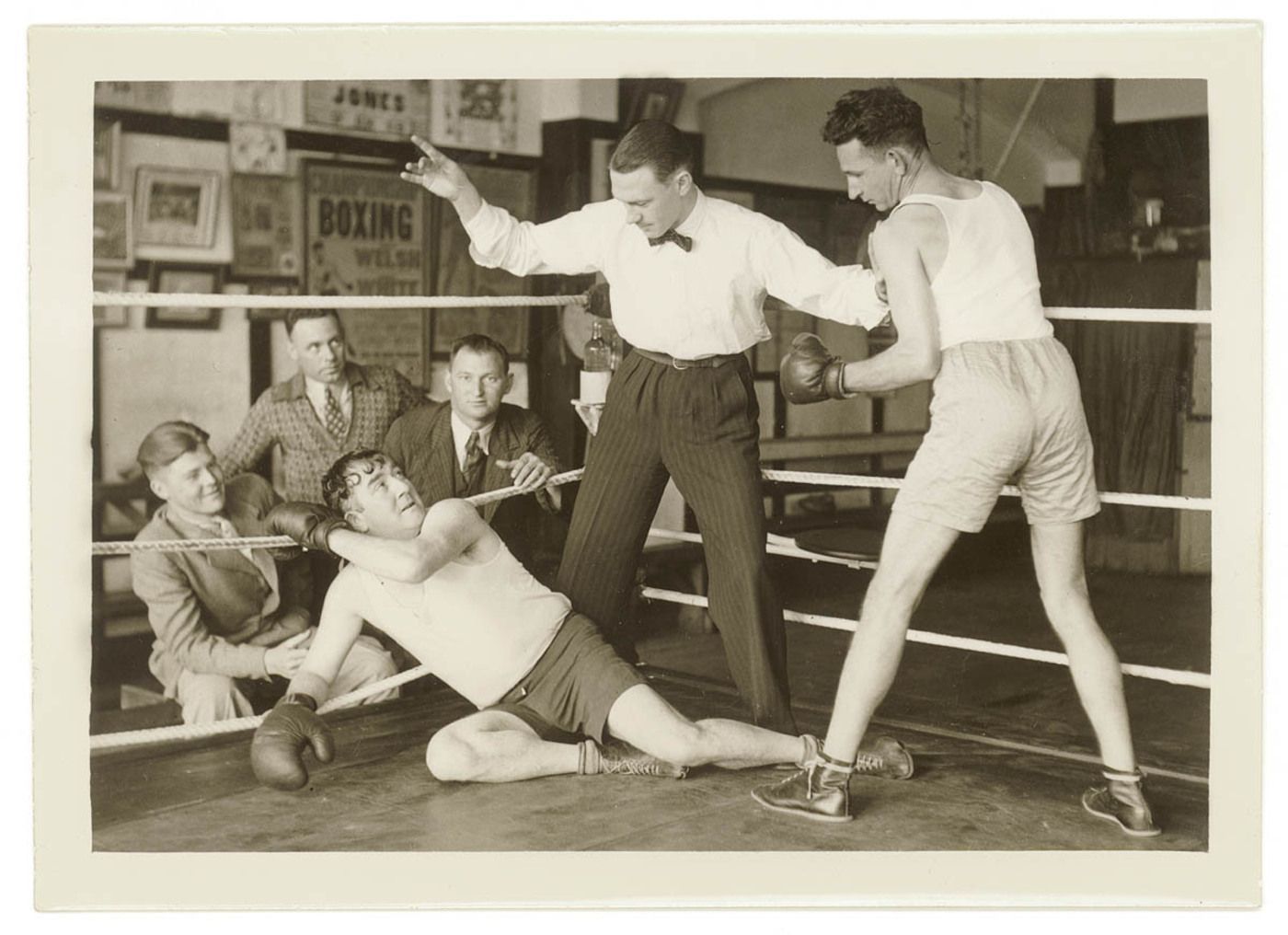
If you’ve ever grabbed the last piece of cake, only to have the phone ring just as someone else walks toward the fridge, you’ve been "saved by the bell". But the origins of this cliché are much more dramatic.

There are two possible explanations for its history. One theory comes from the late 18th and early 19th centuries, when there was a widespread fear of being buried alive. According to the story, some coffins were allegedly fitted with bells so a person could signal if they woke up underground, though there’s little evidence this was actually common. The more widely accepted origin comes from 19th-century boxing, where a fighter in trouble could be "saved" by the bell that ended the round just in time. Over time, that idea of a last-second escape became the meaning we use today.

2

Close but no cigar

Image: Unknown photographer, Public domain, via Wikimedia Commons

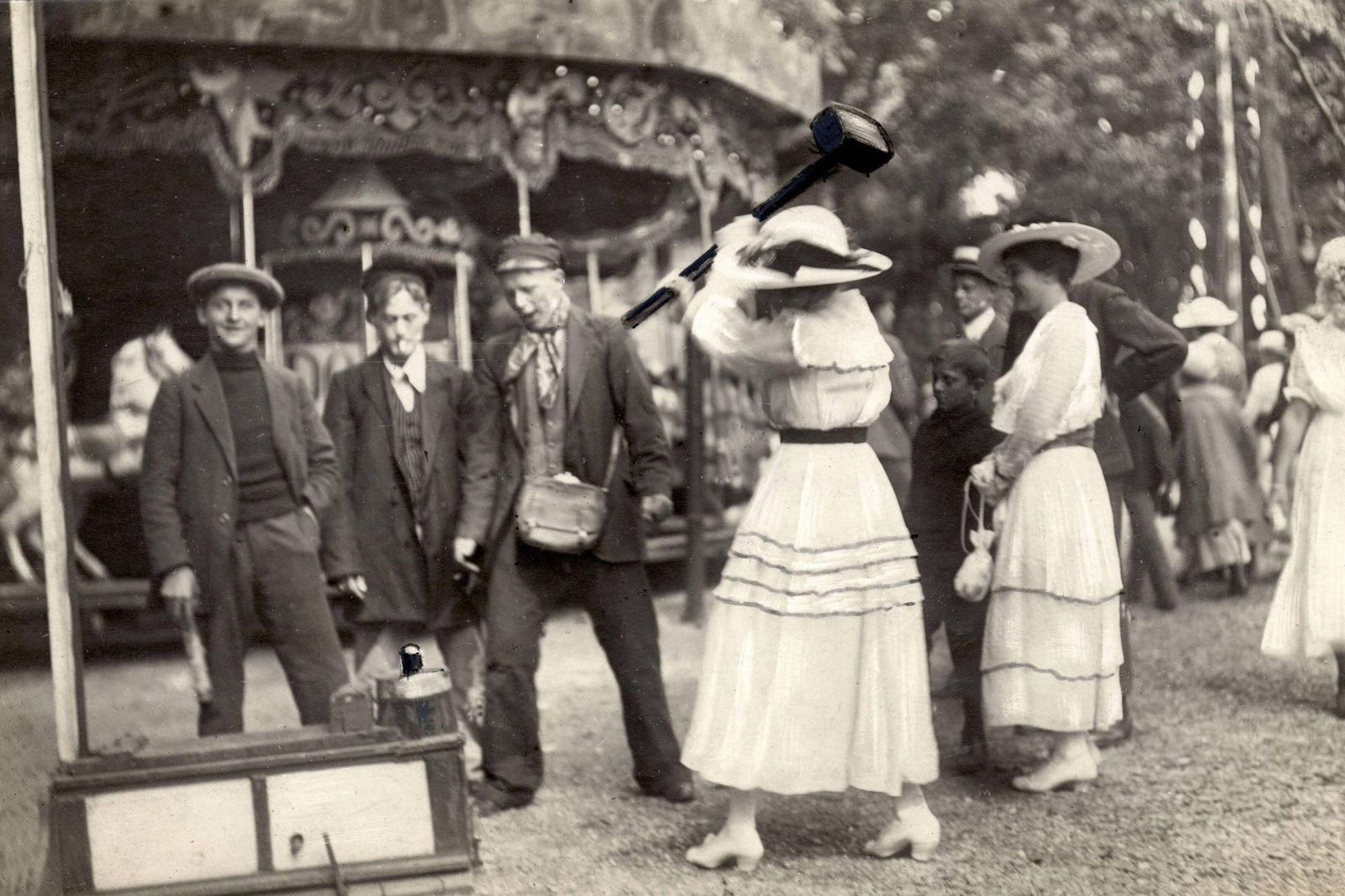
You had a flight, but you overslept. You rush to the airport, but the boarding gate has just closed: you didn’t make it. That’s a perfect "close, but no cigar" moment.

This phrase, used today whenever someone nearly succeeds but falls just short, had its origins in early 20th-century American carnivals and fairs. Back then, many skill games, like shooting galleries, ring tosses, or strength tests, didn't just offer stuffed animals or candy as prizes; they gave cigars to winners. If someone came close but didn’t win, the phrase was "close, but no cigar." Some customs may have changed, but the expression stuck, and its meaning is still quite the same today.

3

The early bird gets the worm

Image: Paula Robinson

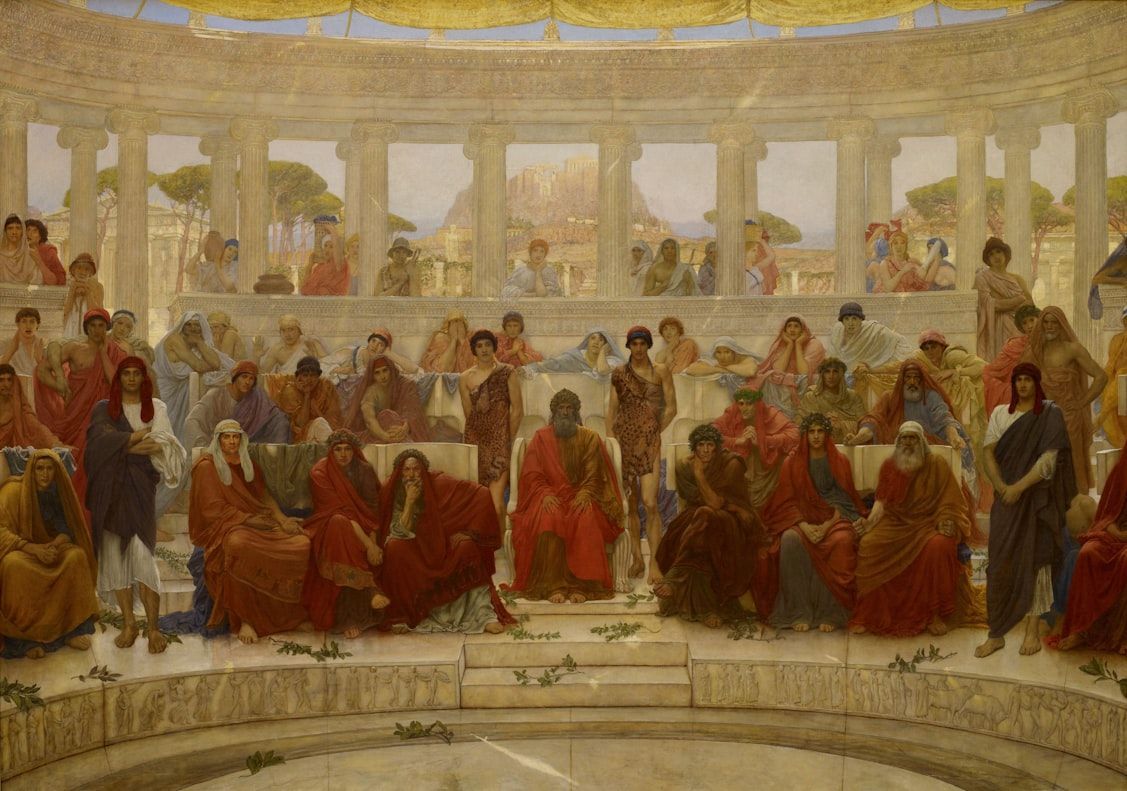
These days, many people believe that acting early and with diligence has its advantages, or, as the saying goes, "the early bird catches the worm." But have you ever wondered where that idiom comes from?

In 17th-century Europe, most people worked in farming or trade, and getting an early start, arriving first at the market or beginning work at dawn, often meant a real advantage. In that context, it’s easy to see how the saying was established. "The early bird gets the worm" was first recorded in John Ray’s A Collection of English Proverbs (1670–1678), though even earlier variations appeared in William Camden’s Remains Concerning Britain (1605/1636).

4

The Rule of Thumb

Image: engin akyurt

Perhaps your grandmother once told you a few kitchen "rules of thumb," like using 1 gallon of water per pound of pasta or 2 parts water to 1 part rice. Simple guidelines that usually work, even if they’re not exact. But did you know the term "rules of thumb" was already used four centuries ago?

In 17th-century England, people didn’t just use feet for measuring; thumbs were also used as a quick, rough tool in everyday trades like brewing and textiles, where a thumb’s width meant roughly an inch. The expression appeared in writing in the 1600s, notably in a sermon by Scottish minister James Durham, and by the end of that century, it was already being used much like we use it today.

5

Don’t count your chickens before they hatch
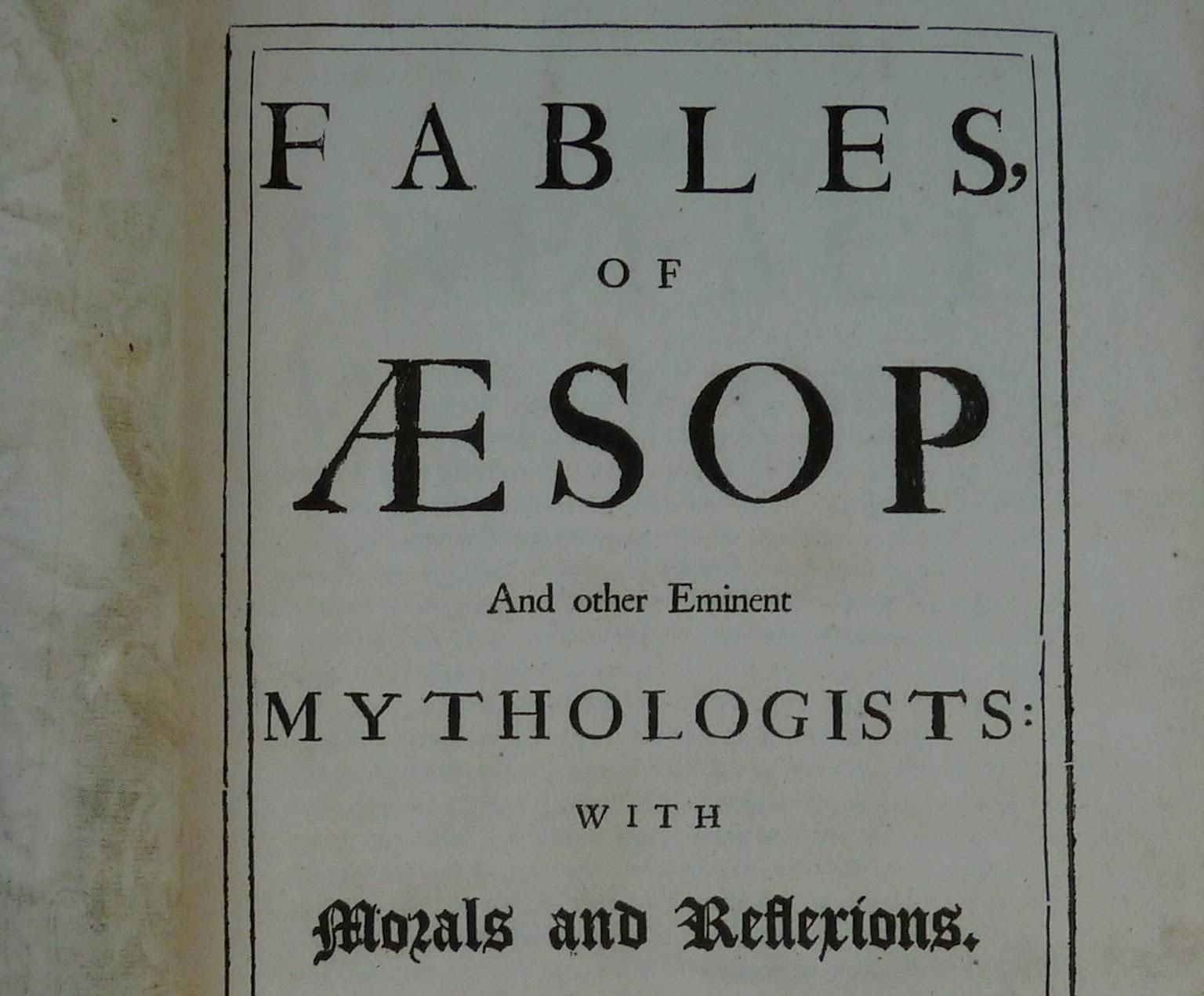
Image: Roger l'Estrange (1616-1704), Public domain, via Wikimedia Commons

Experienced people often warn against celebrating a raise or promotion before it’s actually official; you know, "don’t count your chickens before they hatch." Can you believe this idiom dates back to the 6th century BCE?

It comes from Aesop's Fables, especially the story often known as "The Milkmaid and Her Pail." In it, a young girl daydreams about the fortune she’ll make from selling milk, eggs, and future profits, so much so that she accidentally spills the milk and loses everything. The fable warns against planning for success until it’s actually happened, just like the saying today.

6

Read between the lines

Image: Anne Nygård

If a friend isn’t returning your calls and says he’s "just been really busy lately," you might need to "read between the lines" to realize something else is going on. Today, the phrase simply means picking up on the hidden or unspoken meaning behind someone’s words or behavior. But its origins are more literal than you might think.

In 19th-century cryptography, "reading between the lines" meant to uncover secret messages hidden in invisible ink between lines of visible text. One common method involved applying heat, which would reveal the secret writing. By 1850, the phrase had moved beyond codes into everyday language and was used to describe noticing subtle hints or implied meanings, just as we use it today.

7

Don't judge a book by its cover

Image: Prateek Katyal

If you’re visiting a new city and a local recommends a restaurant with an uninviting exterior, but inside, the food is a 10 out of 10, that’s when you’re reminded: "Don’t judge a book by its cover." Today, the saying means you shouldn’t judge something or someone by appearances alone, and it comes from 19th-century literature.

An early version appears in George Eliot’s The Mill on the Floss (1860), where a character speaking about books says, "…they’ve all got the same covers… But it seems one mustn’t judge by th’ outside." The wording later gained popularity in the 1946 murder mystery Murder in the Glass Room, by Lester Fuller and Edwin Rolfe, where it appears more directly as "You can never tell a book by its cover."

8

Better late than never

Image: Dario Veronesi

You’ve probably said "better late than never" when you showed up late to work or finally remembered to wish a friend a happy birthday, just a day or two too late. While we often say it today almost as a joke, its roots are much older and more serious.

The idea dates back to ancient Rome and was reflected in Titus Livy’s Ab Urbe Condita (History of Rome), written between 27 BCE and 9 BCE. The proverb appears as "potius sero quam nunquam", expressing the idea that it is better to act late than not at all, especially when it comes to defending Rome and its traditions. Centuries later, Geoffrey Chaucer brought the idea into Middle English in The Canterbury Tales (1386) as For bet than never is late.

9

Better safe than sorry

Image: Wallace Bentt

If you’re the cautious type who prefers to avoid trouble before making a decision, you’ve probably said "better safe than sorry" more times than you can count. But have you ever wondered where it actually comes from?

Unlike the previous proverb, this one doesn’t go back to ancient Rome, but it’s generally traced to 19th-century Irish literature. Even though the idea already existed in oral form, the phrase is credited to Irish novelist Samuel Lover, who, in his 1837 novel Rory O’More, writes it as "It is better to be sure than sorry," using it to highlight his character’s practical common sense.

10

Time heals all wounds

Image: Birmingham Museums Trust

Anyone who has experienced grief or loss can relate to the comforting saying, "Time heals all wounds." Today, we often share it in deep conversations with family or friends, but its roots go back much further than most people think.

It is believed to have originated with the Greek poet and playwright Menander around 300 BCE, who wrote Pantōn iatros tōn anagkaiōn kakōn chronos estin ("Time is the healer of all necessary evils"), suggesting that the passage of time can soften emotional pain. Later, Geoffrey Chaucer brought a similar idea into Middle English in Troilus and Criseyde (1380s), where it appears as As tyme hem hurt, a tyme doth hem cure ("As time hurt them, time cures them").



Hospital secrets

What is a "Code Gray" and what you should know if you hear it at the E.R.


Published on June 13, 2026


Image: voronaman

A trip to the emergency room can be stressful enough without hearing doctors and nurses speak a language that sounds like a secret code. One minute, someone is asking for medication "STAT," the next there’s a "Code Gray," and another patient is suddenly "NPO." What do those words really mean? Some are official medical terms, others are insider slang, but they all help hospital staff communicate quickly when every second counts. Here are 10 of those codes explained.

1

Code Gray

Image: PeopleImages

The E.R. can be hectic and unpredictable. Most patients are frightened or uncomfortable, but now and then someone becomes aggressive because of pain, confusion, mental illness, or the effects of alcohol or other substances. That’s when you can hear "Code Gray" announced over the speakers.

The code is used to summon security officers to help manage a violent or combative situation. While color codes vary from one hospital to another, Code Gray commonly signals that staff needs extra assistance to protect patients, visitors, and healthcare workers. Even if you know it now, most people in the waiting room never know what happened, and that’s exactly the point.

2

NPO

Image: PeopleImages

You have a scheduled surgery, you’re in your bed waiting to be taken to the surgery room, and you ask for a cup of coffee to make the wait lighter. The nurse will probably tell you you’re an NPO. You may think it’s serious, but it’s simply a procedure.

"NPO" is an abbreviation that comes from the Latin phrase Nil Per Os, which means "nothing by mouth." It tells patients they cannot eat, drink, or sometimes even take medication until doctors say it’s safe. The rule is most common before surgery or certain medical tests, when food or liquids could increase the risk of complications or alter the results. It may be frustrating, but it’s an important part of keeping patients safe.

3

STAT!

Image: PeopleImages

You’ve probably been through the experience of visiting an emergency room, either to get checked or to visit a loved one. In that part of the hospital where everyone is rushing to save lives, you’ve probably heard a doctor asking for the R.C.P. cart or medication "STAT!" It sounds urgent, and that's because it is.

The expression comes from the Latin statim, which means "immediately" or "without delay." Hospitals have used Latin medical terms for centuries, but STAT is one of the few that remains part of everyday conversation. When a doctor says it, the request jumps to the top of the priority list. It doesn’t always refer to a life-or-death situation, but it does mean the medical team needs something done as quickly as possible.

4

Code Pink

Image: Vladimir Tretyakov

Newborns are always a reason to celebrate at the hospital. Parents usually rest happily next to their child as they receive congratulations from close relatives. However, the hospital is always prepared to handle extremely rare emergencies under "code pink."

If you hear a "Code Pink," it usually means a baby or young child is suspected of being abducted from the hospital. Within seconds, security officers respond, exits may be monitored or blocked, and staff begins following carefully rehearsed procedures. Although different hospitals sometimes use different color codes, Code Pink has become widely recognized across North America as one of the most serious alerts a hospital can issue.

5

Walkie-talkie

Image: Arunporn Thanapotivirat

If you’ve ever spent a few days in the hospital, you’ve probably noticed that some patients are walking up and down the halls, while others need help just getting out of bed. When a nurse refers to someone as a "walkie-talkie," it’s actually good news.

This informal expression refers to patients who can walk on their own, use the bathroom without assistance, and handle most basic tasks independently. It’s not an official medical term, of course, but it’s commonly used among healthcare workers because it quickly tells the next shift that the patient requires less hands-on care than many others.

6

Total

Image: sebra

As nurses change shifts, you’ll often hear them give a quick report about each patient. One person may only need medication, while another is described as a "total."

The term is short for a patient who requires total care. They may need help eating, bathing, getting dressed, turning in bed, or moving from one place to another. Although the expression sounds impersonal, it’s simply a practical way for caregivers to communicate how much assistance someone needs.

7

Frequent flyer

Image: Studio Romantic

Most people hear "frequent flyer" and think of an airline reward program. And that’s correct, but in an emergency room, the phrase has a very different meaning.

A frequent flyer is an informal nickname for patients who repeatedly return to the hospital, often due to chronic illness, recurring medical conditions, or other ongoing health issues. Behind the light-hearted nickname is often a difficult reality. Many of these patients are simply dealing with medical problems that require regular emergency care, and the expression is just a way to make the experience a bit lighter among the familiar faces of doctors and nurses.

8

WOW

Image: Studio Romantic

Not all codes are for patients. The next time you’re in a hospital, look closely at what the nurse is pushing from room to room. It may look like a small rolling desk with a computer on top. Staff often call it a "WOW," short for "workstation on wheels."

As hospitals switched from paper charts to electronic medical records, these mobile computers became essential. Nurses use them to review test results, scan medications, update patient charts, and check doctors’ orders without leaving the bedside. The name sounds funny, but the technology helps caregivers spend more time with patients instead of walking back and forth to a nursing station.

9

Sharp container

Image: NMK-Studio

After getting a shot or having blood drawn, most patients never think about where the used needle ends up. It certainly doesn't go into an ordinary trash can.

Hospitals place needles, scalpels, and other sharp medical instruments into special containers designed to prevent accidental injuries. These sturdy, puncture-resistant boxes are sealed when full and safely disposed of in accordance with strict health regulations. This not only protects nurses, but it also protects cleaning crews, waste handlers, and even the public from dangerous needle sticks. It’s one of the most important safety measures in every hospital, even though most patients never notice it.

10

B-52

Image: Photoroyalty

If you’ve ever watched a medical drama, you've probably seen a patient become so agitated that several staff members rush into the room. In situations like that, a doctor or nurse may ask for a "B-52." But the name has nothing to do with numbers themselves; it actually comes from a medicine.

B-52 is hospital slang for a fast-acting injection used to calm down patients who are severely combative or at risk of harming themselves or others. The nickname comes from a commonly used combination of medications that usually include diphenhydramine, haloperidol, and lorazepam. It’s strictly reserved for when other methods of calming the patient haven’t worked.

Looking for an extra scoop of literary fun?

Learn more with our Word of the day

elocution

/ˌɛləˈkjuʃən/