The 10 books that changed us (and still do)


Published on July 16, 2026


Image: Mike_shots

Accepting death as part of life, that growing up is painful, and that love is often what saves us are just a few of the lessons these stories bring, through tears and laughter. For those of you who have been lucky enough to read these gems, this is a chance to rediscover them. For those of you who have yet to encounter some of these books, here are the powerful lessons they offer.

1

"To Kill a Mockingbird" and moral courage
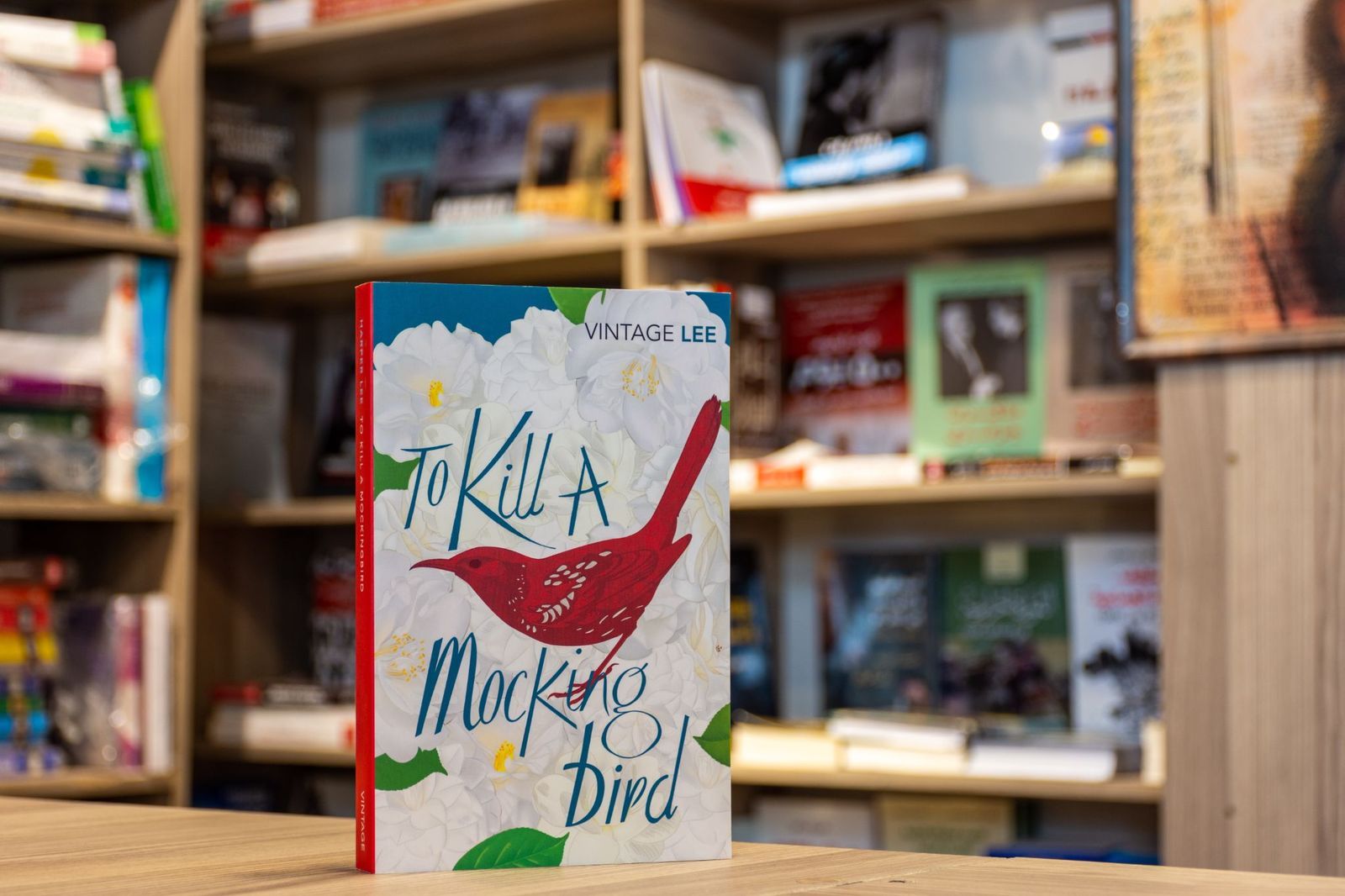
Image: hamdi bendali

"To Kill a Mockingbird" is a classic 1960 novel by American writer Harper Lee. It is a coming-of-age story set in Alabama during the Great Depression. The plot follows a young girl named Scout, as her lawyer father, Atticus, defends a Black man who is falsely accused of a crime.

The book has many powerful lessons, and moral courage is key. The story shows how racism and unfair judgment can hurt innocent people. The mockingbird is the symbol of innocence, since Atticus teaches his children that they must never kill one because these birds don’t harm anyone; they only make beautiful music.

2

"The Catcher in the Rye" and teenage voice
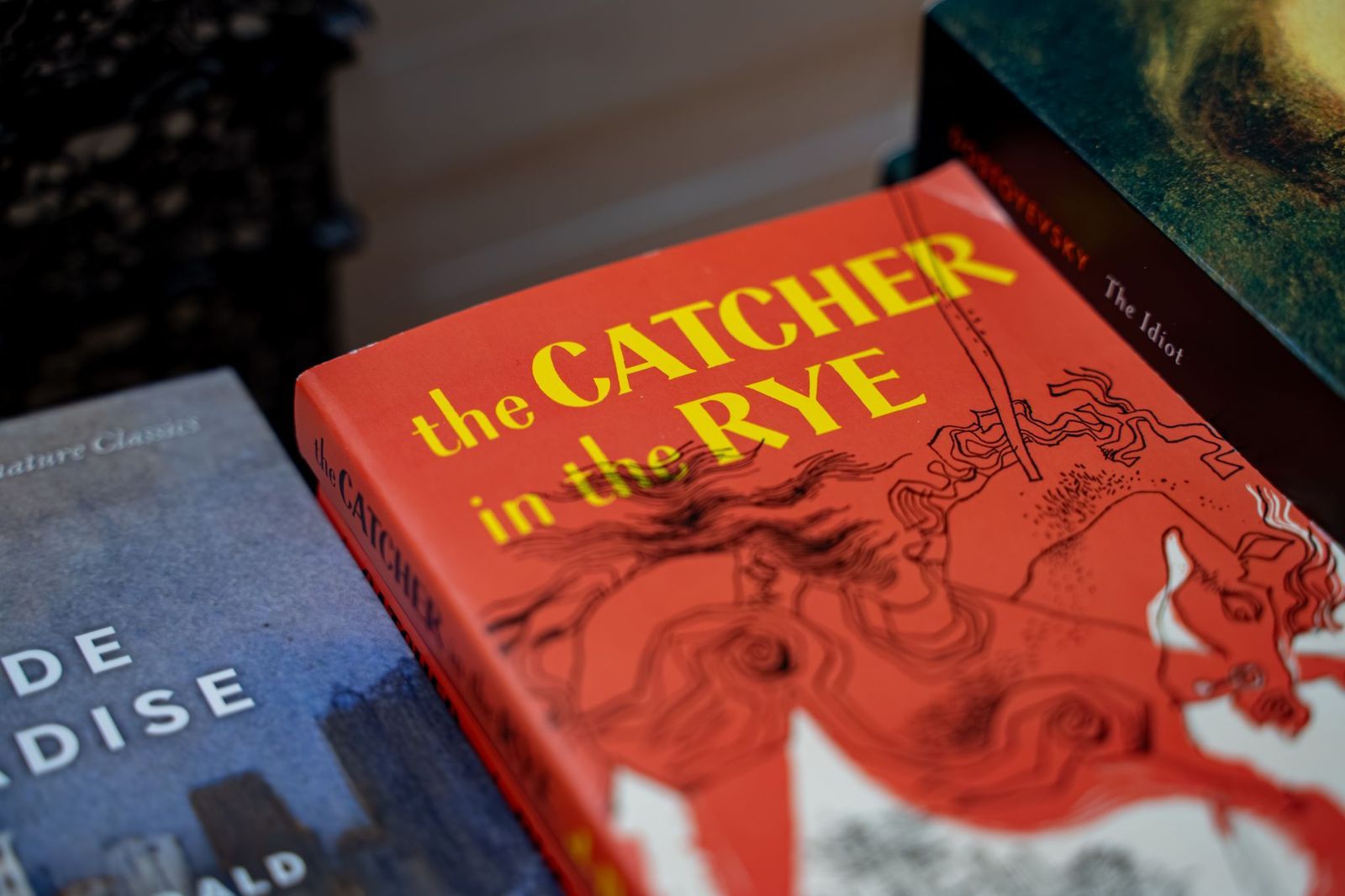
Image: Erman Gunes

"The Catcher in the Rye" is a 1951 novel by American writer J.D. Salinger. It follows Holden Caulfield, a troubled 16-year-old who is expelled from boarding school just before the Christmas holidays. During this time, he wanders the streets of New York alone, searching for a real connection as he deals with growing up.

The core message centers on how teenagers really think, through everyday slang, while reflecting on the adult world, which Holden considers full of "phonies" who fake it to fit in. The angst of feeling lonely and like an outsider is central. Holden also wants to protect the innocence of children and imagines being the "catcher in the rye" who saves children from falling off a cliff while they play in a rye field.

3

"The Outsiders" and belonging & identity

Image: BERMIX STUDIO

"The Outsiders" is a 1967 novel by American author S.E. Hinton that defined the young adult (YA) literary genre. It is a story about a group of teens divided by class. It follows two different groups: the "Greasers" (poor kids) and the "Socs" (rich kids) living in Tulsa, Oklahoma, during the 1960s.

The plot centers around Ponyboy Curtis, who is 14 years old and discovers that people are much more than their social labels. The story is an iconic representation of the raw emotional challenges, social divides, and search for identity that occurs during adolescence.

4

"1984" and the fear of control

Image: Jeff Whyte

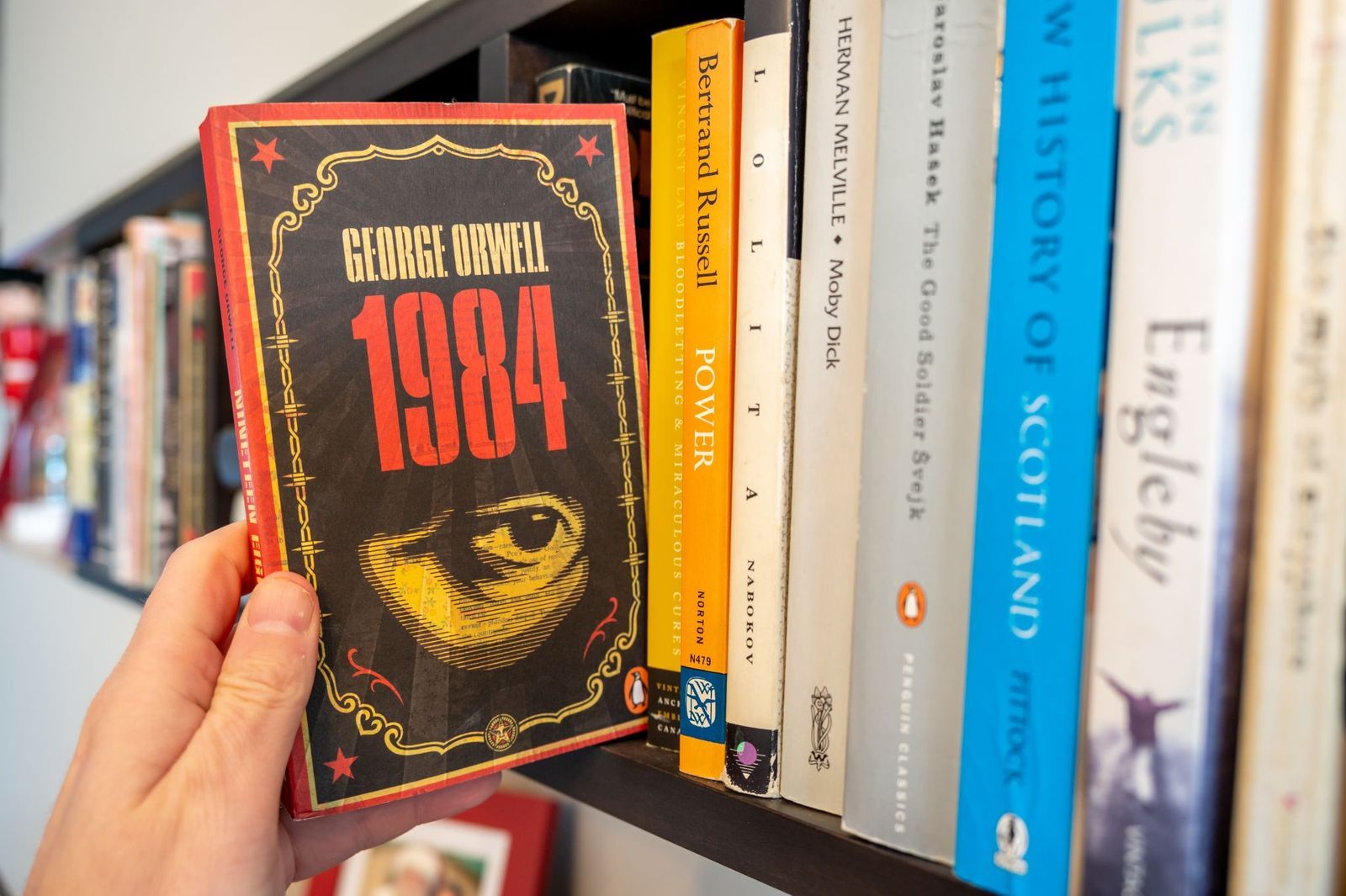
"1984" is a 1949 dystopian novel by English writer George Orwell. It is set in a totalitarian regime where the Party is led by the omnipresent figure known as Big Brother, who exercises extreme control over everyday life, including "thoughtcrime" (questioning those in power is already a crime) and "newspeak" (the destruction of old words so rebellious ideas are impossible).

It remains one of the most important novels of human history. It is a horrifying warning about what happens when a government has too much power, including control of truth, language, and even privacy. Its message is considered by many a crucial reminder to stay vigilant and protect our personal freedoms.

5

"Animal Farm" and political allegory

Image: Steve Travelguide

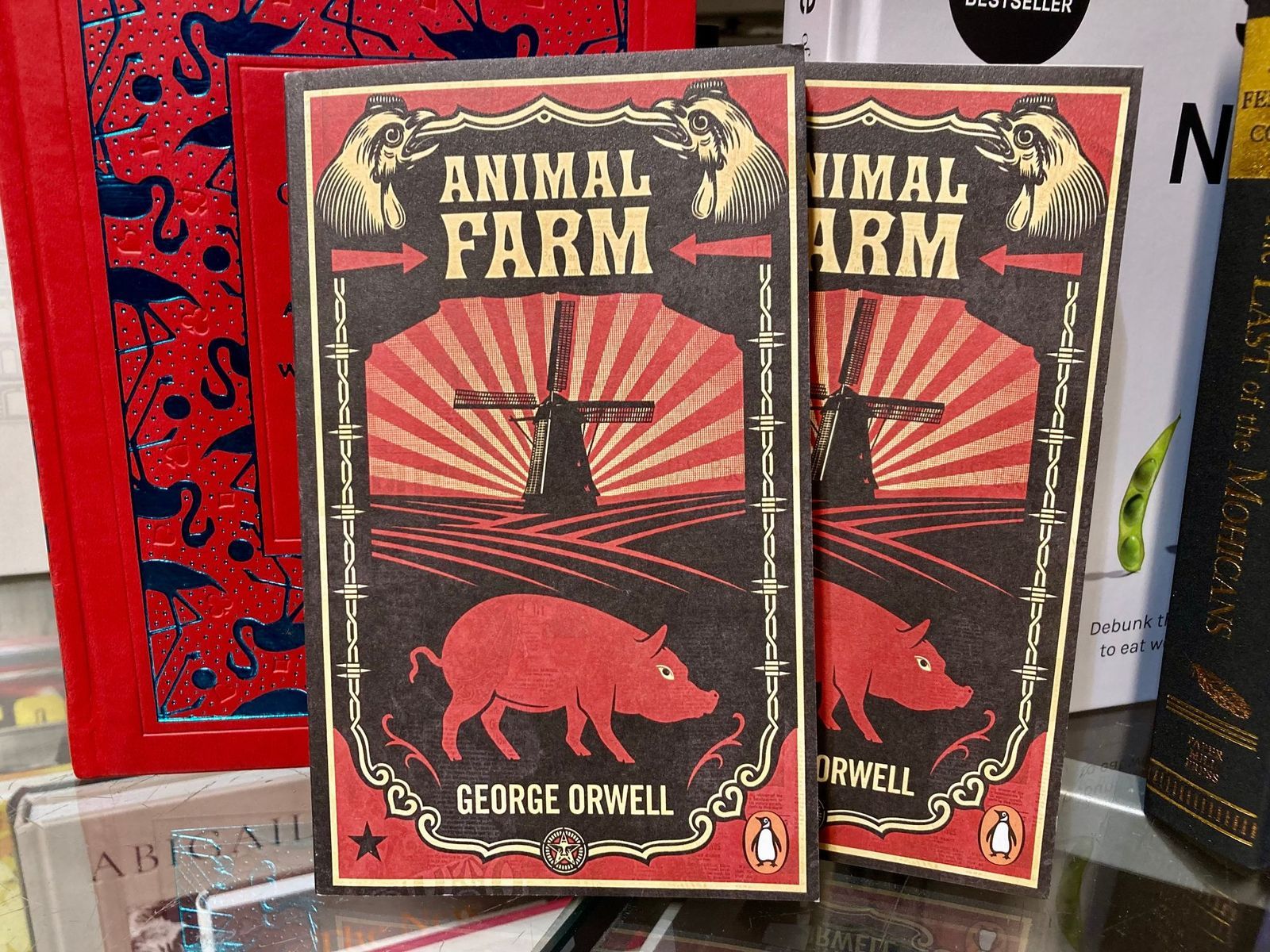
"Animal Farm" is another novel written by British author George Orwell in 1945. It is an allegorical novella that puts farm animals center stage, as they seek to overthrow their tyrannical human farmer. The aim was to create an equal society, but the revolution ended up being betrayed by the pigs that led a dictatorship as ruthless as the humans'.

It is a satire of the 1917 Russian Revolution, alongside the rise of Stalinism in the Soviet Union. Each animal represents different leaders and groups, such as the Pigs who signify Stalin and Trotsky, the loyal, hard-working Horse who symbolizes the working class, and Mr. Jones, who represents the dethroned monarch, Tsar Nicholas Romanov II.

6

"The Great Gatsby" and the American Dream
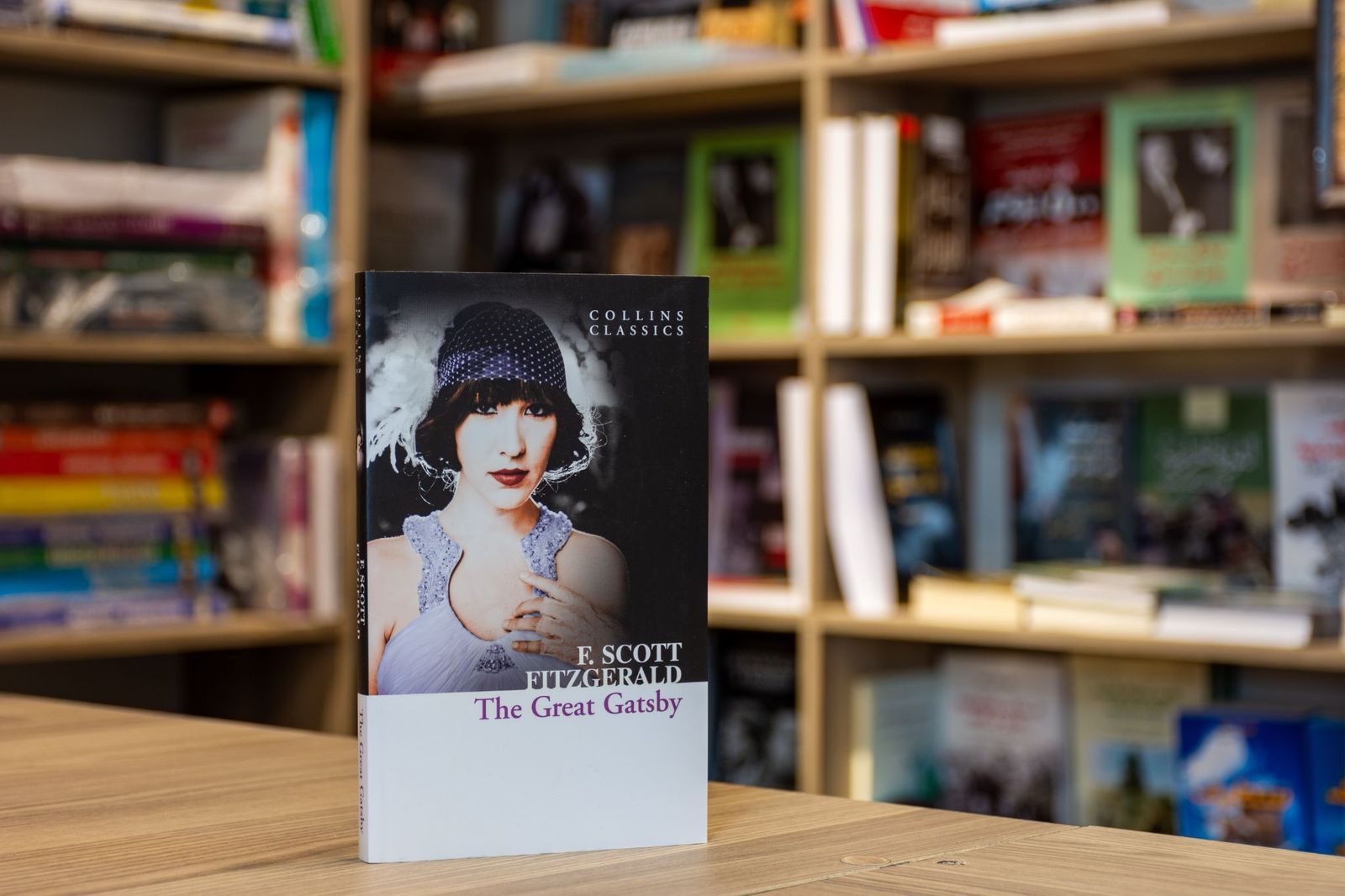
Image: hamdi bendali

"The Great Gatsby" is a 1925 novel by American author F. Scott Fitzgerald. It is set in the 1920s in New York, and it's told by Nick Carraway, who moves next door to an intriguing, newly rich man named Jay Gatsby. Gatsby is completely obsessed with reclaiming his long-lost love, Daisy Buchanan, who is trapped in a marriage to Tom, by throwing lavish parties to win her back; this pursuit ends in betrayal and death.

Throughout the story, themes such as love and greed are explored, exposing the dark side of the Roaring Twenties and the pursuit of wealth. To this day, it remains a warning that the limitless desire for money can corrupt even our deepest dreams.

7

"Pride and Prejudice" and wit in relationships
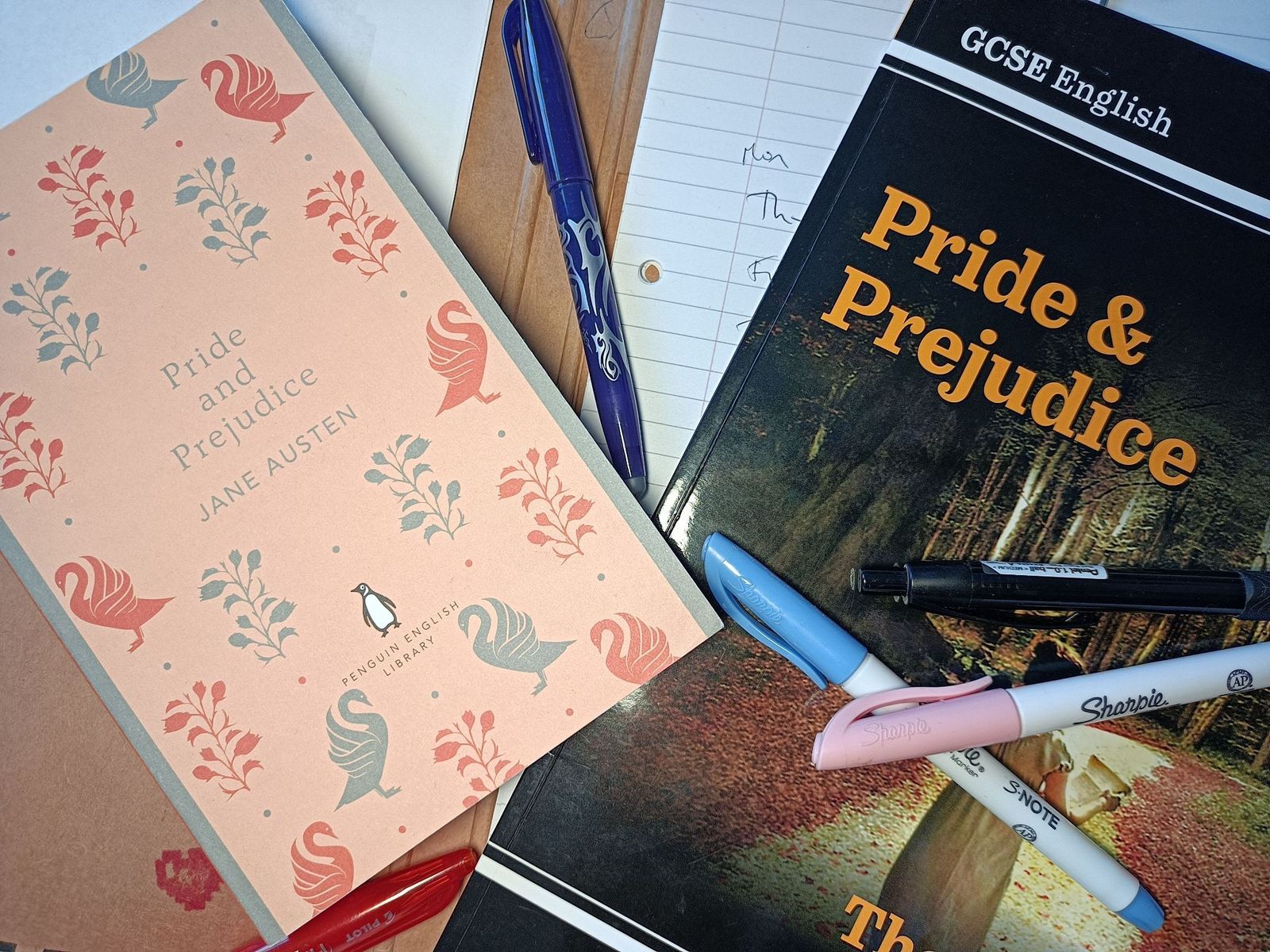
Image: Wirestock Creators

"Pride and Prejudice" is a novel first published in 1813 by British author Jane Austen. This romantic story follows sharp Elizabeth Bennet and wealthy, quiet Mr. Darcy. Each of them must overcome their personal flaws of pride and prejudice to stand a chance at falling in love and getting married.

It has become a cultural touchstone by showcasing something that affects us all: how people misjudge others based on first impressions, wealth, and social status. As each character faces family drama, social rules, and personal mistakes, they learn to look past their flaws to find true love.

8

"Little Women" and timeless family values
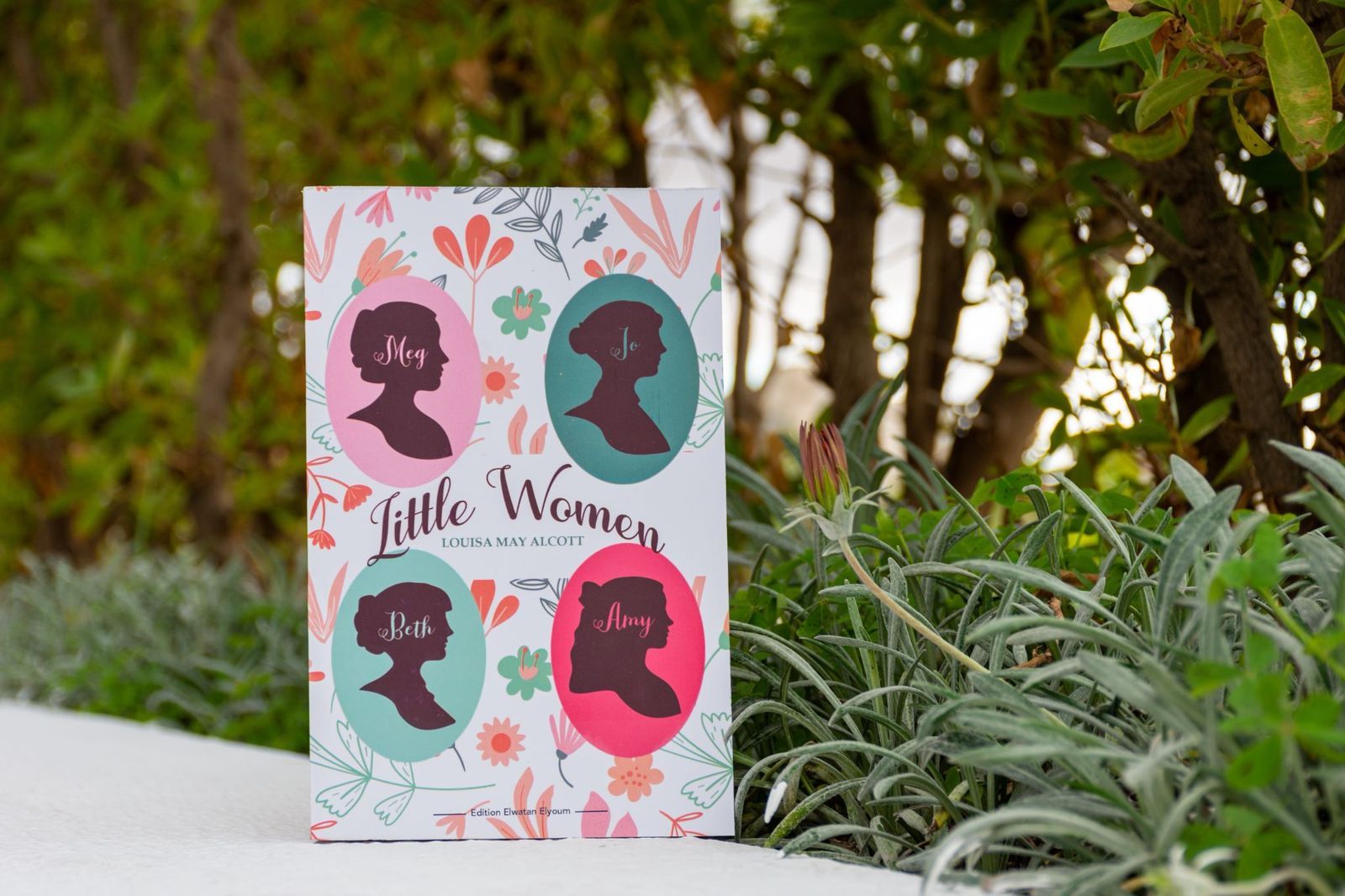
Image: hamdi bendali

"Little Women" is a novel by American writer Louisa May Alcott, originally published in two volumes in 1868 and 1869. Set in the 1860s in Massachusetts during the Civil War, it follows the lives of four sisters: Meg, Jo, Beth, and Amy March, as they learn about love, loss, poverty, and the importance of family.

It’s considered a timeless coming-of-age classic because, for many readers, it is a realistic portrayal of what growing up is about. The March sisters are far from perfect, and each one makes mistakes that they then learn from. It is also a foundational text on female ambition, giving a voice to young women and showing that their daily lives, feelings, and dreams matter too.

9

"Jane Eyre" and inner strength & independence
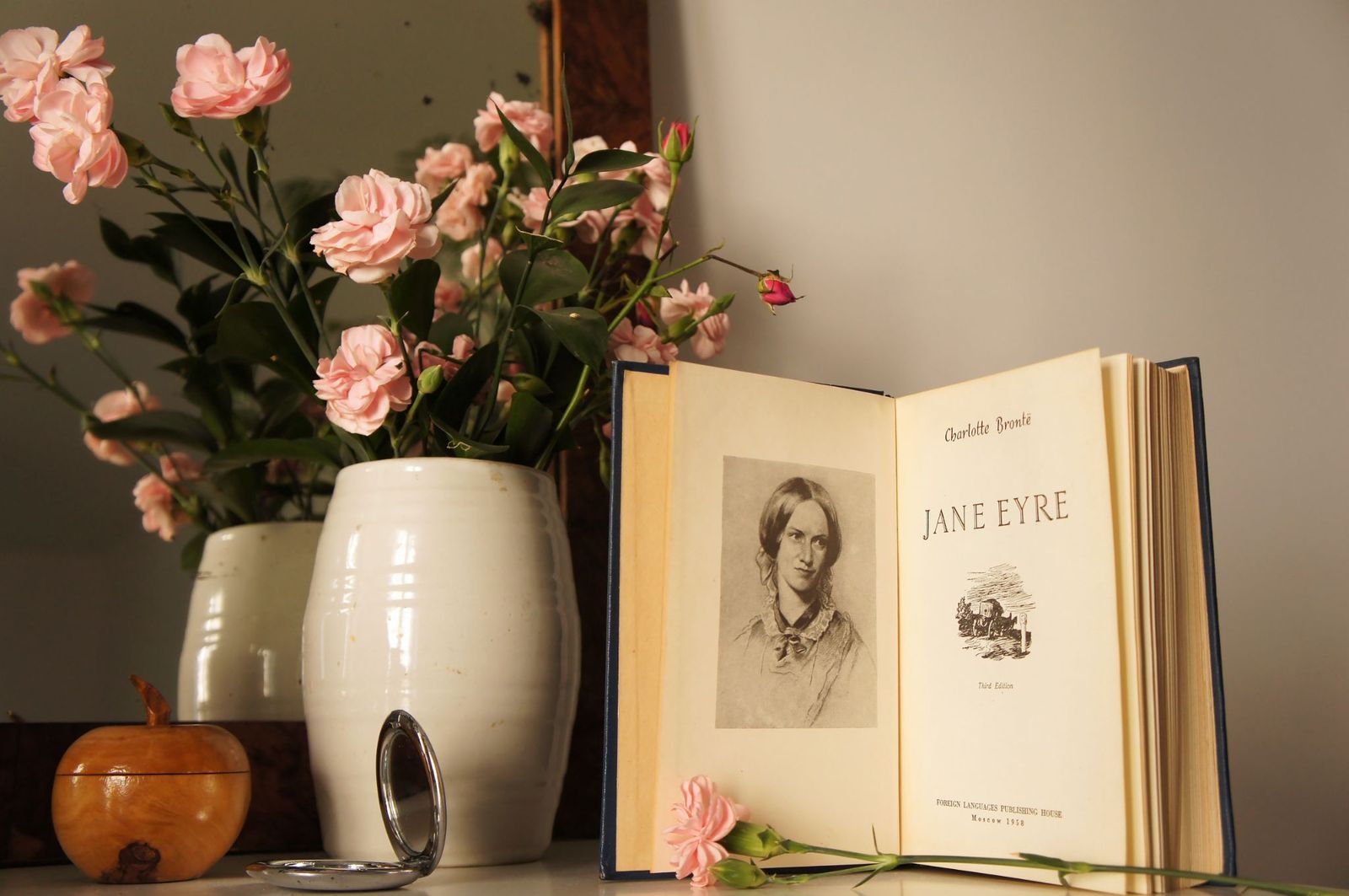
Image: marhus

"Jane Eyre" is a classic 1847 novel by British author Charlotte Brontë, written under the pen name Currer Bell. This story centers on an orphan named Jane and her experiences. The school she goes to is harsh, and she faces a cruel childhood. Later on, she begins to work as a governess (teacher) at a mysterious estate known as "Thornfield Hall", where she falls in love with her moody boss, Mr. Rochester.

This story revolutionized literature as it is the first novel to focus on the moral and spiritual growth of a young woman who wasn’t rich, passive, or traditionally beautiful. The main character, Jane, finds purpose in becoming a governess after all the hardships she endured and fights for her dignity and independence, refusing to settle for anyone who doesn’t see her as an equal, prioritizing herself over love.

10

"Charlotte’s Web" and emotional storytelling
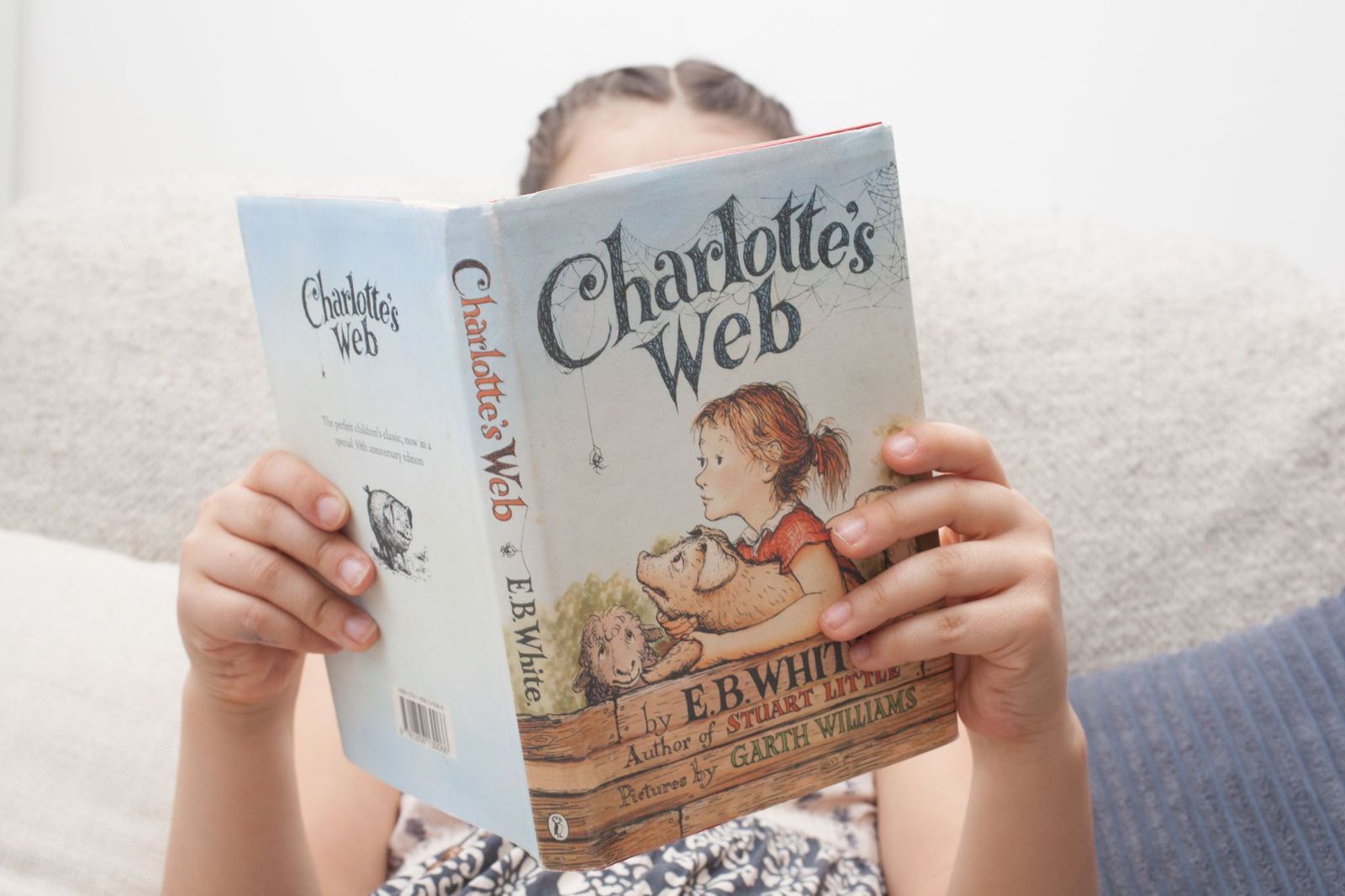
Image: Ben Molyneux

"Charlotte’s Web" is a 1952 children’s novel by American author E.B. White, illustrated by Garth Williams. It tells the story of a sweet pig named Wilbur who is saved from slaughter and befriends clever Charlotte, a spider who writes words in her web to save his life. In doing so, this book explores universal themes such as friendship, loyalty, and the inevitable cycle of life.

It is a timeless masterpiece that stands out for its simple prose, offering deep lessons about life and loss, including how simple acts can save the world, and Charlotte's words show how the way we speak about others matters. Wilbur once asked Charlotte why she did all of this for him, and she replied: "By helping you, perhaps I was trying to lift up my life a trifle. Heaven knows anyone’s life can stand a bit of that."



Tour the South through language

Southerners speak in code, but we're here to decode them


Published on July 16, 2026


Image: Alexander Lukatskiy

Maybe you’ve heard someone say they’re "fuller than a tick" after Thanksgiving dinner, or thought your next-door neighbor was "too big for his breeches." These old Southern expressions have been floating around front porches, family reunions, church socials, and kitchen tables for generations. Most know what they mean, but few know where they came from. As it turns out, the stories behind these sayings are every bit as intriguing as the expressions themselves. Here’s the story of 10 Southern favorites.

1

Too big for your breeches

Image: Elnur

Everyone has seen it happen: A coworker gets promoted, a neighbor wins a local election, or a young athlete becomes the star of the team. At first, everyone is happy for them, but soon they start acting as if ordinary rules don’t apply to them. Before you know it, people are already whispering they are too big for their breeches.

This classic Southern criticism is aimed at people whose egos have grown faster than you can tell. One of its earliest recorded appearances came in 1835 when frontiersman and Congressman Davy Crockett used it while discussing President Andrew Jackson. Over time, parents, teachers, and grandparents adopted the expression as a gentle warning against arrogance. In a region that traditionally valued humility and neighborliness, getting "too big for your breeches" was often a sign that a person needed a reality check before life delivered one.

2

Pretty as a speckled pup

Image: Annabell Gsoedl

You’re not a true grandparent until you show your grandkids’ pictures to your friends and proudly say the baby is "pretty as a speckled pup." One of the South's warmest compliments, the expression describes someone who is exceptionally cute or charming.

The saying emerged in the rural South and Appalachian Mountains during the late 1800s, where hunting dogs were an important part of everyday life. Puppies with spotted coats, particularly breeds like Bluetick Coonhounds and English Setters, were admired for their distinctive markings and irresistible appearance. Southerners, known for turning everyday observations into colorful language, began comparing attractive children and young women to these beloved pups. Some families even embellished the phrase, describing someone as "pretty as a speckled pup with a ribbon around its neck."

3

Fuller than a tick

Image: sebra

We’ve all been there. The holiday meal is over, you’ve had seconds of the mashed potatoes, a slice of pie, and maybe another helping of stuffing. Then someone offers dessert, and all you can do is lean back and say you're "fuller than a tick."

This vivid expression means being completely stuffed after eating, and its roots go back much further than many people realize. Records show similar versions existed as early as the 1600s. The comparison comes from the appearance of ticks after they've fed. These tiny creatures swell dramatically, becoming several times larger than their normal size. The phrase became especially common after large Sunday dinners, church suppers, and holiday feasts, where refusing another helping was practically impossible. Even today, few expressions paint a clearer picture of overeating.

4

Going to see a man about a horse

Image: BAZA Production

Social life is important, but there’s always a time during a meeting when you just want to stand up, say you’re "going to see a man about a horse," and head back home. You know everyone will nod, no questions asked, and that’s because you’ve used a polite way to leave the meeting without explaining much about why you’re actually going.

The expression dates back to the mid-1800s. One of the earliest known examples appeared in an 1866 stage play called Flying Scud, written by Irish playwright Dion Boucicault. Funnily enough, the phrase gained special popularity during Prohibition in the United States, because it could disguise a trip to buy illegal alcohol. Part of its charm lies in its deliberate vagueness. Everyone understands it means something else, but good manners keep anyone from asking for details.

5

‘Til the cows come home

Image: Gerain0812

Have you ever argued with someone who simply refuses to change their mind? A debate might go on for hours, so, eventually, you might throw up your hands and say you could discuss the issue "'til the cows come home."

The roots of this expression, which refers to doing something for a very long time, stretch back more than 400 years. One recorded example appears in a language textbook published in 1593. The imagery comes from farm life, where cows often wandered slowly back to the barn at their own leisurely pace. In parts of Scotland, cattle sometimes grazed for months before returning home, which may have influenced the saying’s development. Southern speech preserved many old British expressions that disappeared elsewhere, and this one fit perfectly with the region’s love of colorful exaggeration. It’s hard to imagine a more relaxed timetable than waiting for cattle to decide when they’re ready to come back.

6

What in the Sam Hill

Image: PeopleImages

You’re searching for your car keys, you’ve checked every room twice, and now they’re somehow sitting on the kitchen counter where you had already checked before. That’s when many Southerners go, "What in the Sam Hill is going on?"

The phrase refers to the state of confusion, frustration, or surprise without resorting to profanity. And even if linguists can’t trace back its origin, they all agree it was born out of the need to be polite, even when shocked. For earlier generations, especially in churchgoing communities, it’s preferable to use milder expressions, avoiding making direct references to hell. "Sam Hill" is one of those creative substitutes. Although who Sam Hill is is as much of a mystery as where the expression comes from.

7

Madder than a wet hen

Image: Lena Si

Everyone knows someone who gets irritated when things don’t go their way. When that frustration reaches a boiling point, Southerners might describe the person as "madder than a wet hen." And it’s not a surprise that the vivid imagery comes directly from farm life.

Hens that are sitting on eggs can become fiercely protective and remarkably bad-tempered. Farmers discovered that dipping a broody hen in cool water sometimes interrupted the behavior and encouraged the bird to return to its normal routine. Unfortunately, the soaking often left the hen quite unhappy. Anyone who has encountered an angry wet chicken can appreciate how the comparison developed. The phrase became a way to describe someone whose temper has clearly gotten the better of them.

8

More than Carter has pills

Image: AntonSAN

You know that feeling when you open a cluttered garage and discover enough tools, screws, and spare parts to stock a hardware store? If you’d lived in the South, you might hear someone say there’s "more than Carter has pills".

Referring to an enormous quantity of things, the expression originated with Carter’s Little Liver Pills, a patent medicine introduced by Samuel J. Carter in Pennsylvania in 1868. The company became famous for relentless advertising campaigns that appeared in newspapers, magazines, and storefronts across the country. For decades, Americans saw the product promoted as a remedy for everything from constipation to headaches. The ads were so widespread and the pills so plentiful that people naturally began using the company as a benchmark for abundance. Before long, anything that existed in huge quantities had "more than Carter has pills."

9

Ain't got the sense God gave a billy goat

Image: Wdnld

You’ve probably encountered a door marked "pull" and tried to push it, only to become increasingly frustrated when it didn’t open. That’s exactly the kind of situation that inspires the remark, "Ain’t got the sense God gave a billy goat." That is to say, someone lacks common sense.

The humor comes from comparing a person’s judgment to that of a billy goat, an animal not generally celebrated for wisdom. The popularity of the phrase in Southern culture is a reflection of how the local scenery influenced language, in a place where livestock were familiar reference points in everyday conversation. Rather than calling someone foolish outright, the humor and exaggeration of the phrase softens the sting while still making the point perfectly clear.

10

Doesn't amount to a hill of beans

Image: monticello

Imagine spending hours worrying about a minor problem, only to realize later that it really didn’t matter at all. That’s when an older Southerner might tell you, "It doesn’t amount to a hill of beans."

The expression means something has little value or importance, and its story begins with agriculture. During the 1800s, farmers commonly planted beans in small hills. Because beans were inexpensive, easy to grow, and abundant, a single hill of beans wasn’t worth very much. Earlier English writers had already used beans as symbols of low value, but Americans added the farming imagery that made the expression memorable. And it received an extra boost in 1942, when Humphrey Bogart delivered the famous line in Casablanca: "The problems of three little people don’t amount to a hill of beans in this crazy world." More than eighty years later, the saying remains as useful as ever.

Looking for an extra scoop of literary fun?

Learn more with our Word of the day

insouciance

/ɪnˈsusiən(t)s/