The ultimate leadership system

Why is a Major General below a Lieutenant General? 10 military ranks


Published on August 7, 2026

Image: Bumble Dee

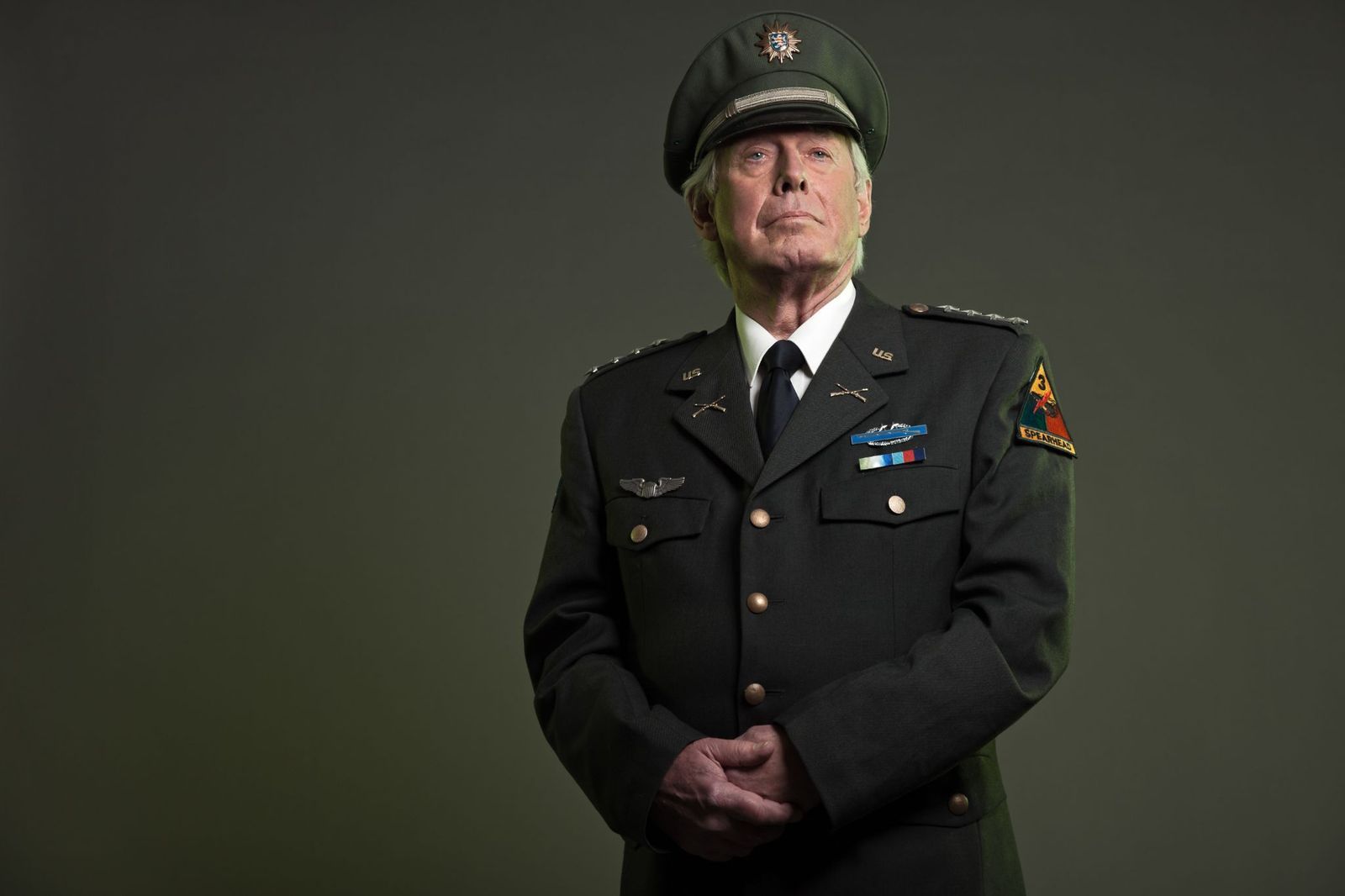
The structure of the United States military relies on a hierarchy designed to maintain operational discipline and distribute leadership across every level of command. Examining 10 main U.S. Military ranks in sequential order reveals the language behind the names.

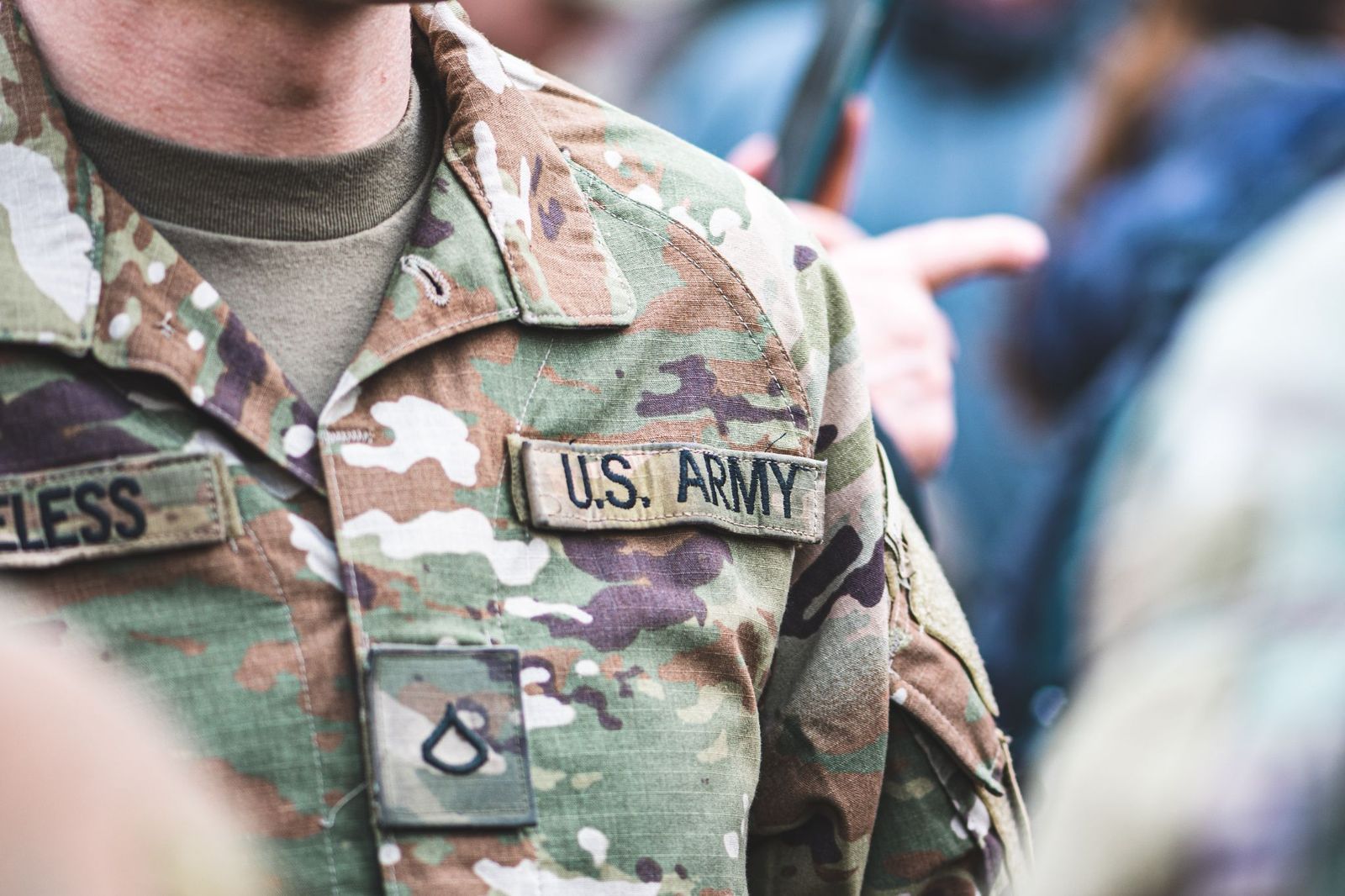
1

Private

Image: Michele Ursi

The rank of Private represents the entry-level enlisted tier in the U.S. Army and U.S. Marine Corps. At this level, service members focus on basic training, mastering tactical skills, and executing orders issued by superior officers.

Etymologically, "private" is short for "private soldier", designating an individual without public office or independent military command. Historical records note that some of the earliest documented uses of the term in the American military context appear in the personal correspondence of George Washington.

2

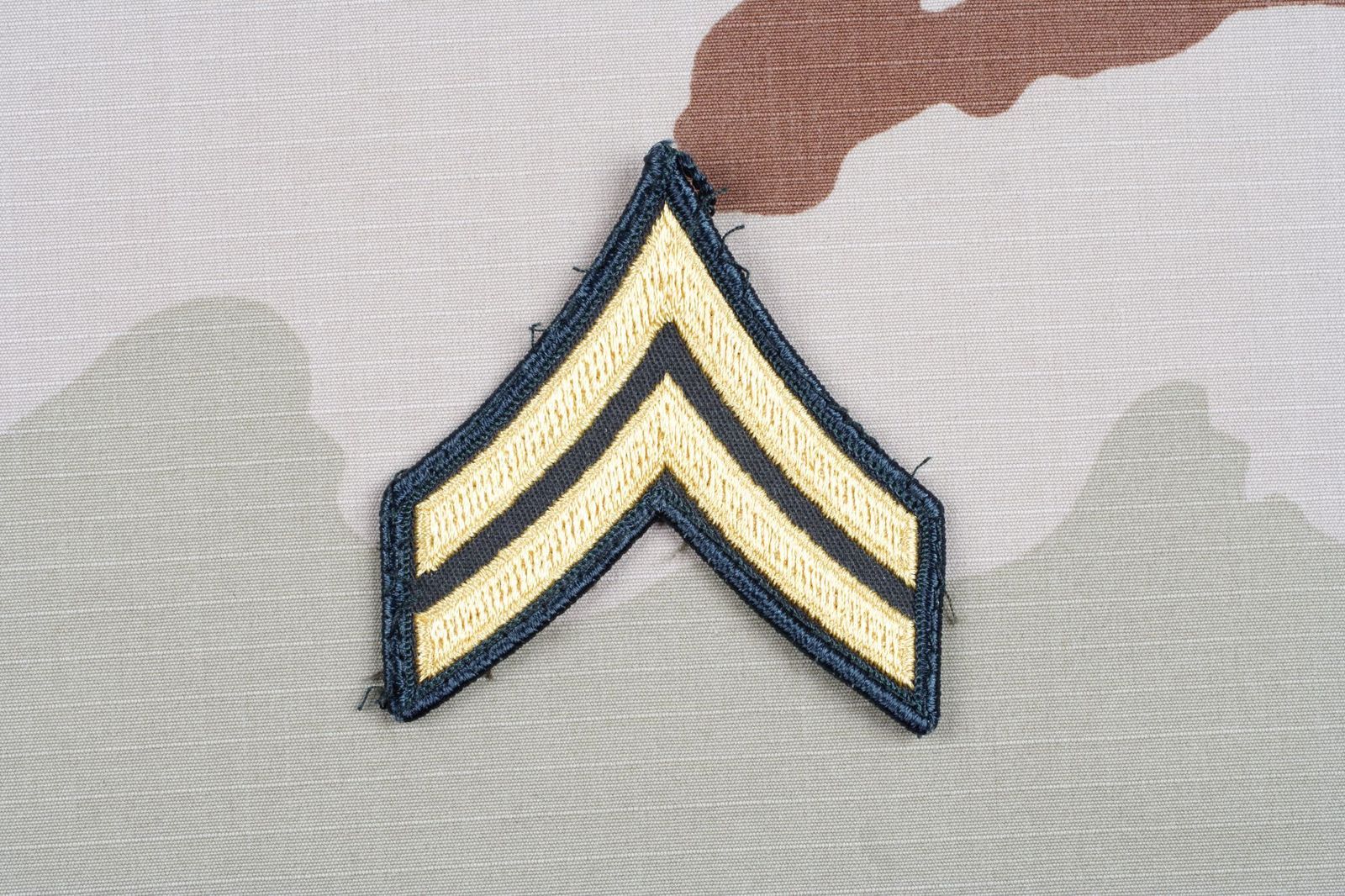
Corporal

Image: Militarist

A Corporal is responsible for leading small tactical units, such as fireteams or squads. Corporals oversee the daily discipline, appearance, and fundamental skills training of junior soldiers.

The word derives from the French corporal, which stems from the Latin caput (meaning "head"). Over time, the term was influenced by the Latin corpus ("body") and the French military term corps, blending roots for "head" and "body" into the modern word corporal.

3

Sergeant

Image: Mircea Moira

A Sergeant is a key frontline leader who typically commands a squad or section and directly supervises daily operations. Sergeants hold direct responsibility for troop welfare, equipment maintenance, and tactical execution.

The word shares its Latin root (serviens, meaning "servant") with the word servant. In medieval times, a "sergeant at arms" served as an armed retainer to a feudal lord. As military structures modernized, the sergeant evolved into the link between commissioned officers and enlisted troops.

4

Lieutenant

Image: RDNE Stock project

The rank of Lieutenant serves as the entry point for commissioned leadership. Lieutenants typically command platoons consisting of 16 to 40 service members alongside an experienced platoon sergeant.

The term comes directly from the French lieu tenant, which literally translates to "place holding". A lieutenant is a placeholder or deputy tasked with standing in for or assisting a superior commander.

5

Captain

Image: hande bagci

A Captain typically commands a company, battery, or troop consisting of 60 to 200 service members. Captains represent one of the oldest military designations in the English language, used as a general term for a military leader since the 1400s. Derived from French and rooted in the Latin caput ("head"), a captain is the "head" of an organized military unit.

6

Major

Image: San Diego Air & Space Museum Archives, Public domain, via Wikimedia Commons

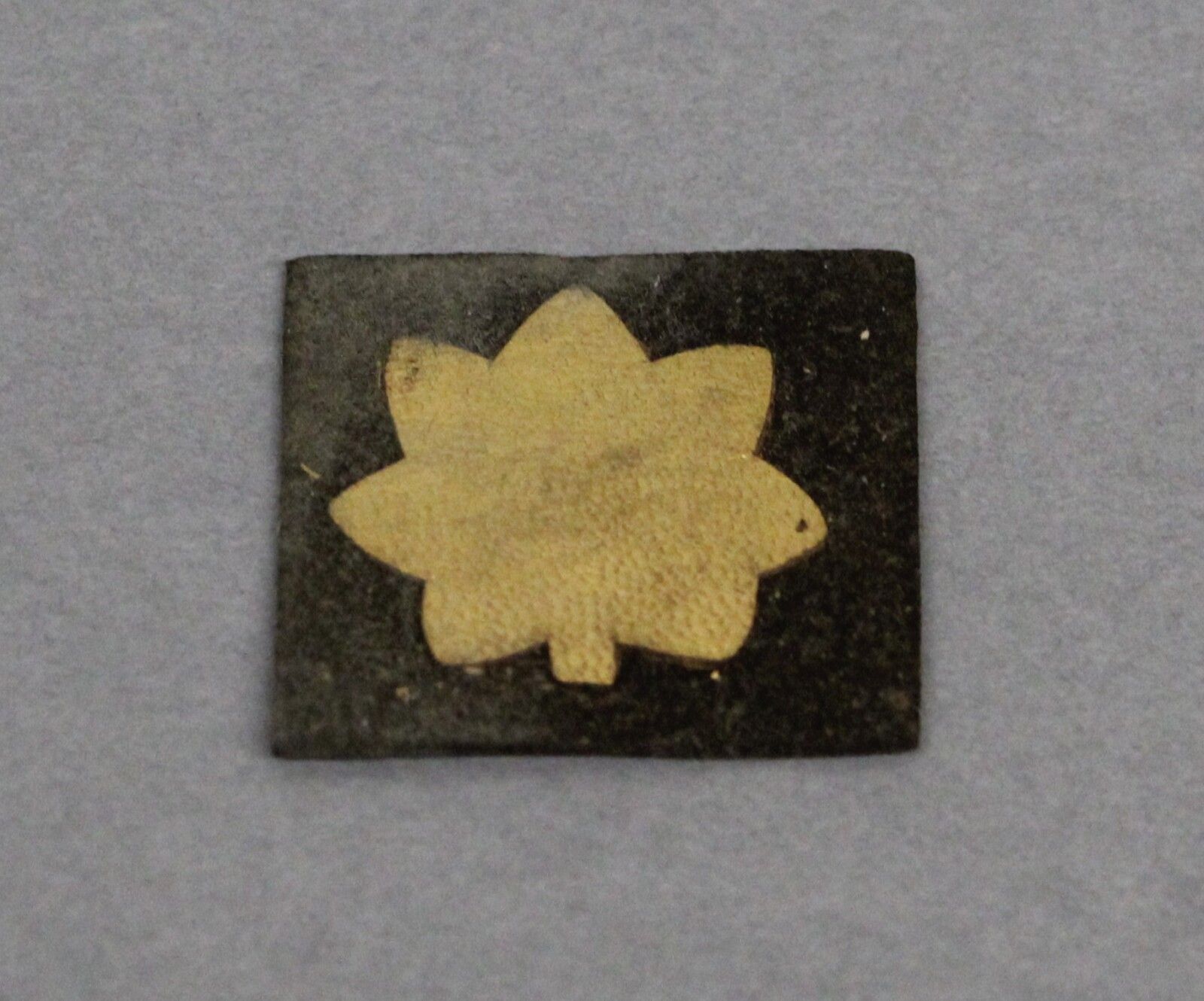
A Major serves as a field-grade officer, often functioning as a battalion executive officer or primary staff supervisor. Interestingly, the rank of major is a historical abbreviation of sergeant major. During the 16th and 17th centuries, a sergeant major was a commissioned field officer ranking above a captain. As the boundary between non-commissioned officers and commissioned officers solidified in the 1700s, the "sergeant" prefix was dropped, leaving "Major" as a distinct officer rank.

7

Colonel

Image: Wesley Tingey

A Colonel commands brigade-sized formations (1,500 to 3,200 soldiers) or fills critical senior staff positions. The title originates from the Italian colonnello, meaning the leader of a column (colonna) of troops. The unusual English pronunciation ("kernel") occurred because English borrowed the word from French, which had adopted the Italian word but altered its pronunciation, while English retained the French spelling.

8

Brigadier General

Image: Wesley Tingey

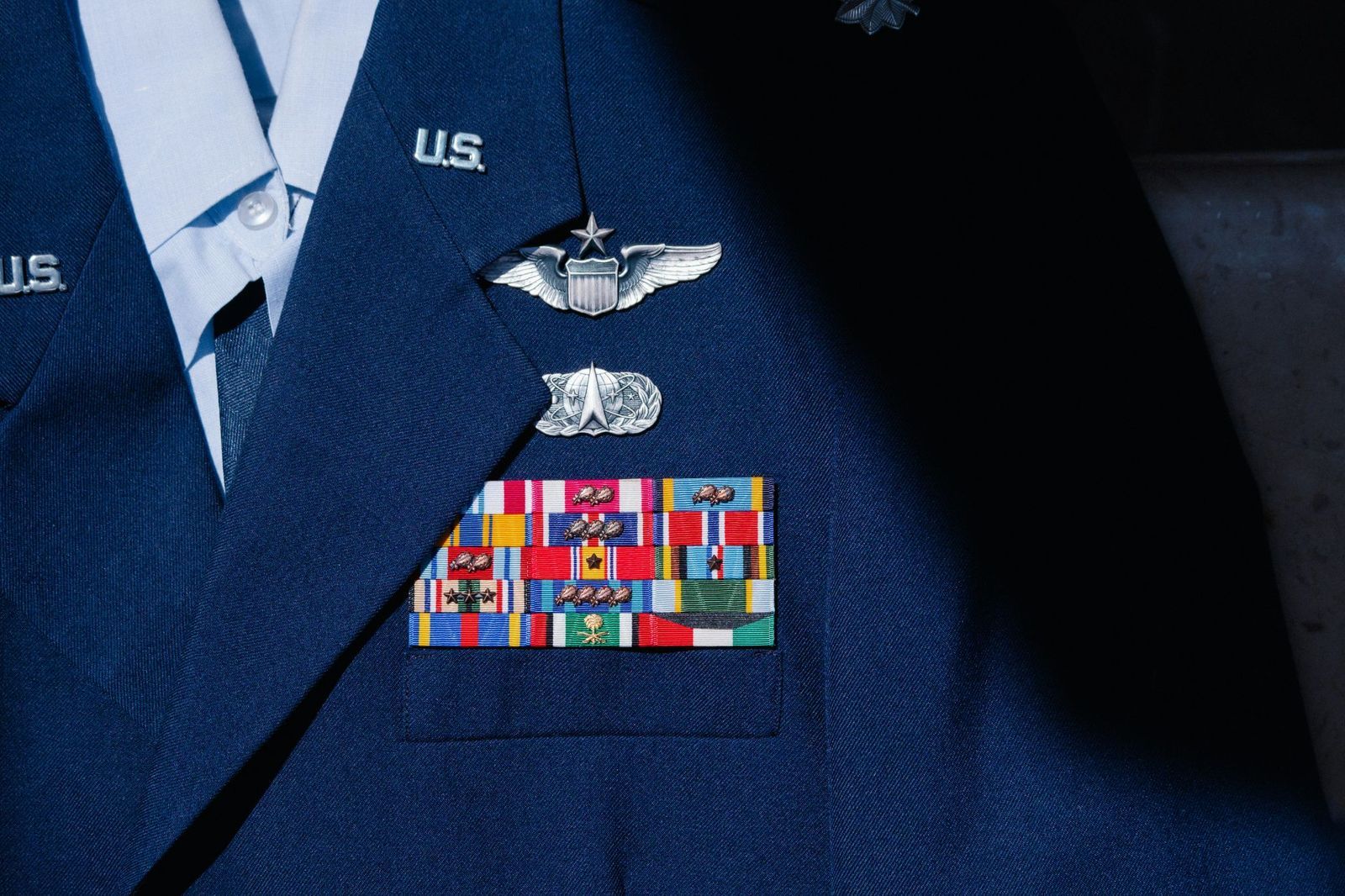
A Brigadier General is a one-star general officer who commands a brigade or serves as a deputy commander for a division. The title derives directly from brigade, denoting an operational military unit composed of multiple regiments or battalions.

9

Major General

Image: Jordan Crawford

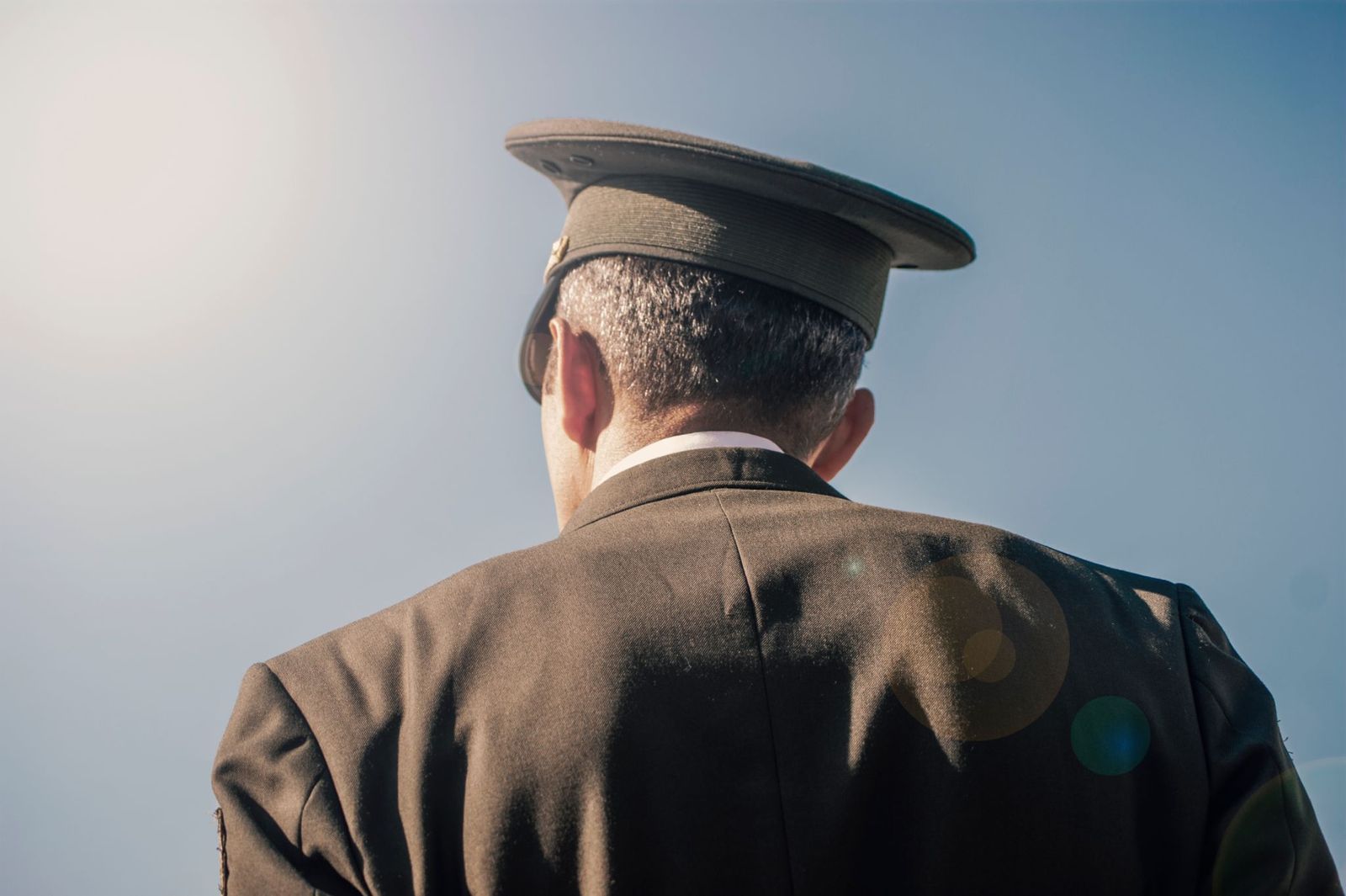
A Major General is a two-star general who typically commands a force of 10,000 to 15,000 personnel. This rank has a historical quirk: despite a Major ranking above a Lieutenant, a Major General ranks below a Lieutenant General. This is because the rank was originally called sergeant major general before the 1700s. Because a "sergeant major general" was subordinate to a "lieutenant general", the order remained intact even after "sergeant" was removed from the title.

10

General

Image: True Touch Lifestyle

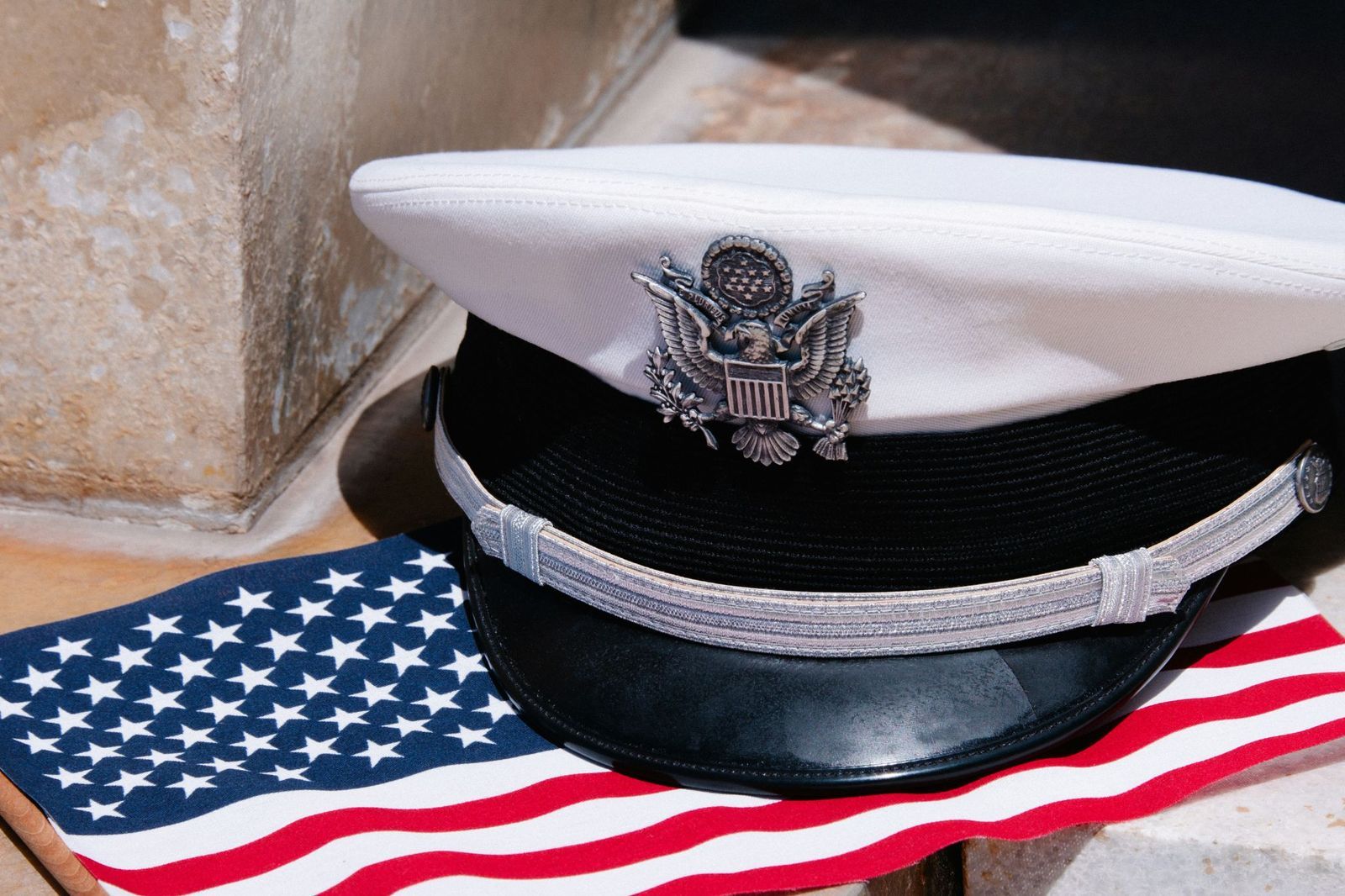
A General is a four-star officer holding the highest operational rank in peacetime. Four-star generals command unified combatant commands, geographic theaters, or serve as service branch chiefs of staff. Rooted in the Latin generalis (meaning "pertaining to all" or "universal"), the title signifies overarching authority across all branches and arms of command.


WILD WEST JARGON

Yeehaw! Speak Like A Cowboy With These 10 Words From The Old West


Published on August 7, 2026


Image: Taylor Brandon

Saddle up, partner! The language of the Old West used to be as rich and colorful as the sunsets on the prairie. Cowboys communicated with a unique lexicon that reflected their rugged lifestyle, diverse backgrounds, and the challenges of frontier living.

Whether you own a time machine and are looking to blend in with the inhabitants of the Wild West, or are just feeling curious, these 10 words will paint a vivid picture of the old American frontier and its challenges.

1

Chaps

Image: Emilio Labrador, CC BY 2.0

A quintessential piece of cowboy attire, chaps were worn to protect the legs from brush, thorns, and other hazards encountered while riding through the harsh and unforgiving landscapes of the American West.

Made from thick leather, chaps were designed to provide both protection and freedom of movement for cowboys during long days in the saddle. The word itself was derived from the Spanish word "chaparreras," which referred to the same item of clothing.

2

Wrangler

Image: Matt Lee

In the Old West, the wrangler was the ranch hand responsible for managing and caring for horses and livestock on the ranch. From breaking in wild mustangs to leading cattle drives, wranglers played a crucial role in the daily operations of a ranch and were often highly skilled cowboys.

The word "wrangler" was derived from the Low German word "wrangeln," which means "to wrestle," an appropriate word given the nature of the wrangler’s challenging task.

3

Lasso

Image: JosephHershMedia

Also known as a lariat or riata, a lasso is a looped rope used by cowboys to catch and restrain livestock. Mastering the art of throwing a lasso was essential for cowboys, as it allowed them to safely capture cattle and other animals without causing harm.

The technique was adopted from Mexican and South American ranch hands, who made extensive use of it for centuries. North American cowboys borrowed both the tool and the word, which originates from the Spanish word "lazo", which means "noose" or "snare", and derives in turn from the Latin "laqueus," of the same meaning.

4

Overland Trout

Image: Michelle @Shelly Captures It

In cowboy jargon, "overland trout" was a cheeky term used to refer to bacon, often enjoyed by cowboys during their travels across the open range. While real trout might have been a rare delicacy on the trail, bacon provided a hearty and satisfying alternative for hungry travelers in the Old West.

In a similar lighthearted spirit, cowboys humorously dubbed eggs as "cackleberries." While nowadays, casually ordering a plate of "cackleberries and overland trout" might raise a few eyebrows and elicit a chuckle, back then, it was just another part of the colorful tapestry of cowboy life.

5

Giddy-up

Image: Lee Pigott

A popular phrase used by cowboys and horseback riders in the Old West generally to urge their horses to move faster, "giddy-up" is a contraction of the phrase "get ye up." Whether racing across the open range or chasing down stray cattle, cowboys relied on this command to spur their steeds into action.

Over time, as cowboys went from humble rural workers to legendary figures, portrayed in films and various media, this term transcended its origins, seamlessly integrating into everyday English vernacular.

6

Dude

Image: Birmingham Museums Trust

Bet you didn’t know the origin of this one! The term dude was originally used to refer to city dwellers or inexperienced individuals unfamiliar with the ways of the West, who were often regarded as untrustworthy among rural folk.

Eventually, the term evolved to describe any male person, a meaning that consolidated into mainstream American slang in the 70s.

7

Ballyhoo

Image: Dominique Hicks

In the colorful lexicon of the Old West, "ballyhoo" was a term used to describe exaggerated or sensationalized advertising or promotion. From traveling shows to frontier saloons, ballyhoo was a common tactic used to attract customers and generate excitement.

Whether promising the "best darn whiskey west of the Mississippi" or boasting of a miraculous elixir that could cure all ailments, the word hints at the justified distrust cowboys and Old West folk held towards snake oil salesmen and the such.

8

Buckaroo

Image: John Kakuk

An alteration of the Spanish word "vaquero," which can be literally translated as cowboy or cattle driver, "buckaroo" was an alternative word commonly used in the American West to refer to a skilled ranch hand, that is, a cowboy.

Curiously, likely due to the economic importance of cattle management at the time, there was no shortage of words to refer to the job of the cowboy, and alternatives like cowhand, cowman, cowpoke, and even cowpuncher were commonplace.

9

Bone Orchard

Image: Soroush Alavi

The term "bone orchard" was popular slang for a cemetery in the Old West. The grim metaphor evokes the vivid image of bleached bones scattered across the landscape, just like fallen fruit in an orchard.

Often, the term carried the connotation of an abandoned or ill-maintained cemetery or ossuary, or it could be quite literally describing a place full of scattered human bones, like an old battlefield.

10

Hoedown

Image: Jacob Bentzinger

A lively social gathering featuring music, dancing, and general revelry, a hoedown was the most popular form of entertainment in frontier towns. The term's earliest documented usage dates back to 1841, and it likely derives from the resemblance of dance moves to the rhythmic motion of digging the ground with a hoe.

So, the next time you receive an invitation to a hoedown, don’t turn down the offer! You are certainly in for a jolly good time!

Looking for an extra scoop of literary fun?

Learn more with our Word of the day

detriment

/ˈdɛtrəmənt/