Letters with meaning

Why your pound is “lb” and other everyday abbreviations explained


Published on October 30, 2025


Image: Markus Winkler

You probably rattle off "PIN," "USB," or "Mrs." without hesitating, but do you actually know what those letters stand for? Some abbreviations come from Latin, some from long-lost measurements, and a few make absolutely no sense at first glance. So let’s dive into the interesting roots of 12 common abbreviations you’ve been using for years.

1

No.

Image: Nick Hillier

Why "No." for "number" when there’s no "O" in the word? You can blame Latin on that one.

The abbreviation comes from numero, meaning "number," which was originally abbreviated as an "N" with a small "o" above it (Nº). That old symbol eventually morphed into the familiar No. we still use today.

2

Lb.

Image: Graphic Node

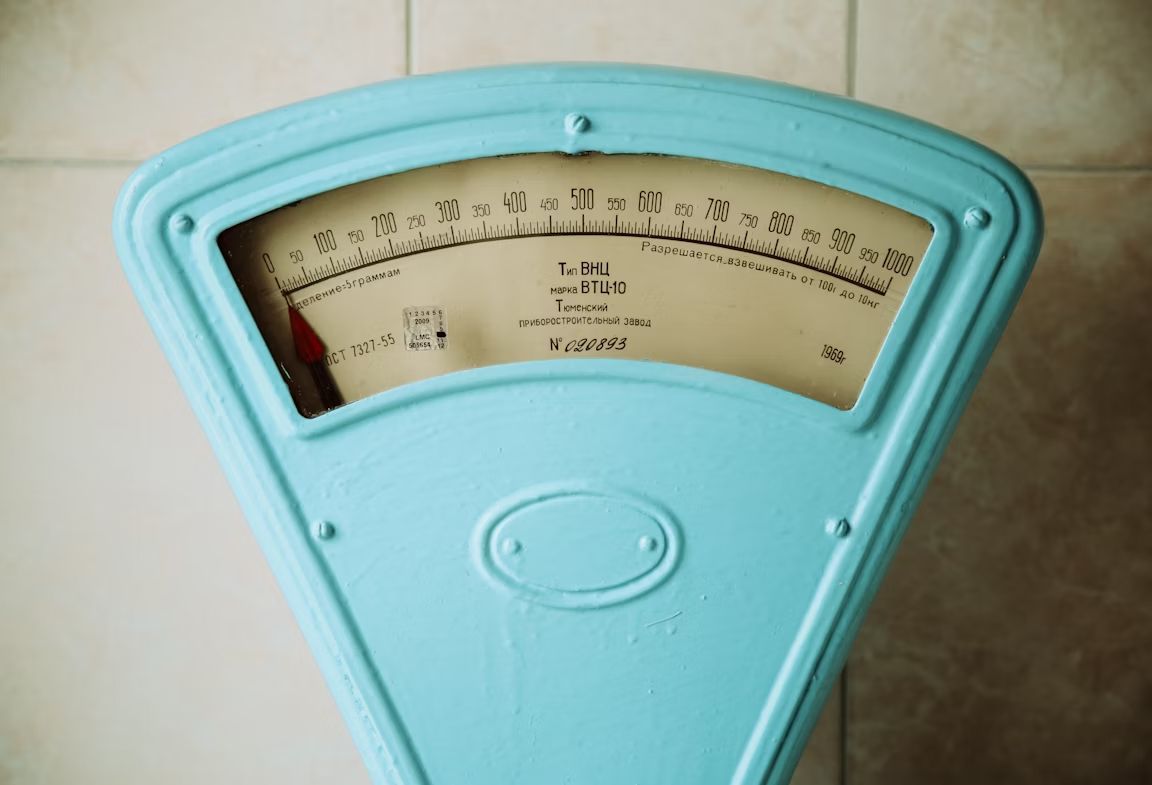
The abbreviation "lb" actually comes from libra pondo, Latin for "a pound by weight." The pondo gave us the English word "pound," while the libra stuck around as "lb."

It’s also why the British pound symbol (£) looks like a fancy "L." How interesting is that?

3

Oz.

Image: rc.xyz NFT gallery

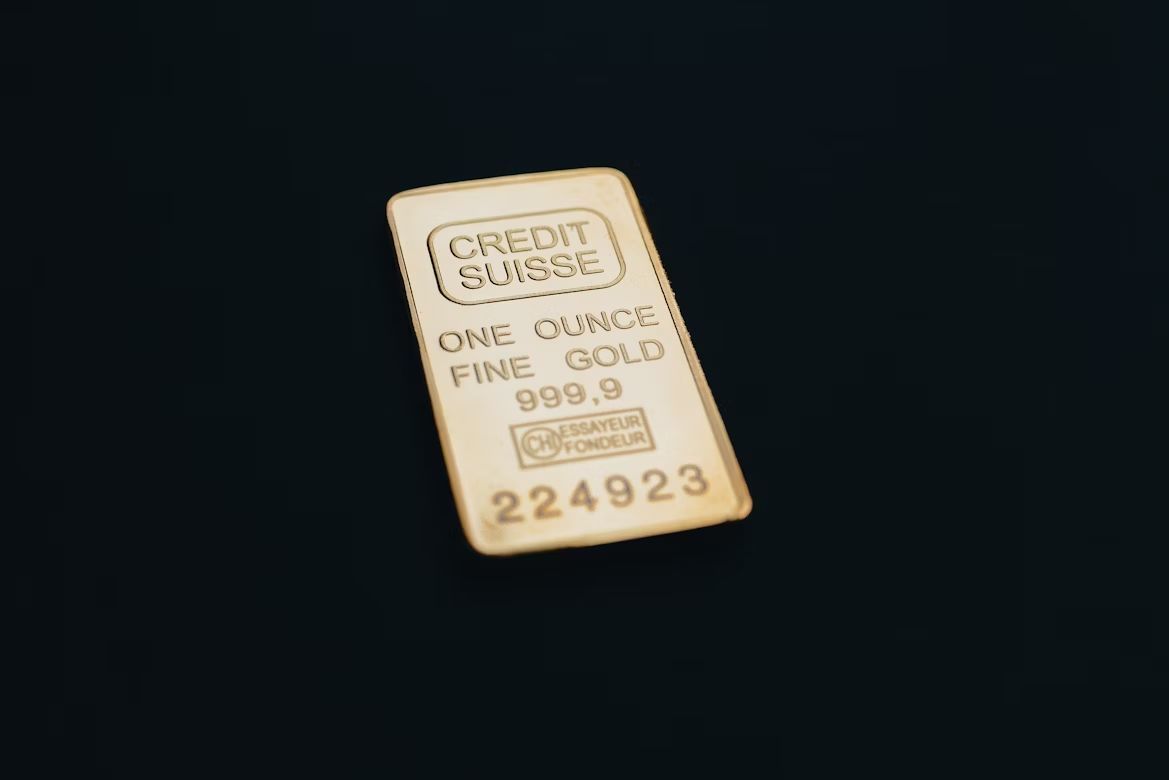
"Ounce" and "oz" don’t match up phonetically, but historically, they’re connected. The word comes from the Latin uncia, meaning one-twelfth of a Roman pound.

It passed through Italian as onza, which is how we ended up with the abbreviation oz. Now it makes a little more sense, don’t you think?

4

A.M. and P.M.

Image: Jon Tyson

Most of us know whether it’s morning or night without translating Latin, right? But there’s some history behind these time markers. A.M. stands for ante meridiem (before noon) and P.M. for post meridiem (after noon).

You’ve probably seen "post" in other words like "post-op" or "postwar"—now you know why it shows up in time too!

5

PIN

Image: Julian

"PIN" stands for "personal identification number"— so saying "PIN number" is technically redundant.

Scottish engineer James Goodfellow created the PIN system in 1966 when he patented an early cash machine. Now it’s second nature, and we don’t even think twice about typing it in.

Bonus fact: "ATM" stands for "automated teller machine," so saying "ATM machine" is also a redundancy.

6

CC

Image: Brett Jordan

"CC" stands for "carbon copy," from the days when people used carbon paper to make duplicates of typed letters. You’d slip a sheet between two papers, type your note, and you had two copies.

The email version took off in the 1980s, and we’ve been CC-ing ever since.

"BCC"? That’s "blind carbon copy," meaning the recipient is hidden from others. How about that, huh?

7

USB

Image: Lucian Alexe

"Universal Serial Bus" might sound like a fancy Greyhound line, but it’s actually the system that helps gadgets talk to each other.

In computer terms, a "bus" is a communication channel, like a digital highway. The USB was created in the mid-1990s to simplify connecting devices.

8

Et al.

Image: Gülfer ERGİN

You’ve probably seen "et al." on academic papers or research articles. It’s short for et alia, Latin for "and others."

Only the "al" is abbreviated, which is why it gets the period. The word alia is also the root of "alias," a name used by someone else. But you already knew that one, didn’t you?

9

CV

Image: João Ferrão

CV stands for curriculum vitae, Latin for "course of life." It’s a fancier version of a résumé and is often used in academia or overseas job applications.

The phrase popped up in the early 1900s and adds a bit of sobriety to your work history. Who said job hunting couldn’t be sophisticated?

10

MO

Image: Content Pixie

"MO" stands for modus operandi, Latin for "method of operating." Originally, it described the signature behavior of criminals, but these days it’s more broadly used to mean someone’s usual way of doing things.

If your uncle always steals the last slice of pie, that’s just his MO. Sneaky, but predictable, you know.

11

SIM

Image: Andrey Matveev

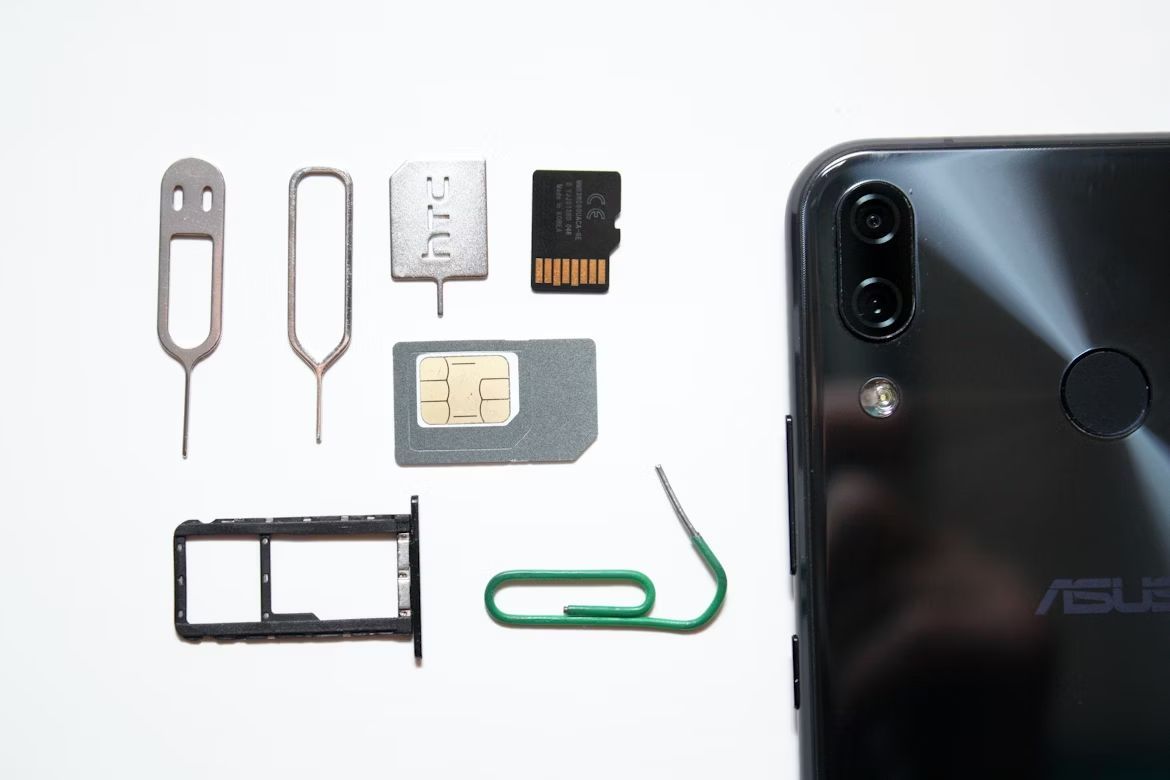
The SIM in your phone stands for "Subscriber Identity Module." It’s what tells the network who you are and lets you make calls, send texts, and use data.

First rolled out in 1991, SIM cards act like your phone’s ID badge—without one, your phone’s just a fancy calculator.

12

Mrs.

Image: Thomas AE

"Mrs." looks like it should rhyme with "mars," but we say it "missus." That’s because it originally stood for "mistress." Don’t worry— not the scandalous kind, just the lady of the house.

Over time, mistress took on new meanings, but the "R" stayed behind in the abbreviation. Go figure.
Discover 10 ways fruits and vegetables evolved over time


Published on October 30, 2025


Image: Powell Rasull

Have you ever seen a wild tomato plant? Or, for example, have you ever found a watermelon lying around while hiking in nature? Probably not, and that's because many of the fruits and vegetables we eat every day are actually the result of human intervention. Long before microscopes or modern labs, early farmers patiently cultivated and domesticated wild plants, transforming them into the tasty, colorful, and juicy produce we are fortunate to enjoy today. If you would like to learn about the ancestors of your favorite fruits and vegetables, keep reading!

1

Carrot

Image: Jonathan Pielmayer

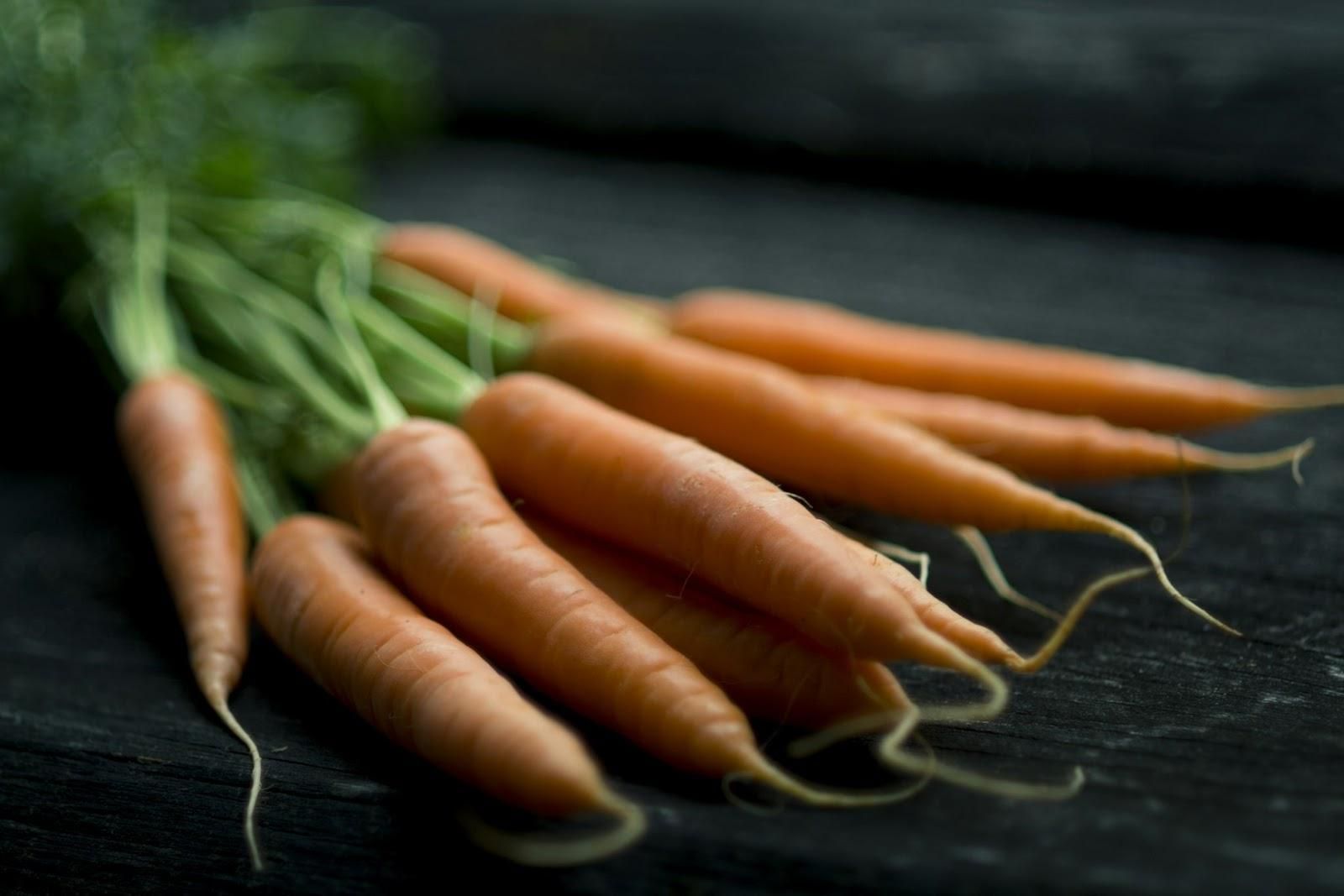
The carrot’s journey is less about sudden leaps and more about quiet persistence. Long ago, what grew underground was pale and stringy, closer to a wild weed than a vegetable. Farmers began to notice small differences—one root with a hint of sweetness, another with a faint wash of color—and held on to the seeds for the next season. After countless rounds of planting and patience, the root slowly changed shape and character. From those fragile beginnings came the crisp, orange carrots that now symbolize healthy eating around the world.

2

Eggplant

Image: Nina Luong

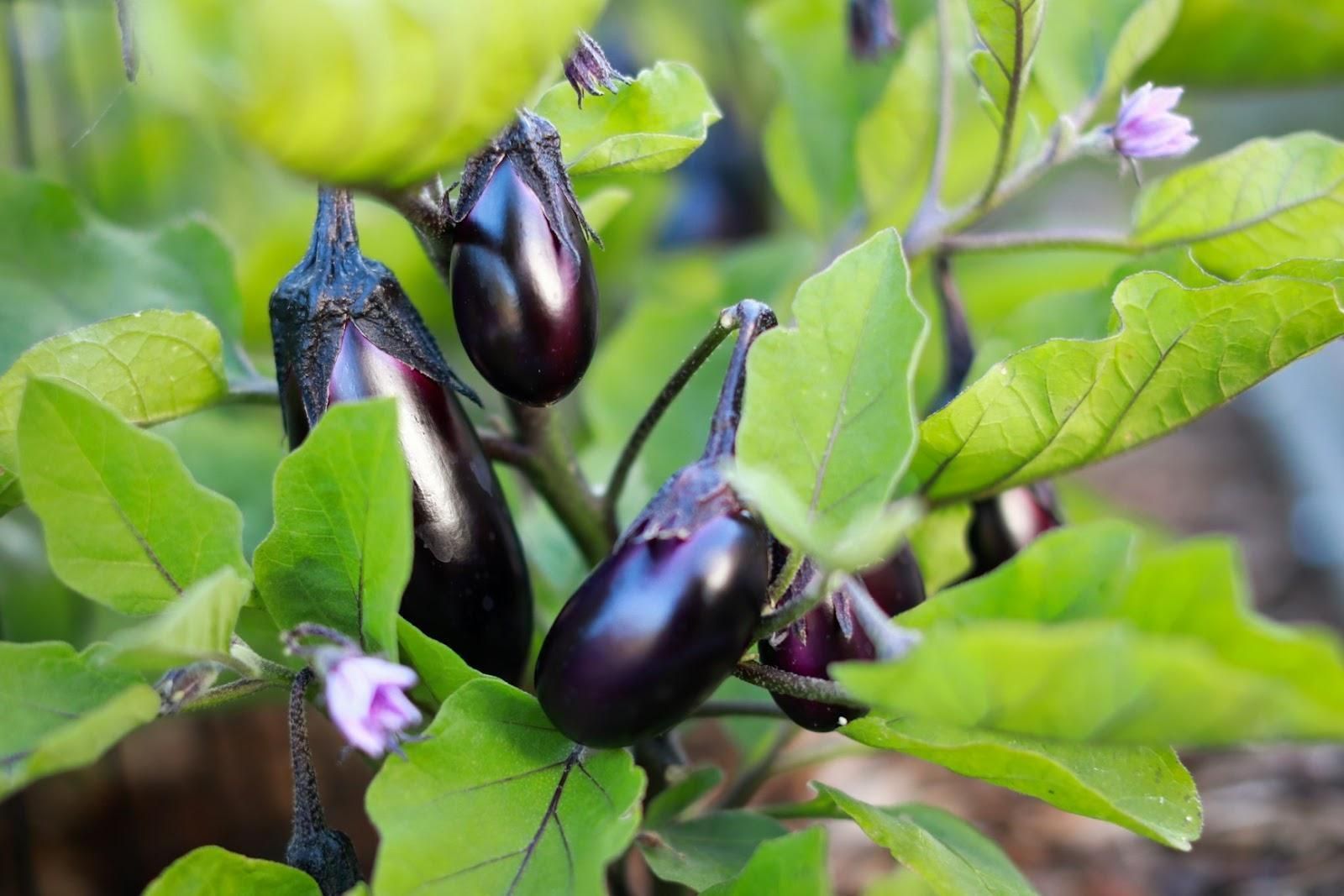
The name gives away its past. Early varieties of eggplant often looked like eggs—round, white, and sometimes speckled yellow. Others were squat and thorny, hardly inviting to harvest. As the plant traveled from India across Asia and into Europe, it evolved. Farmers in each region favored different traits, nudging its size, flavor, and color in new directions. Centuries later, the odd little fruits had been reinvented as the glossy purple globes that now fill market shelves, a far cry from their humble, egg-like beginnings.

3

Banana

Image: Gabriel Mihalcea

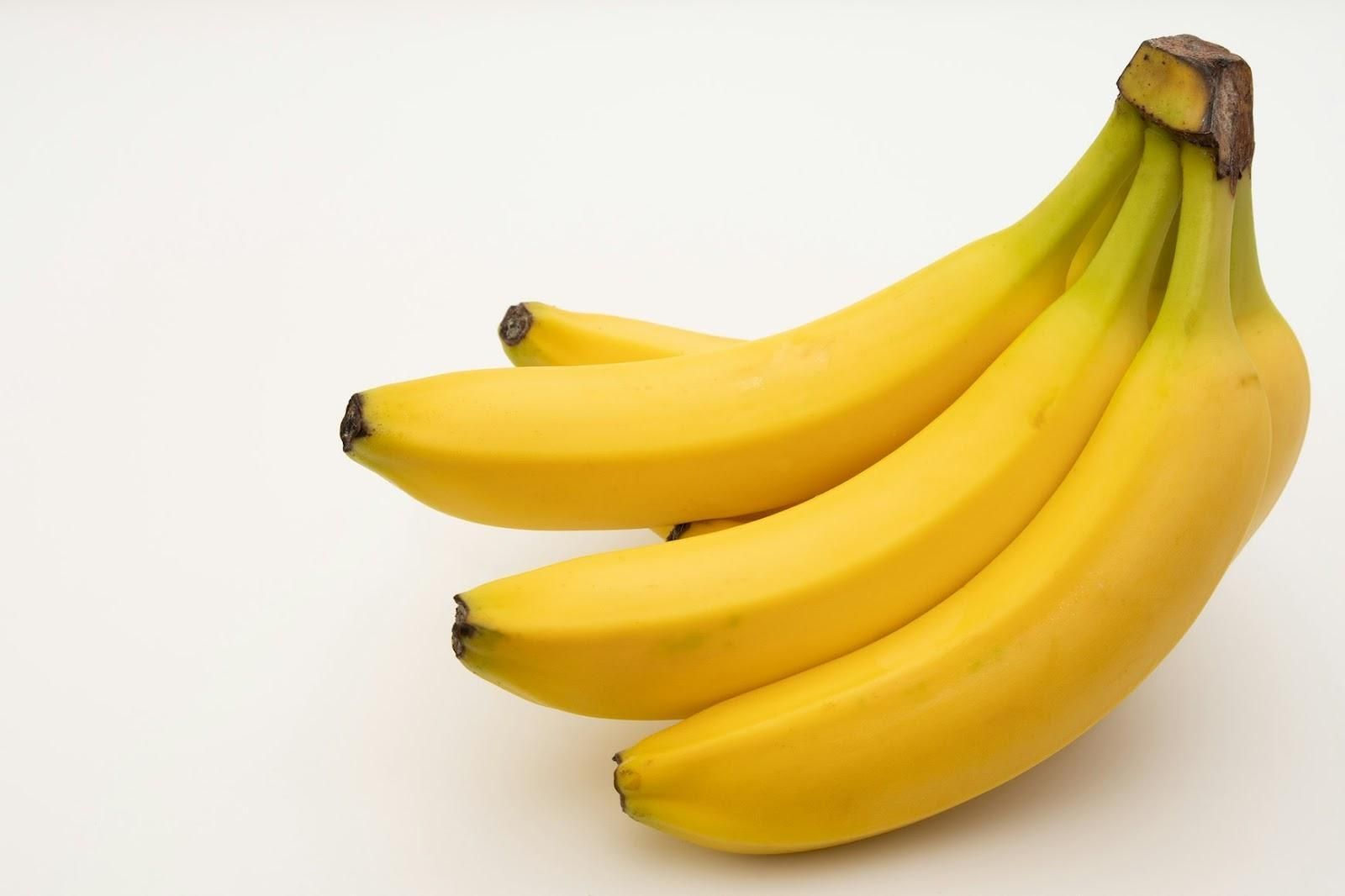
Few crops show human intervention as clearly as the banana. Its wild ancestors were filled with large, stony seeds, making them far from snack-friendly. At some point, farmers stumbled upon rare hybrids that produced softer, sweeter fruit with fewer seeds. Instead of letting chance decide, they took control—propagating the plant by cuttings so its desirable traits could be preserved. That decision reshaped the banana forever. Today’s Cavendish, cloned endlessly from those early discoveries, feels less like an accident of nature and more like a fruit designed for our hands.

4

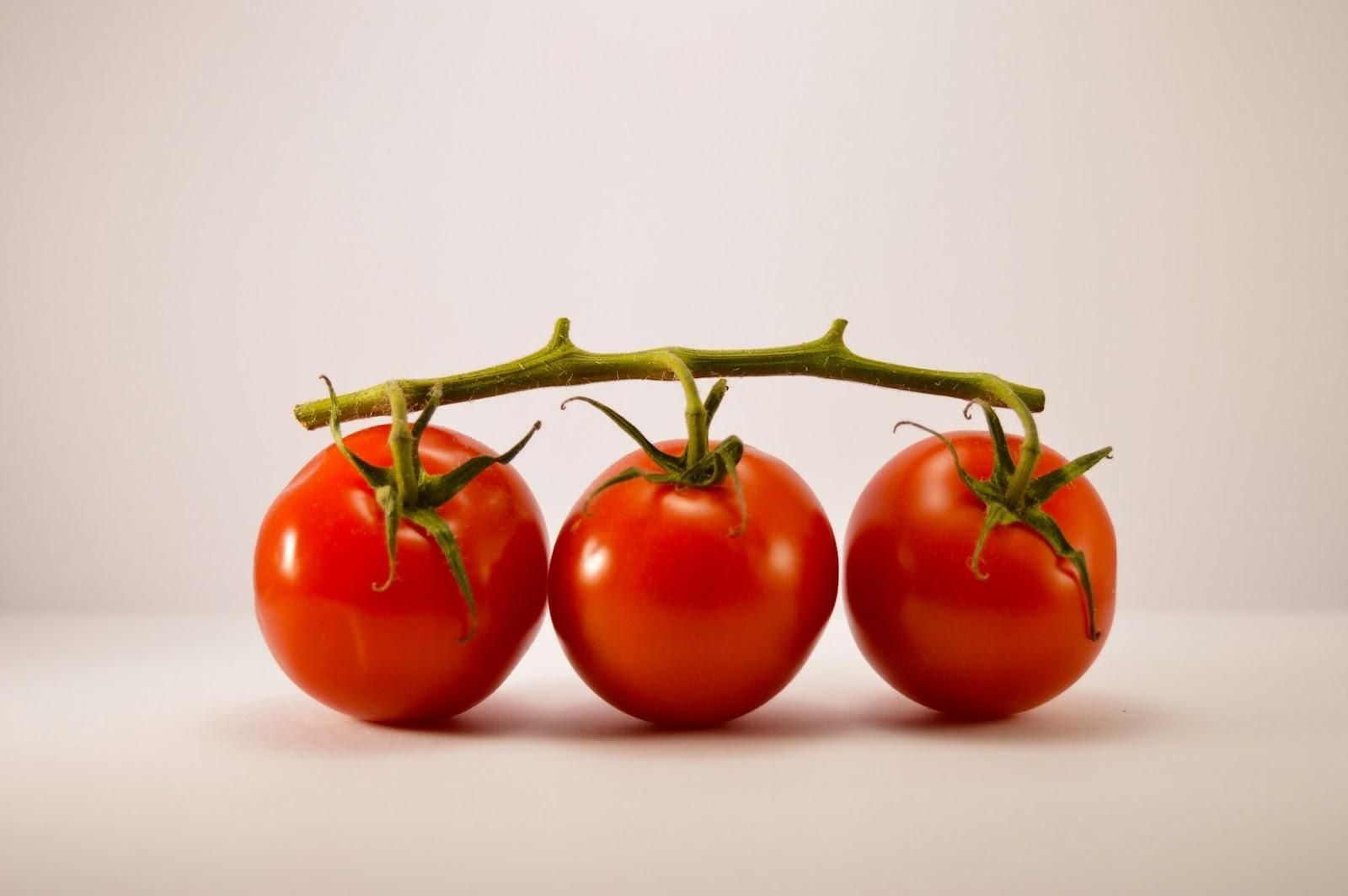
Tomato

Image: Alex Ghizila

Long before they became the stars of spaghetti sauce or the perfect partner for mozzarella, tomatoes were tiny things no larger than peas. In their wild state, they grew in South America as small, hard, sour fruits, usually yellow or green in color. Hardly resembling the juicy red fruits we pile onto burgers today. But farmers saw potential in those little berries. By saving and replanting the plumpest and tastiest ones, they gradually transformed the tomato into a whole family of varieties: from sweet little cherry tomatoes to the hefty beefsteaks that can fill an entire sandwich. Every slice we eat traces back to that humble, pea-sized ancestor.

5

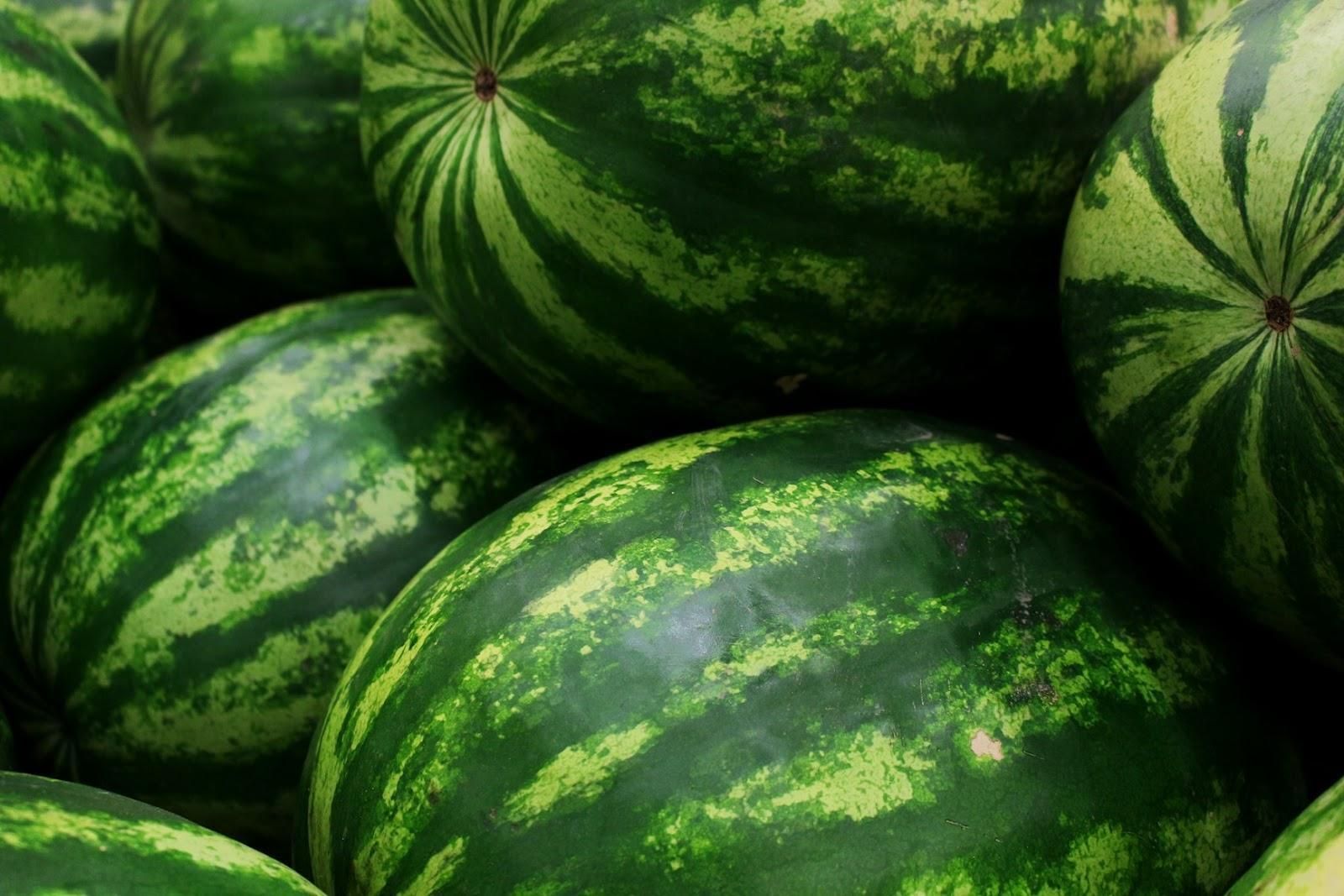
Watermelon

Image: Daniel Dan

The first watermelons weren’t sweet at all. In the deserts of ancient Egypt, they were valued as natural canteens—hard, pale-green shells holding bitter but lifesaving water. For centuries, that was enough. Then farmers noticed that some fruits had a hint of sweetness. By saving those seeds, harvest after harvest, they slowly achieved a juicier, brighter flesh. Bitterness faded, red pulp emerged, and the survival fruit became a symbol of summer pleasure, shared in chilled slices at family tables and picnics.

6

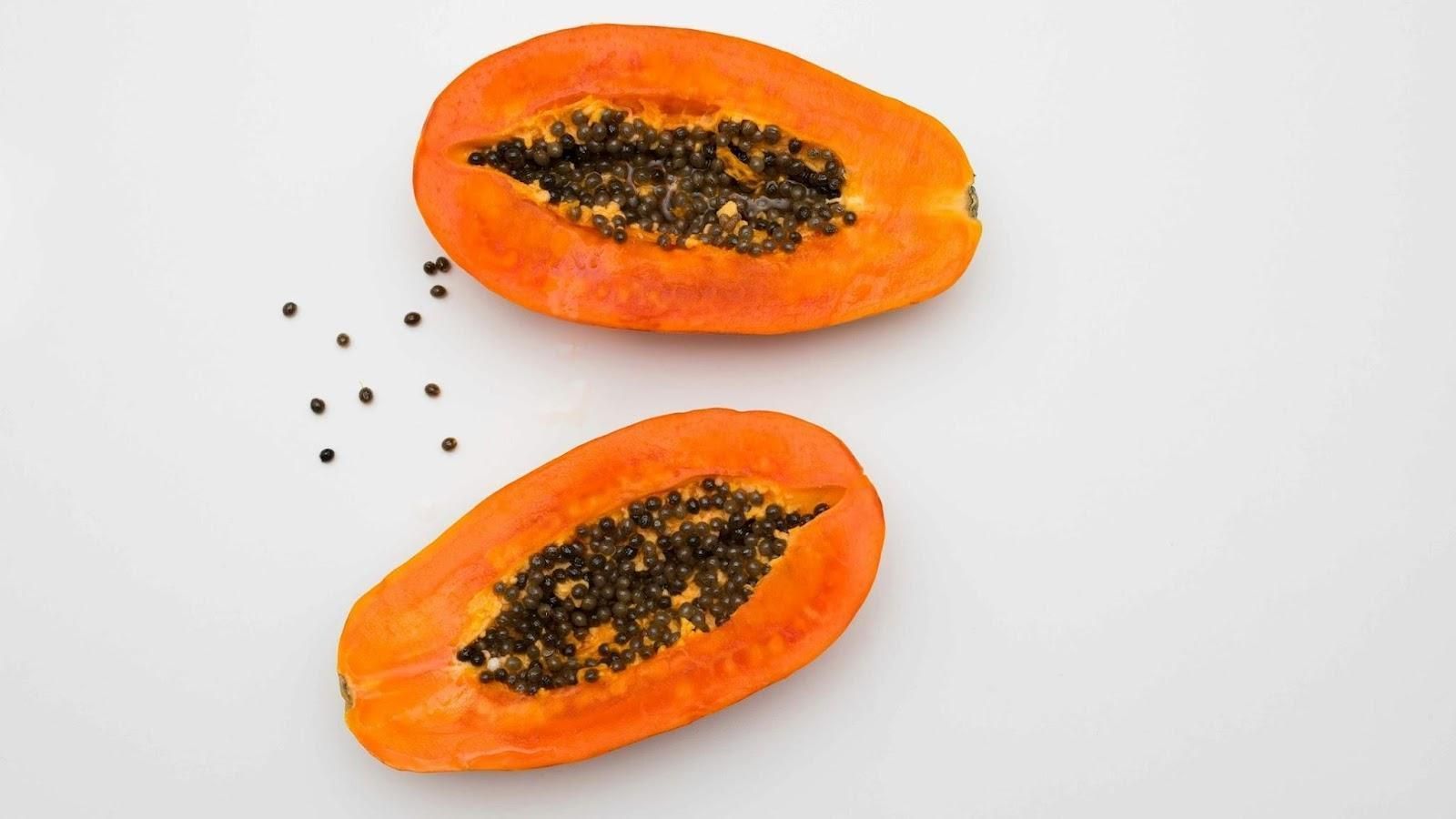
Papaya

Image: Happy Surani

Papayas are great: big, hearty, sweet. But you might not believe what they were like centuries ago. Their story begins humbly, with berries no bigger than plums growing wild in the tropics. Around 4,000 years ago, the Maya civilization recognized their promise. Season after season, they saved seeds from plants that offered sweeter flesh and sturdier growth. Gently but surely, the fruit started to stretch beyond its original possibilities. What was once small and unremarkable became the luscious, generous, and golden-orange fruit we all love today.

7

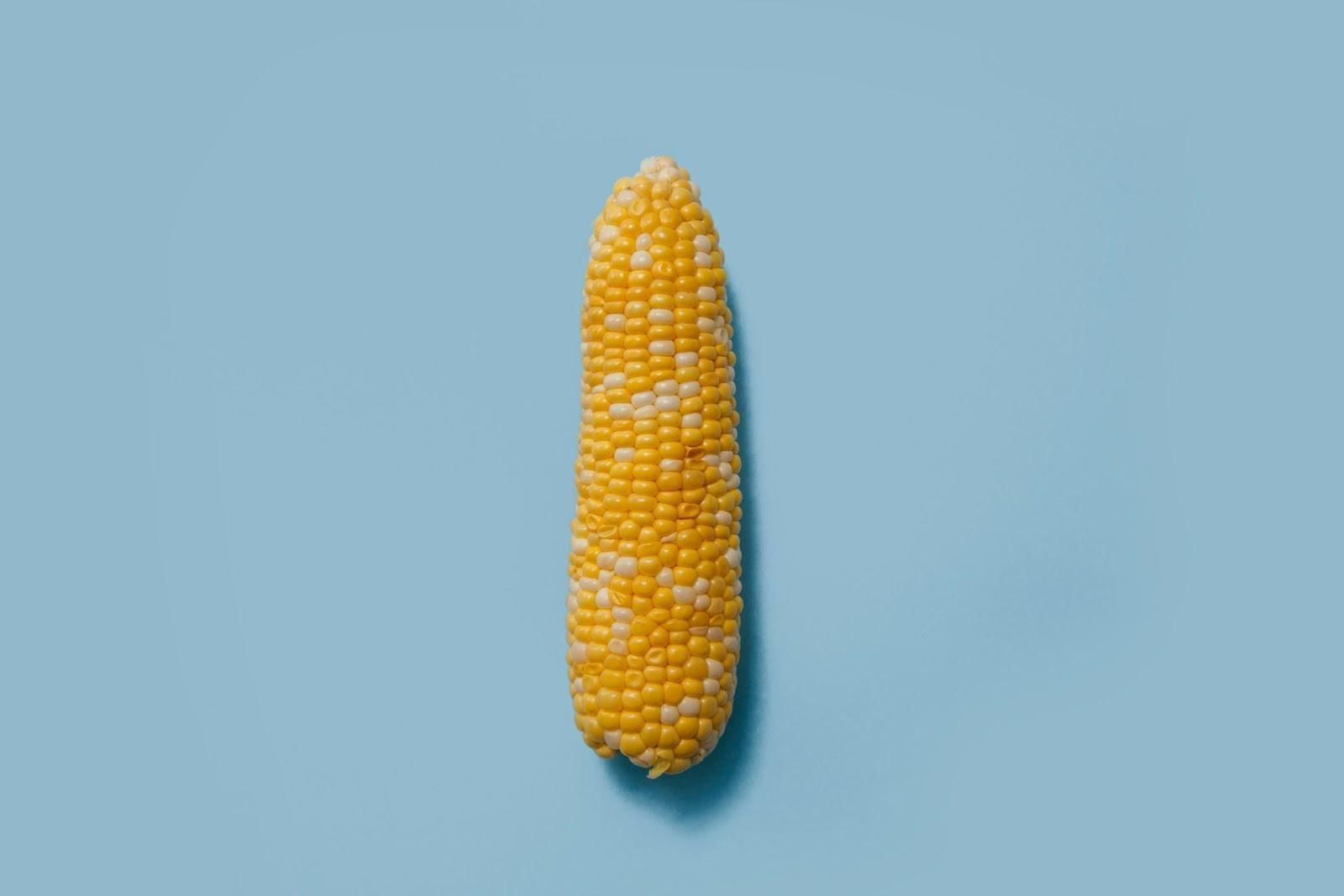
Corn

Image: charlesdeluvio

The story of corn begins not with golden fields but with teosinte, a scraggly grass with finger-sized ears and just a few rock-hard kernels. By no means a feast, more like survival food. Yet early farmers in Central America saw promise. They saved seeds from plants with plumper grains, season after season. Over time, the ears lengthened, kernels softened, and the wild grass transformed. What began as meager and tough became modern corn: sweet, versatile, and so abundant that it now sustains people, animals, and industries worldwide.

8

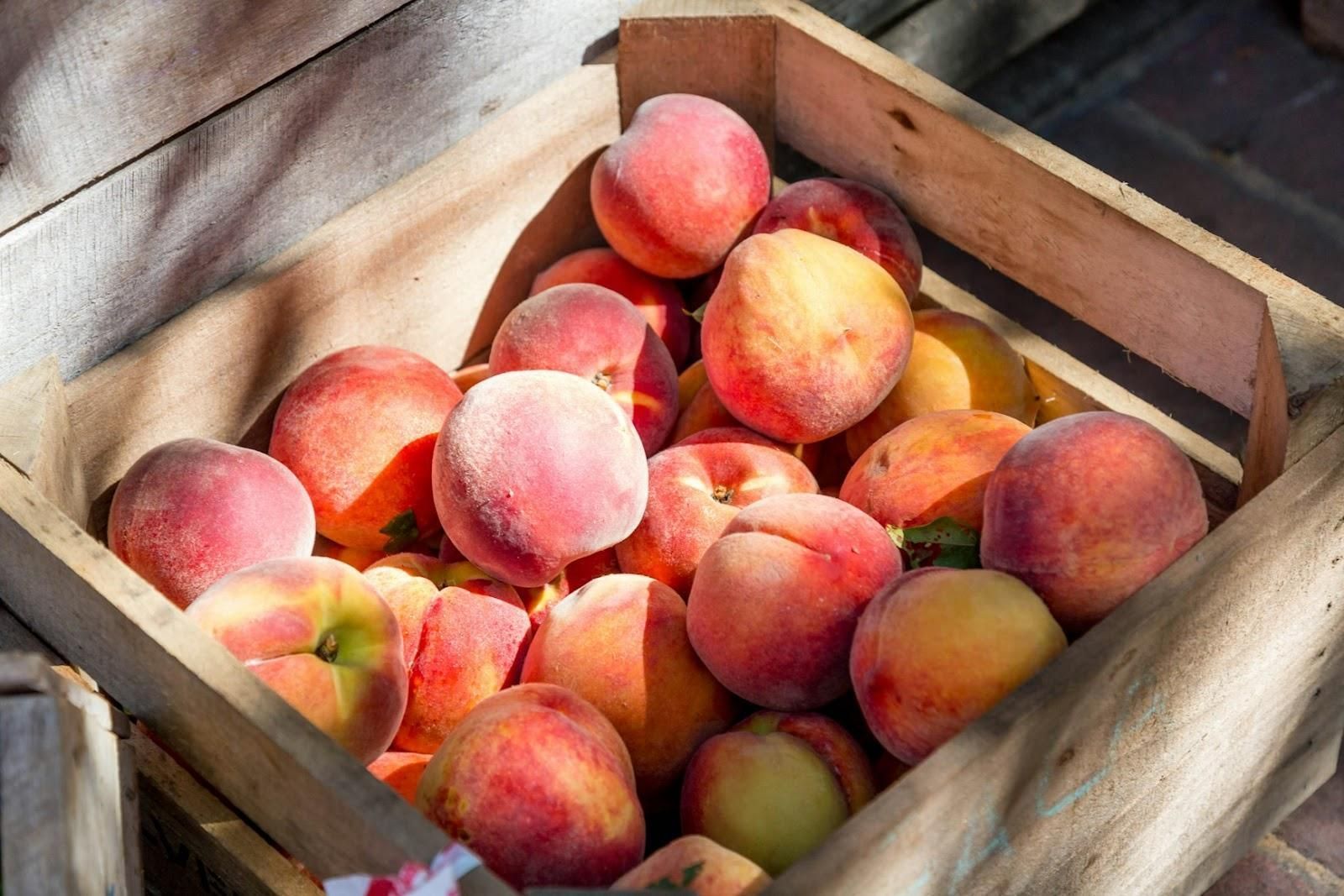
Peach

Image: LuAnn Hunt

Peaches weren’t always the lush, blushing fruits we sink our teeth into today. In their earliest form, they were tiny—no bigger than cherries—with thick pits and only a whisper of edible flesh. But in ancient China, patient farmers looked past their modest size. They saved the trees that bore slightly sweeter, fuller fruit, slowly bending nature toward abundance. What emerged over centuries was a transformation so complete that peaches became almost unrecognizable: velvety skins, golden flesh, and juice that drips down your chin.

9

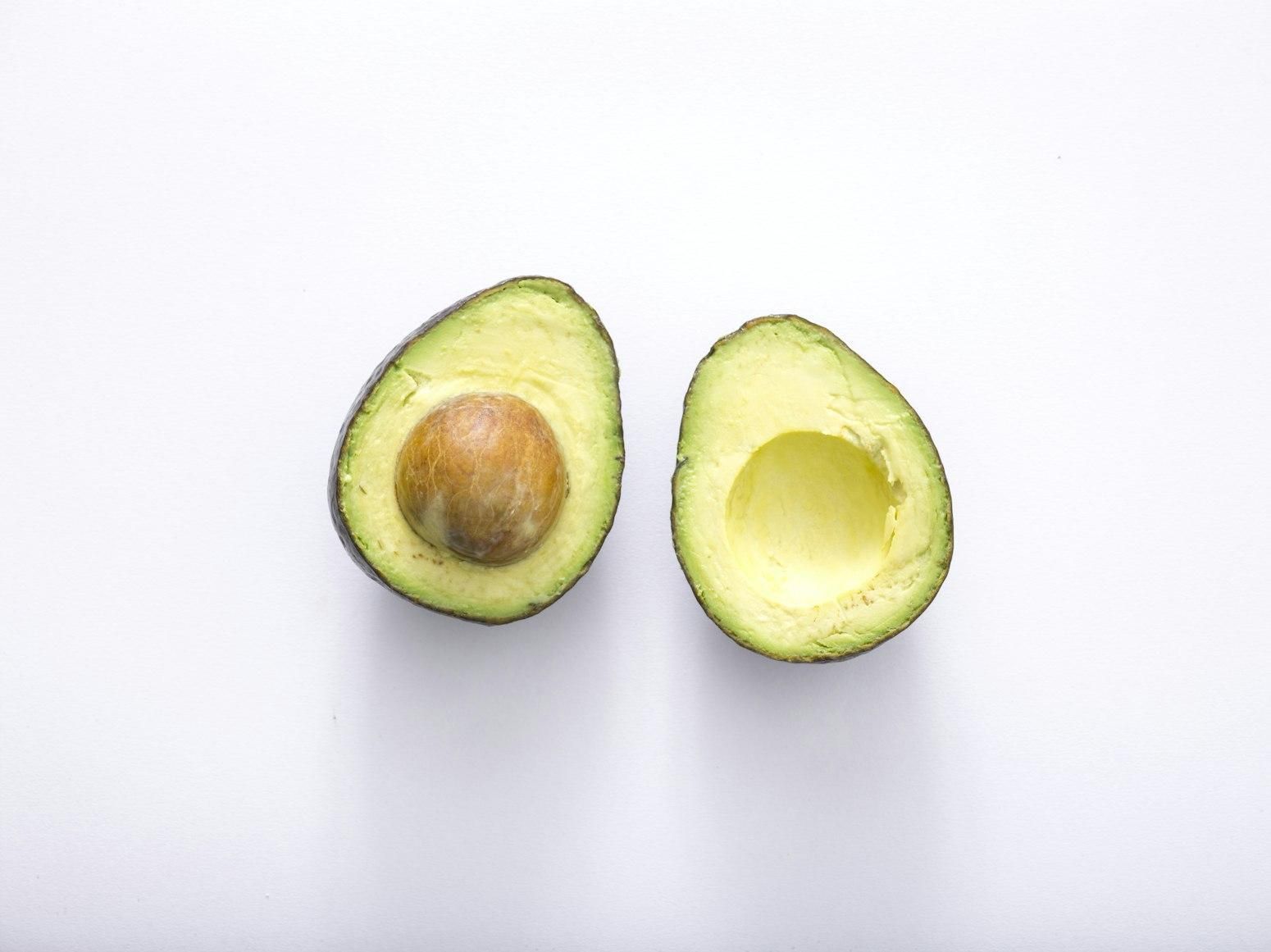
Avocado

Image: Thought Catalog

Avocados weren’t always bound to our kitchens and brunch plates. In fact, their very survival once depended on creatures that no longer walk the Earth. Millions of years ago, giant sloths and other prehistoric beasts gulped them down whole, massive seed and all, scattering future trees in their wake. When those colossal gardeners went extinct, the avocado seemed doomed. Yet humans noticed the fruit’s potential. By planting, tending, and selectively nurturing trees, they carried the species forward. Over time, those efforts smoothed out the avocado’s rough edges, turning a wild, fibrous oddity into the buttery green treasure we now mash, slice, and spread with delight.

10

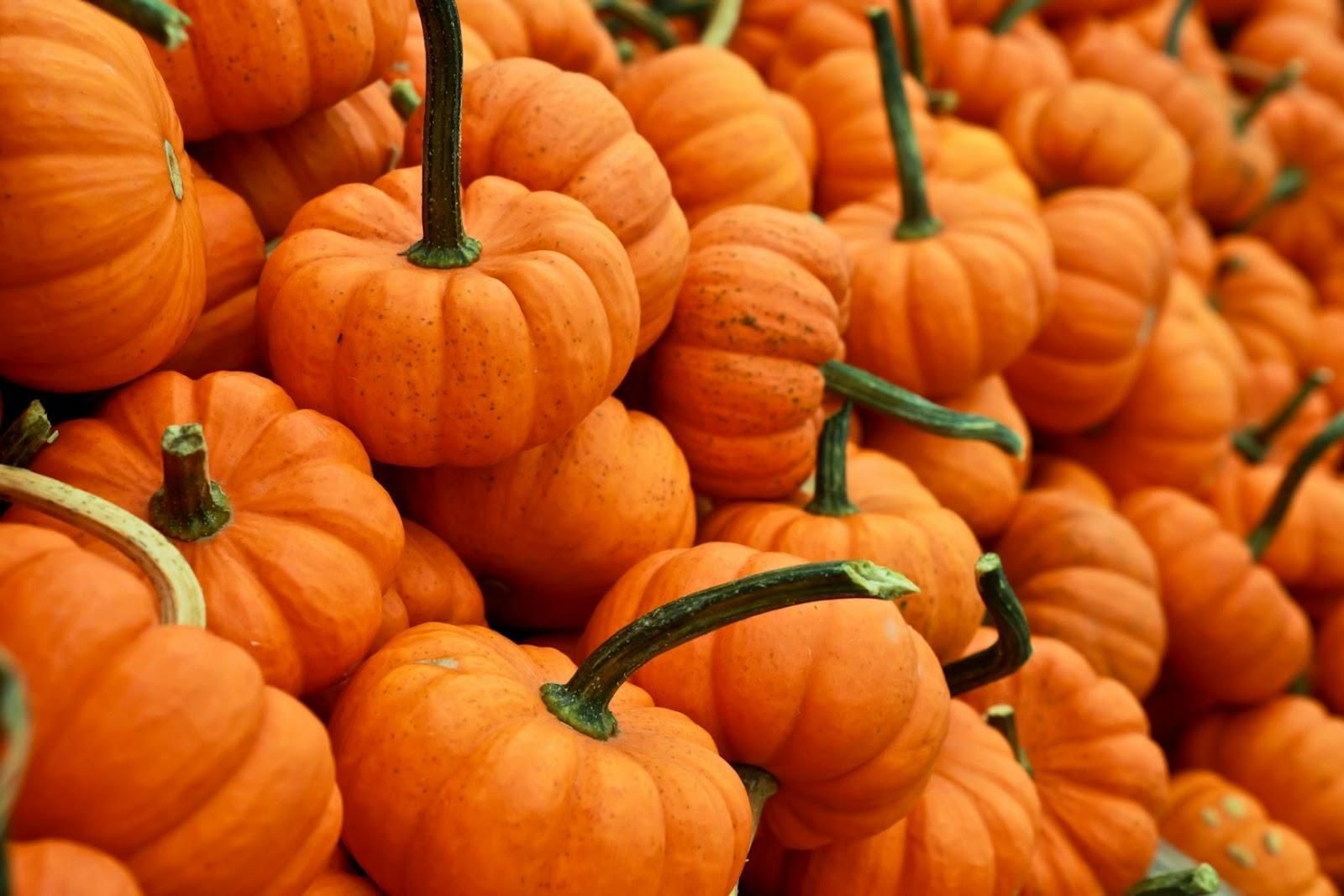
Pumpkin

Image: Gabby Orcutt

The first pumpkins were far from festive. Early farmers had to look beyond those small, bitter berries with thick skins to find something worth growing. Over generations of careful selection, they transformed green, largely inedible gourds into the versatile and tasty produce we enjoy today. And that’s not all! Pumpkins also became icons of harvest and tradition—carved, baked, and piled high as bright emblems of autumn.

Looking for an extra scoop of literary fun?

Learn more with our Word of the day

novice

/ˈnɑvəs/