Weird nature

10 animals that shouldn’t exist (but do anyway)


Published on January 7, 2026

Image: Rachael Mbaika

Nature doesn’t always play by the rules. Some animals seem like evolutionary jokes, while others look like science experiments gone rogue. Whether it's their appearance, behavior, or biology, these 10 creatures will have you questioning reality—but every single one is real. Let’s meet them together!

1

The Platypus

Image: Michael Jerrard

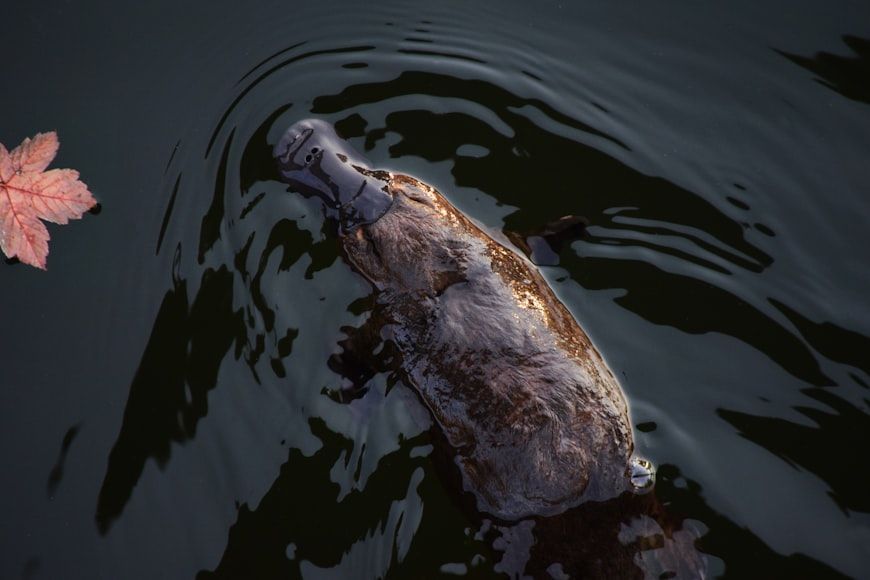
The platypus looks like someone smashed together a duck, beaver, and otter—and then added venom, for good measure. Native to Australia, it's one of only five monotremes, mammals that lay eggs.

Males have venomous spurs on their hind legs, capable of delivering excruciating pain. And when it hunts underwater, it closes its eyes, ears, and nostrils, relying entirely on electroreception to sense the tiny electric fields of its prey.

2

Axolotl

Image: Mattias Banguese

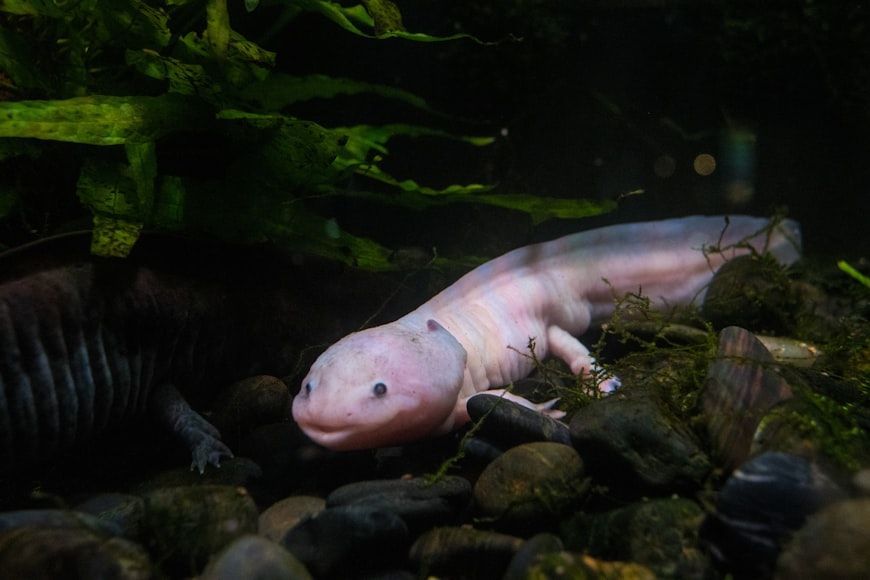
These weird-looking guys never grow up—literally. Unlike other types of salamanders, the axolotl retains its larval features throughout life, a trait known as neoteny.

They can regrow limbs, spinal cords, parts of their heart, and even sections of their brain. Found only in lakes near Mexico City, it's critically endangered in the wild but common in labs due to its regenerative abilities.

3

Mantis Shrimp

Image: Claus Giering

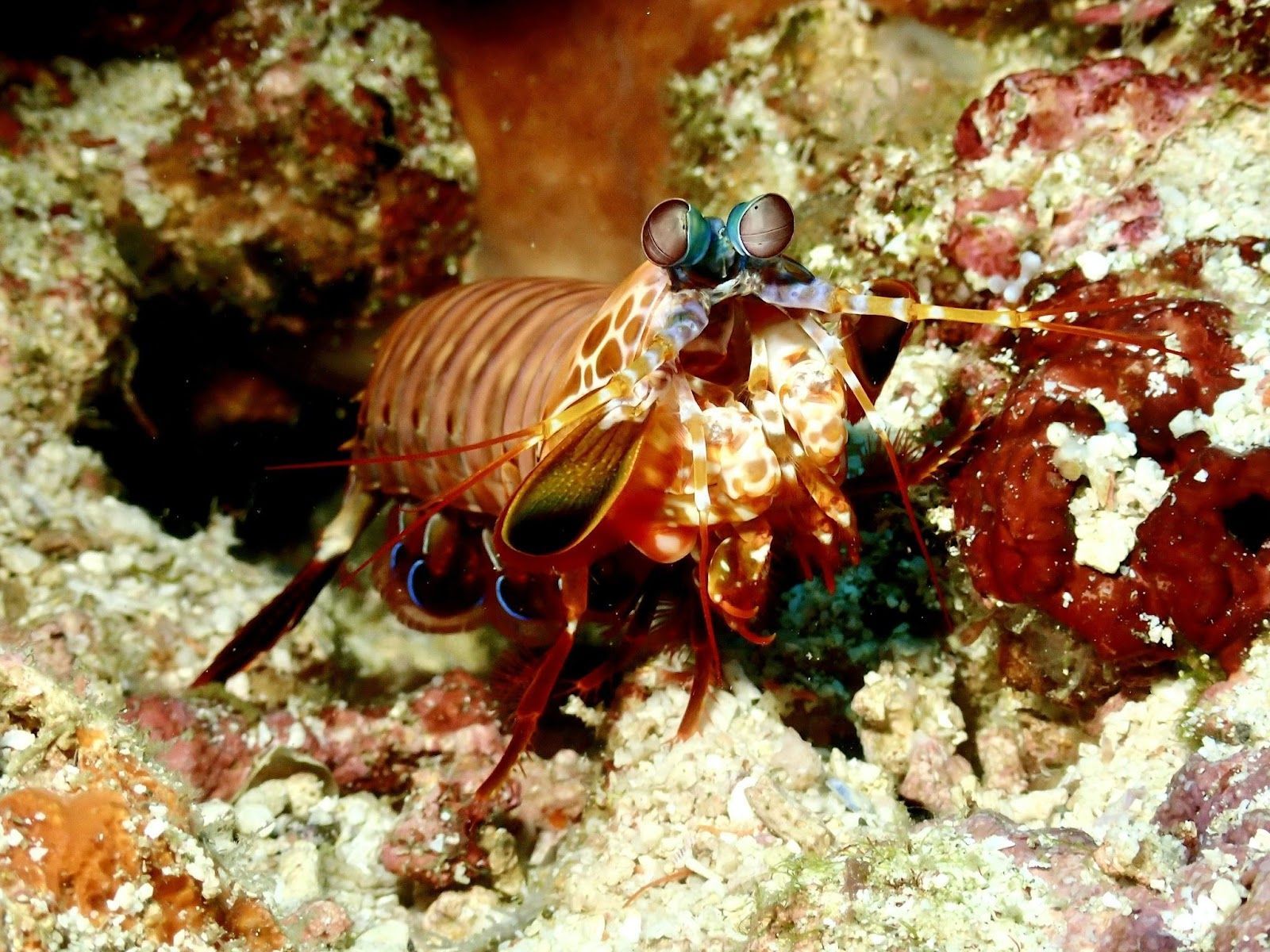
These tiny crustaceans pack a punch so fast it boils the water around them, creating shockwaves and cavitation bubbles. Their strikes can hit speeds of about 50 mph, with accelerations rivaling a speeding bullet.

They also have some of the most complex eyes in the animal kingdom, capable of seeing polarized light and 12 color channels (for comparison, humans only have 3).

4

Saiga Antelope

Image: Dasha Urvachova

Native to the Eurasian steppes, the saiga’s oversized, drooping nose looks cartoonish but serves real functions: it filters dust and regulates temperature.

Once widespread, the species is now critically endangered due to poaching and disease outbreaks that can wipe out huge populations in weeks.

5

Naked Mole Rat

Image: Lara Lone

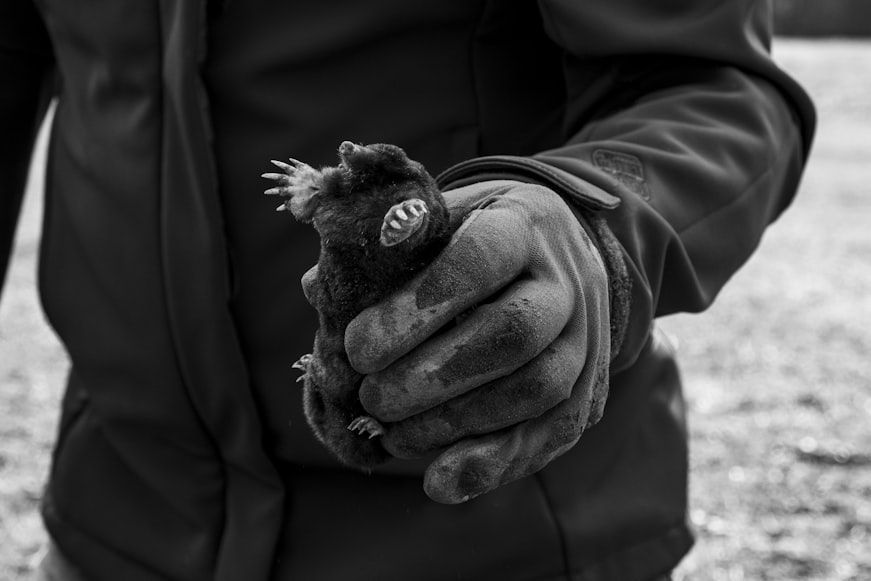
These hairless rodents—close cousins of more familiar, fur-covered mole species (pictured)—live in underground colonies with a social structure similar to bees. They're nearly immune to cancer, insensitive to pain, and can survive 18 minutes without oxygen.

Their cells have unique mechanisms for DNA repair and protein stability, making them a valuable subject in medical research, especially for aging and disease resistance.

6

Aye-Aye

Image: Clement Meers

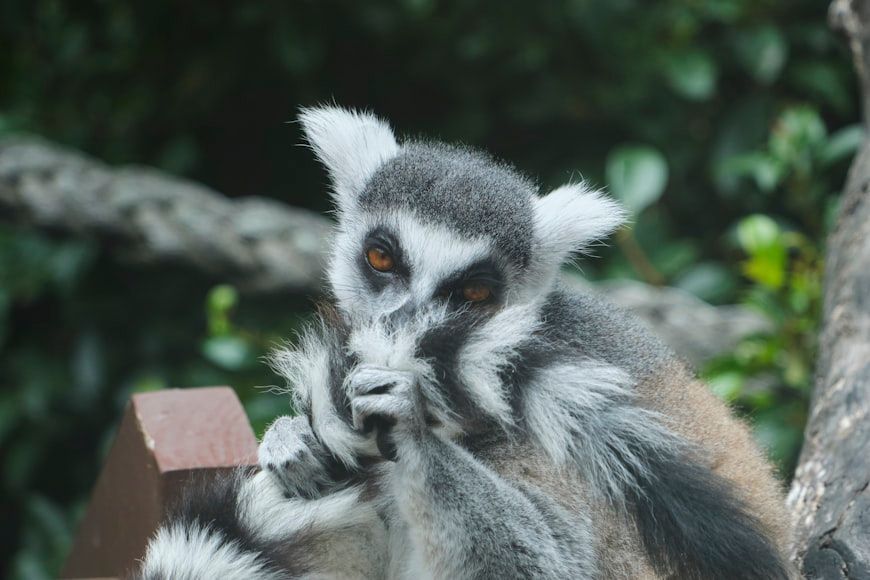
This lemur species from Madagascar uses its grotesquely long middle finger to tap on wood and fish out insects—like a skeletal woodpecker.

Locals have traditionally feared them as omens of death. Sadly, this superstition contributes to its declining population, alongside habitat loss.

7

Immortal Jellyfish

Image: Albert Canite

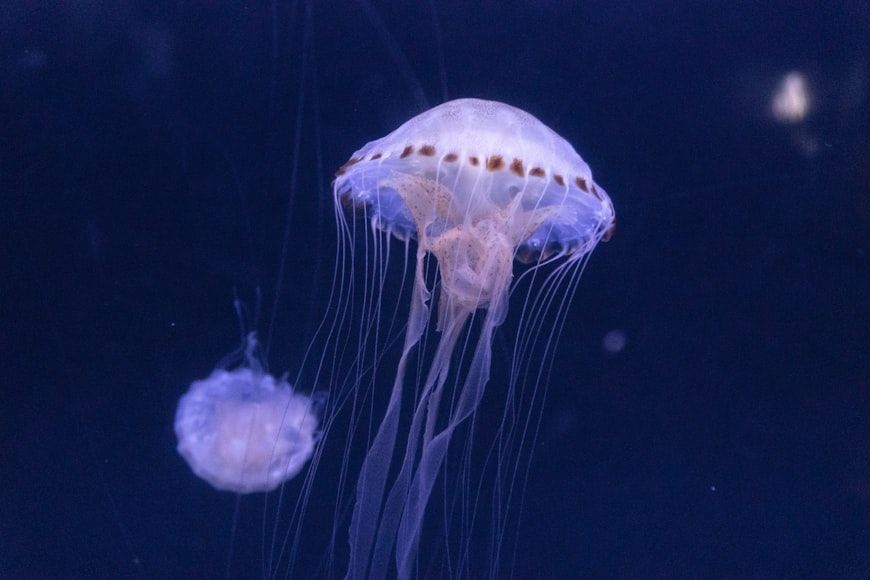
This jellyfish can revert its cells to an earlier stage of life, effectively resetting its aging process. It doesn’t die of old age—it just starts over.

It's not truly immortal—injuries and predation can still kill it—but its ability to cheat aging is unique in the animal kingdom.

8

Pink Fairy Armadillo

Image: Joe Lemm

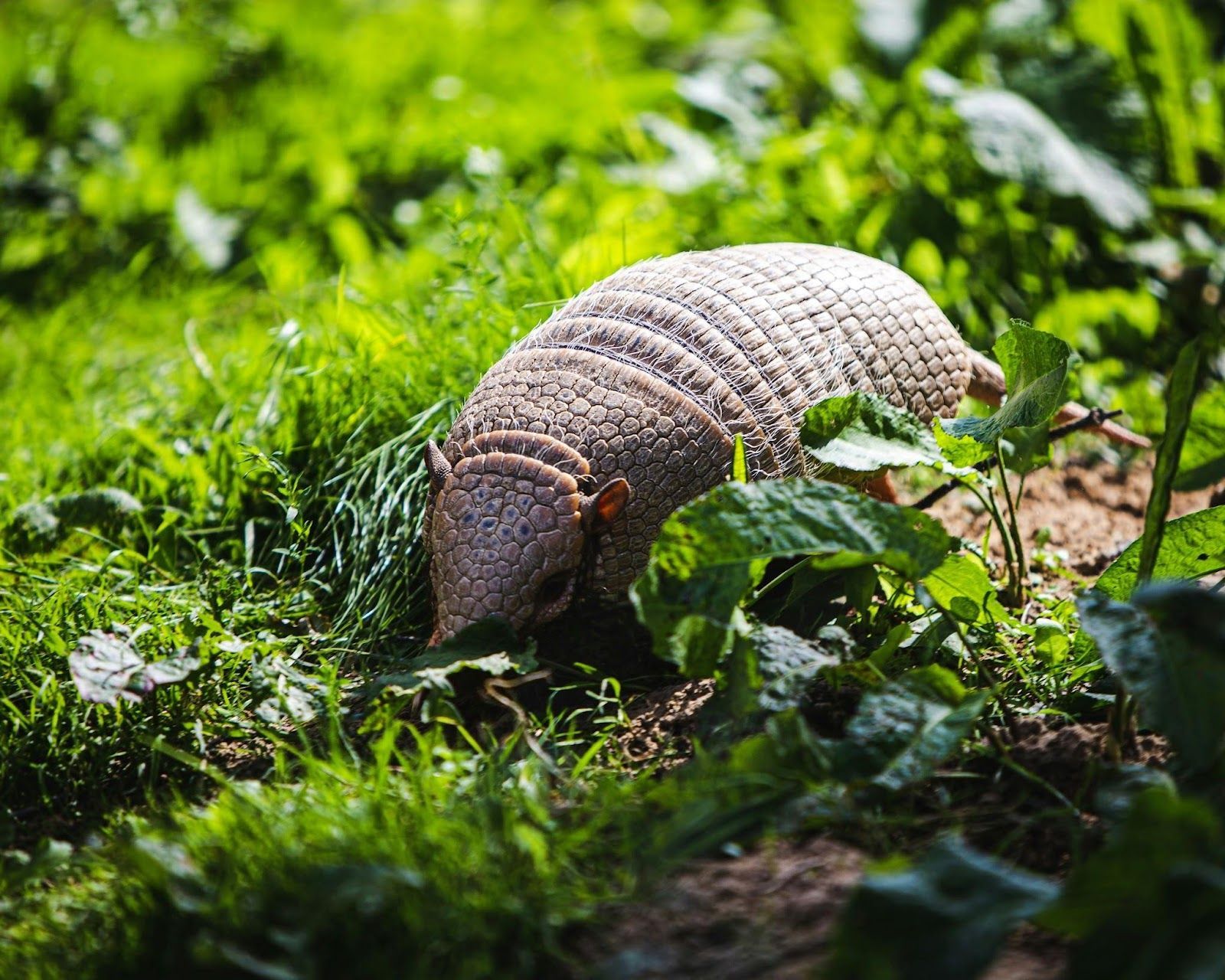
This six-inch-long, velvety creature looks like it was designed by a plush toy company. Found mainly in Argentina, it burrows underground and is rarely spotted in the wild.

Its pink armor acts as both protection and a way to regulate body temperature. Despite its cuteness, very little is known due to its elusive, nocturnal behavior.

9

Goblin Shark

Image: Wai Siew

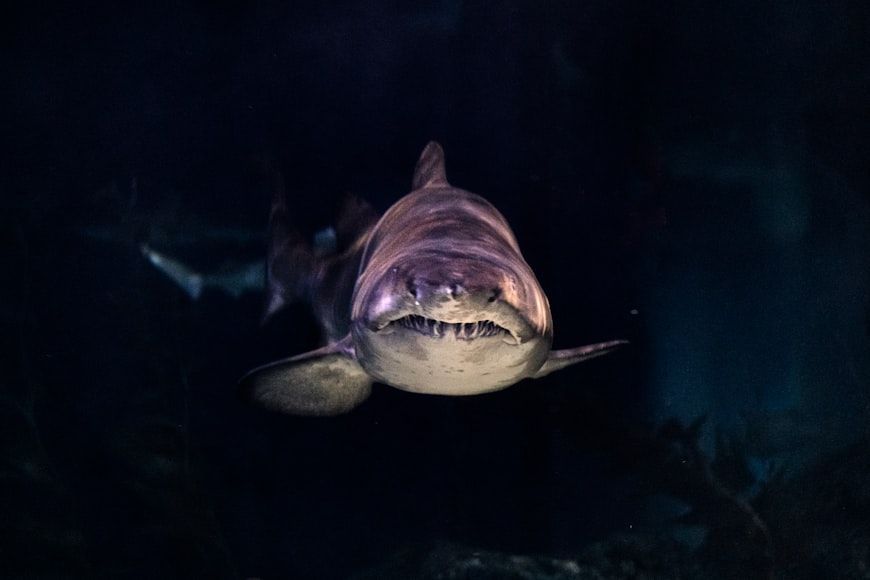
This deep-sea shark can shoot its jaw forward at about 10 feet per second, snatching prey with lightning speed. Its long, flat snout houses special sensors to detect electric fields.

With translucent skin and a prehistoric look, it’s sometimes called a "living fossil." It’s rarely seen alive due to its deep-sea habitat.

10

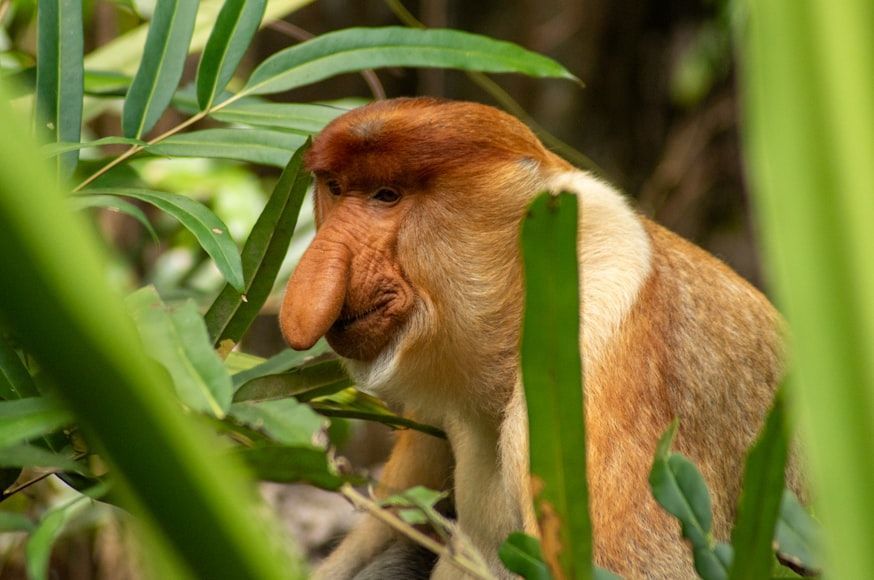
Proboscis Monkey

Image: Tim Morgan

With its comically large nose, the male proboscis monkey looks absurd—but females apparently find it attractive. The nose also amplifies vocalizations to assert dominance.

Native to Borneo, it’s a strong swimmer with webbed feet but is threatened by habitat loss and hunting.


What science says

It was false after all: 10 health myths that sound true—but aren't


Published on January 7, 2026


Image: Alicja Gancarz

Health myths are everywhere! These ideas were simply passed down for so long that they became part of what we believed. But now science has stepped in to clear things up. Does cold weather make you sick? Can lemon detox your body? Is reading in low light really harmful? Let's uncover the truth behind 10 common health myths!

1

Cutting your hair makes it grow faster

Image: Element5 Digital

Have you ever been told that cutting your hair will make it grow faster? We're sorry to say that's just a myth. Hair grows from the root, not the ends. So, trimming it won't boost growth, though it does help remove split ends that can make your hair look dry or unhealthy.

2

Cold weather causes colds

Image: Thom Holmes

This is one of the most common health myths. Cold weather often gets blamed, but it's not the temperature that makes you catch a cold. During winter, we tend to stay indoors with others and keep the windows closed, an environment that makes it easier for viruses to spread. That's why colds tend to be more common in winter!

3

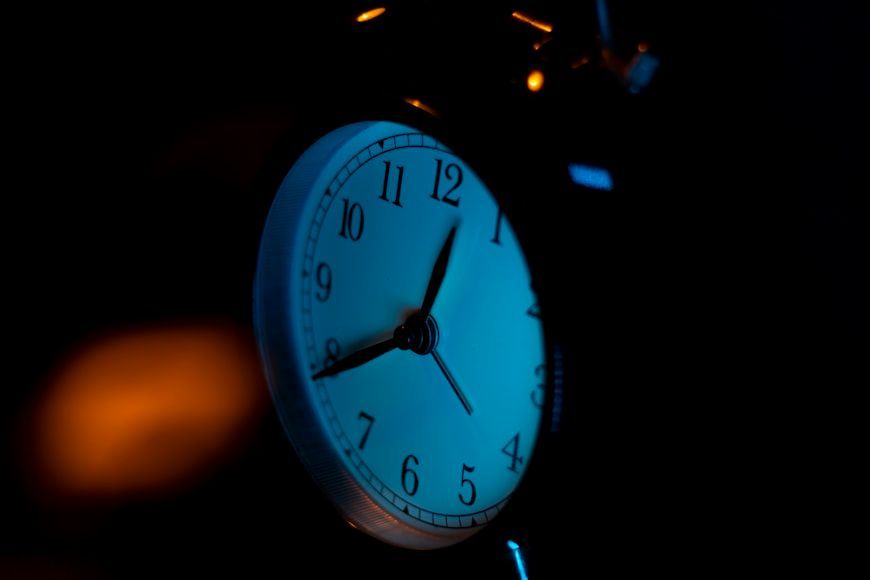
Eating before bed makes you gain weight

Image: Michelen Studios

The idea that eating before bed automatically leads to weight gain is a myth. In reality, it has more to do with what you eat and how much, rather than the time of day. Often, when we eat very late at night, we're tired and more likely to reach for quick, high-calorie, heavy foods. This can disrupt sleep and lead to consuming more calories than we burn, both of which may affect weight. If it's close to bedtime, it's better to have something light and healthy in a moderate portion than to skip a meal altogether.

4

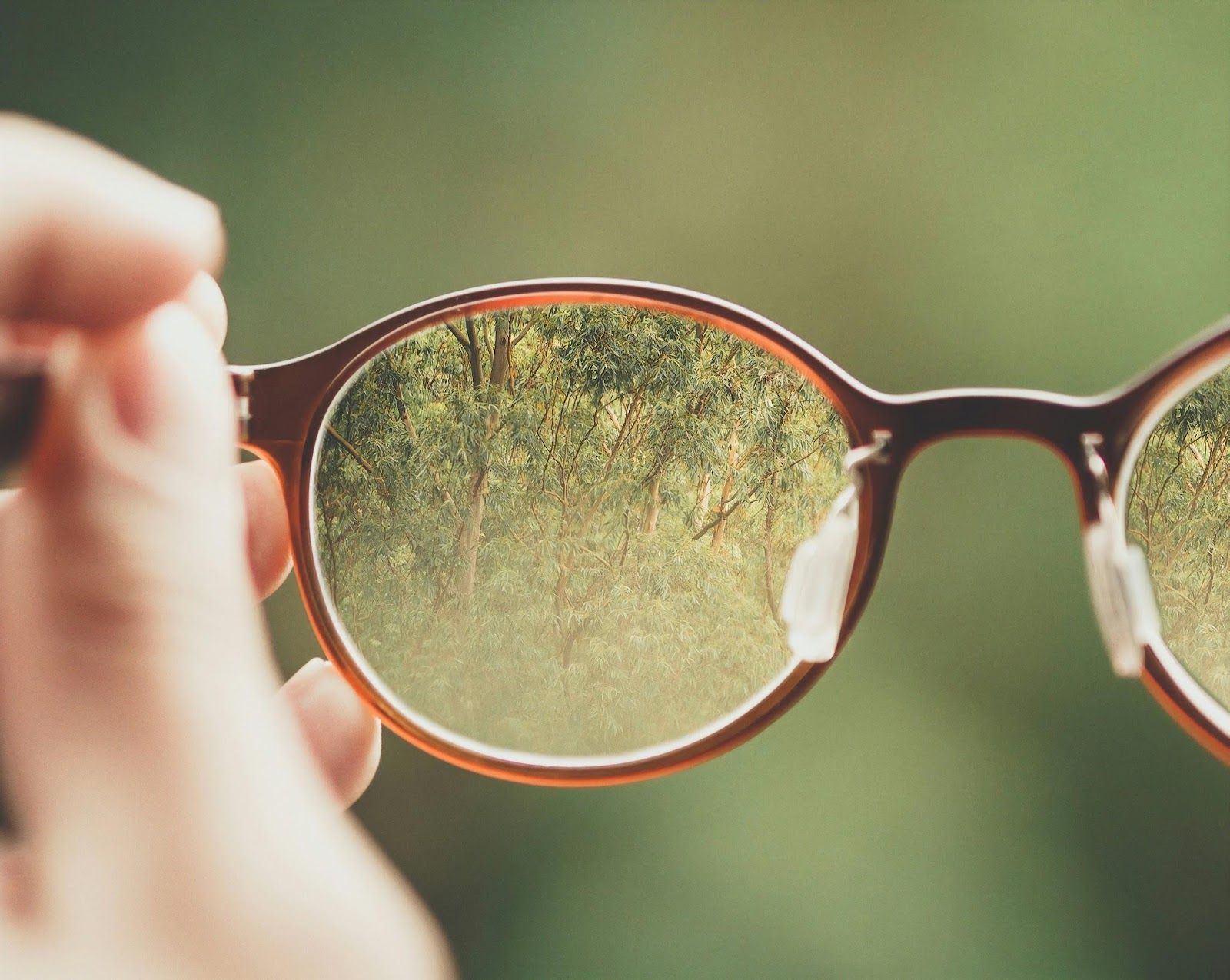
Wearing glasses weakens your vision

Image: Bud Helisson

Does wearing glasses weaken your vision? Myth! If an eye doctor prescribes glasses, wearing them as directed helps correct your vision; it won't make it worse. Additionally, the right glasses can help prevent or reduce headaches caused by reading or spending long hours in front of a screen.

5

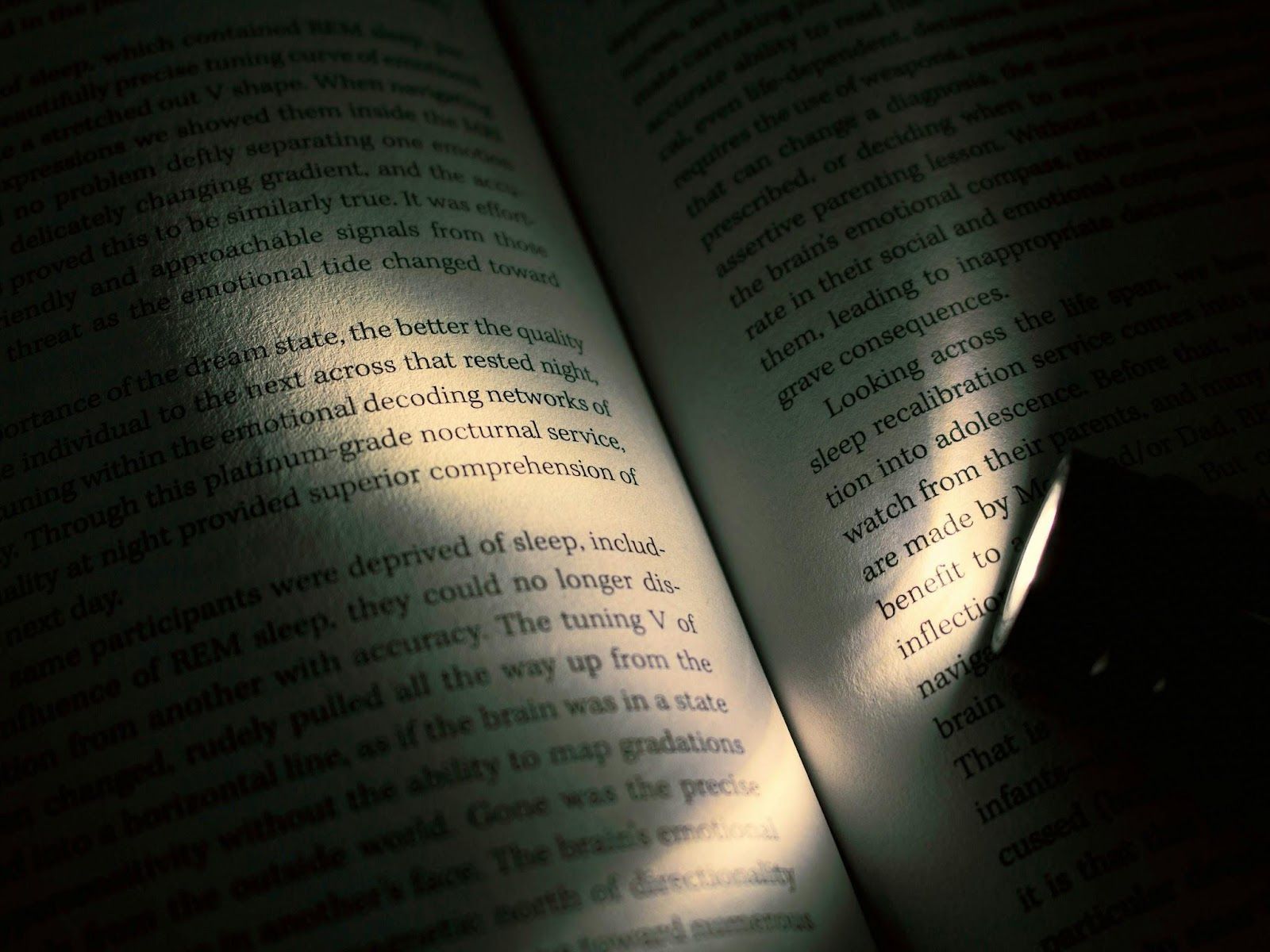
Reading in low light causes permanent eye damage

Image: Amir Balam

This myth is closely related to the previous one. If you love reading and sometimes have to do it in low light because of the situation, don't worry. According to experts, reading in low light doesn't cause permanent or irreversible eye damage. However, it's not recommended because it can make your eyes feel tired or strained, leading to discomfort or headaches.

6

You need to drink 8 glasses of water a day

Image: engin akyurt

We're all different, and so are our bodies. The idea that everyone should drink exactly eight glasses of water a day is more of a general guideline than a rule. Staying well hydrated throughout the day is extremely important, but how much water you need depends on factors like your weight, age, climate, and overall health. We should prioritize staying consistently hydrated instead of obsessing over the number of glasses we drink.

7

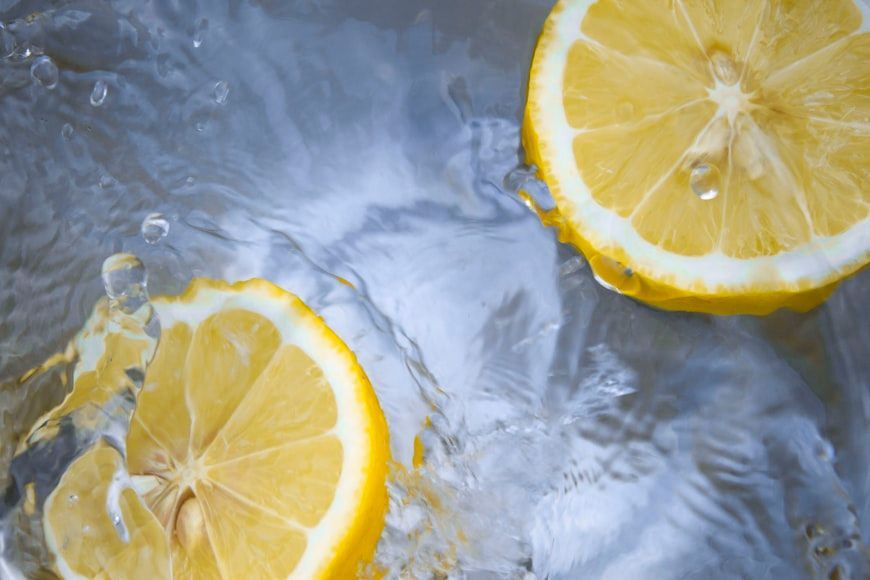
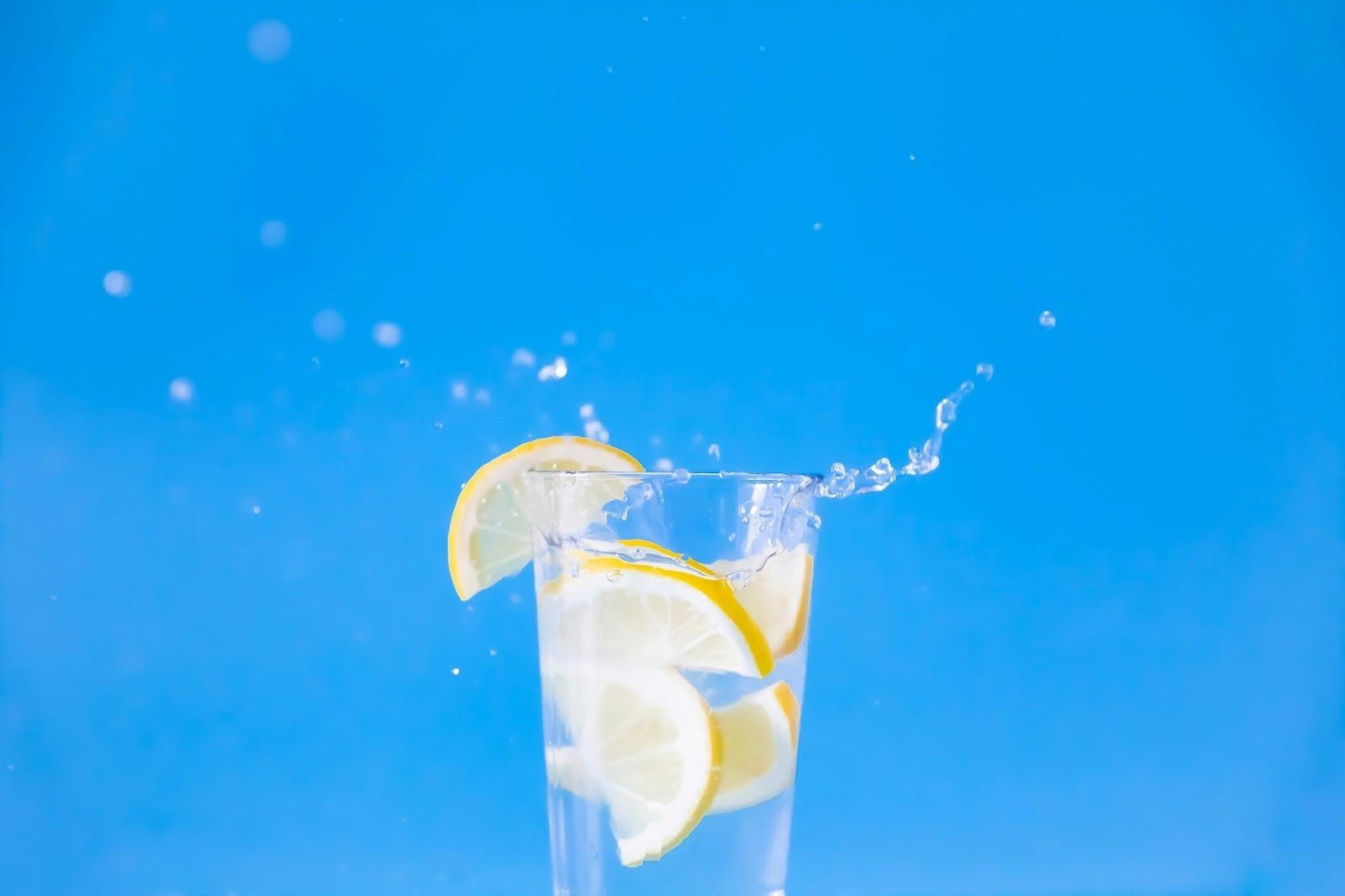
Lemon water detox and cleanse your body

Image: Tirza van Dijk

Some people say drinking lemon water helps eliminate toxins and cleanse the body. While adding a slice of lemon to your water is a refreshing way to stay hydrated, it doesn't have any special "detoxifying" powers. The vitamin C in citrus fruits is beneficial, but the body has its own natural detox system. The liver and kidneys are the main organs that filter waste and eliminate toxins.

8

All fat is bad

Image: Aneta Voborilova

Not all fats are bad! Just like other food groups, your body needs fats to function properly. The important thing is knowing the difference between healthy fats and those that can be harmful. Foods like avocados, seeds, olive oil, fish, and nuts are rich in healthy fats. On the other hand, the fats found in processed or fried foods are the ones that can have a negative impact on your body.

9

Liver disease is always caused by alcohol or fats

Image: Elevate

Liver diseases can be serious. While heavy and frequent consumption of alcohol and fats is a major contributor, it's not the only cause. Liver problems can also result from many other factors. These include viral infections, autoimmune diseases, genetic disorders, high blood pressure, and exposure to certain chemicals.

10

Breakfast is the most important meal

Image: Brooke Lark

There's some truth to it: breakfast is important because it replenishes our glucose and energy levels and supports proper metabolism. However, the idea that it's the most important meal of the day might be an exaggeration. Everyone's body has different needs, and all meals are important, so we shouldn't skip any of them!

Looking for an extra scoop of literary fun?

Learn more with our Word of the day

advantage

/ədˈvæn(t)ɪdʒ/