You say these phrases all the time, but do you know their grim origins?


Published on July 3, 2025


We toss around old sayings all the time—some without thinking twice. But have you ever wondered where these phrases actually came from? You might be surprised (and a little unsettled) to find out that many of them have pretty grim backstories. Even if we’re keeping things light and curious, you’ll never look at everyday expressions the same way again!

1

Mad as a hatter

Image: Jonathan Larson

The Mad Hatter may have been lovable and quirky in Alice in Wonderland, but the origin of the phrase isn’t nearly as charming. In the 18th and 19th centuries, hat-makers, especially in England, used mercury in the felt-making process. Long-term exposure to the toxic substance led to tremors, confusion, hallucinations, and even full-blown insanity. So, when someone was "mad as a hatter," it wasn’t a joke, it was actually a tragic side effect of their trade.

2

Meet a deadline

Image: Markus Winkler

These days, "deadline" means you’re rushing to finish your taxes or meet your grandson’s birthday RSVP. But during the Civil War, it was a deadly serious term. Prison camps had an actual line drawn in the dirt—step past it, and guards had permission to shoot without warning.

3

Running amok

Image: Greg Rosenke

If your grandkids ever run through your living room like a tornado, you’ve probably said they were "running amok." Originally, this referred to sudden, violent rampages by certain warriors in Southeast Asia. European colonizers didn’t understand it and blamed the devil, but it was likely tied to deep psychological distress. Over time, the phrase softened, but its origins are quite dark, don’t you think?

4

Pulling my leg

Image: wilsan u

It might sound like gentle teasing today, but "pulling someone’s leg" used to mean something far more sinister. In the crowded, foggy streets of old London, thieves would trip unsuspecting victims by yanking their legs from behind—either to rob them or help an accomplice mug them more easily. So next time someone says they’re "just pulling your leg," be glad it’s only a joke.

5

Taken aback

Image: Alin Meceanu

You’ve probably said you were "taken aback" when someone shocked you with unexpected news, right? Did you know this phrase has nautical roots? On a sailing ship, if the wind hit the sails from the front, it could stop the boat dead in the water, or even pull it backwards. That "aback" feeling was equally surprising as it was alarming!

6

Crocodile tears

Image: Tom Pumford

We call fake emotions "crocodile tears," but the story behind it is a bit strange. People once believed crocodiles cried while eating their victims, like they were able to show some kind of twisted remorse. Of course, science has since debunked this theory, but the legend stuck around. So when someone puts on a sad face to get out of chores, just remember: even reptiles have better excuses.

7

Bite the bullet

Image: Aarón Blanco Tejedor

Before painkillers and numbing gels, wounded soldiers had one brutal option during surgery. Can you guess what it was? That’s right, bite the bullet. Literally. On the battlefield, doctors had to work fast and without anesthesia. A bullet between the teeth gave patients something to focus on while wounds were stitched (or worse!)

8

Be-all, end-all

Image: Alvaro Reyes

We know that Shakespeare loved creating new words and phrases, and "the be-all and end-all" is one of his most dramatic. It first appeared in Macbeth when the title character thinks of ending the king’s life as a final, all-important solution. These days, we use it for less murderous things—like the ultimate plane has for some things.

9

God bless you

Image: Ben White

Saying "God bless you" after a sneeze might seem polite, but it stems from a much darker place. In the time of the bubonic plague, a sneeze could be an early symptom, and people feared it meant death was close. Saying "God bless you" was like a quick prayer that you’d survive. Other theories suggest it was meant to keep your soul from escaping. Whatever the origin, it was more panic than politeness.

10

To wreak havoc

Image: Brett Jordan

We say someone’s "wreaking havoc" when they’re causing trouble. But centuries ago, it was an actual military command. Once a battle was won, officers might yell "Havoc!" and soldiers were free to do and destroy whatever they wanted. As you can imagine, the chaos was so brutal that King Richard II officially banned the cry in the 14th century.
Which one stole your heart?

No, Golden Retrievers weren't bred to fetch gold: Dog breed names 101


Published on July 3, 2025


Image: Glenn

Do you love dogs? From royal companions to fearless hunters and from German badger dogs to barkless African hounds, the names of our favorite breeds often hold surprising stories. Whether you’re a fan of the stoic Mastiff, the sassy Poodle, or the majestic Husky, there’s a tale behind each name that might surprise you. Let’s dig in!

1

Husky

Image: photo nic

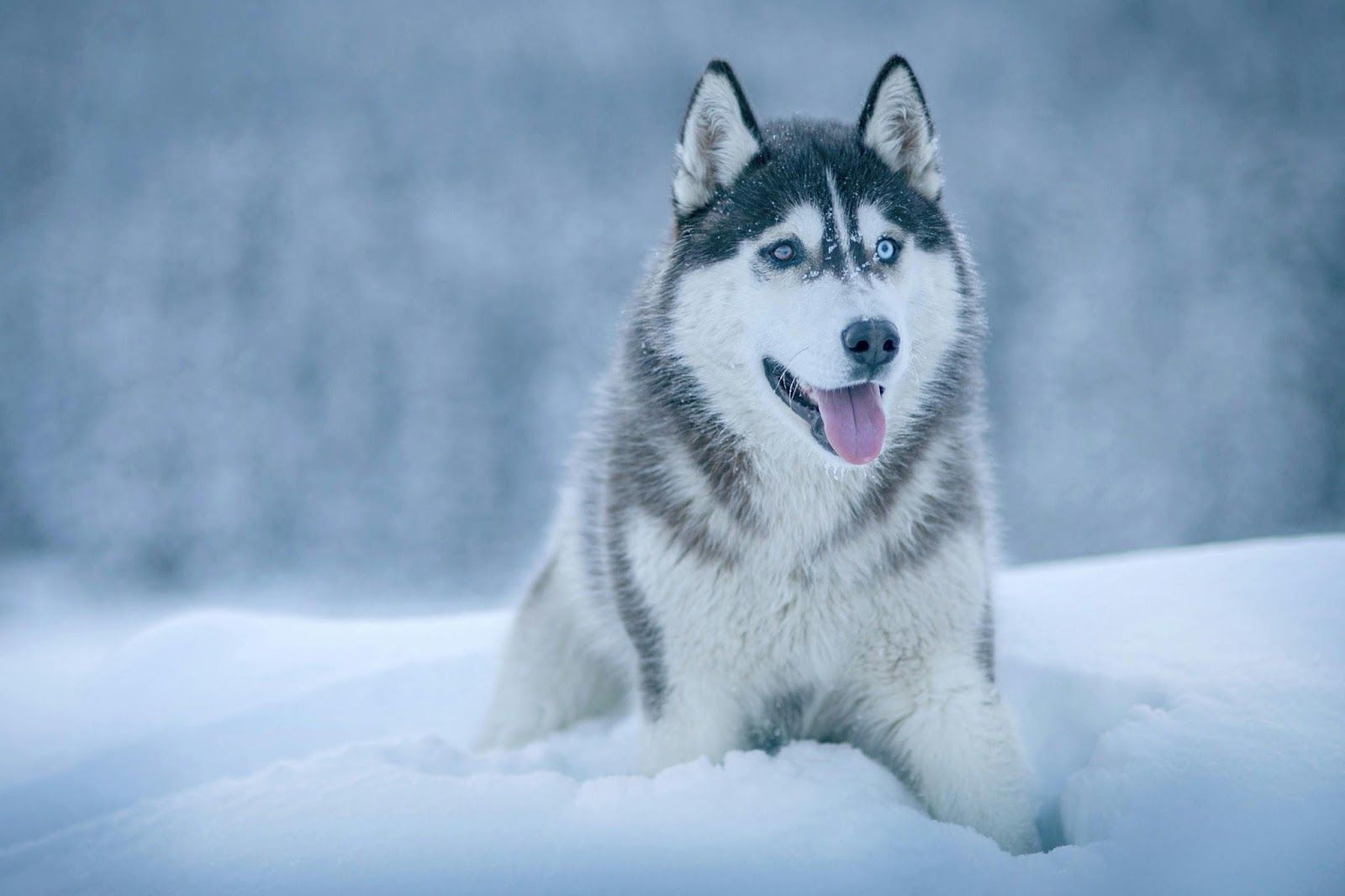
The beautiful, blue-eyed Husky is inseparable from dog-sledding lore. The breed’s name evolved from the word "Eskimo."

English sailors once slurred "Eskimo" into "Uskee" or "Huskemaw," which eventually transformed into "Husky."

2

Dachshund

Image: Alondra Pavón

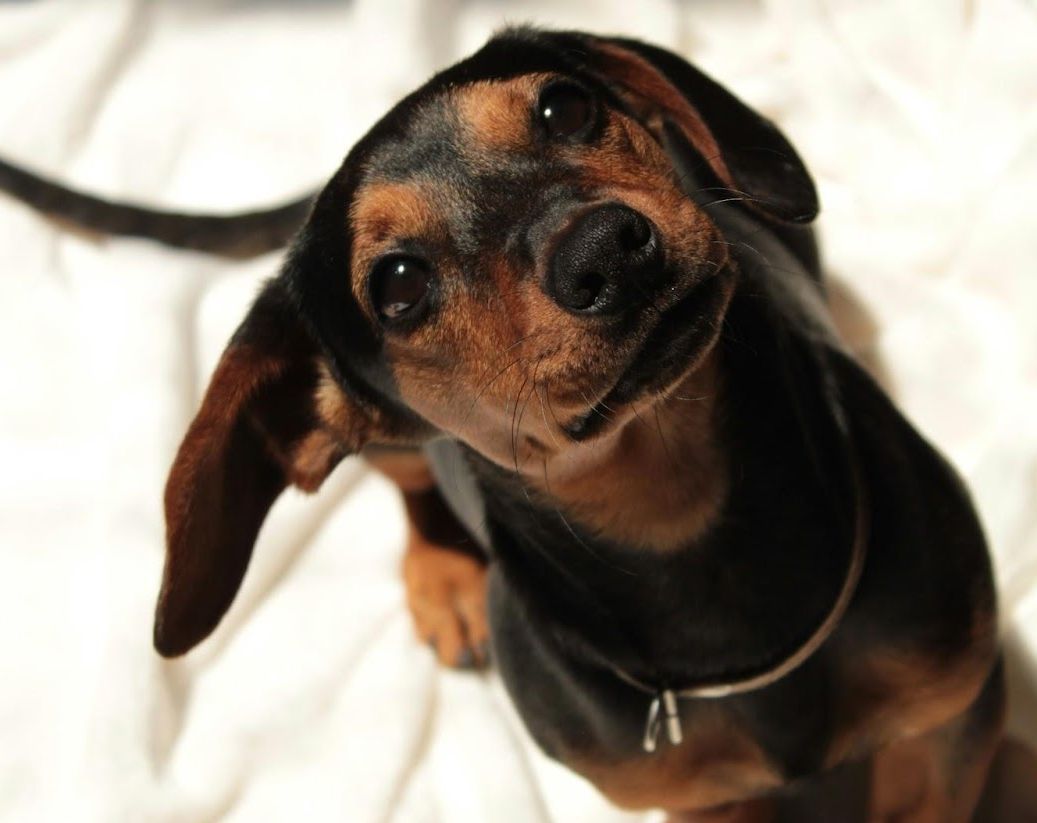
What’s not to love about wiener dogs? Their original name, however, refers not to their iconic sausage shape but to the purpose for which the breed was developed.

Dachshunds were bred to hunt badgers and other burrowing animals, with their long bodies and short legs making them ideal for digging into tunnels. The name is a German compound of Dachs (badger) and Hund (dog), meaning "badger dog."

3

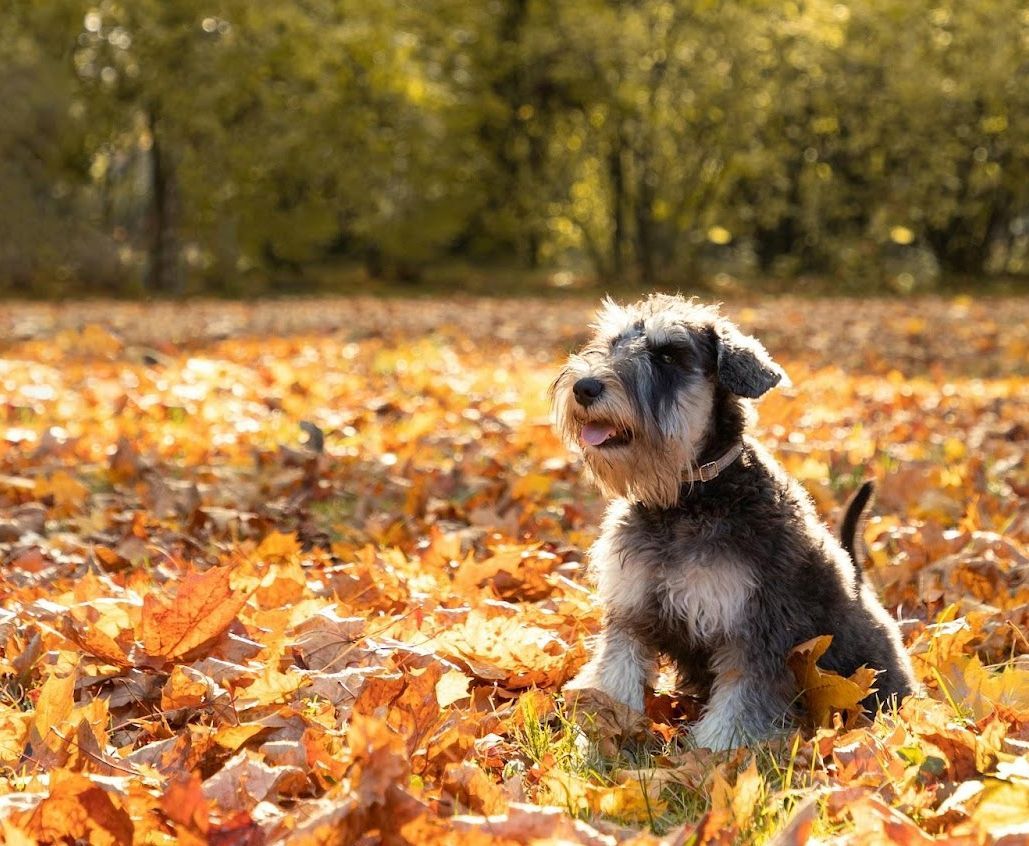
Schnauzer

Image: Irene

There are three beloved varieties of Schnauzer—miniature, standard, and giant—and each has had its moment in pop culture.

The breed takes its name from its distinctive "mustache" or schnauze (snout) in German, literally meaning "snouter" or "muzzle." Originally, Schnauzers were used as rat-catchers and guard dogs in Germany.

4

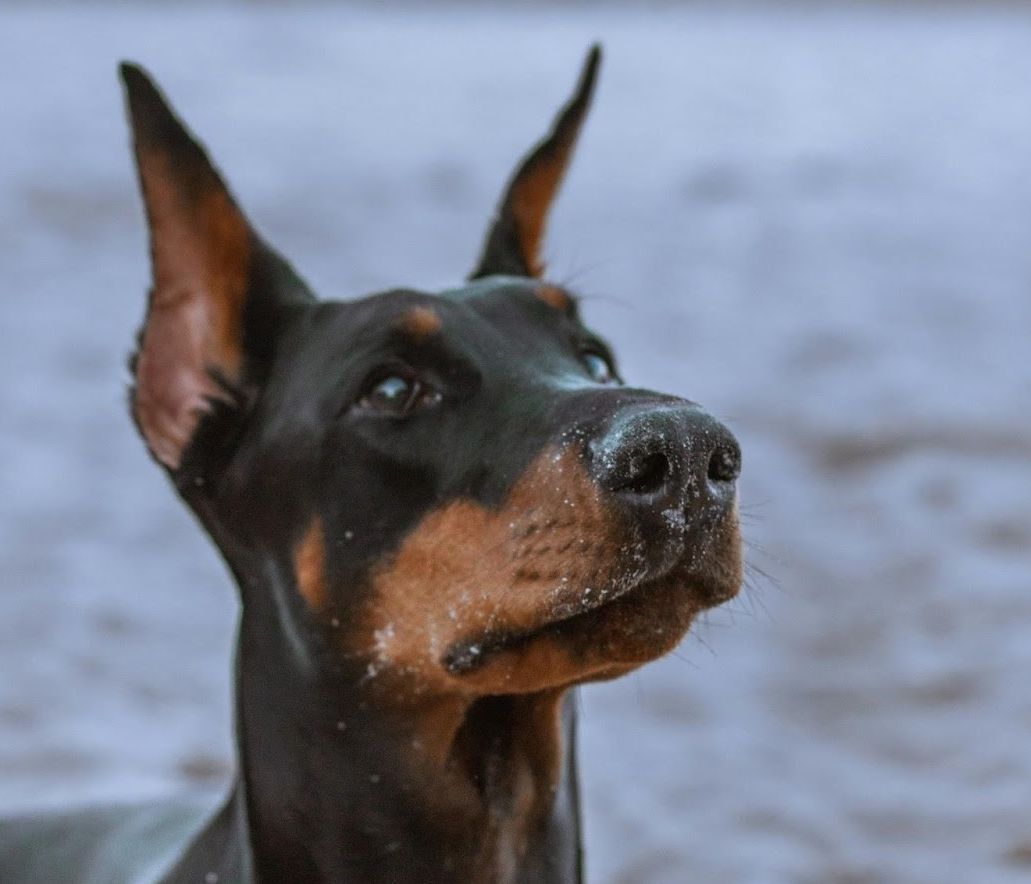
Doberman

Image: Anna Kozakova

Often portrayed as guard dogs or police K-9s in film, Dobermans were named after Karl Friedrich Louis Dobermann, a 19th-century German tax collector who developed the breed as a loyal and protective companion for his dangerous rounds.

5

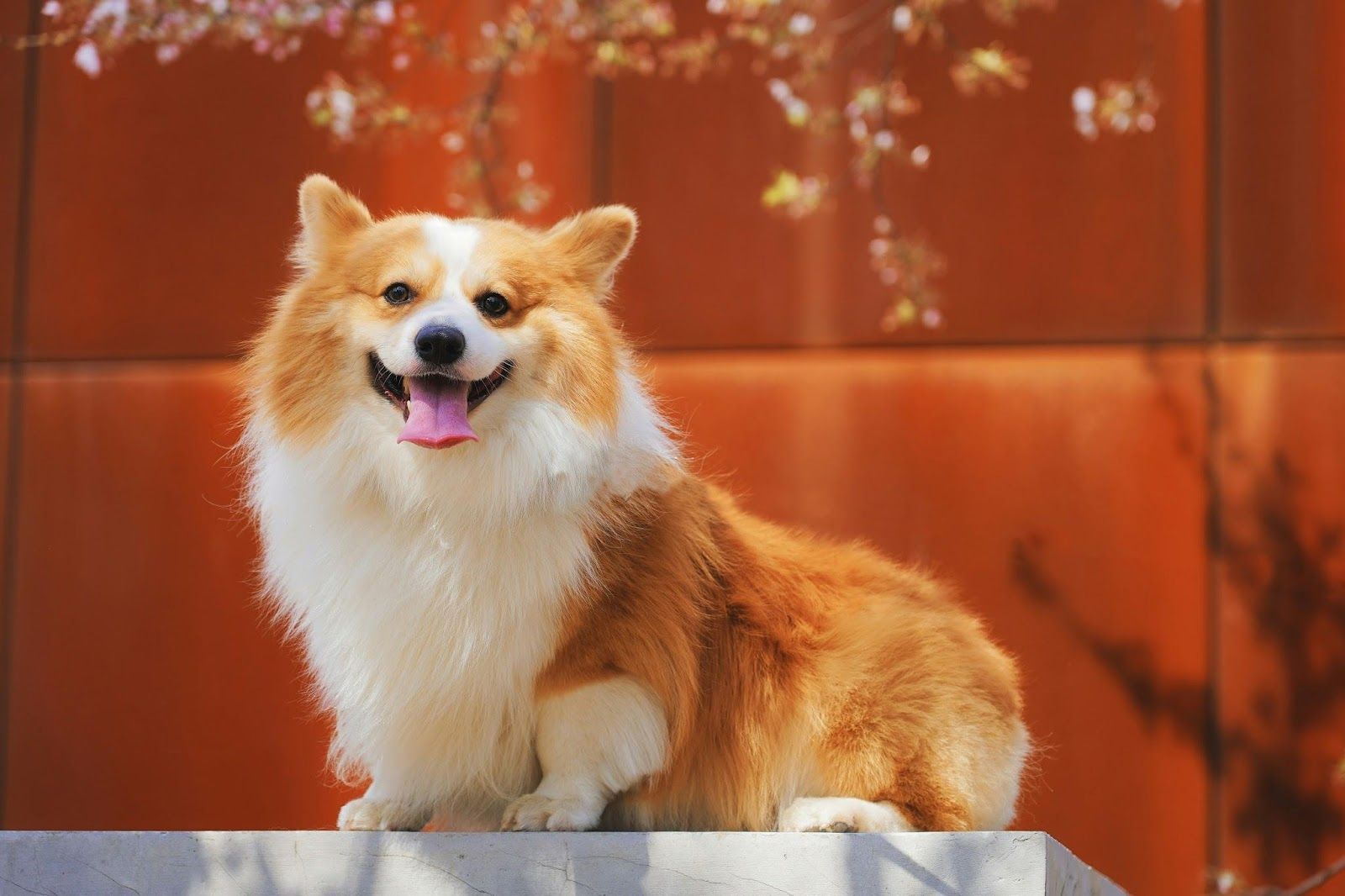
Corgi

Image: Alvan Nee

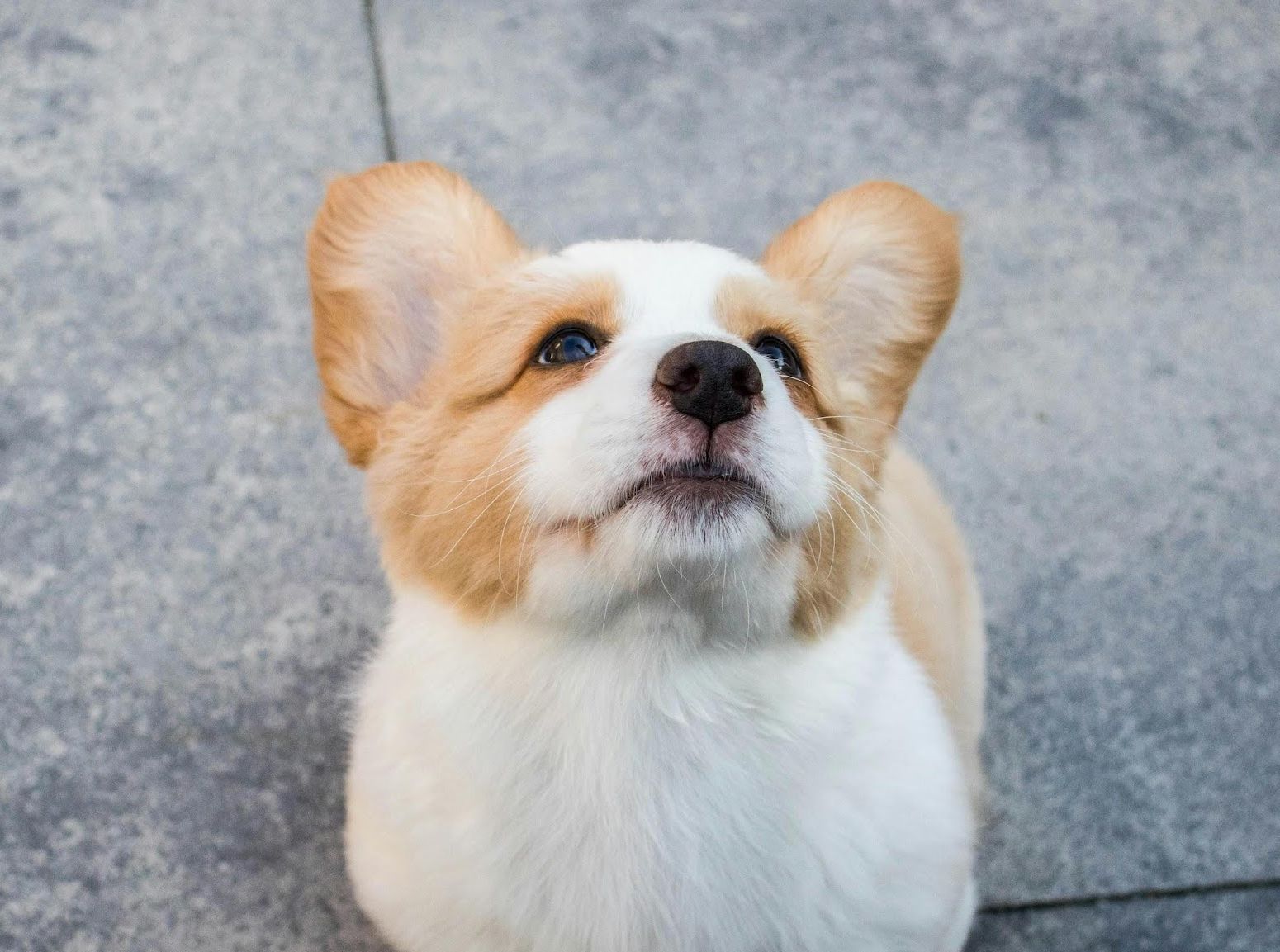
Queen Elizabeth II’s beloved Welsh Corgis made the breed internationally famous. In Welsh, cor means "dwarf" and gi (a soft mutation of ci) means "dog," so Corgi translates to "dwarf dog." Indeed, the breed originated in Wales, where it was used for herding cattle by nipping at their heels. Over time, Corgis also became a cultural symbol of British royalty.

6

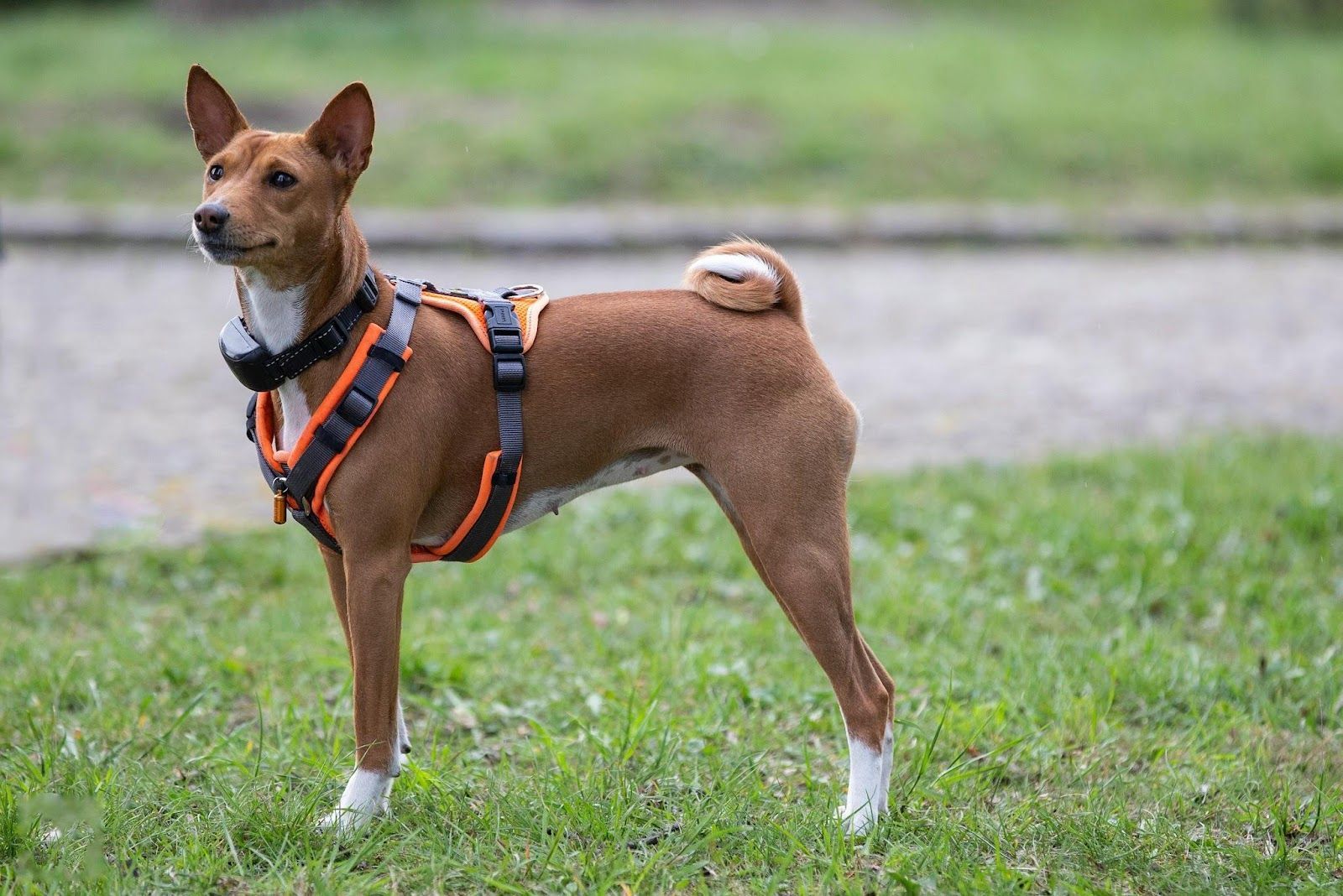
Basenji

Image: TomasHa

Known as the "barkless dog" of Central Africa—because of its unique larynx structure, which produces a yodel-like sound (baroo) instead of a bark—the name "Basenji" comes from a Bantu language and roughly translates to "village dog" or "bush thing." The breed is ancient and was used for hunting in the Congo.

7

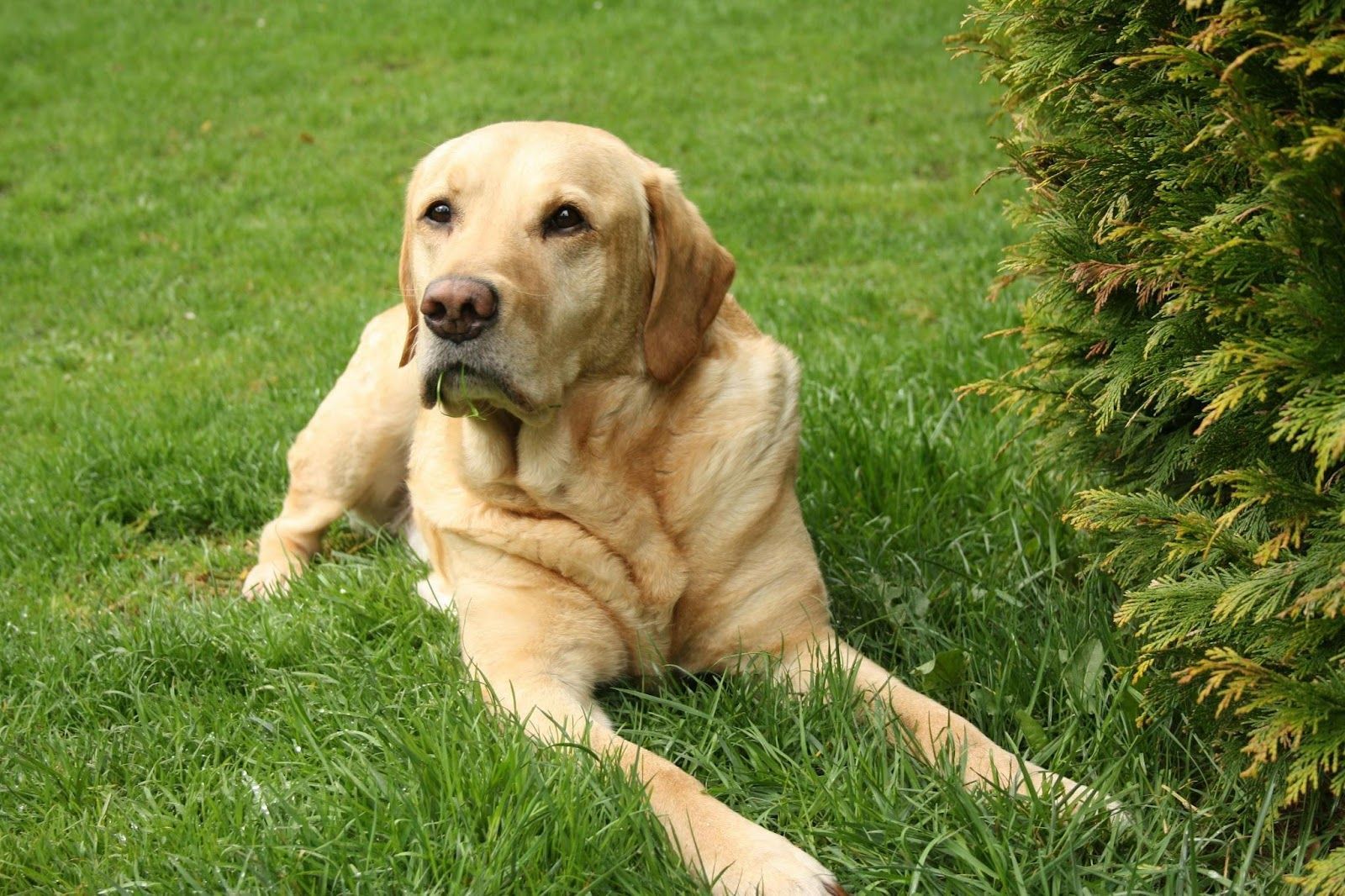
Labrador Retriever

Image: Joshua Köller

Did you know the Labrador Retriever has been America’s most popular dog breed for decades? Despite its name, the breed did not originate in Labrador but in Newfoundland.

It was called "Labrador" because British breeders associated the dogs with the Labrador Sea and the nearby region, while "Retriever" refers to the breed’s role in hunting.

8

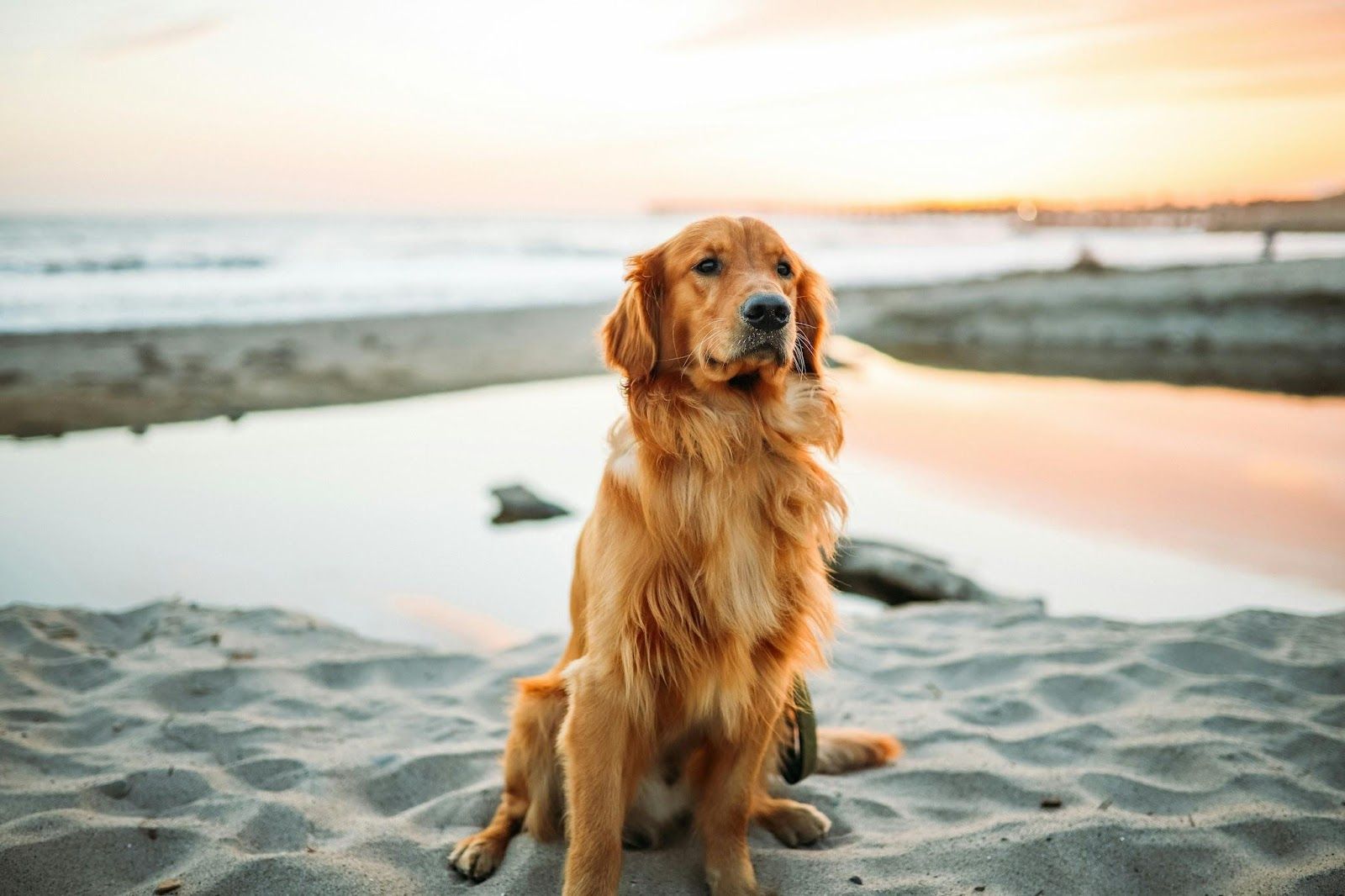
Golden Retriever

Image: Justin Aikin

So, did Golden Retrievers retrieve gold? Short answer: no. Like Labradors, they were bred to retrieve game for hunters, but the "golden" part of their name refers to their beautiful coat.

The breed was developed in Scotland in the 19th century by crossing several breeds to create an obedient, water-loving gun dog.

9

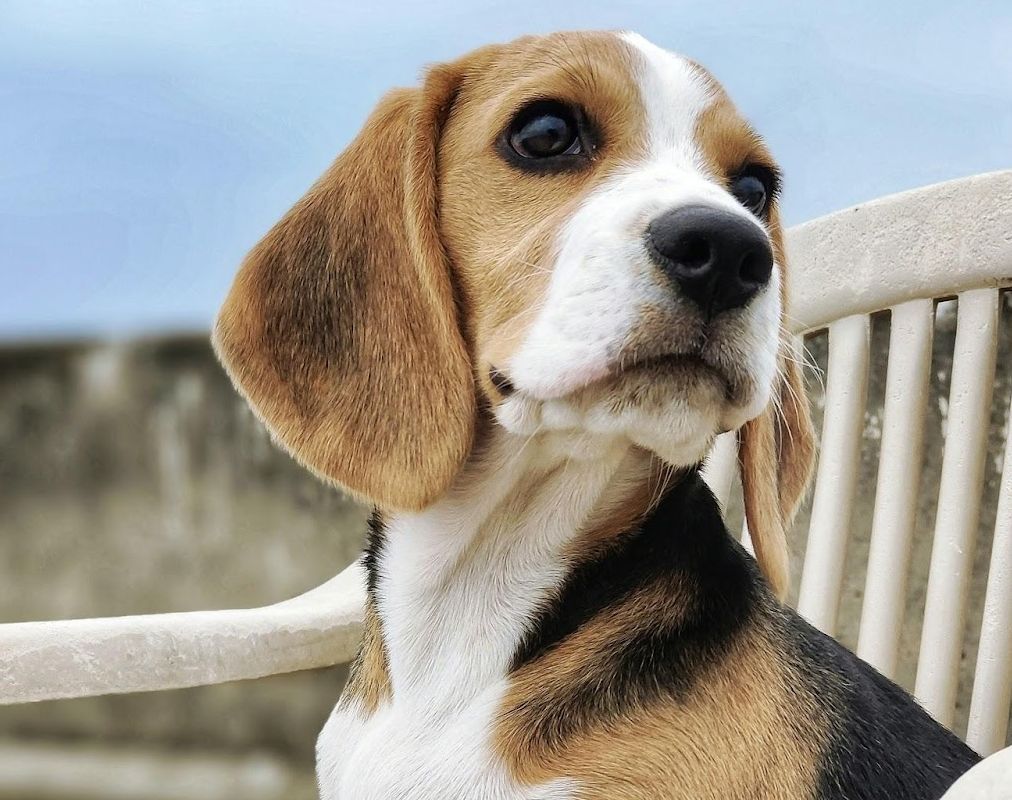
Beagle

Image: Rahul danga

Snoopy is perhaps the most famous Beagle out there, even though we only saw him in black and white.

The origin of this beloved breed’s name is debated. It may derive from the Old French begueule, meaning "open throat," a nod to their baying howls. Others trace it to Celtic or Old English words meaning "small."

10

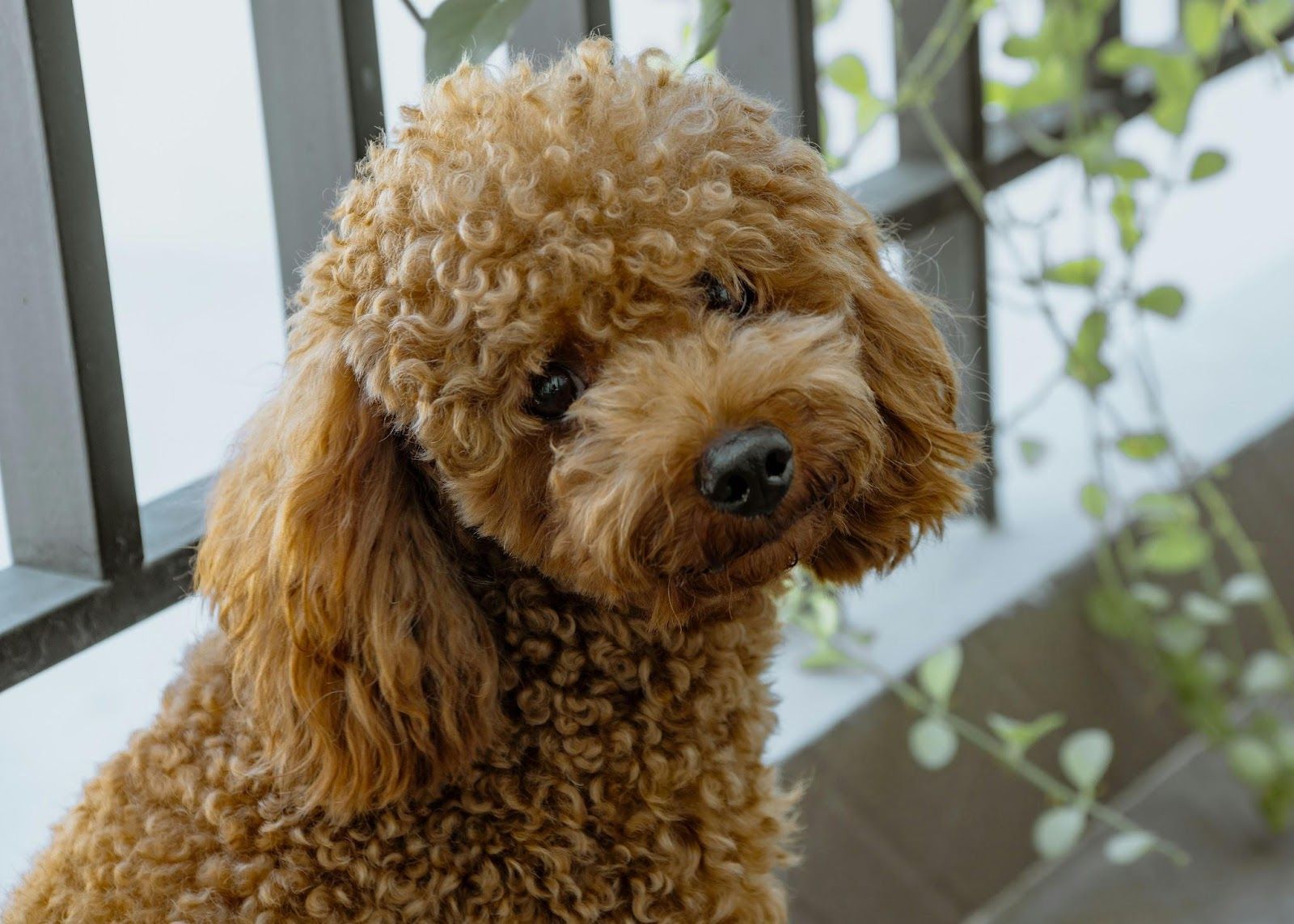
Poodle

Image: Tra Tran

Always pampered and impeccably groomed! If the term "Poodle" has always reminded you of "puddles," you are not far off. The name comes from the German Pudel or Pudelin, meaning "to splash in water." Poodles were originally bred as water retrievers, so their name reflects this aquatic work.

11

Pug

Image: Bruce Galpin

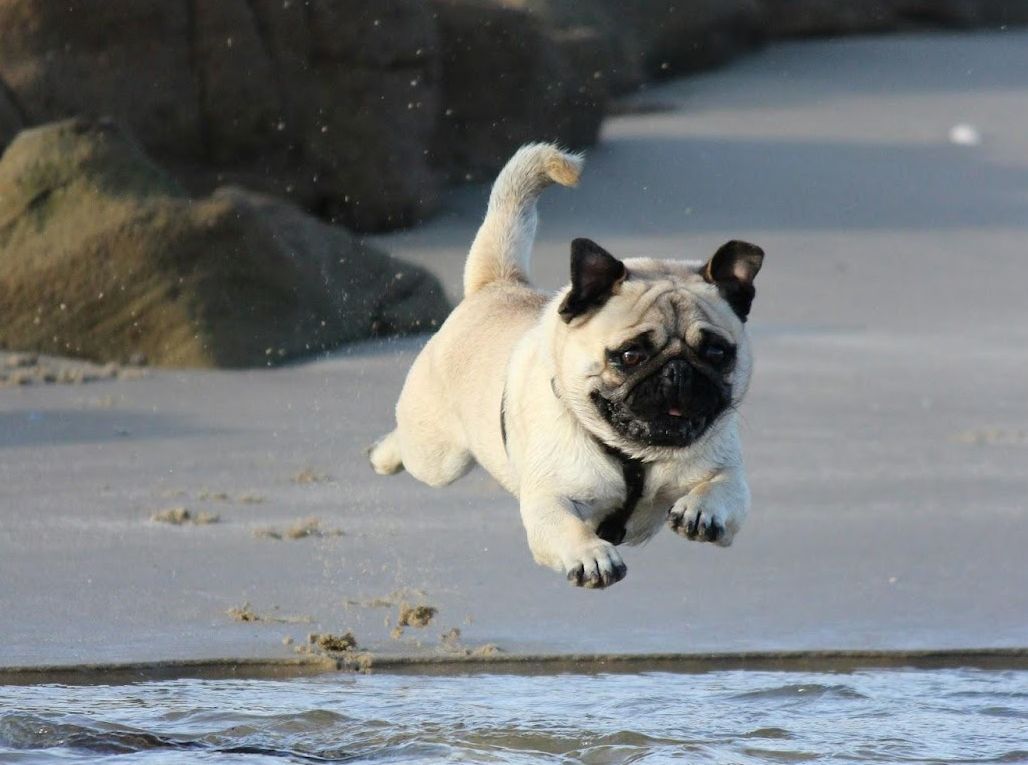
Pugs’ features and expressive faces have made them a source of comic relief in pop culture. There is no consensus about the origin of their name, however.

Some say that it derives from the Latin pugnus, meaning "fist," perhaps referencing their squished, fist-like face. Others say that in 18th-century England, "pug" was also a term of endearment for something small and compact-looking.

12

Boxer

Image: Jackson Jorvan

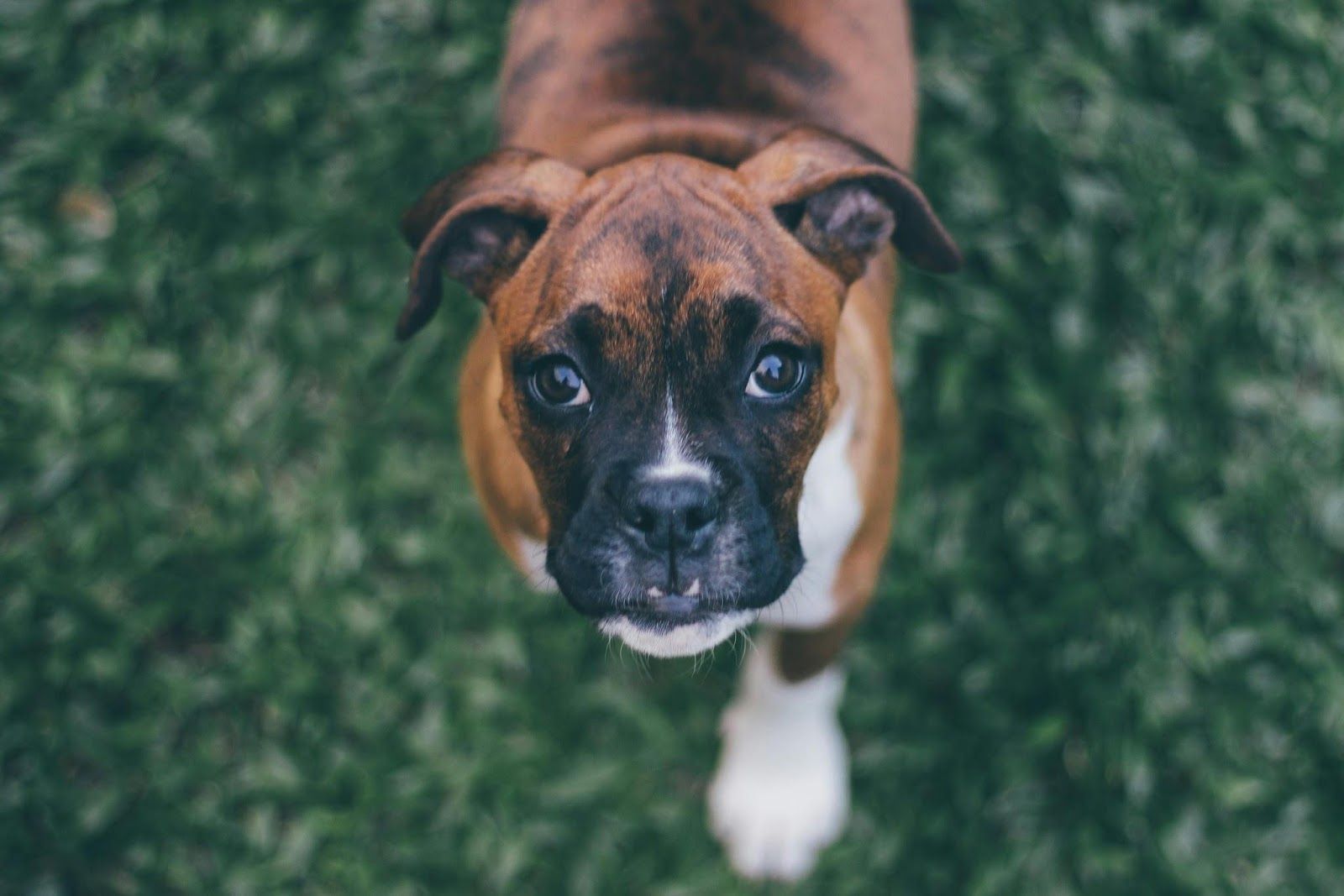
Athletic, energetic, and full of protective instincts, Boxers are true family guardians. But why the name?

It is thought to come from the breed’s tendency to use its front paws in play, like a boxer in the ring. Another theory links the name to the German word Boxl, a nickname for the breed in Bavaria.

13

Mastiff

Image: Sophie Hollies 🇨🇭🇫🇷 🇬🇧

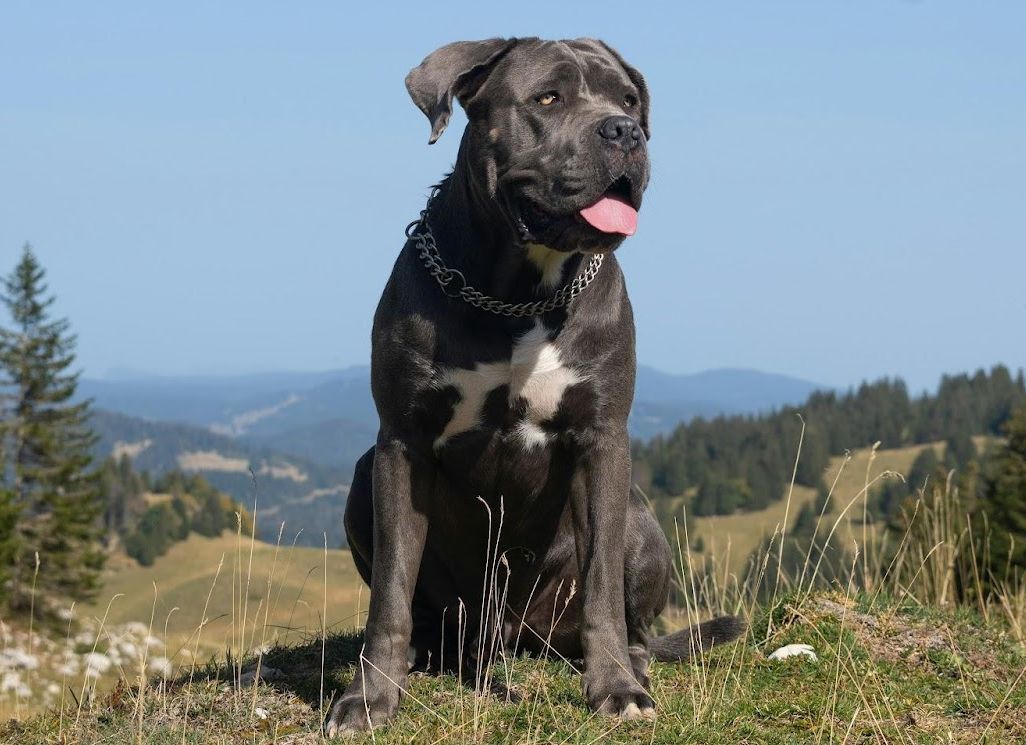
As calm and noble as they are huge, Mastiffs were named after the Old French mastin or the Latin mansuetus, meaning "tame" or "domesticated." Despite their imposing size, Mastiffs were bred to guard homes and estates while remaining loyal and gentle with their owners.

Looking for an extra scoop of literary fun?

Learn more with our Word of the day

grok

/ɡrɑk/