Ten bizarre inventions from the past that never caught on

People once caged babies several stories above the street


Published on March 1, 2026


Ever wonder what happened to all those "revolutionary" gadgets that promised to change our lives? Some ideas were just too weird, too early, or too wonderfully impractical to survive. Let's take a nostalgic trip through the patent office's hall of shame.

1

The baby cage (1930s)

Image: Beth Jnr

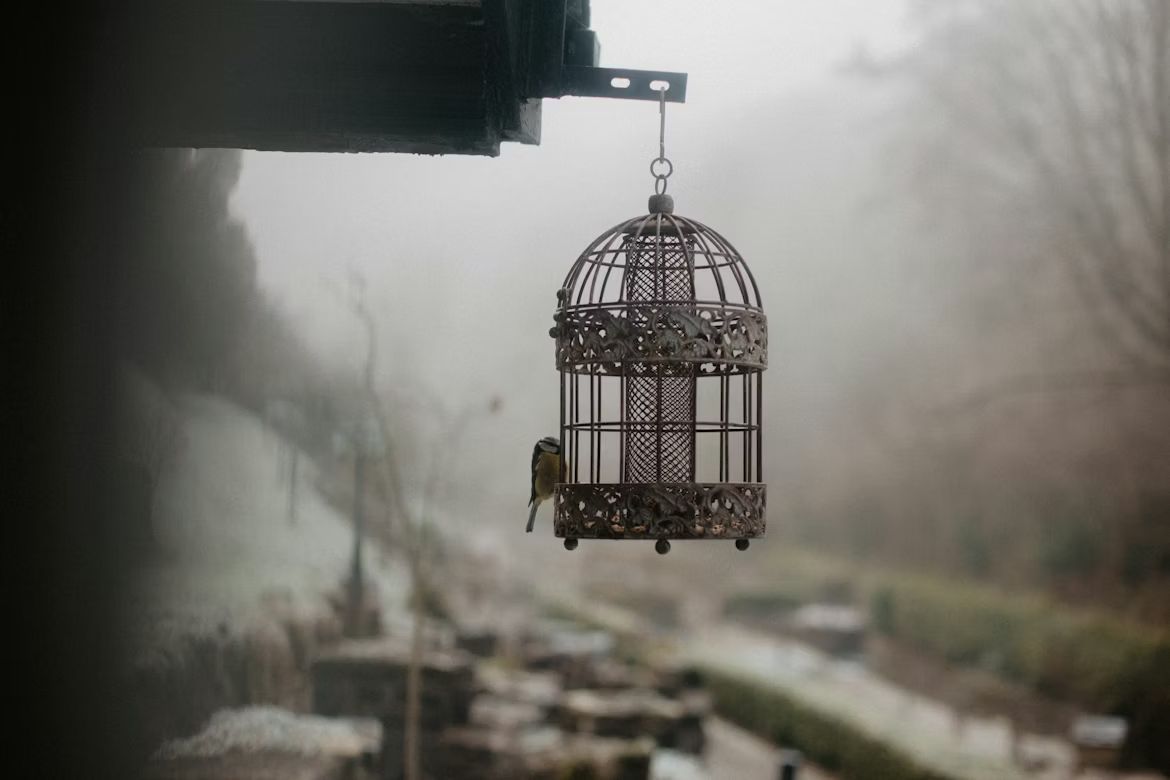
Back when fresh air was considered a cure-all, London parents who lived in apartments faced a dilemma: how to give their babies outdoor time without a yard? The solution was a wire cage that hung outside the window, suspending Junior several stories above the street. Parents would just pop the baby in the cage and go about their day.

Shockingly, this didn't catch on. Perhaps it was the image of infants dangling precariously over busy sidewalks.

2

The isolator helmet (1925)

Image: Mert Yüce

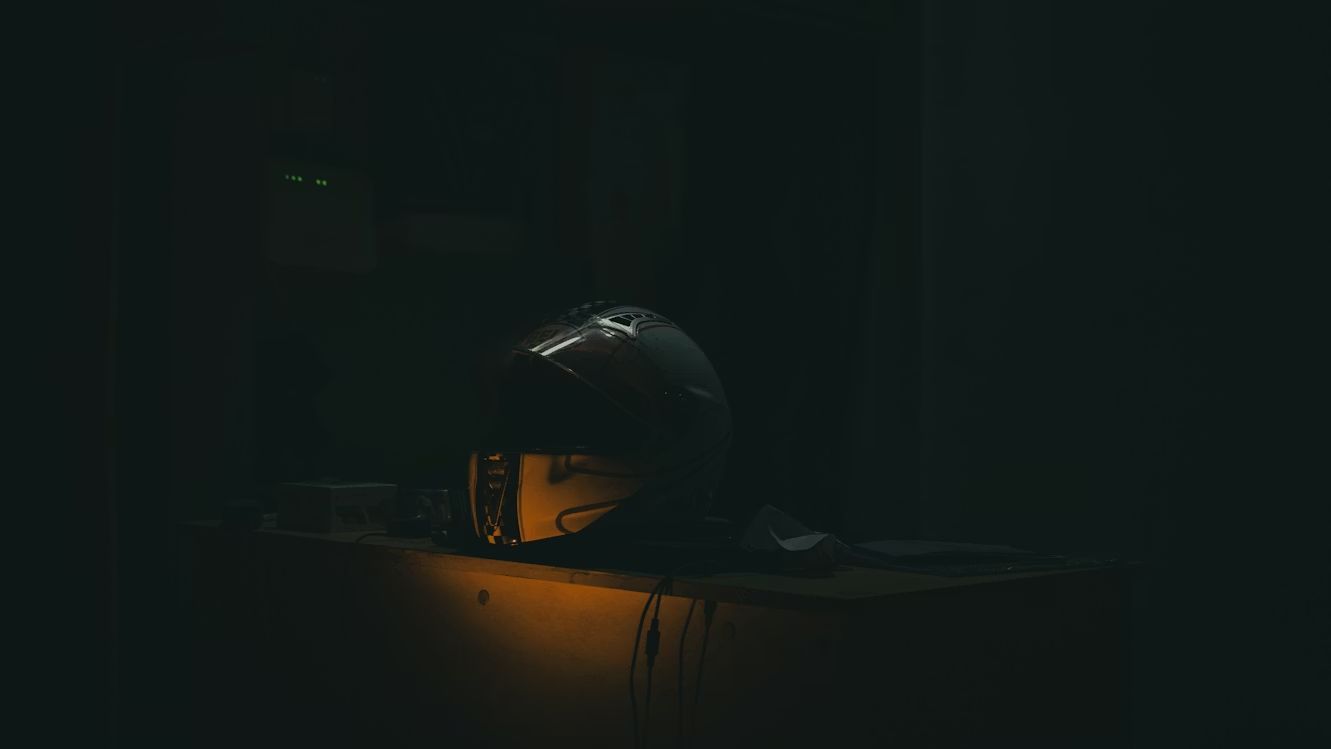
Imagine a giant goldfish bowl on your head, lined with cork, with only a thin slit to see through. That was the Isolator, designed to help people concentrate by blocking out all distractions. The inventor, Hugo Gernsback, thought sensory deprivation was the key to productivity. An attached oxygen tank let you breathe while you worked.

The problem? Looking like a deep-sea diver at your desk isn't exactly conducive to office camaraderie. Plus, trying to type while essentially wearing a fish tank proved impractical.

3

Motorized ice cream cone (1990s)

Image: Zach Camp

This battery-powered cone featured a small motor that rotated the ice cream for you, so you could just stick out your tongue and let technology do the rest. It was supposed to prevent drips and ensure even licking coverage.

The invention raised an important question: had we become so lazy that rotating our wrist was now an insurmountable challenge? Apparently, the answer was no. The motorized cone disappeared faster than ice cream on a summer day.

4

The Cyclomer (1930s)

Image: Suraj Chilamkruthi

This amphibious bicycle promised to let you pedal across lakes and rivers just as easily as riding down Main Street. It featured a boat-like hull and paddle wheels instead of regular tires. The inventor envisioned commuters cycling across waterways, avoiding bridge traffic entirely.

Unfortunately, the Cyclomer was heavy, slow on both land and water, and required the leg strength of an Olympic athlete to move at anything faster than a crawl.

5

Rejuvenation by goat gland transplants (1920s)

Image: engin akyurt

Dr. John Brinkley convinced thousands of men that transplanting goat testicles into humans would restore youth and vigor. For the bargain price of $750 (about $12,000 today), you could have surgery in his Kansas clinic and supposedly regain the vitality of your younger days.

Unsurprisingly, the procedure didn't work—goat glands don't function in human bodies. Brinkley eventually lost his medical license, but not before making millions.

6

The pedestrian catcher (1920s)

Image: Susan Gold

When cars first became common, someone invented a net-like contraption that attached to the front bumper to scoop up pedestrians before running them over. The idea was that the person would land safely in the net instead of under the wheels. It looked like an industrial-sized butterfly net.

The fatal flaw? Getting hit by a car and caught in a net is still getting hit by a car. Plus, the contraption made vehicles longer and harder to maneuver, probably causing more accidents than it prevented.

7

The piano for bedridden patients (1935)
Image: Beth Jnr

Picture this: you're stuck in bed recovering from illness, and what you really need is a full-size piano suspended over your body. That's what one inventor thought, anyway. The piano hung horizontally above the patient, who could supposedly play while lying flat on their back.

Beyond the obvious safety concerns of dangling a heavy musical instrument over sick people, there was the question of who actually wants to play piano while confined to bed.

8

Dimple-making machine (1936)

Image: bearinthenorth

In an era when dimples were considered irresistibly charming, someone invented a face-shaping device that promised to create them artificially. The contraption used springs and knobs to press into your cheeks for 15 minutes daily until dimples supposedly formed permanently.

It didn't work, of course—dimples are genetic, caused by variations in facial muscle structure. But that didn't stop people from trying.

9

The Hubbard Electrometer (1960s)

Image: Afif Ramdhasuma

L. Ron Hubbard claimed this modified lie detector could measure the electrical characteristics of your thoughts and help achieve spiritual enlightenment. Users held two tin cans connected to a meter while being asked questions. A needle supposedly revealed deep psychological truths.

Scientifically, it was just a simple ohmmeter measuring skin resistance—the same principle behind mood rings. But it cost considerably more and came with significantly more baggage.

10

The radio hat (1949)

Image: Nirmal Chaudhari

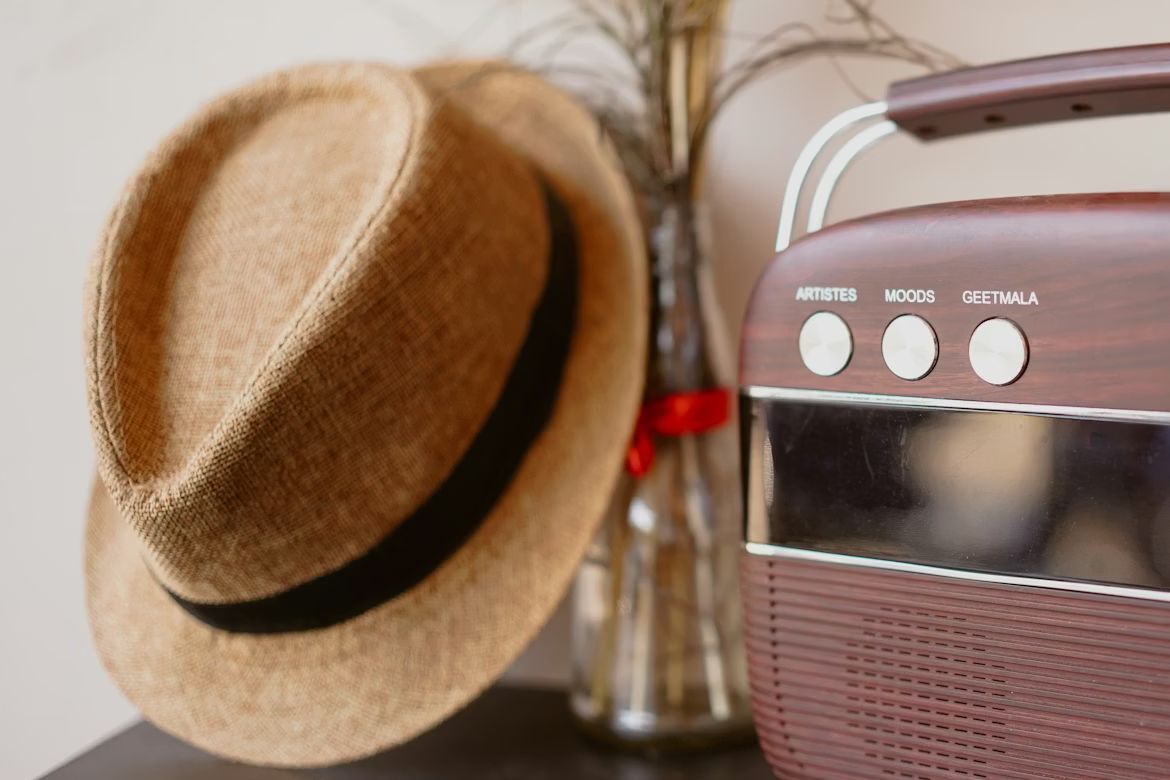
Why carry a portable radio when you could wear one on your head? This invention looked like a regular pint-sized baseball cap but contained a tiny AM radio with an antenna poking out the top. Earphones ran down to your ears, letting you listen to broadcasts while keeping your hands free.

The problem was that you looked absolutely ridiculous, like an alien trying to blend in at a baseball game. The reception was terrible, the batteries died quickly, and the whole contraption was uncomfortable.

IN GOOD SPIRITS

Do You Know The Origin Of These 10 Alcoholic Beverages?


Published on March 1, 2026


Image: Adam Wilson

You probably know many alcoholic beverages that you enjoy drinking alone or combined in different cocktails, but do you know where their names come from? From whiskey and gin to rum and absinthe, the origins of spirits have fascinating stories to tell. Are you ready to explore them? You will surely learn some curious facts to share at your next party!

1

Whiskey

Image: emkanicepic

Whiskey is one of the most consumed alcoholic beverages in the world. It is produced by distilling malt fermented with cereals such as wheat, barley, corn, and rye, and the resulting spirit is subsequently aged in white oak barrels.

In the Middle Ages, alcoholic beverages were classified into two main groups: "aqua ardens" (burning water) and "aqua vitae" (water of life). Whiskey falls into the category of "aqua vitae." The Latin term was translated into Middle Irish as usque beatha, which in turn derived into usquebaugh, pronounced: "wiskyba," giving rise to "whisky" (Scotland) and "whiskey" (Ireland and the United States).

2

Brandy

Image: Timothé Durand

The word brandy is an abbreviation of brandywine, an English term dating from the early 17th century. It comes from the Dutch brandewijn, meaning "burnt wine" or "burning wine," referring to the distillation process.

Brandy is made from the distillate of wine or fermented fruit pulp, primarily grape skins. There are different types of brandy. Perhaps one of the best known is cognac, a high-quality wine distillate, named after the city in France where it is produced.

3

Gin

Image: John Fornander

Gin is a distilled drink made from juniper berries, among other ingredients. The term gin is an abbreviation of the Old English word genever, which in turn derives from the Dutch jenever and the French genièvre. Moreover, all these words trace back to the Latin word for juniper, juniperus.

This drink emerged among European monks during the Middle Ages as a medicinal liquor. Then, in the 17th century, gin gained popularity in England and transitioned into the modern drink we know and love. Nowadays, gin is used to prepare different cocktails, including Tom Collins, Negroni, and the popular Gin & Tonic.

4

Rum

Image: C D-X

The first references to this drink date back to the mid-17th century in Barbados, a small Caribbean island with sugar plantations that was under British rule for several centuries. When rum began to be produced on a large scale in the colonies, the English imported it to Europe and popularized it throughout the continent.

There are many theories about the origin of the word rum. The most accepted one suggests that it comes from the English slang word rumbullion which means "great tumult." This term might have originated in the Devonshire area on the southwest coast of England. From rumbullion, it became known as rum in English, rhum in French, and ron in Spanish.

5

Vodka

Image: Deeliver

Vodka is an emblematic drink of Eastern European countries and is used to prepare a multitude of cocktails, including the Martini Vesper, Moscow Mule, White Russian, Cosmopolitan, and Bloody Mary, among others. The word vodka comes from the Russian word voda, which means "water." The ending -ka makes it diminutive, translating to "little water."

Vodka is a distillate that comes from the fermentation of potatoes, wheat, barley, grapes, beets, or any plant rich in starch. Originally, the aim was to obtain a simple, alcoholic liquid composed of ethanol and water, with no pretensions in terms of aroma or flavor. It also needed to have a high alcohol content to cope with the harsh Russian winters. Traditionally it has a graduation around 40º, although there are vodkas that reach 80º and up to 96º. It is hard to believe that it’s simply called water!

6

Bourbon

Image: Ryan Parker

This distillate made mainly from corn, was first introduced in the United States in the 18th century. The first known producer was Reverend Elijah Craig, a Baptist minister. Legend has it that the clergyman established the first distillery in Fayette County, Kentucky, with the help of a Southern farmer who provided surplus corn from his harvest.

Although it was born in Fayette, this variety of whiskey was named after another nearby county, Bourbon County, where the spirit began to be produced on a large scale. The names of both Kentucky counties have their origin in the same historical figure: Gilbert du Motier, the Marquis de Lafayette, a French aristocrat related to the House of Bourbon.

7

Vermouth

Image: Giorgio Trovato

The word vermouth comes from the German word wermut, which means "wormwood," one of the main herbs used to make this beverage. This fortified wine, flavored with different botanicals (flowers, herbs, roots, and spices), has been used since ancient times for medicinal purposes. However, the modern version we know today was first introduced in Turin, Italy, in the 18th century.

In the 19th century, vermouth became a global trend thanks to the rise of bars and cocktails, as it was —and still is— an essential ingredient to prepare classic drinks such as Martinis, Negronis, and Manhattans.

8

Tequila

Image: Deeliver

Tequila is, without a doubt, a staple of Mexican culture and a famous drink around the world. In ancient times, it was considered a gift from the gods. Today it’s served as an aperitif or combined with other beverages and ingredients to prepare cocktails.

This spirit is produced from the distillation of fermented juice obtained from the heart of a plant known as "blue agave." Its name comes from the Nahuatl word Tekilan, which means "place of the workers."

9

Absinthe

Image: alandiaspirits

This popular anise-flavored spirit, made from wormwood oil and other herbs, has a high alcohol concentration. With a bitter taste, absinthe’s color is usually pale green. Its name derives from the Latin absinthium, which in turn comes from the Greek apsínthion, meaning "wormwood."

The use of wormwood to make alcoholic beverages dates back to the 1st century, but it was not until the end of the 18th century, in French-speaking Switzerland, that the drink we know today was created. At the end of the 19th century, absinthe, often called "Green Fairy," was the most popular spirit in Europe, enjoyed by all social classes, especially artists and bohemians. However, years later its consumption was limited because it could cause hallucinations, which gave birth to the term absinthism.

10

Pisco

Image: eKokki

Peru and Chile, neighboring South American countries, share many things: the Andes mountain range, common ancestors, customs, and, notably, the debate over the origin of pisco. The true birthplace of this spirit has long been questioned, with both countries claiming it as their own. What we do know is that the name pisco may derive from the Quechua word Pisku, meaning "bird."

Peruvian and Chilean pisco are different varieties but have in common that they are grape distillations, made similarly to brandy and cognac. Despite the ongoing controversy, no one should miss trying a good pisco sour!

Looking for an extra scoop of literary fun?

Learn more with our Word of the day

clamor

/ˈklæmər/