When the real drama happened off-screen

Did you know someone spiked the Titanic crew's food with PCP?


Published on April 16, 2026

Image: Adi Goldstein

Some movies are memorable for what happens on screen. Others? Well, let's just say the real show was happening behind the camera. From explosive feuds to total meltdowns, these ten productions were a mess—and honestly, that makes them even more fascinating. Grab some popcorn and enjoy the chaos.

1

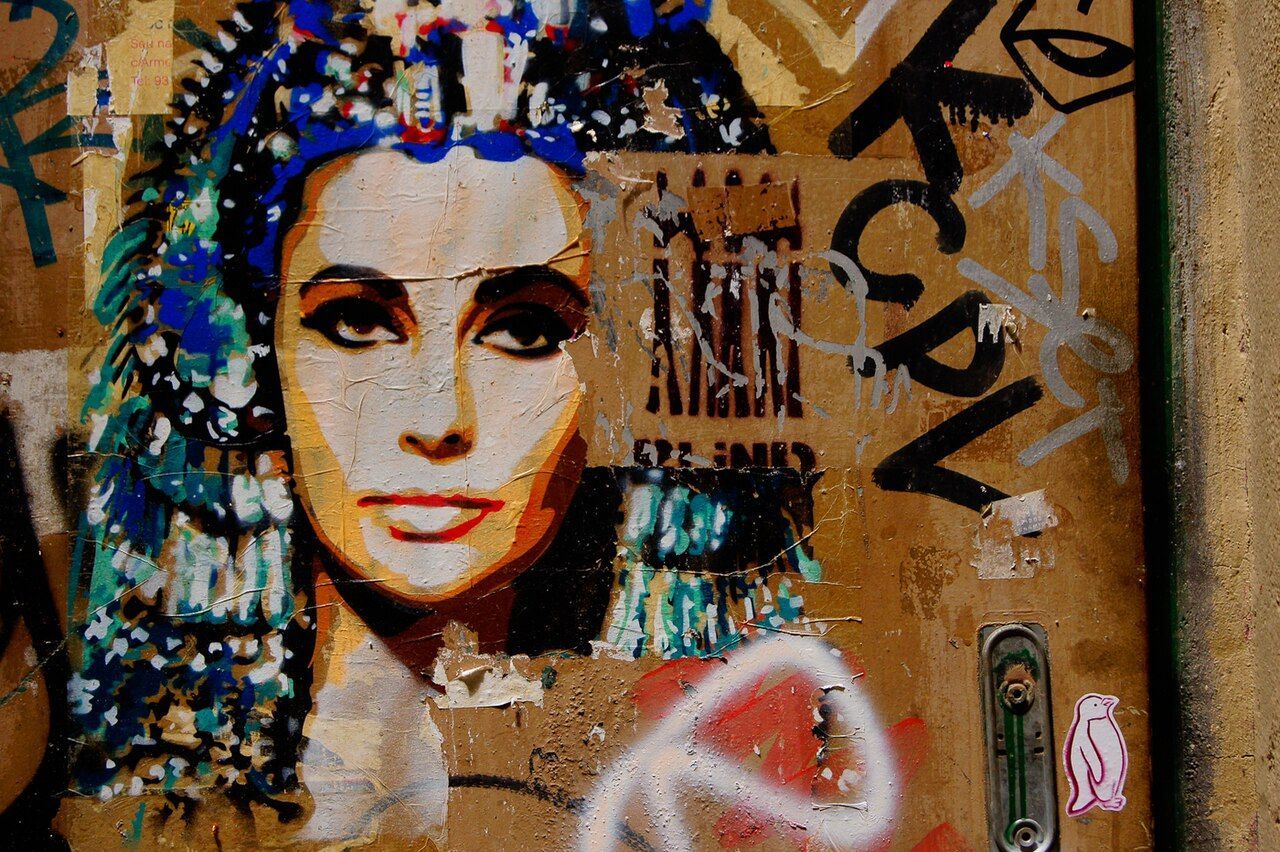
Cleopatra (1963)

Image: r2hox from Madrid, Spain, CC BY-SA 2.0, via Wikimedia Commons

This epic was supposed to be Hollywood's crown jewel. Instead, it nearly bankrupted 20th Century Fox. The budget spiraled from $2 million to over $44 million—the equivalent of hundreds of millions today. Elizabeth Taylor fell seriously ill, sets were scrapped and rebuilt, and the production moved from London to Rome.

And then there was the love affair. Taylor and her co-star Richard Burton fell head over heels for each other—while both were married to other people. The scandal made headlines worldwide. The movie became the highest-grossing film of the year, but its massive budget meant it struggled to turn a profit and was a box office disappointment. The gossip? Priceless.

2

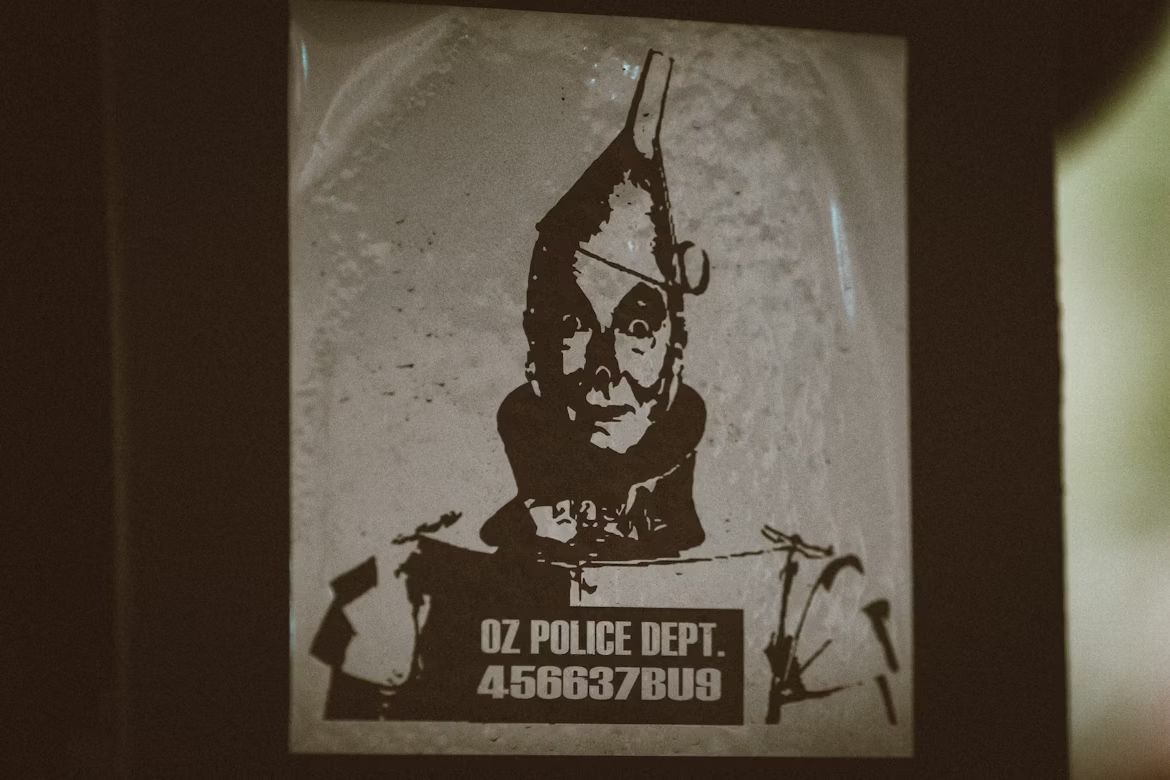
The Wizard of Oz (1939)

Image: Jon Tyson

This beloved classic looks like pure magic on screen, but behind the curtain, it was anything but. The original Tin Man actor had to be replaced after the aluminum dust in his makeup nearly killed him. Judy Garland, just 16 at the time, was put on a strict diet by the studio and given pills to keep her energy up—a troubling practice that haunted her for years.

Multiple directors came and went during filming. There were costume accidents, on-set injuries, and the actors playing the flying monkeys reportedly terrorized cast members. It's a wonder the yellow brick road led anywhere at all.

3

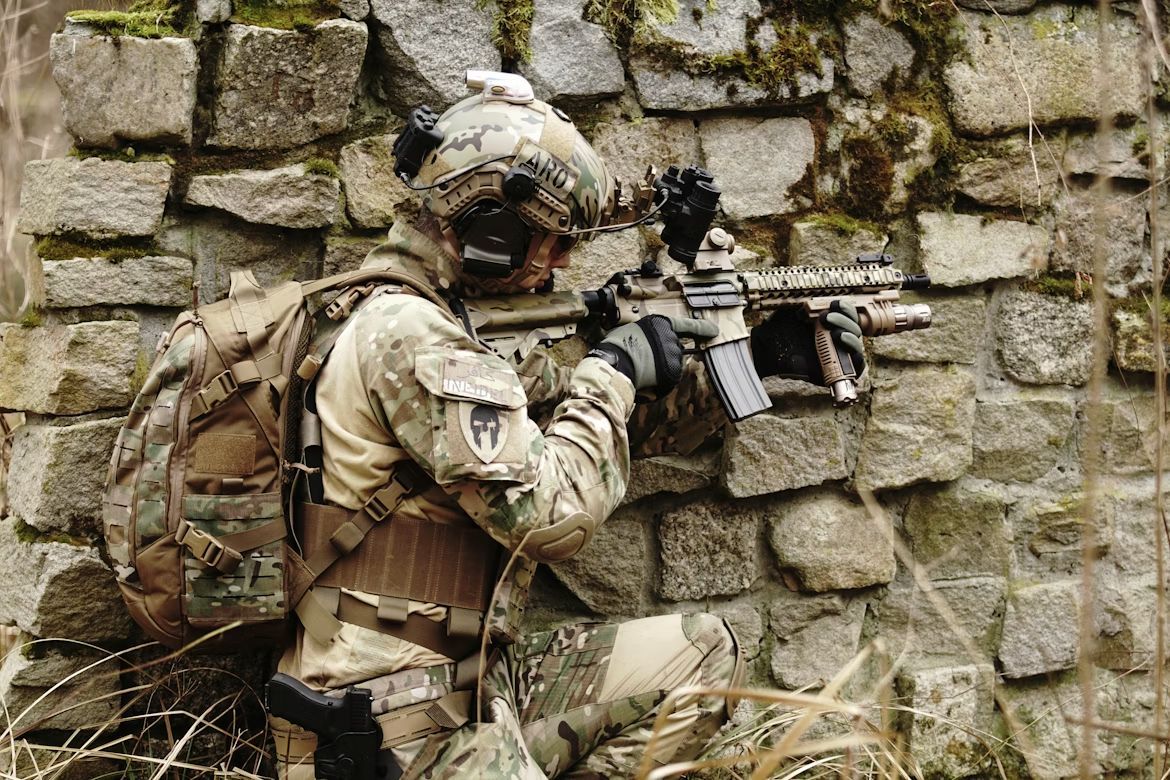
Apocalypse Now (1979)

Image: Specna Arms

Director Francis Ford Coppola went to the Philippines to make a war film—and essentially ended up living one. The shoot stretched from a planned six weeks to over a year. Marlon Brando arrived overweight and completely unprepared. Martin Sheen suffered a heart attack mid-production. A typhoon destroyed the sets.

Coppola himself had a nervous breakdown and threatened to quit. The documentary about the making of the film, Hearts of Darkness, is arguably more gripping than the movie itself. That's saying something, because the movie is considered one of the greatest ever made.

4

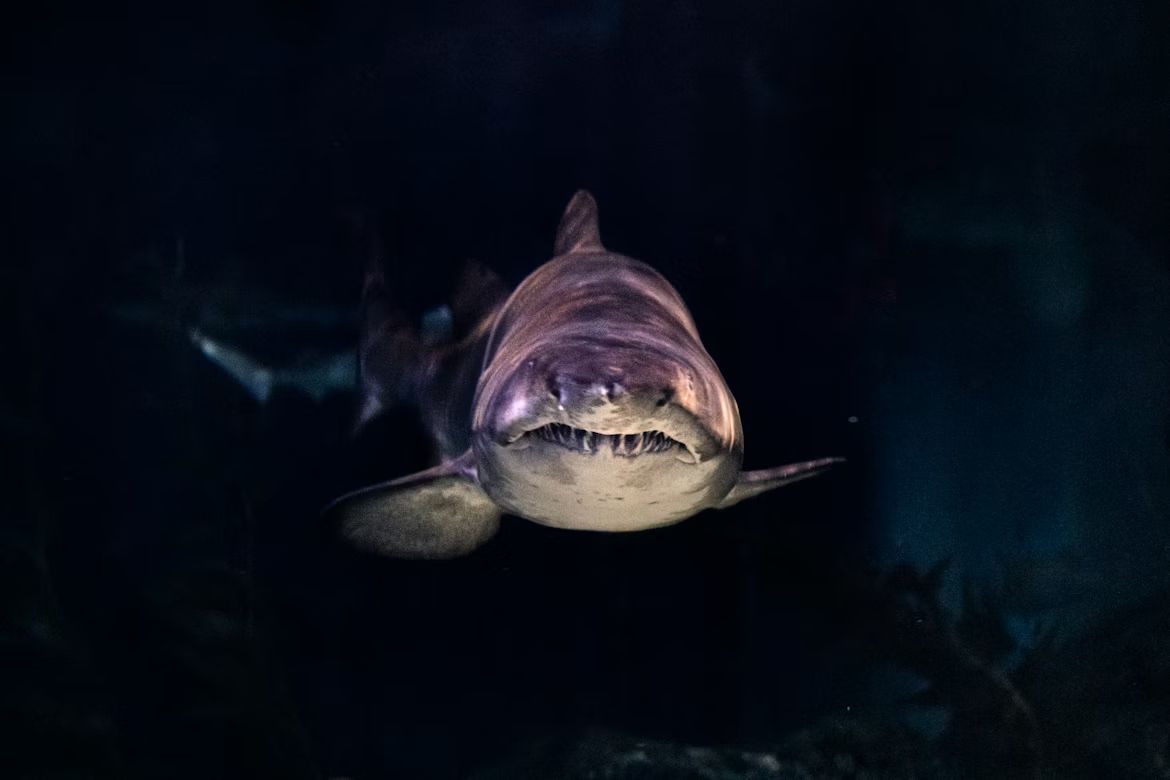
Jaws (1975)

Image: Wai Siew

Steven Spielberg's thriller almost sank before it ever hit the water. The mechanical shark—nicknamed "Bruce" by the crew—malfunctioned constantly in the saltwater. It looked ridiculous, broke down every other day, and production on the water was a nightmare from the start.

But Spielberg turned the disaster into a stroke of genius. Unable to show the shark, he built suspense through music (John Williams’ score became iconic) and reaction shots instead. The result was one of the most terrifying movies ever made. Sometimes your problems solve themselves—or at least make for a better film.

5

Gone With the Wind (1939)

Image: Selznick International Pictures, Public domain, via Wikimedia Commons

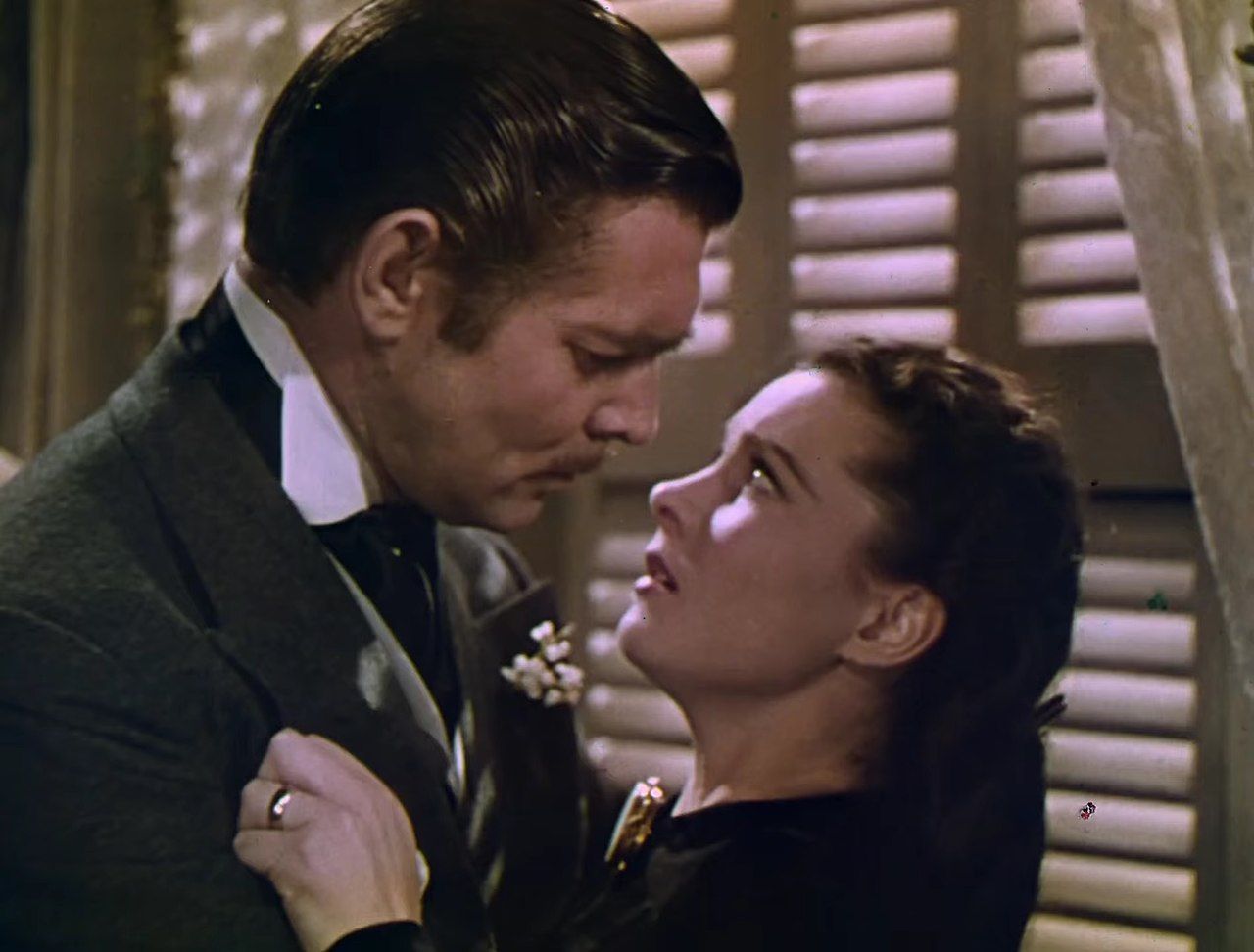
Finding Scarlett O'Hara was a two-year circus. Over 1,400 women were tested for the role before Vivien Leigh was cast—famously just days before filming began. Director George Cukor was fired early on, reportedly because Clark Gable didn't like him, and Victor Fleming took over (while also directing The Wizard of Oz that same year—the man was busy).

On set, tensions ran high between the stars, the producers, and pretty much everyone else. Leigh and Olivia de Havilland both clashed with the production at various points. Still, the film won eight Academy Awards. Hollywood was always good at keeping its scandals off the official record.

6

Chinatown (1974)

Image: Hongjin Wang

This noir classic had real-life darkness lurking behind it. Director Roman Polanski and writer Robert Towne argued bitterly over the ending—Towne wanted something hopeful, while Polanski insisted on tragedy. Polanski won, and the bleak final scene became one of the most memorable in cinema history.

Then there was the tension between Jack Nicholson and Faye Dunaway. By most accounts, they did not get along. Dunaway allegedly threw a cup of urine at Polanski during a dispute about her hair. Nicholson was reportedly frustrated for reasons too numerous to list. And yet somehow, they made magic.

7

Titanic (1997)

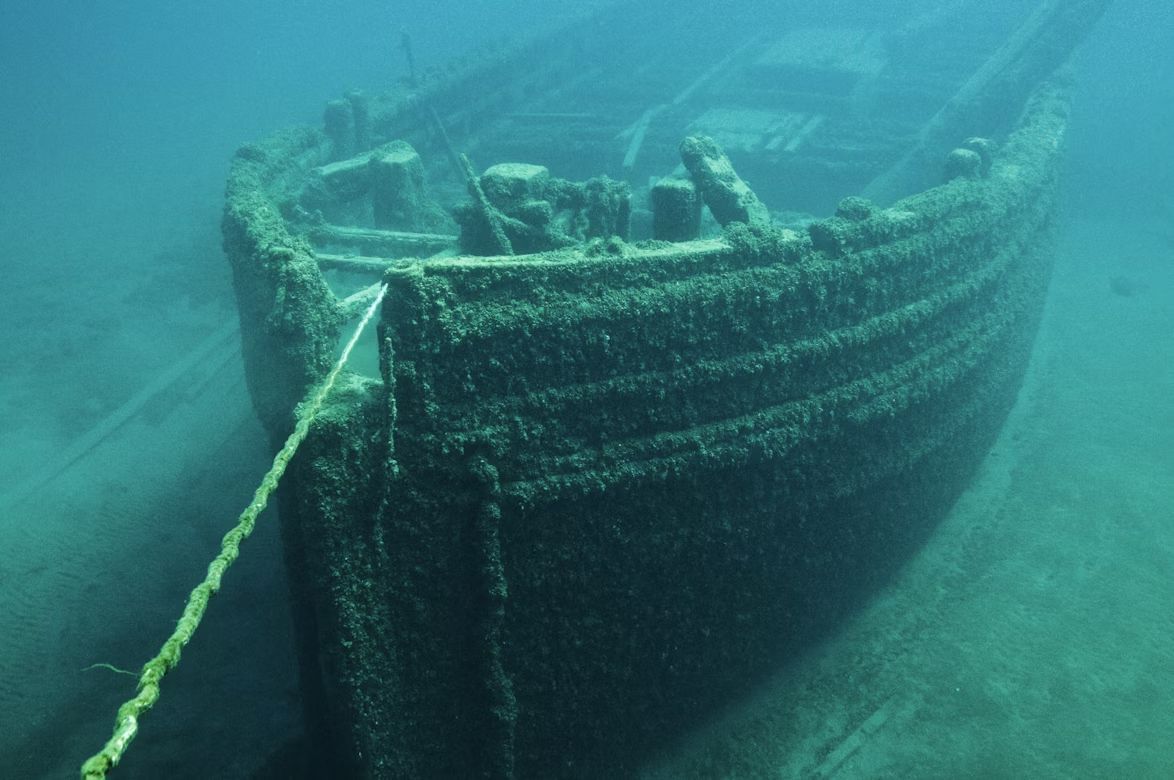
Image: NOAA

James Cameron has a well-earned reputation for being, let's say, intense on set. During the making of Titanic, crew members were reportedly pushed to exhaustion, shooting in freezing water tanks for hours on end. At one point, someone spiked the crew's clam chowder with PCP—yes, really—sending dozens of people to the hospital.

Cameron himself was so difficult to work with that a crew member reportedly wore a T-shirt reading, "You Can't Scare Me, I Work for James Cameron." The budget ballooned to $200 million, making it the most expensive film ever made at the time. It also became the highest-grossing film in history. So he gets to keep being intense, apparently.

8

The Exorcist (1973)

Image: Josh Eckstein

From day one, this film felt cursed, and the cast and crew weren't shy about saying so. There were mysterious fires, set accidents, and a string of deaths connected to people involved in the production. Jack MacGowran and Vasiliki Maliaros, who both played characters that died in the film, passed away before it was even released.

Linda Blair, just 14 when she played the possessed Regan, suffered a back injury during a violent scene that caused problems for years. Director William Friedkin reportedly fired a gun on set to provoke a shocked reaction from actors. Audiences fainted in theaters. The making of this one was as unsettling as the film itself.

9

The African Queen (1951)

Image: BSLRed, CC BY-SA 3.0, via Wikimedia Commons

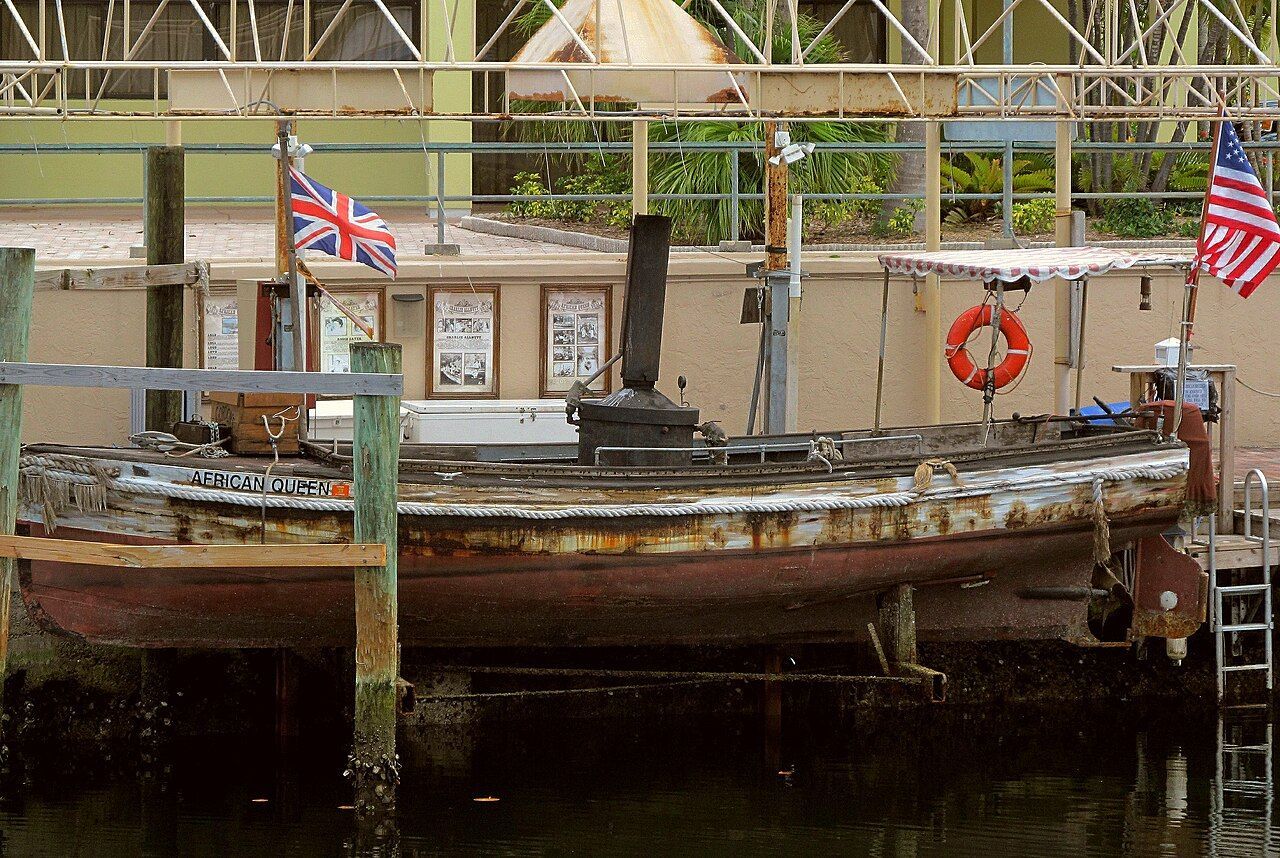
Humphrey Bogart and Katharine Hepburn were not exactly natural companions, and filming deep in Africa didn't help. The cast and crew battled dysentery, insects, heat, and flooding rivers throughout the shoot. Director John Huston insisted on eating and drinking whatever the locals offered—and stayed perfectly healthy.

Bogart and Hepburn, however, were miserable. She reportedly hated every minute in Africa, while he found the whole experience rather amusing. The creative tension between them, though, translated beautifully on screen. Their performances earned both actors Academy Award nominations, which goes to show that suffering is sometimes good for art.

10

Waterworld (1995)

Image: Noah Buscher

Before it became a punchline, Waterworld was already a catastrophe in progress. Filming entirely on the ocean turned out to be as chaotic as it sounds. The sets broke apart and sank. The weather was brutal. Costs ran so far over budget that it became the most expensive film ever made at the time, a title it held until Titanic came along.

Kevin Costner and director Kevin Reynolds had a very public falling out, with Reynolds quitting before the film was finished. The press had a field day calling it "Kevin's Gate" and "Fishtar." The movie was actually decent, but the behind-the-scenes disaster overshadowed everything. Some films just can't escape their own reputation.
Decoding

Being a "treasured guest" is not a compliment. This is the hidden meaning


Published on April 16, 2026


Image: Hitesh Choudhary

Have you ever heard "Code Adam" while shopping for groceries at Walmart? Or maybe you’ve heard how "Dr. Firestone" was being paged during a routine hospital visit. They sound like harmless announcements. But behind these ordinary words are secret codes staff use to signal emergencies without causing panic. From hospitals and supermarkets to airports and Disney Parks, these phrases quietly warn employees that something is happening. You hope you never hear them, but if you do, it helps to know exactly what they mean.

1

Treasured guest

Image: Helena Lopes

We all love getting special attention at airports or hotel desks, but if you hear the clerk call you a "treasured guest," don’t feel so flattered. You may not be as VIP as one could think.

In the hospitality industry, "treasured guest" has become a humorous bit of industry folklore to describe someone causing trouble. Maybe a customer yelling at staff over expired coupons, demanding impossible accommodations, or throwing a full-blown tantrum at the front desk. Whatever it is, the phrase has become the staff’s secret way to warn co-workers without escalating the situation in front of the customers. Most guests don’t realize the meaning, but once you know it, you may start hearing it more often. We just hope it’s not about you.

2

Code Adam

Image: Karsten Winegeart

Imagine you’re pushing a shopping cart through Walmart when suddenly the overhead speaker announces, "Code Adam." You can easily assume it’s some kind of employee meeting or cleanup request. But when you see them start locking the exits and moving around, you know something’s wrong.

This code was created in 1994 by Walmart in collaboration with the National Center for Missing & Exploited Children (NCMEC), in memory of the tragic case of 6-year-old Adam Walsh. Adam was abducted from a Sears department store in 1981 while shopping with his mother. His father, John Walsh, later became famous for hosting the TV program America’s Most Wanted and advocating for missing children. Even if Adam’s story ended in tragedy, Walmart created the emergency system in Adam’s memory, and other retailers soon adopted it nationwide, intending to have a quick response to missing or abducted children.

3

Code Blue

Image: Günter Valda

You’re sitting in a hospital waiting room during a routine check-up when you suddenly hear "Code Blue, Room 214." Most people immediately know it sounds serious, even if they are not entirely sure why.

The phrase "Code Blue" is used at hospitals to draw the necessary staff and equipment to perform a resuscitation. It was created in the early 1960s at Beathany Medical Center by Dr. Hughes Day. Before then, hospital resuscitations were often chaotic and poorly coordinated. In 1961, Dr. Day received a grant to build one of America’s first cardiac care centers, and he developed both the Code Blue alert system and the modern crash cart to improve survival rates during cardiac emergencies. Today, the system is used in hospitals across the country, sometimes with specialized versions like "Code Blue Pediatric" or "Code Blue Neonate."

4

Dr. Firestone

Image: Cdn Pages

Imagine visiting a loved one in the hospital when the intercom calmly announces, "Paging Dr. Firectone to the third floor." Your head surely goes, "Dr. Firestone’s probably having a busy day up there." He is, but it’s not what you think.

The phrase is actually a discreet fire alert used to warn staff about smoke, flames, or overheating equipment without frightening patients and visitors. Hospitals adopted these coded announcements after realizing that openly yelling "fire" over loudspeakers could create panic, especially among patients who aren’t able to move quickly. "Code Red" is an alternative used by many health centers today, but it also hints at the situation while keeping hallways calm.

5

Code 10

Image: Blake Wisz

You’re standing at a checkout counter when the cashier picks up the phone and quietly says, "I need a Code 10 authorization." If you think that’s just another way to get a supervisor’s approval or technical issue, think again. In reality, the cashier may suspect the credit card is stolen or fraudulent.

Code 10 was developed through a cooperative effort between major credit card companies like Visa and Mastercard, along with international standard organizations. As credit cards became more common in the 1960s and 1970s, stores needed a discreet way to alert banks about suspicious activity without directly accusing customers and potentially putting employees at danger. When a cashier requests a Code 10, the bank’s operator begins asking yes-or-no questions to assess the situation and guide the employee on what to do next.

6

Code Bravo

Image: CDC

You’ve probably experienced those long airport security lines. The wait is usually uneventful. But sometimes, you can hear "Code Bravo" over the speakers. Maybe it’s a delay, or maybe it’s an issue with luggage. Within seconds, people stop moving, the security line freezes, and exits may even close. It’s something bigger.

Code Bravo is the emergency phrase used by airport security and the Transportation Security Administration to signal a serious security threat, such as an unattended bag, a breach at a checkpoint, or someone slipping into a restricted area. The term comes from the international phonetic alphabet used in aviation and military communications, where "Bravo" represents the letter B. When this is called, security staff immediately lock down affected areas, stop screening lines, and search for the source of the threat. To passengers, it’s sudden and confusing, but to security, it’s a carefully rehearsed response.

7

Code Alpha

Image: Navy Medicine

You are heading back to your cabin on a cruise ship when the speakers announce, "Code Alpha, Deck 7." You may think Alpha is related to the captain, but that’s not the case. It means someone on board is suffering a medical emergency.

The phrase comes from the NATO phonetic alphabet, where "Alpha" represents the letter A. In maritime emergency jargon, it became shorthand for a Priority A medical situation requiring immediate response. Cruise lines such as Royal Caribbean and Disney Cruise Line commonly use the term, though some ships use variations like repeating "Alpha" three times. Once the code is announced, onboard medical teams rush toward the specified deck or cabin. If necessary, stretcher crews are mobilized, and in severe cases, the ship may even divert course toward the nearest port for emergency evacuation. Passengers are enjoying the views, but the staff is running to save a life.

8

10-33

Image: chris robert

Anyone who remembers the CB radio craze of the 1970s probably smiles when they hear "10-4." Movies, truckers, and radio fans turned those number codes into a part of American culture. So if you overhear "10-33" on a police scanner, you might assume it’s just another routine message. But it’s not as simple as it sounds.

The 10-code system was first created in 1937 by Illinois State Police communications director Charles Hopper and later standardized by the Association of Public Safety Communications Officials, better known as APCO. Officers needed short phrases they could understand clearly over crackling radio signals. The 10-33 code commonly means an officer needs emergency assistance. In some departments, it also signals radio silence so dispatchers can focus on the crisis unfolding in real time.

9

Signal 70

Image: Samuel Lopez Cruz

Disney World is amazing, the parks offer something for everyone, and there are things to see wherever you look. But that’s exactly the kind of place where a child can easily disappear into a sea of strollers, balloons, characters, and crowds. For that reason, Disney has developed the "Signal 70," which alerts cast members and security that a child has become separated from their family.

The number comes from older police and emergency radio systems, where "70" was commonly associated with missing persons. Disney adopted the phrase because it allows employees to communicate discreetly without frightening or alarming nearby guests. If a member finds the child, they gently -and magically- escort them to Baby Care Center, where they coordinate the reunion.

10

Echo, Echo, Echo

Image: Alonso Reyes

Cruises are great to relax, enjoying a good book under the sun with a nice drink by the side. Until you hear "Echo, echo, echo" on the speakers. If you do, something is happening somewhere else on the ship.

The code is used among cruise employees to signal that dangerous winds or a navigational hazard are affecting the ship. It comes from the international maritime phonetic alphabet, where "Echo" stands for the letter E. In maritime signalling, the letter traditionally means "I am altering my course to starboard." And, in time, the phrase became associated with urgent ship maneuvers and weather-related warnings. However urgent, the repetition of the word by three doesn’t represent life-threatening situations. It alerts the crew of a certain hazard to prepare while avoiding panic among passengers.

Looking for an extra scoop of literary fun?

Learn more with our Word of the day

rumple

/ˈrəmp(ə)l/