Superstitious speech
The eerie belief behind saying "bless you" after a sneeze
Published on June 18, 2026

We use phrases like "bless you" or "break a leg" every day, but have you ever stopped to wonder where they actually came from? Many of our favorite figures of speech are rooted in the old superstitions of our ancestors: fears, beliefs, and traditions that haven't quite faded away. Let’s uncover the fascinating, sometimes eerie, backstories behind 10 idioms we use all the time.
Bless you

When someone sneezes, "bless you" is the automatic response. This tradition began in the 6th century, primarily thanks to Pope Gregory the Great, who ordered the saying of "God bless you" to protect people from the plague, as sneezing was considered an early symptom of sickness.
Some also trace it back to an ancient belief, shared across Europe and Asia, that a sneeze was the body's way of driving out evil spirits, or even the soul briefly trying to escape. According to the legend, saying "God bless you" was a quick, necessary prayer to protect the sneezer’s soul from being snatched by the devil before it settled back in.
Cross your fingers

"Cross your fingers" is a widely recognized way of wishing for a positive outcome. It originated in the 16th-century Christian practice of physically crossing one's fingers to signify the cross and invoke divine protection.
Over time, the hand gesture evolved from a silent, pious prayer into a casual expression. Now, we use it in everyday conversation to show support for a friend or to signal that we are banking on a specific, desired result during a stressful situation.
Break a leg

We use this expression when we wish someone good luck before they step on stage, or, more broadly, before any high-pressure moment.
The origins are surprisingly murky for such a well-known phrase. The most widely accepted theory traces it back to the competitive world of American vaudeville and Broadway in the early 20th century, where wishing someone good luck directly would actually invite bad luck. Saying the opposite was a way of outsmarting fate.
Speak of the devil

"Speak of the devil" is one of those phrases we use almost automatically. The moment someone walks into a room right after being mentioned in conversation, someone inevitably says it.
The expression is a shortening of a traditional English proverb, 'speak of the devil, and he shall appear,' which dates back to at least the 1500s-1600s. The original meaning was far less casual: it was a genuine warning rooted in the medieval Christian belief that speaking of evil, even in passing, was thought to invite it into your presence.
Saved by the bell

Imagine your boss is about to call on you to present a report you completely forgot to prepare, but just as he turns to you, an urgent call comes in, and the meeting gets cancelled. Being saved by the bell means to be rescued from a difficult situation at the very last second.
Due to a 19th-century custom, bells were attached to coffins to alert people in case someone woke up, reflecting the widespread fear at the time of being buried alive. It is a perfect example of a dark, historical anxiety morphing into a lighthearted, everyday piece of office humor.
Throwing caution to the wind

There's no single definitive origin story or specific text where this expression first appeared. It likely evolved organically from the general cultural association between wind and chaos. Today, the expression means to act recklessly or boldly, ignoring risks.
The phrase draws from a long tradition of wind-related idioms in English that associate wind with unpredictability and lack of control ("gone with the wind," "which way the wind blows," etc.).
In seafaring culture, "throwing caution to the wind" may also connect to the idea of sailing recklessly by putting up too much sail despite dangerous conditions: essentially letting the wind take over rather than navigating carefully.
Friday the 13th

The phrase "it must be a Friday the 13th" has become an idiomatic way to complain about a day when everything goes wrong. It draws on the combined superstitions surrounding the number 13, often linked to the 13 guests at the Last Supper (1st century AD), and the perceived misfortune of Friday, the day of the Crucifixion. When we use this expression, we aren't necessarily expressing deep fear; we are simply using a culturally shared shorthand to describe a series of unfortunate, coincidental events.
Like walking through a minefield
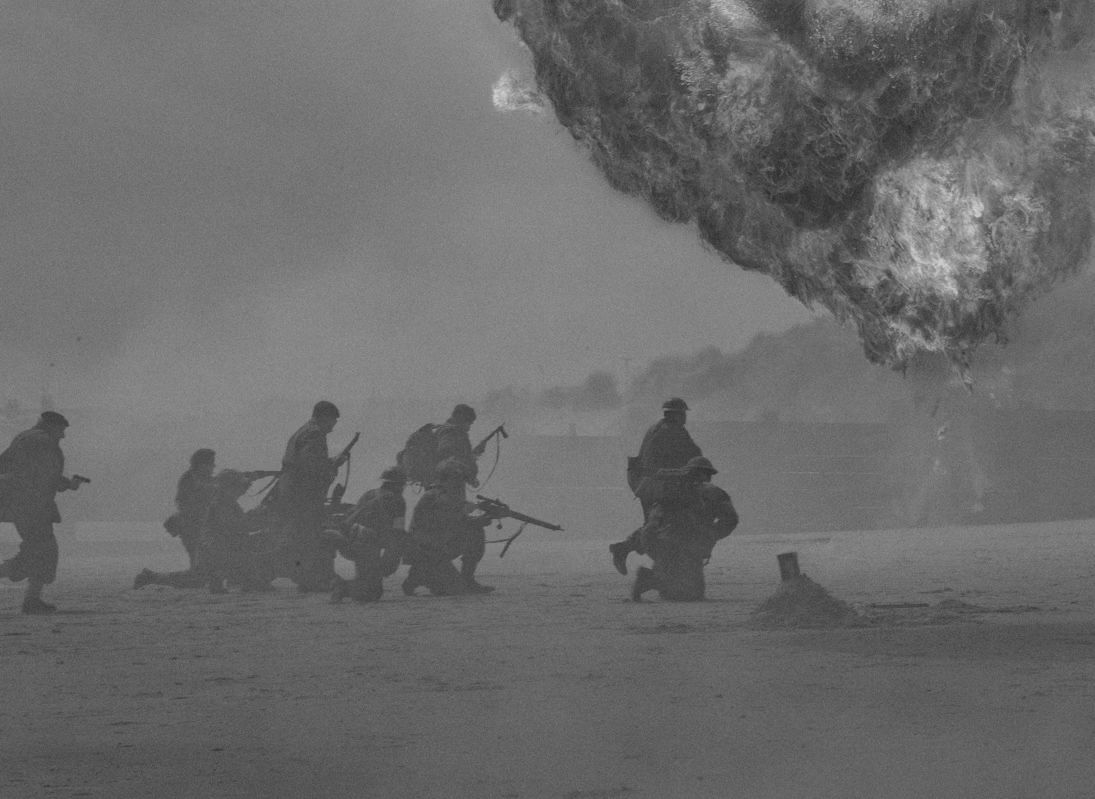
We often use the idiom "like walking through a minefield" to describe a social situation that is incredibly tense and fraught with hidden dangers. While it sounds like a literal warning, it has become a common expression for navigating tricky interpersonal politics. The phrase originated in the early 20th century, specifically around World War I (circa 1915), when the use of landmines became a terrifying new reality of modern warfare. It quickly shifted from a military term to a popular metaphor.
Find a penny, pick it up

"Find a penny, pick it up, and all day long you’ll have good luck" is an idiomatic rhyme that turns a mundane discovery into a superstitious event. The underlying belief likely traces back to ancient societies across Europe and Asia, who saw metal as a sacred gift from the gods, forged from the earth itself. Finding a piece of it was no accident; it was a sign of divine favor. By the early 20th century, it evolved to include the penny. Today, reciting this idiom acknowledges our enduring, playful hope for a little extra luck.
Knock on wood

When we say "knock on wood," we express an idiom to express a desire for continued good fortune or to ward off bad luck after boasting. It’s just a reflexive, superstitious way to keep the bad luck at bay, even if we’re only knocking on a laminated desk.
One popular theory traces it to ancient pagan cultures, particularly those that regarded trees as sacred or inhabited by spirits — a belief found across pre-Christian Europe, from Norse to Celtic traditions. By knocking on the trunk, people hoped to awaken these benevolent spirits to request protection, or sometimes to distract malicious ones from spoiling their good fortune. However, folklorists note there is little concrete evidence for this, and the true origin remains uncertain.