Fossilized words
What in tarnation?! How can a word be a fossil?
Published on October 19, 2026

You use them every single day: "without further ado," "to no avail," "at your beck and call." But do you know what "ado" actually means, or who’s doing the "beckoning"? Like many others, these are fossil words, pieces of language that vanished from everyday English centuries ago, except for one lucky phrase that kept them alive. Some come from Shakespeare, some from Old English assemblies, and one even comes from a word for murderous rage. These 10 everyday expressions have some wonderfully strange stories behind them.
Tarnation

If someone in an old Western says, "What in tarnation?!" the expression sounds unmistakably American, but "tarnation" was never a straightforward everyday noun like table or horse.
It arose in the late 18th century as a euphemistic alteration of damnation. Dictionary sources date its first recorded use to about 1775 to 1785 and connect it with forms such as tarnal, itself a dialectal pronunciation of eternal, and darnation. The point was to express surprise, irritation, or anger without using a stronger oath. Today, tarnation mostly survives in comic, folksy, deliberately old-fashioned speech, especially in phrases such as "what in tarnation?" It sounds quaint now because the softer substitute outlived the profanity it was designed to avoid.
Avail

"All to no avail" sounds perfectly natural, but try using avail in an ordinary sentence, and you may suddenly sound like you wandered out of an old novel.
The noun dates to Middle English and developed from an obsolete form related to the idea of being useful or valuable (think of available), ultimately connected to Old French valoir, "to be worth." For centuries, avail could refer to usefulness or advantage. Modern English has largely pushed it into formal expressions such as "to no avail," "of little avail," and "of no avail." The word has not vanished completely, but it has become much less comfortable outside those familiar constructions.
Moot

Moot has one of the strangest journeys on this list because its older meaning was almost the opposite of the way many people use it today.
The word goes back to Old English mōt, an assembly or meeting, related to the idea of coming together. By the 16th century, "moot" was associated with legal students discussing hypothetical cases, which helped produce the sense of something open to debate. In modern American English, however, a "moot point" can mean an issue that no longer matters or is not worth considering. The older debate-related meaning also survives, so context matters. If a canceled policy makes an argument irrelevant, calling it moot is quite different from saying the issue is still open for discussion.
Beck
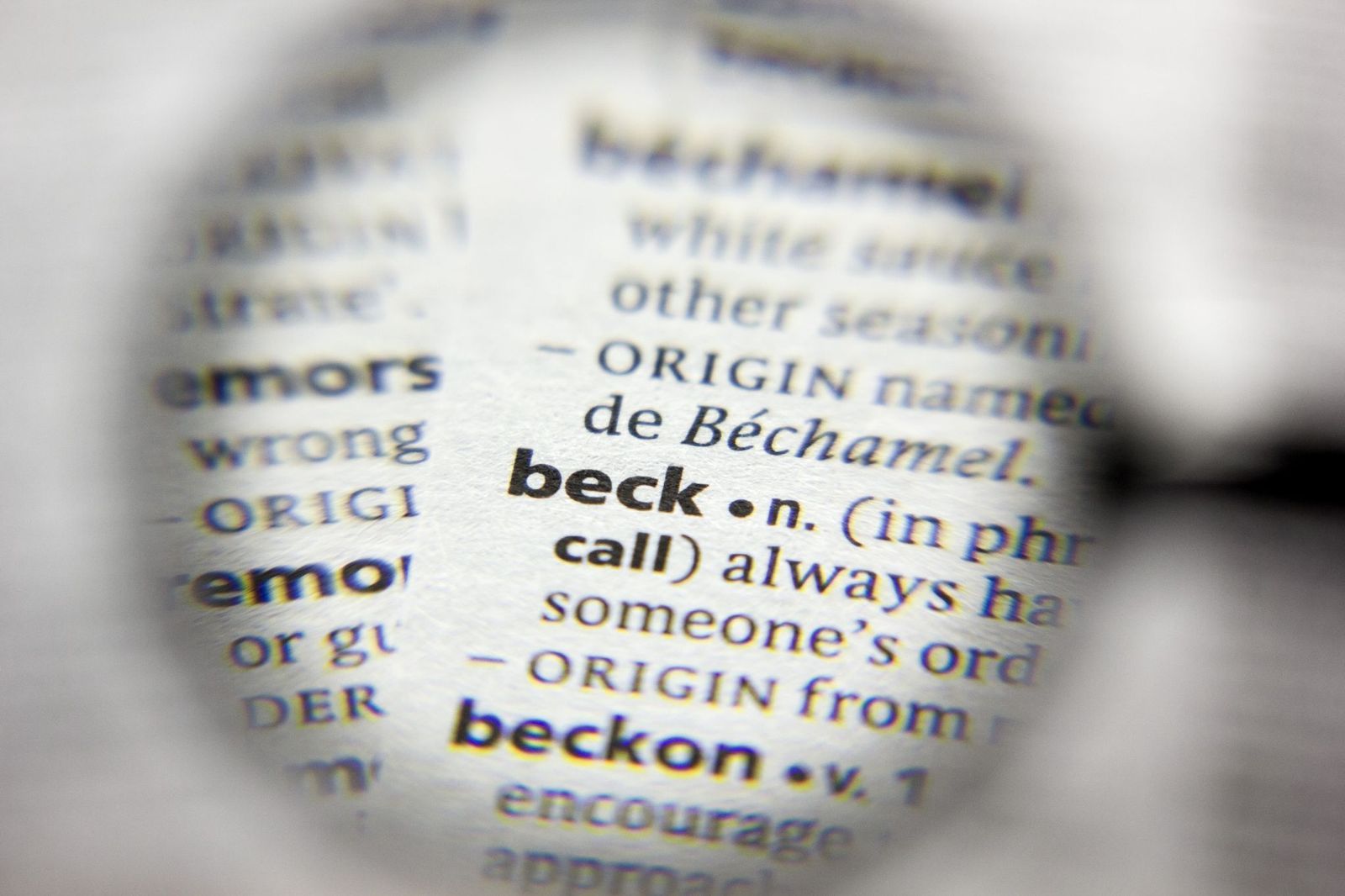
"At your beck and call" is such a familiar expression that it is easy to assume beck must still be an ordinary word. It is not, at least in the sense used here.
Beck comes from Middle English and means a gesture or signal of summons, essentially a shortened form related to beckon. The American Heritage Dictionary defines it as a gesture of beckoning. The phrase "beck and call" has been around for centuries, with a recorded example in Emilia Lanier’s 1611 poetry collection Salve Deus Rex Judaeorum. That makes "beck and call" a linguistic time capsule: one half remains common, while the other survives mainly because the two were paired.
Amok
"Run amok" may sound like a playful way to describe the kids tearing through the house or a shopping cart going wild in a crowded store. The word’s original story was much darker.
English borrowed amok in the 17th century through Portuguese from Malay amok, meaning a rushing frenzy. Early English descriptions used it for a person in a violent, murderous frenzy. By the late 17th century, amok was also being used as an adverb, and the phrase "run amok" developed from there. Modern English has softened the everyday use considerably. We now use it for people, machines, plans, or situations that become wildly uncontrolled, even when nobody is in danger. The word survived, but its everyday meaning changed dramatically.
Ado

Think of the phrase you hear before someone gets to the point: "without further ado."
Ado dates to late Middle English and originally meant action, business, fuss, or activity. Oxford traces it to northern Middle English at do, an older way of forming an infinitive, which eventually became the single word ado. By Shakespeare’s time, it was familiar enough to appear in the title Much Ado About Nothing, first published in 1600. Today, you can still meet ado on its own in literary or formal writing, but ordinary conversation overwhelmingly keeps it in the set phrase.
Figment

If you have ever told someone that something was "just a figment of your imagination," you have used a word with a surprisingly old passport.
Figment first appeared in English around 1400 to 1450, from Latin figmentum, meaning something made or feigned. In other words, the original idea was something fashioned or invented, not necessarily something sinister or imaginary. Over the centuries, figment narrowed toward the idea of something imagined or fabricated. Today, dictionaries still recognize it as a normal noun, but its most familiar home is the phrase "figment of the imagination."
Bide

You probably recognize "bide your time," especially from older books, movies, or a piece of advice from someone who knew that patience could pay off.
Bide is much older than the phrase. It comes from Old English bīdan, meaning to stay, remain, endure, or wait, and it had many uses in earlier forms of English. Over time, other words replaced that meaning, while bide survived especially well in the expression "bide your time," which means to wait patiently for the best moment to take action. It still appears occasionally outside that phrase, particularly in dialectal or literary English, but it feels distinctly old-fashioned to most.
Nother

"That’s a whole nother story" may make a grammar teacher wince, but the history of nother is more interesting than the phrase suggests.
Modern dictionaries describe it as an informal American adjective meaning "other," usually appearing in "a whole nother." It comes from a reanalysis of another, as if speakers heard "an other" and treated nother as a separate word. That interpretation is not entirely fanciful: older English really did use "a nother" as a form of "an other," with examples dating back centuries. The older form eventually became obsolete, but the split survived in American colloquial speech. So "a whole nother" is not simply a random modern mistake.
Fro
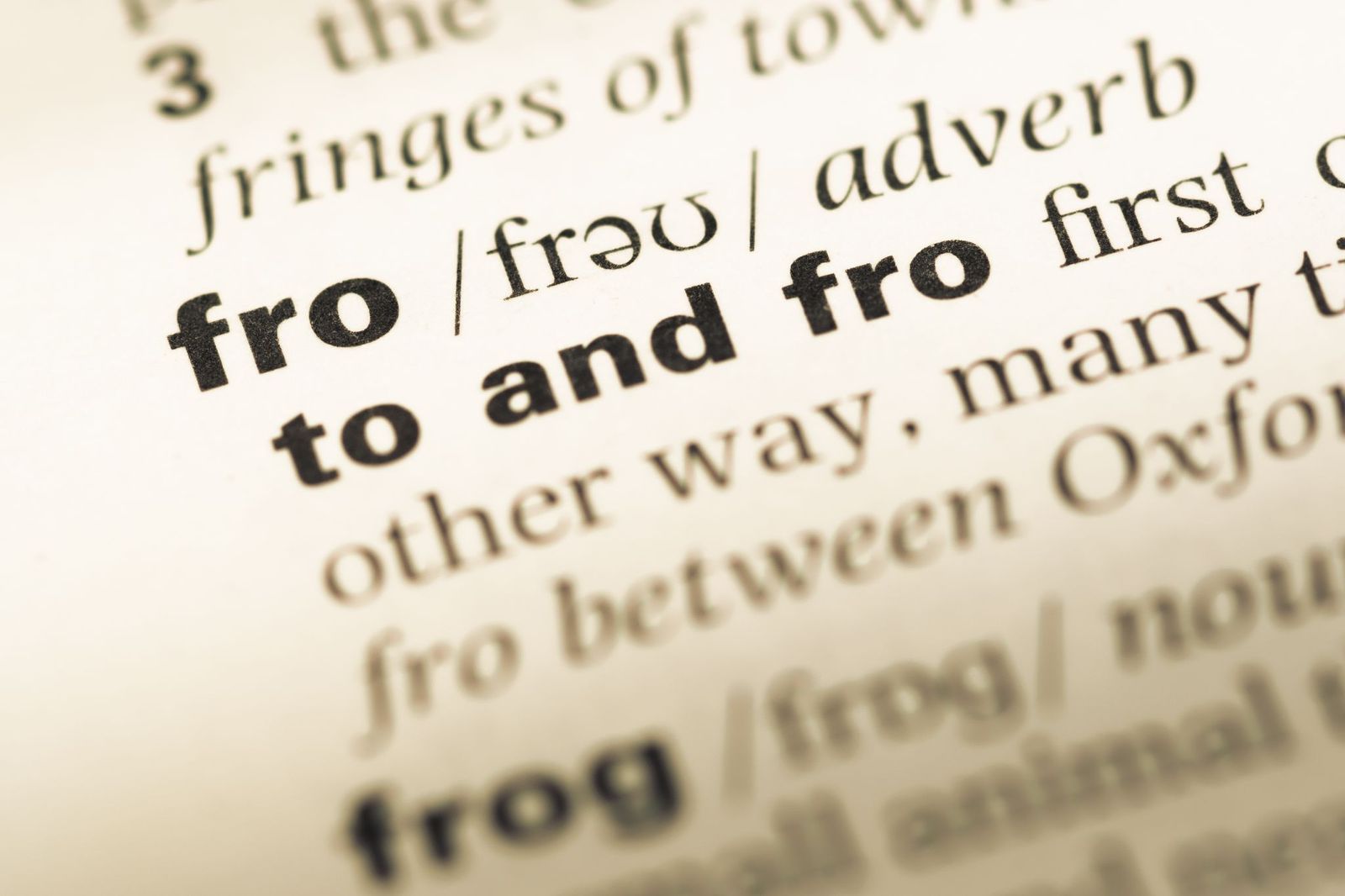
You still hear "to and fro" in conversation, but ask someone to use fro by itself and the language suddenly feels centuries older.
Fro comes from Old Norse and entered English as a word meaning "away" or "backwards." Etymological records trace it to around 1200, while "to and fro," meaning forward and backward, appears by the mid-14th century. Over time, from became the normal everyday counterpart, leaving fro with very little independent life in modern English. It has not disappeared entirely, since it can still appear in dialects and formal or literary writing, but the paired expression is by far its most familiar home.