Tango, Bravo

Why pilots say Mayday and 9 other codewords everyone should know


Published on August 12, 2026


Image: orso bianco

In situations where clear communication is paramount, especially when lives are at stake, professionals often rely on standardized codewords and phonetic alphabets designed to prevent confusion. Either from movies or from personal experience, it's probable that you've heard at least some of these before, and many have found their way into everyday conversation. Let's find out how many of these code expressions you can recognize.

1

Mayday

Image: Zhuravlev Andrey

Mayday is the international distress call used when the sender is in immediate, life-threatening danger. Pilots and mariners use it to signal that they require urgent assistance due to situations such as engine failure, fire, flooding, or medical emergencies.

The word was introduced in 1923 by British radio officer Frederick Stanley Mockford, who based it on the French phrase m'aider, meaning "help me," in an attempt to make it internationally recognizable. Hearing this transmission immediately alerts emergency responders that every second counts.

2

Pan-Pan

Image: DenisProduction.com

Not every emergency is severe enough to warrant a mayday call. When a crew faces a problem that is urgent but not immediately life-threatening, the appropriate codeword is Pan-Pan.

Like mayday, it comes from French: it derives from panne, meaning a breakdown or mechanical failure. A Pan-Pan call might be used if an aircraft loses an engine but can still fly safely, or if a ship experiences equipment problems while remaining under control. It tells responders that assistance is needed, but that the situation has not yet become critical.

3

SOS

Image: Grisha Bruev

Few emergency signals are as universally recognizable as SOS. Contrary to popular belief, the letters do not officially stand for "Save Our Ship" or "Save Our Souls." It was adopted in 1906 because SOS is an extremely simple, easy-to-transmit, and unmistakable pattern in Morse code.

SOS remains one of the world's most enduring distress signals, and it's still recognized by rescue organizations all around the globe.

4

NATO Alphabet

Image: Alexandros Michailidis

In the NATO phonetic alphabet, each letter is assigned a unique word to eliminate confusion when radio transmissions are distorted by noise or poor reception. If you've ever heard someone spell a name as "Mike Alpha Romeo Yankee," you've encountered the NATO phonetic alphabet.

The system was officially adopted by NATO in the 1950s and is now widely used by militaries, airlines, emergency responders, and many police departments worldwide. Using it greatly reduces the chance of misunderstanding important information over radio.

5

Roger

Image: nelikdulatov

Roger dates back to the early days of radio communication, when the letter R stood for "received." Before the adoption of the NATO alphabet, the US military used Roger instead of Romeo to represent that letter_._

Although modern communications systems have changed and the US military has fully embraced the use of the NATO alphabet, Roger remains standard aviation terminology, and it's one of the best-known radio acknowledgments in the world. It conveys a very simple but important meaning: "I have received and understood your message."

6

Wilco

Image: alleks19760526

Although many people assume Roger and Wilco mean the same thing, they actually convey different messages. Wilco is short for "will comply." In other words, it tells the sender not only that the message was received and understood, but that the instruction will be carried out.

Saying both Roger and Wilco is technically redundant in proper radio communication, since complying necessarily implies understanding, but the combination is often heard in movies and television.

7

Tango

Image: Quality Stock Arts

In the NATO phonetic alphabet, Tango simply represents the letter T. However, US military personnel have also adopted it as a shorthand when referring to a target or a hostile.

This secondary meaning became widely known through military operations in the twentieth century and has since appeared in countless books, films, and video games in phrases like "We've got one Tango moving north."

8

Oscar Mike

Image: Dragos Asaftei

Oscar Mike, NATO for the letters O and M, is military shorthand for "On the Move." It's a quick way of reporting that a unit has begun moving toward its objective.

The expression is especially common in the US military and has become more familiar to the general public through documentaries, memoirs, and films. It's finding its way into civilian life, meaning simply "I'm heading out."

9

10-4

Image: Elliott Cowand Jr

Ten-codes were developed during the 1930s to allow for brevity and standardization of message traffic in radio communications. They were widely adopted by US public safety departments and by radio enthusiasts.

While the system is being slowly phased out in favor of plain language communications, many local police, fire, and sheriff departments keep using it, and it is still strongly associated with radio culture by the general public. One of the most famous ten-codes is 10-4, meaning "received and understood."

10

Code Blue

Image: PeopleImages

Hospitals around the world use color-coded announcements to communicate emergencies without causing unnecessary panic among patients and visitors. Perhaps the best known is Code Blue, indicating that a patient is experiencing cardiac or respiratory arrest and requires immediate medical assistance.

While some hospitals use their own custom color codes, Code Blue has become so widely recognized that it now appears frequently in television dramas and everyday conversation whenever someone refers to a life-threatening medical emergency.


Be articulate

There is a word for that; you just never heard it: 12 odd & useful terms


Published on August 12, 2026


Image: Iren_Geo

English has a word for almost everything, even the things most people never think to name. From the tiny metal ring on a paintbrush to the groove above your upper lip, countless everyday objects, sounds, and sensations have surprisingly specific names. Most of these words come from Latin, Greek, or centuries-old trades, and many are still used by doctors, architects, musicians, and craftspeople today. Here are 12 wonderfully obscure terms that might just become your new favorite vocabulary words.

1

Ferrule

Image: Steve A Johnson

That little metal band holding the bristles onto a paintbrush or reinforcing the end of an umbrella has a name: a ferrule. Its job is to strengthen the object and prevent wood or other materials from splitting after repeated use. Without ferrules, many everyday tools simply wouldn't last as long.

The word entered English in the early 1600s and ultimately traces back to Latin. Today, you'll find ferrules on fishing rods, golf clubs, pool cues, pencils, electrical cables, furniture, and even dental restorations. It's one of those tiny parts you've probably seen thousands of times without ever knowing its name.

2

Agraffe

Image: Bauda Laboratorio Creativ

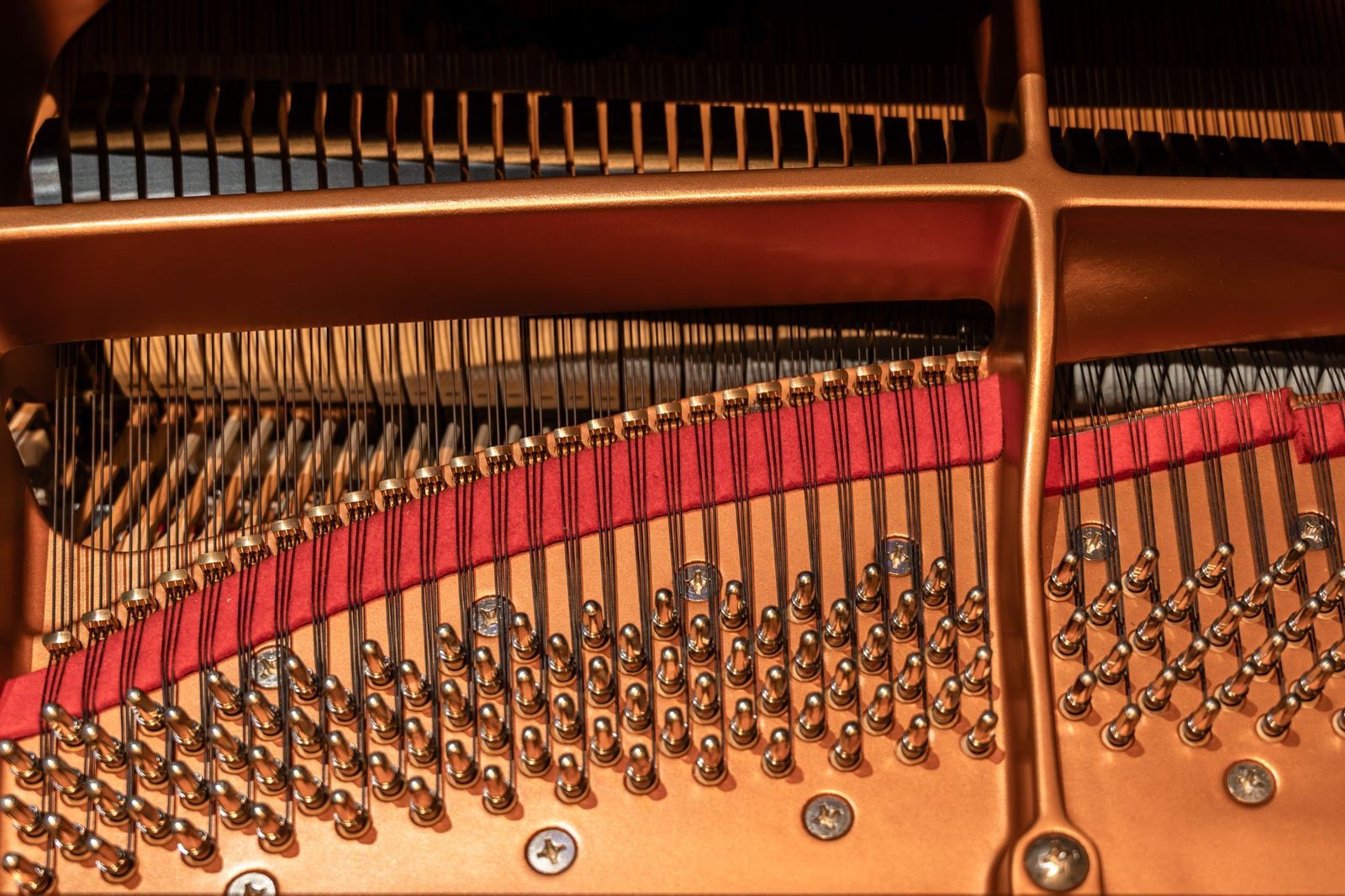
Peek inside a high-quality grand piano and you may find an agraffe, a small metal guide that keeps the strings perfectly aligned as they leave the tuning pins. That tiny piece plays an important role in producing the instrument's clear, balanced sound.

Borrowed from the French word for "hook" or "clasp," agraffe also refers to decorative fasteners used in jewelry and clothing. It's a highly specialized word that is used in two very different worlds: elegant fashion and world-class music.

3

Philtrum

Image: Simeon Jacobson

The narrow groove between your nose and your upper lip isn't just part of your face, it has a name. It's called the philtrum, and everyone has one, although its shape and depth vary from person to person.

The name comes from the ancient Greek philtron, meaning "love charm" or "love potion." Physicians sometimes examine the philtrum when diagnosing certain congenital conditions, but for most of us, it's simply one of those familiar facial features we never realized deserved its own entry in the dictionary.

4

Lunula

Image: PixelCommerceStudio

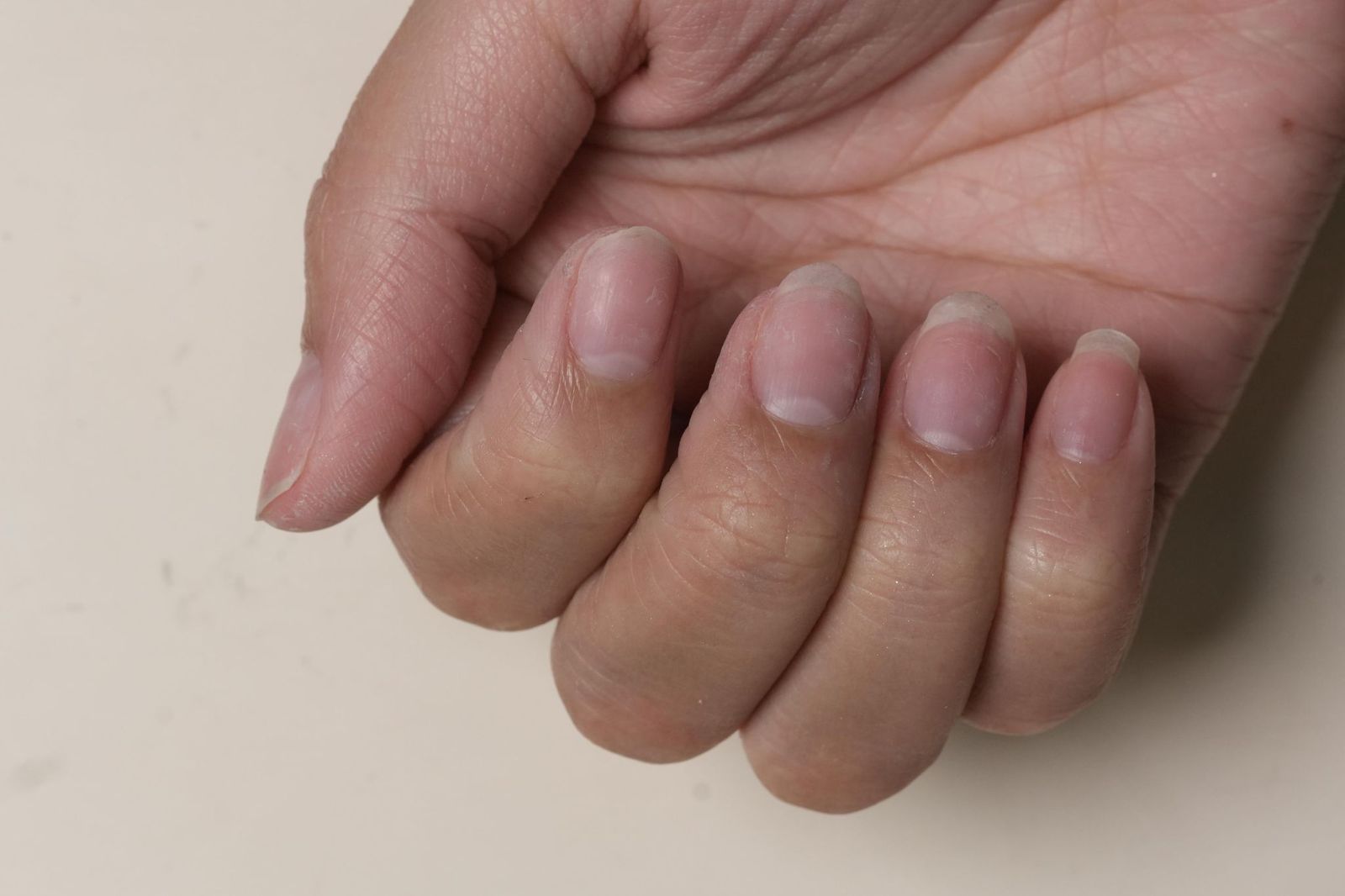
Look at the base of your thumbnail, and you'll probably notice a pale, crescent-shaped area. That's the lunula, the visible portion of the nail matrix where new nail cells are formed before the nail grows outward.

Its name comes from the Latin word for "little moon," an obvious nod to its shape. Lunulae are usually easiest to spot on the thumbs and may be faint or even invisible on other fingers. Surprisingly, that's perfectly normal and varies widely from one person to another.

5

Phosphene

Image: Chanin Dasri

Ever rubbed your closed eyes and seen flashes, sparkles, or floating patterns of light? Those mysterious little bursts are called phosphenes, and they happen even though no actual light is entering your eyes.

Scientists have studied phosphenes for centuries because they reveal how the brain processes visual information. Even astronauts have reported seeing them aboard spacecraft, where cosmic rays can stimulate the visual system and create brief flashes in the darkness of space.

6

Susurration

Image: Joshua J. Cotten

Some words sound like what they describe, and susurration is one of the best examples. It refers to a soft whispering, rustling, or murmuring sound, like leaves swaying in the wind, gentle ocean waves, or rain falling through a forest.

The word comes from the Latin susurrare, meaning "to whisper." Writers and poets have long adored it because the repeated "s" sounds seem to imitate the quiet noises themselves. It's hard to say susurration without almost whispering it.

7

Collywobbles

Image: Sasun Bughdaryan

Butterflies in your stomach before a speech? A nervous feeling before an exam? The British have a delightfully funny word for that: collywobbles. It refers to mild stomach discomfort, jitters, or anxious digestive unease.

Unlike many entries on this list, its exact origin isn't entirely clear, though it became popular in Britain during the early twentieth century. Today, it's usually used humorously, making an unpleasant feeling sound a little less unpleasant.

8

Muntin

Image: Bits And Splits

Those thin strips dividing old-fashioned window panes into neat little rectangles aren't just decorative; they're called muntins. Before modern manufacturing made large sheets of glass practical, muntins helped hold many small panes together.

Today, they're often added purely for appearance, giving newer homes a classic look. They're frequently confused with mullions, but there's an important difference: mullions separate entire window units, while muntins divide the individual panes within a single window.

9

Tines

Image: Julian Wallner

The pointed parts of your dinner fork aren't simply "prongs." Their proper name is tines. The same word also describes the spikes on rakes, pitchforks, combs, and even the branching points on a deer's antlers.

The term has existed since Old English and remains surprisingly useful. Hunters count antler tines, gardeners replace broken rake tines, and engineers carefully design tine shapes for farming equipment.

10

Pip

Image: Tracey Parish

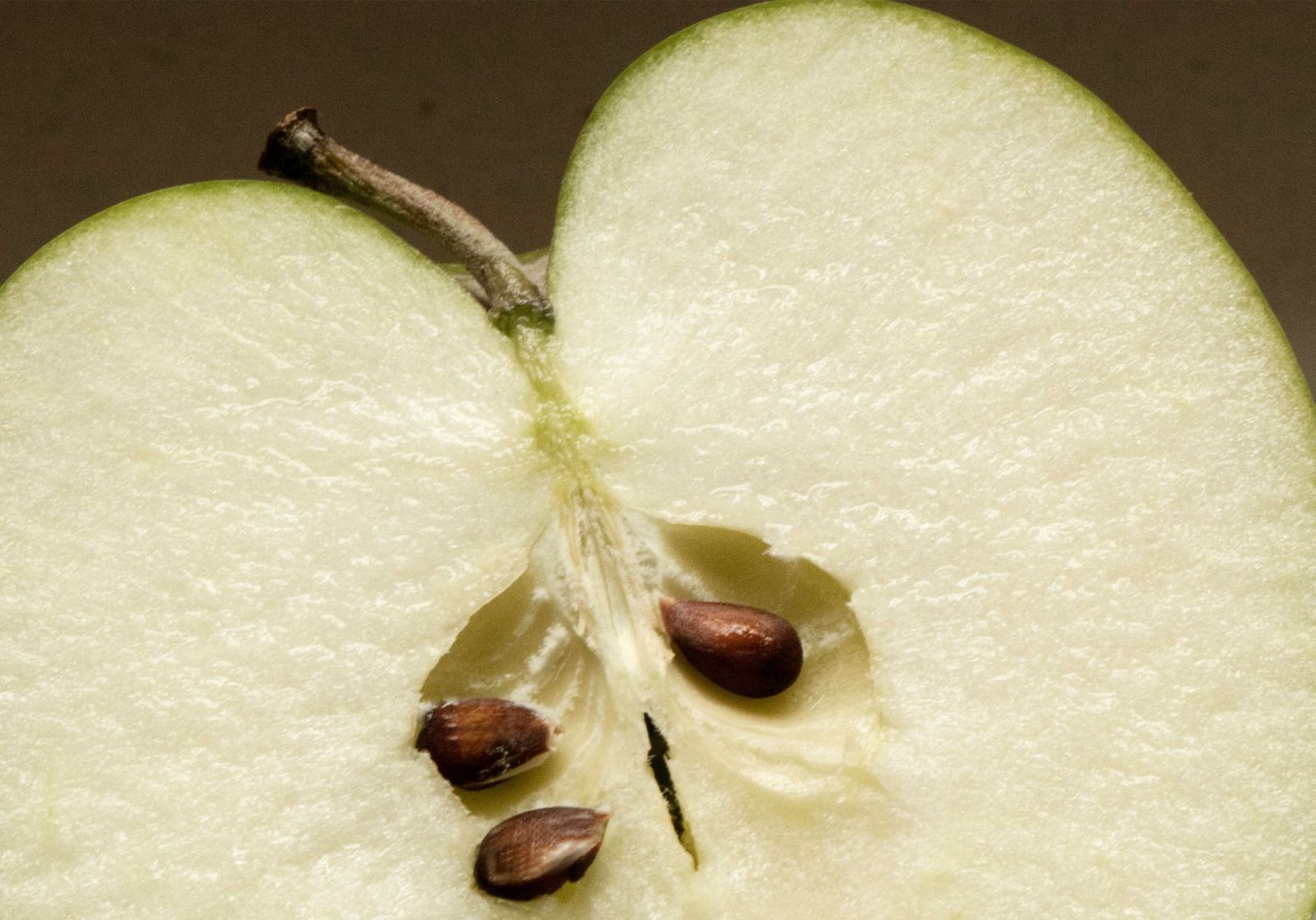
Slice open an apple, and you'll find several pips inside. In British English, pip is the everyday word for the small seeds found in fruits like apples, grapes, oranges, and lemons, while American English usually sticks with simply "seed."

The word has branched into many other fields as well. The tiny dots on dice, the symbols on playing cards, and even certain military insignia are all called pips. It's proof that one small word can sprout into several completely different meanings.

11

Paresthesia

Image: Sasun Bughdaryan

Almost everyone has experienced paresthesia, even if they've never heard the word. It's the medical name for the tingling "pins and needles" sensation that happens when a nerve is temporarily compressed, like after sitting awkwardly or sleeping on your arm.

Most episodes disappear within minutes as normal nerve function returns. However, persistent paresthesia can sometimes signal nerve disorders, diabetes, or vitamin deficiencies, which is why doctors pay close attention when the symptom doesn't go away.

12

Vagitus

Image: Tim Bish

A newborn baby's first cry has a surprisingly mysterious name: vagitus. That first loud wail does much more than announce a new arrival, it helps expand the lungs as the baby begins breathing independently for the very first time.

Derived from the Latin word for "cry" or "wail," vagitus remains a standard medical term in obstetrics and pediatrics. Doctors even use the expression vagitus uterinus for the exceptionally rare phenomenon of a baby crying before complete delivery, one of medicine's most unusual recorded events.

Looking for an extra scoop of literary fun?

Learn more with our Word of the day

fraud

/frɔd/