Body oddities
You have bugs in your face and bones full of holes—12 creepy body facts
Published on February 13, 2026
 Image: CDC
The human body is a marvel of biology—but sometimes, it's downright disturbing. Did you know it’s possible to cry blood? Or that we have taste receptors in our stomachs? From mysterious functions to deeply unsettling facts, our bodies are full of creepy surprises hiding beneath the surface. Here are 12 weird but true insights into what’s really going on inside you.
Your ears never stop growing
 Image: Kimia Zarifi
Unlike most body parts, ears (and noses) continue to grow as you age. It’s not just cartilage at work—gravity slowly stretches skin and tissue, making ears longer over time.
This process, sometimes called "gravity-induced elongation," only starts to become more noticeable after age 30. That’s why elderly people often seem to have larger ears, even if they were proportionate in youth.
You can taste with your stomach
 Image: Sander Dalhuisen
Receptors similar to those on your tongue exist in your stomach and intestines. They don’t "taste" in the traditional sense, though, but detect chemical signals.
Thanks to these oddly placed "taste" receptors, our bodies help regulate digestion and appetite by detecting nutrients and potential toxins. They’re crucial for gut-brain communication and may even influence cravings.
Eyelashes host tiny mites
 Image: Ali Shoaee
Yes, you read that right. Your eyelashes are home to Demodex mites—tiny, spider-like creatures that feed on dead skin cells and oils around hair follicles.
It may sound like something out of a horror movie, but most people—especially adults—have them. These mites emerge at night, mate on your eyelids, and retreat by morning. They’re harmless, but still undeniably creepy.
You’re slightly radioactive
 Image: Ana Itonishvili
Your body emits a small amount of radiation due to naturally occurring elements like potassium-40 and carbon-14, which are present in body tissues.
While this natural radioactivity is harmless, it’s still measurable. A single human body can emit around 7,000 particles per second—enough to trigger some sensitive detectors.
You can cry blood
 Image: Chaozzy Lin
Called haemolacria, it’s a rare condition where blood mixes with tears. Its causes can include infections, injuries, tumors, or hormonal changes.
Though quite dramatic and certainly alarming, some cases are benign. It has been documented in both adults and children, and it is often linked to extreme stress.
Your body sheds DNA everywhere
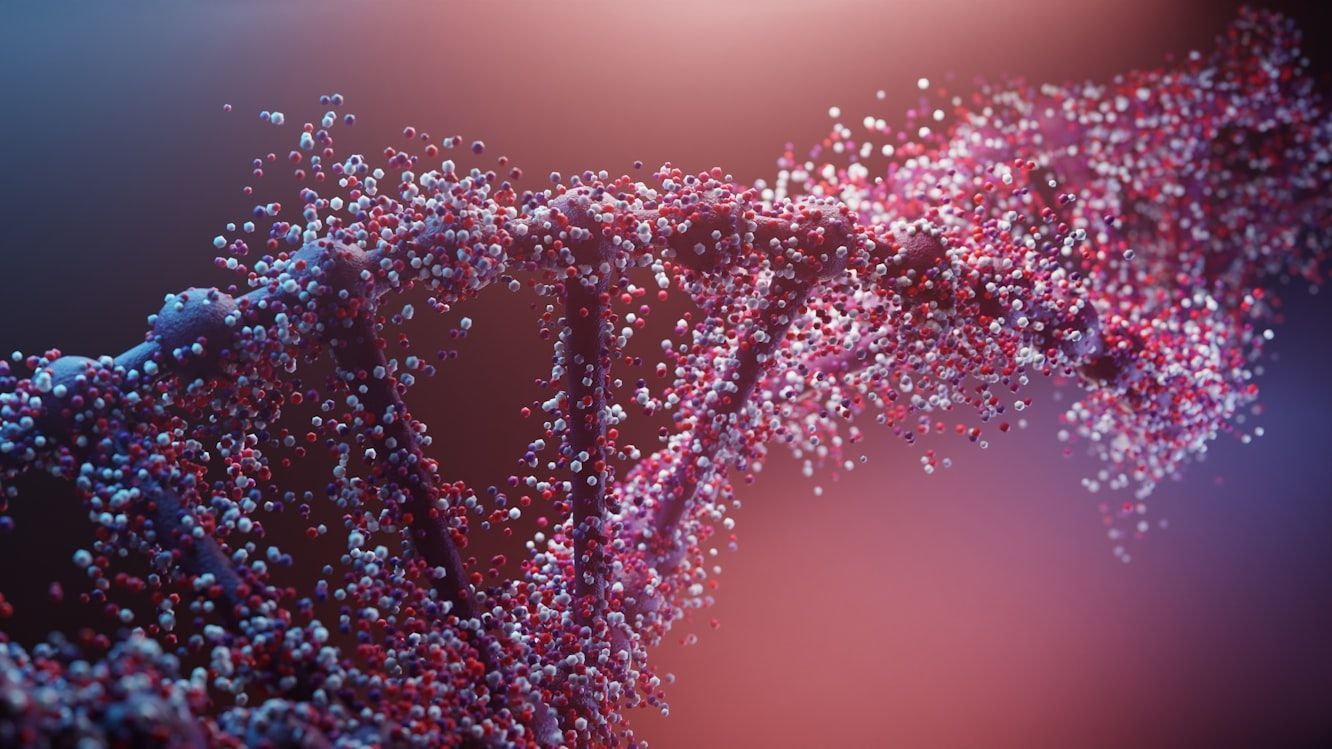 Image: MJH SHIKDER
Even just walking through a room, you leave behind a cloud of genetic material—skin cells, saliva, and sweat—all rich in your DNA.
Sometimes called a "biological fingerprint," this material is enough to identify you. Law enforcement and forensic scientists can even recover DNA from air filters or dust!
You might be born with extra organs
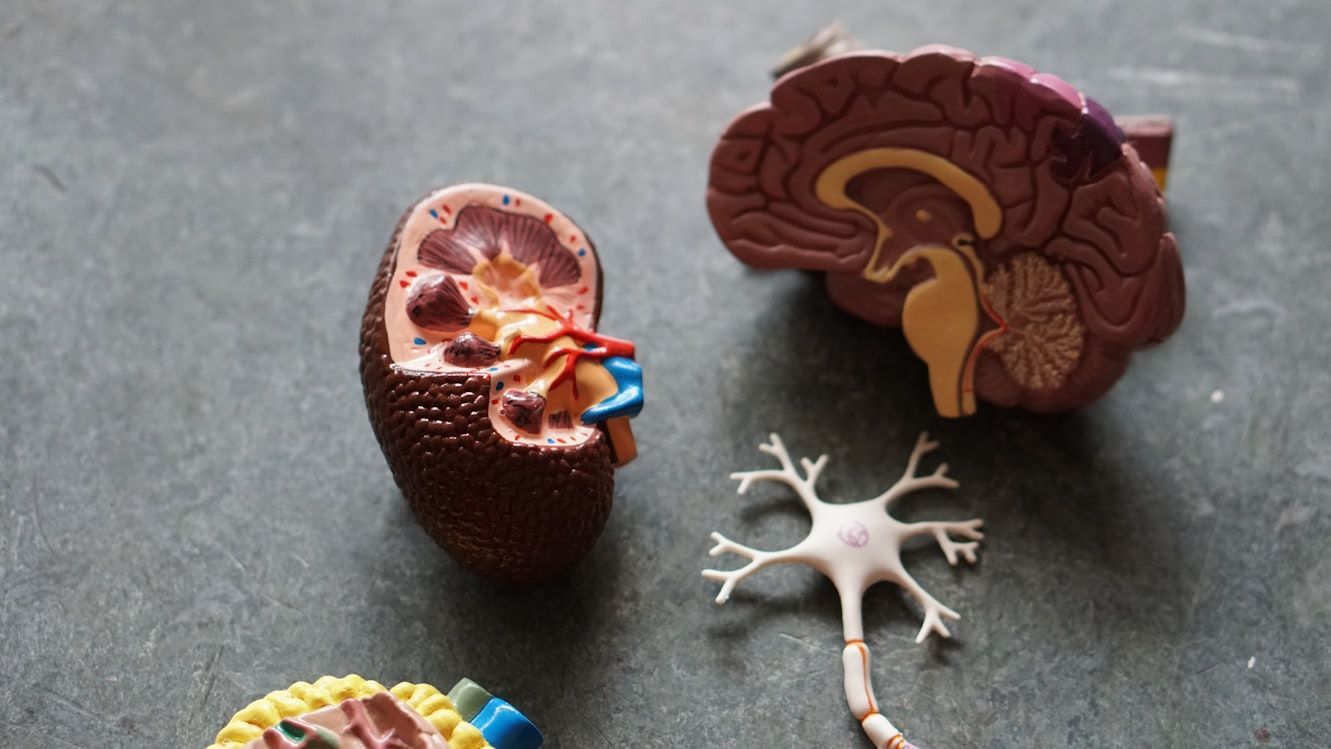 Image: Robina Weermeijer
Some people are born with supernumerary organs—extra kidneys, spleens, or even, in extremely rare cases, hearts. These additional organs are often non-functional but can still be detected.
For example, an estimated 1 in 1,000 people has an extra spleen, often discovered by accident during unrelated scans or surgery.
Your brain eats itself when you’re sleep-deprived
 Image: Anshita Nair
Lack of sleep triggers glial cells in the brain to break down and consume parts of synapses—literally "cleaning house" in an extreme way.
This self-cannibalization can lead to cognitive decline and has been linked to neurodegenerative diseases in chronic cases.
Your bones can grow horns
 Image: Alessandro La Becca
Osteomas are benign bone tumors that can sometimes protrude through the skin, resembling small "horns." Most appear on the skull or jaw.
Though rare, some osteomas can grow several inches. Surgical removal is usually performed for cosmetic reasons unless the growth interferes with normal function.
Your mouth is dirtier than a toilet seat
 Image: Ümit Yıldırım
The human mouth can harbor over 700 different types of bacteria—many more than you'd find on a toilet seat.
Most of these bacteria are harmless—and even essential for healthy bodily functions—but under poor hygiene or illness, they can cause infections, tooth decay, or even contribute to heart disease if they enter the bloodstream.
You can grow hair in your lungs
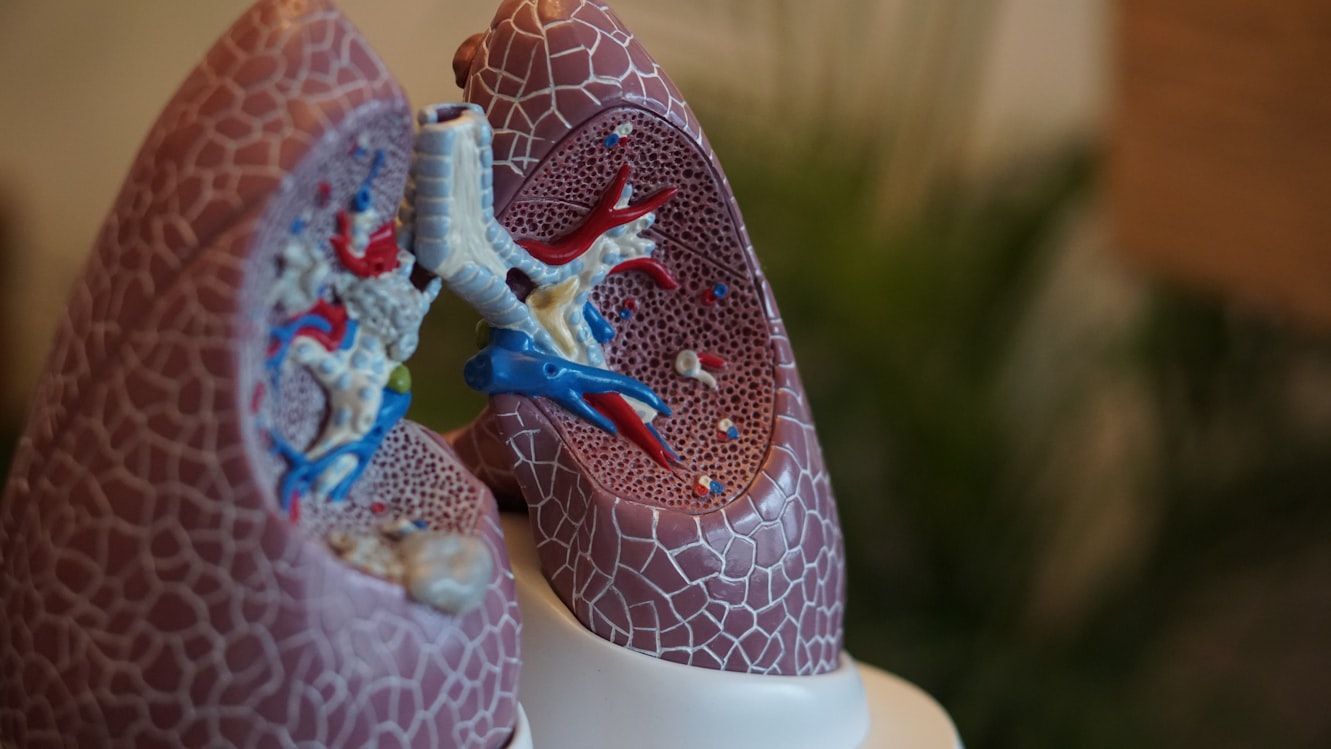 Image: Robina Weermeijer
In extremely rare cases, a type of tumor called a teratoma can develop in the lungs and contain hair, teeth, or even eye-like tissue.
Teratomas are usually benign but still quite bizarre. They form from germ cells and can grow almost any tissue type due to their stem cell origin.
Your bones are full of holes
 Image: Harlie Raethel
Even the hardest bones in your body are porous like a sponge. Under a microscope, they reveal a honeycomb structure filled with blood vessels and bone marrow.
This structure makes bones both strong and lightweight. However, in conditions like osteoporosis, those holes widen, weakening the bone from the inside.


