Which ones do you use?
These 10 slang terms came from catchy songs. Which one is your favorite?
Published on July 12, 2026

Popular music can become a part of popular culture not only through the music itself but also through the introduction of a certain word or phrase into the popular lexicon. Some of the words and expressions we use and hear every day were born in hit songs. In this article, we’ll look at a few popular terms that started as music and ended up in regular conversation. Some became slang; others evolved into full-fledged dictionary entries. Is any of these part of your everyday vocabulary?
Yada yada yada
Although many people think yada yada yada was invented by Seinfeld, the expression is much older. Variations such as "yatata" appeared in American entertainment as early as the 1940s, including Richard Rodgers and Oscar Hammerstein II's 1947 musical Allegro, where repetitive syllables represented meaningless cocktail-party chatter. Comedian Lenny Bruce also popularized similar wording in the early 1960s before television made it famous.
The phrase reached worldwide recognition in 1997 with Seinfeld's episode "The Yada Yada," where characters used it to skip over inconvenient details. Today it means "and so on" or "I'll spare you the boring parts," making it one of television's most successful contributions to modern English—even if its musical roots came first.
Twerk
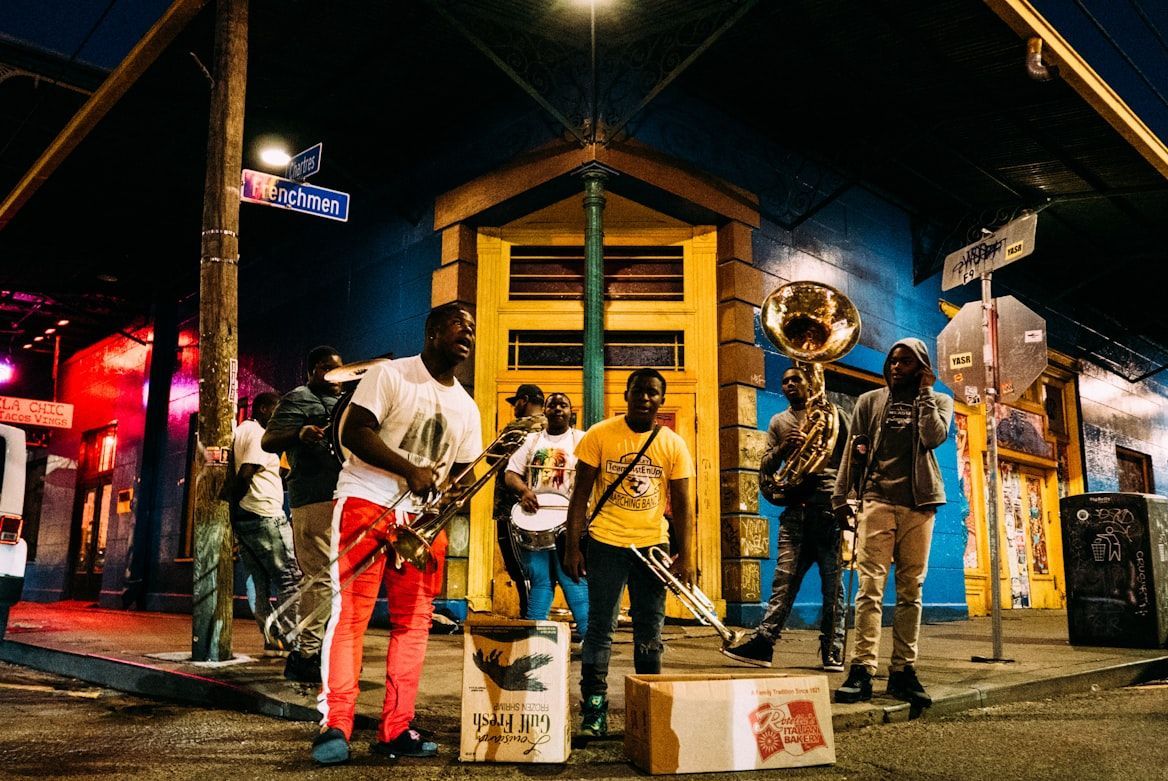
The word twerk first entered recorded music in New Orleans' vibrant bounce scene. One of its earliest known appearances came in DJ Jubilee's 1993 song Do the Jubilee All, where it described a fast, rhythmic dance involving hip movements. For years, the term remained largely regional, especially in Louisiana clubs and Southern hip-hop culture.
Its meaning exploded into the mainstream during the early 2010s as social media and pop stars introduced the dance to a global audience. In 2013, Oxford Dictionaries even named twerk its Word of the Year runner-up after adding it to the dictionary. Today, the word refers to both the dance itself and the energetic style that helped bring Southern hip-hop vocabulary into everyday English.
Doo-wop
The name doo-wop comes from the nonsense syllables sung by vocal harmony groups in the 1940s and 1950s. Although artists had been using sounds like "doo-wop" for years, the genre itself wasn't widely called doo-wop until the early 1960s. Groups such as The Platters, The Five Satins, The Orioles, and The Drifters helped define the smooth vocal style that became one of the foundations of early rock and roll.
Today, doo-wop describes far more than a few catchy syllables. It refers to an entire musical movement born in African American neighborhoods in cities like New York, Philadelphia, Chicago, and Baltimore. The name has become shorthand for the nostalgic sound of 1950s vocal harmony and remains closely associated with diners, jukeboxes, and the birth of rock and roll.
Bling
The word bling imitates the imagined sparkle of jewelry, but it became famous thanks to hip-hop. The turning point came in 1999 with "Bling Bling," a hit by New Orleans rapper B.G. featuring the Hot Boys and Big Tymers on Cash Money Records. The song celebrated diamonds, luxury cars, and success, turning a regional slang term into a worldwide catchphrase.
The expression quickly spread far beyond rap music. By 2002, bling had entered the Shorter Oxford English Dictionary, and Merriam-Webster followed in 2006. Today it refers to flashy jewelry—or, more broadly, any expensive, ostentatious display of wealth. What began as hip-hop slang is now understood around the world, even by people who have never heard the original song.
Rock ’n’ roll
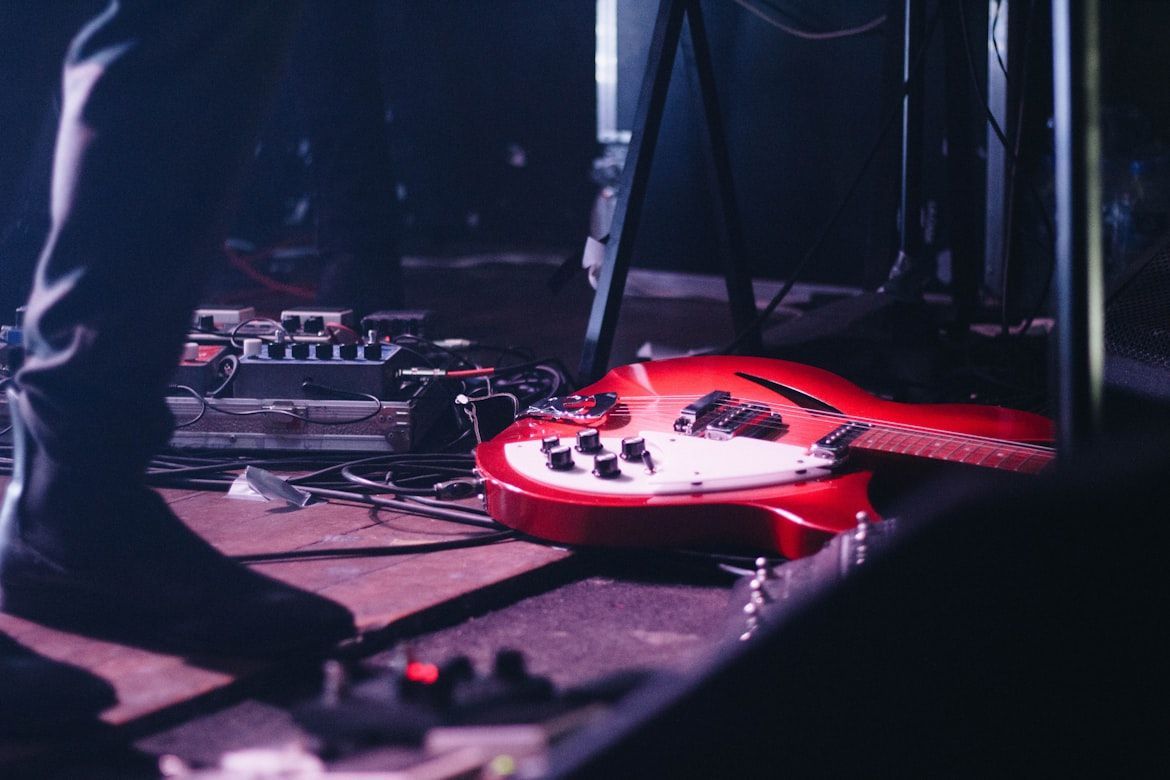
Long before it was named a musical genre, rock and roll was African American slang that appeared in blues and gospel lyrics during the first half of the twentieth century. It referred to movement, dancing, and sometimes romance. In 1951, Cleveland disc jockey Alan Freed adopted the phrase for his radio program, helping introduce rhythm and blues to a much wider audience and giving the new sound a memorable name.
Within a few years, rock 'n' roll described far more than music. Artists such as Chuck Berry, Little Richard, Elvis Presley, and Buddy Holly transformed it into a cultural movement associated with youthful rebellion, freedom, and changing social norms. Today, the expression still evokes an era that permanently reshaped popular music and culture around the world.
Hip-hop
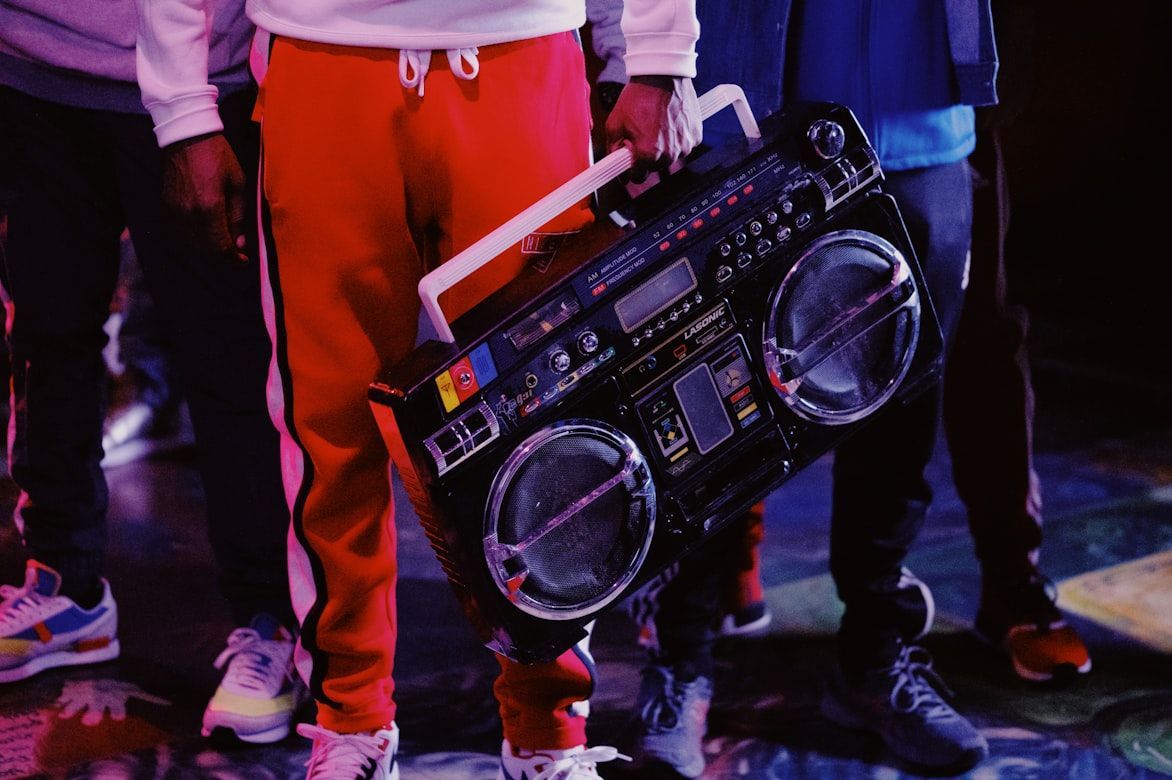
The phrase hip-hop entered popular culture in 1979 with The Sugarhill Gang's groundbreaking hit "Rapper's Delight." Its playful opening—_"I said a hip, hop, the hippie..."_—used rhythmic syllables to mimic the sound and flow of early MC performances. Although the culture already existed in New York City's Bronx, the song introduced millions of listeners to its vocabulary.
As rap music exploded worldwide, hip-hop became the name of an entire cultural movement rather than just a musical style. Today, the term encompasses DJing, MCing, breakdancing, graffiti art, fashion, and creative expression. What started as a catchy lyric in one of history's most influential rap songs has become one of the defining cultural labels of the modern era.
Mellow Yellow
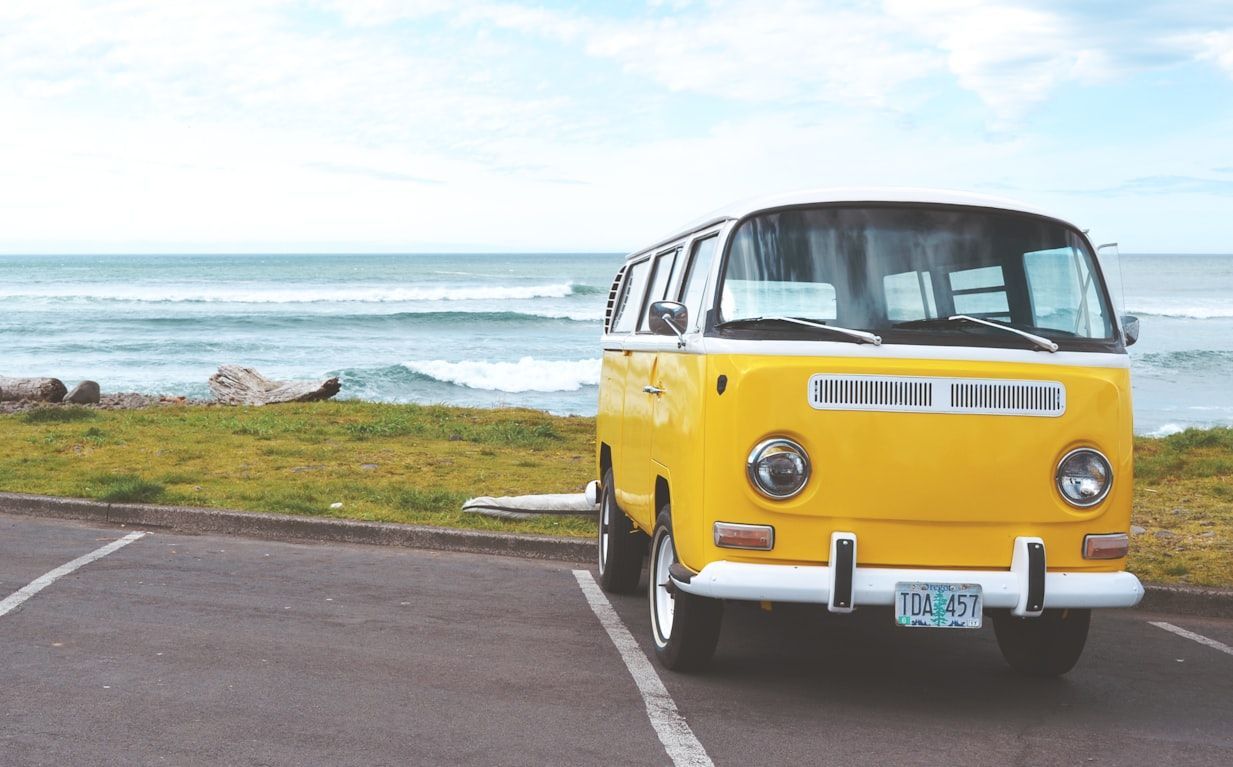
When Scottish singer-songwriter Donovan released "Mellow Yellow" in 1966, the title immediately caught listeners' attention. The song became an international hit during the height of the psychedelic era, and its easygoing sound helped reinforce the meaning of the adjective mellow, a word that had already begun evolving from describing ripe fruit to describing a relaxed, pleasant personality.
Although mellow yellow never became a true idiom in the same way as bling or others in this list, the phrase entered popular culture as shorthand for a calm, carefree mood. It has since appeared in advertising, television, films, and product names, while mellow remains one of the most common English words for describing someone with a laid-back, relaxed temperament.
Purple haze
"Purple Haze," released by The Jimi Hendrix Experience in 1967, quickly became one of rock's defining songs. Hendrix described the lyrics as inspired by a dream and a science-fiction story rather than by drugs alone, despite decades of speculation. The song's distorted guitar sound and surreal imagery helped establish psychedelic rock as one of the era's signature musical styles.
Over the years, purple haze has become a cultural shorthand for a dreamlike, confusing, or euphoric state of mind. The phrase regularly appears in books, movies, journalism, and everyday conversation whenever someone wants to describe mental fog or surreal circumstances.
Gin and Juice

Released in 1994, "Gin and Juice" became one of Snoop Dogg's signature songs and a defining anthem of West Coast hip-hop. Produced by Dr. Dre, the track painted a vivid picture of a relaxed California lifestyle filled with neighborhood parties, cruising, and confidence. Its instantly recognizable title helped turn a simple mixed drink into a pop-culture symbol recognized around the world.
Today, gin and juice is often used as a playful reference to carefree fun rather than the beverage itself. The expression appears in television shows, advertisements, memes, and countless musical references, while the song continues to rank among the most influential rap singles of the 1990s.
It takes two to tango

Most people assume this expression is an ancient proverb, but it actually began as the title of a hit American song. Songwriters Al Hoffman and Dick Manning wrote "It Takes Two to Tango," which Pearl Bailey turned into a hit in 1952. The lyrics point out that while many things can be done alone, dancing the tango requires two willing partners.
The phrase soon outgrew the song and became a popular idiom meaning that cooperation, or blame, often belongs to both sides. It gained worldwide attention again in 1982 when President Ronald Reagan used it to describe U.S.-Soviet relations. Although inspired by the famous Argentine dance, the expression itself is a modern American creation.


