Names that contain multitudes

10 real people who became widely used adjectives


Published on June 2, 2026


Image: Patrick Tomasso

Is it possible for a person to leave such a deep impression in their time that their name becomes synonymous with their most predominant characteristics? Of course! We can find many examples of this across history, but also in words that we use or hear often, and we might not realize that they are the names of famous queens, generals, writers, or philosophers. Here are 10 adjectives you have heard at least once that come from the name of a historical character.

1

Napoleonic

Image: Nicolas HIPPERT

Meaning: aggressive and domineering as a way to compensate for a fault in a different aspect.

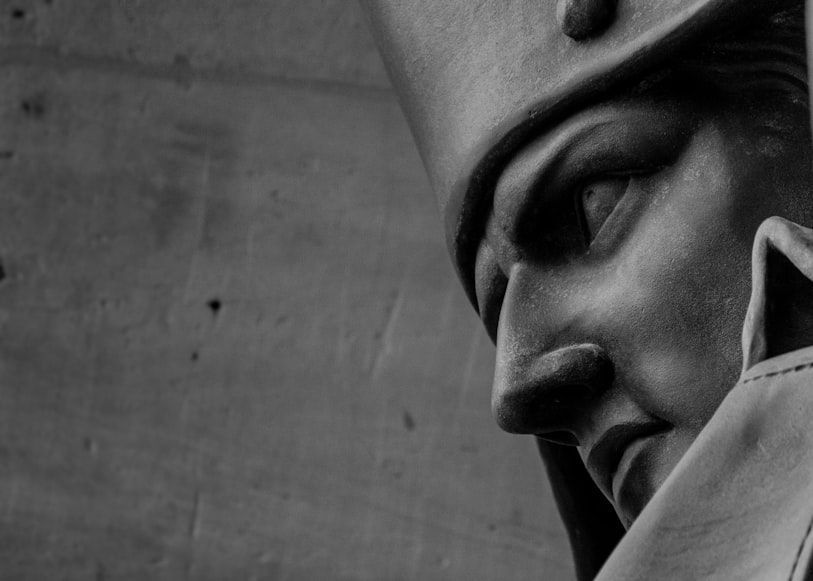
Be it that we think of Napoleon Bonaparte as a military genius or as a very lucky madman, we can’t deny that he was ambitious and assertive. However, some of his detractors say that this attitude was a way for him to compensate for his (very documented) lack of height. No matter his military triumphs, the name ‘Napoleon’ remained stuck to a physical trait.

2

Homeric

Image: Simone Pellegrini

Meaning: grand, heroic, epic.

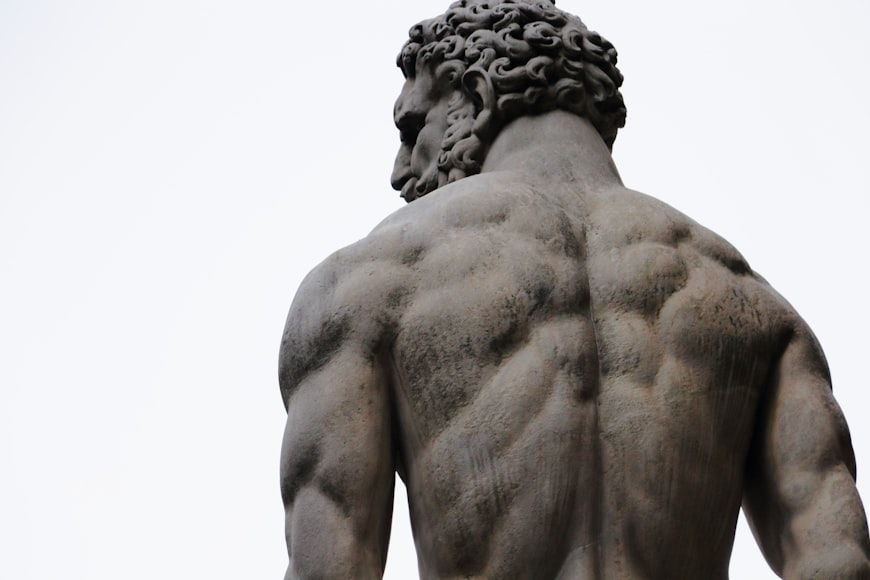
Homer’s The Iliad and The Odyssey are two of the most influential literary works of all time. Narrating the War of Troy, Odysseus’ journey back home, and the workings of the gods in human fate, the impact of these works in Western culture has made them, and their creator, the epitome of all that’s epic and heroic.

3

Kafkaesque

Image: Paulo Ziemer

Meaning: a complex, bizarre, and illogical situation.

Franz Kafka is known for his stunning prose, but even more for the oppressive and alienating world his characters live in, be it that they wake up turned into a giant insect or that they have to navigate the nightmares of a bureaucratic system. So, add ‘kafkaesque’ to your repertoire for the next time you are left endlessly waiting on a call with customer service.

4

Machiavellian

Image: Marius Teodorescu

Meaning: cunning, sneaky, manipulative.

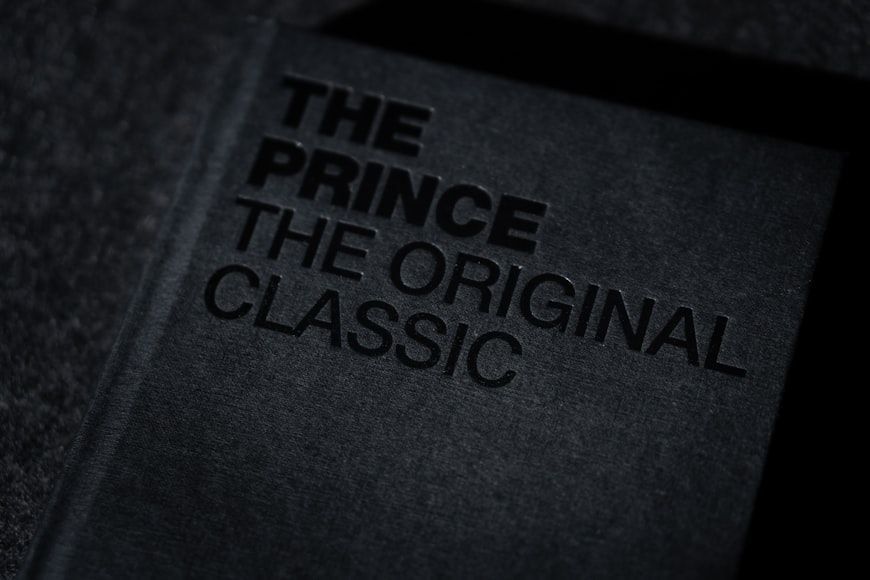
We often describe evil people and things as ‘Machiavellian’, but was Niccolo Machiavelli that twisted? Not necessarily, but some might say his ideas were. As the author of the political philosophy treatise The Prince, he was of the idea that the common good might justify using not-so-good means, which resulted in his name being associated with those who put their own interests above ethics and morals.

5

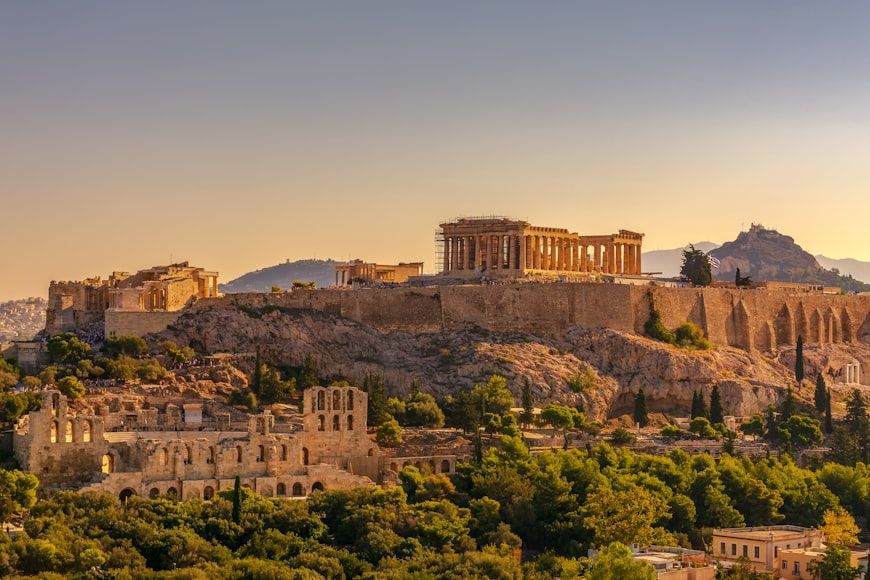
Draconian

Image: Constantinos Kollias

Meaning: excessively harsh or severe.

Chances are that, even if you heard the term ‘draconian’, you don’t know it refers to a real person. Draco was an Athenian lawmaker from the 7th century BC, infamous for creating a legal code so strict that even minor crimes warranted the death penalty. The severity of this code was such that his name became synonymous with excessive laws and regulations.

6

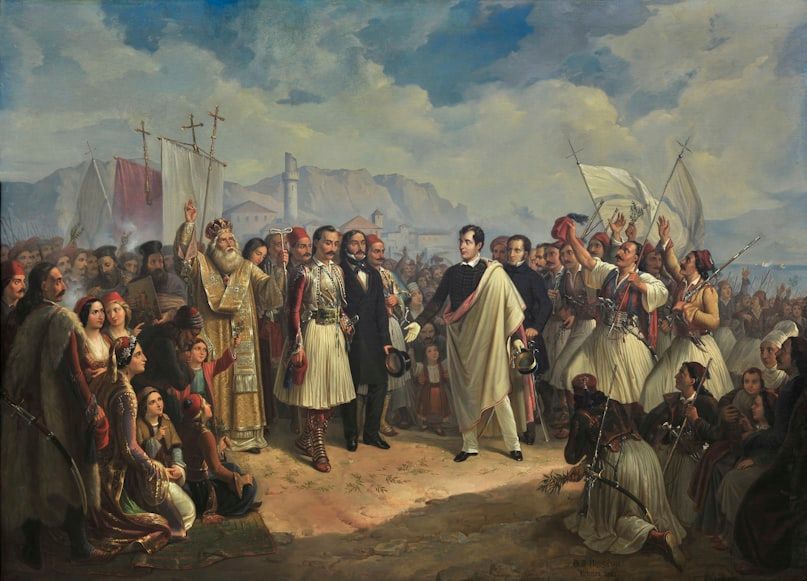
Byronic

Image: Europeana

Meaning: defying traditional heroic ideals, anti-heroic.

As far as 19th-century poets go, none was as rebellious, cynical, and self-destructive as George Gordon, better known as Lord Byron, and his male characters followed suit. Leaving a lasting impact in English society, the name Byron came to signify melancholy, rebellion, arrogance, cynicism, and a complete disregard for social rules.

7

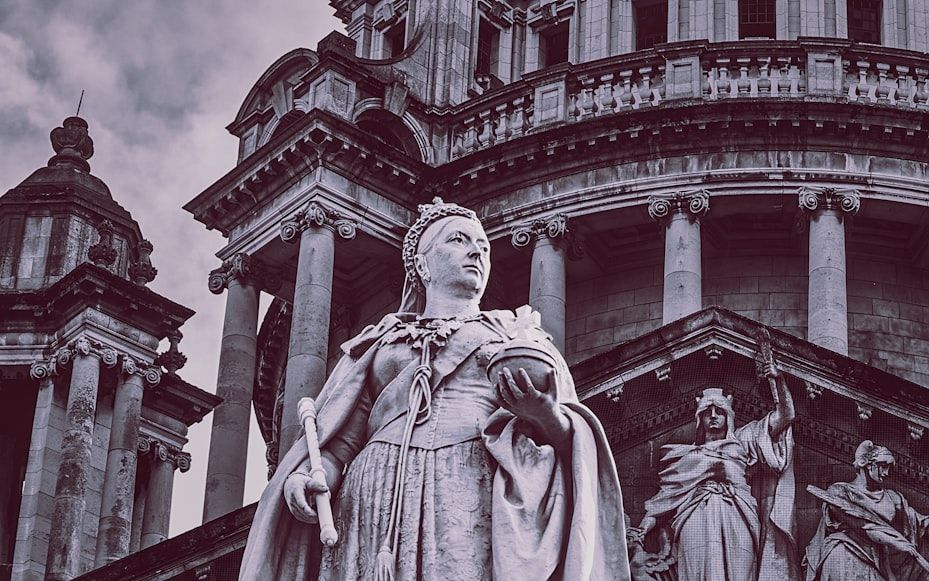
Victorian

Image: K. Mitch Hodge

Meaning: prudish, strait-laced, old-fashioned, rigid.

As the second-longest reigning monarch of the UK, Queen Victoria and her 63-year-long reign left a deep impression on British society and on the world. Although the Victorian era was characterised by industrialization and social reform, it was also a time when society behaved according to a strict moral code that is seen today as hypocritical, prudish, and extremely rigid.

8

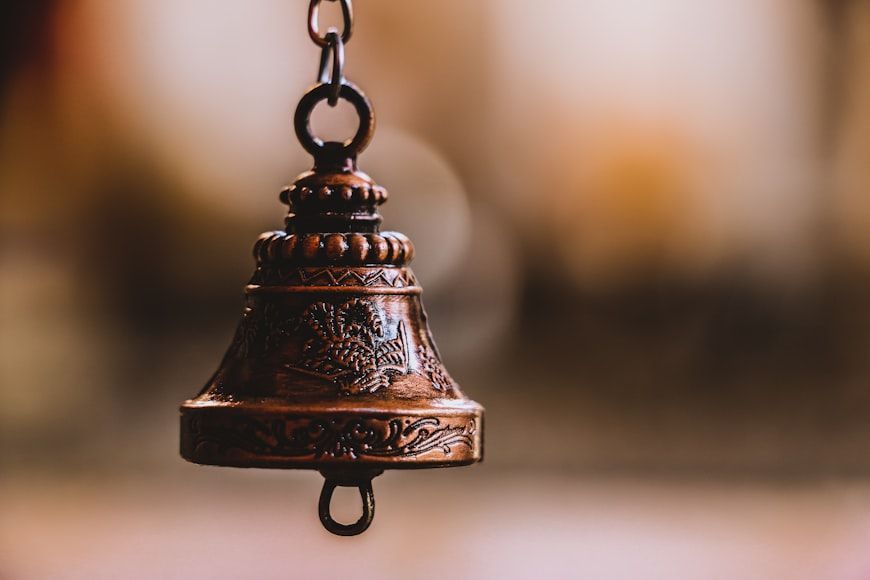
Pavlovian

Image: Sameep Adhikari

Meaning: an automatic or conditioned response to a specific stimulus.

When Russian physiologist Ivan Pavlov trained a dog to associate the sound of a bell with food, which in turn caused the dog to salivate when the bell rang, he couldn’t have imagined that his name would become an adjective used across the world. Next time you associate a random sound or action with a memory, remember that that Pavlovian response can be described thanks to a dog.

9

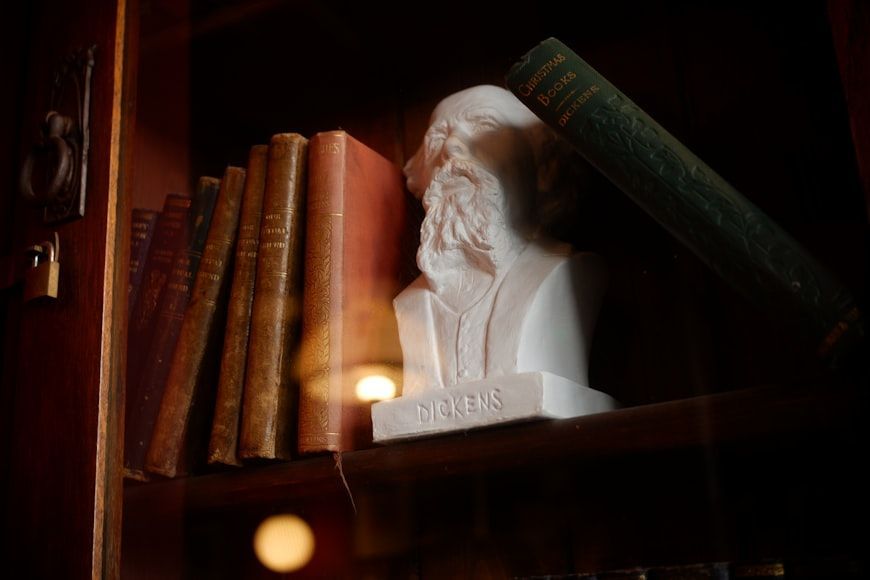
Dickensian

Image: Daniela Muntyan

Meaning: bleak, tragic, grim, eccentric.

Prolific 19th-century author Charles Dickens published his novels in installments meant to be read by the middle and working classes, so naturally, he chose topics he thought would appeal to those people, which resulted in stories of social injustice, poverty, industrialization, and its consequences, with a cast of eccentric characters to match. Dickens is now a revered author and the hand behind several beloved stories, but his name has turned into a way to describe situations reminiscent of those he depicted in his work.

10

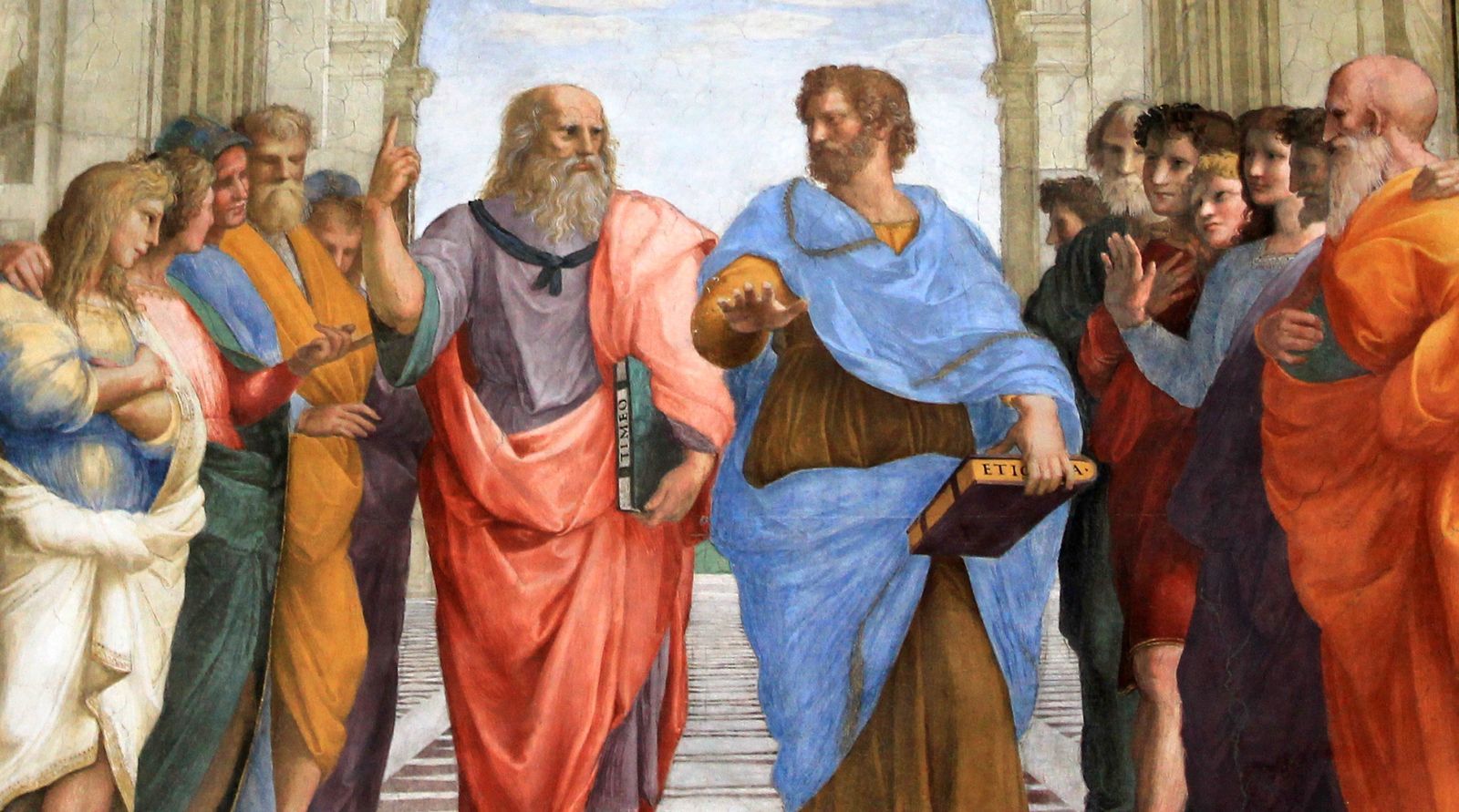
Platonic

Image: Raphael, Public domain, via Wikimedia Commons

Meaning: a spiritual, intellectual, or emotional relationship, free from desire.

We use the term ‘platonic’ often, and although we know who Plato was, we sometimes fail to realize that what he described in his works and what we call ‘platonic’ are not the same thing. In his writings, Plato suggested that true love was spiritual and could transcend the physical aspect of life. With the passing of time, people came to associate the ‘platonic’ idea of love with a love freed from physical desire.


NAME ANCESTRY

14 Surprising Origin Stories Behind State Names In The USA


Published on June 2, 2026


Image: Pin Adventure Map

Ever wondered where most US states’ names come from? From Native American roots to foreign or made-up words, the stories behind many of them are riddled with surprising historical references. Although the origin of some US states’ names is fairly obvious, many derive from unexpected people or places. The origin of names like Colorado, Montana, or Nevada are easy to infer —especially if you know a bit of Spanish— but many others have Native American origins with intriguing meanings. Some are even derived from fiction. If you ever wanted to know where names like Oregon, Connecticut, or Wisconsin come from, you are in the right place. Enjoy the surprising etymologies behind some of the names that make our country.

1

Alabama

Image: Joshua Woroniecki

Interestingly, for a state whose main economic activity is agriculture, the word Alabama comes from the Choctaw language and can be translated as "plant-cutters" or "vegetation pickers", recalling the farming practices of the Native Americans that lived in this area.

2

Alaska

Image: olio creative

Alaska is a corruption of an Aleut word that means "mainland", but can be translated literally as "the object towards which the action of the sea is directed". This is one of those names that manage to bring poetry into a word as simple and down-to-earth as land.

3

California

Image: Vital Sinkevich

This one comes from… a Spanish adventure novel! Bet you didn’t expect that. In Las Sergas de Esplandin by Garcia Ordez de Montalvo, a book from the 1500s, there is a fictional place called the "Island of California". Even when the modern state of California is clearly not an island, some die-hard fanatic of the novel decided to bring the name to life here in the U.S.

4

Connecticut

Image: Juliette Dickens

Derived from the Algonquian word quinnehtukqut, which can be translated as "besides the long tidal river", in reference to the river Connecticut. If you are wondering what the "tidal" part means exactly, this is because the Connecticut River's flow and level are effectively influenced by tides along much of its course. Certainly some amazing insight into the rigorous knowledge of local hydrology that Native Americans managed to accrue over the centuries.

5

Hawaii

Image: Luke McKeown

Although the origin of this name is disputed, there are two main theories. One suggests that the islands may have been named after Hawaii Loa, their traditional discoverer. However, others have speculated that it is actually derived from the ancient Polynesian word hawaiki, meaning "place of the gods".

6

Idaho

Image: NEOM

Another crazy one. Although the name was first claimed to be derived from a Shoshone word that meant "Gem of the Mountains", it is highly likely that the word was fabricated by George M. Willing, and meant as a practical joke.

7

Indiana

Image: Stéfano Girardelli

Quite literally, "land of Indians", using a Latin suffix. The word Indians originally referred to the ancient dwellers of the shores of the Indus River, in South and Central Asia.

8

Kansas

Image: NOAA

"Toto, I've a feeling we're not in Kansas anymore!" said Dorothy, from The Wizard of Oz, right after a rampant tornado literally lifted her house in the air and took it to God knows where. Well, this US state’s fame for violent winds predates even the first settlers, since Kansas is a Native American word used by the Dakota, strongly related to the idea of "wind".

9

Kentucky

Image: Drew Beamer

This state owes its name to an Iroquoian word that means "land of tomorrow". Quite a blockbuster-worthy movie title, if you ask me.

10

Maine

Image: Mercedes Mehling

The origin story behind the name of "The Pine Tree State" is still disputed. However, there are some interesting theories. One states that it derives from "mainland", as a form of distinction from the many coastal islands in the vicinity. Other theories propose that it was named in honor of Henrietta Maria, queen of England, or after the province of Mayne in France.

11

Missouri

Image: Anthony Cantin

To the Native Americans that lived in this region, Missouri meant "town of the large canoes", as the Missouri tribes were renowned for their skill in making dugout canoes.

12

Oregon

Image: Ashley Levinson

A largely disputed one. Many suggest that the name has Spanish origins, being similar to other words like orejón (meaning "big ear") or orégano, in reference to a type of plant (similar to the Mediterranean oregano) that grows in the southern part of the state.

13

Pennsylvania

Image: Donnie Rosie

This is the only state that has a part of its founder’s name in it. It is widely believed that Pennsylvania means "Penn’s Woodland", and was named as such in honor of Sir William Penn, father of its founder William Penn.

14

Wisconsin

Image: Brydon McCluskey

This is probably a French corruption of a native Miami word that meant "it lies red" or "river running through a red place", in reference to the bed of the river Wisconsin.

If our quick dive into the peculiar world of US state names wasn’t enough to quench your curiosity, stay around! We will keep uploading more content related to language and the weird stories and etymologies behind many English and foreign words.

Looking for an extra scoop of literary fun?

Learn more with our Word of the day

utilitarian

/juˌtɪləˈtɛriən/