Hidden revolutions

10 inventions we can’t live without (but never think about)


Published on January 18, 2026


Image: Max Bender

Some inventions rewired the world — yet most of us hardly think about them. They’re not flashy like smartphones or rockets, but they quietly shape daily life, industries, and even global economies. From ball bearings to barcodes, here are 10 unsung technologies and materials that made the modern world possible.

1

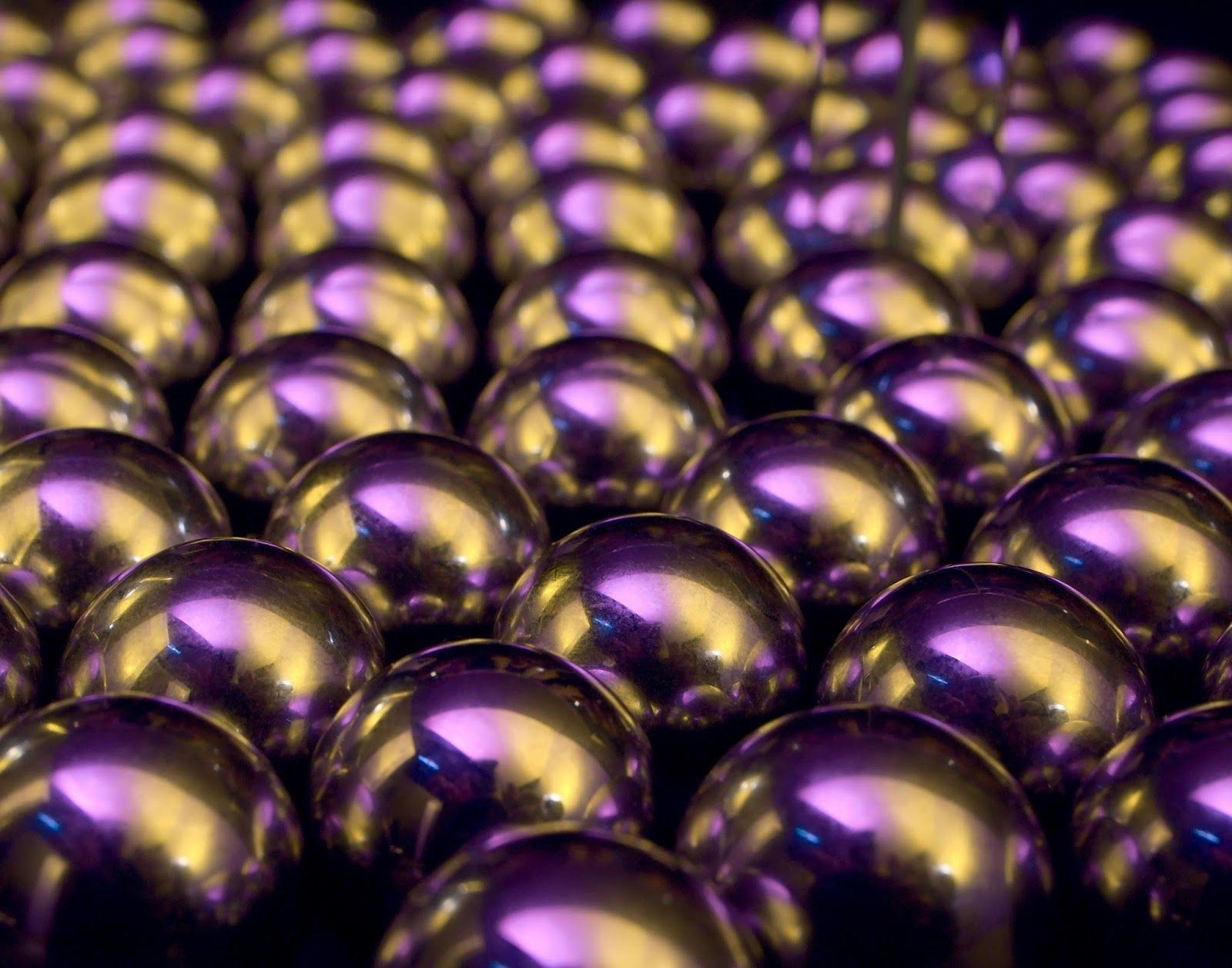
Ball bearings

Image: Random Thinking

These simple metal spheres changed machinery forever. By reducing friction, ball bearings made everything from bicycles to jet engines smoother and longer-lasting.

First patented in 1794, they soon became essential to industrial machinery and automotive manufacturing. Without them, both modern transport and precision engineering would grind to a halt.

2

Portland cement

Image: Wes Hicks

Modern cities wouldn’t be the same without this now-ubiquitous material. Invented in 1824, Portland cement enables the production of strong, versatile concrete.

From bridges to apartment blocks, its high compressive strength revolutionized construction. Today, it’s the second-most-consumed substance on Earth after water—absolutely essential to urban life.

3

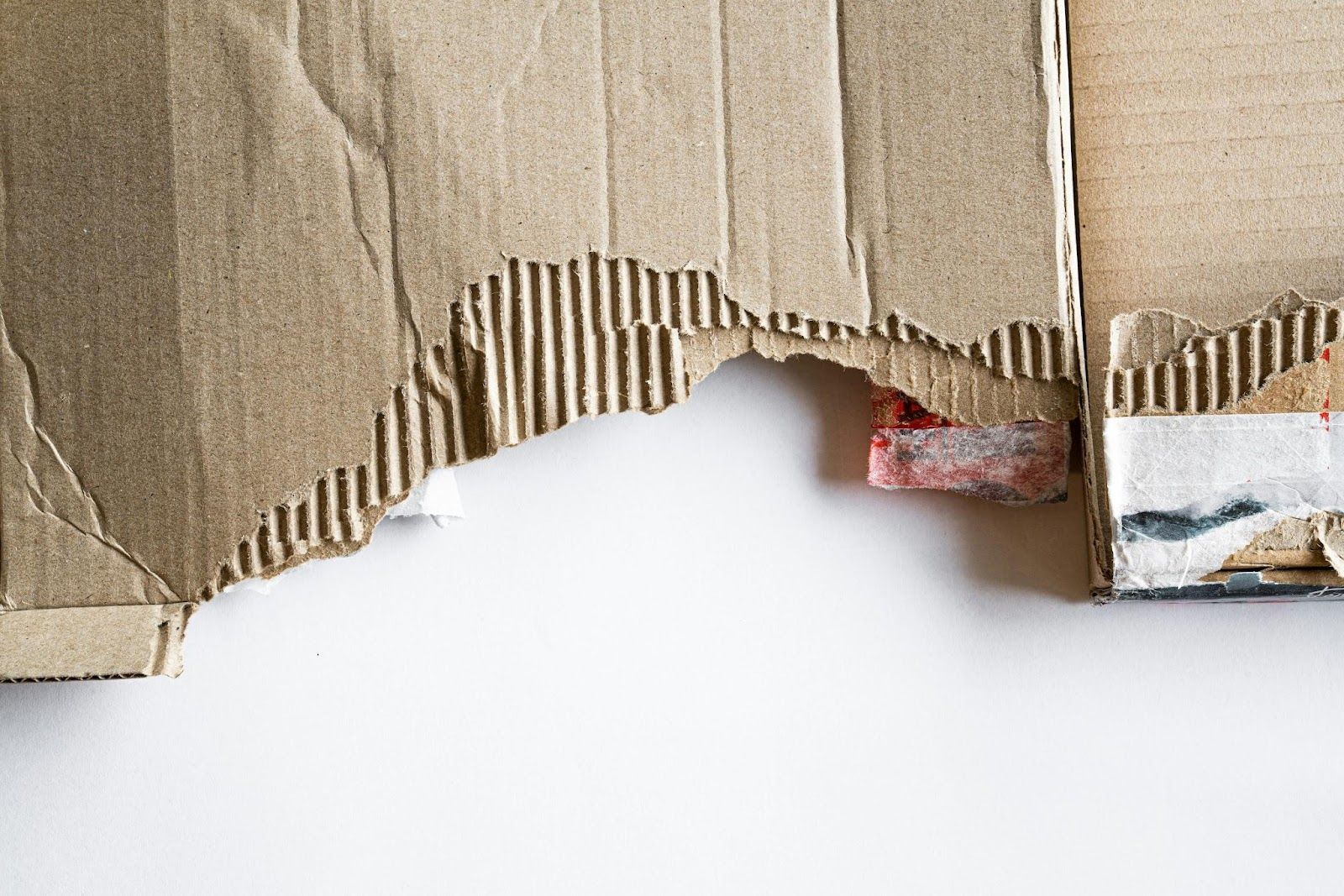
Corrugated cardboard

Image: Paper Textures

Patented in 1871, corrugated cardboard is an incredibly light, strong, and inexpensive material. Its ease of manufacture and durability greatly enabled the mass shipping of fragile goods, protecting them during long transport.

With the recent rise of e-commerce, it has become one of the most produced materials in the world, though most of us only notice it when opening packages.

4

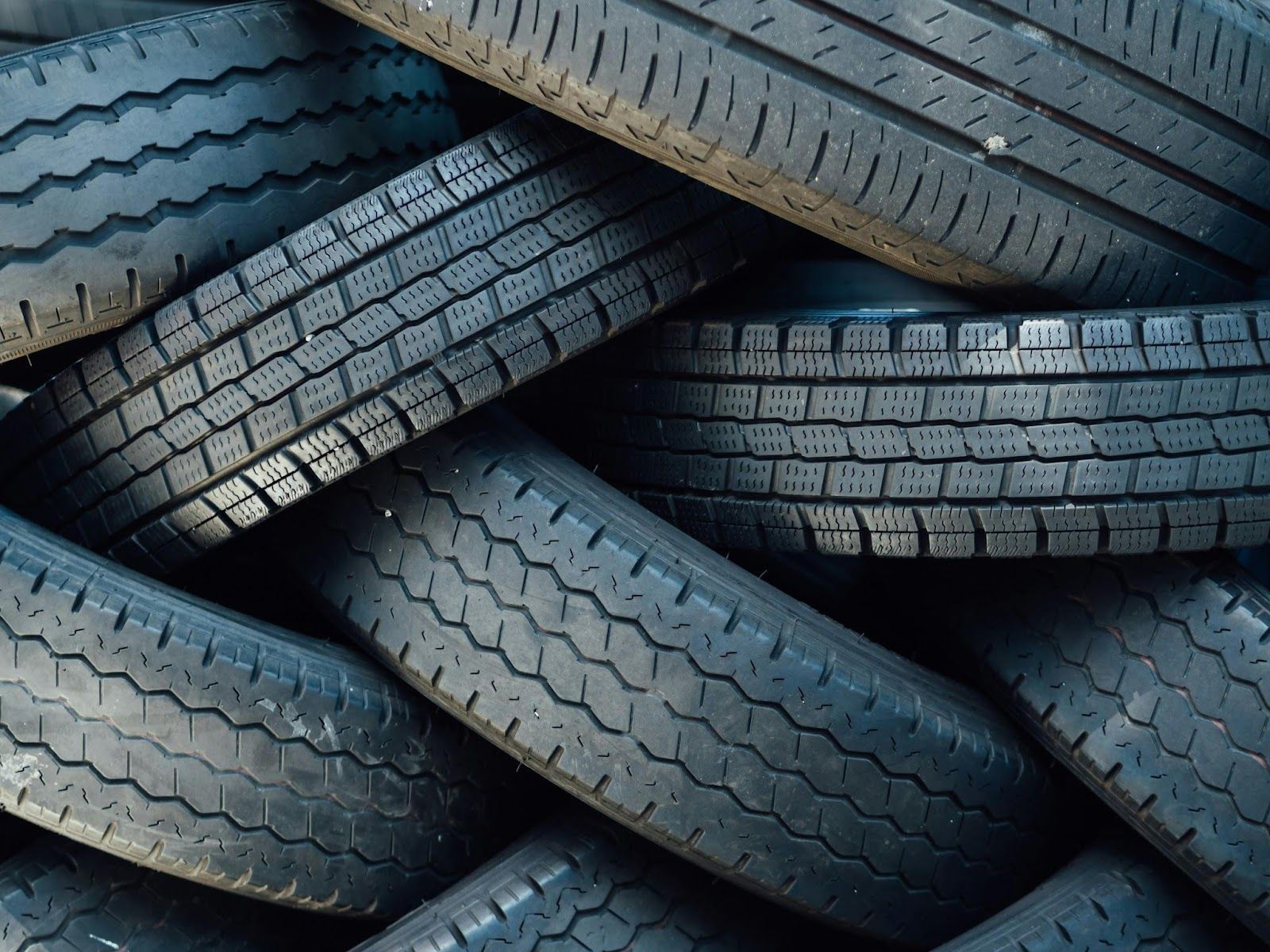
Synthetic rubber

Image: Goh Rhy Yan

Natural rubber shortages during WWII led to the adoption of synthetic alternatives. First developed in the 1930s and mass-produced during the war, synthetic rubber quickly became essential for tires, seals, hoses, and many other products.

Today, over 70% of the rubber used worldwide is synthetic—yet most of us hardly notice its presence.

5

Anodized aluminum

Image: Randy Fath

Anodizing, an electrochemical process that forms a protective oxide layer on the surface of metal parts, makes aluminum both corrosion-resistant and dye-absorbent.

As a result, it’s used extensively in aircraft, electronics, kitchenware, and architecture. In fact, many everyday devices — from smartphones to household appliances — use anodized aluminum without most people realizing it.

6

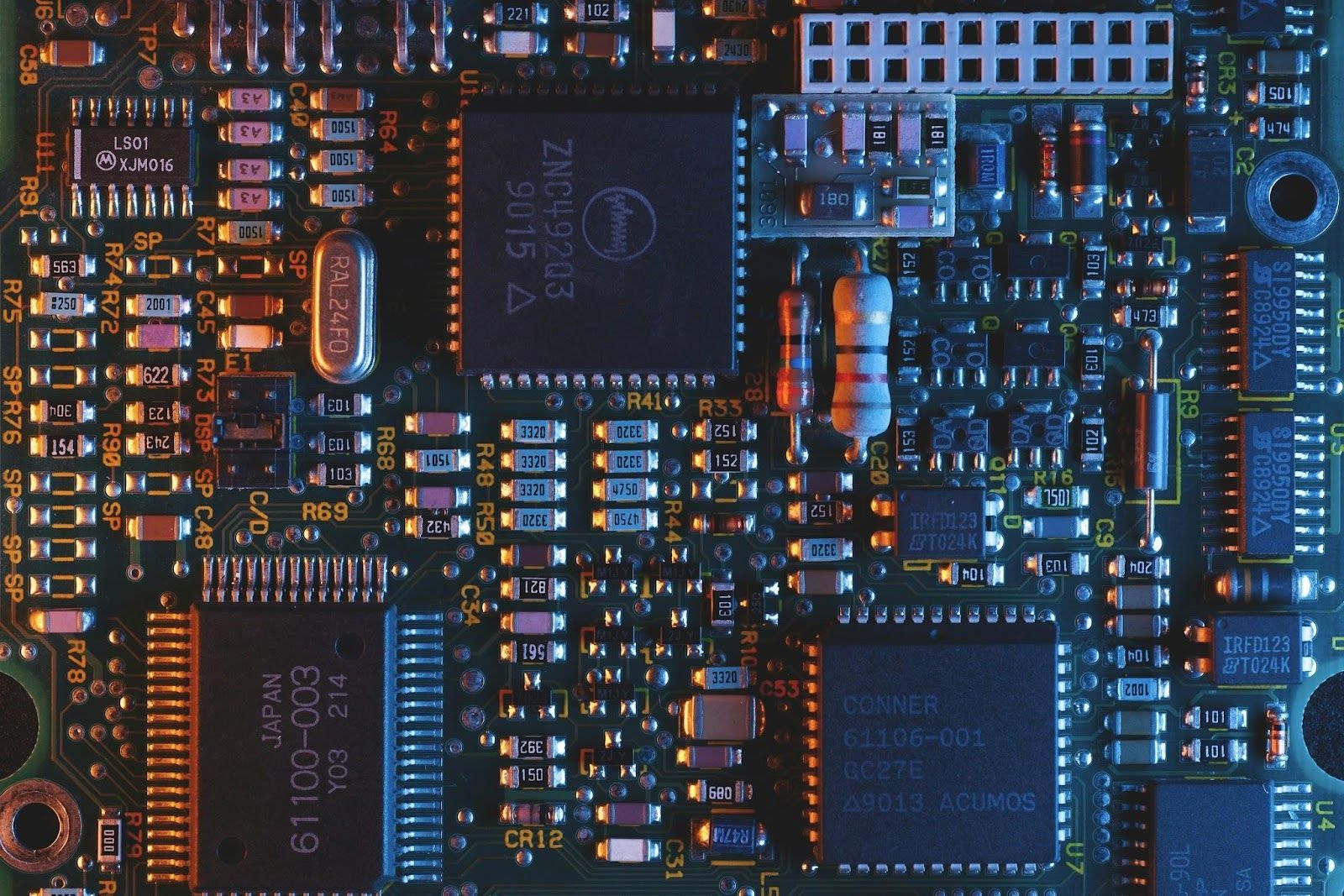
Transistors

Image: Umberto

Invented in 1947, transistors replaced bulky vacuum tubes. They’re faster, smaller, and far more reliable, and are used in everything from radios to smartphones.

Miniaturization now allows billions to fit on a single microchip, powering virtually every digital device.

7

Optical fiber

Image: Denny Müller

These thin glass threads might seem strange to most of us, but it’s thanks to them that you’re reading this article. Developed in the 1970s, optical fibers transmit data as light pulses over vast distances.

Faster and more reliable than copper cables, they form the backbone of global communications — without them, there would be no high-speed internet.

8

Kevlar

Image: Demidov Armor

Invented in 1965, Kevlar is five times stronger than steel by weight.

While its best-known use is in body armor and military protection, its exceptional strength and heat resistance also make it vital in aerospace engineering and even in reinforcing fiber-optic cables.

9

Quartz crystals

Image: Hiroshi Tsubono

What in the world is a quartz crystal, you may ask?

Well, it’s hard to explain, but in a few words, quartz oscillates at a precise frequency when electrified, which makes it useful for keeping time in watches, GPS, and many communication systems.

10

Barcodes

Image: sq lim

Barcodes are everywhere — literally! But this wasn’t always the case. First patented in 1952, they didn’t see widespread adoption until the 1970s.

Today, they enable instant product identification, inventory tracking, and pricing, creating a far smoother shopping experience. Used in retail, logistics, healthcare, and libraries, barcodes are a silent but essential part of modern supply chains.

What science says

It was false after all: 10 health myths that sound true—but aren't


Published on January 18, 2026


Image: Alicja Gancarz

Health myths are everywhere! These ideas were simply passed down for so long that they became part of what we believed. But now science has stepped in to clear things up. Does cold weather make you sick? Can lemon detox your body? Is reading in low light really harmful? Let's uncover the truth behind 10 common health myths!

1

Cutting your hair makes it grow faster

Image: Element5 Digital

Have you ever been told that cutting your hair will make it grow faster? We're sorry to say that's just a myth. Hair grows from the root, not the ends. So, trimming it won't boost growth, though it does help remove split ends that can make your hair look dry or unhealthy.

2

Cold weather causes colds

Image: Thom Holmes

This is one of the most common health myths. Cold weather often gets blamed, but it's not the temperature that makes you catch a cold. During winter, we tend to stay indoors with others and keep the windows closed, an environment that makes it easier for viruses to spread. That's why colds tend to be more common in winter!

3

Eating before bed makes you gain weight

Image: Michelen Studios

The idea that eating before bed automatically leads to weight gain is a myth. In reality, it has more to do with what you eat and how much, rather than the time of day. Often, when we eat very late at night, we're tired and more likely to reach for quick, high-calorie, heavy foods. This can disrupt sleep and lead to consuming more calories than we burn, both of which may affect weight. If it's close to bedtime, it's better to have something light and healthy in a moderate portion than to skip a meal altogether.

4

Wearing glasses weakens your vision

Image: Bud Helisson

Does wearing glasses weaken your vision? Myth! If an eye doctor prescribes glasses, wearing them as directed helps correct your vision; it won't make it worse. Additionally, the right glasses can help prevent or reduce headaches caused by reading or spending long hours in front of a screen.

5

Reading in low light causes permanent eye damage

Image: Amir Balam

This myth is closely related to the previous one. If you love reading and sometimes have to do it in low light because of the situation, don't worry. According to experts, reading in low light doesn't cause permanent or irreversible eye damage. However, it's not recommended because it can make your eyes feel tired or strained, leading to discomfort or headaches.

6

You need to drink 8 glasses of water a day

Image: engin akyurt

We're all different, and so are our bodies. The idea that everyone should drink exactly eight glasses of water a day is more of a general guideline than a rule. Staying well hydrated throughout the day is extremely important, but how much water you need depends on factors like your weight, age, climate, and overall health. We should prioritize staying consistently hydrated instead of obsessing over the number of glasses we drink.

7

Lemon water detox and cleanse your body

Image: Tirza van Dijk

Some people say drinking lemon water helps eliminate toxins and cleanse the body. While adding a slice of lemon to your water is a refreshing way to stay hydrated, it doesn't have any special "detoxifying" powers. The vitamin C in citrus fruits is beneficial, but the body has its own natural detox system. The liver and kidneys are the main organs that filter waste and eliminate toxins.

8

All fat is bad

Image: Aneta Voborilova

Not all fats are bad! Just like other food groups, your body needs fats to function properly. The important thing is knowing the difference between healthy fats and those that can be harmful. Foods like avocados, seeds, olive oil, fish, and nuts are rich in healthy fats. On the other hand, the fats found in processed or fried foods are the ones that can have a negative impact on your body.

9

Liver disease is always caused by alcohol or fats

Image: Elevate

Liver diseases can be serious. While heavy and frequent consumption of alcohol and fats is a major contributor, it's not the only cause. Liver problems can also result from many other factors. These include viral infections, autoimmune diseases, genetic disorders, high blood pressure, and exposure to certain chemicals.

10

Breakfast is the most important meal

Image: Brooke Lark

There's some truth to it: breakfast is important because it replenishes our glucose and energy levels and supports proper metabolism. However, the idea that it's the most important meal of the day might be an exaggeration. Everyone's body has different needs, and all meals are important, so we shouldn't skip any of them!

Looking for an extra scoop of literary fun?

Learn more with our Word of the day

improvident

/ɪmˈprɑvəd(ə)nt/