Hidden marketing

Common words that started as brand names, can you guess them all?


Published on December 9, 2025

Image: Diggity Marketing

Ever asked for a Band-Aid when you really meant any bandage? Or told someone to Google something even if they used another search site? We all do it, and we don’t even notice, and that’s because some everyday words we use are actually trademarks that belong to specific companies. Here, we’ve just gathered just a few, but you may end up realizing you sound like a walking commercial more often than you thought.

1

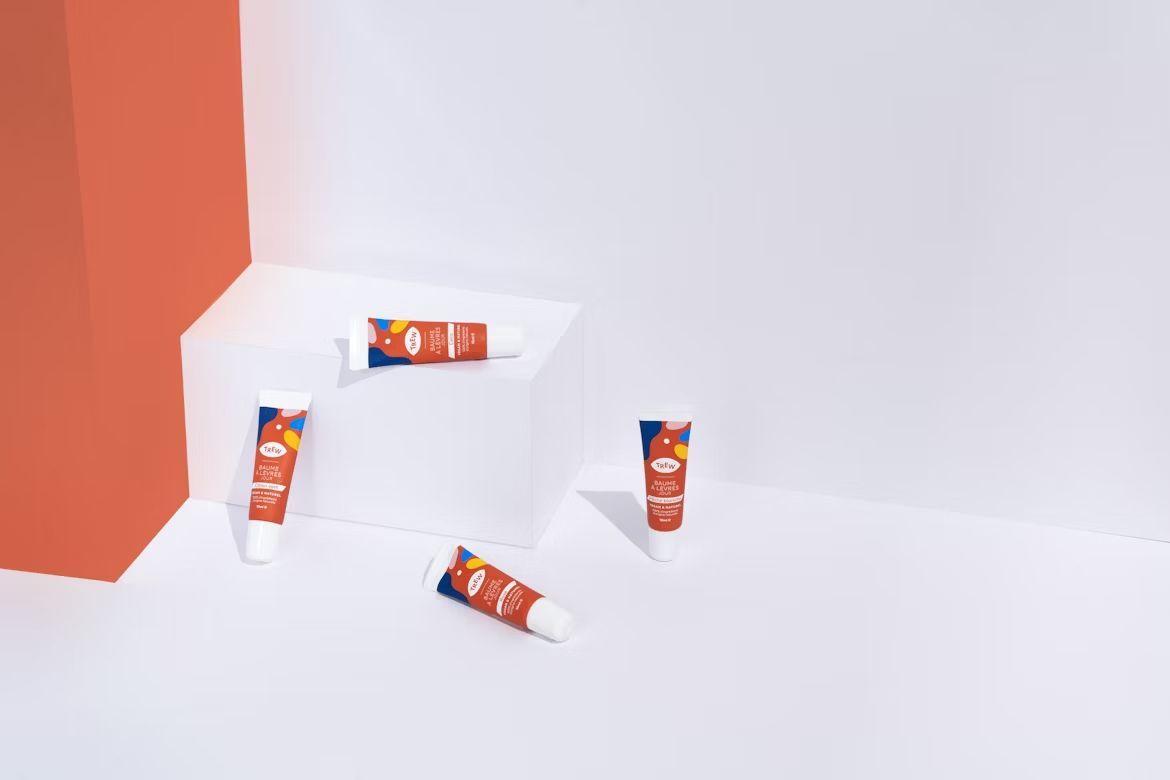
ChapStick or just lip balm?

Image: Trew

Cold weather hits, your lips get dry, and you ask for a ChapStick. But unless it says ChapStick on the tube, you are probably just using a regular lip balm. Wyeth LLC owns the trademark, and they made it official in 2009. By then, the name was already rolling off everyone’s tongue, so it stuck for good.

2

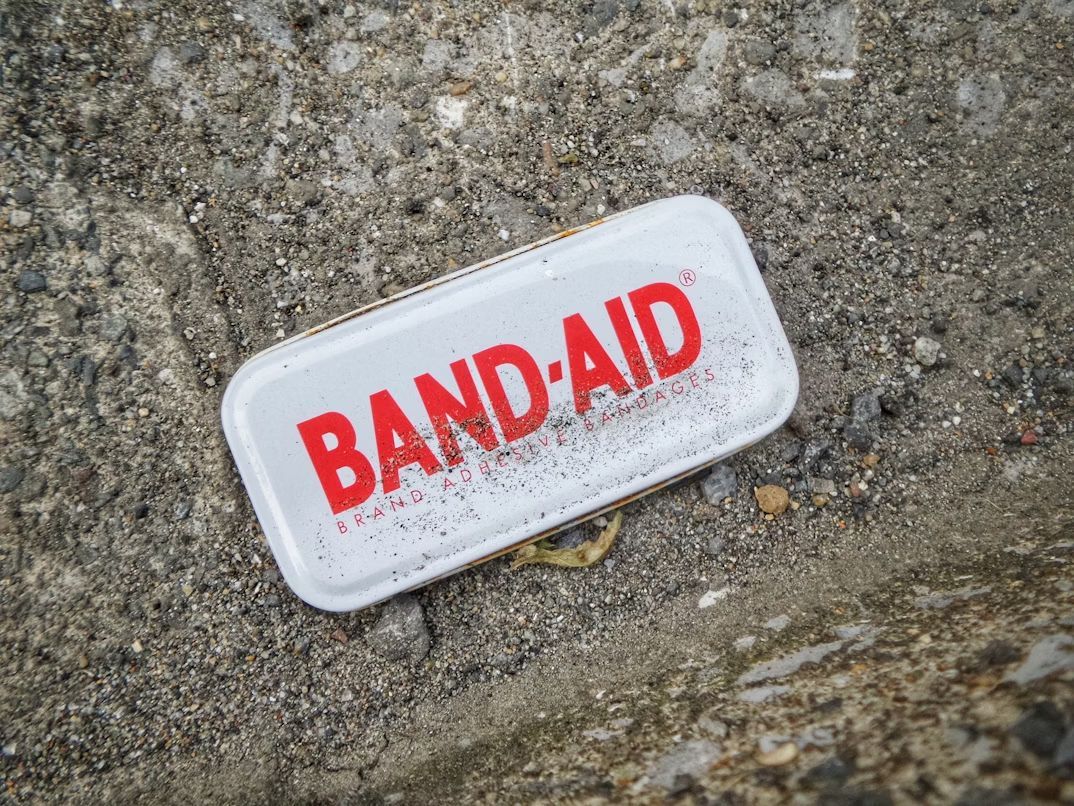
The famous Band-Aid

Image: Possessed Photography

Every cut, scrape, and blister seems to call for a Band-Aid, even when the box actually says something else. Johnson & Johnson trademarked the name in 1925, and it became the word we all use without thinking. Kids, especially, never say "adhesive bandage." It is always a Band-Aid.

3

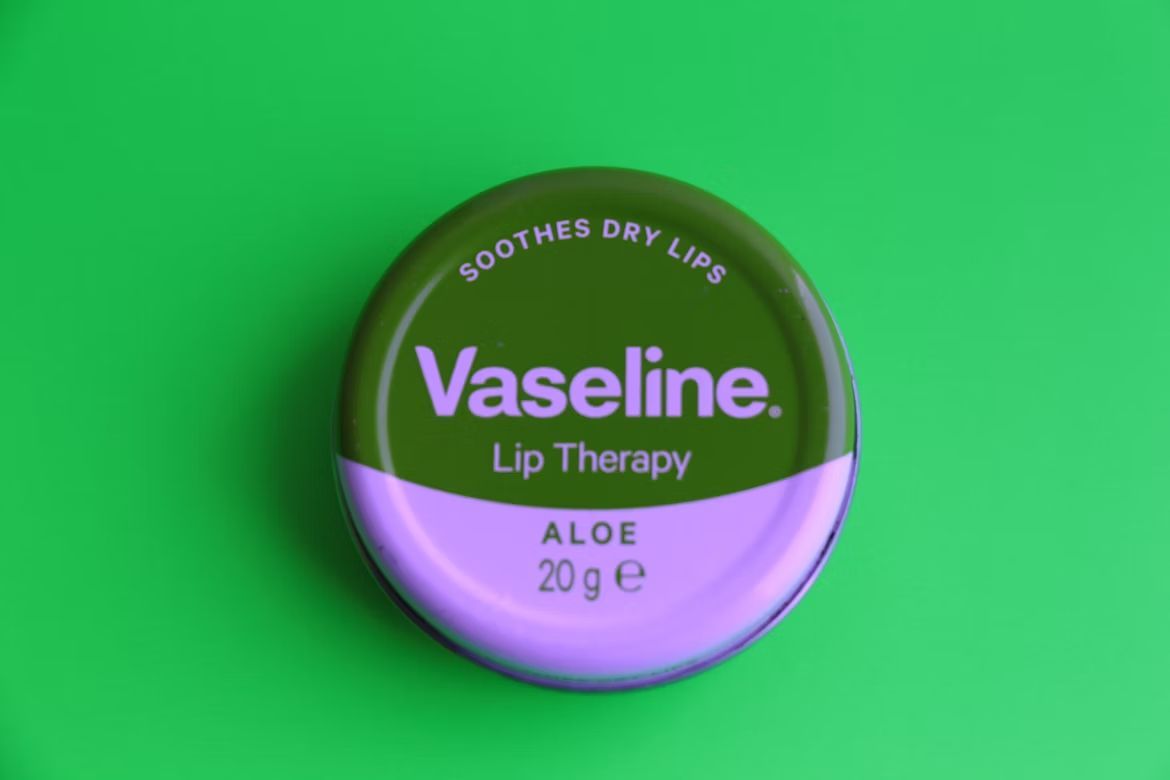
Vaseline in the medicine cabinet

Image: The Drink Break

That little blue-and-white jar might not really be Vaseline, but who is checking the fine print? Unilever owns the name, and technically, it just refers to one brand of petroleum jelly. Yes, that’s the generic term. Still, most of us reach for the name Vaseline whether we are soothing dry skin or covering a scrape.

4

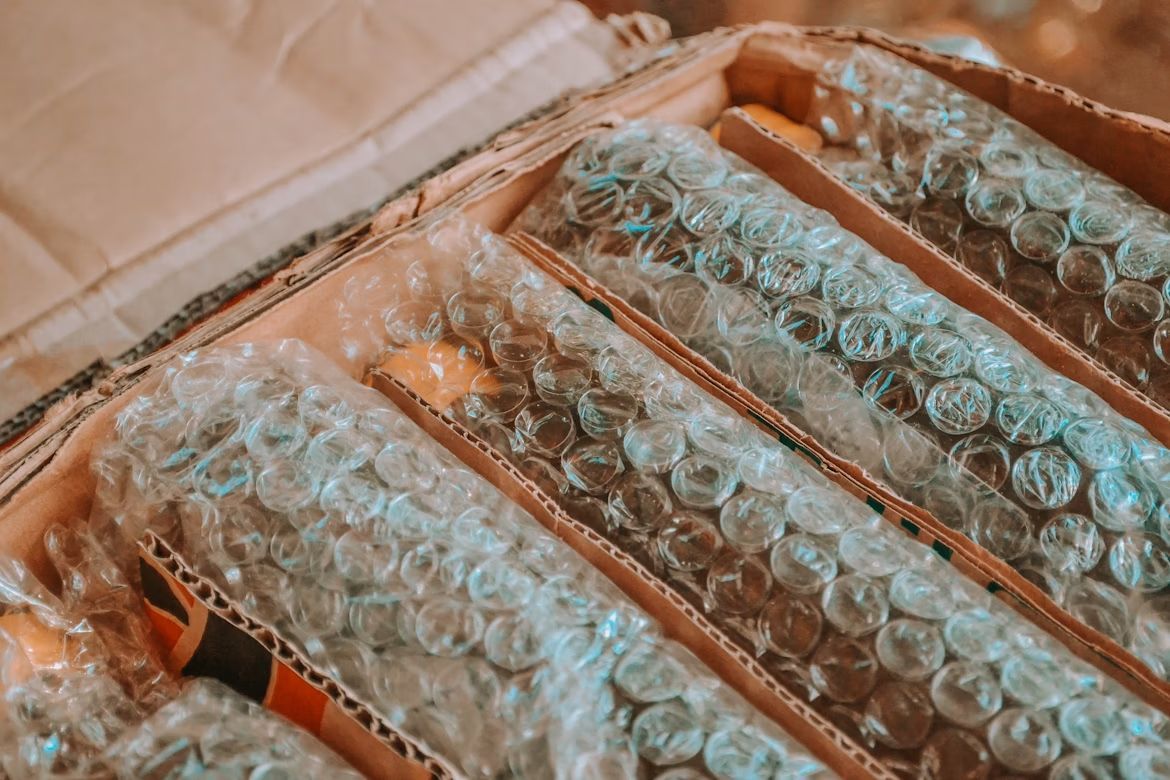
Bubble Wrap and the joy of popping

Image: Wander Fleur

Moving boxes are stressful, but Bubble Wrap makes up for it. Sealed Air Corporation owns the name, trademarked in 1983, but we call just about any sheet of cushioning bubbles Bubble Wrap. And let’s be honest, we care less about the trademark and more about the fun of popping it.

5

Crock-Pot and Sunday dinners

Image: Jacob McGowin

"Throw it in the Crock-Pot" has become kitchen shorthand for slow cooking. Sunbeam registered the name in 1972, and it quickly became part of family dinner traditions. The generic term is slow cooker, but to most of us, Crock-Pot is the only name that matters.

6

Ping-Pong versus table tennis

Image: Jure Zakotnik

Table tennis might be the proper term, but Ping-Pong is the one most of us grew up saying. The trademark dates back to 1931 and belongs to Escalade Sports in America. Still, when friends set up a folding table in the basement, nobody calls it table tennis. Ping-Pong just feels right.

7

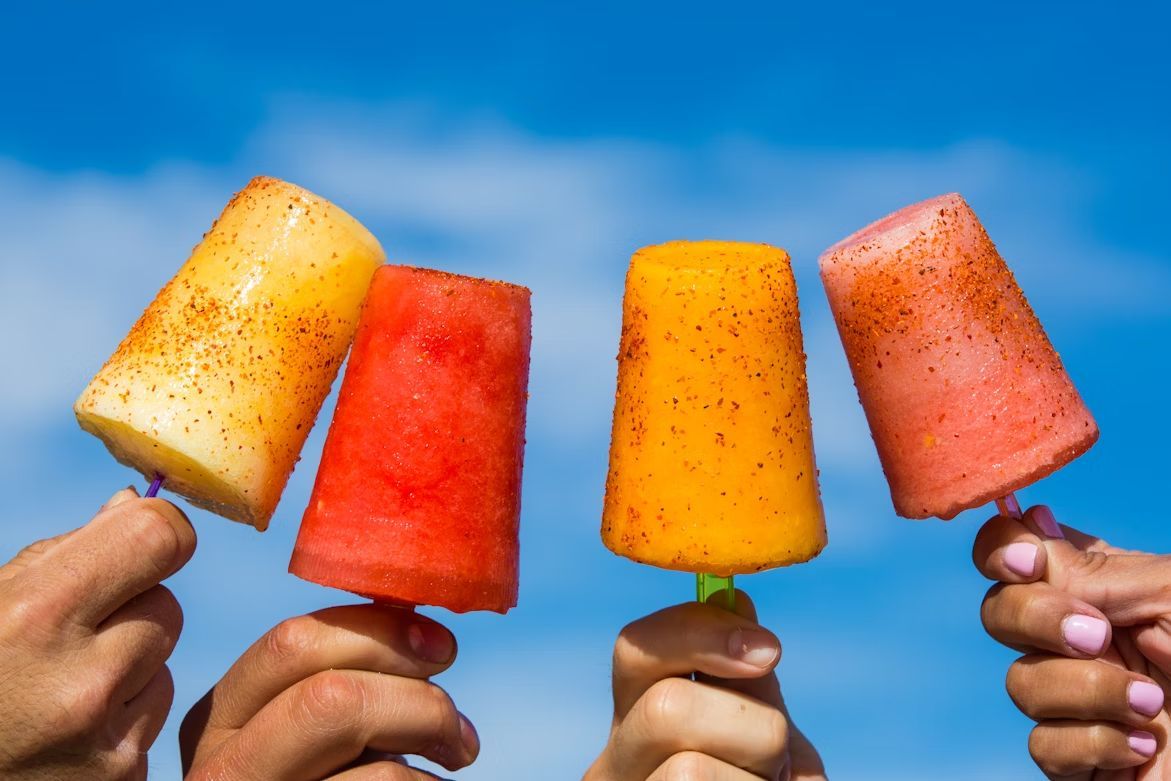
Popsicle on a hot day

Image: Jarritos Mexican Soda

Hot summer afternoon, kids run to the freezer, and what do they want? A Popsicle. Unilever owns the trademark, registered in 2001, but really, they are ice pops. Try calling them that and see how many eye rolls you get. Popsicle is the word that stuck.

8

Velcro and the rip sound

Image: SJ 📸

That rip of Velcro is instantly recognizable. The company Velcro Industries trademarked the name in 1975, but technically, it is called a hook-and-loop fastener. Try saying that three times fast. That’s why Velcro won the word war, simply because it is fun to say and easy to remember.

9

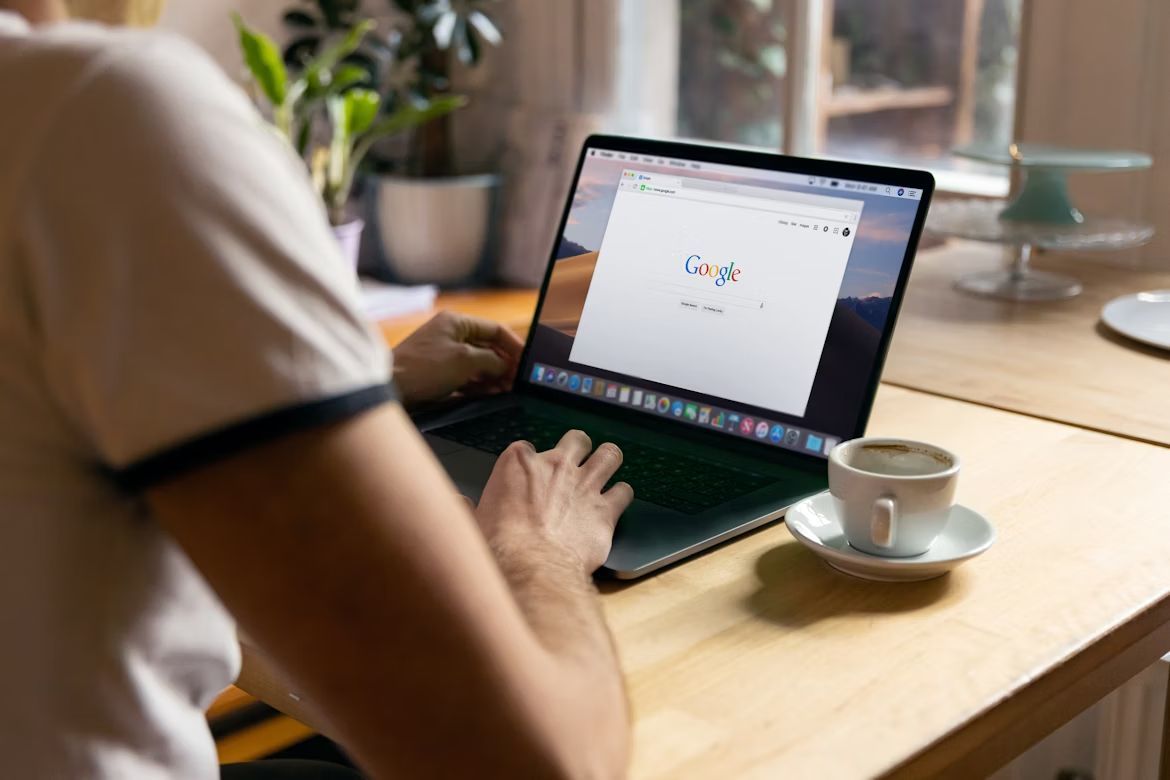
Google it

Image: Go to Firmbee.com's profile Firmbee.com

When was the last time you told someone to "Bing it"? Exactly. Google became such a dominant name that it turned into a verb almost overnight. They registered the trademark in 2004, but by now "Google it" means "look it up," no matter which search engine you use.

10

Realtor with a capital R

Image: Tierra Mallorca

Not every real estate agent is a Realtor. That word was trademarked in 1950 by the National Association of Realtors, and it refers only to members of the group. Still, most people toss it around for any agent who shows them a house. It is another case where the trademarked name became the everyday word.


What science says

It was false after all: 10 health myths that sound true—but aren't


Published on December 9, 2025


Image: Alicja Gancarz

Health myths are everywhere! These ideas were simply passed down for so long that they became part of what we believed. But now science has stepped in to clear things up. Does cold weather make you sick? Can lemon detox your body? Is reading in low light really harmful? Let's uncover the truth behind 10 common health myths!

1

Cutting your hair makes it grow faster

Image: Element5 Digital

Have you ever been told that cutting your hair will make it grow faster? We're sorry to say that's just a myth. Hair grows from the root, not the ends. So, trimming it won't boost growth, though it does help remove split ends that can make your hair look dry or unhealthy.

2

Cold weather causes colds

Image: Thom Holmes

This is one of the most common health myths. Cold weather often gets blamed, but it's not the temperature that makes you catch a cold. During winter, we tend to stay indoors with others and keep the windows closed, an environment that makes it easier for viruses to spread. That's why colds tend to be more common in winter!

3

Eating before bed makes you gain weight

Image: Michelen Studios

The idea that eating before bed automatically leads to weight gain is a myth. In reality, it has more to do with what you eat and how much, rather than the time of day. Often, when we eat very late at night, we're tired and more likely to reach for quick, high-calorie, heavy foods. This can disrupt sleep and lead to consuming more calories than we burn, both of which may affect weight. If it's close to bedtime, it's better to have something light and healthy in a moderate portion than to skip a meal altogether.

4

Wearing glasses weakens your vision

Image: Bud Helisson

Does wearing glasses weaken your vision? Myth! If an eye doctor prescribes glasses, wearing them as directed helps correct your vision; it won't make it worse. Additionally, the right glasses can help prevent or reduce headaches caused by reading or spending long hours in front of a screen.

5

Reading in low light causes permanent eye damage

Image: Amir Balam

This myth is closely related to the previous one. If you love reading and sometimes have to do it in low light because of the situation, don't worry. According to experts, reading in low light doesn't cause permanent or irreversible eye damage. However, it's not recommended because it can make your eyes feel tired or strained, leading to discomfort or headaches.

6

You need to drink 8 glasses of water a day

Image: engin akyurt

We're all different, and so are our bodies. The idea that everyone should drink exactly eight glasses of water a day is more of a general guideline than a rule. Staying well hydrated throughout the day is extremely important, but how much water you need depends on factors like your weight, age, climate, and overall health. We should prioritize staying consistently hydrated instead of obsessing over the number of glasses we drink.

7

Lemon water detox and cleanse your body

Image: Tirza van Dijk

Some people say drinking lemon water helps eliminate toxins and cleanse the body. While adding a slice of lemon to your water is a refreshing way to stay hydrated, it doesn't have any special "detoxifying" powers. The vitamin C in citrus fruits is beneficial, but the body has its own natural detox system. The liver and kidneys are the main organs that filter waste and eliminate toxins.

8

All fat is bad

Image: Aneta Voborilova

Not all fats are bad! Just like other food groups, your body needs fats to function properly. The important thing is knowing the difference between healthy fats and those that can be harmful. Foods like avocados, seeds, olive oil, fish, and nuts are rich in healthy fats. On the other hand, the fats found in processed or fried foods are the ones that can have a negative impact on your body.

9

Liver disease is always caused by alcohol or fats

Image: Elevate

Liver diseases can be serious. While heavy and frequent consumption of alcohol and fats is a major contributor, it's not the only cause. Liver problems can also result from many other factors. These include viral infections, autoimmune diseases, genetic disorders, high blood pressure, and exposure to certain chemicals.

10

Breakfast is the most important meal

Image: Brooke Lark

There's some truth to it: breakfast is important because it replenishes our glucose and energy levels and supports proper metabolism. However, the idea that it's the most important meal of the day might be an exaggeration. Everyone's body has different needs, and all meals are important, so we shouldn't skip any of them!

Looking for an extra scoop of literary fun?

Learn more with our Word of the day

aggrandize

/əˈɡrænˌdaɪz/