Translation and interpretation

10 things you thought were in the Bible, but aren't


Published on September 5, 2026
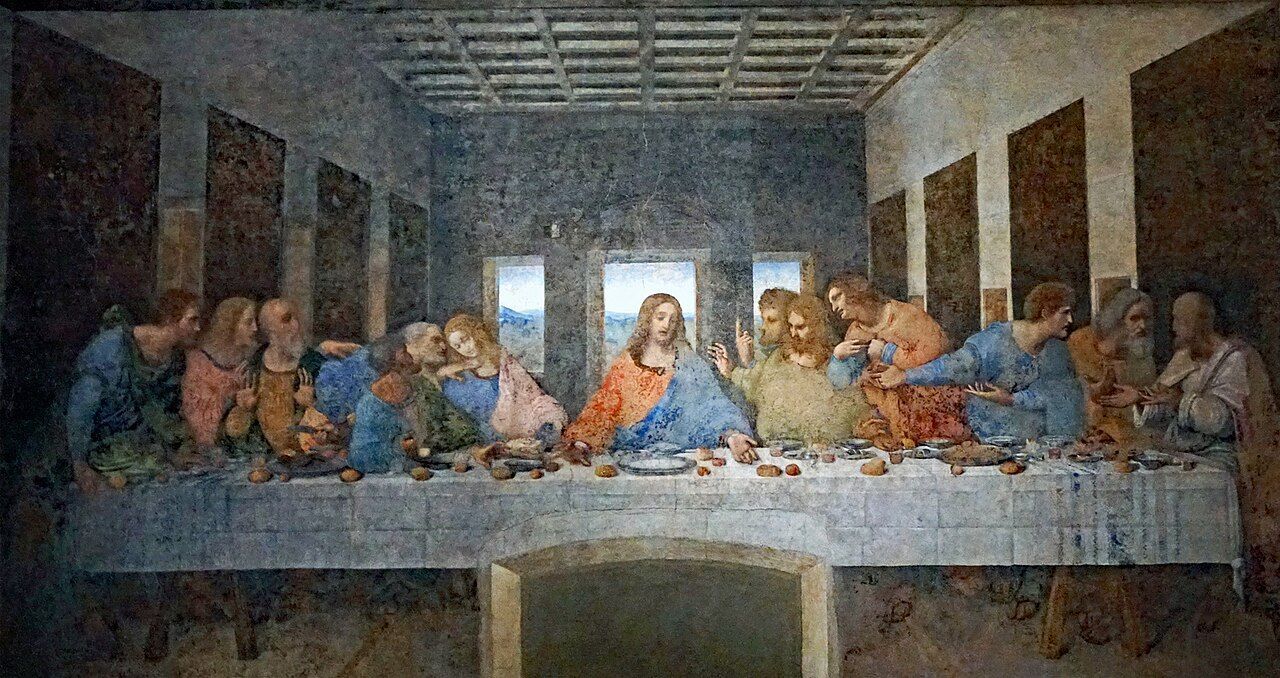

Image: Mariordo, CC BY-SA 4.0, via Wikimedia Commons

What if some of the Bible stories you grew up with aren't exactly what the Bible says? Was the forbidden fruit really an apple? Were there actually three Wise Men? Did "God helps those who help themselves" really come from the Bible? Over centuries, translations, traditions, and famous works of art have added details that became so familiar, we stopped questioning them. But go back to the texts, and some of these stories look surprisingly different. From Eve's "apple" to the date of Jesus' birth, here are 10 familiar parts of the Bible that may not be quite what we remember.

1

The forbidden fruit was an apple

Image: Albrecht Dürer, Public domain, via Wikimedia Commons

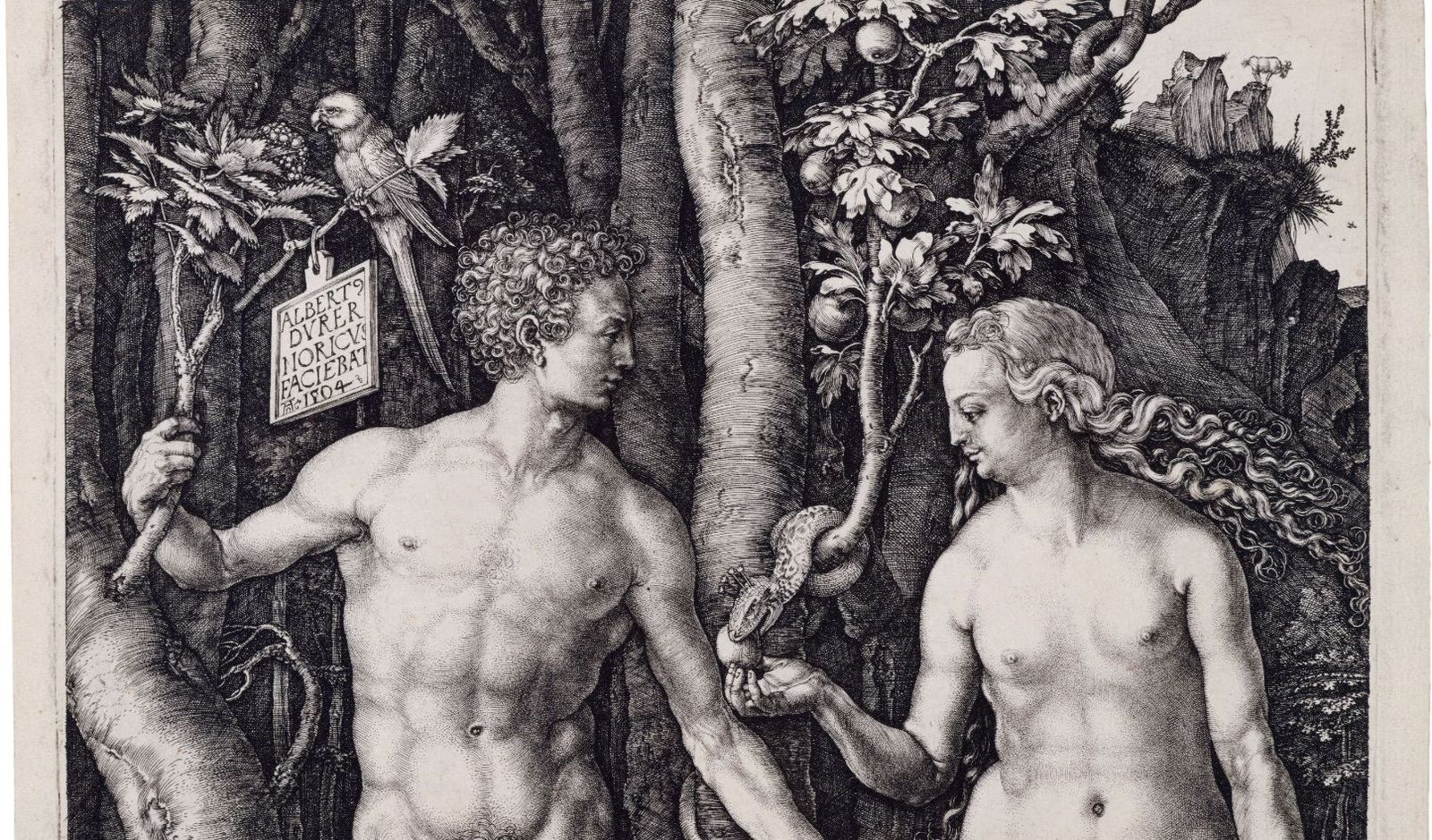
When you picture the Garden of Eden, what fruit comes to mind? Most people imagine an apple, but there's just one problem: the Bible never says it was an apple.

In the Book of Genesis, the fruit is simply called "the fruit of the tree of the knowledge of good and evil." The original Hebrew text uses the word peri, which simply means "fruit." The apple connection came centuries later, largely through the Latin translation. The Latin word malum can mean both "apple" and "evil," making it an especially fitting symbol for the story. Over time, that association spread through Christian art and literature. Famous works such as Albrecht Dürer’s 1504 engraving Adam and Eve (also known as The Fall of Man) helped cement the image of Eve holding an apple. Today, it's one of the most famous scenes in history, even though the original biblical text doesn’t identify the fruit as an apple at all.

2

There were three wise men/kings

Image: Rawpixel.com

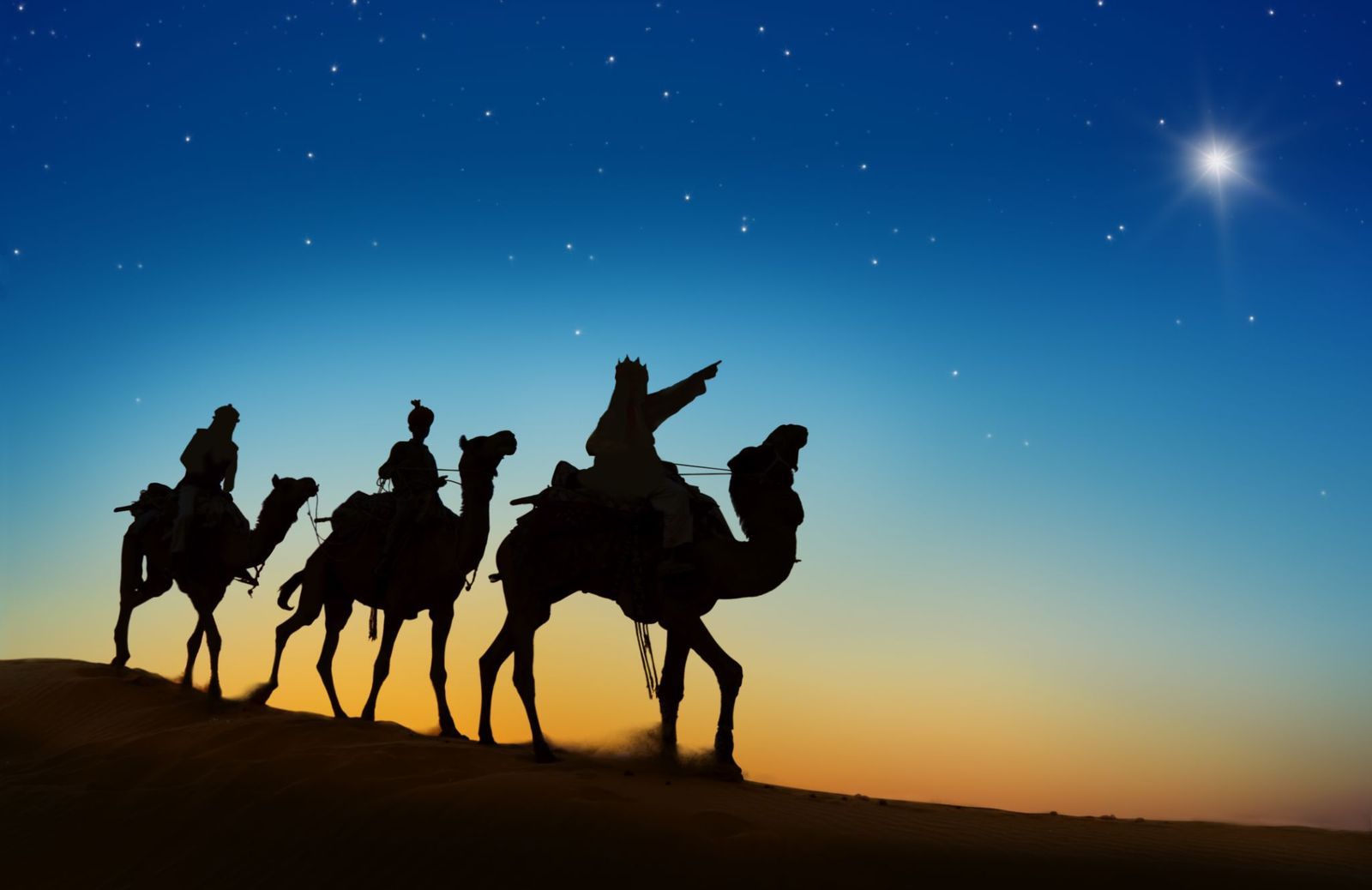
The story of Jesus' birth is so famous that most of us picture the Three Wise Men, sometimes called the Three Kings, standing beside the manger. But the thing is, over the centuries, the story picked up a few details that aren't actually in the Bible.

In the Gospel of Matthew, the only Gospel that mentions these visitors, they are described simply as Magi from the East. The original Greek word, magoi, referred to learned scholars, astrologers, or priests from Persia or Babylon, not kings. But where did the number three come from? Matthew lists three gifts: gold, frankincense, and myrrh, but never says how many visitors brought them. Over the centuries, people naturally assumed there must have been three Magi, one for each gift. Even their familiar names, Melchior, Caspar, and Balthasar, were added later by Christian tradition. So, neither the number of visitors nor their names appears anywhere in the biblical text.

3

"God helps those who help themselves"

Image: Adam Nir

Whether it's used to motivate a friend, encourage a family member, or push yourself to finally make a difficult decision, "God helps those who help themselves" is one of the most familiar religious sayings in America. But here's the surprise: those words never appear in the Bible.

The idea can be traced to ancient Greek sources, including Aesop’s Fables, where the saying appears in an earlier form: "The gods help them that help themselves." The exact modern wording was written by English politician Algernon Sidney in 1698, but it was Benjamin Franklin who helped make it part of American culture when he included it in his 1736 edition of Poor Richard’s Almanack.

4

"Cleanliness is next to godliness"

Image: John Jackson, CC BY 4.0, via Wikimedia Commons

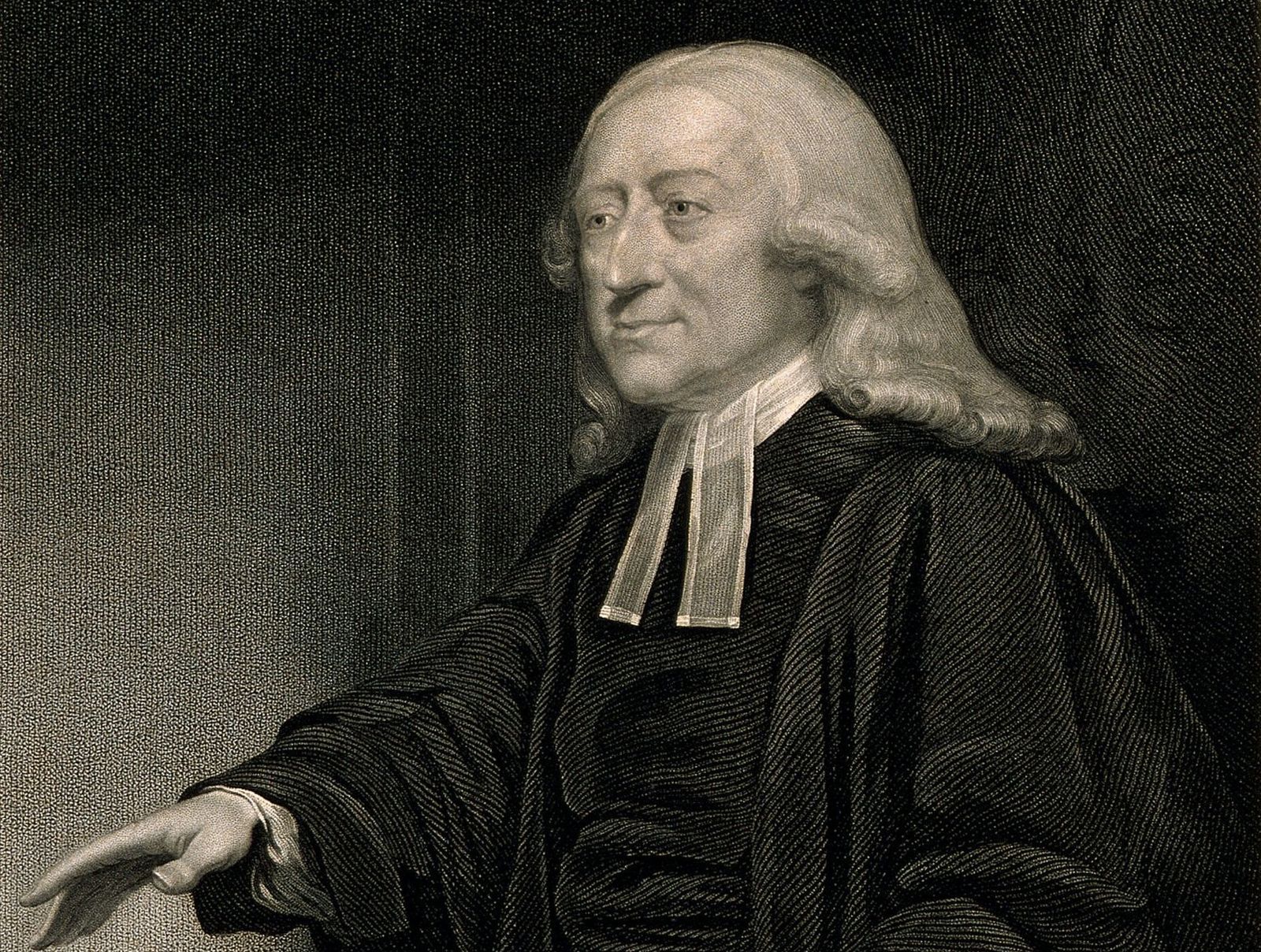
Many teenagers have heard "Cleanliness is next to godliness" when it was time to clean their rooms. But despite sounding like a Bible verse, the phrase never appears in Scripture.

The Bible, particularly Leviticus, does contain extensive laws requiring people to wash their bodies and clothes in certain circumstances, especially before religious rituals. But the famous saying itself came much later. In 1605, Francis Bacon wrote in The Advancement of Learning that "cleanness of body" was connected to reverence for God. Then, in 1786, it was Methodist leader John Wesley who used the wording we recognize today in a sermon: "Cleanliness is indeed next to Godliness." Over time, the phrase became a familiar saying that many people simply assumed came from the Bible.

5

The date of Jesus' birth

Image: http://www.parrocchiasantagata.org, CC0, via Wikimedia Commons

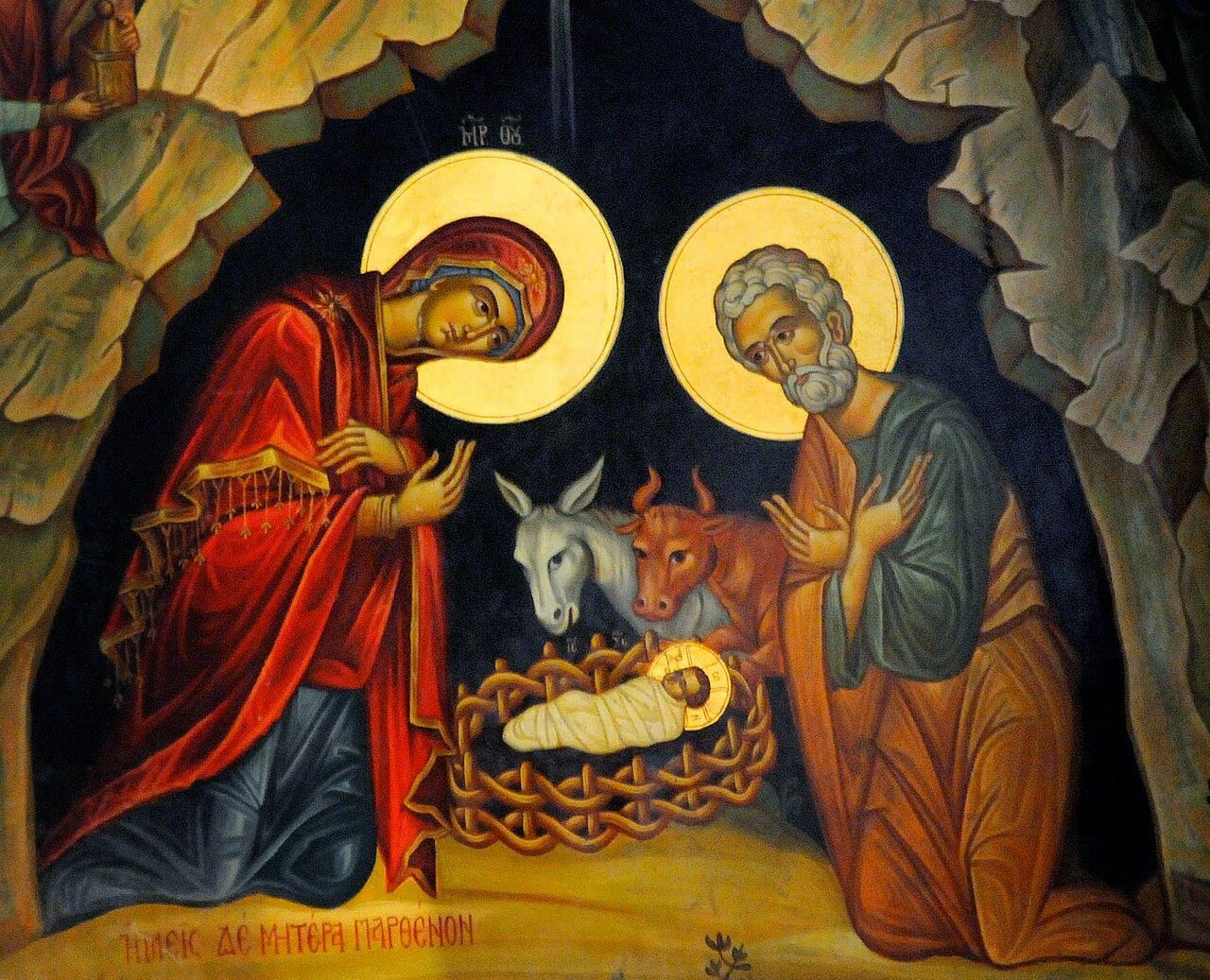
When it comes to famous dates, December 25 may be the most recognizable of all, universally associated with Christmas. But here's the surprising part: the Bible never gives any specific date for Jesus' birth.

The Gospels of Matthew and Luke describe the Nativity but never provide a calendar date, so how did December 25 become Christmas? There are two leading theories. The first is that the Roman Church was celebrating Christmas on December 25 by 336 AD, during Constantine's reign, possibly choosing the date to coincide with existing Roman winter festivals and make it easier to convert the empire to Christianity. The second points to an early Christian tradition that calculated Jesus' birth date from the supposed date of his crucifixion, eventually arriving at December 25.

6

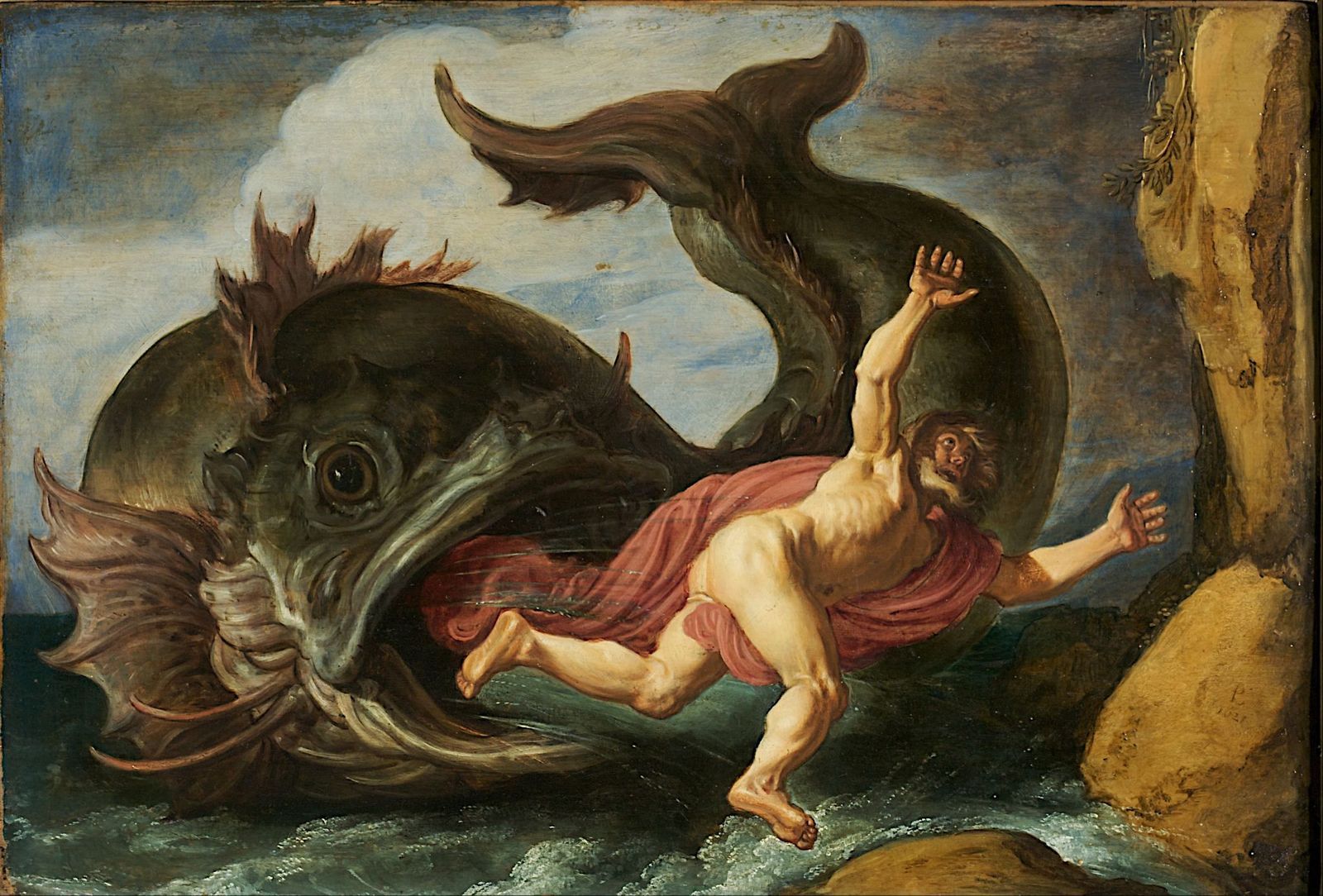
Jonah and the Whale

Image: Pieter Lastman, Public domain, via Wikimedia Commons

The story of Jonah and the Whale is so famous that it has appeared literally or symbolically in innumerable works of art and literature, from Michelangelo's Sistine Chapel ceiling (1508-1512) to Herman Melville's 1851 novel Moby-Dick. But there's a small problem with the title we've given it: the Bible doesn’t actually say it was a whale.

In the Old Testament, the original Hebrew text of Jonah 1:17 uses the words dag gadol, meaning "great fish" or "large fish"; it doesn't identify the creature as a whale, or even specify what kind of fish it was. Most modern English translations therefore stick with "great fish," but the familiar "whale" interpretation developed through older translations and later European tradition, eventually becoming so widespread that "Jonah and the Whale" became the name almost everyone recognizes.

7

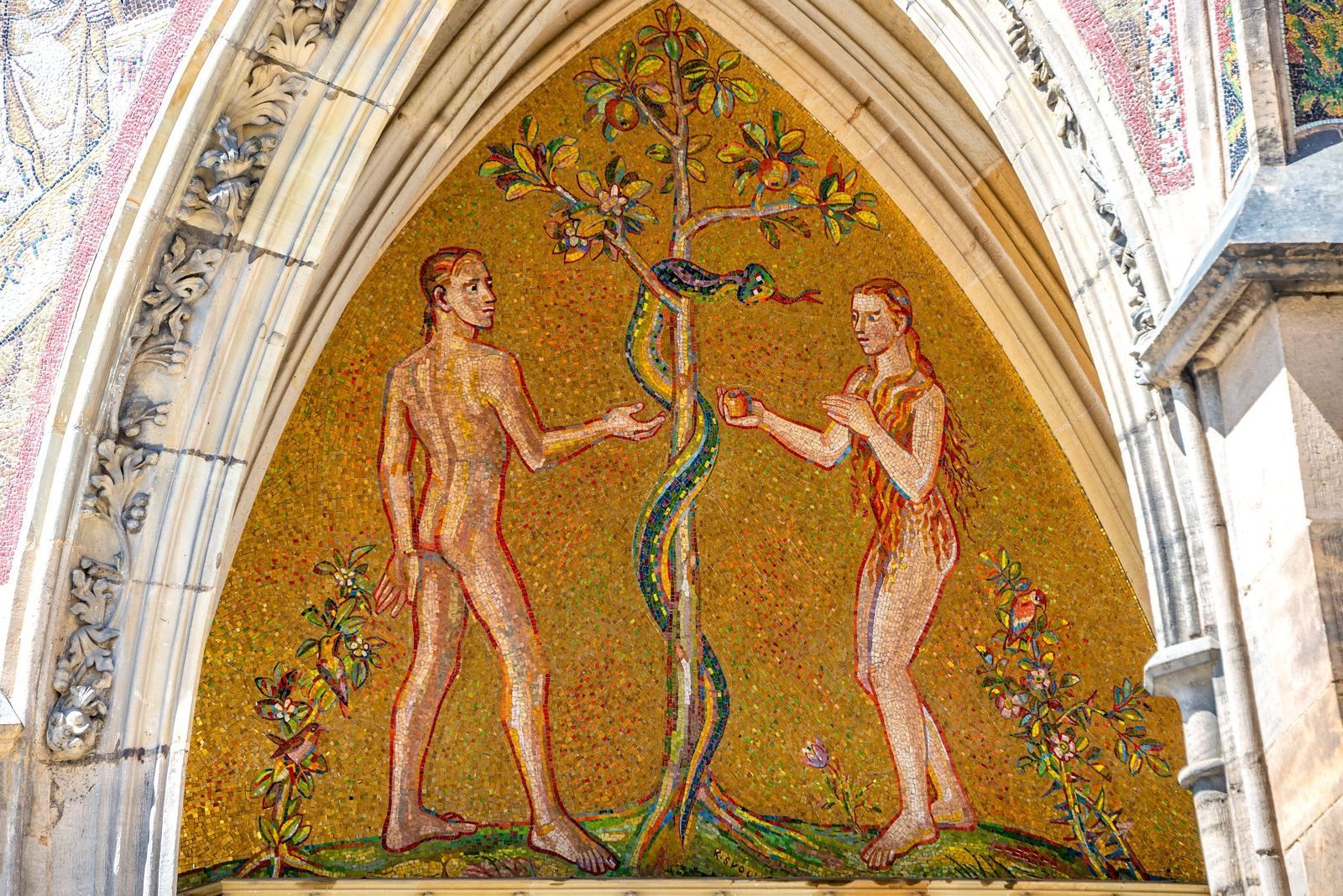
The serpent in Eden was Satan

Image: neurobit

Just as we've always pictured the forbidden fruit as an apple, many of us also assume the serpent in the Garden of Eden is the devil himself. But the original story is a little more complicated.

A plain reading of Genesis depicts the creature simply as a serpent or snake, using the Hebrew word nachash. It describes the serpent as clever and crafty, but it never calls it Satan or explicitly identifies it as the devil. So where did the connection come from? The answer comes from later parts of the Bible, particularly the New Testament. In Revelation 12:9 and 20:2, Satan is called "the ancient serpent" (ho ophis ho archaios in Greek), connecting him to the snake of Eden. Over time, Christian tradition applied that later connection back to Genesis, leading to the familiar belief that the serpent was Satan himself.

8

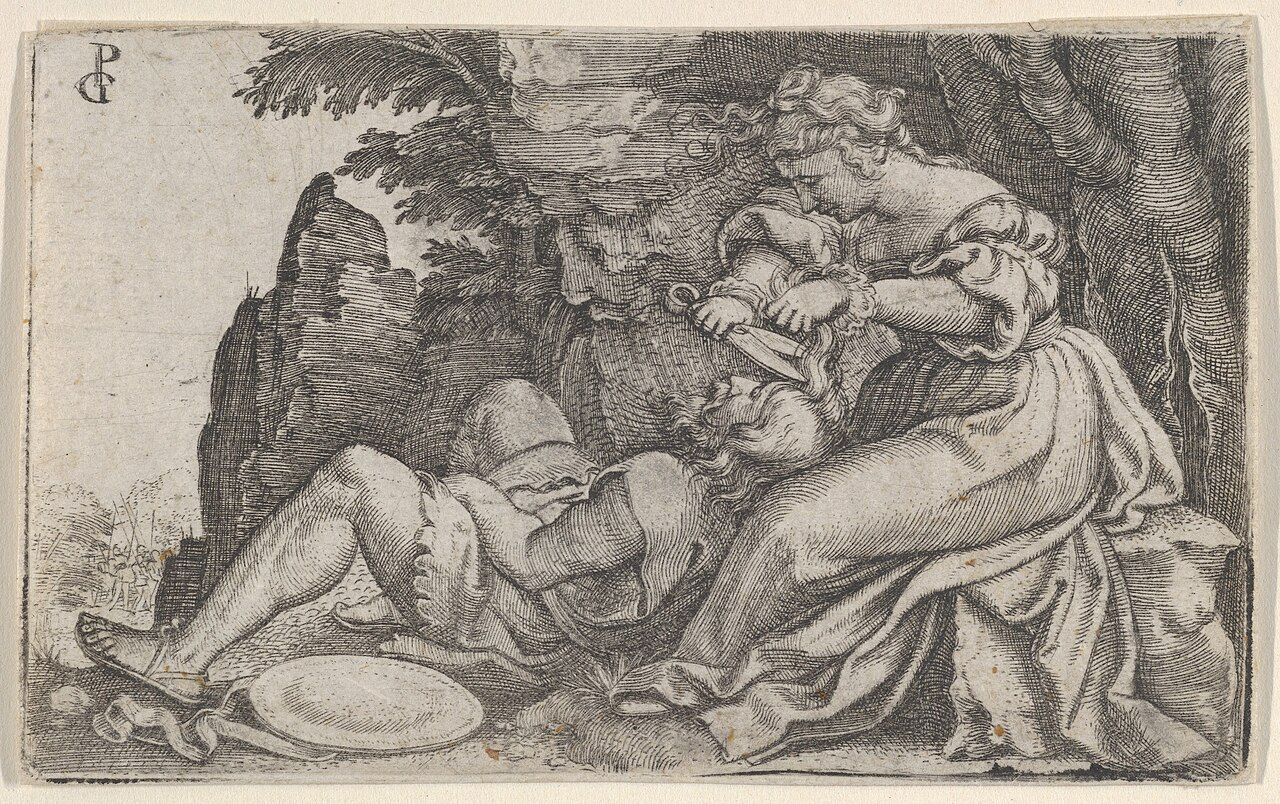
Delilah Cut Samson’s Hair

Image: Georg Pencz, CC0, via Wikimedia Commons

Many of us remember Samson for his legendary strength and the long hair that was said to be the source of his power. His story with Delilah is one of the Bible's most famous tales of betrayal, but there's one detail some people may have gotten wrong: Delilah didn't actually cut his long hair.

In Judges 16:19, Delilah has Samson's hair shaved while he sleeps on her lap. The text says she called for a man to do the shaving; it never says she did it herself. Yet paintings, films, and other retellings have often shown Delilah wielding the scissors herself, cementing that image in popular culture. It can be considered a small detail, but it’s a great example of how easily familiar Bible stories can pick up elements that aren't actually in the original text.

9

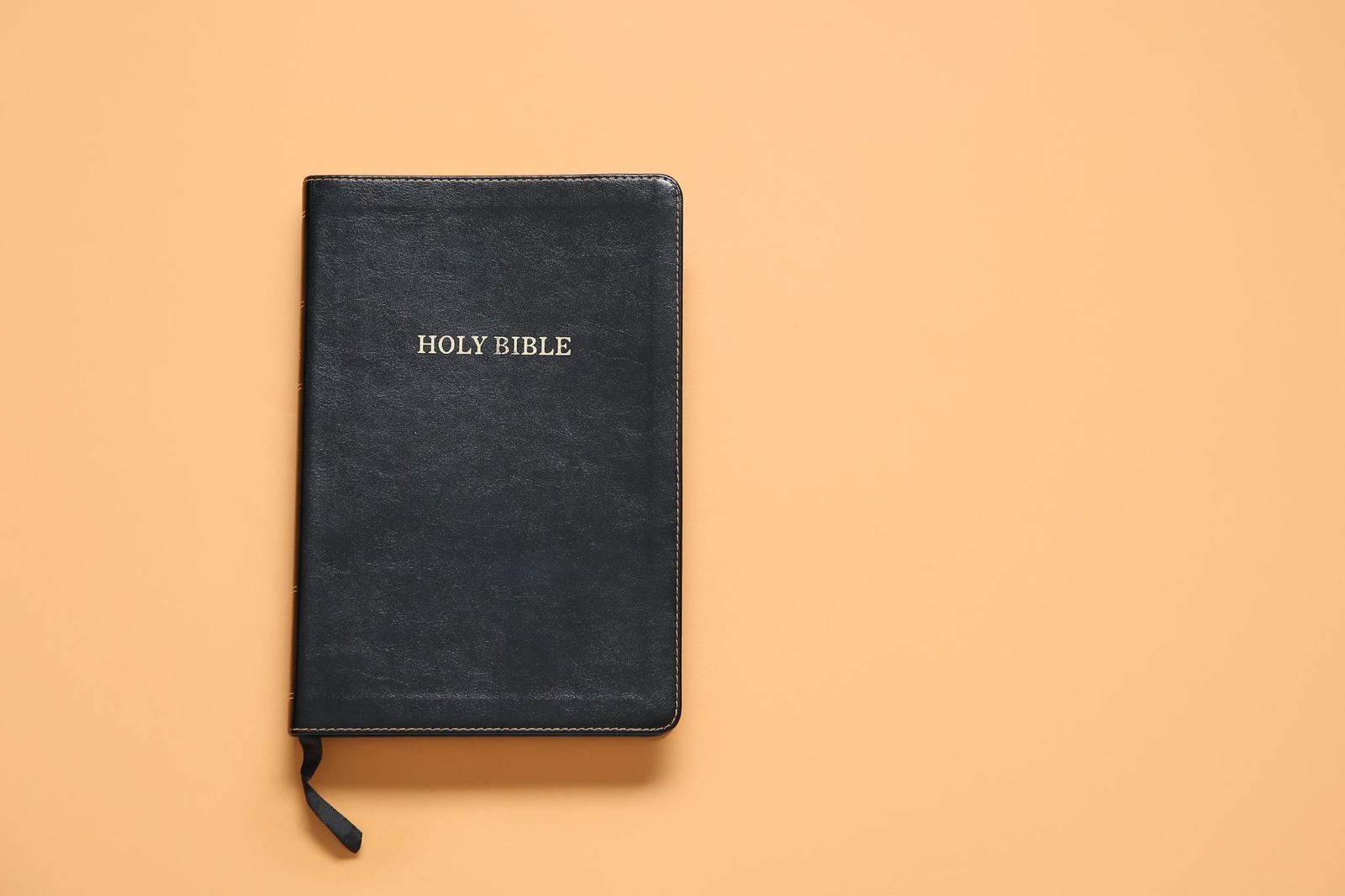
The Bible is a single-voice book

Image: Pixel-Shot

Many of us think of the Bible as a single book, written at one particular time by one author, or perhaps a handful of them. After all, that's how it looks when you pick one up in a hotel room, but its history is far more complicated.

The Bible is actually a collection of books written by over 40 authors over roughly 1,500 years, from about 1400 BC to AD 100. The exact number of books varies by religious tradition: Protestant Bibles contain 66 books, while Catholic and Orthodox traditions include additional books. Across these different traditions, the writings were produced by kings, prophets, fishermen, and scholars in Hebrew, Aramaic, and Greek. They also span a tremendous range of literary styles, including history, poetry, songs, laws, letters, and prophecy. So while we hold it as one book today, the Bible is actually a collection of many different writings produced across centuries.

10

Original manuscripts still exist

Image: https://www.themorgan.org/manuscript/350198, Public domain, via Wikimedia Commons

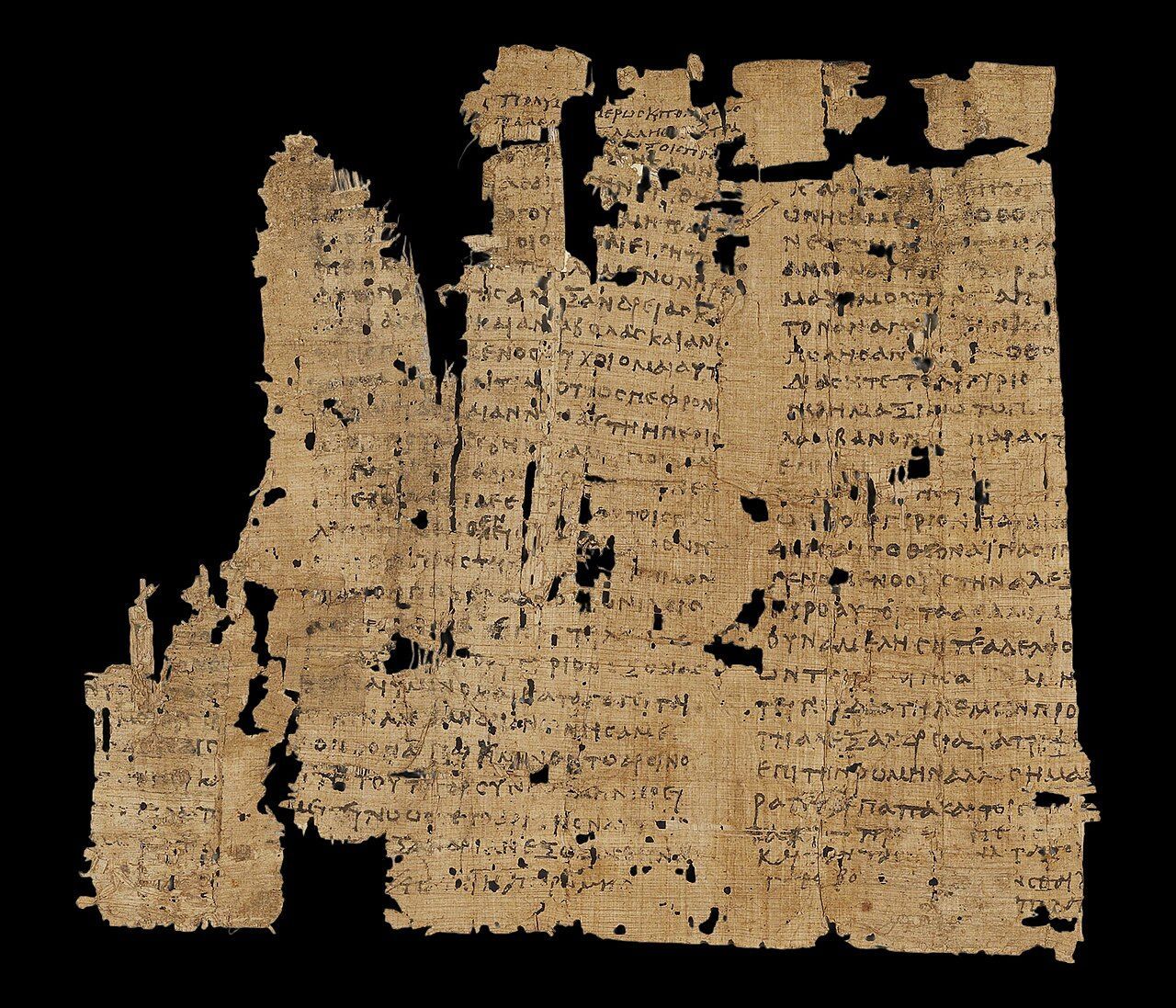
Many people assume that at least a few original fragments of the Bible must still exist somewhere. It would be incredible if they did, but none of the original manuscripts, known as autographs, have survived.

The earliest biblical texts were written on fragile materials such as papyrus and animal skins, which could deteriorate through humidity, heat, handling, and simple age. Wars, fires, and other destruction also contributed to their disappearance. So how do we know what the originals said? Through a technique called textual criticism: expert scholars compare thousands of handwritten copies, ancient translations, and quotations from early Christian writers. When they find passages that match across different sources, or differences that reveal how a text changed over time, they can work backward to determine what the original most likely said, even though the original manuscripts themselves are gone.


FLY AWAY WITH US

Let’s Take It To The Skies With These 10 Iconic American Aviators!


Published on September 5, 2026


Image: Lacie Slezak

To be able to fly has always been a shared dream of all of mankind. The very first humans must have longingly stared at the great blue sky with only one wish in their mind: to freely soar like a bird. And while a few daydreamers (ourselves included) still wait for the day we can sprout wings and fly on our own, the truth is that anyone alive in this day and age is now able to traverse the skies thanks to one of the most essential inventions of the 20th century: the airplane.

A really long time has passed from the Wright brothers’ first flight to the modern and comfortable airplanes we take today. Aviation history is filled with the tales of brave and unparalleled pilots who dared to reach new, previously unknown heights. So, we have decided to celebrate the accomplishments of 10 iconic American pilots with this article.

1

Amelia Earhart

Image: Tomas Martinez

We’ll begin with someone who is probably America’s most iconic pilot. Born and raised in the city of Atchison, Kansas, Amelia Earhart always had the adventurous spirit that would make her the first female pilot to cross the Atlantic. Alongside her sister Pidge, Amelia would often go around exploring her neighborhood, embarking on outdoor adventures that included climbing trees, riding sleds downhill, and collecting bugs.

Amelia found her love for flying in her 20s, during an exhibition flight held in the Canadian National Exhibition in Toronto. According to biographers, a pilot dived at Earhart in an attempt to scare her, but Amelia held her ground, amazed by the power of that little red airplane. It is no wonder that Amelia would later nickname her iconic red plane her "Little Red Bus."

2

Charles Lindbergh & Anne Morrow Lindbergh

Image: Simon Fitall

Charles Lindbergh and his "Spirit of St. Louis" need no introduction: Lindberg’s nonstop flight from New York to Paris in 1927 marked a decisive turning point in the history of aviation. However, many of Lindberg’s accomplishments could have never been realized without the help of his wife and co-pilot Anne.

In 1929, the same year the couple married, Anne followed her husband’s steps and made her first solo flight. A year later, she became the first American woman to be granted a first-class glider pilot's license. Throughout the 30s, the Lindberghs explored and charted air routes, and became the first to fly from Africa to South America.

3

Chuck Yeager

Image: Y S

The early history of aviation truly moved in huge leaps: Only 63 years separate the Wright brothers' first flight to Neil Armstrong stepping on the moon. In between these two milestones, one conducted by American pilot Chuck Yeager in 1947 stands out: it was the very first time an airplane was able to break the sound barrier.

The tale of how Yeager was able to accomplish this feat is one filled with difficulties. A 24-year-old pilot at the time, he was selected to test the high-speed capabilities of a new experimental plane. While this alone was a very dangerous task, Yeager broke two ribs a few nights before the accident but failed to report it out of fear of being kicked out of the experiment. On the day of the test, Yeager was in so much pain that he had to close the plane’s hatch with a broom handle. Nevertheless, the test was a resounding success, and Chuck Yeager became the first pilot to break the sound barrier on October 14, 1947.

4

Bessie Coleman

Image: Daniel Eledut

Known for her daring and dangerous air shows, Bessie Coleman earned many nicknames throughout her short life, like "Brave Bessie" and "Queen Bess". What’s more, Bessie is remembered to this date not only as a trailblazing pilot but also as a great source of inspiration to the African-American and Native American communities. At age 29, Coleman became the very first African-American and Native American woman to hold a pilot’s license.

Coleman learned to fly in Paris, where she took her pilot exam from the Fédération Aéronautique Internationale. In 1921, she flew back to the United States on her own plane and became a media sensation overnight. Coleman sadly passed away from a plane malfunction during an airshow, at the age of 34. Nevertheless, her name and daredevil spirit are forever inscribed in the pages of aviation history.

5

Edward O'Hare

Image: Gary Wann

In 1942, naval aviator Edward O'Hare became the first American WW2 Naval ace pilot, after he single-handedly attacked a squadron of nine enemy bombers. Despite having limited ammunition, O’Hare was able to take down five enemy airplanes, earning him the Medal of Honor.

After this feat, O’Hare briefly served as a flight instructor before returning to combat in 1943. During an engagement with enemy planes, his airplane was shot down and was never found. In 1949, the city of Chicago decided to rename its airport to the "Chicago O'Hare International Airport", a name it still has to this very day.

6

Howard Hughes

Image: david hili

Besides being a business magnate, an aerospace engineer, a philanthropist, and a film producer, Howard Hughes was also an outstanding pilot. He set many world records during his lifetime, particularly air speed records, and won both the prestigious Harmon and Collier Trophies for his aviation exploits.

One of Hughes’ most remembered contributions to aviation history is his H-4 Hercules plane, also known as the "Spruce Goose." The Hercules is to this day the largest flying aircraft ever built, although it only made a single test flight in 1947.

7

Harriet Quimby

Image: Tomas Martinez

Just like Howard Hughes, American pilot Harriet Quimby was also known for her contributions to journalism and screenwriting. However, in 1911 Quimby achieved an incredible milestone for both aviation and gender equality: At the age of 36 years, she became the first American woman to receive her pilot’s license.

In 1900, the Quimby family moved to San Francisco, where Harriet began writing for several newspapers like the "San Francisco Chronicle." While attending an air show in Elmont, New York in 1910, she became interested in aviation, and a year later, she was granted a pilot’s license. One year after that, in 1912, Harriet Quimby became the first woman to successfully fly across the English Channel.

8

Susan Oliver

Image: Rafael Garcin

American actress Susan Oliver has a long list of film and television roles spanning a career of thirty years: Most notably, she appears in the pilot episode of the quintessential science-fiction show, "Star Trek". However, Oliver’s other great love was flying. Her most prominent feat in this area was an odyssey that took her to Canada, Greenland, Iceland, and Denmark, becoming the fourth woman to fly a single-engined aircraft solo across the Atlantic Ocean.

Perhaps most importantly, Oliver’s aviation career is a story of overcoming fears: In 1959, she experienced a near-fatal accident that caused her to avoid flying, even if it meant losing job offers. However, thanks to the persistent encouragement of a friend, she became interested in personal airplanes and gained her private pilot certificate in 1966.

9

Steve Fossett

Image: Aaron Burden

Let’s step away from airplanes for just one entry, and focus on another impressive yet slightly different record-breaking aviator. In 2002, American pilot and businessman Steve Fossett made the first non-stop solo flight around the world, in any kind of aircraft. What’s even more remarkable is the type of vehicle Fossett chose for this endeavor: a 10-story high hot air balloon called "Spirit of Freedom."

Fossett’s adventure saw him leave Northam, Australia on June 19, 2002, and return 13 days later to Queensland. The flight was not without perils: The only component that survived the landing was the balloon’s capsule, currently displayed in the Smithsonian Institution in Washington, D.C.

10

The Wright brothers

Image: History in HD

We’ll end this article at the very beginning of the history of aviation. In 1903, the town of Kitty Hawk, North Carolina became the landscape of an event that would change the world forever: brothers Wilbur and Orville made the very first controlled and engine-fueled flight on a heavier-than-air aircraft.

What’s curious about this milestone in aviation history is how short it was. After winning the right for the first flight in a coin toss, Orville took the "Wright Flyer" to the air for a 12-second maiden voyage, reaching a height of 120 feet at a speed of only 6.8 miles per hour. Regardless, the brothers (and soon, the whole world) knew how much of a titanic achievement this short flight was, and luckily recorded it on an iconic photograph now featured on the North Carolina state quarter.

Looking for an extra scoop of literary fun?

Learn more with our Word of the day

circumlocution

/ˌsərkəmˌləˈkjuʃən/