Would you change your name?

Which famous actor's name means “Praise God for Beef”?


Published on May 3, 2025


Image: Ainur Iman

A great name can take you a long way in show business—but alas, not everyone is blessed with a glamorous or even interesting birth name. These 12 talented individuals decided to change their real names to something that—at least to them—sounded better suited for their purposes. Did you already know any of these?

1

Lady Gaga

Image: Noah Näf

While it may surprise some that certain celebrities don’t use their real names, others are quite obviously fabricated. Lady Gaga’s parents gave their daughter the more traditional name Stefani Joanne Angelina Germanotta.

Her friends later nicknamed her "Gaga," inspired by a lyric from the Queen song "Radio Ga Ga," which reminded them of her musical style—and the name stuck.

2

Snoop Dogg

Image: ZENG YILI

The West Coast rapper was born Calvin Cordozar Broadus Jr., but he grew up in a family that called him Snoopy because they thought he bore a resemblance to the animated beagle cartoon character. When Calvin launched his music career, the nickname stuck.

3

LL Cool J

Image: Chase Fade

Back in the early days of rap music, a young James Todd began calling himself LL Cool J —short for "Ladies Love Cool James"— in hopes of making a name for himself. As fame eventually found him, the name became his signature.

4

Vin Diesel

Image: Joey Banks

As you might have guessed, Vin Diesel’s parents didn’t name him that way but, instead, Mark Sinclair. Mark began going by his stage name while working as a bouncer at a New York nightclub, wanting a tougher-sounding name for his job.

5

Jamie Foxx

Image: BRUNO CERVERA

Eric Marlon Bishop decided to change his name to a unisex one upon entering the stand-up comedy business. He thought that women performers got more chances than men, and if his name sounded female, his chances of being called were greater. Right or wrong, the strategy worked, and he became famous in the end.

6

Alicia Keys

Image: Johannes Plenio

When Alicia Augello Cook was searching for the perfect stage name, she turned to the dictionary for inspiration. She was drawn to the word "Keys" because it reminded her of her favorite instrument, the piano — and because keys open many doors.

7

Nicolas Cage

Image: Lisa

Nicolas Kim Coppola changed his name to avoid being associated with his famous uncle, director Francis Ford Coppola. He chose "Cage" as a tribute to two of his inspirations: Marvel Comics’ Luke Cage, a character he admired, and avant-garde composer John Cage.

8

Eminem

Image: Janine Robinson

This one is pretty straightforward: the phonetic pronunciation of Marshall Mathers’ initials —"M.M."— is, you guessed it, Eminem.

9

Shia LaBeouf

Image: Madie Hamilton

Granted, the name does sound exotic to begin with—but the real meaning is even stranger. "Shia" means "praise God" in Hebrew, and "LaBeouf" means "beef." So, this actor’s name quite literally means "Praise God for beef."

10

Stevie Wonder

Image: Gabriel Gurrola

Stevie may be a wonder when it comes to singing and playing the piano, but he wasn’t born with that name. His real name is Stevland Hardaway Judkins. When he signed with Motown in 1961, his surname was legally changed to Morris, an old family name.

He adopted the stage name Stevie Wonder because people were astounded by his talent and called him "a little wonder."

11

Queen Latifah

Image: Church of the King

As we’ve seen so far, some names are just too great to be real—and that’s certainly the case with Queen Latifah, who was born Dana Elaine Owens. In her own words, she chose her stage name because "Latifah" means "delicate and very kind" in Arabic, and she liked the juxtaposition of that softness with the boldness of "Queen."

12

Taylor Swift

Image: Rosa Rafael

Taylor Swift’s real name is, indeed, Taylor Swift—and it was chosen because her parents were big James Taylor fans. As James himself once said: "It’s hugely flattering and was a delightful surprise when she told me that. Obviously, it wasn’t her choice; it was her mom and dad, but a great connection, I think."
Some names stick around

From Table Tap Joe to Ziggy Stardust: Who are the best song characters?


Published on May 3, 2025


Image: Christina Radevich

Sometimes, a character is the perfect alter-ego to write a song about oneself without self-referencing so much. Other times, a character is just a character. Over the years, musicians have come up with lonely dreamers, fearless heroes, mysterious strangers, and even supernatural villains who have become just as famous as the songs themselves. Some were inspired by real people, others sprang entirely from imagination, but all of them left a lasting mark on music history. Which of these 12 do you remember?

1

Table Top Joe — Tom Waits — "Table Top Joe"

Image: lev radin

Tom Waits has always had a soft spot for society's oddballs, and few are even stranger than Table Top Joe. Introduced on the 2002 album Alice, Joe is born with only a head and hands, yet grows into a brilliant piano player whose extraordinary talent earns him fame despite the odds stacked against him.

The song unfolds like a forgotten American folk tale, complete with references to Coney Island's legendary Dreamland amusement park and composer Igor Stravinsky. Although many listeners assume the story is based on an old carnival legend, Table Top Joe is entirely Tom Waits' own creation.

2

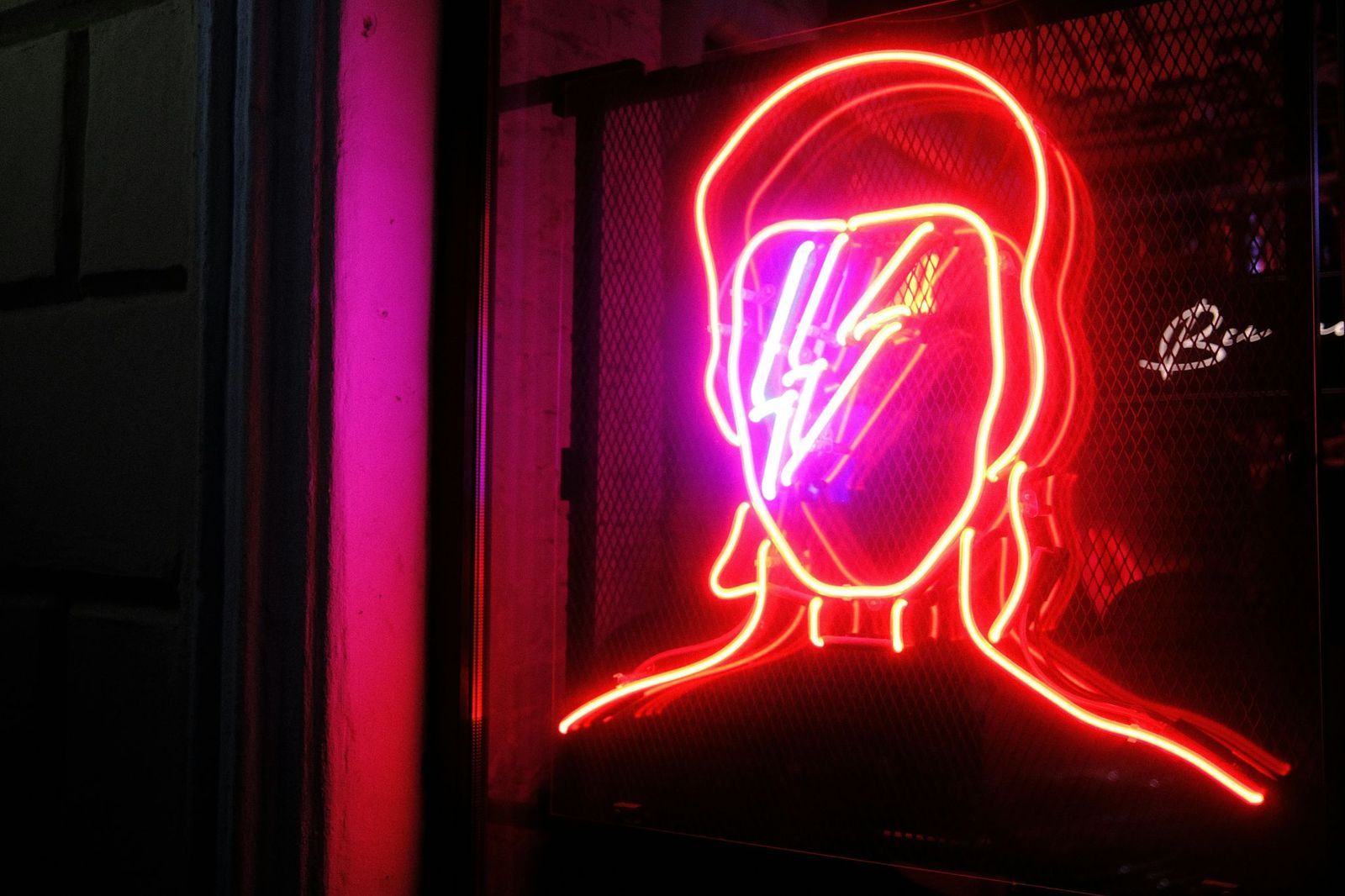
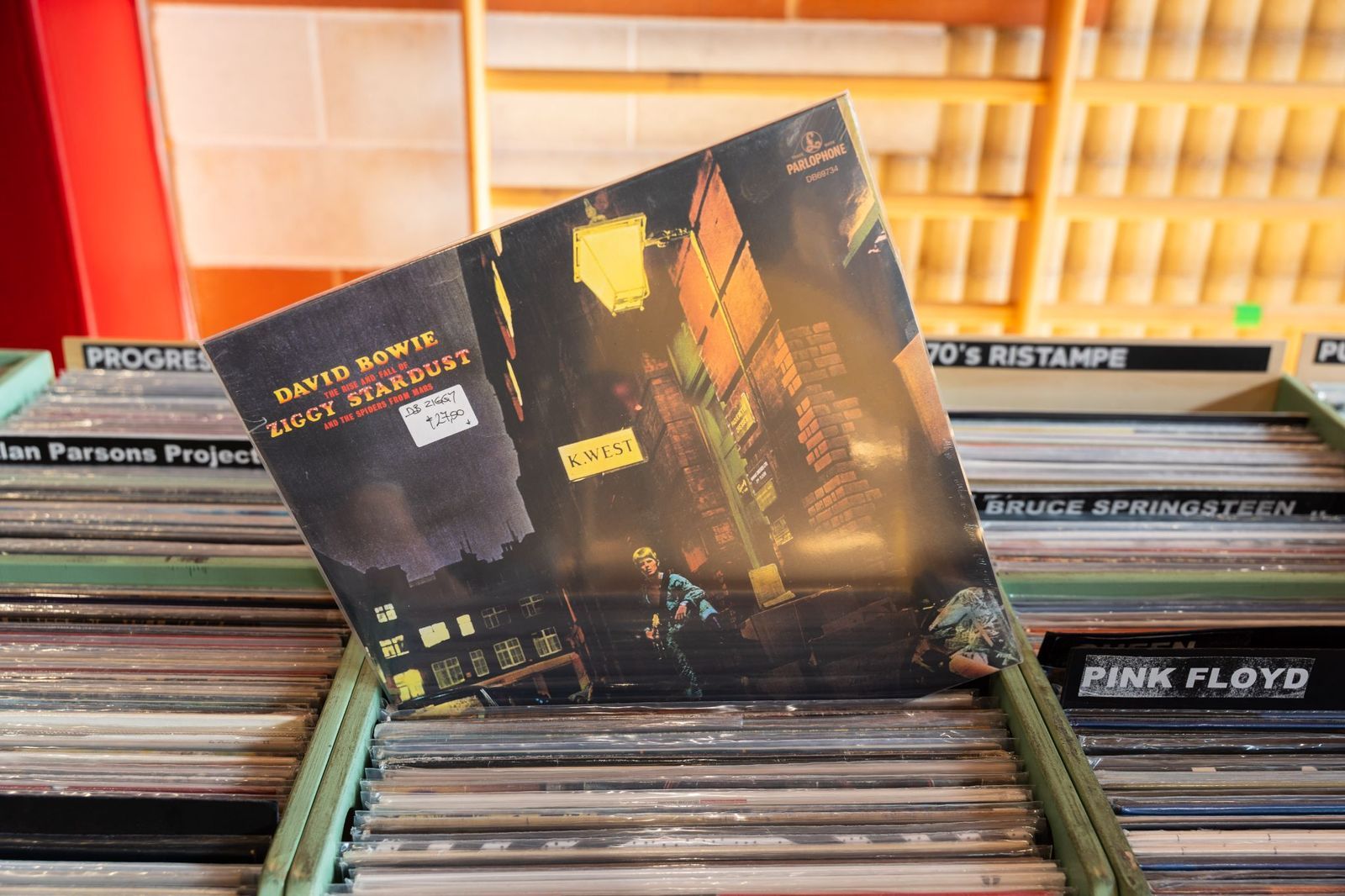
Ziggy Stardust — David Bowie — "Ziggy Stardust"

Image: PHLD Luca

Few fictional musicians have ever become as famous as Ziggy Stardust. Introduced in 1972, Ziggy is an alien rock star sent to Earth shortly before humanity's end, only to be consumed by the very fame that makes him a savior to millions.

David Bowie blurred the line between fiction and reality by performing as Ziggy onstage for more than a year. When he unexpectedly announced Ziggy's retirement during a concert at London's Hammersmith Odeon in 1973, many fans believed the character, and perhaps Bowie himself, had truly reached the end of the story.

3

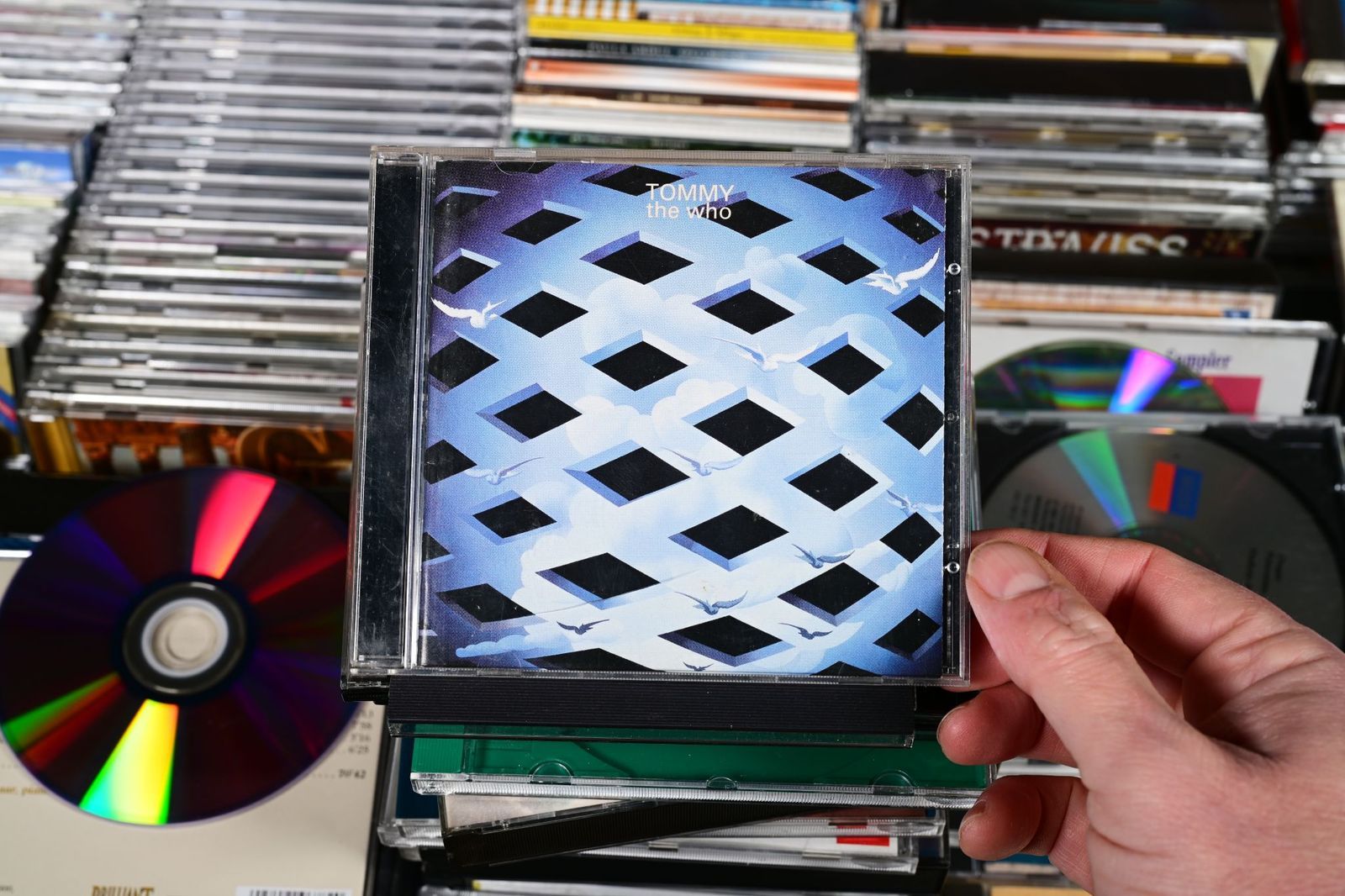
Tommy — The Who — "Tommy"

Image: defotoberg

Tommy Walker isn't just the hero of a song, he's the central figure of one of rock music's first great operas. After witnessing a traumatic event as a child, Tommy becomes deaf, mute, and blind, yet somehow develops astonishing pinball skills that transform him into an unlikely celebrity.

Pete Townshend built an entire musical world around Tommy, exploring themes of trauma, faith, and redemption. First released in 1969, Tommy later became a hit film, a Broadway production, and one of the most influential concept albums ever recorded.

4

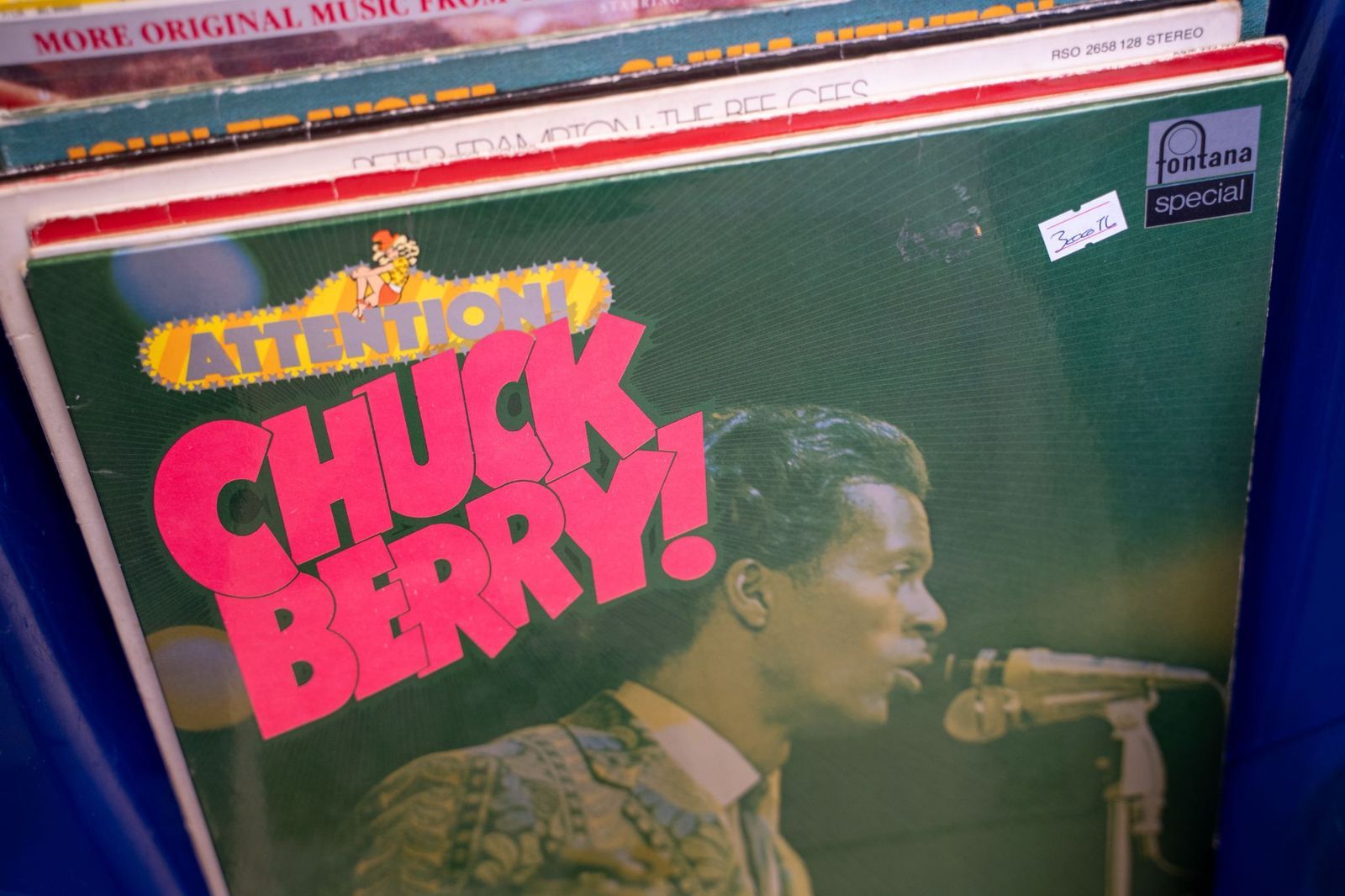
Johnny B. Goode — Chuck Berry — "Johnny B. Goode"

Image: Erman Gunes

Johnny B. Goode is every aspiring musician's dream. Growing up in rural Louisiana with little more than a guitar and natural talent, he plays so brilliantly that listeners predict "his name will be in lights."

Chuck Berry based the character partly on himself and partly on pianist Johnnie Johnson. Originally described as a "colored boy," Johnny became a "country boy" in the final lyrics, making the song more likely to receive airplay during the segregation era. Nearly two decades later, Johnny's anthem would even travel into space aboard NASA's Voyager Golden Record.

5

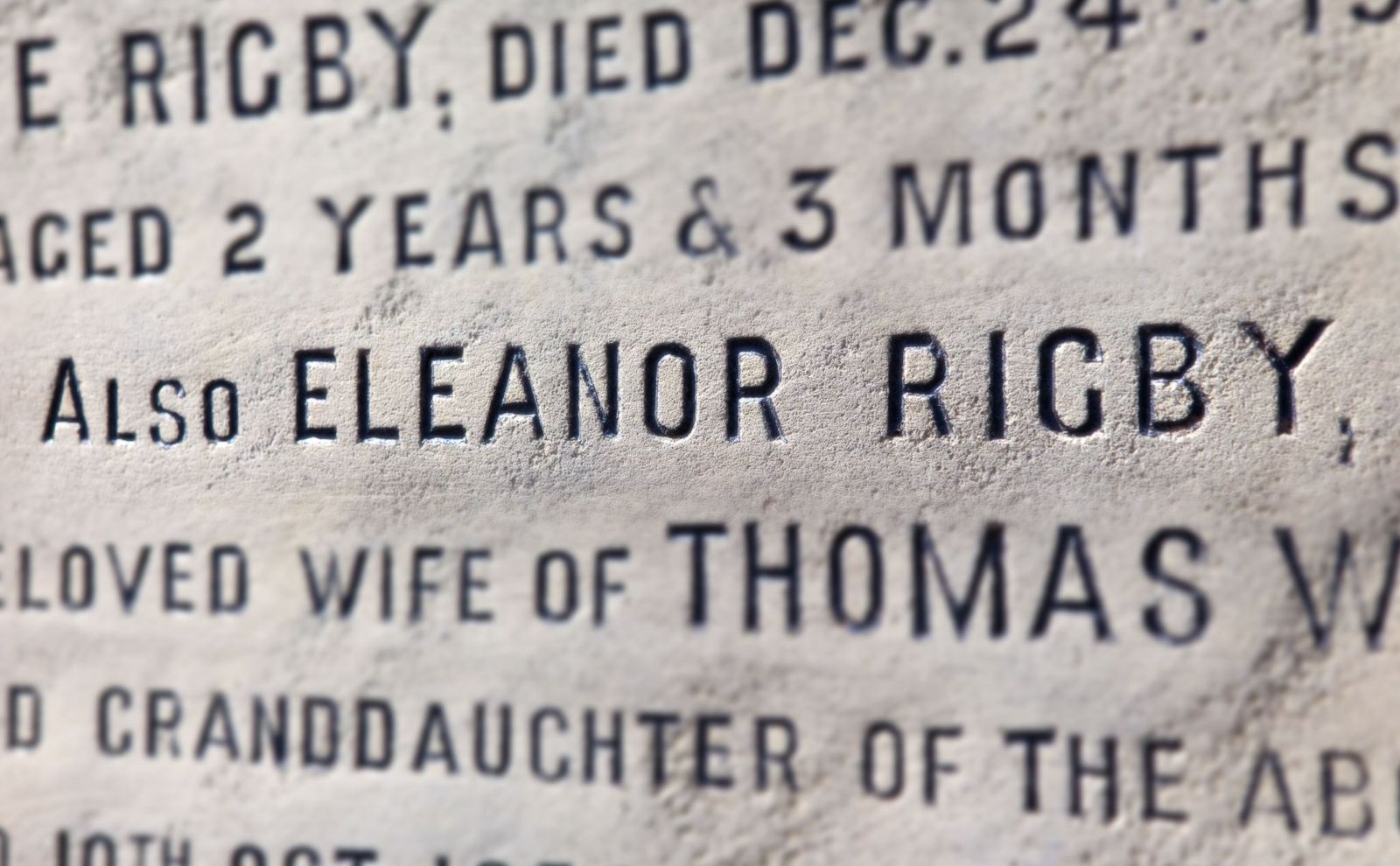
Eleanor Rigby — The Beatles — "Eleanor Rigby"

Image: chrisdorney

Few fictional characters have captured loneliness as powerfully as Eleanor Rigby. She quietly moves through life unnoticed, while Father McKenzie delivers sermons that no one hears, creating one of popular music's saddest portraits of isolation.

Paul McCartney later explained that Eleanor's name came from actress Eleanor Bron and the Liverpool shop Rigby & Evens. The discovery of an actual Eleanor Rigby gravestone in Liverpool only deepened the song's mystique, though McCartney maintained the coincidence was unintentional.

6

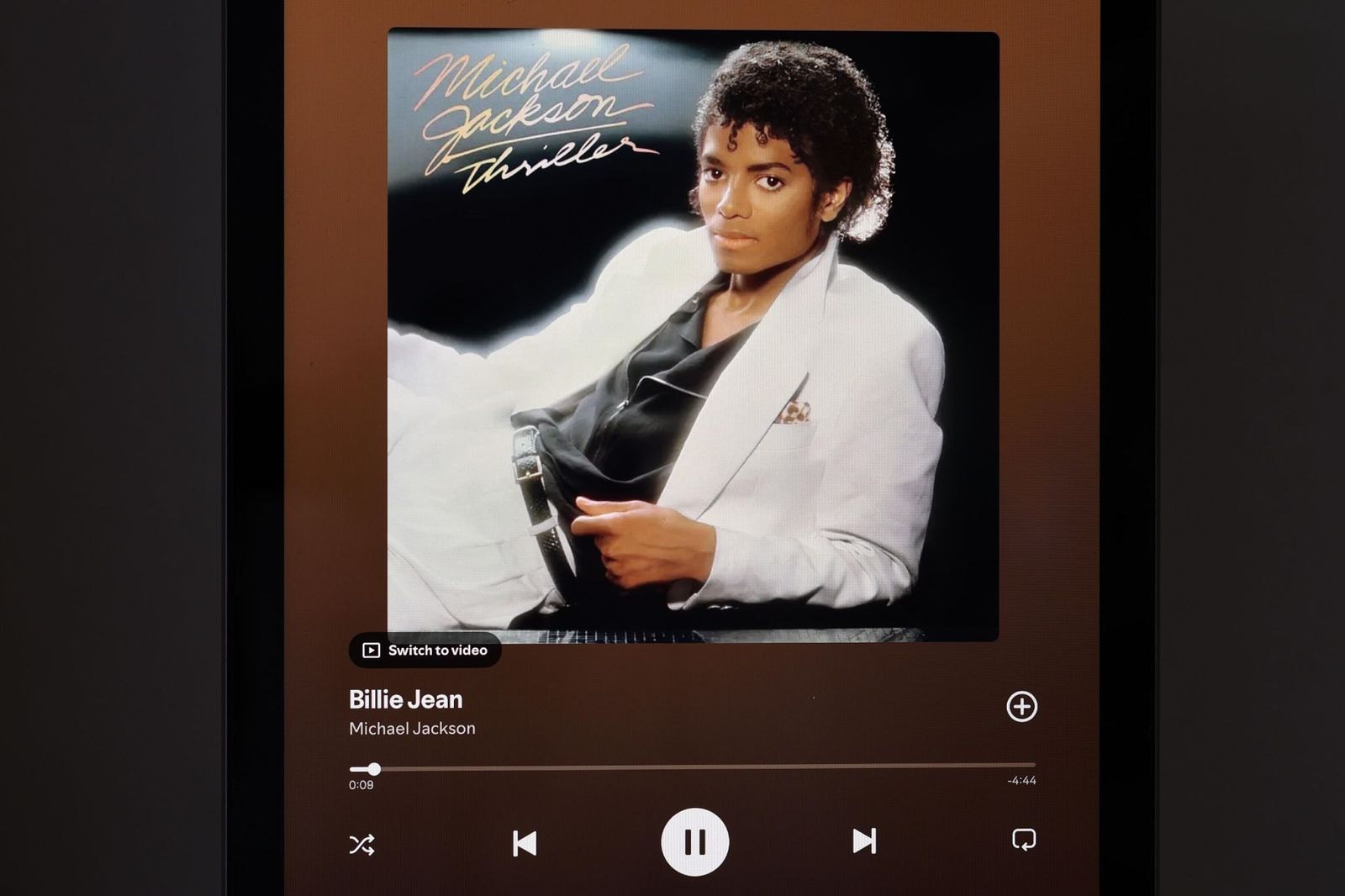
Billie Jean — Michael Jackson — "Billie Jean"

Image: McSleepy

Billie Jean may be one of pop music's most famous women, yet Michael Jackson insisted she wasn't a real person. Instead, she represented several women who falsely claimed that he had fathered their children during the height of the Jackson 5's fame.

Released in 1983 as part of Thriller, the song became a global phenomenon. It also provided the stage for Jackson's legendary moonwalk during Motown 25.

7

Stagger Lee — Lloyd Price — "Stagger Lee"

Image: L Paul Mann

Unlike many legendary song characters, Stagger Lee actually existed. His real name was Lee Shelton, a St. Louis criminal who murdered Billy Lyons during an argument over a hat on Christmas Eve in 1895.

The shocking crime quickly entered American folklore through countless folk songs before Lloyd Price transformed it into a chart-topping hit in 1958. More than a century later, Stagger Lee remains one of the most enduring antiheroes in American music.

8

Tom Dooley — The Kingston Trio — "Tom Dooley"

Image: BOOCYS

Tom Dooley was inspired by Thomas Dula, a Confederate veteran executed in North Carolina in 1868 after being convicted of murdering Laura Foster. His surname was locally pronounced "Dooley," giving the ballad its familiar title.

The Kingston Trio revived the old Appalachian folk song in 1958, turning it into an international hit and helping launch America's folk music revival.

9

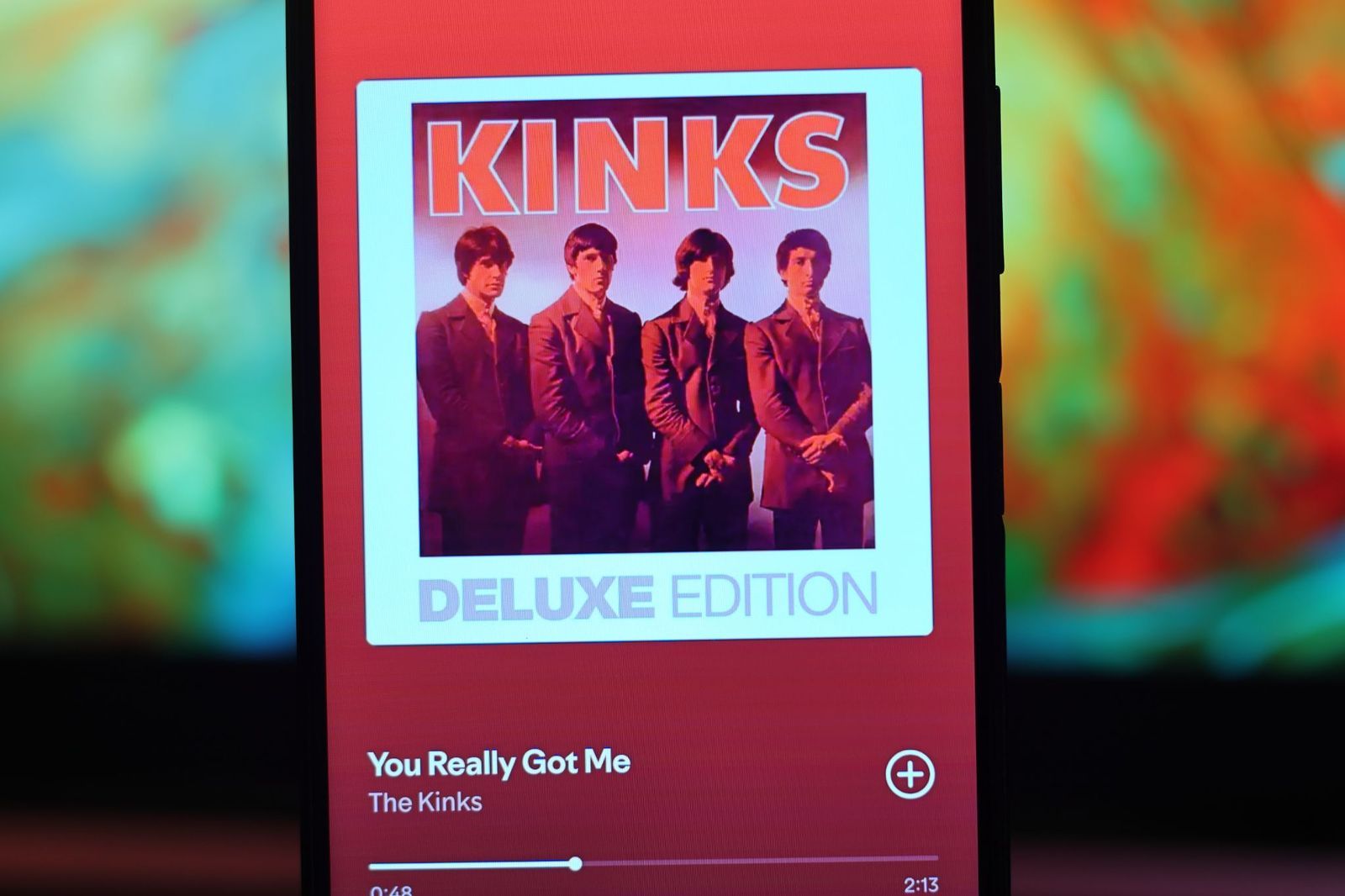
Lola — The Kinks — "Lola"

Image: McSleepy

When the narrator of "Lola" meets an intriguing stranger in a Soho nightclub, expectations quickly give way to surprise. Ray Davies crafted one of rock's earliest mainstream stories exploring gender ambiguity, decades before the topic entered popular conversation.

The recording rarely reached British radio. Because BBC rules prohibited commercial product names, Davies had to interrupt a U.S. tour and fly back to London simply to replace the lyric "Coca-Cola" with the now-famous "cherry cola."

10

Piano Man — Billy Joel — "Piano Man"

Image: Debby Wong

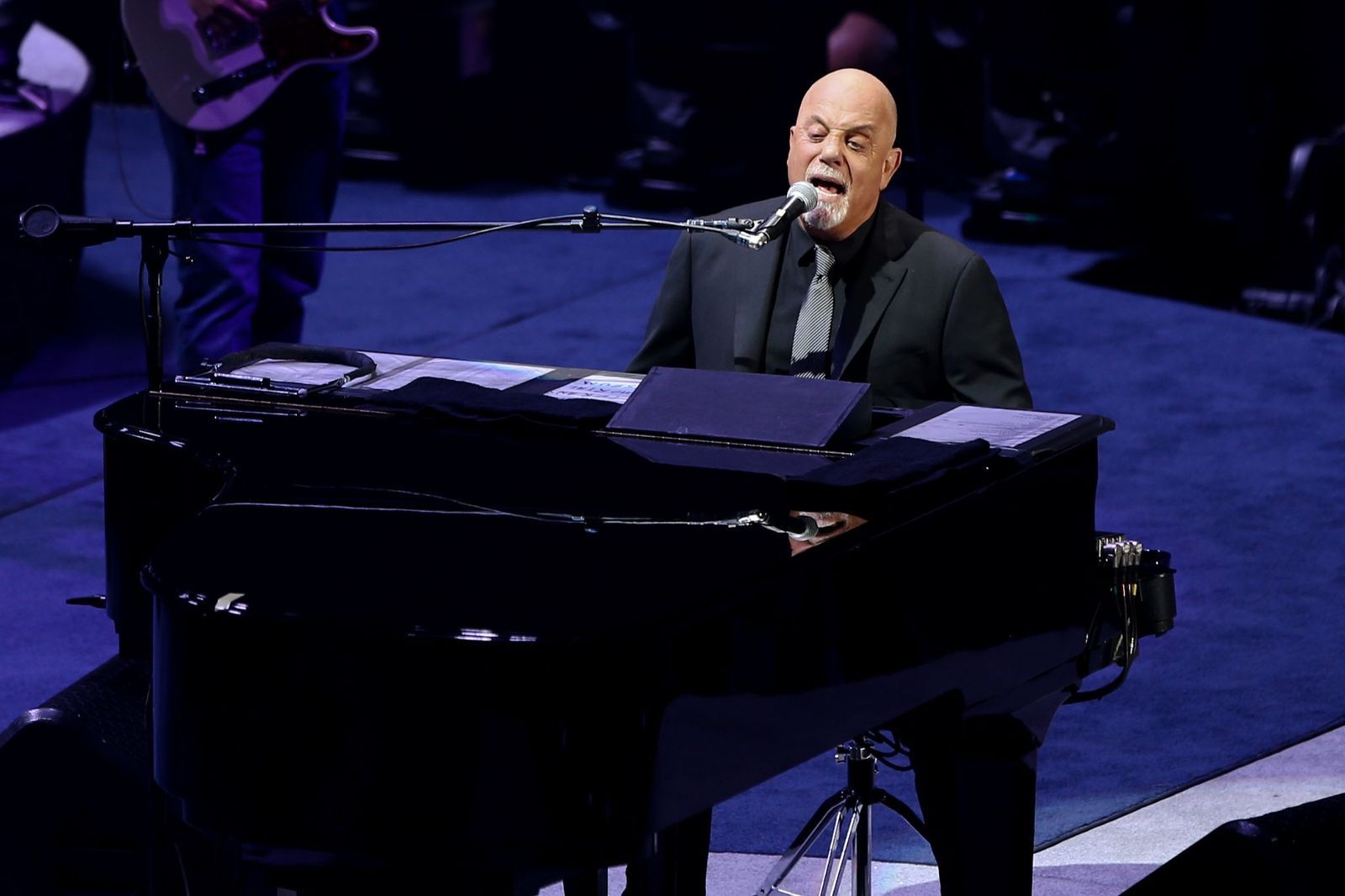
Unlike most famous song characters, the Piano Man is really Billy Joel himself. Before becoming a superstar, Joel spent six months in 1972 and 1973 performing under the pseudonym Bill Martin at the Executive Room, a piano bar in Los Angeles, after becoming trapped in a bad recording contract. The song transforms those experiences into a bittersweet portrait of ordinary people searching for escape at the end of another week.

Joel has said that virtually every character in the song was based on a real person, from bartender John to "Paul, the real estate novelist" and Davy, who really was in the Navy. Yet the Piano Man himself became the story's most enduring character: a quiet observer who offers music as a brief refuge for dreamers, lonely souls, and regulars alike. More than fifty years after its 1973 release, "Piano Man" remains Billy Joel's signature song, and its title has effectively become his lifelong nickname.

11

Amos Moses — Jerry Reed — "Amos Moses"

Image: AS project

Standing nearly seven feet tall and missing an arm, Amos Moses roams the Louisiana swamps hunting alligators. Jerry Reed filled the song with colorful Southern expressions and exaggerated storytelling that make Amos feel like an authentic folk legend.

Although fictional, Amos embodies the larger-than-life heroes found throughout American tall tales. His adventures turned the song into one of Reed's biggest crossover hits and secured Amos a permanent place among country music's greatest characters.

12

Big Bad John — Jimmy Dean — "Big Bad John"

Image: mirigifford

Big Bad John hardly says a word, but he doesn't have to. The towering coal miner earns everyone's respect through quiet strength before sacrificing his own life to save fellow workers when a mine collapses.

Jimmy Dean's 1961 ballad became a smash hit, winning a Grammy and inspiring several sequel songs. More than sixty years later, Big Bad John still stands as one of country music's defining working-class heroes.

Looking for an extra scoop of literary fun?

Learn more with our Word of the day

iota

/aɪˈoʊdə/