Hidden quirks
Offbeat Anatomy: 15 body oddities you may not know about
Published on April 14, 2024

With its labyrinthine systems and intricate mechanisms, the human body is full of surprises, hidden quirks, and mysteries. Take blushing, for example, did you know that only humans are capable of such a thing? And what about earwax? We all know our body produces it to prevent bacteria from getting in, but did you know it is a type of sweat?
Until now, you may have thought you had a good handle on your body, but you probably have a few things to learn about it. Read on to find out fifteen weird facts about the human body and its endless wonders.
We are taller when we wake up

Have you ever wondered why you're a tad taller in the morning? That’s right, it’s not just your imagination playing tricks on you! Just as our weight is not the same throughout the day, neither is our height.
That is because, during the night, when we sleep horizontally, the soft cartilage between our bones gets a chance to decompress. The temporary relief from gravity leads to a slight increase in height by morning. But enjoy it while you can because it’s all downhill from here!
As the day progresses and we stand upright and carry out our daily activities, gravity compresses our spine back, causing our discs to flatten, and ultimately leading to a minimum loss of height.
Our nose has an amazing memory

Our noses are not only adept at sniffing out scents but also possess an astonishing memory. To put it simply: our noses are just like a built-in scent database in the middle of our faces.
How does that work? The nose is armed with up to 400 scent receptors, which means that we can identify millions of different odors, from recently baked chocolate cookies to the stinky odor of sweaty gym socks!
Now, this is mind-blowing: the average human nose can distinguish and remember up to 50,000 different smells. On a less friendly note, it still hasn’t quite mastered the ability to forget about the unfortunate smells of life!
Dehydration can lead to back pain

Did you know that the core of your spinal discs is primarily composed of water? That’s right, the little discs between our vertebrae are like sponges. The water makes them plumpy and healthy. This means that, as long as our body is properly hydrated, our discs will be able to absorb shock and protect our spine like a pro.
As a natural consequence, when we don’t drink enough water or keep hydrated, these discs start to feel the squeeze. With no water to plump them up, they lose their main function and our spine bones are prone to rub against each other. And that’s when the back pain comes rushing.
If there weren’t enough reasons already, here is just another one to keep up with your water intake.
One lung is bigger than the other

It’s a known fact that our left and right sides are not exactly the same. And this rule also applies to our internal organs. So it doesn’t come as a surprise that the left lung is approximately ten percent smaller than the right lung.
This has quite a simple and logical explanation to it: for starters, our heart is not perfectly placed in the center of our chest. Considering it is slightly tilted to the left, the left lung is smaller in order to give the heart some space, making it smaller than the right.
Moreover, because the liver sits high on the right side of our body, the right lung is wider but a tad shorter than the left.
Newborns don’t shed tears

Crying is the first thing a baby does. The minute they are welcomed into the world, they put their lungs to work. But have you ever noticed they don’t shed any tears? As you can imagine, this is not because they are holding back, it is because they physically can’t!
Tear ducts, the ones responsible for this, are still developing in newborns like many other body parts. It is not until they have reached full maturity that babies will be able to let the tears fall, regardless of how loud they can get.
This process can take up to a month, and in some cases, even longer. So, if you see a crying baby with dry eyes, don’t worry! They are just waiting for the tear ducts to catch up!
Adults’ blood vessels are extremely long

The most elaborate cobweb has absolutely nothing on our circulatory system! The intricate network of blood vessels within the human body is truly astounding. Here’s a fact: at the absolute maximum, a large human body can contain up to 60,000 miles.
In case you can’t quite picture that, think of this: that’s enough to wrap around the Earth’s equator more than two times over! All of that complexity is neatly packed right inside us.
Think of all those blood vessels weaving their way through our body, carrying oxygen and nutrients to every last corner of it. It leaves you thinking, right?
Nose and ears never stop growing

Believe it or not, growth is not just reserved for childhood. While overall growth ceases in adulthood, certain body parts continue to exhibit growth throughout life. The nose and ears, for instance, have a mind of their own when it comes to this and they tend to grow larger with age.
Now, here is the trick about this oddity: it is not actual growth, it is all work of the relentless force of gravity!
Our ears and noses are mostly made of cartilage, which is highly flexible. As we age, even though it may seem as if they never cease growing, it is just gravity causing that cartilage to sag and stretch out making them look bigger.
Earwax is actually a type of sweat

Since earwax is highly considered disgusting by society, it is no surprise we know close to nothing about it. Contrary to popular belief, earwax is not simply a collection of dirt and debris and it is definitely not wax, that’s for sure!
Earwax is, in fact, a type of sweat. Our ear canal has two types of glands, the ceruminous and the sebaceous glands. The former is a sweat gland and it is the one responsible for producing this waxy substance. Therefore, the name.
Now, earwax, embarrassing as it may be, serves to lubricate and protect the delicate skin lining the ear canal, preventing dryness and irritation. So, rather than removing it, embrace it!
Tongues also have a unique print

Just like fingerprints, each person's tongue boasts a unique and distinct pattern. So, there are no two fingerprints that are the same, and neither are two tongues.
These tongue prints, formed by a combination of papillae and taste buds, contribute to individuality and our identity. And get this, tongue prints are often used in forensic investigations for identification purposes.
And that is not all! As it turns out, color and shape are also unique features of each individual making the tongue a key tool for identification. And let’s not forget the rainbow of flavors we can taste thanks to it!
Humans’ and sharks’ teeth are equally strong

You may be quite skeptical about this, but human teeth are remarkable and stronger than you think!
Human teeth are incredibly durable, and their strength is comparable to that of shark teeth. Scientific studies show that when comparing the micro-structure of both, our teeth are no weaker than that of sharks. And it all comes down to one single element: enamel.
This discovery is attributed to the dense enamel covering the tooth's surface, which serves as a protective barrier against wear and tear.
Mind you, equally strong doesn’t mean equally sharp! You might not be able to slice through prey, but you will most certainly win the battle over a crispy apple.
Blood takes up a part of our body weight

We are all very much aware that blood has a vital role in maintaining our body at top performance. It is in charge of physiological balance and transporting essential nutrients and oxygen to tissues throughout the body.
One can also easily imagine that we have a fair amount of it circulating inside our bodies. But what you probably didn’t know is that it constitutes approximately eight percent of the average adult's body weight.
The number is not set in stone, depending on factors like age and size, this percentage can naturally vary. For example, blood takes up to ten percent of a baby’s body weight.
We use one nostril at a time

You may not notice it, but you typically only breathe through one nostril at a time. You have nothing to fear, this is completely normal and it is due to a congestion pattern that switches every couple of hours. During this cycle, one nostril becomes congested making it a bit harder for air to flow through it while the other becomes decongested.
This alternating pattern of nasal airflow, known as the nasal cycle, ensures optimal filtration, humidification, and warming of inhaled air, promoting efficient respiratory function. Noses are not just a scent database, they are also our air conditioning system.
Blinking is a reflex

Now that you read about it, you may be blinking on purpose, aren’t you? However, most of the time, blinking is an involuntary reflex of the cornea, that is, we don’t even notice we do it. Now, this is the quirky fact about it: blinking occurs around 20 times per minute, which actually equates to over ten million blinks per year!
This reflex is not just a habit, it is essential to keep our eyes healthy. Blinking serves to moisturize and protect the ocular surface, preventing dryness and debris accumulation.
Moreover, blinking is a defense mechanism. When things get too close to the eye, this instinctive action protects our eyes from potential damage.
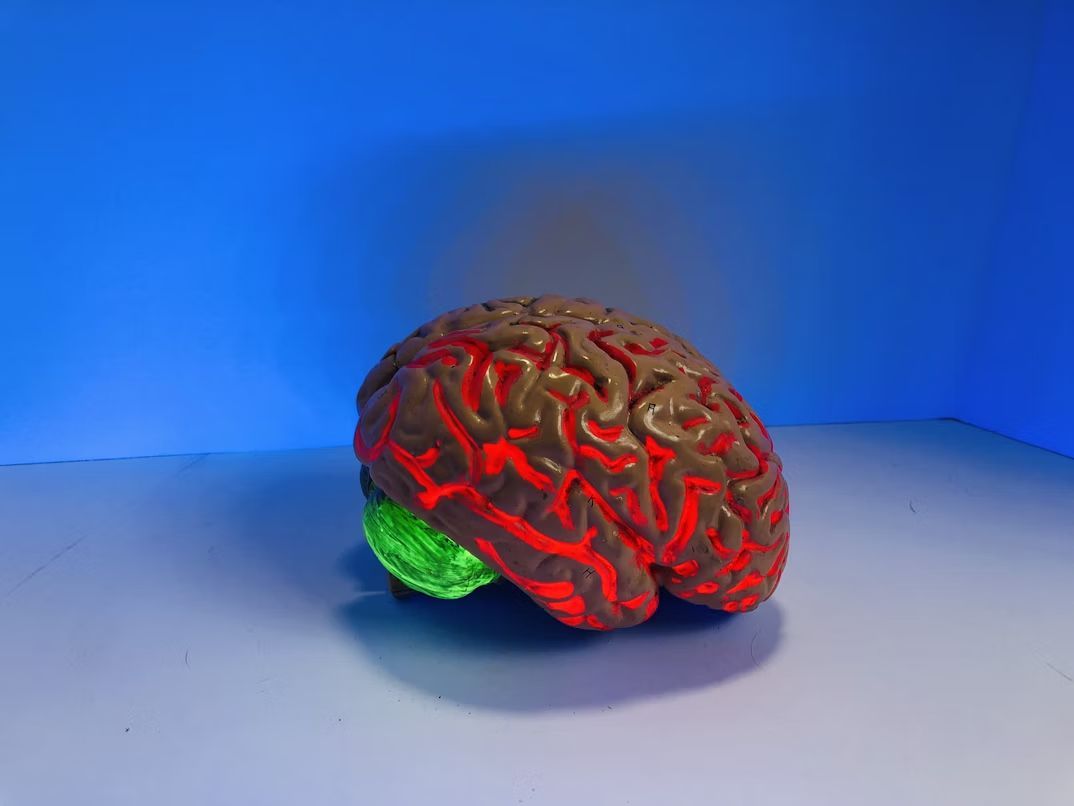
Our brain is highly active when we sleep

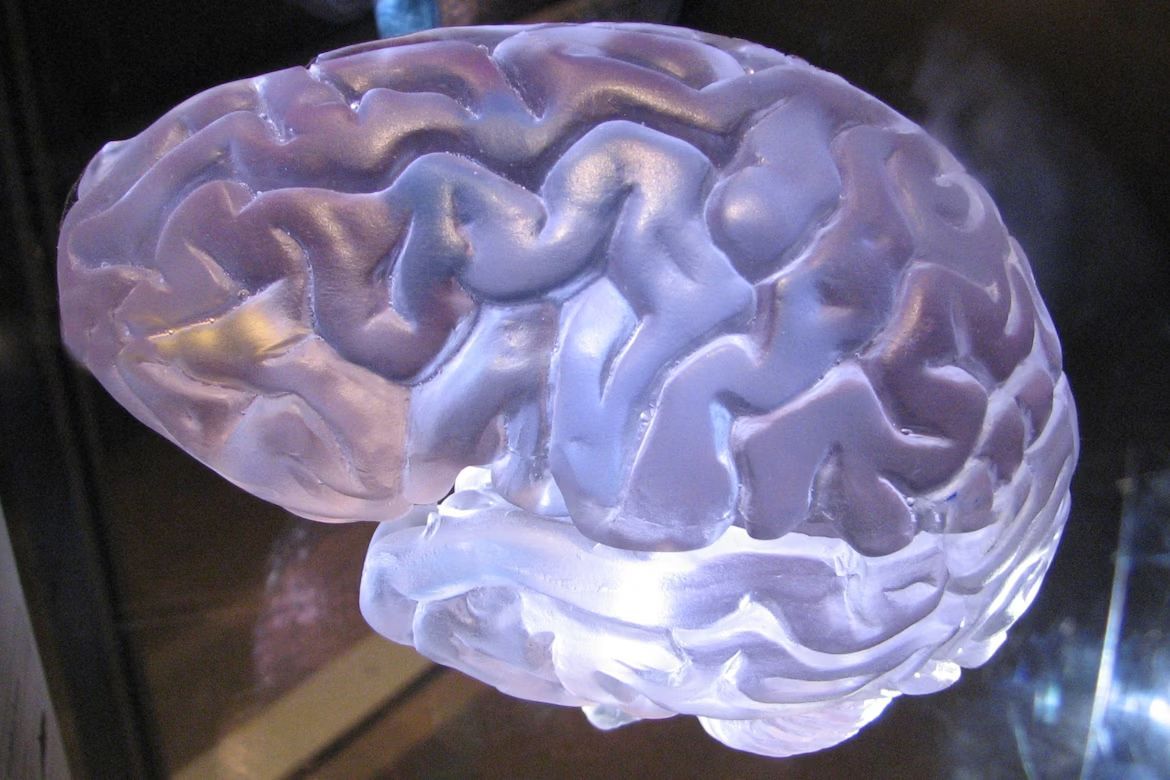
Contrary to popular belief, the brain never clocks out, not even when we go to bed. It is quite the opposite, our brain is often more active during sleep than when we are awake. And this is key to our overall health and well-being!
During REM (rapid eye movement) sleep, the stage usually associated with vivid dreams and high cognitive function, the brain becomes notably active. It initiates the neural activity that triggers key cognitive processes such as memory consolidation and emotional regulation.
Unlike us, our brain never goes to sleep and we should thank it for feeling refreshed and ready to tackle the day ahead.
Only humans can blush

When we feel embarrassed or ashamed, our mind is not the only one at play, our bodies are quick to catch up with some significant transformations. We sweat, we move around in discomfort and we blush!
Blushing is the result of the dilation of the blood vessels and a physiological response to certain feelings. Now, what you probably didn’t know is that, despite its involuntary nature, humans are the only species known to do this.
This uniquely human response is triggered by emotions such as embarrassment, shame, or excitement, highlighting the intricate interplay between the mind and body. Remarkable, isn’t it?