10 lost treasures around the world humanity still hopes to find


Published on August 6, 2026


Image: banu sevim

If you were asked about your most priceless possession, what’s the first thing that pops into mind? And what would you do to protect it? Since time immemorial, pirates and princes, captains and mysterious men have acquired wealth and done the impossible to defend it. So much so that from treasure chests to gold-filled trains, some riches were hidden so well that they have vanished to this day. Let’s find out about 10 of the most unbelievable lost treasures around the world and try to imagine what we’d do if we found them.

1

The Amber Room

Image: A_Mikhail

The Amber Room, often called "The Eighth Wonder of the World", was an 18th-century opulent chamber made of six amber panels, gold leaf, and mirrors. It was commissioned in 1701 for Prussia’s King Frederick, and later gifted to Russia’s Tsar Peter the Great in 1716.

It was then installed in the Catherine Palace in Tsarskoye Selo, Russia, until it was dismantled by German troops in just 36 hours in 1941 and moved to Königsberg Castle in East Prussia. Since 1945, amid Allied bombings, the Amber Room has disappeared without a trace, believed to have either been burned, buried, or sunk in the Baltic Sea.

2

The Nazi Gold Train

Image: Piotr Mitelski

It’s an armored 150-meter-long convoy rumored to be filled with 300 tons of gold, jewels, and stolen art. Allegedly, it vanished in May 1945 inside a secret network of unfinished tunnels in the Owl Mountains, near Walbrzych, Poland, as German forces fled the advancing Soviet Army.

Explorers and treasure hunters have launched many high-profile searches using groundbreaking technology to locate the train, but nothing has ever been found.

3

The Flor de la Mar Treasure

Image: Casa nayafana

The Flor de la Mar ("Flower of the Sea") is a legendary Portuguese ship that sank in November of 1511, on its return from conquering a wealthy hub, now known as Malaysia. With it, an immense fortune estimated at $2.6 billion sank to the bottom of the ocean and was never recovered, making it one of the richest shipwrecks in history.

Over the centuries, countless marine salvage companies have attempted to recover the treasure, although political disputes over salvage rights between Indonesia, Malaysia, and Portugal have continuously interrupted such expeditions.

4

The Treasure of Lima

Image: videobuzzing

The Treasure of Lima is a massive fortune of gold, silver, and jewels (including a life-size solid gold statue of the Virgin Mary), valued at up to $208 million and missing since 1820.

It was stolen by British Captain William Thompson, who had originally been tasked with protecting the Spanish treasures and allegedly buried them on Cocos Island off Costa Rica, never to be seen again. When captured, he agreed to lead the Spanish forces to the gold, but instead escaped with his first mate into the thick jungle and vanished forever.

5

Blackbeard’s Missing Treasure

Image: Ritu Manoj Jethani

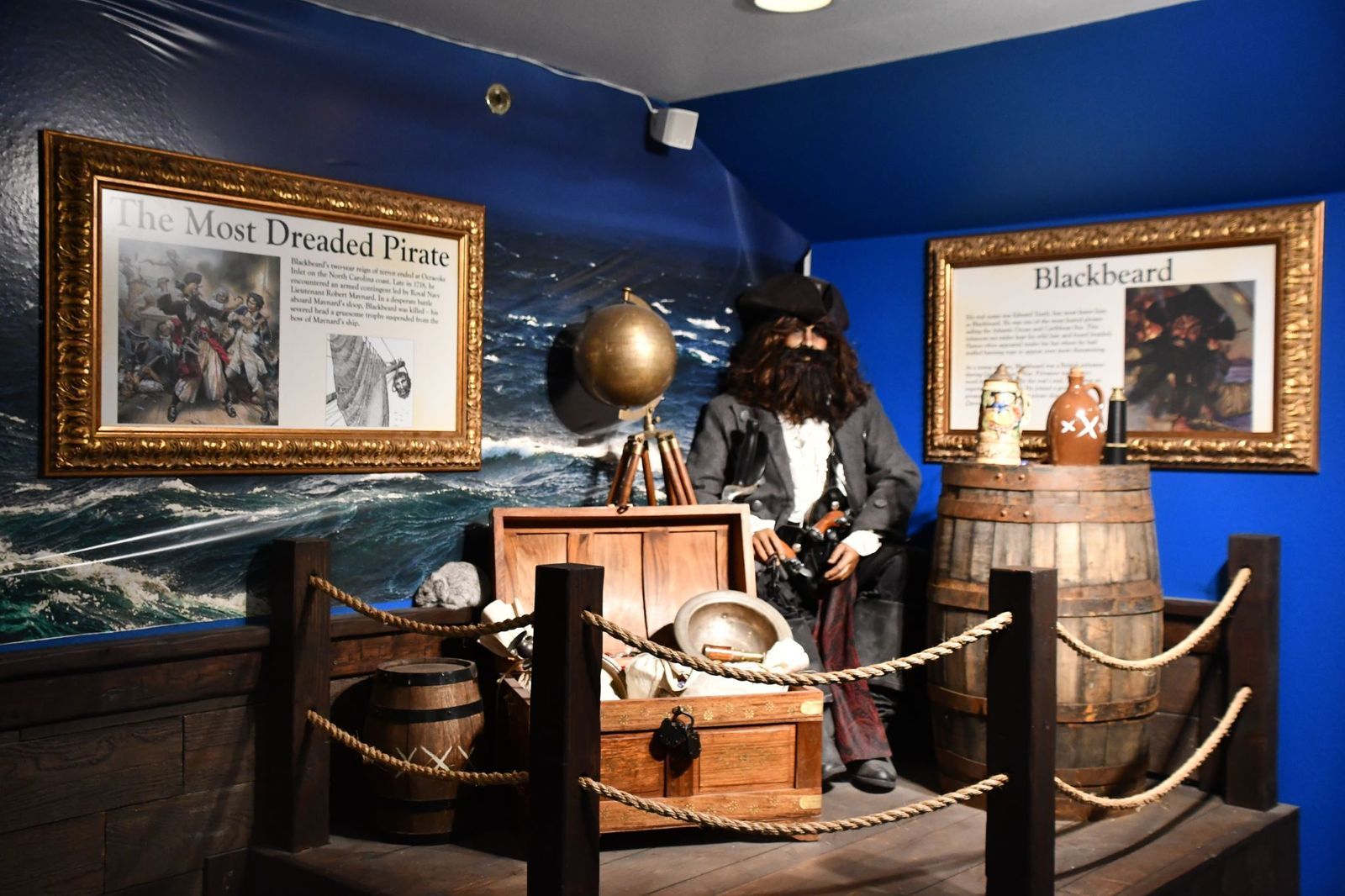
The infamous pirate Edward Teach, also known as Blackbeard, left behind a treasure no one has ever found. He terrorized the Atlantic Coast and the Caribbean, capturing numerous ships and stealing gold, silver, and valuable goods from them.

Modern estimates suggest that his riches would be worth $150 million. Before his death in November 1718, he claimed his wealth was hidden where "nobody knows but me and the Devil."

6

Oak Island Money Pit

Image: Adwo

The Oak Island Money Pit is a centuries-old mystery of buried treasure filled with traps and tunnels, located in Nova Scotia, Canada. It began in 1796 when teenager Daniel McGinnis found a circular depression under a tree and started digging with friends.

As they dug, they began to find oak logs 10 feet down, pointing to a man-made shaft, but water from a storm later flooded the pit. Rumors suggest there is a vault with pirate gold from Captain Kidd, Spanish artifacts, or Marie Antoinette's jewels, as searchers have found tropical coconut fibers and fragments of gold chain there; skeptics suggest it might’ve just been a natural sinkhole all along.

7

The Missing Fabergé Eggs

Image: Natalia Kirsanova

Of the 50 Imperial Fabergé Easter eggs created for the Russian royal family, up to eight remain unaccounted for. Notable missing pieces include the "Nécessaire Egg" (1889), the "Cherub with Chariot" (1888), and the "Hen with Sapphire Pendant" (1886).

While many were lost or stolen during the 1917 Russian Revolution, miraculous findings, such as the "Third Imperial Egg" recovered at a U.S. flea market after a century-long disappearance, keep collectors' hopes alive.

8

The Honjō Masamune Sword

Image: vladivlad

The Honjō Masamune Sword is a priceless Japanese samurai weapon that was lost after World War II. It is considered one of the finest blades ever forged by the master swordsmith Gorō Nyūdō Masamune, and remains a priceless cultural symbol of power.

Designated an official Japanese National Treasure in 1939, many experts remain hopeful it might appear in a private collection or attic.

9

The Beale Ciphers Treasure

Image: syachin

The Beale Ciphers Treasure is a renowned unrecovered fortune of gold, silver, and jewels, with an estimated value of over $65 million.

In 1820, a mysterious man named Thomas J. Beale checked into a hotel in Lynchburg, Virginia, and left a locked iron box with an innkeeper, alongside three encoded messages. If cracked, they supposedly reveal the hidden fortune. For now, only one has been decoded. Some experts allege the entire mystery is a hoax, while others continue to try to decipher the codes to this day.

10

The Lost Dutchman’s Gold Mine

Image: Raeann Davies

The Lost Dutchman’s Gold Mine is a famous, undiscovered gold deposit, said to be hidden somewhere near Apache Junction, in Arizona’s Superstition Mountains.

Legend claims it was found by Jacob Waltz, a German immigrant (misidentified as Dutch due to the old use of the term "Deutsch"), who settled in Arizona in the 19th century and supposedly kept its location secret before dying in 1891, except for the verbal hints he allegedly gave to his neighbor Julia Thomas, sparking modern treasure hunting to this day.


Some names stick around

From Table Tap Joe to Ziggy Stardust: Who are the best song characters?


Published on August 6, 2026


Image: Christina Radevich

Sometimes, a character is the perfect alter-ego to write a song about oneself without self-referencing so much. Other times, a character is just a character. Over the years, musicians have come up with lonely dreamers, fearless heroes, mysterious strangers, and even supernatural villains who have become just as famous as the songs themselves. Some were inspired by real people, others sprang entirely from imagination, but all of them left a lasting mark on music history. Which of these 12 do you remember?

1

Table Top Joe — Tom Waits — "Table Top Joe"

Image: lev radin

Tom Waits has always had a soft spot for society's oddballs, and few are even stranger than Table Top Joe. Introduced on the 2002 album Alice, Joe is born with only a head and hands, yet grows into a brilliant piano player whose extraordinary talent earns him fame despite the odds stacked against him.

The song unfolds like a forgotten American folk tale, complete with references to Coney Island's legendary Dreamland amusement park and composer Igor Stravinsky. Although many listeners assume the story is based on an old carnival legend, Table Top Joe is entirely Tom Waits' own creation.

2

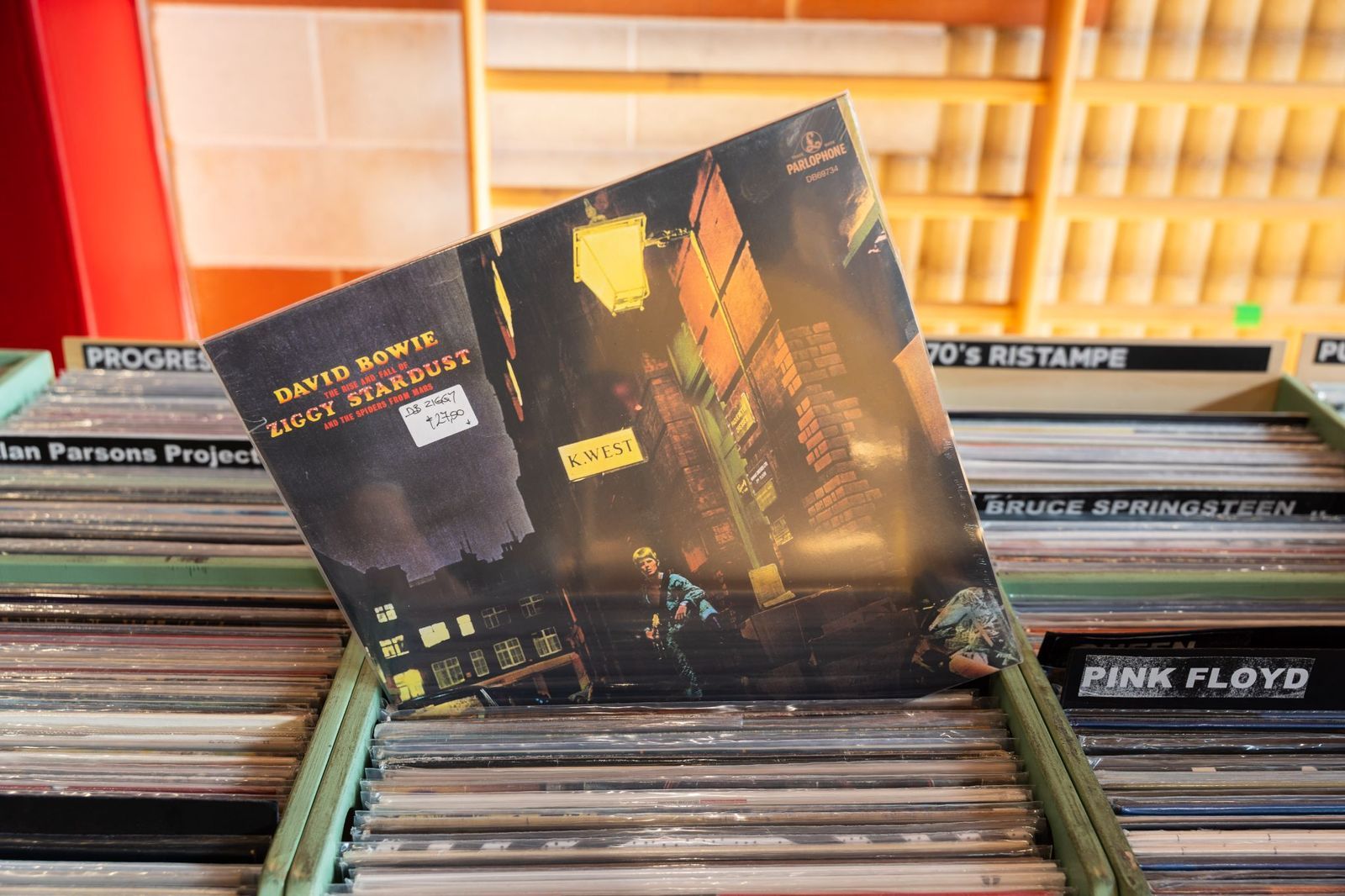
Ziggy Stardust — David Bowie — "Ziggy Stardust"

Image: PHLD Luca

Few fictional musicians have ever become as famous as Ziggy Stardust. Introduced in 1972, Ziggy is an alien rock star sent to Earth shortly before humanity's end, only to be consumed by the very fame that makes him a savior to millions.

David Bowie blurred the line between fiction and reality by performing as Ziggy onstage for more than a year. When he unexpectedly announced Ziggy's retirement during a concert at London's Hammersmith Odeon in 1973, many fans believed the character, and perhaps Bowie himself, had truly reached the end of the story.

3

Tommy — The Who — "Tommy"

Image: defotoberg

Tommy Walker isn't just the hero of a song, he's the central figure of one of rock music's first great operas. After witnessing a traumatic event as a child, Tommy becomes deaf, mute, and blind, yet somehow develops astonishing pinball skills that transform him into an unlikely celebrity.

Pete Townshend built an entire musical world around Tommy, exploring themes of trauma, faith, and redemption. First released in 1969, Tommy later became a hit film, a Broadway production, and one of the most influential concept albums ever recorded.

4

Johnny B. Goode — Chuck Berry — "Johnny B. Goode"

Image: Erman Gunes

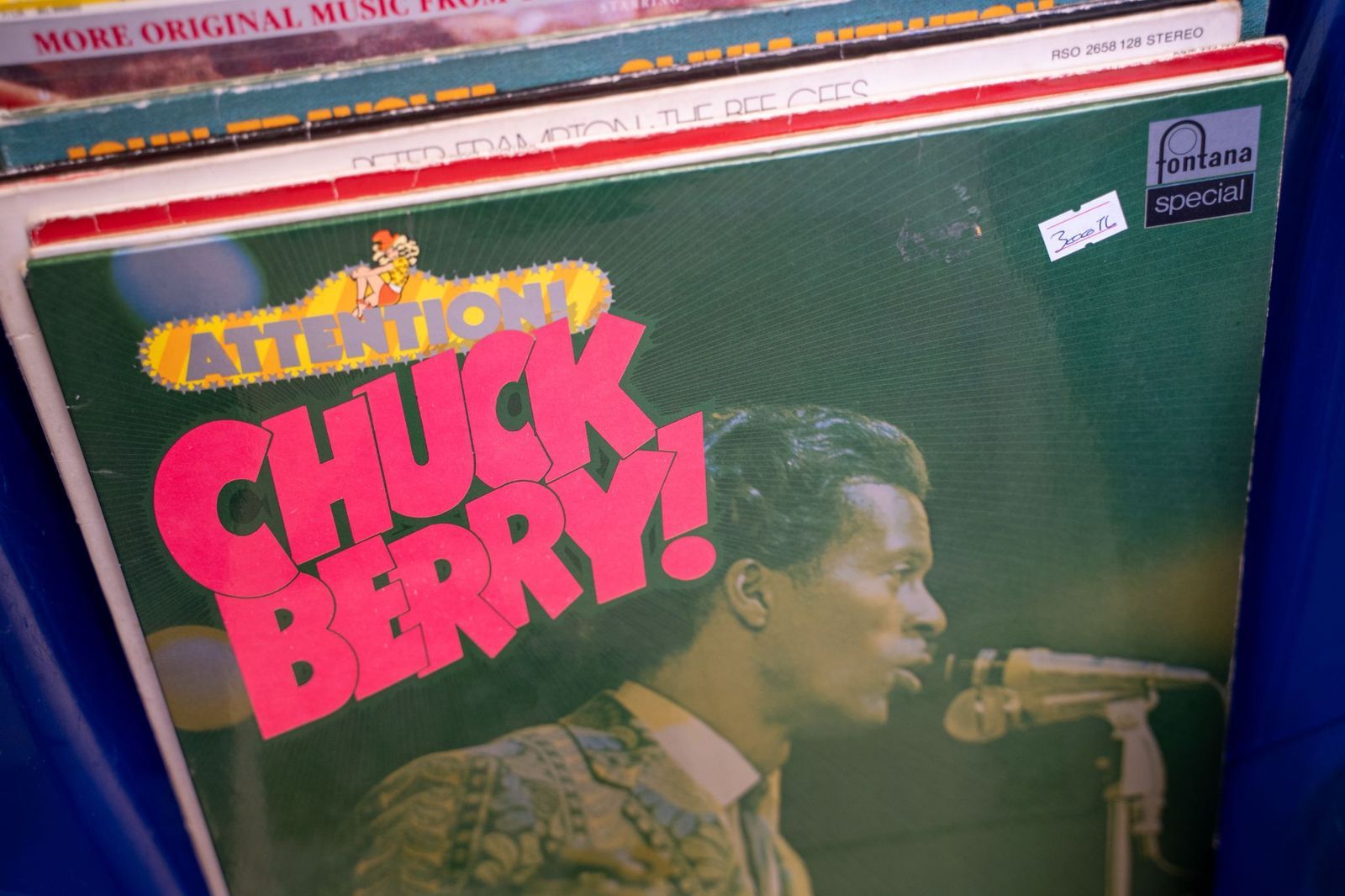
Johnny B. Goode is every aspiring musician's dream. Growing up in rural Louisiana with little more than a guitar and natural talent, he plays so brilliantly that listeners predict "his name will be in lights."

Chuck Berry based the character partly on himself and partly on pianist Johnnie Johnson. Originally described as a "colored boy," Johnny became a "country boy" in the final lyrics, making the song more likely to receive airplay during the segregation era. Nearly two decades later, Johnny's anthem would even travel into space aboard NASA's Voyager Golden Record.

5

Eleanor Rigby — The Beatles — "Eleanor Rigby"

Image: chrisdorney

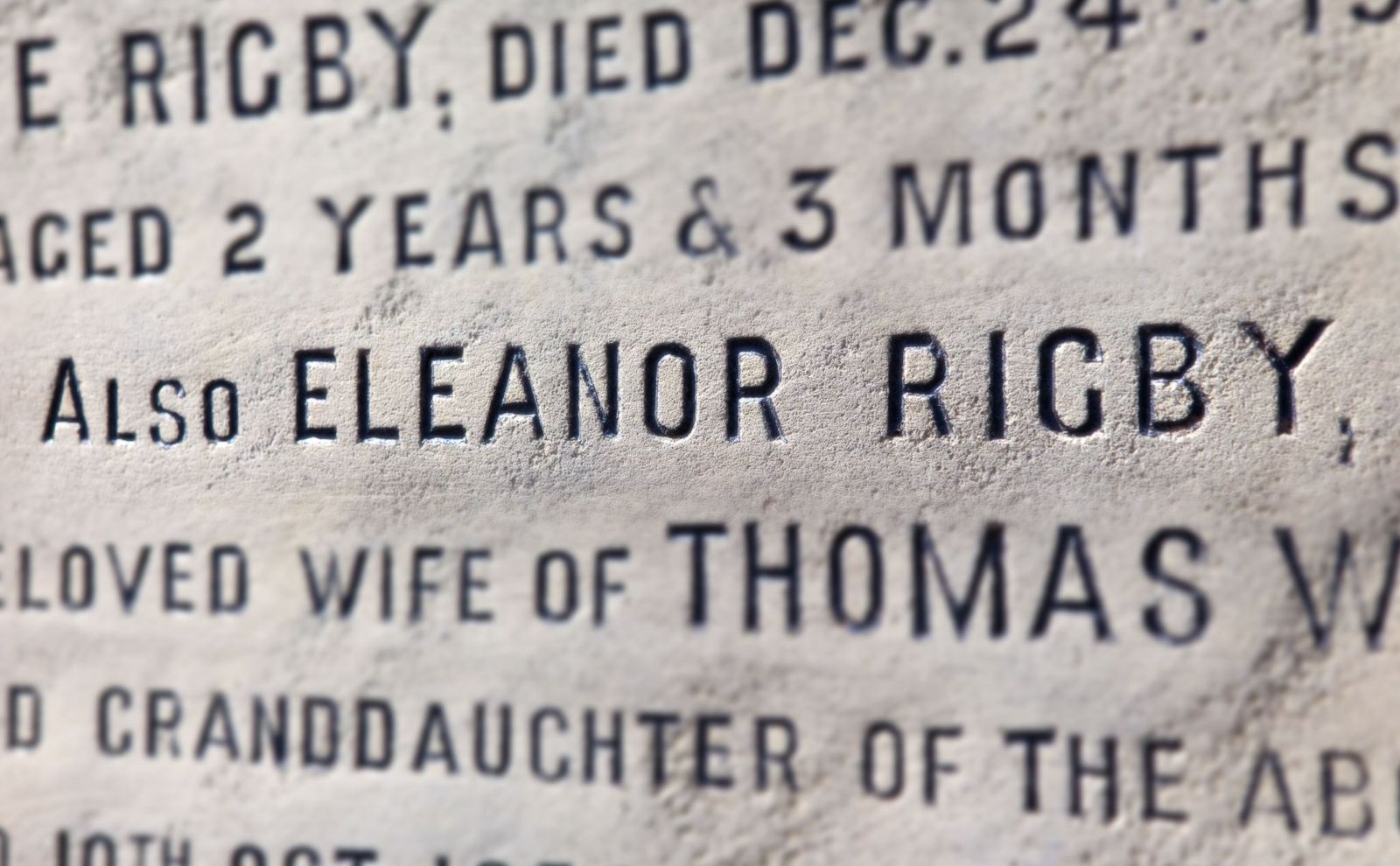
Few fictional characters have captured loneliness as powerfully as Eleanor Rigby. She quietly moves through life unnoticed, while Father McKenzie delivers sermons that no one hears, creating one of popular music's saddest portraits of isolation.

Paul McCartney later explained that Eleanor's name came from actress Eleanor Bron and the Liverpool shop Rigby & Evens. The discovery of an actual Eleanor Rigby gravestone in Liverpool only deepened the song's mystique, though McCartney maintained the coincidence was unintentional.

6

Billie Jean — Michael Jackson — "Billie Jean"

Image: McSleepy

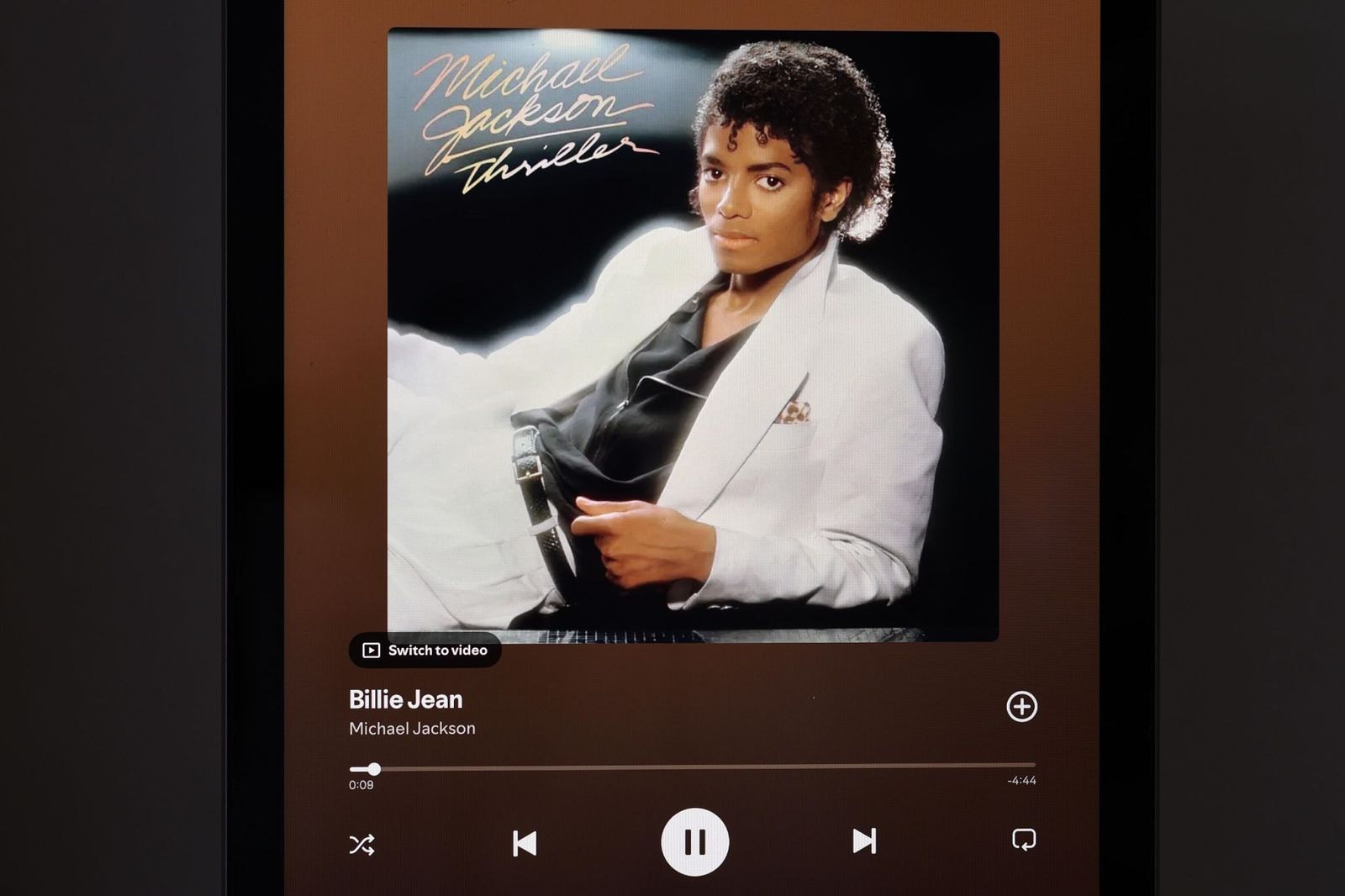
Billie Jean may be one of pop music's most famous women, yet Michael Jackson insisted she wasn't a real person. Instead, she represented several women who falsely claimed that he had fathered their children during the height of the Jackson 5's fame.

Released in 1983 as part of Thriller, the song became a global phenomenon. It also provided the stage for Jackson's legendary moonwalk during Motown 25.

7

Stagger Lee — Lloyd Price — "Stagger Lee"

Image: L Paul Mann

Unlike many legendary song characters, Stagger Lee actually existed. His real name was Lee Shelton, a St. Louis criminal who murdered Billy Lyons during an argument over a hat on Christmas Eve in 1895.

The shocking crime quickly entered American folklore through countless folk songs before Lloyd Price transformed it into a chart-topping hit in 1958. More than a century later, Stagger Lee remains one of the most enduring antiheroes in American music.

8

Tom Dooley — The Kingston Trio — "Tom Dooley"

Image: BOOCYS

Tom Dooley was inspired by Thomas Dula, a Confederate veteran executed in North Carolina in 1868 after being convicted of murdering Laura Foster. His surname was locally pronounced "Dooley," giving the ballad its familiar title.

The Kingston Trio revived the old Appalachian folk song in 1958, turning it into an international hit and helping launch America's folk music revival.

9

Lola — The Kinks — "Lola"

Image: McSleepy

When the narrator of "Lola" meets an intriguing stranger in a Soho nightclub, expectations quickly give way to surprise. Ray Davies crafted one of rock's earliest mainstream stories exploring gender ambiguity, decades before the topic entered popular conversation.

The recording rarely reached British radio. Because BBC rules prohibited commercial product names, Davies had to interrupt a U.S. tour and fly back to London simply to replace the lyric "Coca-Cola" with the now-famous "cherry cola."

10

Piano Man — Billy Joel — "Piano Man"

Image: Debby Wong

Unlike most famous song characters, the Piano Man is really Billy Joel himself. Before becoming a superstar, Joel spent six months in 1972 and 1973 performing under the pseudonym Bill Martin at the Executive Room, a piano bar in Los Angeles, after becoming trapped in a bad recording contract. The song transforms those experiences into a bittersweet portrait of ordinary people searching for escape at the end of another week.

Joel has said that virtually every character in the song was based on a real person, from bartender John to "Paul, the real estate novelist" and Davy, who really was in the Navy. Yet the Piano Man himself became the story's most enduring character: a quiet observer who offers music as a brief refuge for dreamers, lonely souls, and regulars alike. More than fifty years after its 1973 release, "Piano Man" remains Billy Joel's signature song, and its title has effectively become his lifelong nickname.

11

Amos Moses — Jerry Reed — "Amos Moses"

Image: AS project

Standing nearly seven feet tall and missing an arm, Amos Moses roams the Louisiana swamps hunting alligators. Jerry Reed filled the song with colorful Southern expressions and exaggerated storytelling that make Amos feel like an authentic folk legend.

Although fictional, Amos embodies the larger-than-life heroes found throughout American tall tales. His adventures turned the song into one of Reed's biggest crossover hits and secured Amos a permanent place among country music's greatest characters.

12

Big Bad John — Jimmy Dean — "Big Bad John"

Image: mirigifford

Big Bad John hardly says a word, but he doesn't have to. The towering coal miner earns everyone's respect through quiet strength before sacrificing his own life to save fellow workers when a mine collapses.

Jimmy Dean's 1961 ballad became a smash hit, winning a Grammy and inspiring several sequel songs. More than sixty years later, Big Bad John still stands as one of country music's defining working-class heroes.

Looking for an extra scoop of literary fun?

Learn more with our Word of the day

presuppose

/ˌprisəˈpoʊz/