Words to live by

The Italian phrase that turns doing absolutely nothing into an art form


Published on August 15, 2026


Image: Thomas Bethge

Every culture looks at life through its own lens: from a farmer in old Japan to a poet in ancient Rome, they all figured out their own version of "life's too short, don't be a fool about it". But some languages found the perfect handful of words to capture an idea that other languages take a whole paragraph to fumble through. You've probably heard "Carpe diem" shouted by Robin Williams in Dead Poets Society, or maybe your grandfather liked to say "a bird in the hand is worth two in the bush" (which got a big boost from Benjamin Franklin, who printed it in his famous almanac). Here are 10 more gems worth adding to your back pocket.

1

"C'est la vie" (French: "that's life")

Image: Nicoleta Ionescu

You say this when something annoying or disappointing happens and there's simply nothing to be done about it: you missed the bus, the soup's too salty, whatever the case may be. Nobody can pin down exactly when it started, but it's been part of everyday French speech for centuries, and it slipped into English decades ago.

The closest American equivalent is probably "such is life" or the more resigned "it is what it is."

2

"Il dolce far niente" (Italian: "the sweetness of doing nothing")

Image: JaySi

This one celebrates lounging around guilt-free: sipping coffee, watching the world go by, accomplishing absolutely nothing on purpose. It's tied to Italy's relaxed approach to life and shows up whenever someone wants to justify an afternoon nap.

There's no single inventor; it's just baked into Italian culture. English doesn't really have a phrase this poetic, though "kicking back" or "taking it easy" gets at the same idea, minus the charm.

3

"Que será, será" (Spanish: "whatever will be, will be")

Image: stoatphoto

A gentle way of saying "don't stress about the future, it'll work out how it works out." Many Americans know it from the 1956 Doris Day song, though the phrase itself is older and its exact origin is fuzzy; some trace similar sayings back to medieval Europe. It's perfect for calming down a worrier before a big decision.

English speakers might reach for "what will be, will be" or simply "it'll all work out."

4

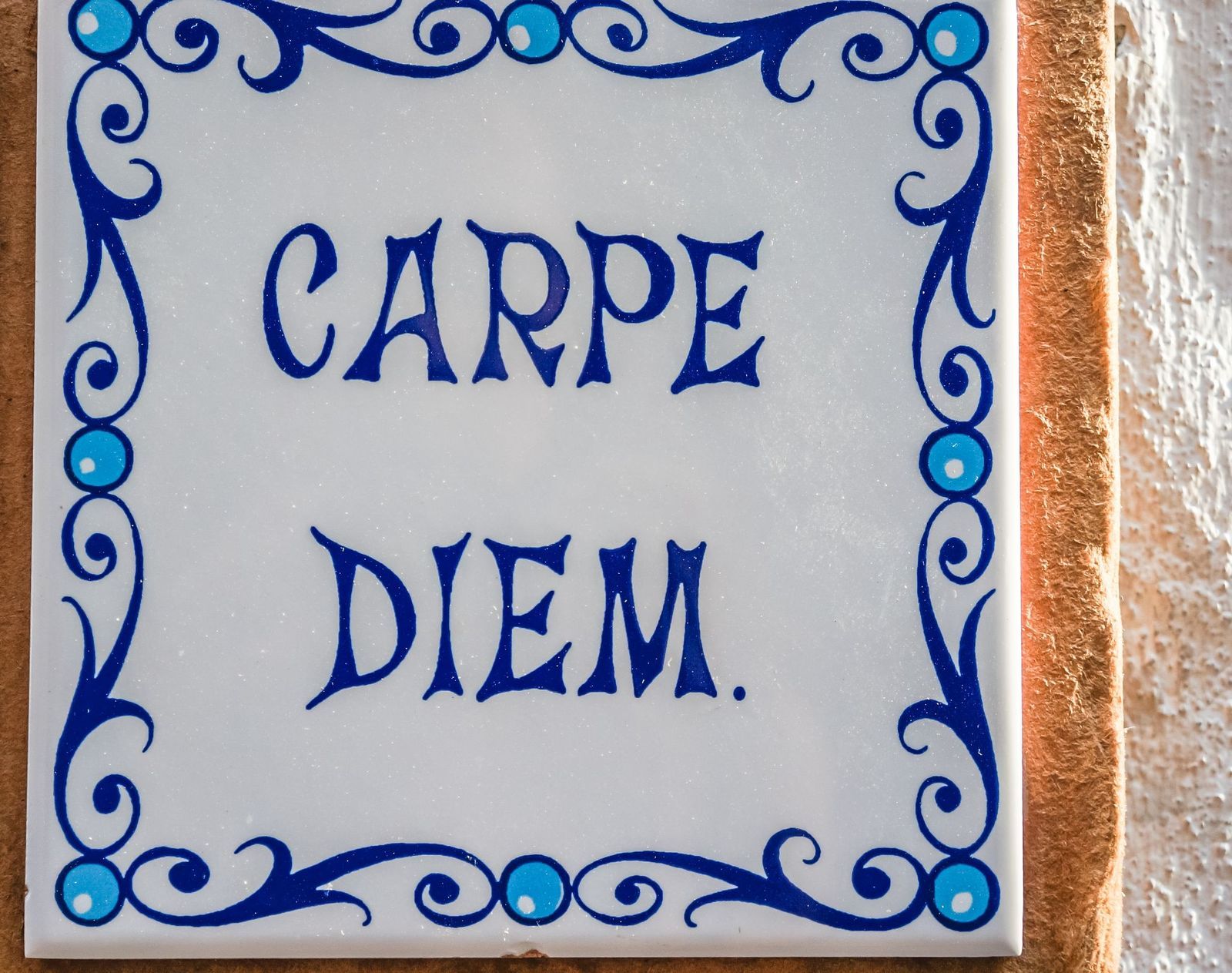
"Carpe diem" (Latin: "seize the day")

Image: Indre Brazauskaite

This one comes straight from the Roman poet Horace, around 23 B.C., urging readers to grab pleasure from today instead of banking on tomorrow. It became a household phrase in America after that unforgettable scene in Dead Poets Society. Use it anytime you're pushing someone (or yourself) to stop overthinking and just do the thing.

The English cousin is "no time like the present."

5

"The best time to plant a tree was 20 years ago" (often called a Chinese proverb)

Image: Yury Zap

The message is: you can't undo a late start, but you can still act now instead of moping around. It's often attributed to ancient Chinese farming wisdom, though nobody can point to an exact author or date. People say this when someone's beating themselves up over a delayed career change, workout plan, or savings account.

The nearest English saying is "better late than never."

6

"Deru kui wa utareru" (Japanese: "The nail that sticks up gets hammered down")

Image: Cagkan Sayin

This reflects a traditional Japanese value of blending in and not causing friction within the group. It's used to explain why someone might hold back from bragging or standing out too much at work or school, even when they deserve more credit. Its exact origins are unclear, but it's long been considered a summary of Japanese social norms.

English has "the squeaky wheel gets the grease"; funny enough, the opposite advice.

7

"When the music changes, so does the dance" (Africa, various regions)

Image: Elena_Alex_Ferns

This proverb, heard across several African countries without one confirmed birthplace, is about adapting when circumstances shift: new boss, new rules, new season of life, whatever the case may be. It's the wise elder's way of saying "stop dancing to a song that already ended."

Americans might say "roll with the punches" or "go with the flow" instead.

8

"A bird in the hand is worth two in the bush" (England)

Image: Ansems - de Jong

This warns against risking something certain for something uncertain, however tempting. Benjamin Franklin printed it in his famous Poor Richard's Almanack in the 1700s, though the saying is actually much older, tracing back to medieval English and even earlier fable traditions. It's the go-to line when someone's tempted to gamble a sure thing for a "maybe better" option.

9

"Ubuntu: I am because we are" (African philosophy)

Image: PeopleImages

Rooted in Southern African culture, this idea states that your identity and wellbeing are tied to your community and that you don't exist in isolation. Archbishop Desmond Tutu helped popularize it worldwide during South Africa's post-apartheid years. It's used to encourage compassion and teamwork, and to remind us that we're all connected.

English doesn't have a tidy one-liner for this, though "no man is an island" comes close.

10

"Wo de tian!" (Chinese: "Oh my heavens!")

Image: TimeImage Production

This is simply an exclamation of shock or disbelief, the Mandarin cousin of "oh my gosh!" There's no dramatic origin story here; it's everyday, casual speech, useful for when you accidentally drop your phone in the toilet or hear surprising gossip.

The English equivalent is right there in the translation: "oh my heavens" or "good grief."


Hospital secrets

What is a "Code Gray" and what you should know if you hear it at the E.R.


Published on August 15, 2026


Image: voronaman

A trip to the emergency room can be stressful enough without hearing doctors and nurses speak a language that sounds like a secret code. One minute, someone is asking for medication "STAT," the next there’s a "Code Gray," and another patient is suddenly "NPO." What do those words really mean? Some are official medical terms, others are insider slang, but they all help hospital staff communicate quickly when every second counts. Here are 10 of those codes explained.

1

Code Gray

Image: PeopleImages

The E.R. can be hectic and unpredictable. Most patients are frightened or uncomfortable, but now and then someone becomes aggressive because of pain, confusion, mental illness, or the effects of alcohol or other substances. That’s when you can hear "Code Gray" announced over the speakers.

The code is used to summon security officers to help manage a violent or combative situation. While color codes vary from one hospital to another, Code Gray commonly signals that staff needs extra assistance to protect patients, visitors, and healthcare workers. Even if you know it now, most people in the waiting room never know what happened, and that’s exactly the point.

2

NPO

Image: PeopleImages

You have a scheduled surgery, you’re in your bed waiting to be taken to the surgery room, and you ask for a cup of coffee to make the wait lighter. The nurse will probably tell you you’re an NPO. You may think it’s serious, but it’s simply a procedure.

"NPO" is an abbreviation that comes from the Latin phrase Nil Per Os, which means "nothing by mouth." It tells patients they cannot eat, drink, or sometimes even take medication until doctors say it’s safe. The rule is most common before surgery or certain medical tests, when food or liquids could increase the risk of complications or alter the results. It may be frustrating, but it’s an important part of keeping patients safe.

3

STAT!

Image: PeopleImages

You’ve probably been through the experience of visiting an emergency room, either to get checked or to visit a loved one. In that part of the hospital where everyone is rushing to save lives, you’ve probably heard a doctor asking for the R.C.P. cart or medication "STAT!" It sounds urgent, and that's because it is.

The expression comes from the Latin statim, which means "immediately" or "without delay." Hospitals have used Latin medical terms for centuries, but STAT is one of the few that remains part of everyday conversation. When a doctor says it, the request jumps to the top of the priority list. It doesn’t always refer to a life-or-death situation, but it does mean the medical team needs something done as quickly as possible.

4

Code Pink

Image: Vladimir Tretyakov

Newborns are always a reason to celebrate at the hospital. Parents usually rest happily next to their child as they receive congratulations from close relatives. However, the hospital is always prepared to handle extremely rare emergencies under "code pink."

If you hear a "Code Pink," it usually means a baby or young child is suspected of being abducted from the hospital. Within seconds, security officers respond, exits may be monitored or blocked, and staff begins following carefully rehearsed procedures. Although different hospitals sometimes use different color codes, Code Pink has become widely recognized across North America as one of the most serious alerts a hospital can issue.

5

Walkie-talkie

Image: Arunporn Thanapotivirat

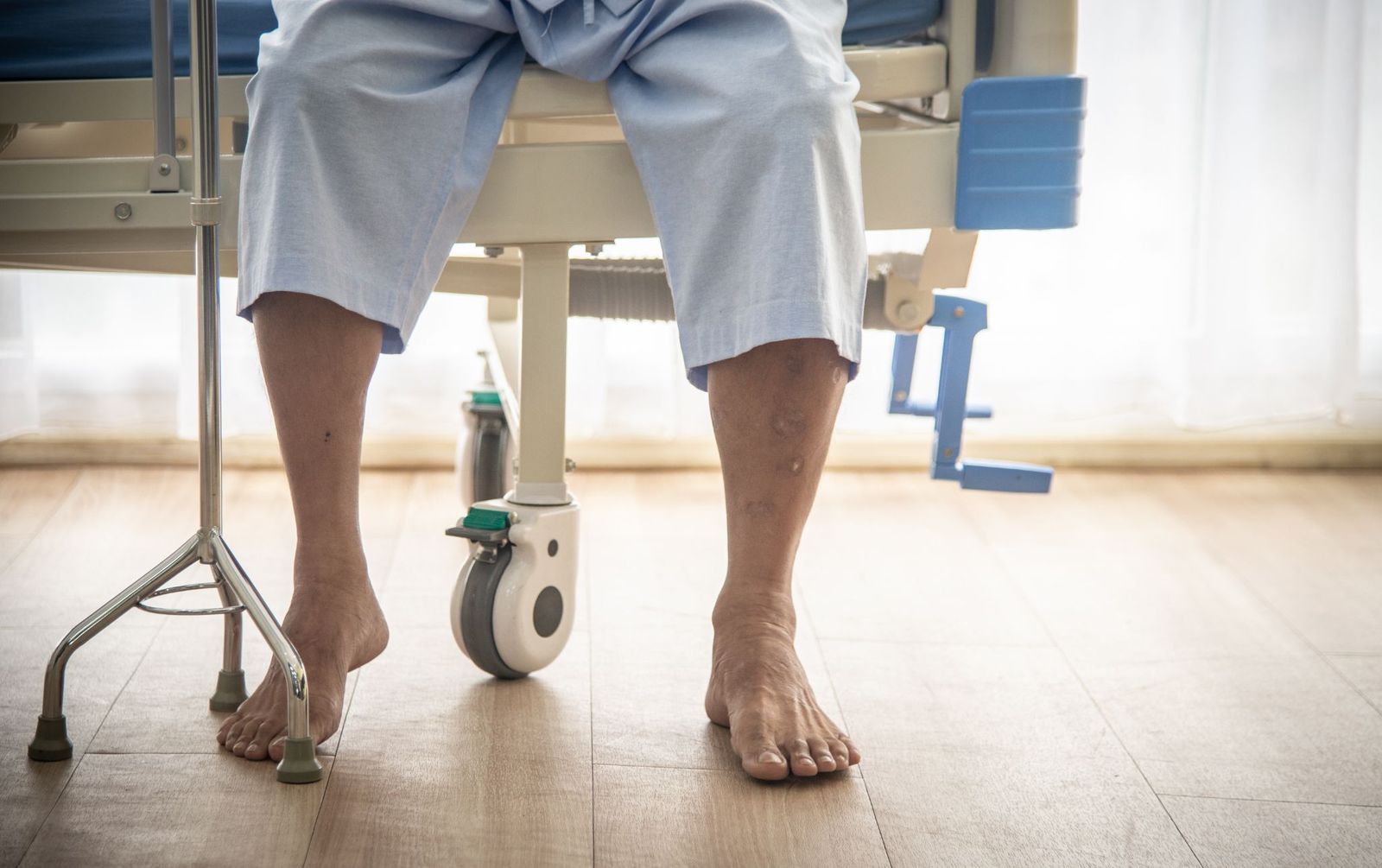
If you’ve ever spent a few days in the hospital, you’ve probably noticed that some patients are walking up and down the halls, while others need help just getting out of bed. When a nurse refers to someone as a "walkie-talkie," it’s actually good news.

This informal expression refers to patients who can walk on their own, use the bathroom without assistance, and handle most basic tasks independently. It’s not an official medical term, of course, but it’s commonly used among healthcare workers because it quickly tells the next shift that the patient requires less hands-on care than many others.

6

Total

Image: sebra

As nurses change shifts, you’ll often hear them give a quick report about each patient. One person may only need medication, while another is described as a "total."

The term is short for a patient who requires total care. They may need help eating, bathing, getting dressed, turning in bed, or moving from one place to another. Although the expression sounds impersonal, it’s simply a practical way for caregivers to communicate how much assistance someone needs.

7

Frequent flyer

Image: Studio Romantic

Most people hear "frequent flyer" and think of an airline reward program. And that’s correct, but in an emergency room, the phrase has a very different meaning.

A frequent flyer is an informal nickname for patients who repeatedly return to the hospital, often due to chronic illness, recurring medical conditions, or other ongoing health issues. Behind the light-hearted nickname is often a difficult reality. Many of these patients are simply dealing with medical problems that require regular emergency care, and the expression is just a way to make the experience a bit lighter among the familiar faces of doctors and nurses.

8

WOW

Image: Studio Romantic

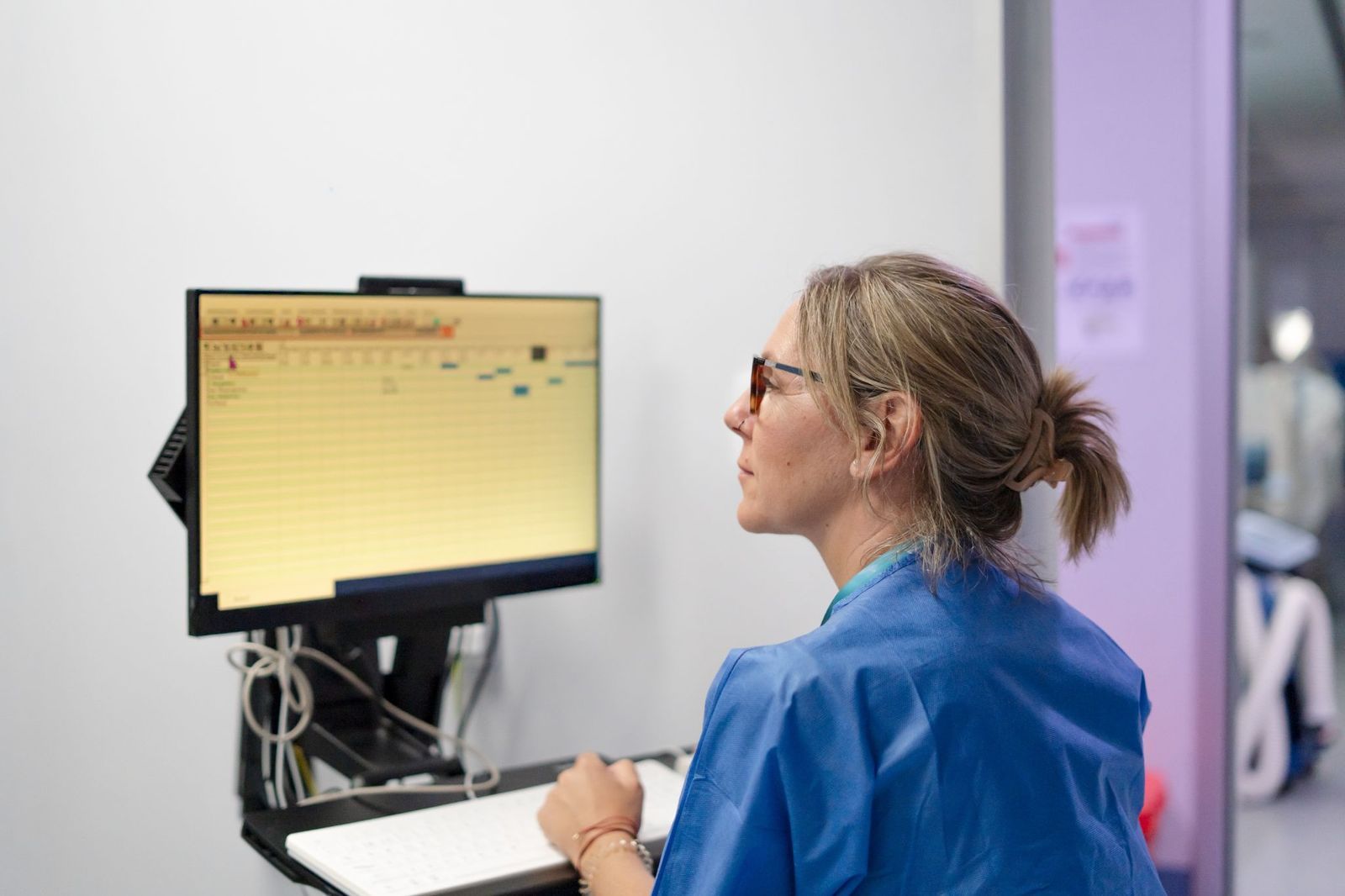
Not all codes are for patients. The next time you’re in a hospital, look closely at what the nurse is pushing from room to room. It may look like a small rolling desk with a computer on top. Staff often call it a "WOW," short for "workstation on wheels."

As hospitals switched from paper charts to electronic medical records, these mobile computers became essential. Nurses use them to review test results, scan medications, update patient charts, and check doctors’ orders without leaving the bedside. The name sounds funny, but the technology helps caregivers spend more time with patients instead of walking back and forth to a nursing station.

9

Sharp container

Image: NMK-Studio

After getting a shot or having blood drawn, most patients never think about where the used needle ends up. It certainly doesn't go into an ordinary trash can.

Hospitals place needles, scalpels, and other sharp medical instruments into special containers designed to prevent accidental injuries. These sturdy, puncture-resistant boxes are sealed when full and safely disposed of in accordance with strict health regulations. This not only protects nurses, but it also protects cleaning crews, waste handlers, and even the public from dangerous needle sticks. It’s one of the most important safety measures in every hospital, even though most patients never notice it.

10

B-52

Image: Photoroyalty

If you’ve ever watched a medical drama, you've probably seen a patient become so agitated that several staff members rush into the room. In situations like that, a doctor or nurse may ask for a "B-52." But the name has nothing to do with numbers themselves; it actually comes from a medicine.

B-52 is hospital slang for a fast-acting injection used to calm down patients who are severely combative or at risk of harming themselves or others. The nickname comes from a commonly used combination of medications that usually include diphenhydramine, haloperidol, and lorazepam. It’s strictly reserved for when other methods of calming the patient haven’t worked.

Looking for an extra scoop of literary fun?

Learn more with our Word of the day

cumbersome

/ˈkəmbərsəm/